
REVIEW · HIROSHIMA AND MIYAJIMA DAY TRIPS
Hiroshima: History of Hiroshima Group Walking Tour
History hits you in the street. This 2-hour walk through Hiroshima Peace Memorial Park turns major landmarks into human stories you can actually follow. What makes it especially interesting is the local, academic-style guidance plus the way the route explains what Hiroshima was like before, during, and after August 6, 1945.
I really like the stop-by-stop focus on symbols, not just plaques. I also love how guides build emotional context with family-linked survivor stories that make the day feel close, not abstract. One thing to consider: this tour covers a lot of heavy material in a short window, so if you need slower breaks, plan to pace yourself at key points.
In This Review
- Key Highlights You Will Feel Right Away
- Entering Hiroshima Peace Memorial Park Through the Peace Gates
- Where You Meet, Where You End, and What the Route Really Covers
- Mother and Baby in the Storm: A Small Scene With Big Gravity
- The Prayer Fountain: When Silence Is Part of the Design
- Victims Memorial Cenotaph, Flame of Peace, and the Park’s Core Signals
- Hiroshima National Peace Memorial Hall: Admission Included for a Reason
- The 20-Minute Breathing Space: Use It Wisely
- Children’s Peace Monument, Burial Mound, and the Human Scale You Can’t Ignore
- Korean Atomic Bomb Victims Cenotaph and the Wider Victim Story
- Bell of Peace and Peace Watch: Symbols That Keep Moving After You Leave
- Atomic Bomb Dome: The Only Structure Left Standing
- Hypocenter: Finish at the Core of the Story
- What Makes the Guides the Real Value Here
- Practical Tips So This Tour Hits the Right Way
- Who This Tour Suits Best (And Who Might Want Another Option)
- Should You Book This Hiroshima Walking Tour?
- FAQ
- Where is the meeting point for the tour?
- How long is the Hiroshima History of Hiroshima Group Walking Tour?
- What does the tour cost?
- Is the tour guided and in English?
- What’s included with the tour?
- What are some of the major places you visit?
- Where does the tour end?
- Is the tour wheelchair accessible?
- What should I bring?
- Can I cancel, and is pay later available?
Key Highlights You Will Feel Right Away
- Expert guides with advanced study and local life in Hiroshima, sharing context you cannot get from a quick read
- A guided walk designed for meaning, from the Peace Gates to the Hypocenter
- Landmarks explained through testimony and symbols, so you know what you are looking at
- Respectful pacing with time for questions, including moments to reflect
- Atomic Bomb Dome and the Hypocenter as the final anchors of the whole story
Pairing the city with Miyajima. Other itineraries
- Hiroshima: Hiroshima and Miyajima UNESCO Sites 1-Day Tour
★ 4.9 · 2,330 reviews - Hiroshima / Miyajima Full-day Private Tour with Government Licensed Guide
★ 5.0 · 1,298 reviews - Hiroshima Historical Walking Tour – Why A-Bomb was Dropped
★ 4.8 · 893 reviews - Hiroshima Peace (Heiwa) Walking Tour at World Heritage Sites
★ 5.0 · 872 reviews
Entering Hiroshima Peace Memorial Park Through the Peace Gates
If you want the Hiroshima story in a shape your brain can hold, start here at the Peace Gates and let the walk act like a timeline. The tour begins in the right emotional frame: you are not rushing past memorials, you are stepping into a place built to remember both direct victims and the wider impact on the city.
The guides are a big reason this tour works. They are described as local people with years living in Hiroshima, and also with advanced education in fields like Tourism, Anthropology, History, Peace Studies, and related areas. That mix matters. It is what turns a collection of monuments into a connected explanation of why people built this memorial space the way they did.
Where You Meet, Where You End, and What the Route Really Covers
You will meet your guide in front of the Gates of Peace, next to the Italian restaurant Mario. The tour is built as an efficient, walkable loop through the Peace Memorial Park area, starting at the gateway and finishing at the Hiroshima Atomic Bomb Hypocenter Monument.
This is not a car tour or a museum-only visit. It is a walking experience that keeps you outdoors, moving from landmark to landmark while the guide connects each one back to August 6, 1945, and its aftermath. Expect a mix of famous sites and lesser noticed markers, including cenotaphs, fountains, statues, and symbolic structures around the park.
A practical note: the walk is listed as 2 hours. That is a good length. You will cover major ground without turning it into a marathon, but you still need comfortable shoes and the right weather layers.
Mother and Baby in the Storm: A Small Scene With Big Gravity
You kick off with Mother and Baby in the Storm, one of the park’s most recognizable images. Even if you have seen photos before, the impact hits differently when you are standing there. It forces you to slow down and see the memorial message in human scale, not just in historical dates.
The guide usefully gives you the meaning behind the scene and where it fits in the broader memorial landscape. For me, that is the difference between looking at a sculpture and understanding why that sculpture exists in a peace park.
- Hiroshima Peace (Heiwa) Walking Tour at World Heritage Sites★ 5.0 · 872 reviews
- Hiroshima in a Nutshell: Morning Bike Adventure★ 5.0 · 524 reviews
- Hiroshima City 4hr Private Walking Tour with Licensed Guide★ 5.0 · 437 reviews
- From Hiroshima: Hiroshima & Miyajima 1 Day Tour with Lunch★ 4.7 · 395 reviews
- Japanesel Archery Experience HIROSHIMA CASTLE SHARAKU★ 5.0 · 387 reviews
The Prayer Fountain: When Silence Is Part of the Design
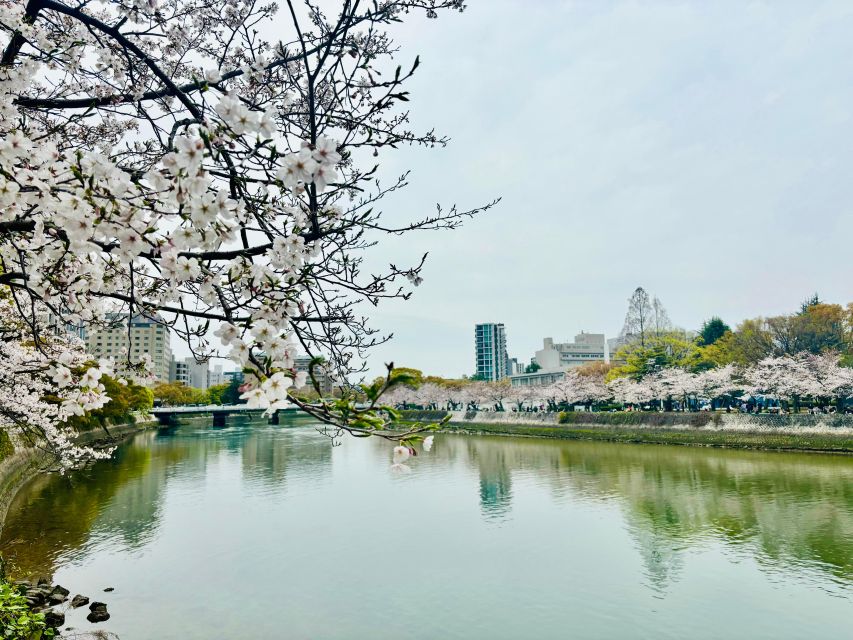
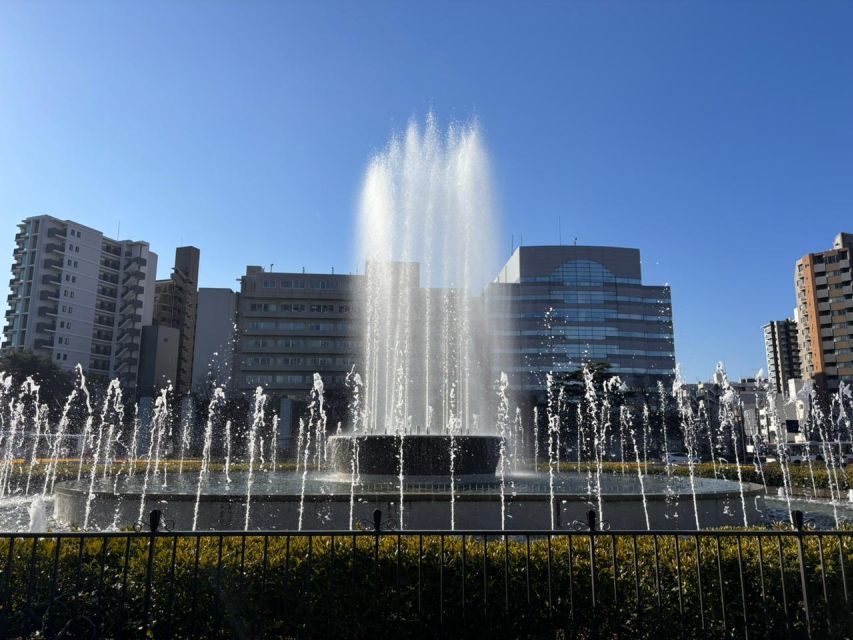
Next up is the Prayer Fountain, with time to take in views along the way. This stop is less about “facts” and more about atmosphere. That might sound soft, but it is important. The Hiroshima Peace Memorial Park is designed so that your body and your attention change as you move through it.
When the guide ties this kind of landmark back to what survivors and families experienced, you start to notice details you might otherwise skip. It is the kind of stop where you feel your brain switch from sightseeing mode to listening mode.
Victims Memorial Cenotaph, Flame of Peace, and the Park’s Core Signals
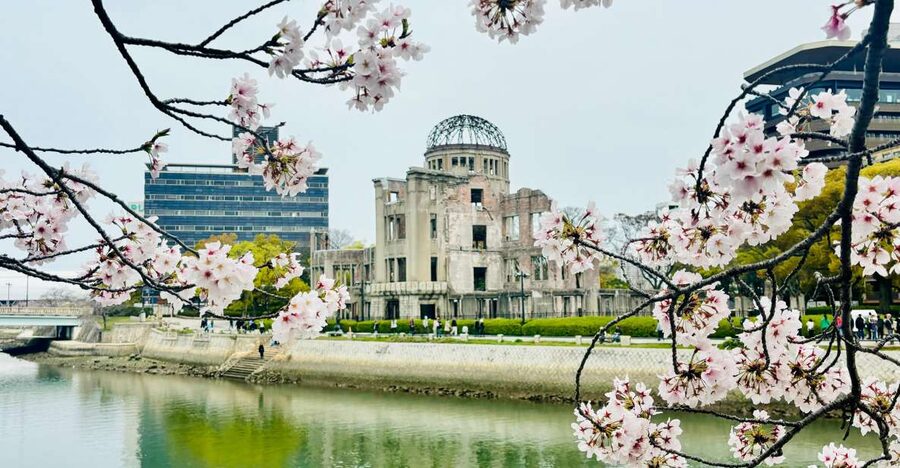
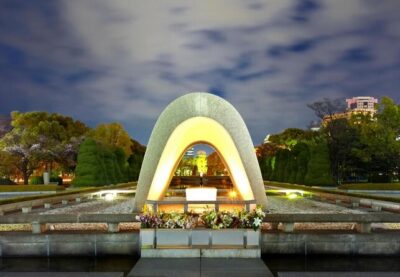
From there, you move through key memorial markers that serve as the park’s moral center. You will visit the Hiroshima Victims Memorial Cenotaph and the Flame of Peace. The guide explains what these places represent and how they connect to the broader story of the victims.
I like these kinds of stops because they give you language. After the tour, you are not just thinking, “War happened.” You are thinking, “These are the specific symbols the city chose to keep the memory alive and to push a message of peace forward.”
One consideration for your emotional experience: some stops are very direct in how they ask you to reflect. If you are prone to getting overwhelmed, decide ahead of time that it is okay to pause, breathe, and step aside for a minute.
Hiroshima National Peace Memorial Hall: Admission Included for a Reason
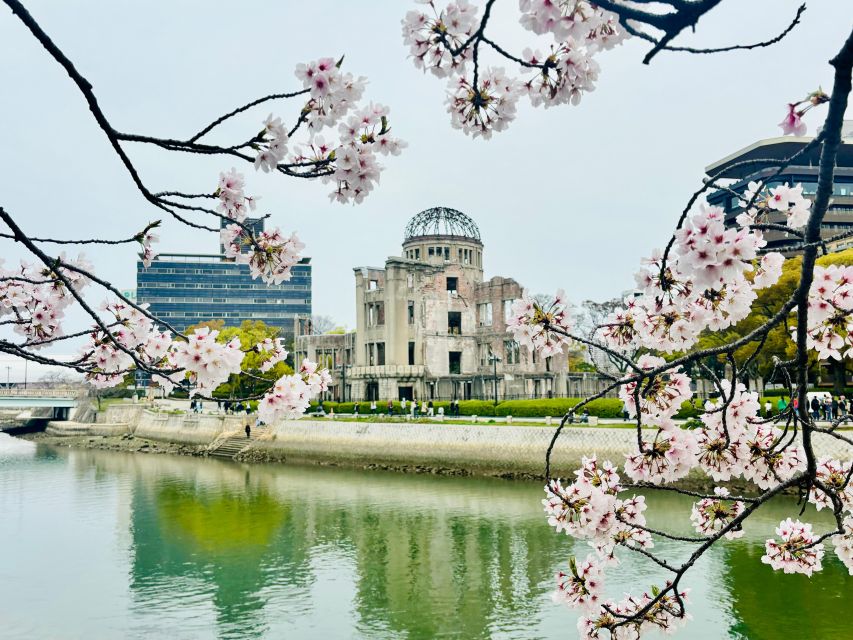
The tour includes entrance to the Hiroshima National Peace Memorial Hall for Atomic Bomb Victims. That ticket component is a real value add because it turns the walk into a stronger blend of outdoor memorials plus an inside space where context can become clearer.
The guide’s role here is not to turn it into a lecture. It is to help you connect what you see with the theme you have been building outside, so the hall does not feel like a separate trip. You get a guided visit, then you move onward, which keeps your understanding in one track.
Plan to absorb this stop a little slower than the outdoor monuments, because indoor memorials often hit harder once you see the full context in a concentrated space.
The 20-Minute Breathing Space: Use It Wisely
The route includes a free-time period of about 20 minutes. This is your chance to regroup, use the restroom, and decide what you want from the rest of the walk: photos, quiet, or extra questions for the guide.
I like having that built in, because the tour is emotionally heavy even when it is factual and well paced. If you use the break to prepare for the more moving sections ahead, you will likely get more out of the later stops.
Children’s Peace Monument, Burial Mound, and the Human Scale You Can’t Ignore
You will then visit the Children’s Peace Monument, with time for photos and a guided walk around the meaning. This stop can feel especially hard. It also helps you understand why Hiroshima’s peace message is not only about history. It is about protecting future generations.
After that you move to the Atomic Bomb Memorial Burial Mound, and the tour continues through other memorials that keep the focus on victims and long-term consequences. These are places where the guide’s tone matters. The best part of this experience is that the stories are delivered with respect, and they make room for questions rather than rushing you past the difficult moments.
Korean Atomic Bomb Victims Cenotaph and the Wider Victim Story
One powerful element of the walk is that it does not reduce the narrative to one narrow perspective. You will visit the Korean Atomic Bomb Victims Cenotaph, and it is presented as part of the larger reality of who was affected by the bombing.
This matters for your understanding. Hiroshima is often discussed globally as a world-changing event. But standing in a memorial that points to broader victim groups reminds you that the suffering had many dimensions, not one simple storyline.
Bell of Peace and Peace Watch: Symbols That Keep Moving After You Leave
You will also stop for the Bell of Peace, plus other park features such as the Peace Watch. These landmarks can feel almost gentle compared to cenotaphs and burial mounds, but that is exactly why they work.
The guide helps you interpret them as tools for reflection and continued commitment to peace. In other words, the park is not only a place to remember what happened, it is also designed to encourage what you do next.
Atomic Bomb Dome: The Only Structure Left Standing
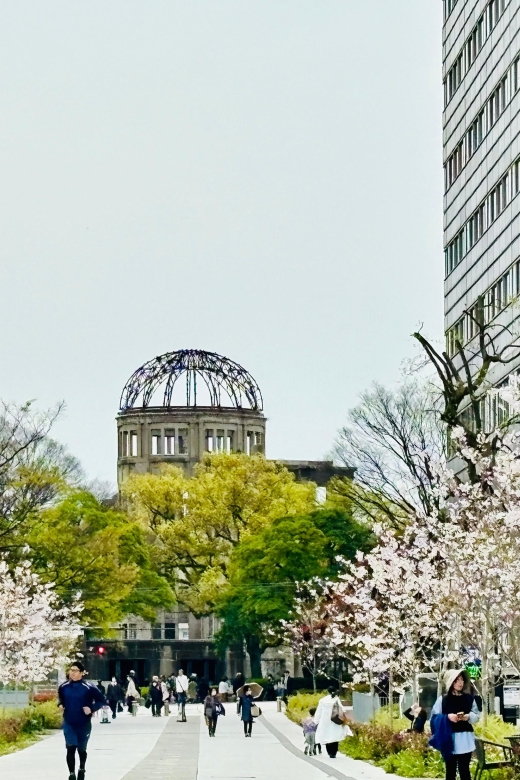
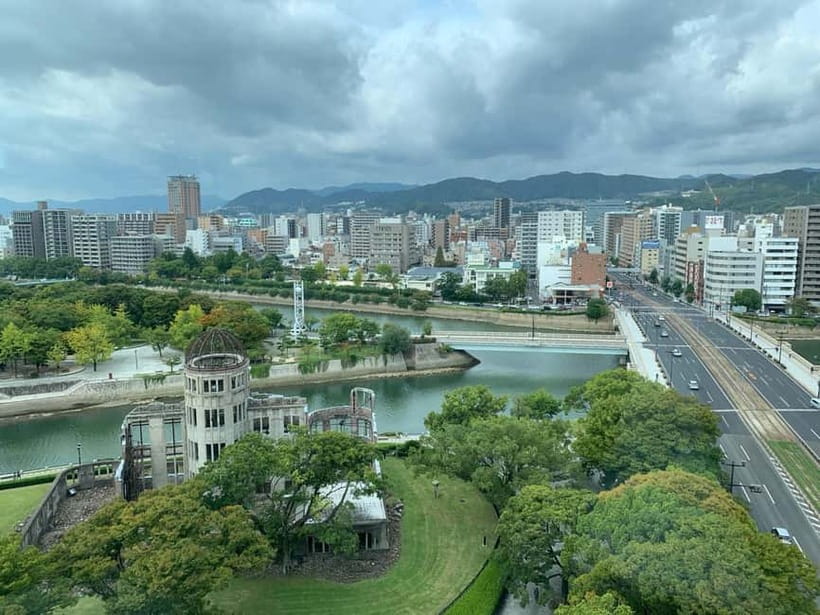
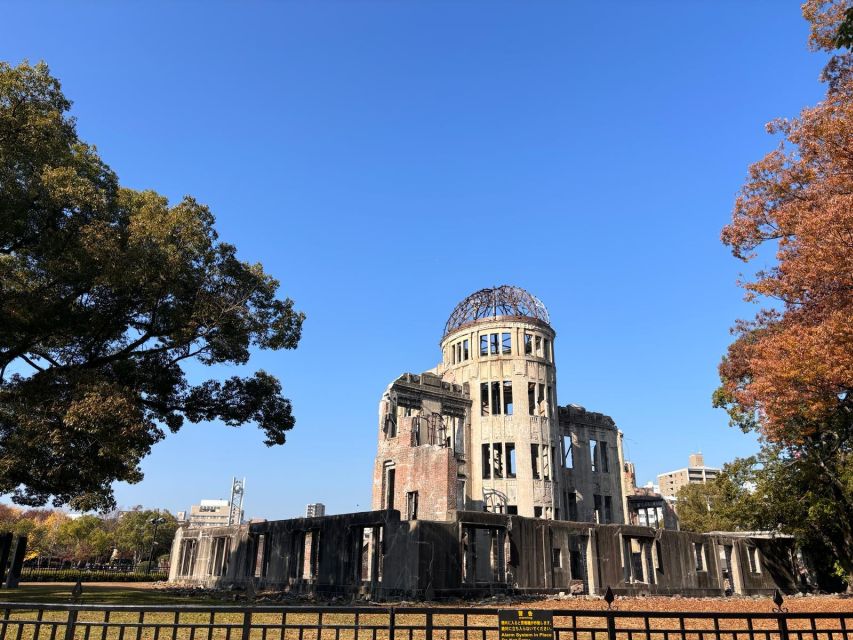
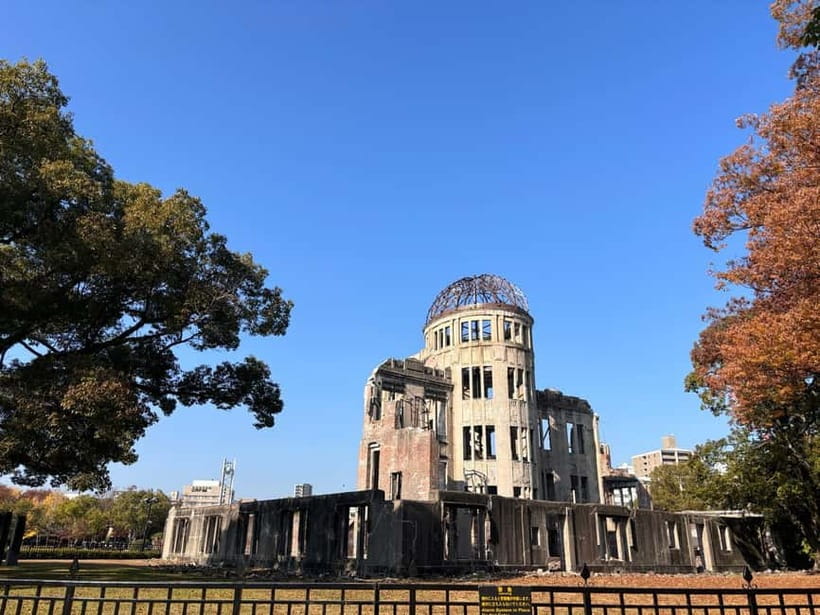
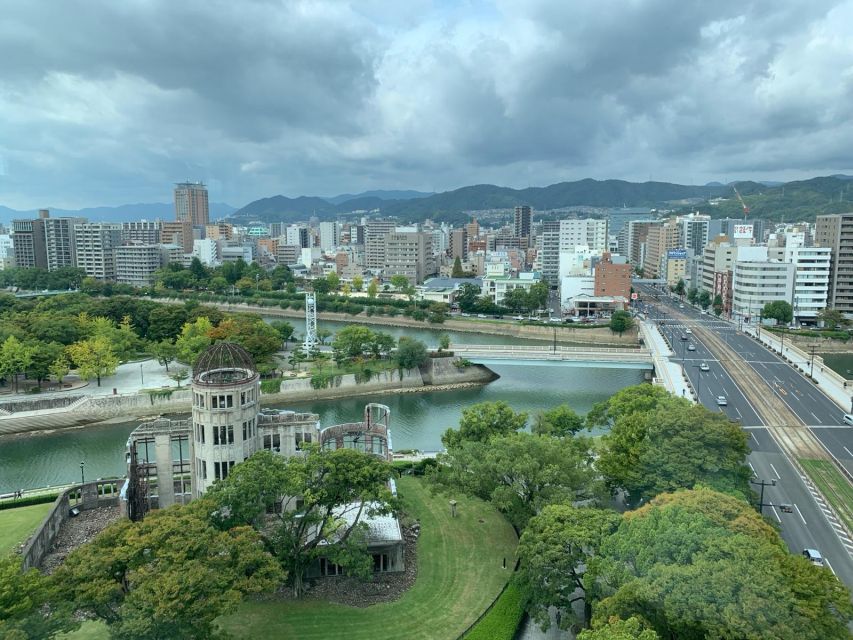
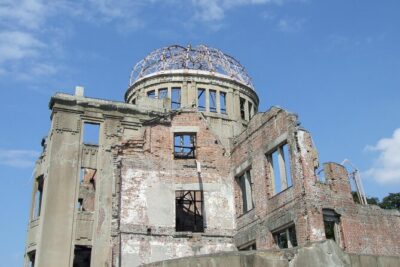
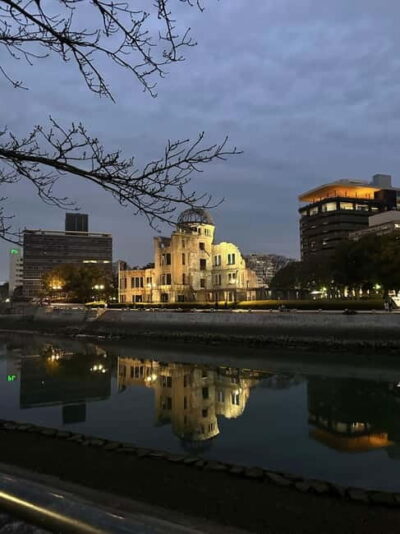
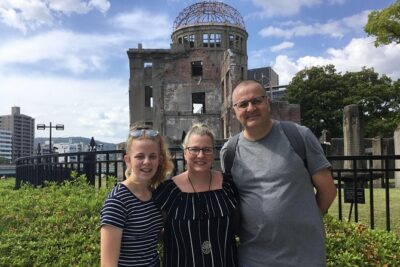
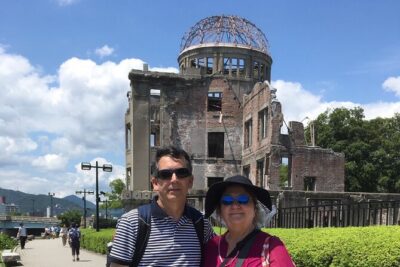
Then comes the stop many people came for, the Atomic Bomb Dome. You will hear it framed as the only structure that survived the blast, and the ruin becomes a visual anchor for everything you heard earlier.
When you see the Dome in the context of the guided walk, it stops being just a photo location. You start to understand it as a deliberate memorial object: a physical reminder that connects the invisible moment of impact to the visible reality survivors had to live through.
I found this part especially strong because the guide does not treat it like a trophy site. It is presented with serious respect and with enough context that the meaning lands even if you have known the basics already.
Hypocenter: Finish at the Core of the Story
The tour finishes at the Hiroshima Atomic Bomb Hypocenter Monument. This ending point is smart because it takes you from the iconic ruin back to the core location where the devastation began, closing the loop of the timeline.
If you want the full emotional arc, ending at the hypocenter works better than ending somewhere purely scenic. You leave with a clearer sense of scale, location, and consequence, rather than just a list of stops.
What Makes the Guides the Real Value Here
This tour’s best ingredient is the guides, and the pattern in the feedback is consistent: people remember the guide’s ability to combine history with storytelling, while staying sensitive about a topic that should not turn into entertainment.
You may meet different guides on different days. Names that come up often include Tomas, Camille, Cva, Moe, Ali, Marnus’s guide mention style varies, and others like Aya and Nisa. Across these accounts, the common theme is that the guides can explain the why behind the monuments and also bring in family-linked survivor stories shared with care.
A few practical strengths you should expect:
- The tour is not rushed, with time to absorb and ask questions.
- The guide often encourages engagement, even if you already know some history.
- The tone tends to balance emotion and factual context, with respect keeping control of the room.
Practical Tips So This Tour Hits the Right Way
- Wear comfortable shoes. The park walking adds up, and you will want to stand still at several points.
- Bring weather-appropriate clothing. One example in the feedback includes heavy snow days, and the tour still runs as a walk.
- If you get overwhelmed, use the built-in free time plus small pauses around the most emotional monuments.
- Ask questions early. If you have specific interests like how the city planned memorialization or why Hiroshima was targeted, this is the moment to use an expert guide in real time.
Who This Tour Suits Best (And Who Might Want Another Option)
This is a strong fit if:
- You are visiting Hiroshima for the first time and want a structured, meaningful way to see the Peace Memorial Park
- You want an English guide who can answer questions and explain symbolism at each stop
- You are okay with the emotional weight of survivor-linked stories presented respectfully
You might think twice if:
- You prefer a lighter, more casual sightseeing format
- You find concentrated memorial tours too intense in two hours
- You are hoping for lots of “before and after” detail without any emotional framing. This tour is built to connect facts with testimony and symbols.
Should You Book This Hiroshima Walking Tour?
Yes, I think this is worth booking if your goal is to understand the Hiroshima Peace Memorial Park as more than a checklist. The price feels fair for what you get: a live English guide for two hours, plus admission to the Hiroshima National Peace Memorial Hall. Most importantly, the strongest value is human guidance, where guides like Tomas, Camille, and Cva use respectful storytelling to connect landmarks, testimonies, and the meaning of peace.
Book it if you want clarity, context, and a route that gives you a reason to care about each stop. If you are sensitive to heavy topics, go prepared to slow down, and let the tour do its job, quietly and carefully.
FAQ
Where is the meeting point for the tour?
Please meet your guide in front of the Gates of Peace, located next to the Italian restaurant Mario.
How long is the Hiroshima History of Hiroshima Group Walking Tour?
The tour duration is 2 hours.
What does the tour cost?
The price is $35 per person.
Is the tour guided and in English?
Yes. You will have a live tour guide, and the tour is in English.
What’s included with the tour?
The guided tour is included, as well as entrance to the Hiroshima National Peace Memorial Hall for Atomic Bomb Victims.
What are some of the major places you visit?
You will visit Hiroshima Peace Memorial Park landmarks and monuments such as the Atomic Bomb Dome and the Hypocenter of the Atomic Bomb. You also stop at places like Mother and Baby in the Storm, the Flame of Peace, Children’s Peace Monument, and the Korean Atomic Bomb Victims Cenotaph.
Where does the tour end?
The tour finishes at the Hiroshima Atomic Bomb Hypocenter Monument.
Is the tour wheelchair accessible?
Yes, the tour is listed as wheelchair accessible.
What should I bring?
Bring comfortable shoes and weather-appropriate clothing.
Can I cancel, and is pay later available?
You can cancel up to 24 hours in advance for a full refund. You can also reserve now and pay later.
Hiroshima and Miyajima Together
Newest Hiroshima write-ups from the Loving Japan desk
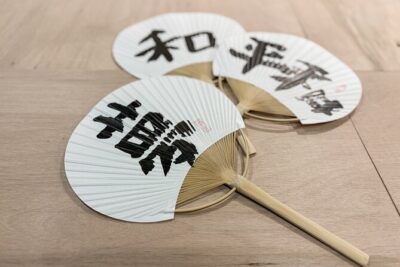

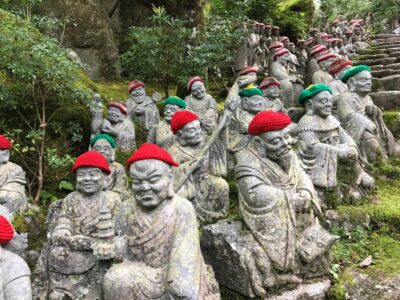
Hiroshima and Miyajima Day Trips, side by side.
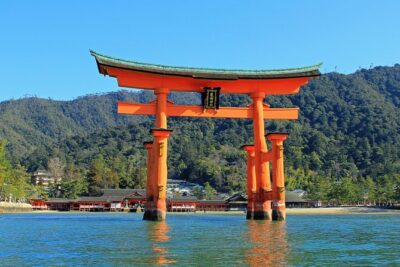 ★ 5.0Peaceful Hiroshima & Miyajima UNESCO 1 Day Bus TourFrom $1295,309 reviews
 ★ 4.9Hiroshima and Miyajima UNESCO Sites 1-Day TourFrom $1222,330 reviews
 ★ 5.0Hiroshima / Miyajima Full-day Private Tour with Government Licensed GuideFrom $2021,298 reviews
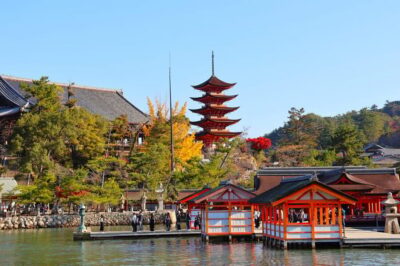 ★ 4.7Osaka/Kyoto: Hiroshima Miyajima Bus Tour & Shinkansen TicketFrom $277919 reviews
 ★ 4.8Hiroshima Historical Walking Tour – Why A-Bomb was DroppedFrom $35893 reviews
 ★ 5.0Hiroshima Peace (Heiwa) Walking Tour at World Heritage SitesFrom $94872 reviews
 ★ 5.0Hiroshima in a Nutshell: Morning Bike AdventureFrom $72524 reviews
 ★ 5.0Hiroshima City 4hr Private Walking Tour with Licensed GuideFrom $122437 reviews
Filed on these lists too