
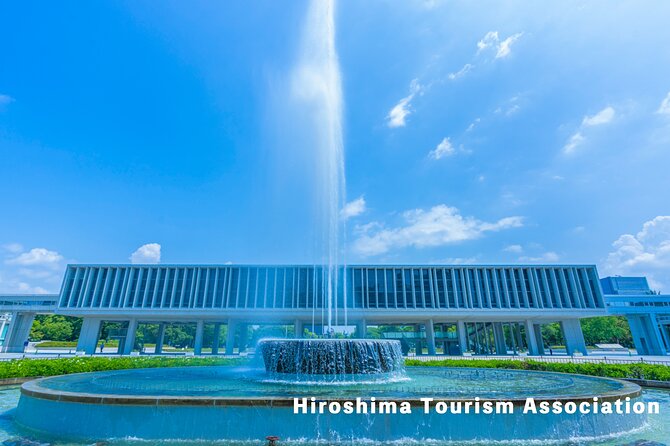
REVIEW · HIROSHIMA AND MIYAJIMA DAY TRIPS
Hiroshima Miyajima and Bomb Dome Private Tour
A day in Hiroshima hits hard, then heals.
This private tour strings together the Peace Memorial sites and the calm beauty of Miyajima, with a guide who keeps the story clear and personal. I like how you get guided time at the places that matter, not just a stamp-and-go route.
Two things I especially like: you get a guide with undivided attention in a private setting, and the day includes practical photo help, with the guide providing photo data. One possible drawback is that lunch is on you, so you’ll want to plan for food time at Miyajima.
You also spend a long day moving between sites, so if you hate walking or standing for long stretches, you may find it tiring. Still, the route is built to keep the biggest moments in the right order, with time for the torii-gate views and the museum’s heavier material.
In This Review
- Key things to know before you go
- Hiroshima and Miyajima, stitched into one meaningful day
- Atomic Bomb Dome: the 1945 moment, explained in plain terms
- Peace Memorial Park: prayer space you can feel
- Peace Memorial Museum: what you came for
- Crossing to Miyajima: shrine island time, built for views
- Itsukushima Shrine torii gate: the classic water view
- Kiyomori street food and beer: your flexible lunch moment
- Getting back to Hiroshima Station: public transport, timed well
- Guide quality: why private attention feels different here
- Price and value: $231.24 per person, what you actually get
- Who this tour suits best
- Should you book this Hiroshima and Miyajima private tour?
- FAQ
- What is included in the tour price?
- Is lunch included?
- How long is the tour?
- Where do we meet, and where does the tour end?
- Is this tour private?
- What are the main stops on the itinerary?
- What time does the tour start?
- Can I cancel for a full refund?
- Do I receive mobile tickets?
Key things to know before you go
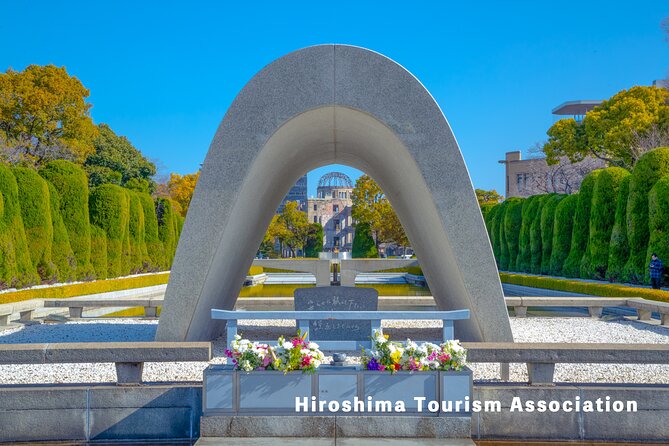
- Private guide, private pace: you can ask questions and adjust what you focus on.
- Hiroshima Peace Memorial time, not just photos: Peace Memorial Park and the Peace Memorial Museum are both included.
- Atomic Bomb Dome firsthand moment: you stop at the Dome and hear what happened in 1945 and how Hiroshima changed afterward.
- Miyajima shrine plus torii views: Itsukushima Shrine and the famous gate above the water are scheduled.
- Food time at Kiyomori Street: local bites and beer show up during the shrine-island block.
- Photo data included: the guide takes pictures so you can stop worrying about your camera.
Pairing the city with Miyajima. Other itineraries
- Hiroshima: Hiroshima and Miyajima UNESCO Sites 1-Day Tour
★ 4.9 · 2,330 reviews - Hiroshima / Miyajima Full-day Private Tour with Government Licensed Guide
★ 5.0 · 1,298 reviews - Hiroshima Historical Walking Tour – Why A-Bomb was Dropped
★ 4.8 · 893 reviews - Hiroshima Peace (Heiwa) Walking Tour at World Heritage Sites
★ 5.0 · 872 reviews
Hiroshima and Miyajima, stitched into one meaningful day
Hiroshima deserves more than a quick stop. This day plan works because it treats the city like two halves that should be seen back to back. First comes the sobering 1945 story, anchored at the Peace Memorial sites. Then you cross over to Miyajima, where the famous shrine and water views shift your mood without pretending the past didn’t happen.
What makes this tour practical is the rhythm. You start with the Atomic Bomb Dome, then move into Peace Memorial Park and the museum while your attention is fully turned on the history. Only after that do you go to Itsukushima, with enough time for the walk, the views, and the food street.
Also, this is truly private. That matters in Hiroshima, where your questions will not be random. You’ll want context. You’ll want names. You’ll want to understand why certain places look the way they do, and why the city rebuilt itself the way it did. A private guide gives you that.
Atomic Bomb Dome: the 1945 moment, explained in plain terms
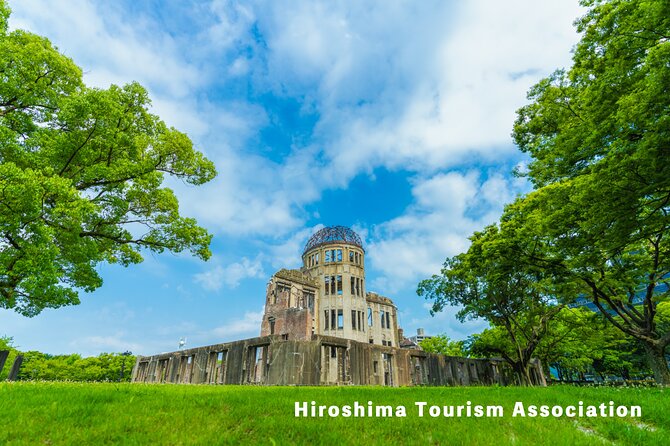
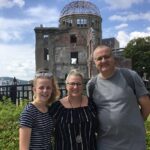
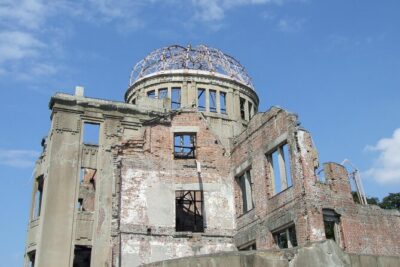
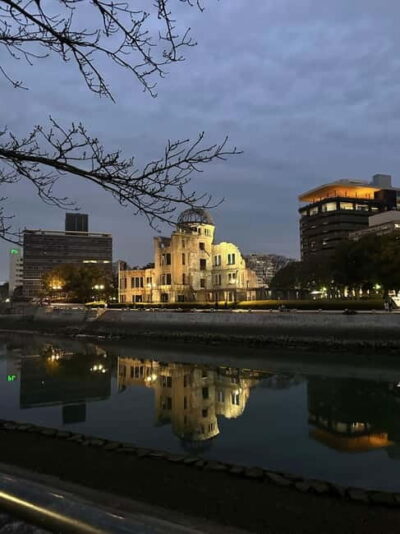
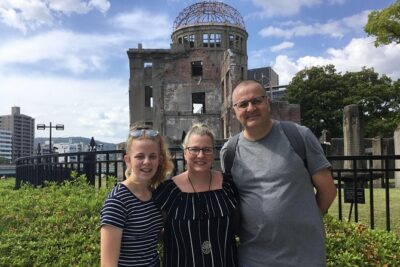
Your first stop is the Atomic Bomb Dome. This is one of the most photographed structures in Japan, but on a guided day it becomes more than an Instagram backdrop.
You’ll spend about an hour here, and the guide explains what happened in 1945 and how Hiroshima revitalized afterward. The value of a guided start is simple: you’ll be able to connect what you see to the why behind it. That connection helps when the rest of the day turns more emotional, especially at the Peace Memorial Museum.
Practical note: since this is early in the day, you’ll benefit from starting calm and focused. If you’re sensitive to heavy history, give yourself a moment before you enter the museum later. This stop sets that tone.
If you want the best photos, ask the guide where to stand for clear angles. With photo data included, you do not have to rely only on your own hands and phone.
Peace Memorial Park: prayer space you can feel
Next up is Peace Memorial Park, scheduled for about 40 minutes. The big thing here is that the park is not just an outdoor exhibit. It is a place where people come to reflect and pray for peace, including Japanese visitors doing so in the park.
That changes your experience. Even if you’ve read about Hiroshima, stepping into the park with a guide keeps it grounded in what the space is used for today.
The short time block also helps. In a long city like Hiroshima, you can lose track of the day. Here, the park functions like a bridge, moving you from the Dome into the museum where the story becomes more detailed and specific.
Tip for your visit: keep your voice low and your phone away for a few minutes. You don’t have to be solemn like a movie scene, but this is the part of the day that rewards a little restraint.
- Hiroshima Peace (Heiwa) Walking Tour at World Heritage Sites★ 5.0 · 872 reviews
- Hiroshima in a Nutshell: Morning Bike Adventure★ 5.0 · 524 reviews
- Hiroshima City 4hr Private Walking Tour with Licensed Guide★ 5.0 · 437 reviews
- From Hiroshima: Hiroshima & Miyajima 1 Day Tour with Lunch★ 4.7 · 395 reviews
- Japanesel Archery Experience HIROSHIMA CASTLE SHARAKU★ 5.0 · 387 reviews
Peace Memorial Museum: what you came for
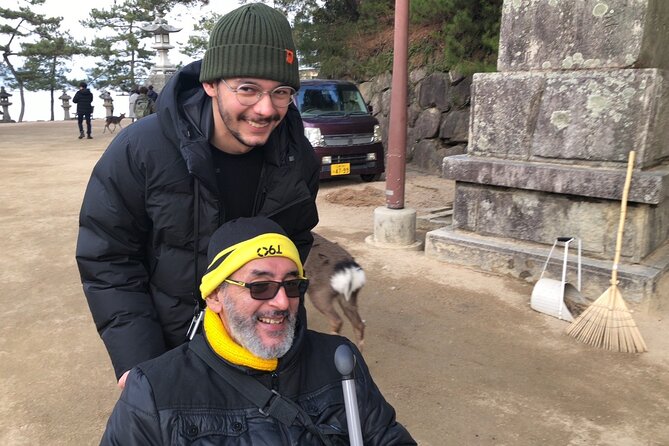
The Peace Memorial Museum is one of the must-see stops, and it’s included with an admission ticket. You’ll have about 1 hour 30 minutes.
This is the “real things” part of the day. The museum is designed around artifacts and stories from wartime, so you’ll spend less time guessing and more time understanding. A guided museum visit is especially useful because museums can feel overwhelming when you’re reading everything at speed.
The biggest reason this works in a private format is that you can ask for clarification. If something feels confusing, or if you want more context on a timeline detail, you’re not stuck with a rigid group pace.
A consideration: this is intense material. If you need to pause, do it. The guide can help you find a small reset and then steer you back to what matters most in the exhibits.
Crossing to Miyajima: shrine island time, built for views
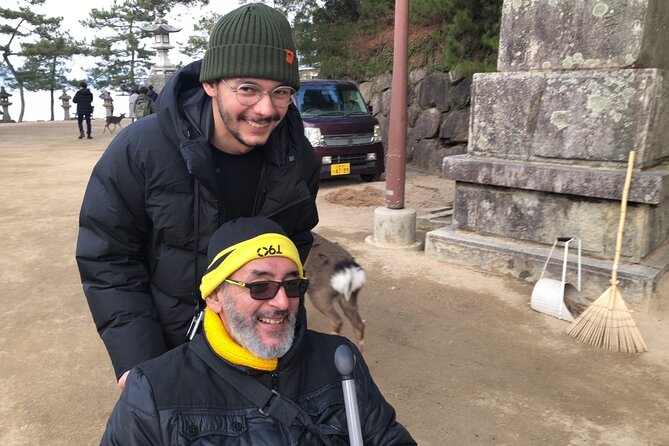
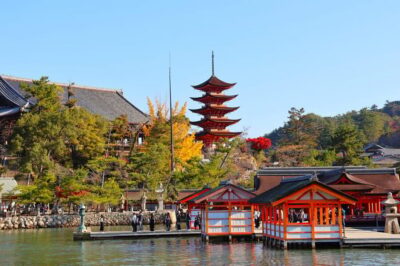
After the museum, you shift gears and head to Miyajima. This part of the day adds the other side of Hiroshima: the sea, the shrine setting, and the sense of stillness you get on an island.
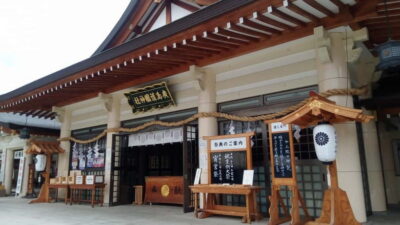
The itinerary includes a 2-hour block labeled Itsukushima, with the guide taking you to the shrine island and then into the shopping and food area known as Kiyomori souvenir street. This is where you’ll have time to eat, sample local treats, and grab a drink. Lunch is not included, but this is the window that makes it easy to handle meals without wasting time.
The guide also schedules it so the timing supports your torii-gate viewing later. In practice, that means you’ll be able to enjoy the island atmosphere now, and then return to the most iconic perspective with more intention.
If it’s rainy, don’t cancel your mood. One of the strengths shown by past guides is adjusting on the fly, so your day doesn’t fall apart if weather turns.
Itsukushima Shrine torii gate: the classic water view
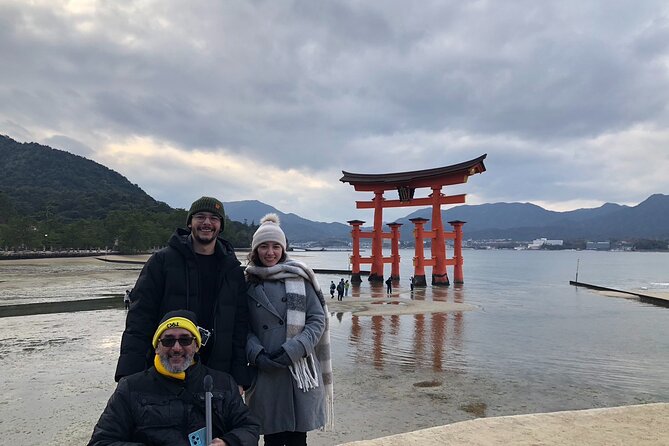
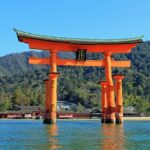
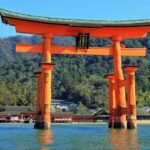
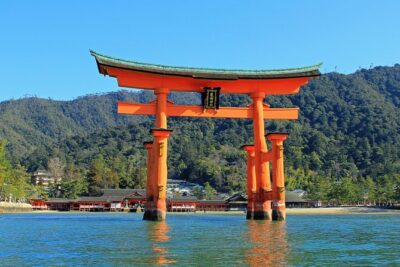
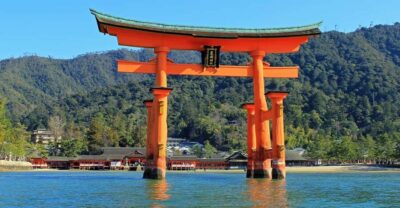
Your next focused stop is the Itsukushima Shrine torii gate viewpoint, with about 40 minutes.
This is the place most people associate with Miyajima: the torii gate looks like it’s above the water. On a guided schedule, the value is not just getting there. It’s knowing where to look and how to understand the setting so the view makes sense as part of the shrine complex.
You’ll have enough time here to do the basics well. Walk in, take in the scene, then spend a few minutes just looking. The guide’s job is to keep it from becoming motion for motion’s sake.
Photo tip: tell the guide you want a couple shots that look like the classic view, plus at least one “you in the moment” photo. With photo data included, you’ll get backups even if conditions are less than perfect.
Kiyomori street food and beer: your flexible lunch moment
That 2-hour Itsukushima block includes access to Kiyomori souvenir street, which is where the local-food energy lives.
This matters because lunch planning is one of the biggest stress points on full-day tours. Here, you have a real chance to eat without running around after the fact. You can pick something quick, something sit-down, or just snack as you go. The day is structured so it doesn’t feel like you’re starving while you’re trying to see sights.
You’ll also find craft beer and local snacks. If you have dietary preferences, this is the moment to speak up to your guide. In past experiences, guides have helped guests find options that fit their comfort levels, instead of forcing everyone into the same generic menu.
Getting back to Hiroshima Station: public transport, timed well
You’ll finish the day by heading back toward Hiroshima Station, or to your hotel in Hiroshima city, using public transportation. The return block is about 1 hour 10 minutes.
This is a practical choice because it keeps the day efficient. You’re not stuck hunting taxis or waiting on private vehicles that eat up time. The tradeoff is that you do need to be comfortable with some public-transit movement.
For the end of the day, that’s a good thing. After the emotional weight of Hiroshima’s history and the walking on Miyajima, you want the finish to be predictable. Getting back by public transport helps you reset without added hassle.
Guide quality: why private attention feels different here
The guide is the main variable in this kind of itinerary, and the strongest praise in the experience centers on guides who combine structure with flexibility.
Names that have stood out include Keiko and Yuta. The consistent theme is that guides were professional, communicative in advance, and willing to shape the day based on what you care about. People also loved that guides made time feel easy, even on rainy days.
Another standout: guides taking photos and helping with the small “real trip” problems, like figuring out your next steps after the tour. That kind of help is not glamorous, but it’s valuable when your itinerary is tight.
If you’re traveling with kids, this format also tends to work well because your guide can adjust how they explain what you’re seeing. You still get the serious history, but it lands in a way that younger minds can hold.
Price and value: $231.24 per person, what you actually get
At $231.24 per person, this isn’t a budget city day. But you’re not paying for a list of stops. You’re paying for time, access, and guidance during the two hardest, most meaningful parts of Hiroshima.
Here’s what drives value:
- Private guide time for a full day (about 7 to 8 hours).
- Included entrance fees for the Peace Memorial Museum and Itsukushima Shrine, plus the scheduled Atomic Bomb Dome admission ticket.
- Photo data included, which saves you from having to rely on random strangers or endless self-timer shots.
- Transport through the day via public transportation (private transportation is not included, but the routing is part of the plan).
What you do not get is also clear: lunch is not included, and there’s no private air-conditioned vehicle. So if you hate walking in heat or you want a guaranteed driver, you’ll need to adjust expectations.
For many people, the price feels fair because Hiroshima and Miyajima are both big enough that doing it alone can turn into wasted time. A guide compresses that and gives you context, plus the day moves in the right order so you’re not bouncing between themes.
Who this tour suits best
This is a strong match if you want:
- A serious Hiroshima history day that doesn’t become a confusing blur.
- A Miyajima shrine and torii visit without feeling rushed.
- Plenty of time to ask questions, especially at the museum.
- A guide who helps with small trip needs like photo taking.
It may be less ideal if you want a fully relaxed pace with long breaks. This is still a full-day itinerary. You’ll be moving, standing, and reading, and you should plan for that.
Also, most travelers can participate, and service animals are allowed. If you have specific mobility needs, I’d plan to contact the provider ahead of time since the day uses public transportation and includes walking.
Should you book this Hiroshima and Miyajima private tour?
Yes, if you want a day that connects Hiroshima’s tragic 1945 story to the present-day city and the calm beauty of Miyajima, in the most logical order. The combo is efficient, the entrance fees are included for the key sites, and the private format makes a difference when you have real questions.
If you only want quick highlights, or if heavy history will overwhelm you, then you might prefer a shorter Hiroshima-focused visit. But if you’re building a one-time itinerary and you want it to feel complete, this is a solid way to do it.
One last practical point: booking timing matters. On average, this tour is booked about 63 days in advance, so if you have a tight schedule, it’s smart to lock it in early.
FAQ
What is included in the tour price?
You get a certified guide fee, entrance fees for Itsukushima Shrine and the Peace Memorial Museum, and the scheduled admission ticket for the Atomic Bomb Dome stop. The guide also provides photo data.
Is lunch included?
No. Lunch and any foods or drinks are not included.
How long is the tour?
The tour runs about 7 to 8 hours.
Where do we meet, and where does the tour end?
You meet at Hiroshima Station (1 to 2 to 37 Matsubarachō, Minami Ward, Hiroshima). The tour ends back at the meeting point, or the guide can return you to your Hiroshima city hotel by public transportation.
Is this tour private?
Yes. It is a private tour/activity, so only your group participates.
What are the main stops on the itinerary?
You visit the Atomic Bomb Dome, Peace Memorial Park, the Hiroshima Peace Memorial Museum, Itsukushima on Miyajima, the torii gate area at Itsukushima Shrine, and then return to Hiroshima Station.
What time does the tour start?
The available starting window is 9:00 AM to 10:00 AM, Monday through Sunday.
Can I cancel for a full refund?
Yes. You can cancel up to 24 hours in advance for a full refund.
Do I receive mobile tickets?
Yes. The tour uses mobile tickets.
Hiroshima and Miyajima Together
Newest Hiroshima write-ups from the Loving Japan desk
Hiroshima and Miyajima Day Trips, side by side.
 ★ 5.0Peaceful Hiroshima & Miyajima UNESCO 1 Day Bus TourFrom $1295,309 reviews
 ★ 4.9Hiroshima and Miyajima UNESCO Sites 1-Day TourFrom $1222,330 reviews
 ★ 5.0Hiroshima / Miyajima Full-day Private Tour with Government Licensed GuideFrom $2021,298 reviews
 ★ 4.7Osaka/Kyoto: Hiroshima Miyajima Bus Tour & Shinkansen TicketFrom $277919 reviews
 ★ 4.8Hiroshima Historical Walking Tour – Why A-Bomb was DroppedFrom $35893 reviews
 ★ 5.0Hiroshima Peace (Heiwa) Walking Tour at World Heritage SitesFrom $94872 reviews
 ★ 5.0Hiroshima in a Nutshell: Morning Bike AdventureFrom $72524 reviews
 ★ 5.0Hiroshima City 4hr Private Walking Tour with Licensed GuideFrom $122437 reviews
Filed on these lists too