
REVIEW · HIROSHIMA AND MIYAJIMA DAY TRIPS
Hiroshima: Miyajima Half-day Historical Walking Tour
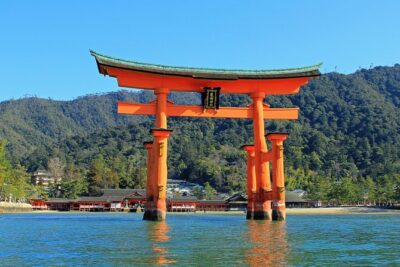
That torii gate still feels unreal. This half-day walk on Miyajima pairs Itsukushima Shrine and Daisho-in with real-world context about island life, not just sightseeing. The pace is lively and it involves plenty of walking, so it can be a challenge if you prefer slow, flat strolls.
I especially love how the guide connects architecture to the tides, then links it to how people live and worship here. I also really like the food part, since you get a local lunch built around Hiroshima ingredients, including fresh oysters and fried momiji dumplings. One consideration: the route includes spots that are not friendly for wheelchairs or strollers, and the walking can get muddy in wet weather.
In This Review
- Key Things I’d Prioritize Before You Go
- From JR Hiroshima to Miyajimaguchi, then ferry-first
- Ferry views and the O-Torii arrival moment
- Photo tip you can use
- Itsukushima Shrine: the tides explain the architecture
- Museum time, then lunch that tastes like Hiroshima
- Vegetarian or vegan?
- Daisho-in: temple grounds, statues, and 1,200 years of worship
- Momijidani, Senjokaku, and the longer stop to reset
- Tea or coffee, then the souvenir street exit
- Walking reality check: heat, mud, and who should skip
- Price and value: what $106 buys you, and what it doesn’t
- Who this tour fits best
- Should you book this Miyajima half-day walking tour?
- FAQ
- How long is the Hiroshima Miyajima half-day walking tour?
- Where do I meet the tour guide?
- Is the ferry ticket included in the price?
- What is included in the tour price?
- What food will I get during the tour?
- Are vegetarian or vegan meals available?
- Do I need to worry about allergies?
- Is the tour stroller or wheelchair friendly?
- Is this tour suitable if I get seasick?
Key Things I’d Prioritize Before You Go
- Small group size (up to 7) means more questions, quicker clarifications, and less queue-watching.
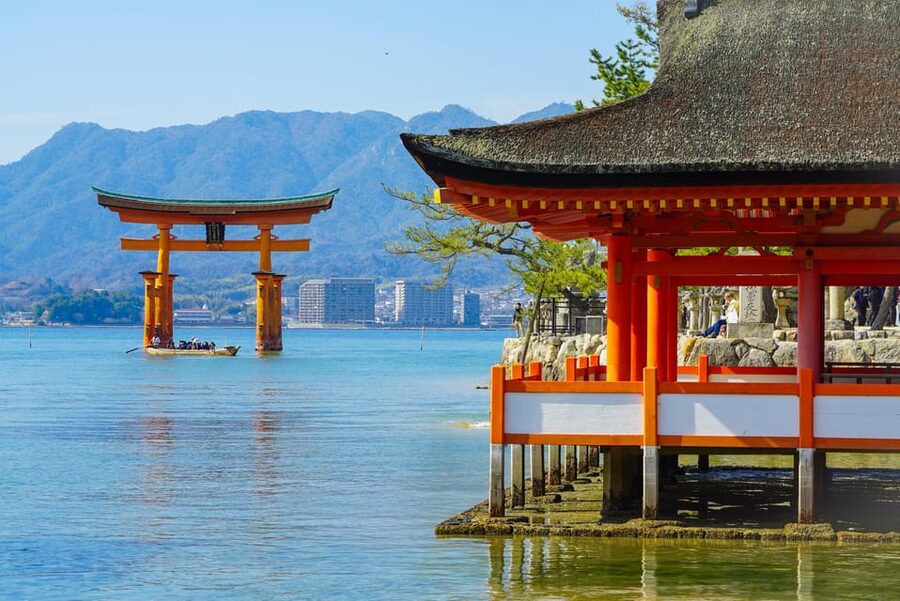
- Tide-aware shrine stories help you understand why Itsukushima Shrine looks the way it does.
- Hiroshima-style lunch focuses on island flavors like oysters and momiji dumplings.
- History with everyday life details, from Edo-period echoes to today’s routines.
- A longer quiet pause at a less crowded stop, plus tea or coffee to slow the pace.
Pairing the city with Miyajima. Other itineraries
- Hiroshima: Hiroshima and Miyajima UNESCO Sites 1-Day Tour
★ 4.9 · 2,330 reviews - Hiroshima / Miyajima Full-day Private Tour with Government Licensed Guide
★ 5.0 · 1,298 reviews - Hiroshima Historical Walking Tour – Why A-Bomb was Dropped
★ 4.8 · 893 reviews - Hiroshima Peace (Heiwa) Walking Tour at World Heritage Sites
★ 5.0 · 872 reviews
From JR Hiroshima to Miyajimaguchi, then ferry-first
I like that this tour starts where the island access starts, at JR Miyajimaguchi Station. If you’re coming from Hiroshima, plan for about 30 minutes by JR Sanyo Line to reach Miyajimaguchi, then you’re ready to go.
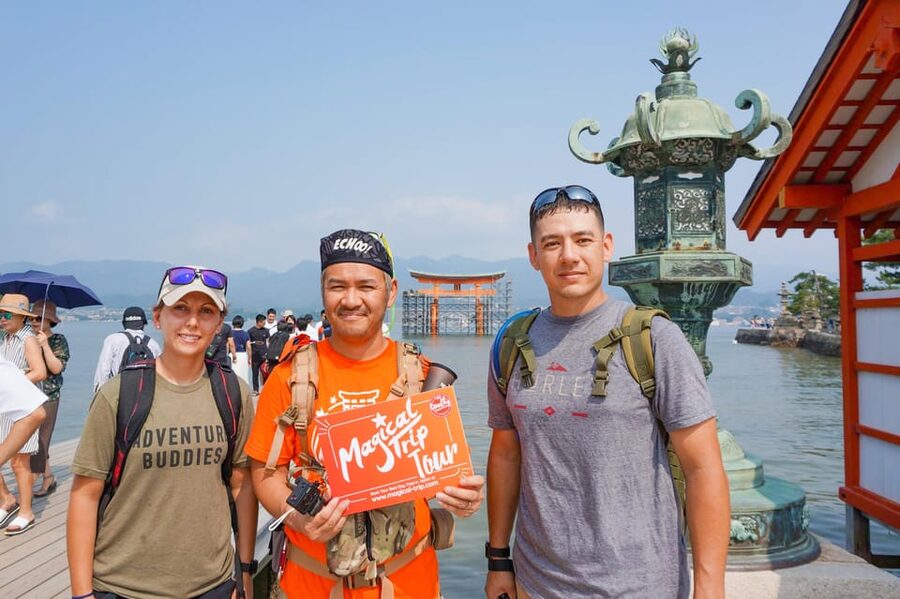
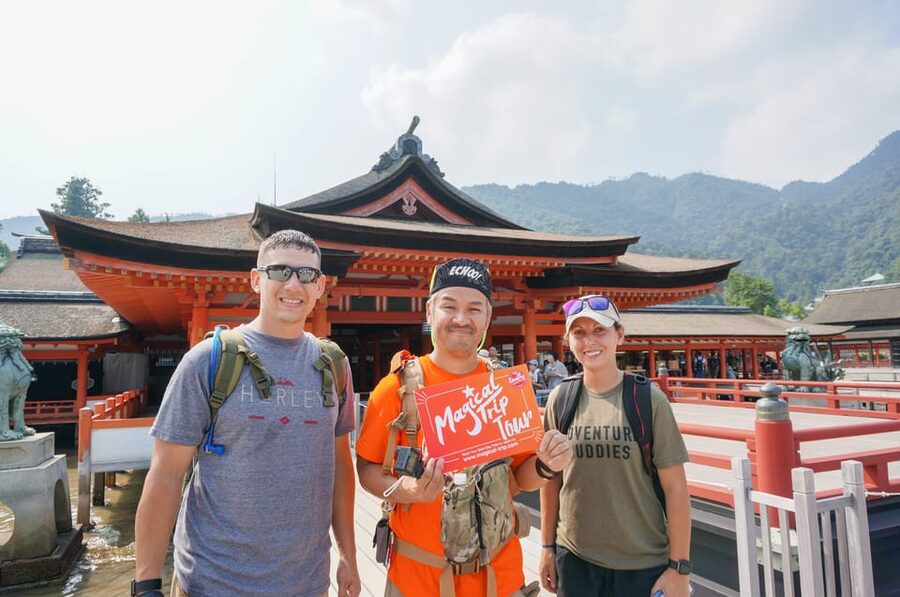
Meet in front of the coin-operated locker outside JR Miyajimaguchi Station. Your guide holds a board saying MagicalTrip, so you can spot them fast instead of guessing.
The ferry to Miyajima is your first real taste of the day. You’ll want cash ready for the ferry fee, since it’s not included, and the tour notes list it as JP¥500 with another note also stating JP¥360. Either way, bring the cash and don’t make it a last-minute hunt.
Ferry views and the O-Torii arrival moment
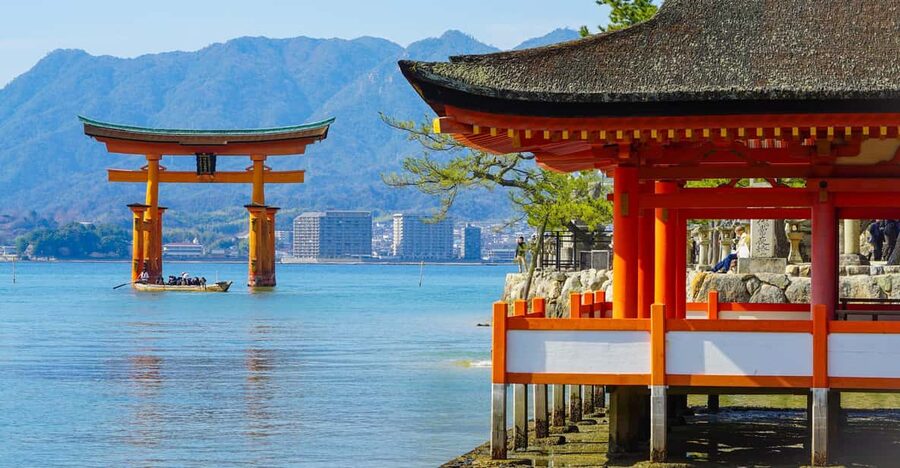
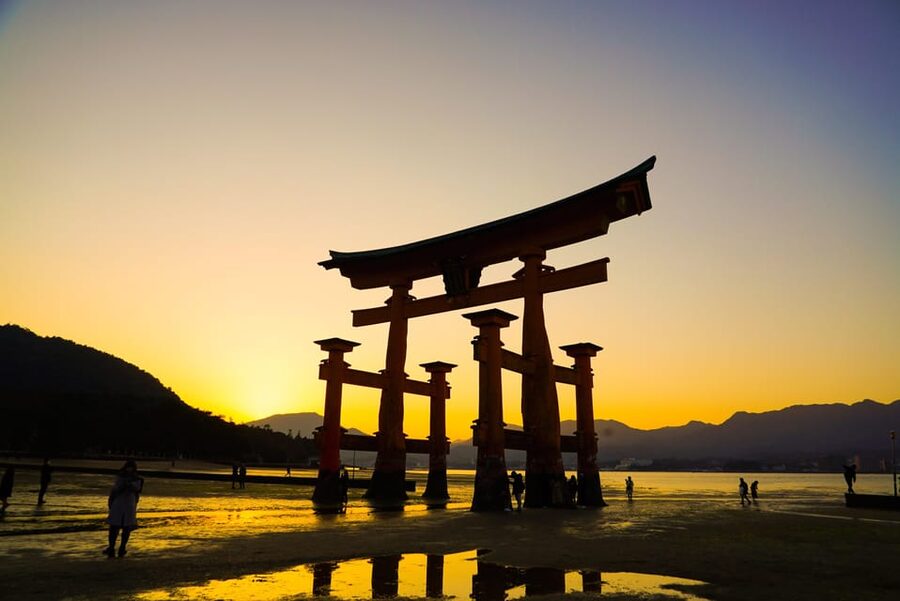
The ferry ride is more than transport, it’s your setup. As you cross, you get big views of the Seto Inland Sea and the iconic Otorii ahead of you.
When you arrive, you’re welcomed by friendly deer. It’s a small detail, but it changes the feel instantly, since Miyajima doesn’t act like a sterile theme park. You can also get some early photos before the walking part ramps up.
Then comes the coastal walk toward the gate. This is where the day starts to feel iconic, because the Otorii sits off shore like it belongs to the water itself.
Photo tip you can use
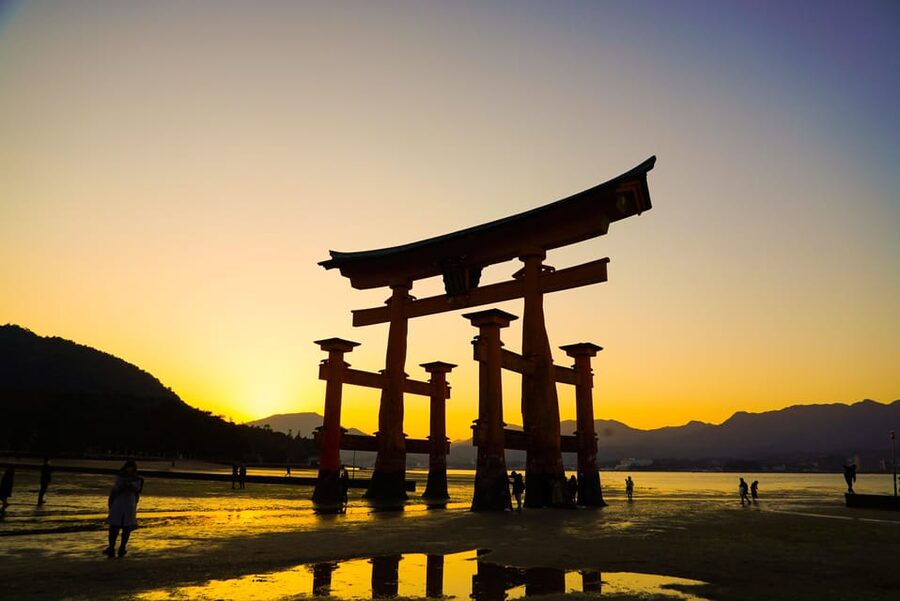
If you care about how the torii looks against the tide, ask your guide how the timing works that day. One review mentioned seeing the Itsukushima area in different tide conditions, so the schedule can sometimes line up nicely.
- Hiroshima Peace (Heiwa) Walking Tour at World Heritage Sites★ 5.0 · 872 reviews
- Hiroshima in a Nutshell: Morning Bike Adventure★ 5.0 · 524 reviews
- Hiroshima City 4hr Private Walking Tour with Licensed Guide★ 5.0 · 437 reviews
- From Hiroshima: Hiroshima & Miyajima 1 Day Tour with Lunch★ 4.7 · 395 reviews
- Japanesel Archery Experience HIROSHIMA CASTLE SHARAKU★ 5.0 · 387 reviews
Itsukushima Shrine: the tides explain the architecture
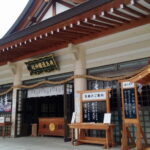
At Itsukushima Shrine, you’ll spend about 40 minutes. This is the stop that usually sells Miyajima to people, but the guide makes it better by explaining why it is built the way it is.
A key point you’ll hear is that the shrine’s distinctive style traces back to the Heian period (794 to 1192). More importantly, the buildings were constructed to cope with the ebb and flow of tides, which is why the place feels like it floats.
I also like that the experience isn’t only about looking up at beauty. Your guide helps you connect structure, setting, and worship practice, so the visuals make sense instead of staying as just postcard scenery.
Museum time, then lunch that tastes like Hiroshima
Between shrine and temples, you’ll visit a museum focused on Miyajima’s life and culture. This is the part I find most useful for understanding what you’re seeing outside the shrine grounds.
The museum helps you interpret island rhythms, crafts, and how people relate to the sacred space over time. Even if you don’t read every label, it gives you a mental map before you start walking deeper.
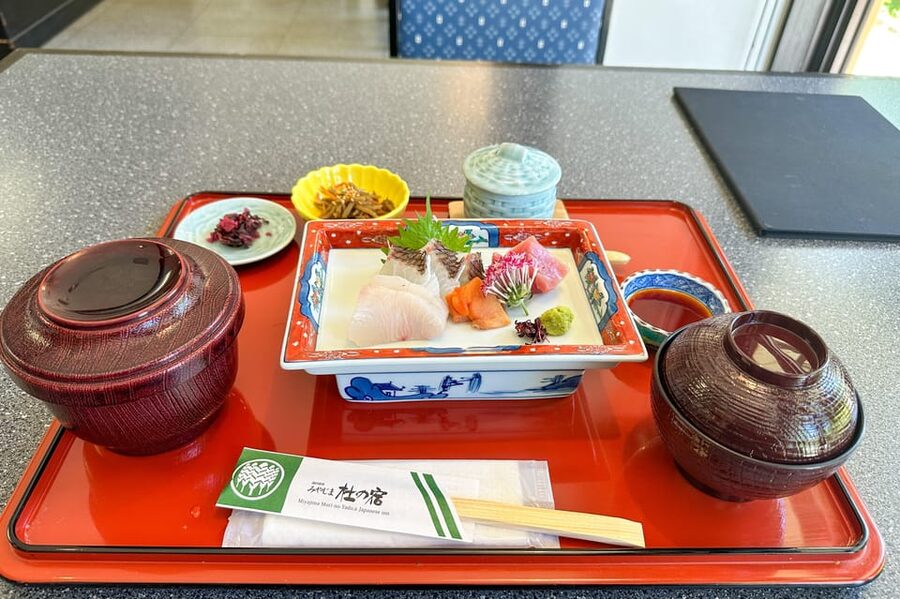
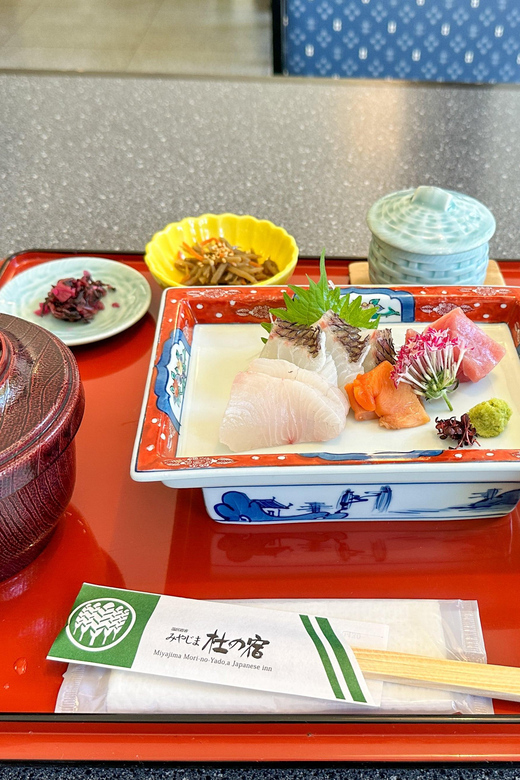
Then you go for lunch, and this is where the tour earns its keep. Lunch is included, and it uses ingredients from Hiroshima Prefecture. The most repeated favorites are fresh oysters and fried momiji dumplings.
Food is also one of the reasons you’ll want to keep some flexibility. The tour notes warn about staffing strain in Japan’s restaurant industry, so service may be slower than planned and the tour could run longer.
Vegetarian or vegan?
Vegetarian and vegan lunch options are available, but limited. If that matters for you, plan to communicate early, and remember the tour also notes they can’t guarantee allergy-free meals since cooking happens in kitchens outside MagicalTrip.
Daisho-in: temple grounds, statues, and 1,200 years of worship
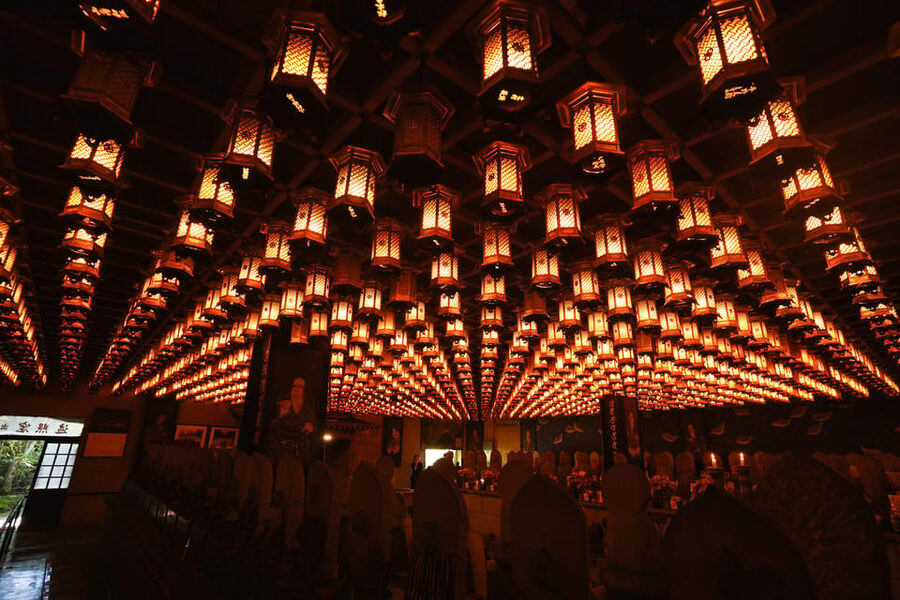
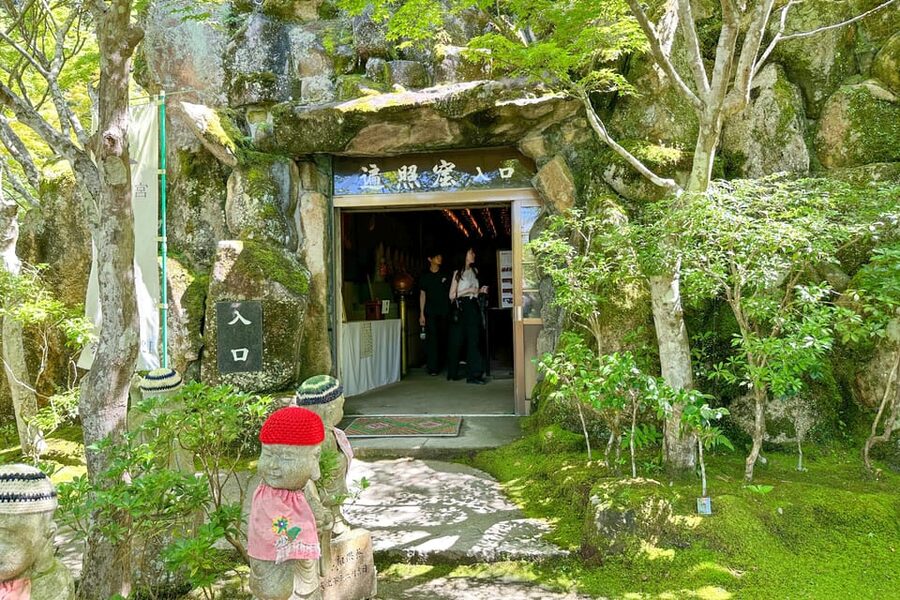
Next up is Daisho-in, a historic temple complex with about 1,200 years of history. You’ll have about 1 hour here, which is long enough to actually look around instead of just snapping photos and moving on.
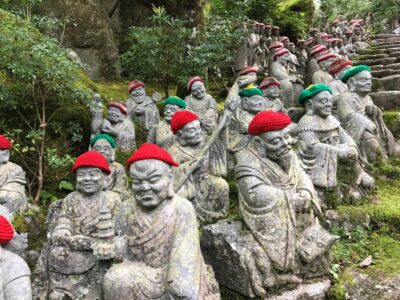
This stop is special because it’s not one single building. You’ll walk through a cluster of temples and see statues, which makes the whole place feel like a living religious site rather than a museum set.
Your guide will talk about the temple’s past and how faith on Miyajima evolved over time. That’s where the tour goes beyond a checklist and becomes a meaningful interpretation of how belief and daily life intertwine on the island.
Momijidani, Senjokaku, and the longer stop to reset
After Daisho-in, you’ll visit Momijidani (about 10 minutes) and then head to Senjokaku Pavilion (about 20 minutes). These aren’t always the headline stops for first-time visitors, but they help fill out the full Miyajima story.
Momijidani gives you a change of scenery, and Senjokaku is a chance to see another expression of sacred space. Together, they keep the day from feeling repetitive.
Then there’s a longer special stop of about 1 hour at what’s described as a less crowded area. I treat this part as your buffer. Use it to slow down, regroup, and take in Miyajima’s forest air before you move back toward the final meal-and-tea finish.
Tea or coffee, then the souvenir street exit
Near the end, you’ll enjoy a cup of tea or coffee. It’s a nice reset after temple walking, especially if you’re managing heat or tired feet.
The tour then finishes on a souvenir shop street. This is convenient because it lets you end with something practical, snacks, small gifts, and easy browsing without needing to plan a separate detour.
Also, tour photos are included, which helps with the final step of getting memories without handoff drama or trying to film while balancing on uneven paths.
Walking reality check: heat, mud, and who should skip
Miyajima is gorgeous, but it’s not made for running. This tour isn’t described as gentle on the body, and the walking routes include some areas that are not accessible by wheelchair or stroller.
The tour is also not suitable for people with back problems or heart problems, and it’s not a good pick if you’re prone to seasickness due to the ferry. If your fitness level is on the lower side, you’ll likely feel the distance and uneven footing more than you expect.
One review also warned about muddy conditions, especially in rain. If you’re visiting outside of dry months, I’d bring shoes with grip and expect damp ground.
Summer in Japan is very hot and humid, so the tour advises bringing water and wearing a hat to prevent heat stroke. That’s not just good advice, it’s essential for an enjoyable half-day.
Price and value: what $106 buys you, and what it doesn’t
The price is $106 per person for about 330 minutes (5.5 hours). That’s not cheap, but it’s easier to justify when you see what’s included.
You get:
- a local guide in English
- entrance fees to shrines, temples, and museums
- local lunch
- tour photos
Not included:
- the ferry ticket
- extra food and drinks
So the value is mainly about reducing decision fatigue. You don’t need to figure out ticket costs and navigation between stops, and a guide helps you focus on meaning instead of reading every sign alone.
The guides are also consistently described as friendly and effective in English, with examples including Kaz, Yuji, Kiki, and Hika. The common theme is that the experience feels like walking with a capable friend who can answer questions about Shinto, Buddhism, and everyday life.
Who this tour fits best
This is a strong choice if you want a high-quality “Miyajima overview” without getting lost or missing the key spiritual sites. The mix of shrine, temple complex, museum, and food gives you a rounded feel for the island in a single morning-or-afternoon window.
You’ll likely enjoy it more if you like:
- walking and looking closely at religious sites
- learning why places are built the way they are
- eating your way through local specialties
Should you book this Miyajima half-day walking tour?
I’d book it if you want Itsukushima Shrine and Daisho-in with interpretation, plus a proper lunch that actually tastes like Hiroshima Prefecture. The small group size and included entrance fees make it feel efficient, and the guide-led explanations help you see beyond the postcard torii moment.
Skip it, or at least think twice, if you strongly dislike walking over uneven or potentially muddy ground, or if you’re sensitive to ferry travel. If you’re traveling with dietary needs, double-check your requirements early since options exist but substitutions and allergy guarantees are limited.
FAQ
How long is the Hiroshima Miyajima half-day walking tour?
The tour runs for about 330 minutes, which is roughly 5.5 hours.
Where do I meet the tour guide?
Meet in front of the coin-operated locker outside JR Miyajimaguchi Station, and look for your guide holding a board that says MagicalTrip.
Is the ferry ticket included in the price?
No. The ferry ticket is not included, and the tour notes say to pay with cash (listed as JP¥500, with another note mentioning JP¥360).
What is included in the tour price?
The price includes a local guide, entrance fees to the shrines, temples, and museums on the route, local lunch, and tour photos.
What food will I get during the tour?
You’ll have a local lunch made with ingredients from Hiroshima Prefecture. Common highlights include fresh oysters and fried momiji dumplings, and you’ll also enjoy tea or coffee at the end.
Are vegetarian or vegan meals available?
Yes, vegetarian and vegan lunch options are available, but they are limited.
Do I need to worry about allergies?
The tour notes say they cannot guarantee allergy-free meals, and food may be prepared in kitchens not belonging to MagicalTrip. Substitutions may not always be possible at every stop.
Is the tour stroller or wheelchair friendly?
Some stops are not accessible by wheelchair or stroller, so this route may be difficult for mobility equipment.
Is this tour suitable if I get seasick?
No. People prone to seasickness are listed as not suitable, since the tour includes ferry travel.
Hiroshima and Miyajima Together

Newest Hiroshima write-ups from the Loving Japan desk
Hiroshima and Miyajima Day Trips, side by side.
 ★ 5.0Peaceful Hiroshima & Miyajima UNESCO 1 Day Bus TourFrom $1295,309 reviews
 ★ 4.9Hiroshima and Miyajima UNESCO Sites 1-Day TourFrom $1222,330 reviews
 ★ 5.0Hiroshima / Miyajima Full-day Private Tour with Government Licensed GuideFrom $2021,298 reviews
 ★ 4.7Osaka/Kyoto: Hiroshima Miyajima Bus Tour & Shinkansen TicketFrom $277919 reviews
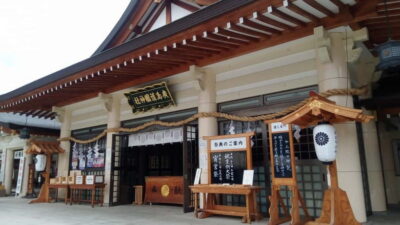 ★ 4.8Hiroshima Historical Walking Tour – Why A-Bomb was DroppedFrom $35893 reviews
 ★ 5.0Hiroshima Peace (Heiwa) Walking Tour at World Heritage SitesFrom $94872 reviews
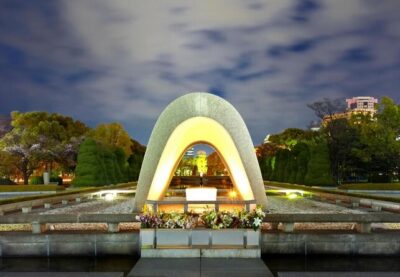 ★ 5.0Hiroshima in a Nutshell: Morning Bike AdventureFrom $72524 reviews
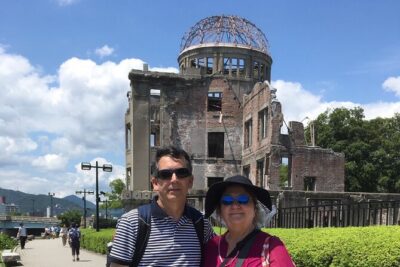 ★ 5.0Hiroshima City 4hr Private Walking Tour with Licensed GuideFrom $122437 reviews
Filed on these lists too