
REVIEW · HIROSHIMA AND MIYAJIMA DAY TRIPS
Hiroshima: Miyajima Island Half-Day Tour with Guide
Miyajima feels like a movie set, and this tour helps you catch the best scenes. You’ll start in Hiroshima, cross the Seto Inland Sea by ferry, and build your day around the ever-changing torii gate at Itsukushima. I especially love the way the schedule locks in the right photo window by checking the tide, plus how the guide keeps the island easy to navigate while you soak up the Itsukushima Shrine and nearby temple stops.
A solid consideration: it’s only four hours, so you’re moving at a steady walking pace and you’ll need to keep lunch flexible since food is more “grab and go” than a long sit-down meal.
If you want Miyajima without the stress of tickets, ferry timing, or figuring out where to stand for that famous floating gate, this tour is built for you. And if you love local food, expect a real taste of Hiroshima, including oyster when it’s in season.
In This Review
- Key highlights at a glance
- Getting to Miyajimaguchi, then out onto the Seto Inland Sea
- The torii gate trick: how tides change your photos
- Omotesando shopping street: snacks, souvenirs, and an easy start
- Itsukushima Shrine: what to look for beyond the postcard view
- Daisho-in Temple time and the deer you cannot ignore
- A “secret stop” photo moment that breaks up the crowds
- Food and lunch reality: what’s included, what’s on you
- What the guide really adds: more than directions
- Price and value for $77 in a four-hour plan
- Who this Miyajima half-day tour fits best
- Should you book it?
- FAQ
- Where is the meeting point?
- How long is the tour?
- Is the tour guided, and what language is offered?
- Are shrine tickets included?
- What food is included?
- Does the tour include photos?
- Is lunch included?
- Is it wheelchair accessible?
- Is there free cancellation?
Key highlights at a glance
- Tide-timed torii gate photos, with your guide watching the tide forecast for the best viewing window
- UNESCO Itsukushima Shrine plus temple time that slows the pace a bit after the shrine area
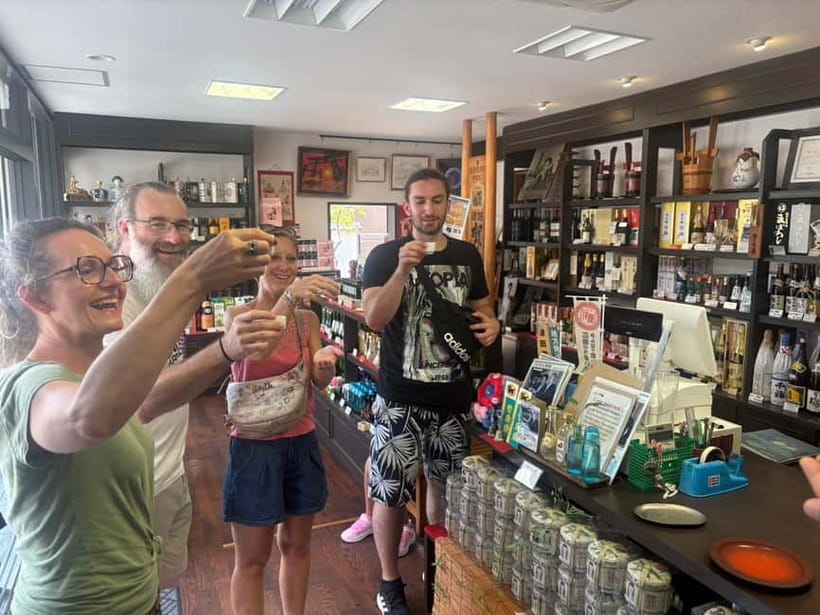
- Hiroshima oyster bite (grilled when in season) and momiji manju maple-leaf cake tasting
- Miyajima deer encounters, with real-world advice on what not to do around them
- Omotesando shopping street for street snacks, souvenirs, and local browsing
- Photo service from your guide, plus insider tips for what to do after you return to Hiroshima
Pairing the city with Miyajima. Other itineraries
- Hiroshima: Hiroshima and Miyajima UNESCO Sites 1-Day Tour
★ 4.9 · 2,330 reviews - Hiroshima / Miyajima Full-day Private Tour with Government Licensed Guide
★ 5.0 · 1,298 reviews - Hiroshima Historical Walking Tour – Why A-Bomb was Dropped
★ 4.8 · 893 reviews - Hiroshima Peace (Heiwa) Walking Tour at World Heritage Sites
★ 5.0 · 872 reviews
Getting to Miyajimaguchi, then out onto the Seto Inland Sea
Your tour begins at 宮島口駅改札外コインロッカー. The meeting spot matters because Miyajimaguchi station is the gateway to the island ferries, and the guide is waiting in front of the coin lockers. Once everyone checks in, the tour handles the key logistics so you’re not stuck with questions in the middle of a busy station.
Then you’ll hop the ferry to Miyajima. The crossing is short, but it gives you a mental shift. You start in “city Japan” and soon you’re in the rhythm of an island where the sea and mountains share the frame. Also, the tour’s transport rating is high, which lines up with what you want in a short half-day plan: smooth connections, no wandering, no lost time.
One more practical note: this tour is wheelchair accessible, so the route is designed to be doable for visitors who need that support.
The torii gate trick: how tides change your photos
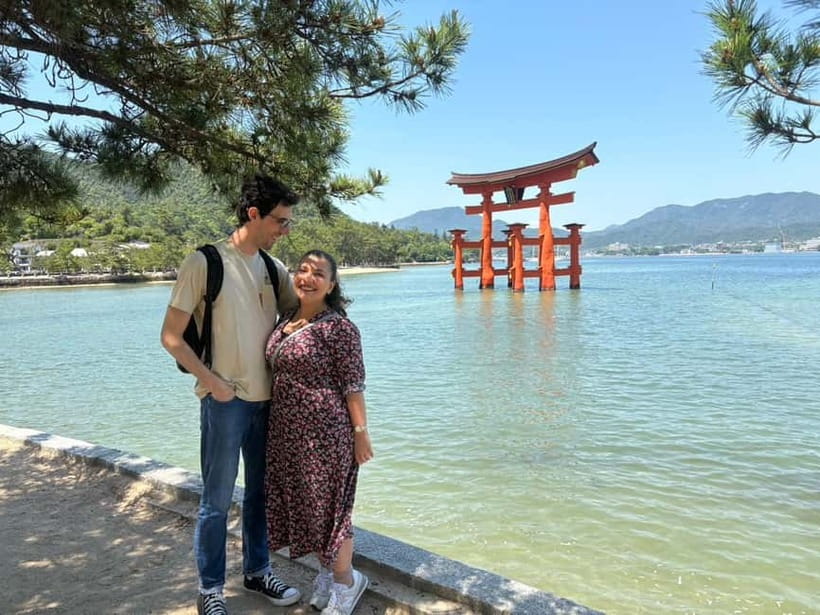
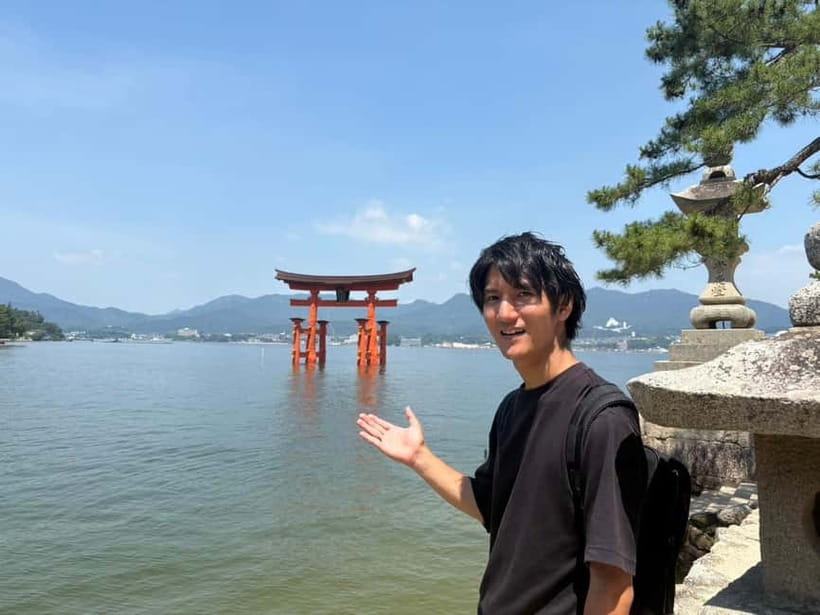
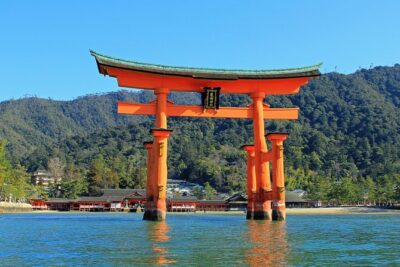
If you’ve seen pictures of the famous vermilion torii gate, you already know the big idea. At high tide, it looks like it’s floating. At low tide, it becomes walkable and shifts from “myth” to “footsteps.”
What I like here is that the tour is built around that timing. Your guide checks the tide forecast and aims for the best photo window, which means you’re not just hoping the timing is right. You’ll get a clear explanation of what’s happening, not just a quick stop for a photo.
Here’s a real-life tip you can use during your own planning. Even if you’re not taking professional shots, tide timing still changes the feel of the place. High tide tends to look more dramatic and otherworldly. Low tide shows more of the shoreline details and gives you extra angles. Your guide will position you so you can get both the iconic look and the more grounded one.
Omotesando shopping street: snacks, souvenirs, and an easy start
After the ferry, you’ll head to Miyajima Omotesando shopping street. This is where Miyajima breathes. Think of it as your slow landing into the island mood, with plenty of snack stops and small shops to browse without feeling like you’re on a timed sprint.
Expect food tasting as part of the walk, and that’s one of the smartest parts of this tour. When you’re visiting a place that’s mostly walking, food tastings keep your energy up and help you slow down naturally. You’ll get that Hiroshima flavor moment here too, including a bite of fresh Hiroshima oyster (grilled when in season).
You’ll also taste momiji manju, the maple-leaf cake that Miyajima is known for. It’s easy to treat it like a souvenir, but on the tour it’s more than that. It’s a small, local rhythm you can connect to the island’s identity. If you’re a sweets person, you’ll likely understand why people buy it as they wander.
Is there a tradeoff? Yes. Omotesando can get crowded. The benefit of having a guide is that they can help you stay oriented and keep moving so you don’t waste your limited four hours stuck in slow-moving lines.
- Hiroshima Peace (Heiwa) Walking Tour at World Heritage Sites★ 5.0 · 872 reviews
- Hiroshima in a Nutshell: Morning Bike Adventure★ 5.0 · 524 reviews
- Hiroshima City 4hr Private Walking Tour with Licensed Guide★ 5.0 · 437 reviews
- From Hiroshima: Hiroshima & Miyajima 1 Day Tour with Lunch★ 4.7 · 395 reviews
- Japanesel Archery Experience HIROSHIMA CASTLE SHARAKU★ 5.0 · 387 reviews
Itsukushima Shrine: what to look for beyond the postcard view
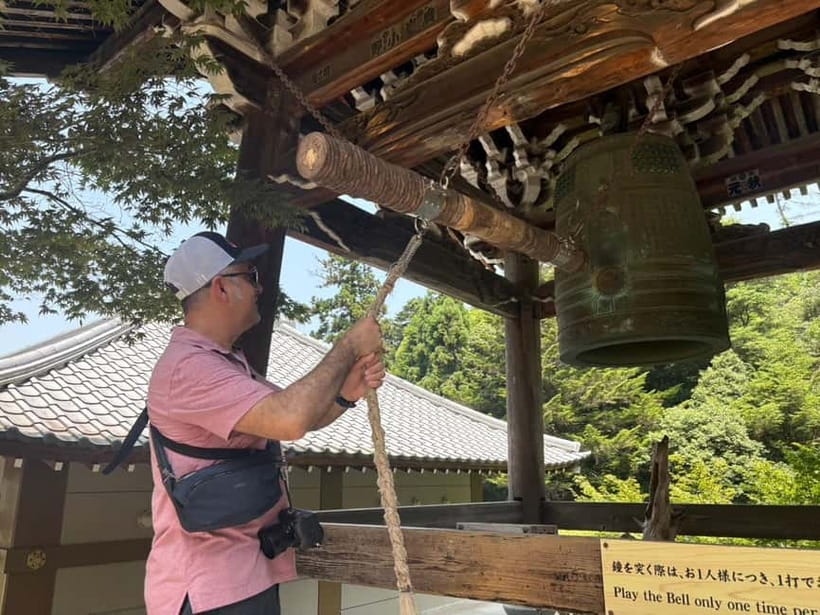
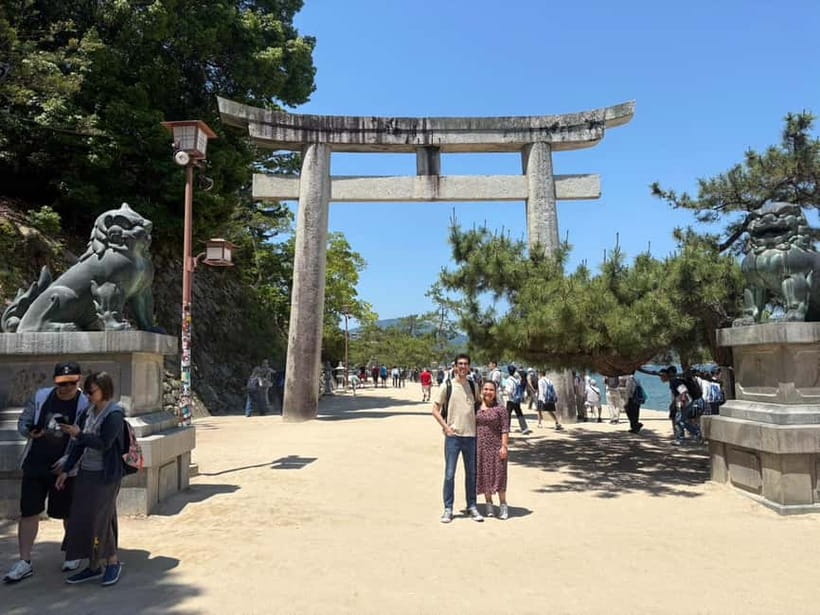
Next up is Itsukushima Shrine, a UNESCO site that’s famous for its “water architecture” vibe. When you’re standing there, you’ll see why the torii gate became the symbol. The shrine looks like it’s designed for the way the sea rises and falls.
Your guide will walk you through the shrine area and share context along the way, including how the setting connects to Japanese culture and the island’s reputation. The big value of a guided visit is not just learning names and dates. It’s knowing what parts matter and what to notice so you’re not staring at the view with no idea what you’re looking at.
Expect about an hour for the shrine visit, with time to look around at a comfortable pace. Since it’s a half-day tour, there’s no pressure to memorize everything. Instead, you get a “why it looks like this” foundation you can carry with you after you leave.
A small but helpful detail: your guide also takes photos during the tour and shares them afterward. That can save you time and awkwardness if you want the classic shots but don’t want to keep asking strangers. Just remember to wear shoes you can walk in, because you’ll be on your feet for the shrine approach and surrounding areas.
Daisho-in Temple time and the deer you cannot ignore
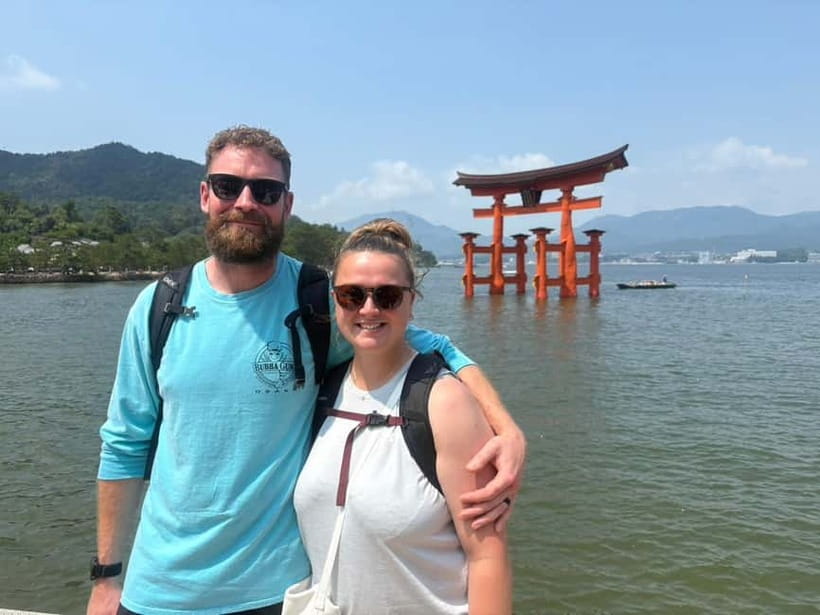
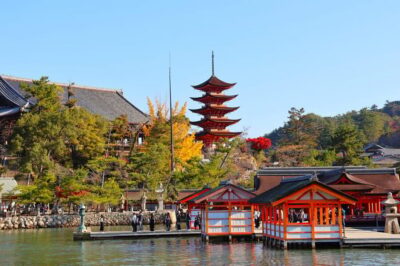
After the shrine, you’ll spend time deeper on Miyajima at Daishoin Temple, where the atmosphere becomes quieter and more reflective. Your day balances spectacle with stillness, which is what makes Miyajima work as an experience instead of just a checklist stop.
Daisho-in can include solemn ritual areas, and at least some routes also connect to experiences described by past visitors, like purification-style moments in the temple complex. Even if you don’t participate, it’s worth knowing that this part of Miyajima can feel sensory and serious, not just scenic. It’s one reason I think this tour is better than a pure photo run.
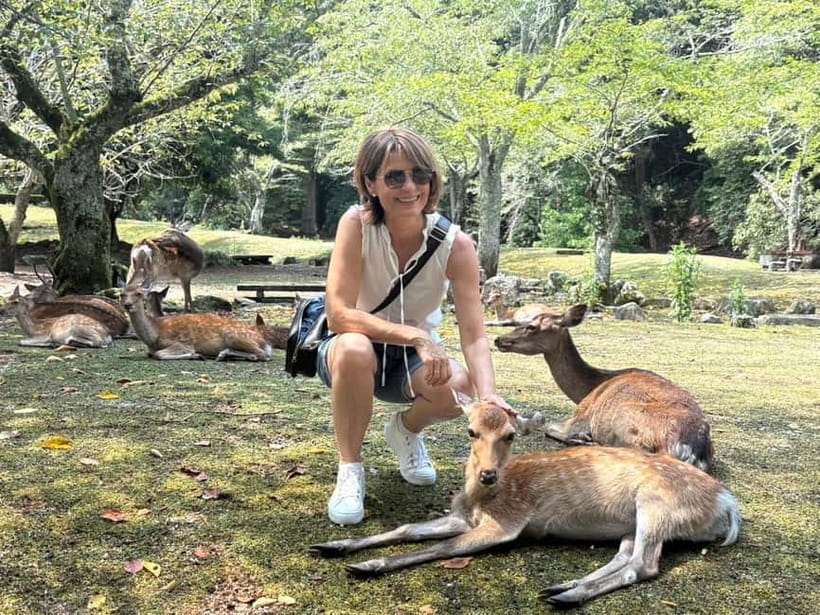
Then comes the deer. Miyajima’s free-roaming deer are famous for a reason, but the practical part is this: they are persistent. Keep food secured. If you’re holding snacks, be ready for close approaches. One of the clearest pieces of advice from guide-led experiences is simple: don’t eat or drop food near the deer, even if they look friendly. They can be adorable and still be a nuisance.
Your guide will also help with the flow of the area so you’re not dodging deer at the last second while trying to get a good angle.
A “secret stop” photo moment that breaks up the crowds
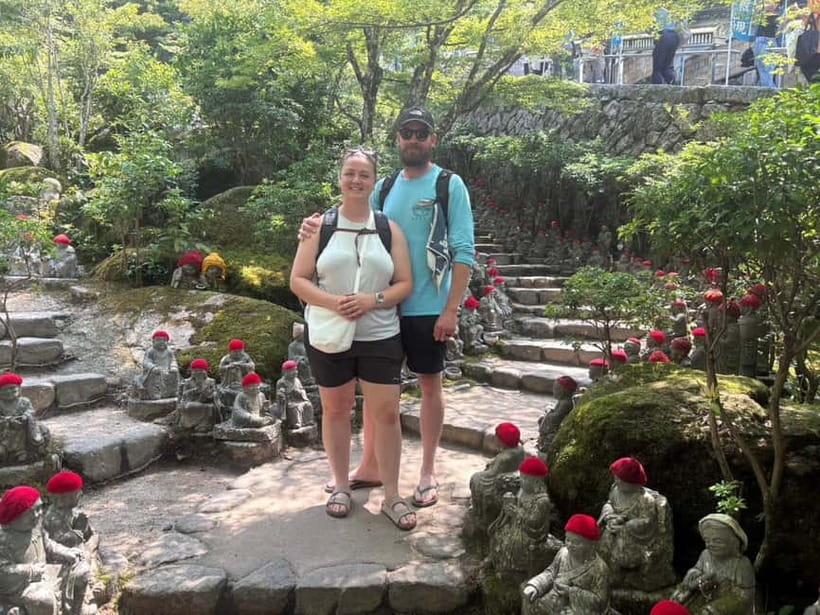
Midway through the later portion of the tour, you’ll visit a secret stop for a guided photo and sightseeing walk, about 30 minutes. This is one of the formats that makes half-day tours feel worth it. Instead of only hitting the most obvious places, you get an extra chance for different views and calmer corners.
Because it’s a short stop, it works like a palate cleanser. You’ve already done the big icon sites. Now you’re getting a smaller, more personal angle. The guide will set you up for how to look, where to stand, and when to take the shot based on the spot and timing.
If you like photography, this is also where your guide’s photo habits can matter. Many guides on this route are praised for careful photo positioning and taking time with shots, which is exactly what you want when you only have a few hours to work with.
Food and lunch reality: what’s included, what’s on you
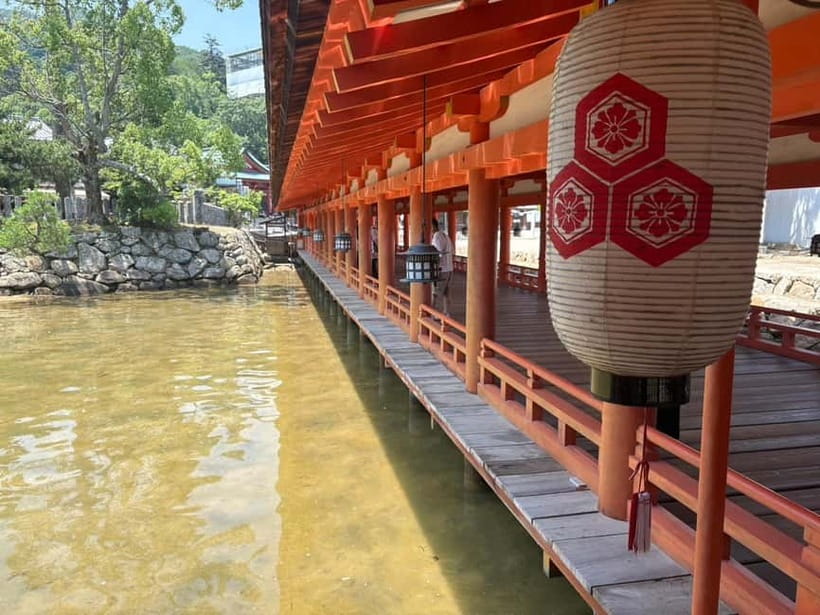
This tour clearly plans food, but it does not turn into a full meal marathon. You’ll get local flavor time with Hiroshima oyster when in season and the momiji manju tasting. That keeps the experience grounded in what Miyajima is known for, not just what you happen to find near a temple gate.
Lunch is not included, and you should plan for a flexible approach. The schedule includes a lunch or dinner slot on the island, but you’ll likely pay on your own. The upside is that your guide gives you direction so you don’t burn time hunting for a place when you’d rather keep exploring.
In past experiences with guides on this route, the help goes beyond directions. Some guides have even recommended specific restaurants and handled extra support like helping guests get where they need to go next. That kind of “I’ll help you finish the day” mindset makes a short tour feel smoother, especially if you’re traveling with a tight Hiroshima time window.
What the guide really adds: more than directions
The heart of this tour is the guide. It’s not just ferry tickets and walking pace. The strongest praise for guides on this route is how they turn a short visit into a meaningful one.
You’ll hear history and cultural context at Itsukushima and around the temple areas. You’ll also get practical island advice, like how to handle the deer situation and where to aim for photos when tides matter.
Guide names that show up often in successful tours include Sony, Kaku, Hendri, and Ambar, with consistent praise for friendliness, patience, and helping people see more than the obvious routes. One reason this matters for your decision is simple: when you’re on Miyajima for only half a day, “what not to miss” becomes everything. A good guide prevents the common mistake of spending all your time at the most crowded points and missing the calmer, more interesting angles.
The photo service is another quality-of-life upgrade. If you’re traveling with limited photo help, having your guide take shots can be a relief. Just be ready to actively participate, because you’ll get more out of it when you tell the guide what style of photo you want, close-up, full-body, group style, and so on.
Price and value for $77 in a four-hour plan
At $77 per person for about four hours, this tour is in the “good value if you want a guided hit list” category. Here’s why.
You’re paying for:
- a local English-speaking guide
- shrine tickets
- a photo service
- momiji manju tasting
- ferry and shrine visit logistics handled for you
If you tried to DIY it, you could save money, but you’d spend time on decisions. You’d be juggling ferry schedules, ticket purchase, figuring out the best torii timing, and still trying to get good photos. For many people, the cost is really buying back time and reducing stress.
The one cost you should factor separately is transportation beyond what’s covered by the tour routing and lunch. The tour doesn’t pretend you won’t want to eat later, it just keeps the meal choices flexible.
So who gets the best value? If you:
- have limited time in Hiroshima
- want the torii gate timing right
- prefer a local guide to give you context
- care about food tastings rather than just monuments
…then $77 starts to feel less like a price and more like a smart trade.
Who this Miyajima half-day tour fits best
I think this tour is perfect if you want the big Miyajima hits without turning it into a full day. It’s also a good match if you like learning while you walk, rather than reading everything on your phone.
It’s less ideal if you:
- want total freedom to wander slowly for hours
- plan to spend most of your time shopping in detail
- need a very long sit-down lunch
This is a walking-focused half-day. The upside is that it’s efficient. The downside is that you won’t have endless “linger wherever you want” time.
Should you book it?
Book this tour if you want a guided Miyajima visit that handles tickets, ferry timing, and photo planning, especially for the tide-changing torii gate. I’d also choose it if you like local food stops like Hiroshima oyster when it’s in season and momiji manju.
Skip it or switch plans if you love DIY exploring more than structured timing, or if you’re determined to build a long meal day on the island. With four hours, you’ll feel the pace, but that pace is exactly what makes the experience feel like a highlight reel instead of a rushed blur.
FAQ
Where is the meeting point?
The guide meets you in front of the coin locker by Miyajimaguchi station (宮島口駅改札外コインロッカー).
How long is the tour?
The tour is 4 hours.
Is the tour guided, and what language is offered?
Yes. It includes a live local English-speaking guide.
Are shrine tickets included?
Yes, shrine tickets are included.
What food is included?
You’ll have a tasting of momiji manju maple-leaf cake. The experience also includes an oyster bite, grilled when in season, as part of the food stops.
Does the tour include photos?
Yes. There is a photo service, and your guide takes photos during the tour and shares them after.
Is lunch included?
No. Lunch is not included.
Is it wheelchair accessible?
Yes, the tour is listed as wheelchair accessible.
Is there free cancellation?
Free cancellation is available up to 24 hours in advance for a full refund.
Hiroshima and Miyajima Together
Newest Hiroshima write-ups from the Loving Japan desk
Hiroshima and Miyajima Day Trips, side by side.
 ★ 5.0Peaceful Hiroshima & Miyajima UNESCO 1 Day Bus TourFrom $1295,309 reviews
 ★ 4.9Hiroshima and Miyajima UNESCO Sites 1-Day TourFrom $1222,330 reviews
 ★ 5.0Hiroshima / Miyajima Full-day Private Tour with Government Licensed GuideFrom $2021,298 reviews
 ★ 4.7Osaka/Kyoto: Hiroshima Miyajima Bus Tour & Shinkansen TicketFrom $277919 reviews
 ★ 4.8Hiroshima Historical Walking Tour – Why A-Bomb was DroppedFrom $35893 reviews
 ★ 5.0Hiroshima Peace (Heiwa) Walking Tour at World Heritage SitesFrom $94872 reviews
 ★ 5.0Hiroshima in a Nutshell: Morning Bike AdventureFrom $72524 reviews
 ★ 5.0Hiroshima City 4hr Private Walking Tour with Licensed GuideFrom $122437 reviews
Filed on these lists too