
REVIEW · HIROSHIMA AND MIYAJIMA DAY TRIPS
Hiroshima & Miyajima Island Private Tour: History & Culture
One day, two sides of Japan. This private tour pairs the emotional weight of Hiroshima’s Peace Memorial with the calm wonder of Miyajima. I like how the guide handles the subject with care, not cold facts, and I also like the chance to target local tastes like oysters, okonomiyaki, and momiji manju. One drawback to plan for: it is a heavy, reflective day, so you’ll want steady energy and comfortable shoes.
This is the kind of tour where you can set the pace. The best part is that you have a live English-speaking guide and the day is built around your interests, with stops that you can linger at (or speed through) without feeling rushed.
Logistically, it’s mostly walking plus short public-transport hops by train and ferry. If you’re hoping for door-to-door car pickup, note that pick-up is only from accommodations within a reasonable walk, and there’s no private transportation included.
In This Review
- Key highlights that make this day work
- A private, 6-hour route through Hiroshima and Miyajima
- Where to start, and how meeting points affect your day
- Hiroshima Peace Memorial Museum and Park: why guided time matters
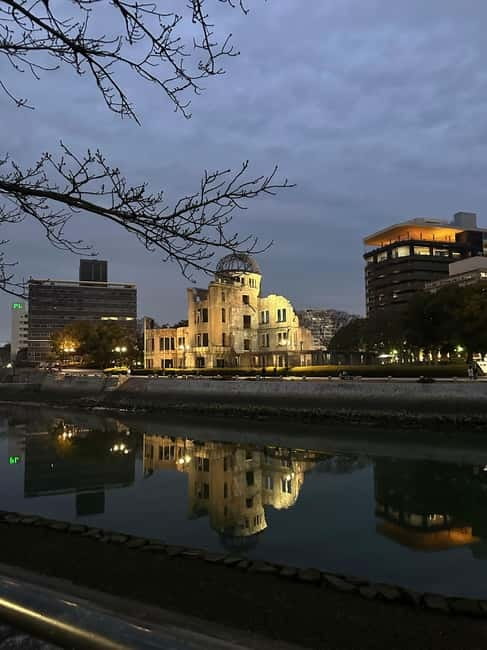
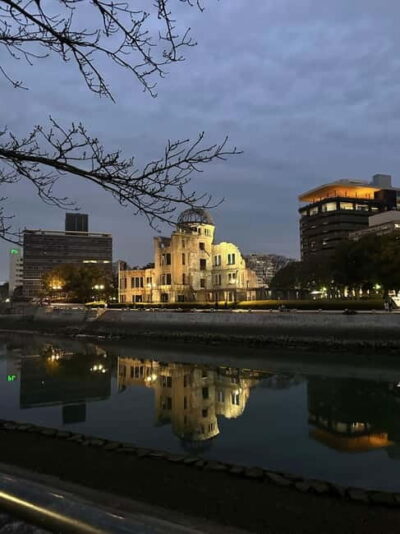
- Atomic Bomb Dome: short guided stop, big impact
- The train and ferry legs: not just transit, part of the story
- Miyajima’s deer and the island feeling you can’t fake
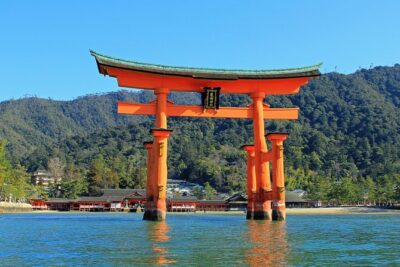
- Itsukushima Floating Torii Gate and Shrine: the UNESCO highlight done right
- Daisho-in and the temple walk that adds depth
- Omotesando shopping street: plan for snacks, not stress
- Price and value: what $69 really covers
- Pacing, comfort, and emotional readiness
- Guides and the difference a good day makes
- Should you book this Hiroshima and Miyajima private tour?
- FAQ
- How long is the Hiroshima and Miyajima private tour?
- Is the tour private?
- What language is the guide?
- What attractions are included in the guided portion?
- Is the Peace Memorial Museum ticket included?
- Are food and drinks included?
- Where does the pickup or meeting happen?
- Can I cancel for a full refund?
- Is the tour wheelchair accessible?
Key highlights that make this day work
- Peace Memorial Park with personal context: respectful, human-scale stories that make the place feel real.
- Peace Memorial Museum entry included: a guided 40-minute visit to anchor the rest of the day.
- Atomic Bomb Dome stop built for quick focus: short, guided time so you can absorb without feeling hurried.
- Miyajima Island on its own schedule: ferry ride, shrine views, and deer spotting without the big tour crowd pressure.
- Itsukushima Shrine and Daisho-in time: classic UNESCO sights plus temple atmosphere for a fuller island feel.
- Omotesando break for local snacks: time for shopping and food like fresh oysters and momiji manju.
Pairing the city with Miyajima. Other itineraries
- Hiroshima: Hiroshima and Miyajima UNESCO Sites 1-Day Tour
★ 4.9 · 2,330 reviews - Hiroshima / Miyajima Full-day Private Tour with Government Licensed Guide
★ 5.0 · 1,298 reviews - Hiroshima Historical Walking Tour – Why A-Bomb was Dropped
★ 4.8 · 893 reviews - Hiroshima Peace (Heiwa) Walking Tour at World Heritage Sites
★ 5.0 · 872 reviews
A private, 6-hour route through Hiroshima and Miyajima
You’re looking at a smart half-day format that still feels complete. In about 6 hours, you cover Hiroshima’s most important memorial sites, then cross to Miyajima Island for the famous shrine grounds and a temple stop, plus a short walk and shopping time.
The tour is priced at $69 per person, and the value comes from what’s included, not just the sightseeing list. You get a private guide, the entrance ticket to the Peace Memorial Museum, skip-the-ticket-line support, and guided time at the big sites. Since food is not included, you can decide how adventurous you want to be with lunch or snack stops, which is often how locals like to travel too.
One more practical win: you can meet the guide at multiple locations or get pickup if you’re close enough to walk. That reduces the “start the day from a random point” headache that can drain energy before you even get to the memorial.
Where to start, and how meeting points affect your day
Your day starts with either pickup (only if it’s within a reasonable walking distance from your accommodation) or a meeting point you choose during booking. If you select Hiroshima Station as your meeting spot, meet your guide at the Shinkansen Exit on the second floor, in front of Starbucks.
I like this because it’s easy to navigate. Hiroshima Station is a maze when you’re tired, so meeting at a very specific landmark helps you get moving quickly.
At the end of the tour, drop-off options include Hiroshima Station Shinkansen Exit, Itsukaichi Station South Entrance, the taxi stand near Peace Memorial Park, and the 広島港クルーズターミナル area. That flexibility matters if you’re continuing onward to another city, heading back to your hotel, or trying to connect to a different plan without backtracking.
Also, your guide will contact you the day before to confirm the exact meeting point. I treat that as a big quality signal. It reduces the chance of awkward delays when you’re dealing with ferries, trains, and crowds.
Hiroshima Peace Memorial Museum and Park: why guided time matters
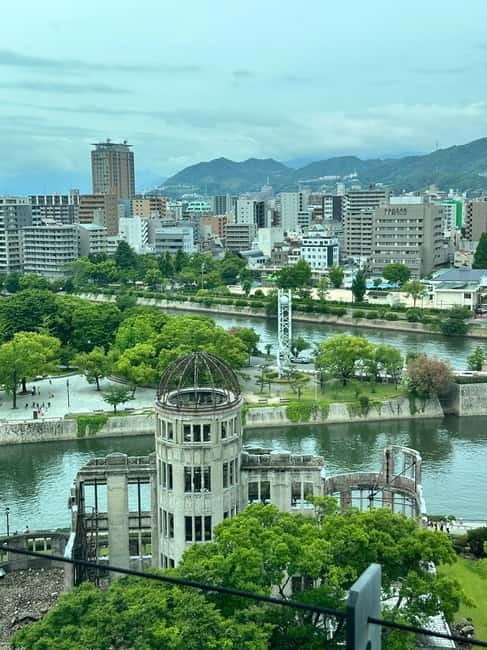
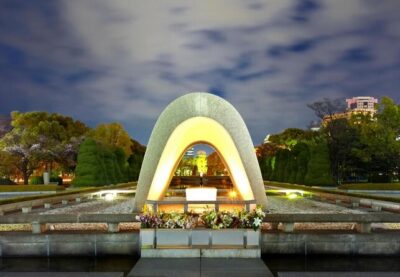
The emotional center of this tour is Hiroshima’s memorial area. You begin with the Peace Memorial Museum for about 40 minutes of guided time, then move straight into the Peace Memorial Park for roughly 50 minutes.
A museum visit can be either too short or too cold, depending on the guide and your attention span. Here, the pacing is built for understanding without turning the experience into a checklist. The guide sets context and helps you connect the memorial sites to what happened and what people experienced afterward.
Then the park time is where the day turns reflective. The A-Bomb Dome is close by, and your guide’s job is to help you look properly, not just “see everything.” The park has a quiet gravity, and I appreciate that this tour is designed to keep the tone respectful.
One thing I’d call out: you’re not meant to rush. This is the part where you might pause for a few extra seconds, read one more plaque, or stand with the group until you’re ready to move again. A private format makes that easier.
- Hiroshima Peace (Heiwa) Walking Tour at World Heritage Sites★ 5.0 · 872 reviews
- Hiroshima in a Nutshell: Morning Bike Adventure★ 5.0 · 524 reviews
- Hiroshima City 4hr Private Walking Tour with Licensed Guide★ 5.0 · 437 reviews
- From Hiroshima: Hiroshima & Miyajima 1 Day Tour with Lunch★ 4.7 · 395 reviews
- Japanesel Archery Experience HIROSHIMA CASTLE SHARAKU★ 5.0 · 387 reviews
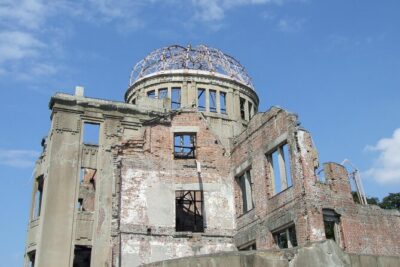
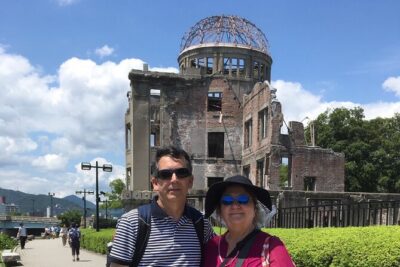
Atomic Bomb Dome: short guided stop, big impact
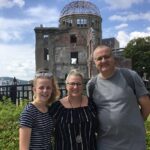
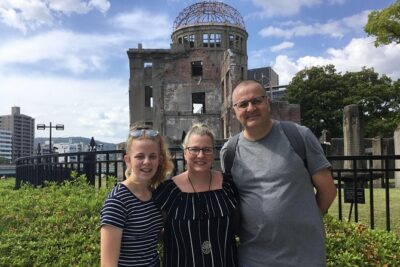
You get about 10 minutes at the Atomic Bomb Dome, guided. That might sound brief, but it actually works well in real life.
The Dome is visually dramatic, and it pulls you in quickly. If you’re there too long, it’s easy to go numb. If you’re there too little, you miss the details your guide points out, like how the structure is framed by the surrounding memorial architecture and why people keep it intact as a living reminder.
This is also where your guide’s sensitivity makes a difference. People in Hiroshima take this topic seriously, and several guides on this kind of tour are known for handling the bombing history with care and respect, including guides like Nabeel and Malek. That matters because the goal is understanding, not shock.
If you’re traveling with teens, this stop often works better than you’d expect. Short time plus guidance helps it land without turning into a lecture marathon.
The train and ferry legs: not just transit, part of the story
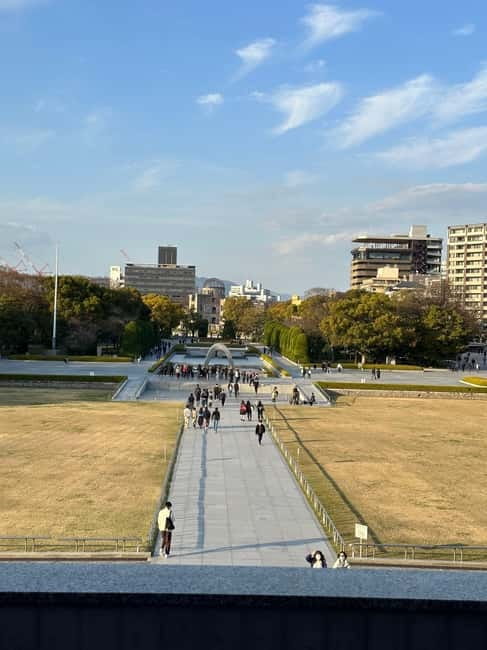
Between Hiroshima and Miyajima, you spend time riding public transit. The schedule includes train time of about 35 minutes, then a short ferry ride of around 10 minutes.
I like when a tour treats transit as part of the experience, not downtime. The ferry is one of Japan’s best “instant mood shift” tools, and the water crossing creates a clear before-and-after feeling. Hiroshima is weighty and urban, while Miyajima starts to feel separate almost immediately.
Because the tour is private, you can also manage your pace during these legs. If you want to take a photo, step out for air, or grab a quick snack later, the guide can plan around it.
One planning note: the day includes multiple timed segments, so wear shoes you can walk in confidently. The tour doesn’t mention anything extreme, but a few short stretches add up when you’re moving between island areas and temple grounds.
Miyajima’s deer and the island feeling you can’t fake
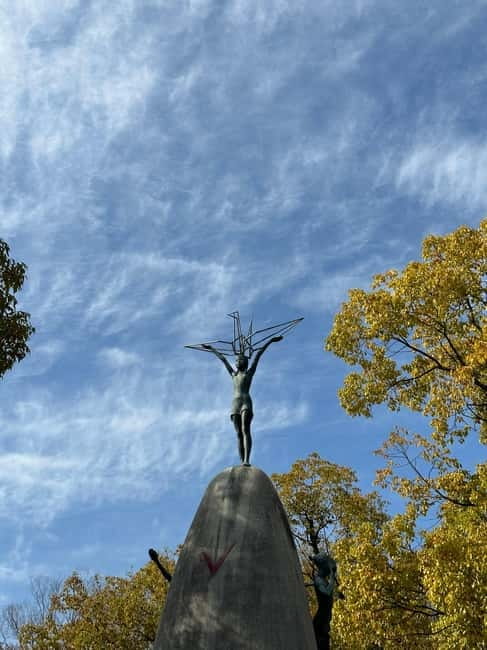
When you arrive on Miyajima Island, the mood changes. You get famous views, shrine history, and yes, the deer.
The deer are a practical and memorable part of the island experience. They’re part of the daily scenery around shrine areas, and they also create a natural rhythm for photos and small moments of surprise. Just be smart about it: enjoy the moment without blocking paths or stressing the animals.
This island break is also valuable because you’re not only processing Hiroshima. You’re giving your mind a chance to reset while still staying in the same day trip theme of reflection, culture, and place.
Your guide often helps you see what most visitors miss, like quiet viewpoints and the flow of foot traffic during your walk between key stops.
Itsukushima Floating Torii Gate and Shrine: the UNESCO highlight done right

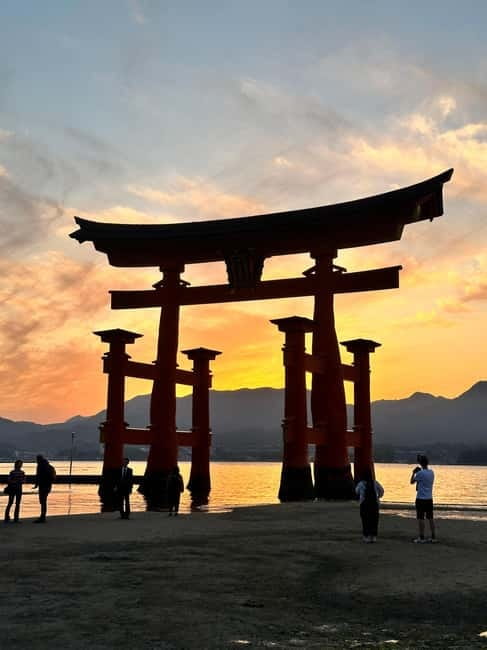
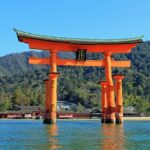
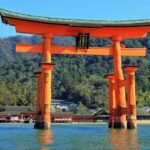
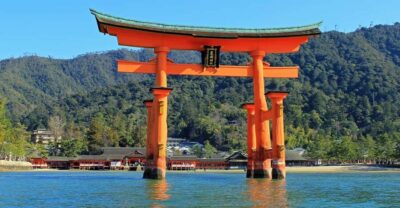
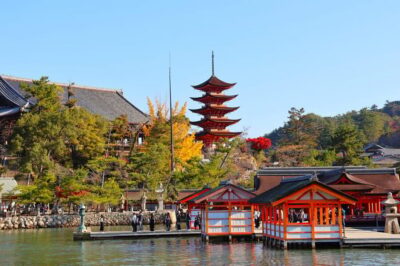
The tour covers the Itsukushima Floating Torii Gate with about 20 minutes of guided time, then gives about 20 minutes at the Itsukushima Shrine itself.
This area can be busy depending on timing, but a private guide helps you get your bearings quickly. The guide can point out how the torii gate visually connects to the water and how the shrine setting is designed to be part of the seascape, not just placed near it.
What I like most is the way you’re not left alone with your camera. You get context, then time to look. That combination keeps the experience from becoming just photos in a sequence.
Also, the shrine setting works for a lot of ages. If you’re with family, teens get cultural context without boredom, and younger kids often enjoy the island atmosphere and deer sightings.
Daisho-in and the temple walk that adds depth
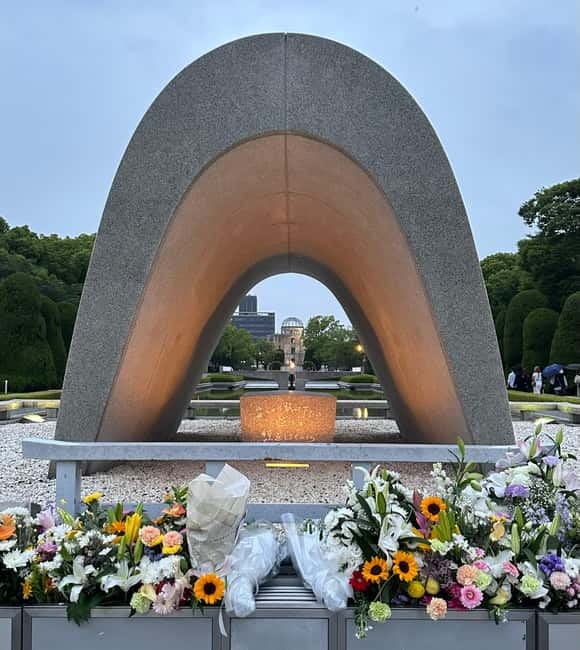
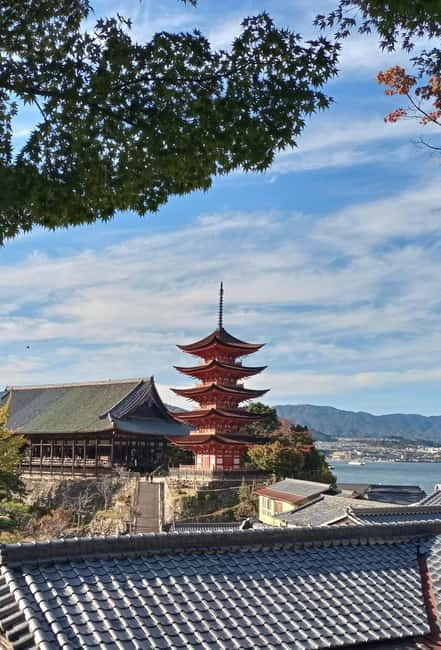
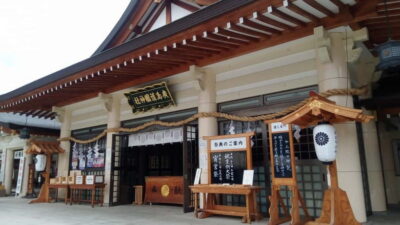
After the shrine, there’s a Daisho-in stop with about 40 minutes of guided time. Then you get a short on-foot segment of about 15 minutes before returning by ferry and train.
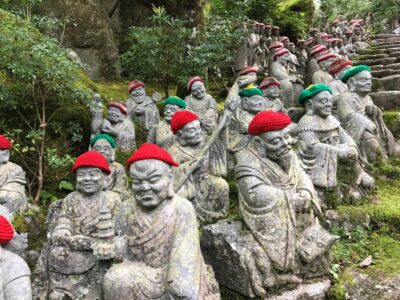
This temple time is important because it rounds out the island experience. The torii gate is the headline, but Daisho-in adds texture. It’s where you feel the island as a living religious destination instead of a single photo spot.
I also like that the itinerary avoids cramming too many “must-sees” into every single minute. You get a focused shrine portion, then you shift to temple atmosphere, then you get breathing room.
If you prefer a slower day, the private format helps here. You can linger longer if the area grabs you, or keep moving if you feel you’ve already absorbed what you need.
Omotesando shopping street: plan for snacks, not stress
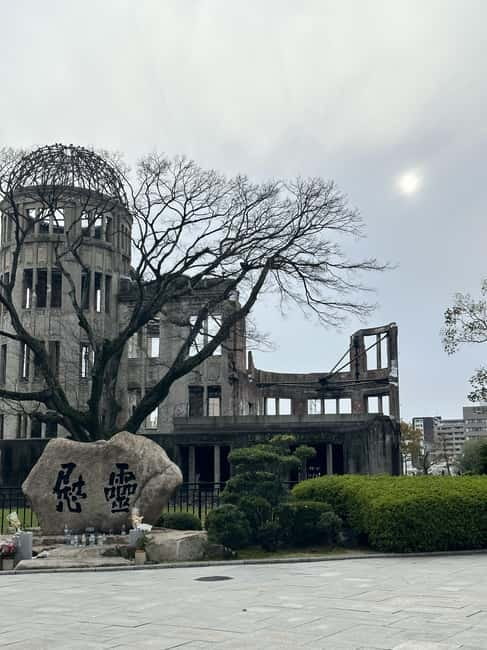
You’ll have a break time at Miyajima Omotesando Shopping Street for about 30 minutes, with time to walk, shop, and grab a bite.
This is where the food highlights become real. The experience is known for recommending local options like fresh oysters, okonomiyaki, and momiji manju. Since food isn’t included, your guide is basically your taste translator, steering you toward places that fit what you want that day.
Even if you skip a full meal, the break still matters. It gives you a reset between temple time and the ride back. It also keeps the day from feeling like nonstop walking and looking.
If you’re a planner, set a simple goal before you reach Omotesando: for example, choose one snack and one souvenir. That keeps the limited 30 minutes from turning into decision fatigue.
Price and value: what $69 really covers
At $69 per person for a 6-hour private or small-group tour, you’re paying for guide time plus the major guided attractions. Included items are the private guide and the Peace Memorial Museum entrance ticket. The Peace Memorial Museum is scheduled for guided time, which helps you get more out of your visit.
What’s not included is also clear: food and drinks. That’s good value if you want control over your budget and tastes, but it means you should plan to spend extra on snacks on Miyajima.
You should also remember that the tour uses public transit, with train and ferry segments included in the timeline, but without private transportation. And there is no car pickup. Pickup by foot is only from accommodations within a reasonable walking distance.
In practice, that combination usually works well if you enjoy efficient public transit and you’re not trying to turn this into a private chauffeur day.
Pacing, comfort, and emotional readiness
This tour is not physically hard in the way that some big Japan days are, but it does require walking. The tour itself requests comfortable shoes, and I agree. You’ll move between memorial sites, transit points, and shrine areas, and you’ll be happier if your feet are protected.
Emotionally, plan for a serious tone. The Hiroshima Peace Memorial area is meant for reflection. If you’re sensitive to heavy topics, it helps to pace yourself with small breaks and let your guide’s explanations stay grounded and respectful.
If you’re traveling with kids or teens, the flexible pacing can be a plus. Several guides associated with this experience are praised for adapting to different group needs, and the tour description is designed around adjusting your pace and stops based on who’s with you.
A practical tip: bring a quick way to stay calm, like a bottle of water and something small to snack on later. The tour does not include food, so you want to avoid getting hungry at the moment your energy is already taxed by the memorial.
Guides and the difference a good day makes
One of the strongest reasons to choose this tour is the guide quality. From the guide names tied to past tours, I’d expect a personal style that stays respectful and practical.
Nabeel and Yasmin are repeatedly praised for being engaging and passionate while handling the Hiroshima bombing topic with sensitivity. Malek is highlighted for being efficient, clear, and able to adapt to preferences. Abdeel is also mentioned for staying responsive when timing got complicated, including communicating quickly about meeting progress.
That last point matters more than people think. Hiroshima and Miyajima are full of timing variables, ferries, and foot traffic. When a guide is organized, the day feels smooth even when the world is not.
Should you book this Hiroshima and Miyajima private tour?
Book it if you want a guided day that balances the heavy and the beautiful. You’re not just ticking off big names like the Atomic Bomb Dome and Itsukushima Shrine. You’re getting context and pacing that helps the memorial portion land, then the island portion feel restorative.
Skip it or consider another option if you want a mostly carefree day with minimal emotional weight. This route is built around Peace Memorial sites, and you should expect that to shape your mood.
If you can handle that, this is a strong value play. You get a private English guide, museum entry, and structured time at the core sites, plus insider food suggestions on Miyajima where you’ll actually have something to eat and shop. With comfortable shoes and a bit of mental preparation, it’s the kind of half-day that sticks with you for the right reasons.
FAQ
How long is the Hiroshima and Miyajima private tour?
The tour lasts 6 hours.
Is the tour private?
It’s a private or small-group experience.
What language is the guide?
The live tour guide is English.
What attractions are included in the guided portion?
You’ll have guided time at the Hiroshima Peace Memorial Museum and Peace Memorial Park, the Atomic Bomb Dome, the Itsukushima Floating Torii Gate, the Itsukushima Shrine area, and Daisho-in.
Is the Peace Memorial Museum ticket included?
Yes, the entrance ticket to the Peace Memorial Museum is included.
Are food and drinks included?
No. Food and drinks are not included.
Where does the pickup or meeting happen?
Pickup is available only if your accommodation is within a reasonable walking distance. If you choose Hiroshima Station, meet your guide at the Shinkansen Exit on the second floor, in front of Starbucks. You can also choose built-in meeting points during booking.
Can I cancel for a full refund?
Yes. Free cancellation is available up to 24 hours in advance for a full refund.
Is the tour wheelchair accessible?
Yes, the tour is wheelchair accessible.
Hiroshima and Miyajima Together
Newest Hiroshima write-ups from the Loving Japan desk
Hiroshima and Miyajima Day Trips, side by side.
 ★ 5.0Peaceful Hiroshima & Miyajima UNESCO 1 Day Bus TourFrom $1295,309 reviews
 ★ 4.9Hiroshima and Miyajima UNESCO Sites 1-Day TourFrom $1222,330 reviews
 ★ 5.0Hiroshima / Miyajima Full-day Private Tour with Government Licensed GuideFrom $2021,298 reviews
 ★ 4.7Osaka/Kyoto: Hiroshima Miyajima Bus Tour & Shinkansen TicketFrom $277919 reviews
 ★ 4.8Hiroshima Historical Walking Tour – Why A-Bomb was DroppedFrom $35893 reviews
 ★ 5.0Hiroshima Peace (Heiwa) Walking Tour at World Heritage SitesFrom $94872 reviews
 ★ 5.0Hiroshima in a Nutshell: Morning Bike AdventureFrom $72524 reviews
 ★ 5.0Hiroshima City 4hr Private Walking Tour with Licensed GuideFrom $122437 reviews
Filed on these lists too