
REVIEW · HIROSHIMA AND MIYAJIMA DAY TRIPS
Hiroshima: Peace Walking Tour of World Heritage Sites
Peace has a route.
I recommend this Hiroshima peace walking tour because it pairs the world-famous Atomic Bomb Dome with calmer, hopeful stops like Orizuru Tower and a paper-crane ritual, so the day doesn’t just end in shock. Two things I especially like are how the guides bring local context to every major stop, and how the tour keeps moving at a good pace without feeling like you’re getting rushed through something life-changing. One consideration, though: the Peace Memorial Museum is emotionally heavy, and if you need vegetarian or gluten-free options, you should plan carefully.
I’ll also say this tour is well set up for real conversations. In small groups, I’ve seen guides like Etsko, Yasue, and Yuji described as friendly, thoughtful, and quick to answer questions, so you’re not just reading plaques. And because lunch is included at Akushu Cafe (inside Hiroshima Orizuru Tower), the day feels complete instead of “museum, then figure out food.”
The drawback to flag up front: it is not suitable for gluten intolerance, and vegetarian options are limited. Also, the museum can be very crowded, so you’ll want to be mentally ready for a bit of squeezing in peak hours.
In This Review
- Key highlights worth your attention
- Starting at Montbell near Kamiya-cho-nishi Station
- Shirakami-sha Shrine: a respectful warm-up before the museum
- Peace Memorial Museum: how guides turn artifacts into meaning
- Hiroshima Peace Memorial Park: connecting the emotional dots
- Atomic Bomb Dome as your UNESCO anchor point
- Orizuru Tower: paper cranes, city views, and a wish for peace
- Lunch at Akushu Cafe: the break that keeps the day humane
- Aorigi Tree: hope after the atomic bomb
- How the walking pace works in a 270-minute plan
- Price and value: is $92 worth it?
- Who this Hiroshima peace walk is best for
- Should you book this tour?
- FAQ
- Where is the meeting point for the Hiroshima peace walking tour?
- How long is the tour?
- Is the tour guide available in English?
- What are the main stops on the tour?
- What’s included in the ticket price?
- What about food options, including vegetarian meals?
- Is the tour suitable for gluten intolerance?
- Does the tour include paper crane making?
- What lunch is included?
- Is late arrival allowed?
Key highlights worth your attention
- Local stories built into each stop so the sites mean more than postcards
- Peace Memorial Museum with guided context for what you’re seeing
- Orizuru Tower paper-crane making plus city views from the observatory area
- Atomic Bomb Dome as a UNESCO-listed anchor point for the whole walk
- Lunch included at Akushu Cafe, paired with a real midday break
- Aorigi Tree stop that focuses on hope and rebuilding
Pairing the city with Miyajima. Other itineraries
- Hiroshima: Hiroshima and Miyajima UNESCO Sites 1-Day Tour
★ 4.9 · 2,330 reviews - Hiroshima / Miyajima Full-day Private Tour with Government Licensed Guide
★ 5.0 · 1,298 reviews - Hiroshima Historical Walking Tour – Why A-Bomb was Dropped
★ 4.8 · 893 reviews - Hiroshima Peace (Heiwa) Walking Tour at World Heritage Sites
★ 5.0 · 872 reviews
Starting at Montbell near Kamiya-cho-nishi Station
Your day starts simple: meet in front of the mont-bell store near Kamiya-cho-nishi Station. It’s a one-minute walk from the station, so you’re not playing transit roulette before the tour begins.
Your guide will be easy to spot. Look for an orange sign that says Magical Trip Tour (and they’ll also have a local partner name sign). This matters because timing is strict. Arriving more than 15 minutes late after the meeting time means you cannot join, and there’s no refund or reschedule. My practical advice: arrive early, use the station area to settle in, and then focus on the day.
Shirakami-sha Shrine: a respectful warm-up before the museum
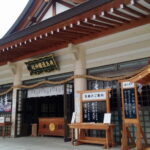
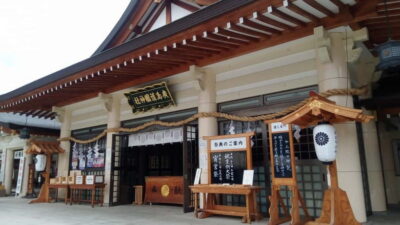
Before the heavy stuff, the tour includes a stop at Shirakami-sha Shrine. The visit lasts about 25 minutes, which is long enough to slow down and get your bearings.
What makes this stop work is that it’s not just a photo break. One review mentions the guide taking time to explain proper protocol for entering and even offering a blessing. If you’re the type who likes to understand what you’re doing before you do it, you’ll appreciate this. It sets a tone for the day, almost like adjusting your mindset before stepping into the Peace Memorial area.
Peace Memorial Museum: how guides turn artifacts into meaning
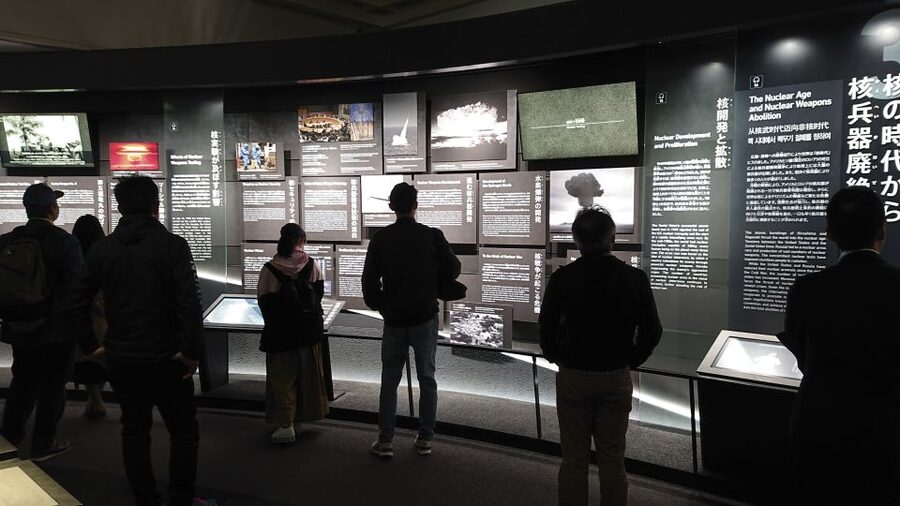
Then you move into the Hiroshima Peace Memorial Museum, guided for about an hour. This is the part of the tour that’s hardest to process, because you’re learning the horrors of the atomic bomb and seeing how people coped with what happened.
A few things stand out from the experience details you’re given. Guides are English-speaking, and multiple reviews emphasize that the narration feels personal, not robotic. Some guides are described as sharing local perspective and even family connections, like stories where a grandmother was affected by the bombing. Others are praised for answering questions and looking up details on the spot if needed.
One practical tip: the museum can be crowded, and you may need a bit of emotional pacing. In at least one case, the guide was considerate about letting someone move at their own pace and pause when needed. You can help your own pacing too. Plan to stand still for a moment before each new section. Don’t rush just because the crowd is moving. This isn’t a checklist day, even if the tour is structured.
- Hiroshima Peace (Heiwa) Walking Tour at World Heritage Sites★ 5.0 · 872 reviews
- Hiroshima in a Nutshell: Morning Bike Adventure★ 5.0 · 524 reviews
- Hiroshima City 4hr Private Walking Tour with Licensed Guide★ 5.0 · 437 reviews
- From Hiroshima: Hiroshima & Miyajima 1 Day Tour with Lunch★ 4.7 · 395 reviews
- Japanesel Archery Experience HIROSHIMA CASTLE SHARAKU★ 5.0 · 387 reviews
Hiroshima Peace Memorial Park: connecting the emotional dots
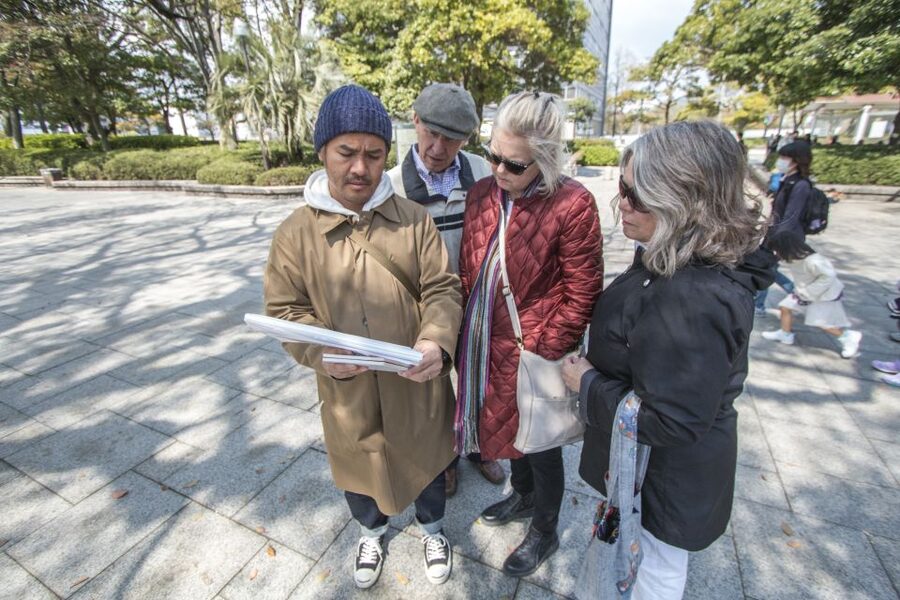
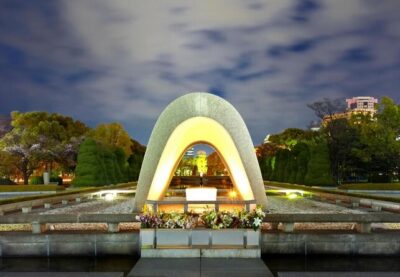
After the museum, the tour continues with the Hiroshima Peace Memorial Park for about an hour, also guided. This section helps you connect what you just learned to the physical space around it.
The value here is in how a guide interprets place. The museum explains events and evidence, but the park turns those facts into a walkable context. You’re seeing how memory is maintained and how the city frames peace in everyday terms. If you’re tempted to treat this area as just “more memorial,” a good guide keeps it human, so you understand what the city wants you to carry with you after you leave.
Expect the tone to stay serious. Reviews frequently describe the day as emotional, and guides are noted for being sensitive when people get overwhelmed.
Atomic Bomb Dome as your UNESCO anchor point

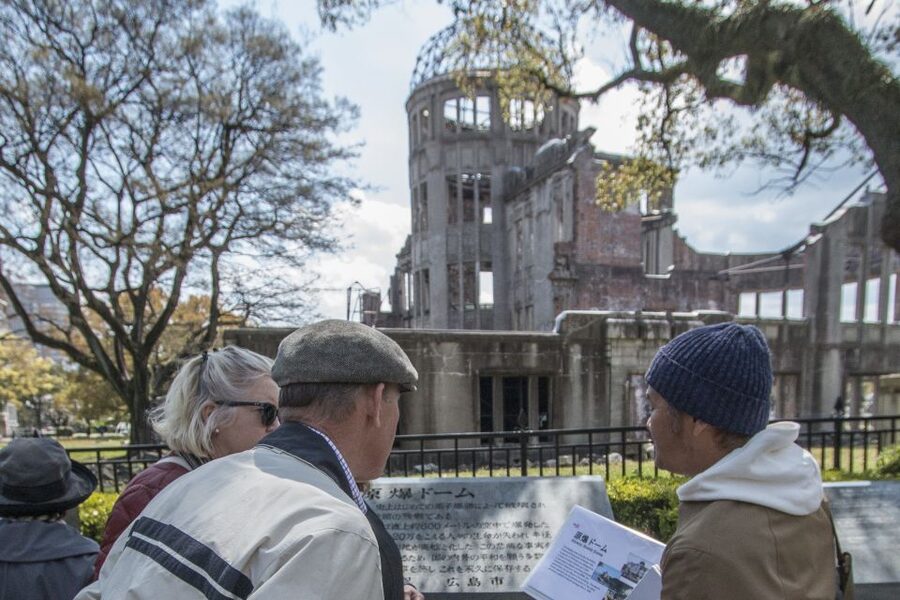
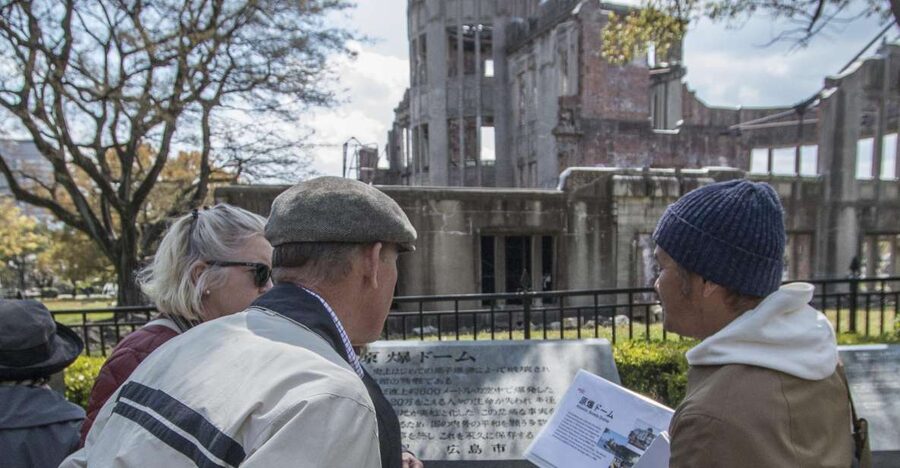
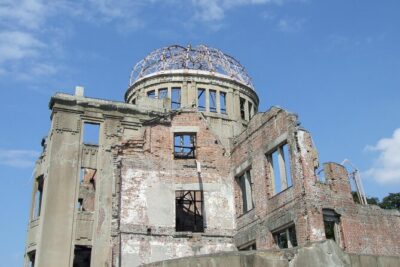
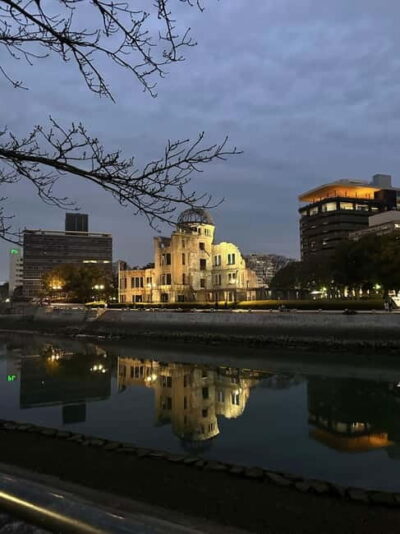
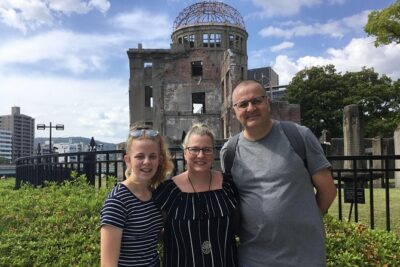
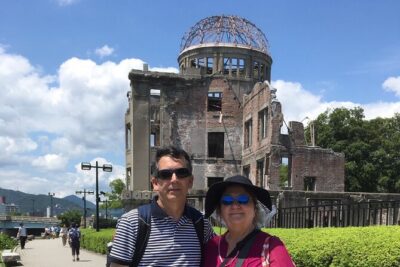
The UNESCO World Heritage Site stop is the Atomic Bomb Dome, guided for about an hour. This is the moment your whole day tends to focus toward. You’ll learn more about its significance, and you’ll have context for why it remains standing and why it is treated with such care.
Here’s what I’d pay attention to, beyond the obvious landmark. Notice how the dome sits in an open public area, not behind museum glass. The experience works best when you allow a pause, look around, and then listen to the guide explain what you’re seeing and what it represents.
One helpful point mentioned in the tour details is that the guide helps you learn Japanese life and feel the city’s revival too, not only the tragedy. That balance can make the dome feel less like a monument that freezes time and more like a message that moves forward.
Orizuru Tower: paper cranes, city views, and a wish for peace
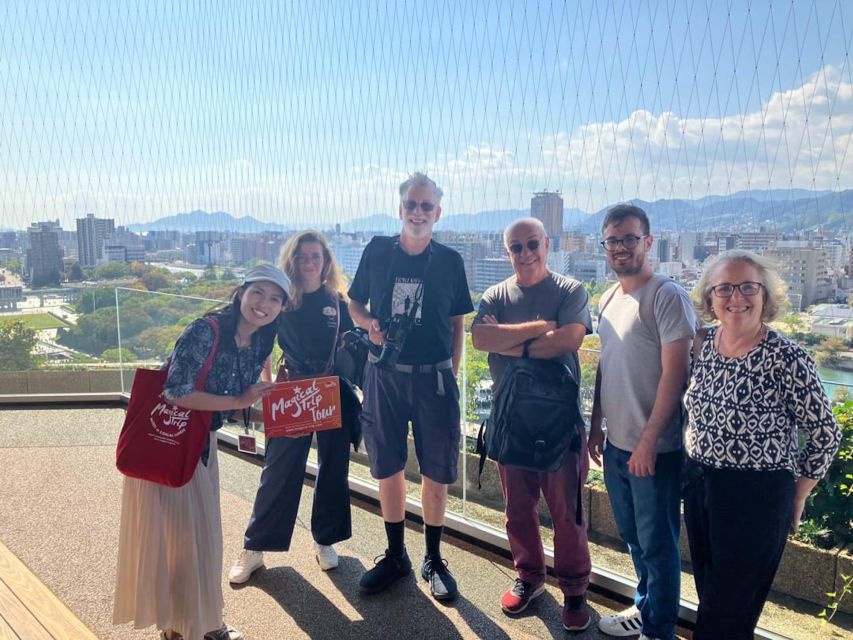
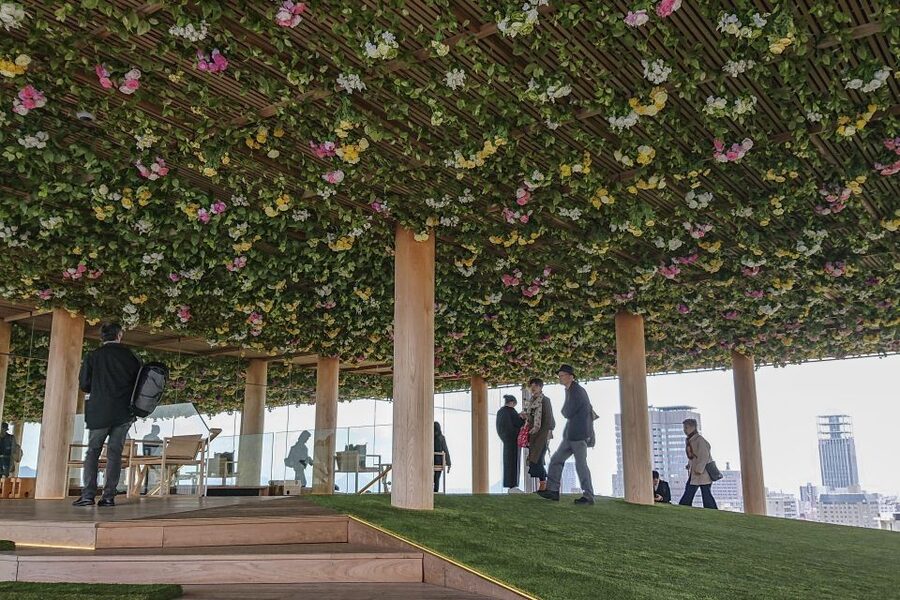
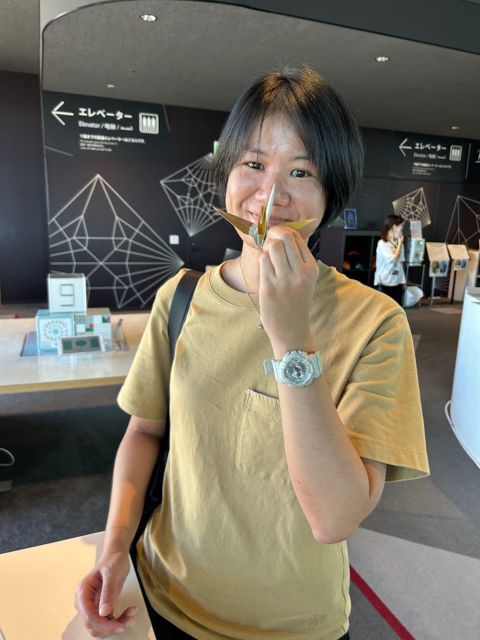
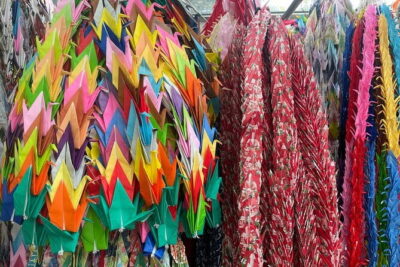
Next comes Hiroshima Orizuru Tower, including an observatory area with wide views of the city. You also get the peace ritual element: making a paper crane and making a wish for peace.
This stop is special because it shifts the day from information to action. The paper-crane moment is simple but powerful, and it gives you something concrete to do with your emotions. Multiple reviews mention origami and paper-crane making as a highlight, and at least one detail describes watching paper cranes spiral down inside the tower. Whether you find that visually moving or just plain interesting, it’s a memorable break from museum intensity.
And yes, the views matter. You can see Hiroshima from above, which helps your brain move from 1945 to the present. It’s also a good place for photos, and you might notice that the tower can feel calmer compared to the museum crowds.
Lunch at Akushu Cafe: the break that keeps the day humane
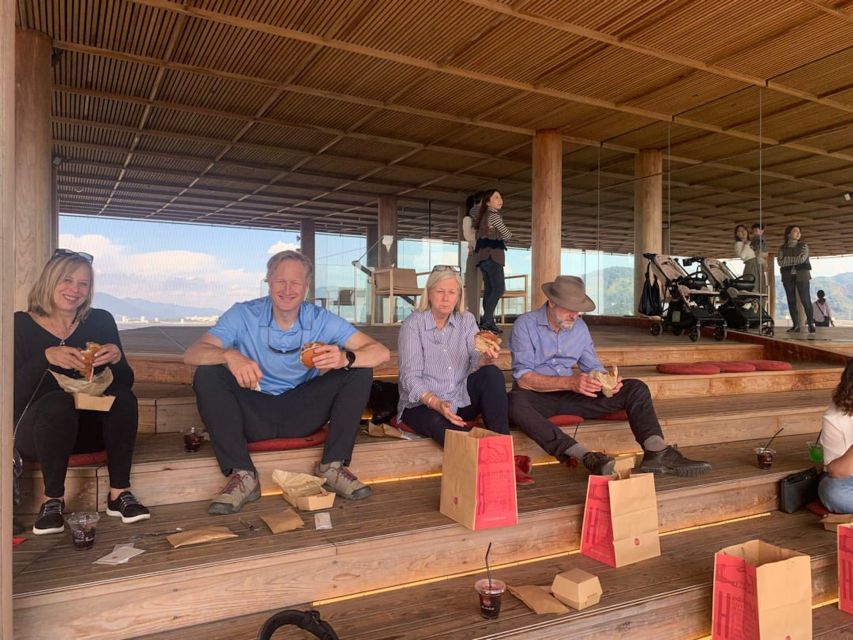
Lunch is included, and it’s served at Akushu Cafe inside Hiroshima Orizuru Tower. Reviews say the lunch includes Hiroshima’s famous okonomiyaki pancake dish, which is exactly the kind of regional meal that makes a long day feel worth the time.
This is more than a perk. Food is part of how you stay steady through a heavy topic. A guided day like this can run long, and lunch gives you a real reset window so the afternoon does not feel like you’re forcing yourself onward.
If you’re vegetarian, plan ahead. The tour notes that vegetarian menus are limited at most Japanese restaurants, so vegetarian options on this tour are limited. If dietary needs are important, message the operator at least one day before the tour. Requests made on the day of the tour cannot be accommodated, and allergy-free meals can’t be guaranteed because meals are prepared in kitchens not operated by MagicalTrip.
Aorigi Tree: hope after the atomic bomb
After Orizuru Tower and lunch, you’ll go to see the Aorigi Tree, described in the tour details as bringing hope after the atomic bomb.
This is one of those stops that changes the emotional temperature of the day. The museum and park explain tragedy and memory. The Aorigi Tree stop is about survival and renewal, a theme the guides emphasize as Hiroshima looking toward the future.
I like this placement because it doesn’t let your day jump from horror straight into the final landmark without a bridge. It helps you process the meaning of Hiroshima’s recovery, instead of ending your tour still stuck in the most intense images you saw earlier.
How the walking pace works in a 270-minute plan
You’re looking at about 270 minutes total, roughly five hours. That’s a good length for this kind of experience. Long enough to cover major sites with guidance, short enough that you can still walk out with energy.
Because it’s a peace-focused route through specific sites, you’re not “free roaming.” You follow the guide between points, and the structure is what keeps you from missing important context. At the same time, the group format can help your comfort. The tour offers private or small groups, and one review mentions a group size of six, which is small enough for questions and photo moments without feeling crowded.
What to wear: think comfort first. You’ll be on foot through memorial grounds and up to observation areas. Wear shoes you can walk in for a few hours and layers you can adjust as the weather changes.
Price and value: is $92 worth it?
The price is $92 per person, and the value comes from three places.
First, you’re paying for guided interpretation at multiple major sites. The Peace Memorial Museum alone can be overwhelming if you try to do it on your own, because you need context for what you’re seeing and why specific details matter.
Second, the tour bundles entry into key places, including the Peace Memorial Museum and Orizuru Tower, plus it includes lunch. That reduces decision fatigue, which is worth something when you’re traveling.
Third, you get tour photos included. A few reviews mention guides taking group pictures and even emailing them, which is a small but real service benefit for a day that’s not exactly a “look at me” vacation moment.
Could you spend less and DIY it? Sure. But for this subject, guidance is what helps you understand the places beyond the surface, and that’s what makes the day feel coherent.
Who this Hiroshima peace walk is best for
This tour is a strong fit if you want guided learning, especially if you’re visiting for the first time and you don’t want to piece together meaning from scratch.
It’s also a good choice if your group includes teens or mixed interests. Reviews mention that it was a top highlight for families and for people who weren’t even trying to be “history buffs.” The shrine, paper-crane activity, views, and lunch keep the experience grounded, even when the topic remains serious.
It’s not the best fit if you have gluten intolerance, since the tour states it’s not suitable. Vegetarian eaters should also plan carefully because vegetarian options are limited, and allergy accommodations can’t be guaranteed.
Should you book this tour?
I think you should book this tour if you want Hiroshima’s biggest sites explained in plain English by a local guide, with time set aside for the museum and a hopeful activity in Orizuru Tower. The best part is the balance: tragedy is not softened, but your day ends with a forward-looking message through the paper-crane ritual and the Aorigi Tree stop.
Skip it, or at least reconsider, if you’re searching for a light, casual sightseeing afternoon, because this is emotional and serious. Also reconsider if gluten-free needs are central or if you rely on guaranteed allergy-free meals.
If you’re okay with a heavy topic and you show up on time, this is one of the most efficient ways to see the UNESCO World Heritage site and understand why Hiroshima asks the world to remember and choose peace.
FAQ
Where is the meeting point for the Hiroshima peace walking tour?
You meet in front of the mont-bell store near Kamiya-cho-nishi Station. It’s about a one-minute walk from the station, and your guide will hold an orange sign with the local partner name and Magical Trip Tour.
How long is the tour?
The tour duration is 270 minutes, about five hours.
Is the tour guide available in English?
Yes, the live tour guide speaks English.
What are the main stops on the tour?
The tour includes Shirakami-sha Shrine, the Hiroshima Peace Memorial Museum, Hiroshima Peace Memorial Park, Hiroshima Orizuru Tower, the Aorigi Tree, and the Atomic Bomb Dome.
What’s included in the ticket price?
Entry to the Peace Memorial Museum and Orizuru Tower is included, along with lunch, a five-hour guided tour with a local guide, and tour photos.
What about food options, including vegetarian meals?
Vegetarian options are limited because many Japanese restaurants are not fully equipped with vegetarian menus. You should inform the operator at least one day before the tour about dietary requests or allergies.
Is the tour suitable for gluten intolerance?
No, the tour is not suitable for people with gluten intolerance.
Does the tour include paper crane making?
Yes. You’ll visit Orizuru Tower and learn how to make a paper crane, including making a wish for peace.
What lunch is included?
Lunch is included at Akushu Cafe inside Hiroshima Orizuru Tower, and it’s described as Hiroshima’s okonomiyaki pancake dish.
Is late arrival allowed?
No. If you arrive more than 15 minutes late from the meeting time (10 minutes before the tour), you cannot join the tour, and no refund or reschedule is offered.
Hiroshima and Miyajima Together
Newest Hiroshima write-ups from the Loving Japan desk
Hiroshima and Miyajima Day Trips, side by side.
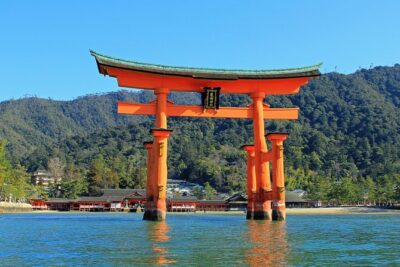 ★ 5.0Peaceful Hiroshima & Miyajima UNESCO 1 Day Bus TourFrom $1295,309 reviews
 ★ 4.9Hiroshima and Miyajima UNESCO Sites 1-Day TourFrom $1222,330 reviews
 ★ 5.0Hiroshima / Miyajima Full-day Private Tour with Government Licensed GuideFrom $2021,298 reviews
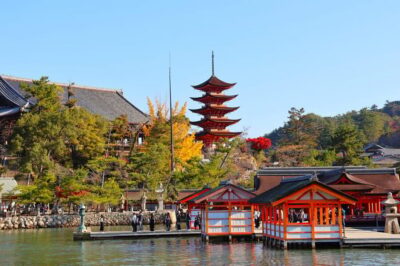 ★ 4.7Osaka/Kyoto: Hiroshima Miyajima Bus Tour & Shinkansen TicketFrom $277919 reviews
 ★ 4.8Hiroshima Historical Walking Tour – Why A-Bomb was DroppedFrom $35893 reviews
 ★ 5.0Hiroshima Peace (Heiwa) Walking Tour at World Heritage SitesFrom $94872 reviews
 ★ 5.0Hiroshima in a Nutshell: Morning Bike AdventureFrom $72524 reviews
 ★ 5.0Hiroshima City 4hr Private Walking Tour with Licensed GuideFrom $122437 reviews
Filed on these lists too