
REVIEW · HIROSHIMA AND MIYAJIMA DAY TRIPS
Hiroshima: Private City Highlights Walking Tour
History hits hard here. I like that this private walk turns Hiroshima’s most powerful sites into a guided story, with a local voice that helps you understand what you are seeing without rushing you through it. You meet at 1-2 Nakajimachō in Naka Ward and spend the next few hours moving site to site, with a private guide at your pace.
Two things I really like are the careful way the guide frames the Hiroshima Peace Memorial Museum and the connection the walk makes between the bombing, the memorials, and the city’s rebuilding. You also get a focused look at the Atomic Bomb Dome, then finish with Hiroshima Castle, including time to walk it and take in the area from different angles.
One consideration: this is emotionally heavy. Plan for a sober 4 hours on your feet, especially if you prefer light, carefree sightseeing or you get fatigued quickly.
In This Review
- Key things you will remember from this Hiroshima walk
- Where this tour really starts: the Peace Park mindset
- Meeting at 1-2 Nakajimachō and getting oriented fast
- Gates of Peace, the Prayer Fountain, and the small symbols with big weight
- Inside the Hiroshima Peace Memorial Museum: what to watch for in one hour
- Cenotaphs and flames: stopping for the memorials that anchor the story
- The Atomic Bomb Dome: your strongest photo stop, with context
- Hiroshima Castle: why adding it changes how you understand the city
- The guides are the difference: pacing, empathy, and real Q and A
- Price check: does $90 per person make sense here?
- What to plan for: walking time, weather, and meals
- Should you book this Hiroshima highlights walk?
- FAQ
- How long is the Hiroshima Private City Highlights Walking Tour?
- Is the tour private or shared?
- Where do I meet the guide?
- What are the main stops on the tour?
- Are admission tickets included?
- What languages are available for the live guide?
- Is the tour wheelchair accessible?
- Are food and drinks included?
- Is transportation included in the price?
Key things you will remember from this Hiroshima walk
- Private, small-group feel that makes it easy to ask questions and set your own pacing
- Peace Memorial Museum context so you know what to focus on during the quiet exhibits
- A monument route built for meaning, from the Gates of Peace through the Dome area
- Time at Hiroshima Castle to balance the memorial stops with a look at an earlier landmark
- Guides who adapt in real time, like when you want to slow down, speed up, or prioritize certain sites
Pairing the city with Miyajima. Other itineraries
- Hiroshima: Hiroshima and Miyajima UNESCO Sites 1-Day Tour
★ 4.9 · 2,330 reviews - Hiroshima / Miyajima Full-day Private Tour with Government Licensed Guide
★ 5.0 · 1,298 reviews - Hiroshima Historical Walking Tour – Why A-Bomb was Dropped
★ 4.8 · 893 reviews - Hiroshima Peace (Heiwa) Walking Tour at World Heritage Sites
★ 5.0 · 872 reviews
Where this tour really starts: the Peace Park mindset
Hiroshima’s Peace Memorial Park is not a normal sightseeing loop. It is designed to make you think, then keep thinking as you walk from monument to monument. That is exactly why I like having a guide here. Without explanation, it is still moving, but you can miss the connections between symbols and the real meaning behind them.
This tour is private, so your guide can respond to your pace and your questions. In the past, I have seen guides like Maria, Ali, and Ihsan stand out for explaining each stop clearly and with a lot of empathy, so the walk feels respectful instead of mechanical. You can also choose a moment to ask for more context if something hits a nerve or if you want more detail about a particular memorial.
Meeting at 1-2 Nakajimachō and getting oriented fast
You start at 1-2 Nakajimachō, Naka Ward, and the tour ends back at the same place. That simple start and finish matters because Peace Park is spread out enough that navigating on your own can turn into a lot of backtracking.
A good guide also helps you get your bearings quickly. You will be walking between the main memorials, and you will see several “photo stop, then guided tour” moments. That structure is helpful because it gives you time to look, then time to understand before you move on.
Gates of Peace, the Prayer Fountain, and the small symbols with big weight
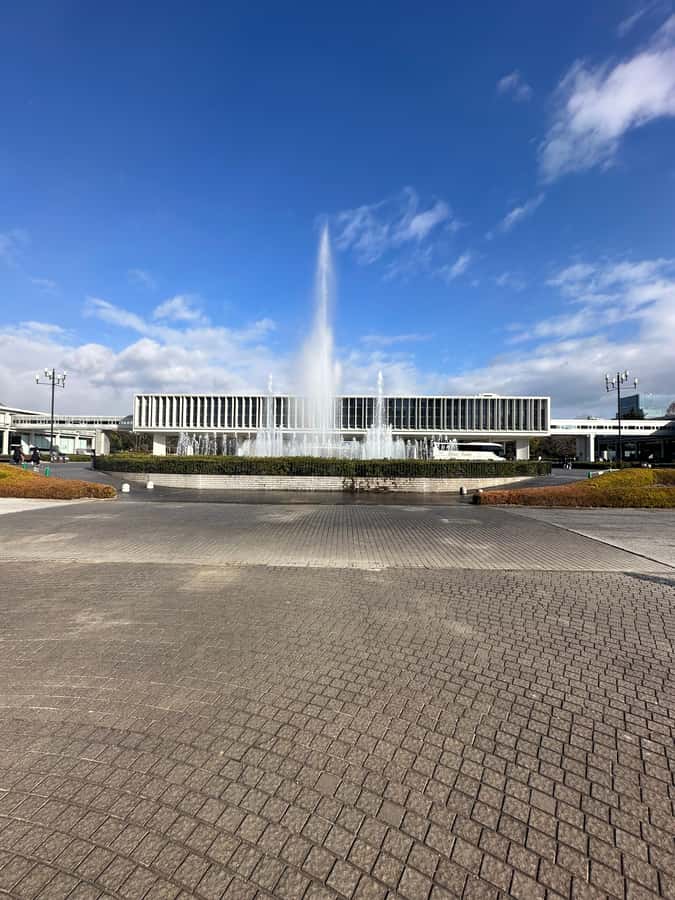
Your first stretch is built around the entrance area, starting with the Gates of Peace. Expect a photo moment, then guided time to understand why the gate matters and what you are meant to notice as you pass through.
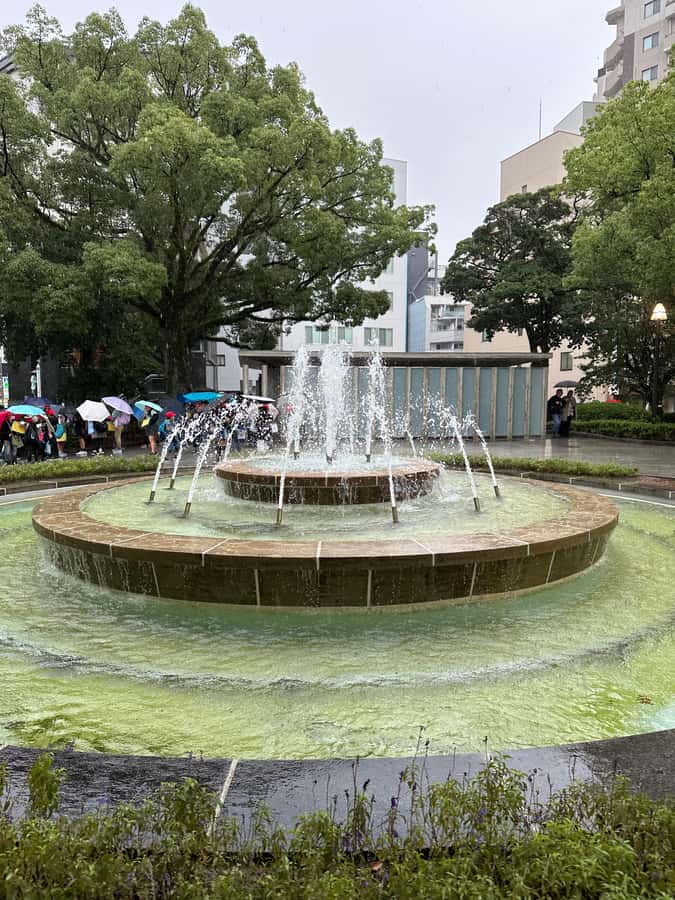
Next is the Prayer Fountain. Even if you have seen photos online, a guide can help you slow down. The fountain is one of those spots where the meaning often feels obvious, but the details can be easier to grasp when someone points them out and explains how the Peace Park uses symbolism.
One practical note: these first stops set the emotional tone of the entire tour. If you want to take photos, do it while you are still fresh and steady. Later, you may want to keep your camera away for a bit.
- Hiroshima Peace (Heiwa) Walking Tour at World Heritage Sites★ 5.0 · 872 reviews
- Hiroshima in a Nutshell: Morning Bike Adventure★ 5.0 · 524 reviews
- Hiroshima City 4hr Private Walking Tour with Licensed Guide★ 5.0 · 437 reviews
- From Hiroshima: Hiroshima & Miyajima 1 Day Tour with Lunch★ 4.7 · 395 reviews
- Japanesel Archery Experience HIROSHIMA CASTLE SHARAKU★ 5.0 · 387 reviews
Inside the Hiroshima Peace Memorial Museum: what to watch for in one hour
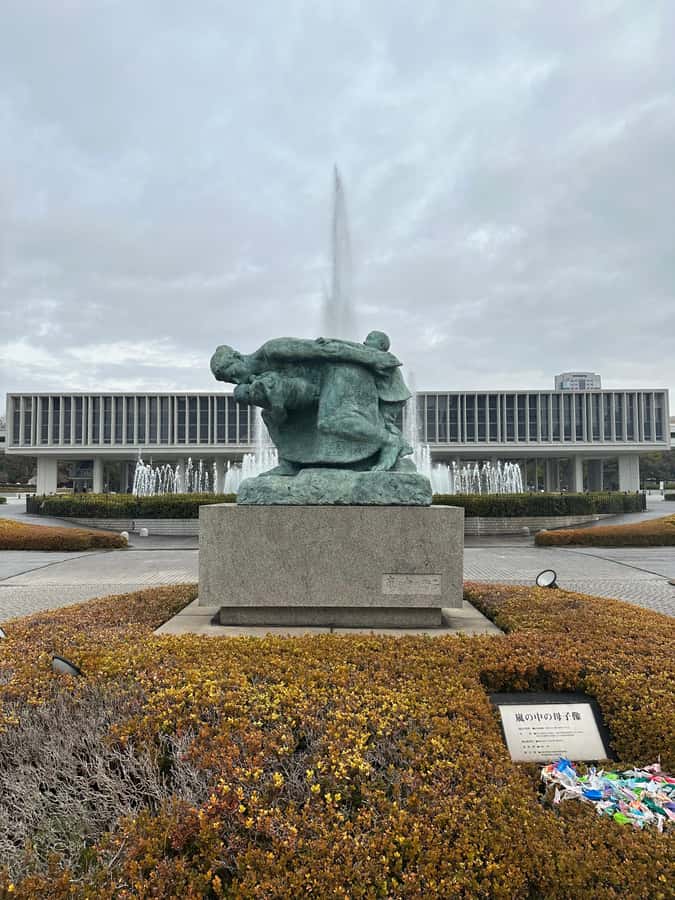
The Peace Memorial Museum visit is about an hour. That sounds short until you realize how much information you can absorb in a quiet place. The museum is not a place for speed-reading. Your guide helps you focus on what to notice, so the time feels useful rather than overwhelming.
What I like about this part is how the guide balances respect with clarity. Some guides in this service group are known for patient explanations and for helping you connect exhibits to what you will see outside. If you are sensitive to the topic, having that context helps you make sense of the bigger picture without needing to decode everything by yourself.
A simple strategy: go in knowing you are not trying to memorize everything. You are trying to understand the sequence of events and the human impact. With a guide guiding your attention, you can get that without leaving feeling lost.
Cenotaphs and flames: stopping for the memorials that anchor the story
After the museum, you move into the heart of the memorial complex. The stops include several monuments, and the guide gives each one enough time to land.
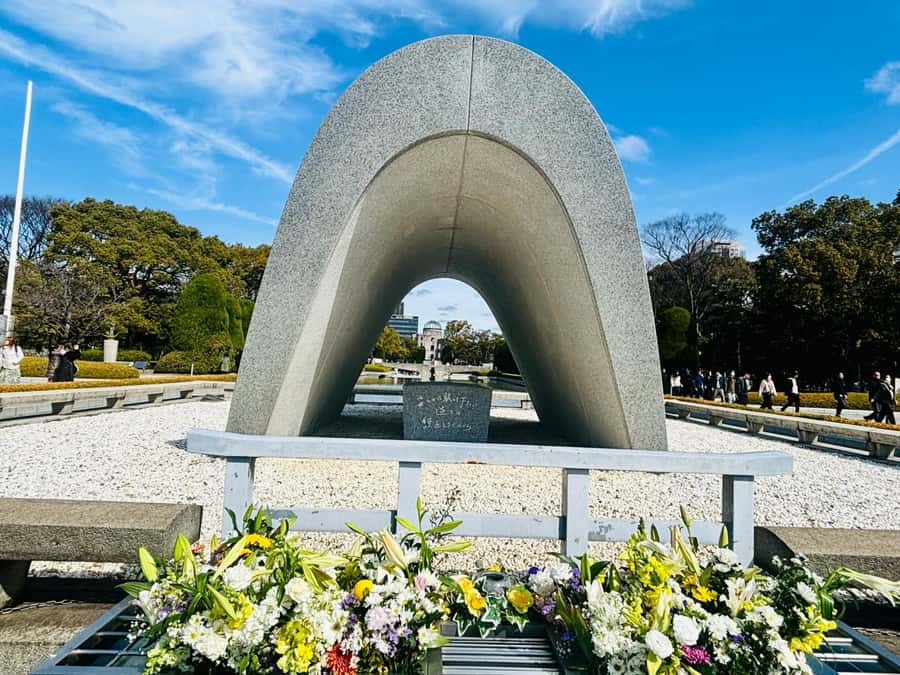
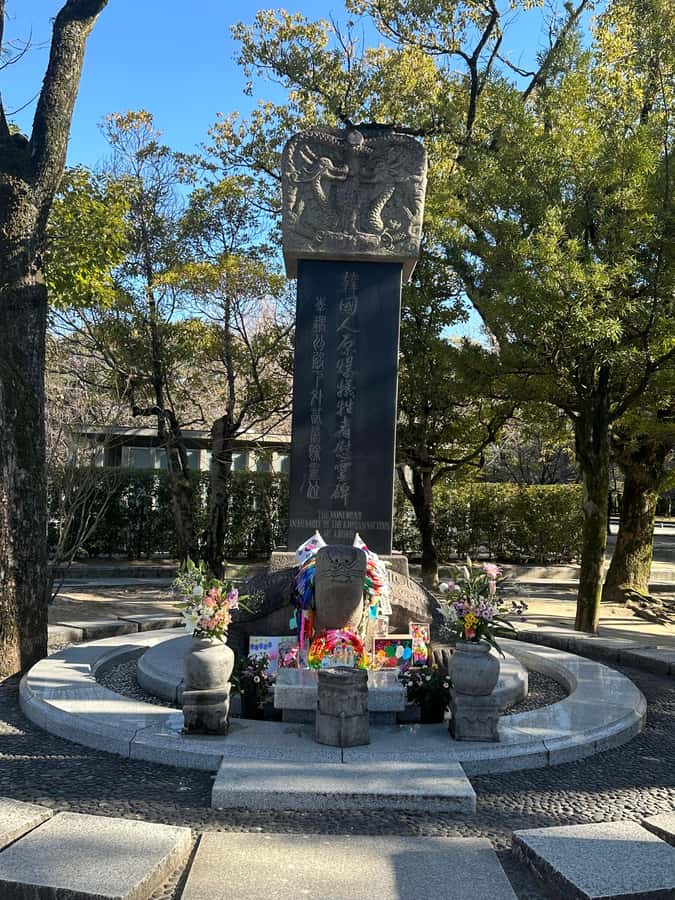
You will see the Hiroshima Victims Memorial Cenotaph, a major “pause and reflect” moment with a photo stop plus guided time. Then comes the Flame of Peace, where you get a brief but focused look. After that, the route includes the Korean Atomic Bomb Victims Cenotaph. This stop is especially important because it broadens the story beyond one national perspective, and a guide can explain how that memorial fits into the broader narrative of victims.
Then there is the Bell of Peace, Hiroshima. Bells and bells again can start to feel repetitive if you do not understand why they exist in this specific place. A good guide helps you see it as part of the Peace Park language, not just a photo prop.
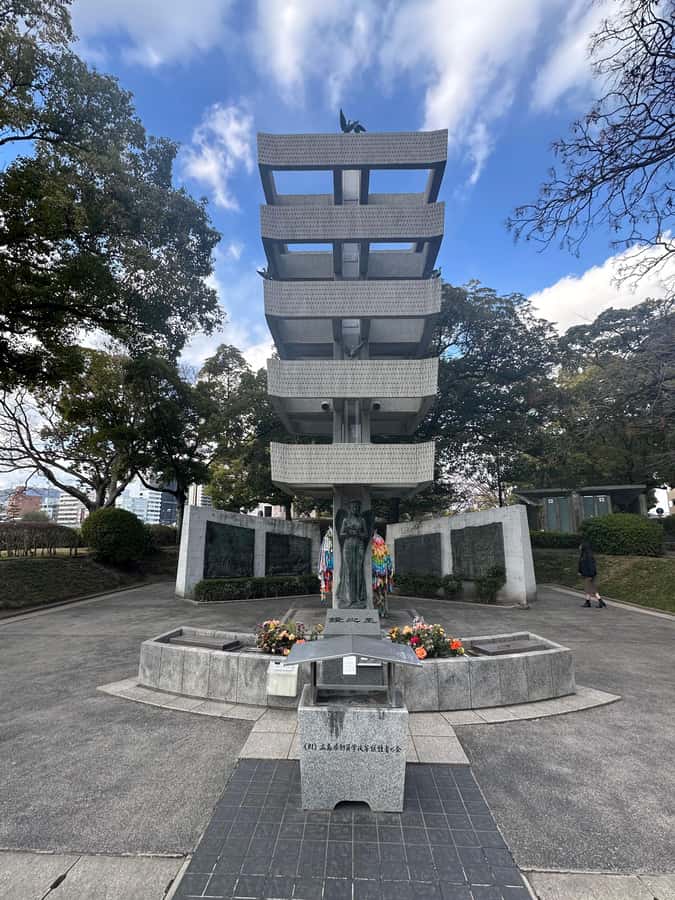
Finally in this main cluster is the Children’s Peace Monument. This is often one of the most personal stops because it forces you to confront how families and future generations were affected. Guides like Ihsan are praised for empathy and for answering questions in a way that does not rush the moment. That matters, because the wrong kind of explanation can feel cold.
The Atomic Bomb Dome: your strongest photo stop, with context
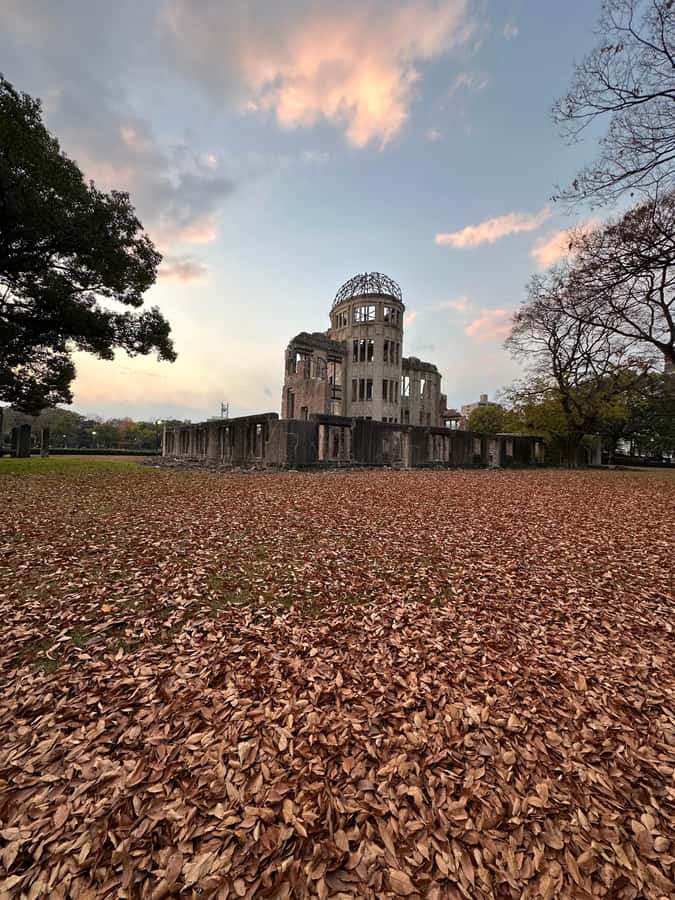
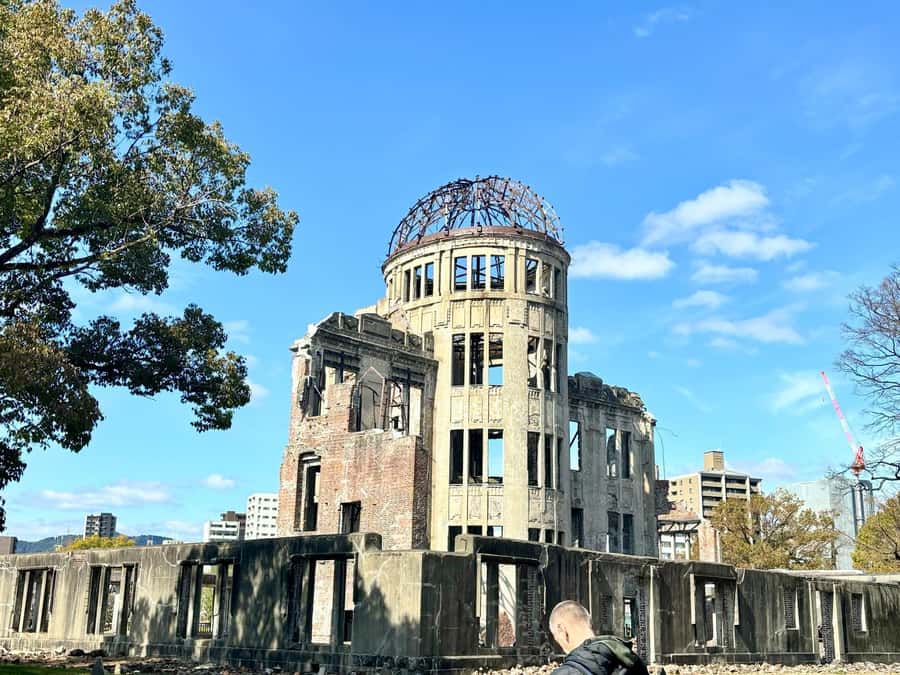
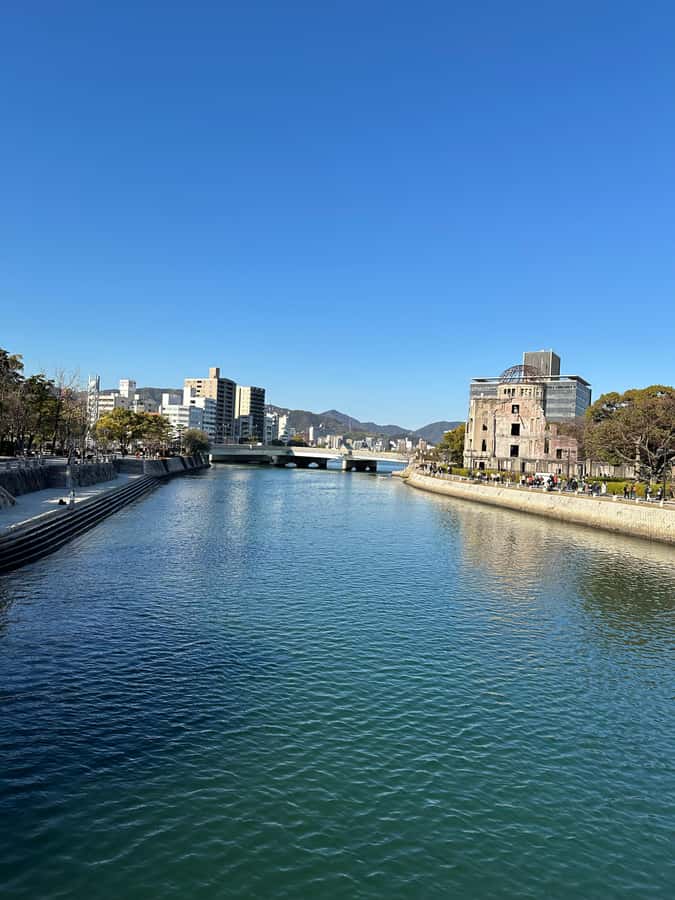
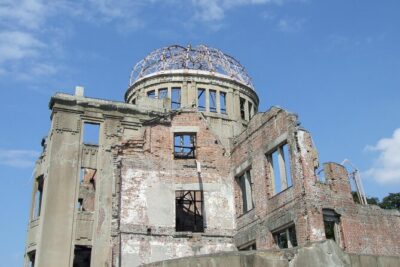
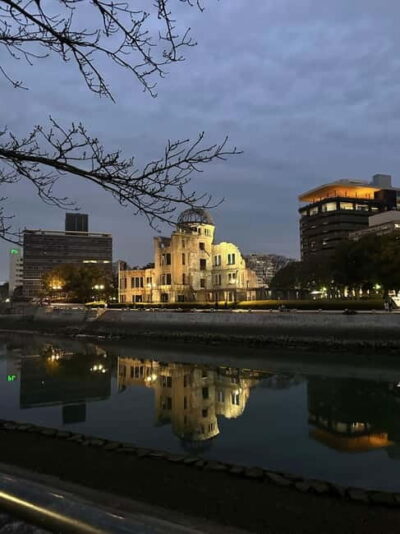
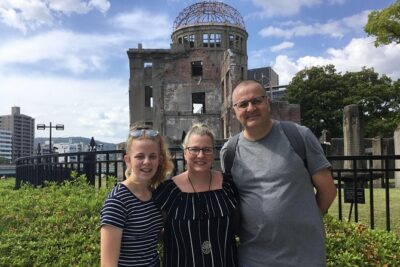
Next is the Atomic Bomb Dome, with a photo stop and guided time of about 20 minutes. This is the one spot most people recognize instantly. The dome is dramatic, but it is also fragile in the way it represents loss.
What makes this stop valuable is the buildup. By the time you get here, you have already visited the museum and several memorials tied to the same event. So the Dome does not feel like a landmark you check off. It feels like the physical center of the story you have been learning.
Also, this tour is private, so you can take photos from multiple angles without feeling like you are holding up a group. If you want to move slowly and stand still for a while, your guide can usually make that work.
Hiroshima Castle: why adding it changes how you understand the city
After the Peace Park section, the tour walks you toward Hiroshima Castle. You get photo time, guided time, and about 40 minutes of walking related to the castle area.
This stop is more than sightseeing. It gives you a sense of Hiroshima as a place that existed before 1945, then continued afterward. In other words, it adds the city layer that memorial-only routes can leave out. You can see how the landscape and the built environment have been shaped over time.
Just note that you may not get “deep dive castle inside access” in all cases, since the tour timing includes walking time and time outdoors. If you care a lot about interior details, you should plan your expectations around what is included in the guided walk and exterior views.
The guides are the difference: pacing, empathy, and real Q and A
The biggest strength of this tour is the guide. The service includes live guides with English, Malay, Urdu, Hindi, and Punjabi, and that language coverage really helps if you want to ask direct questions.
From past experiences with this type of service, the guides who shine tend to do three things well: they explain with empathy, they manage pacing, and they treat questions like part of the tour instead of interruptions.
You will likely feel that. Guides such as Maria are often praised for thoughtful pacing and for making space for questions. Ali is mentioned for taking people outside the main park route to nearby landmarks, like a school or a bank, to connect the day’s history to ordinary places you might otherwise miss. Ihsan is frequently noted for balancing facts with personal stories, plus a sense of humor that helps you breathe without lowering the seriousness.
And if weather turns, you are not stuck. Rain and heat can happen in Hiroshima, and guides in this service are described as staying flexible, keeping the tour engaging, and managing time so you still see the key sights.
Price check: does $90 per person make sense here?
At $90 per person for about four hours, this is not a bargain-basement walking tour. But it is also not just someone pointing at monuments.
Here is why the pricing can feel fair. Your tour includes entry tickets to the Hiroshima Peace Memorial Museum, the Atomic Bomb Dome, and Hiroshima Peace Memorial Park. Those admissions add up quickly when you price them individually. It also includes a private walking guide, which means you are paying for real-time interpretation and pacing control, not just transportation-free walking.
You also avoid decision fatigue. Trying to stitch together the right stops, the right order, and the right amount of time can be exhausting, especially with a topic that deserves attention. A guide handles the structure so you can focus on understanding what you see.
If you are the type who hates group tours, this private format is a strong match. If you want a very light, casual “see it, snap it, move on” day, the $90 may feel like extra cost for something you can do independently.
What to plan for: walking time, weather, and meals
This is a walking tour, and it is built around multiple outdoor monuments plus one museum stop. Wear shoes you trust. You will also be outside a lot, so bring a small layer for rain and sun as needed.
Food and drinks are not included. That said, guides sometimes suggest quick breaks. In the past, orange juice and cold drink stops have come up, as well as ice cream. If you want a snack, you can ask your guide to recommend a nearby option that fits your energy level.
If you stay for dinner afterward, Hiroshima is known for local food like okonomiyaki and Hiroshima-yaki, and guides may recommend a local food spot or market based on timing. Just remember: any meal stops are your call, not a guaranteed included extra.
Transportation is not included either. You will need to get to the meeting point at 1-2 Nakajimachō on your own. The good news is the tour is organized so you do not have to keep hopping around with transit tickets during the main experience.
Should you book this Hiroshima highlights walk?
Book it if you want meaning, not just photos. This tour is especially good if you care about understanding the event of August 6, 1945 and the way Hiroshima chose to remember it through monuments like the Cenotaph, Flame of Peace, and Children’s Peace Monument. A guided visit also helps you get more from the museum in one hour, without feeling like you are rushing through grief.
Skip it or reconsider if you want a relaxed, no-thought sightseeing day. This is emotionally heavy walking, and the pacing is still a full four hours on your feet. If that sounds exhausting, you might prefer a shorter visit or a less intensive day plan.
If you do book, set yourself up for success: bring questions, wear comfortable shoes, and give yourself permission to pause. This is the kind of tour where the most important moments are not the ones you rush past.
FAQ
How long is the Hiroshima Private City Highlights Walking Tour?
The tour duration is 4 hours.
Is the tour private or shared?
It is a private group walking tour.
Where do I meet the guide?
You meet your guide at 1-2 Nakajimachō, Naka Ward in Hiroshima.
What are the main stops on the tour?
The tour includes Hiroshima Peace Memorial Park, the Hiroshima Peace Memorial Museum, the Atomic Bomb Dome, and Hiroshima Castle, along with multiple Peace Park monuments.
Are admission tickets included?
Yes. Entry tickets are included for the Hiroshima Peace Memorial Museum, the Atomic Bomb Dome, and the Hiroshima Peace Memorial Park.
What languages are available for the live guide?
The live guide is available in English, Malay, Urdu, Hindi, and Punjabi.
Is the tour wheelchair accessible?
Yes, the tour is wheelchair accessible.
Are food and drinks included?
No. Food and drinks are not included.
Is transportation included in the price?
No. Transportation is not included.
Hiroshima and Miyajima Together
Newest Hiroshima write-ups from the Loving Japan desk
Hiroshima and Miyajima Day Trips, side by side.
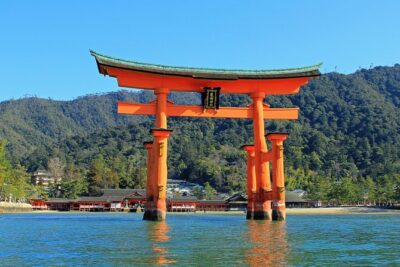 ★ 5.0Peaceful Hiroshima & Miyajima UNESCO 1 Day Bus TourFrom $1295,309 reviews
 ★ 4.9Hiroshima and Miyajima UNESCO Sites 1-Day TourFrom $1222,330 reviews
 ★ 5.0Hiroshima / Miyajima Full-day Private Tour with Government Licensed GuideFrom $2021,298 reviews
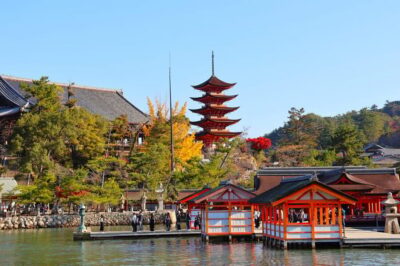 ★ 4.7Osaka/Kyoto: Hiroshima Miyajima Bus Tour & Shinkansen TicketFrom $277919 reviews
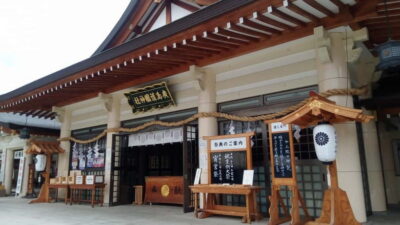 ★ 4.8Hiroshima Historical Walking Tour – Why A-Bomb was DroppedFrom $35893 reviews
 ★ 5.0Hiroshima Peace (Heiwa) Walking Tour at World Heritage SitesFrom $94872 reviews
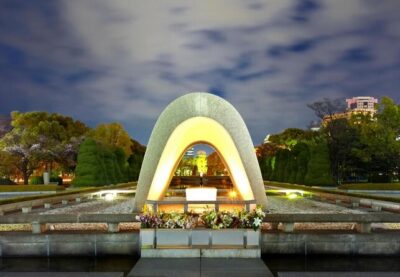 ★ 5.0Hiroshima in a Nutshell: Morning Bike AdventureFrom $72524 reviews
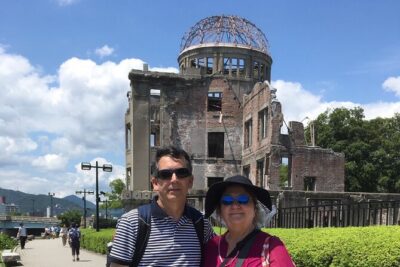 ★ 5.0Hiroshima City 4hr Private Walking Tour with Licensed GuideFrom $122437 reviews
Filed on these lists too