
REVIEW · HIROSHIMA AND MIYAJIMA DAY TRIPS
Hiroshima Private Tour with a Local – Highlights & Hidden Gems
Hiroshima lands differently with a local beside you. This private Hiroshima City Unscripted tour is built around your interests, so you can skip the herd and move at a human pace through the places that matter most. I like that you can choose your start time and tour length, then get a route shaped for your day.
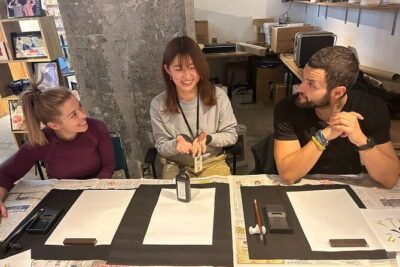
Another thing I really like is the human touch. Some guides, like Ami, are known for tactful explanations and even teaching small crafts such as crane origami, and others help you time pauses for photos and real meals. You get more than sightseeing, you get context and local habits you can use right after the tour.
One consideration: this is a walking-first experience, with public transit sometimes added between sites. It can mean a lot of steps and transfer time, and you may want an IC card plus a bit of cash for transit costs your guide might handle.
In This Review
- Key highlights and what they mean in real life
- Why a private local-led Hiroshima day feels worth it
- Price and value: what $69.57 per person buys you
- Your start point in Hiroshima: HitotoKi Orizuru Tower area
- Plan for walking and transit, especially on a 2-6 hour day
- Peace Memorial Park and the Atomic Bomb Dome with meaning attached
- Gokoku Shrine and Hiroshima Castle: culture, memory, and renewal
- A 17th-century garden break: koi ponds, bridges, and teahouse calm
- Hillside temple trails: moss lanterns and wooden halls
- Peace Boulevard: the tree-lined postwar avenue you can actually feel
- The pedestrian arcade for snacks, shopping, and local rhythm
- Izakaya and sake bar neighborhoods: plan your timing
- If you add Miyajima, your day gets a ferry story
- Who this tour is best for, and who should choose something else
- Should you book a Hiroshima Private Tour with a Local?
- FAQ
- What is included in the Hiroshima private tour?
- Are food, drinks, and attraction tickets included?
- How long is the tour?
- Do you get pickup in Hiroshima?
- What is the meeting point?
- Is it mostly walking or is there a vehicle?
- What is the cancellation policy?
Key highlights and what they mean in real life
- Questionnaire-driven route planning: You share what you want, then your guide builds a day around it.
- Flexible start times and duration (2 to 6 hours): Short on time? Do the essentials. Have more time? Add extra neighborhoods.
- Local storytelling at major memorial sites: It’s not just facts, it’s the human meaning behind them.
- A mix of calm and city energy: Gardens and hillside temples sit next to shopping arcades and izakaya streets.
- Photo-friendly guidance and food tips: You often leave with both better pictures and better lunch ideas.
Pairing the city with Miyajima. Other itineraries
- Peaceful Hiroshima & Miyajima UNESCO 1 Day Bus Tour
★ 5.0 · 5,309 reviews - Hiroshima: Hiroshima and Miyajima UNESCO Sites 1-Day Tour
★ 4.9 · 2,330 reviews - Hiroshima / Miyajima Full-day Private Tour with Government Licensed Guide
★ 5.0 · 1,298 reviews - Hiroshima Historical Walking Tour – Why A-Bomb was Dropped
★ 4.8 · 893 reviews
Why a private local-led Hiroshima day feels worth it
Hiroshima isn’t a place you can truly “speed run.” The city asks for attention, and that’s where a private guide pays off. Instead of following a fixed script, you get a route that can emphasize memorial places, history landmarks, quiet gardens, or everyday street life.
I also like the pace control. Big group tours can feel like moving through a museum crowd. Here, you can linger where you need a minute, and skip what you’re not feeling.
And because the guide is local, you get perspective that maps, apps, and audio guides can’t quite replicate. You’ll often notice small details, like how people move through arcades, what people treat as normal daily errands, and how postwar renewal shows up in everyday streets.
Price and value: what $69.57 per person buys you
$69.57 per person sounds straightforward, but the value is really in how the time is used. You’re paying for a private guide who plans your day with you, not a generic checklist.
You also get a few practical perks that can reduce friction:
- Pickup on foot if you’re in a central area
- A mobile ticket
- Direct communication with your guide before you start planning
- A walking experience that keeps you close to what you’re actually seeing
One more value point: guides often include local recommendations for meals. Since food and drinks are not included, having reliable lunch and snack guidance can quickly offset the “extra you’d otherwise spend guessing.”
Your start point in Hiroshima: HitotoKi Orizuru Tower area
You meet at SOUVENIR SELECT HitotoKiおりづるタワー 1F, in Ōtemachi. That location is handy because it puts you near major parts of downtown and makes it easier to link your route to other plans.
If your accommodation is central, pickup is offered on foot, meaning you’re not waiting for a car. This matters because it keeps the first part of your day from turning into logistics.
If your lodging is farther out, you can expect to use walking and sometimes public transport between stops. Comfortable shoes help here, not just for distance, but for the frequent short transitions.
- Hiroshima in a Nutshell: Morning Bike Adventure★ 5.0 · 524 reviews
- Hiroshima City 4hr Private Walking Tour with Licensed Guide★ 5.0 · 437 reviews
- From Hiroshima: Hiroshima & Miyajima 1 Day Tour with Lunch★ 4.7 · 395 reviews
- Japanesel Archery Experience HIROSHIMA CASTLE SHARAKU★ 5.0 · 387 reviews
- Hiroshima and Miyajima Day Trip with Itsukushima Shrine & Ferry★ 5.0 · 378 reviews
Plan for walking and transit, especially on a 2-6 hour day
This is primarily a walking experience. Even when you use transit, the goal is still to keep you connected to neighborhoods and street-level details, not to park you in front of one landmark after another.
In practice, that can mean:
- A lot of steps within downtown
- Short rides if the route calls for it
- Transfers using train, ferry, or tram depending on how your guide structures the day
From a practical planning angle, I’d treat this as a mobility test. If you’re walking impaired, you’ll likely feel limited by the pace and movement. If you’re generally mobile, bring an IC card and a little cash, since transit costs for the guide may come up and you may be asked to cover certain parts of it.
Peace Memorial Park and the Atomic Bomb Dome with meaning attached
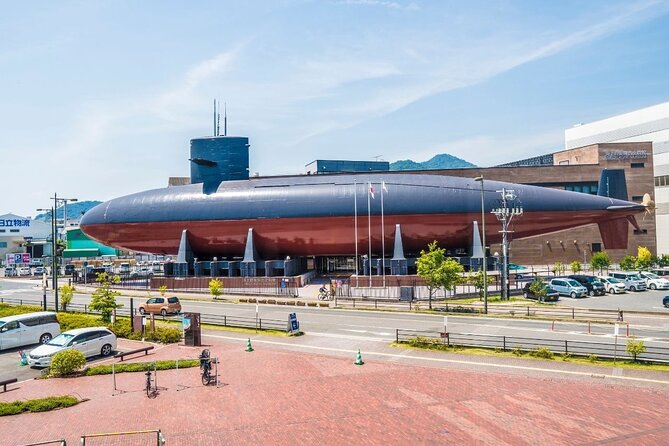
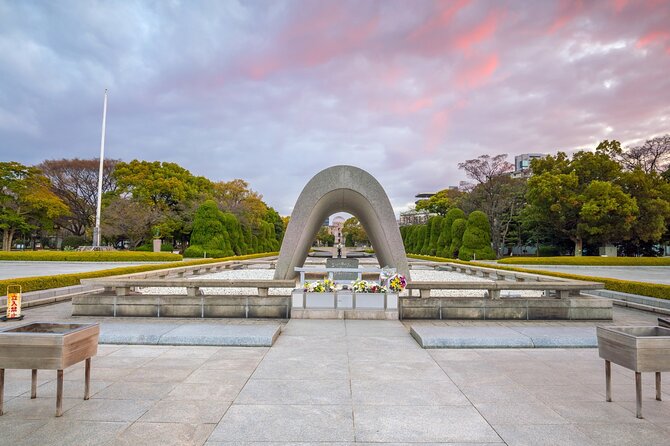
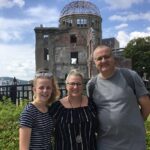
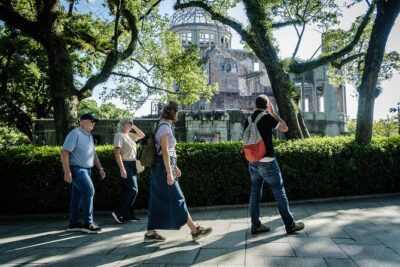
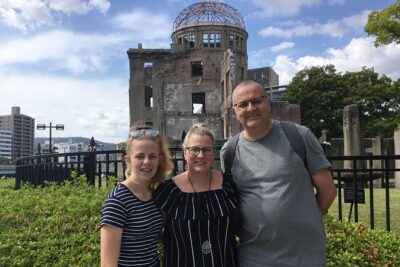
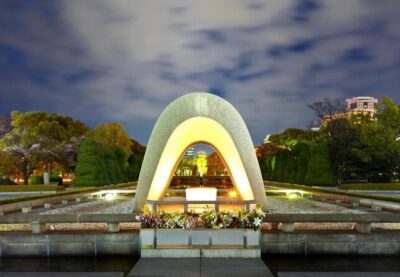
For many people, Hiroshima’s center of gravity is Peace Memorial Park and the Atomic Bomb Dome. The big benefit of a private guide here is pacing and framing. Memorial sites can feel heavy fast, and it helps to have someone guide you through what to look for and why those details matter.
A guide can also help you navigate the emotional rhythm. You can take a moment at the right places instead of rushing to satisfy a tour schedule. And if you want the most powerful “why” behind the “what,” a careful explanation can turn the visit into something you carry with you.
You may also visit the Peace Memorial Museum depending on your chosen length and focus. If you want maximum context, aim for a longer time slot. If you want a more compact visit, prioritize the open-air memorial areas and the Dome.
Guides often add small human moments too. Some, like Ami, are known for a tactful approach that makes the visit more understandable, not just heavier.
Gokoku Shrine and Hiroshima Castle: culture, memory, and renewal
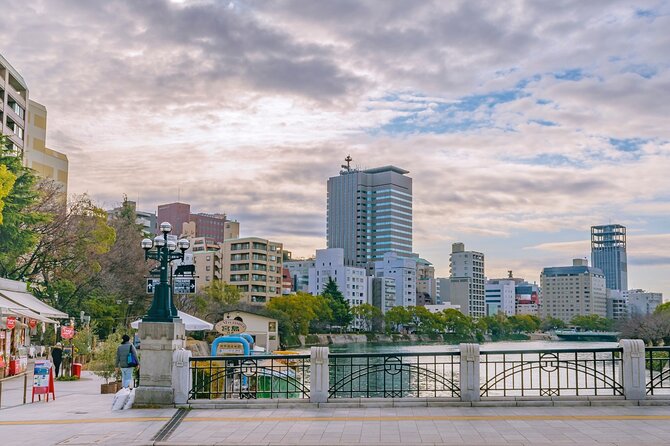
Beyond the memorial core, Hiroshima shows layers. Some routes include Gokoku Shrine and Hiroshima Castle, and that combination can change how you understand the city.
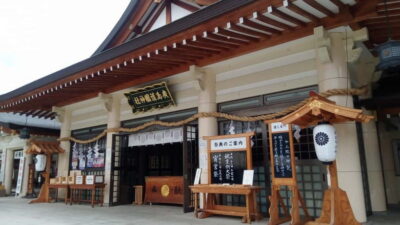
Gokoku Shrine works well when you want a cultural stop that isn’t only about 20th-century events. It can add a different tone to your day, one that’s more about how beliefs and community traditions persist over time.
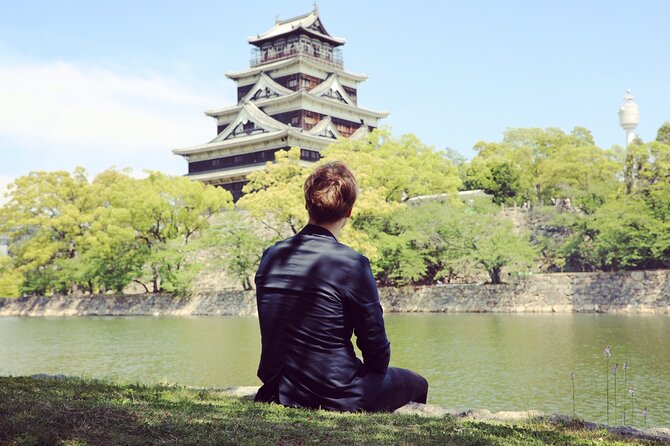
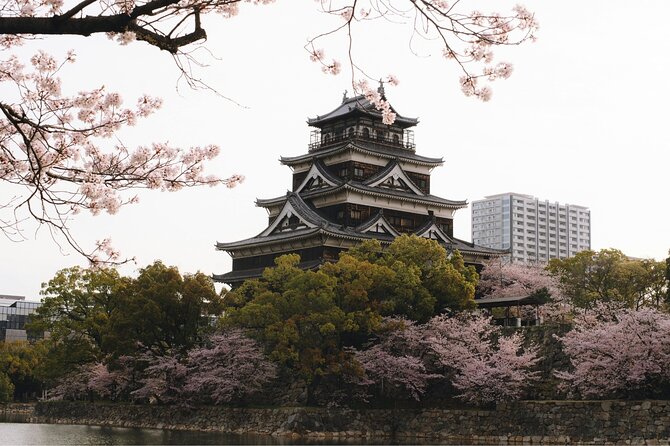
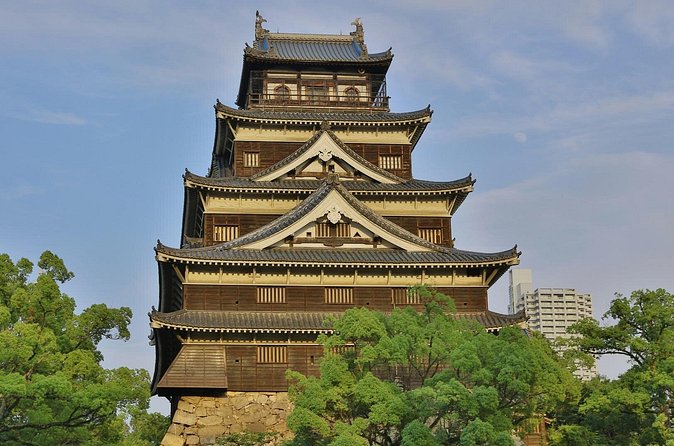
Hiroshima Castle is a good choice if you want a visible symbol of the city’s long timeline and postwar rebuilding. Castle areas are also a good place to slow down and take photos without feeling like you’re standing in a queue.
If your time is short, don’t feel you must hit every landmark. Pick what matches your curiosity. A private guide is there to help you choose, not just to escort you.
A 17th-century garden break: koi ponds, bridges, and teahouse calm
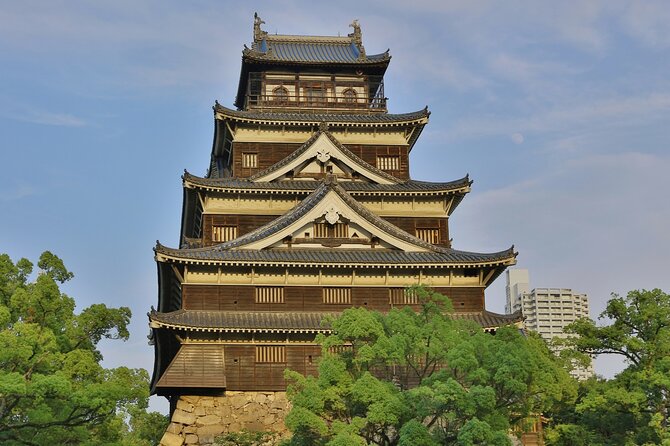
One of the smartest moves in any Hiroshima plan is adding quiet time. A stop at a landscaped garden created in the 17th century gives you a reset between memorial intensity and city energy.
Based on the tour’s garden description, expect koi ponds, arched bridges, and teahouses. Even if you’re not a garden person, this stop helps you breathe. It’s also where you can notice how architecture, water, and walking paths are designed for slow movement.
The drawback is simple: garden time can feel long if you’re visiting in peak heat or rain. If that’s your concern, pick the right day for walking and bring a light layer.
Hillside temple trails: moss lanterns and wooden halls
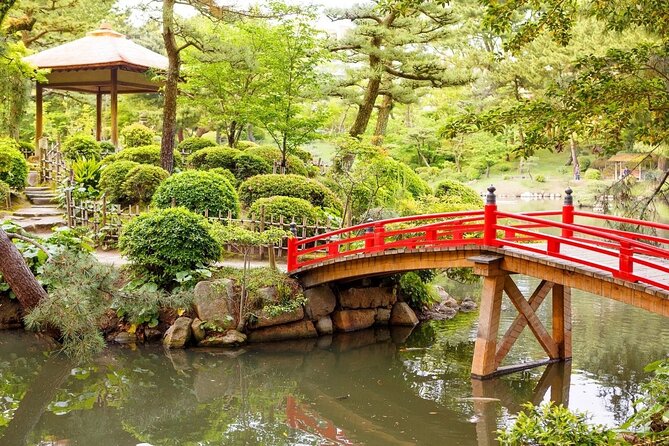
If you want something quieter and more atmospheric, the hillside temple complex is a strong choice. You’ll likely follow forested trails and see moss-covered stone lanterns and wooden halls, with centuries of spiritual tradition explained along the way.
This stop is especially valuable when you want a change of pace from straight-line sightseeing. The hills add a sense of distance from the city center. The moss and lanterns also make photography more interesting because the scenes feel grounded and lived-in, not staged.
Because it’s on trails, the same mobility caution applies. Even if you can handle downtown walking, temple stairs and uneven surfaces may slow you down.
Peace Boulevard: the tree-lined postwar avenue you can actually feel
A wide, tree-lined avenue constructed after World War II is included on many routes, often described as symbolizing hope and renewal. This stop can be underrated because it’s not always the first thing people picture when they think of Hiroshima.
But it’s powerful in a different way. An avenue like this shows how a city rebuilds its daily life. It’s part of how people move to work, shop, and meet friends, not just a monument seen from one angle.
If you’re pairing memorial sites with a broader city story, this avenue helps stitch the day together. Your guide can point out nearby landmarks tied to the route, which makes the walk feel more intentional.
The pedestrian arcade for snacks, shopping, and local rhythm
Downtown Hiroshima has a pedestrian arcade lined with local shops, snack stalls, and independent boutiques. This is where your tour starts to feel like a day with a friend who knows the shortcuts.
I like this stop because it’s practical. You can see where locals actually buy daily items and grab quick bites. Your guide can point out what to try and where, so you spend less time guessing and more time eating.
Keep your expectations realistic here. Some arcades are compact and busy in certain hours, and it can be harder to stop for photos without planning your timing. Still, it’s one of the best ways to feel the city’s everyday rhythm after heavier stops.
Izakaya and sake bar neighborhoods: plan your timing
Some longer or flexible routes include a liveliest district known for izakayas, sake bars, and street food stalls. This is great if you want Hiroshima to include evening energy, not only daylight monuments.
The key is timing. If you’re doing a 2-hour tour, you might only skim the edges. If you’re on a 4 to 6 hour plan, your guide may be able to route you through more of the area, and you can return later on your own too.
This is also a good moment to ask for advice tailored to your tastes. If you’re a light snacker, focus on small bites. If you want a proper sit-down meal, your guide can help you choose the right style.
If you add Miyajima, your day gets a ferry story
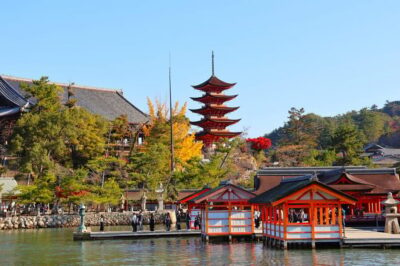
A few versions of this experience include a Miyajima outing, especially when you choose the longer end of the time range. One guide planned a day that included a train hop to Miyajima station and then a ferry ride to the island.
Even if you’re not locked into a strict schedule, Miyajima changes the mood quickly. Ferry time adds a natural break, and the island context can make Hiroshima’s coastal side feel real.
I’d treat Miyajima as a “day shift,” meaning expect your itinerary to move beyond downtown. You’ll need a bit of extra planning for transit, and your guide can help you choose the right flow for your time.
Who this tour is best for, and who should choose something else
This tour is best for you if:
- You want a private, flexible Hiroshima day
- You like history but also want gardens, temples, and regular city streets
- You want local food guidance since food and drinks are not included
- You appreciate direct communication to tailor your day
It’s less ideal if:
- You’re very mobility limited due to a walking-first structure
- You only want a quick “see the photos, leave” trip with minimal transit
If you’re traveling as a couple, it’s also a great format. Several guided experiences shared in the past were just two people, which makes the personalization feel extra natural.
Should you book a Hiroshima Private Tour with a Local?
I’d book it if you want your time to feel intentional. Hiroshima has big emotional weight, and a local guide helps you see the details that matter, without dragging you through a rigid group plan.
I’d skip it only if you strongly prefer a fully self-directed day and you already have a tight, well-planned route. Since food, tickets, and transit (at times) are not included, you should also be comfortable handling meals and any extra transport with your own planning.
For most people who want both memorial depth and real city life, this is a solid value at $69.57 per person, especially because you get flexibility in duration and start time plus a personalized itinerary shaped to your interests.
FAQ
What is included in the Hiroshima private tour?
The tour includes a private and personalized walking experience with insider tips from a local guide. You also get a link to fill out an online questionnaire after booking, flexible start times and durations you choose when you book, and direct communication with your guide for itinerary planning and recommendations.
Are food, drinks, and attraction tickets included?
No. Food, drinks, and tickets to attractions are not included.
How long is the tour?
The tour runs for about 2 to 6 hours, depending on what you choose when booking.
Do you get pickup in Hiroshima?
Pickup is offered on foot if your accommodation is in a central area. Otherwise, you’ll meet at the listed meeting point.
What is the meeting point?
The tour starts at SOUVENIR SELECT HitotoKiおりづるタワー 1F, 1-chōme-2-1 Ōtemachi, Naka Ward, Hiroshima, 730-0051, Japan, and ends back at the meeting point.
Is it mostly walking or is there a vehicle?
It is primarily a walking tour, and no private vehicle is included. Public transportation or local taxis may be used to transfer between sites, with exact costs to be discussed with your host after the reservation is finalized.
What is the cancellation policy?
You can cancel for a full refund up to 24 hours before the experience starts. If you cancel less than 24 hours in advance, the amount you paid will not be refunded.
Hiroshima and Miyajima Together
Newest Hiroshima write-ups from the Loving Japan desk

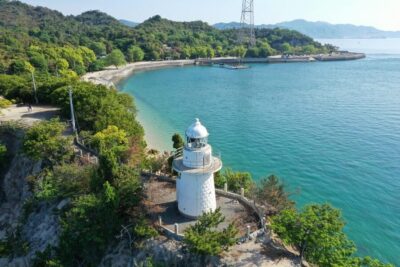
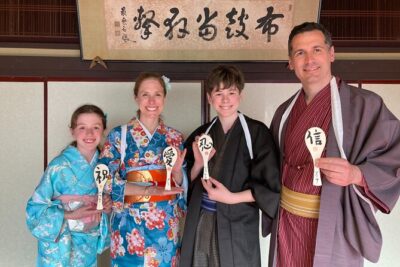
Hiroshima and Miyajima Day Trips, side by side.
 ★ 5.0Peaceful Hiroshima & Miyajima UNESCO 1 Day Bus TourFrom $1295,309 reviews
 ★ 4.9Hiroshima and Miyajima UNESCO Sites 1-Day TourFrom $1222,330 reviews
 ★ 5.0Hiroshima / Miyajima Full-day Private Tour with Government Licensed GuideFrom $2021,298 reviews
 ★ 4.7Osaka/Kyoto: Hiroshima Miyajima Bus Tour & Shinkansen TicketFrom $277919 reviews
 ★ 4.8Hiroshima Historical Walking Tour – Why A-Bomb was DroppedFrom $35893 reviews
 ★ 5.0Hiroshima Peace (Heiwa) Walking Tour at World Heritage SitesFrom $94872 reviews
 ★ 5.0Hiroshima in a Nutshell: Morning Bike AdventureFrom $72524 reviews
 ★ 5.0Hiroshima City 4hr Private Walking Tour with Licensed GuideFrom $122437 reviews
Filed on these lists too