
REVIEW · HIROSHIMA AND MIYAJIMA DAY TRIPS
Hiroshima Saijo Sake Tasting Tour with visit to 7 Breweries
Saijo turns national sake basics into something you can taste and understand quickly. This 2-hour small-group walk is built around eight tastings from seven breweries, so you get variety without spending your whole day on the move. I like the relaxed pace, and I like that the guide helps you connect what you’re drinking to the style behind it.
My other big plus is the stop-by-stop structure, which keeps you learning even while you’re sampling. The tour guide is a real driver here, and one guide name that shows up in the best feedback is Ione, praised for explaining Saijo and brewing techniques in a way that sticks.
One consideration: this is a walking tasting (about 1.5 km total), and it’s still a set route. If you want only one or two breweries, or you’re hoping to watch brewing hands-on, this format will feel too fast, and you will not observe the brewing process.
In This Review
- Key Points You’ll Care About
- Saijo Sake Country, in a 2-Hour Walk
- Price and What You Really Get for $50.87
- Meet-Up, Timing, and the Pace Around Saijo Station
- Your Sake Tasting Route: Seven Breweries, Eight Styles
- Stop 1: Saijo Station Area, a Quick Start and Base Info
- Stop 2: Kamotsuru Sake Brewery, Ginjo Pioneer and Daiginjo Tasting
- Stop 3: Fukubijin Sake Breweries, Junmai and Winter Warm Sake Option
- Stop 4: Kamoizumi Sake Brewery, Junmai Ginjoshu Using Pure Ingredients
- Stop 5: Saijo Sakaguradori Tourist Information Center, Restroom and Local Context
- Stop 6: Kirei Sake Brewery, Dry Style and a Limited Blend
- Stop 7: Saijotsuru Brewery, Traditional Techniques and Awarded Daiginjo Genshu
- Stop 8: Hakubotan Brewery, Founded in 1675 and Unfiltered Hyoka
- Stop 9: Sanyotsuru Brewery Inc., Cloudy Sake and Sake Ware
- How to Taste Like the Guide Wants You To
- Why the Guide Experience Matters More Than the Number of Stops
- Who This Tour Fits Best (and Who Might Skip It)
- Should You Book This Saijo Sake Tasting Tour?
- FAQ
- How long is the Hiroshima Saijo Sake Tasting Tour?
- Where do I meet the group for the tour?
- What is included in the tour price?
- Is there a restroom stop during the tour?
- What if I arrive late?
- What happens if the tour is canceled due to bad weather?
Key Points You’ll Care About
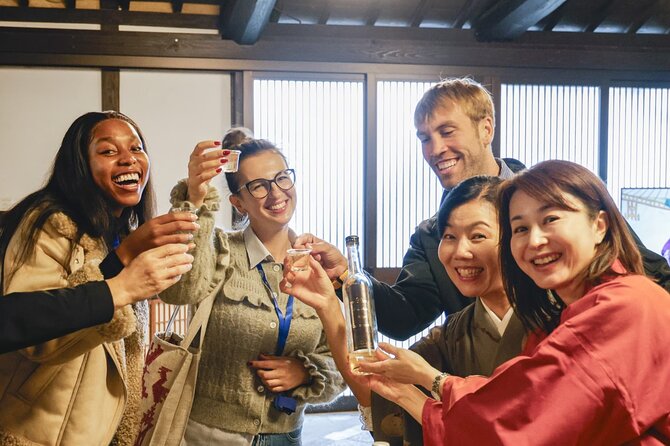
- Seven breweries, eight different sake types, so you taste beyond just one brand and one flavor lane
- Small group limit of 10, which keeps questions and explanations practical
- English guide, with Spanish-speaking guides available if you request in advance
- A real mix of styles, from Daiginjo and Junmai to cloudy Nigori-style sake
- A comfortable 2-hour plan with around 1.5 km of walking and built-in restroom time
- You can skip drinking if you prefer, without changing the tour fee
Pairing the city with Miyajima. Other itineraries
- Hiroshima: Hiroshima and Miyajima UNESCO Sites 1-Day Tour
★ 4.9 · 2,330 reviews - Hiroshima / Miyajima Full-day Private Tour with Government Licensed Guide
★ 5.0 · 1,298 reviews - Hiroshima Historical Walking Tour – Why A-Bomb was Dropped
★ 4.8 · 893 reviews - Hiroshima Peace (Heiwa) Walking Tour at World Heritage Sites
★ 5.0 · 872 reviews
Saijo Sake Country, in a 2-Hour Walk
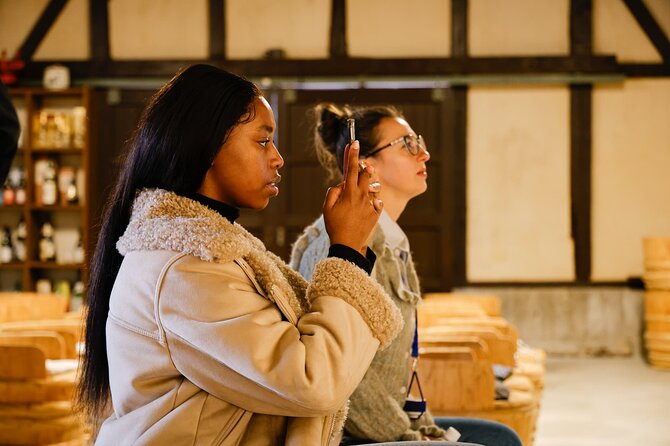
Saijo is one of Japan’s major sake areas, and this tour is designed to help you feel what that means. Instead of bouncing between unrelated spots, the route keeps you in a tight geographic rhythm, with multiple breweries close enough to sample their offerings back to back.
The pacing is laidback. You’re not sprinting, and each stop is short enough that you’re usually moving again while the flavors are still fresh in your head. That matters, because sake tasting works best when you can compare what you just tasted to the next bottle.
And yes, you’ll walk. The tour notes about 1.5 km total walking and recommends comfortable shoes for a reason. For most people with moderate stamina, it’s a very manageable amount of time on your feet.
Price and What You Really Get for $50.87
At $50.87 per person, the value comes from two things: how many breweries you visit and how many distinct tastings you get. You’re paying for organization and guidance, but you’re also paying for access to multiple tasting stops in a single smooth loop.
You also get alcohol tastings included: eight different types of sake across seven breweries, plus an English guide. Even if you choose not to drink alcohol, the fee stays the same, so you should decide whether you want to truly taste and learn, or you just want the guided brewery visits and explanations.
Another value angle: most brewery stops list their admission tickets as free. You’re not paying separate entry fees per location. Instead, the tour concentrates the cost into one guided experience that strings everything together.
Meet-Up, Timing, and the Pace Around Saijo Station
The tour starts at 1:00 pm and ends back at the meeting point. You’ll meet at the Saijo Station tourist information center area, specifically in front of the center and just outside the ticketing gate.
One practical tip: arrive a bit early and get oriented before the group gathers. The tour policy is strict if you’re more than 15 minutes late, since late arrivals are treated as cancellation with no refund.
Also, the order of breweries can shift depending on how many groups show up that day. That’s normal for tours on the ground, and it’s not a dealbreaker, because the core promise stays the same: seven breweries and eight tastings in about two hours.
Pour another. Breweries and tasting rooms nearby
- Hiroshima Saijo Sake Tasting Tour with visit to 7 Breweries★ 5.0 · 104 reviews
Your Sake Tasting Route: Seven Breweries, Eight Styles
This route is built around comparisons. The guide’s explanations make it easier to tell whether something tastes dry, smooth, fragrant, heavier, or cloudy, and why that happens.
Below is the structure you’ll follow, with what each stop is known for and what you can expect to taste.
Stop 1: Saijo Station Area, a Quick Start and Base Info
You begin at the tourist information center area outside Saijo Station ticket gates. This first stop is more than a meetup point. It sets you up for the area, and it’s a natural moment to settle in before the tasting begins.
This is also a good time to check you’ve got everything you need for the walk. Once you start sampling, it’s harder to step back and do logistics.
Stop 2: Kamotsuru Sake Brewery, Ginjo Pioneer and Daiginjo Tasting
Kamotsuru is highlighted as a pioneer in ginjo sake brewing. At this stop, you’ll watch a short video (about 10 minutes) introducing sake making and tasting in a Daiginjo context, specifically Daiginjo Gold Kamotsuru.
This is a smart early stop because it gives you a framework before you start comparing multiple styles. Daiginjo is one of the categories that people talk about often, but it’s easier to understand when you hear the terms connected to what you’re actually tasting.
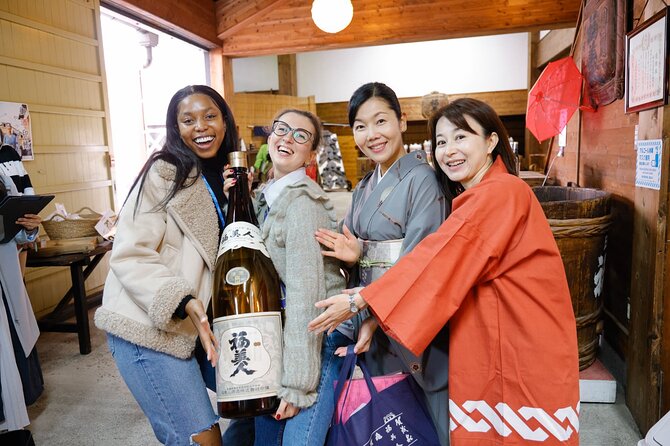
Stop 3: Fukubijin Sake Breweries, Junmai and Winter Warm Sake Option
Fukubijin is described as the Saijo Brewing School, and it’s associated with producing outstanding master brewers. Your tasting here is Fukubijin Junmai-shu, and the tour notes that you can try warm sake during the winter season.
Warm sake changes the experience. It tends to feel softer on the palate and can make aromas come forward differently. If you’re visiting in colder months, this is one of the moments where you can learn how temperature shifts perception.
Stop 4: Kamoizumi Sake Brewery, Junmai Ginjoshu Using Pure Ingredients
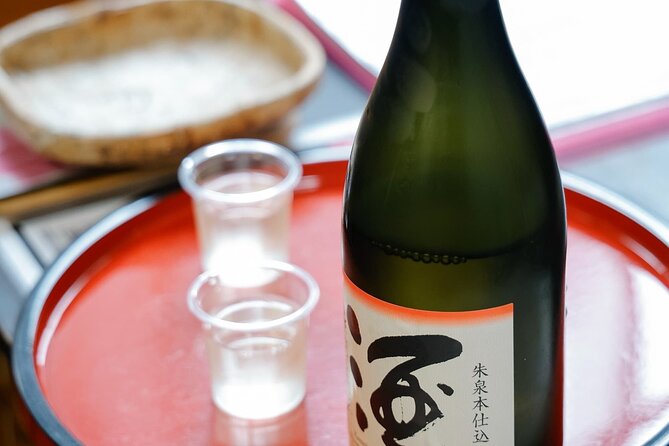
Kamoizumi is known for being one of the first breweries to brew junmai-shu using only rice and koji mold as ingredients. Your tasting is their signature product, Junmai Ginjoshu 朱泉 Honjikomi.
This stop is useful because it ties an ingredient approach to flavor outcomes. You’re tasting something designed to show what happens when the recipe stays tight and intentional.
Stop 5: Saijo Sakaguradori Tourist Information Center, Restroom and Local Context
This is a short break stop with a practical purpose: you’ll get brochures and information about Sakagura-dori Street, and you can use the restroom.
It also functions like a reset point. By now, your palate is learning fast, and a clean break helps you keep tasting without getting muddled. If you want to plan your next step around the street, this is the time to grab what you need.
Stop 6: Kirei Sake Brewery, Dry Style and a Limited Blend
Kirei Shuzo is characterized by a drier taste compared to other Saijo sake. You’ll taste a limited sake blended by the brewery with sake ready to drink that month, described as Yoshidaya’s Sake.
Dry sake can be tricky if you only expect sweetness. This stop helps you experience how dryness can still feel balanced, and it gives you a concrete example of how seasonal readiness changes the character of a sake.
Stop 7: Saijotsuru Brewery, Traditional Techniques and Awarded Daiginjo Genshu
Saijotsuru brews sake using traditional techniques passed down by Hiroshima sake brewers. You’ll taste Junmai Daiginjo Genshu Shinzui, repeatedly awarded.
This is the kind of stop where the style name matters, but the tasting seals the meaning. The guide’s explanations help you connect things like how it’s made, what “genshu” implies, and why the results can feel powerful or refined depending on the bottle.
Stop 8: Hakubotan Brewery, Founded in 1675 and Unfiltered Hyoka
Hakubotan is described as one of the oldest breweries in Hiroshima Prefecture, funded in 1675. Here you’ll have the opportunity to taste Hyoka, an unfiltered sake that is fresh frozen in a special way.
Unfiltered sake can taste different in texture and aroma compared to filtered styles. The fresh-frozen handling detail is exactly the kind of practical production nuance that helps you understand why two sakes can both be “premium” yet taste noticeably different.
Stop 9: Sanyotsuru Brewery Inc., Cloudy Sake and Sake Ware
Sanyotsuru is noted as the only sake brewery located west of Saijo Station. You’ll taste cloudy sake, and there’s also sake ware available for sale.
Cloudy sake is one of the fun reality checks for first-time tasters. It’s not just a visual thing. You often get a different mouthfeel, and the aroma can feel fuller. If you want to understand why cloudy sake is more than just a novelty, this stop is the one.
How to Taste Like the Guide Wants You To
The tour’s structure practically teaches you how to taste. You’ll keep moving across styles, and the guide explains what makes them different, from Daiginjo and Junmai to cloudy Nigori-like sake.
Here’s how I recommend you mentally keep track:
- Notice the first impression: aroma, sweetness vs dryness, and whether it feels light or weighty.
- Pay attention to the finish: does it dry out quickly, or linger?
- Compare immediately with the previous cup. If you wait too long, the distinctions blur.
Also, don’t force yourself to finish every tasting quickly. This tour is short, but pacing matters. The guide will be helping you understand the logic, not just handing you sips.
Why the Guide Experience Matters More Than the Number of Stops
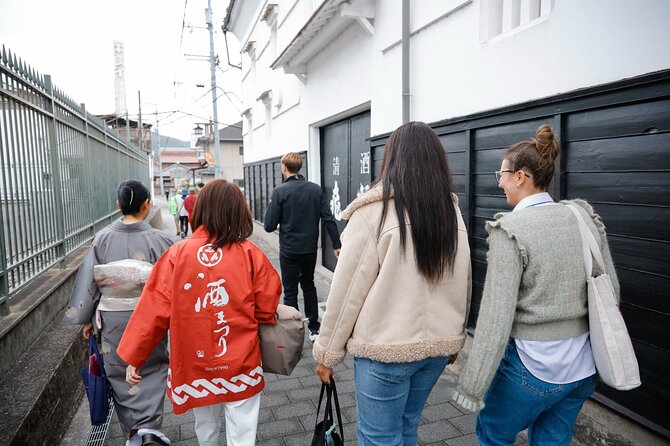
The best feedback emphasizes the guide, including a specific name: Ione. People describe Ione as very informative and friendly, and they highlight that you learn a lot about the Saijo area and brewing techniques, not just how to pronounce sake categories.
That’s exactly what you should look for in a tasting tour. The tasting portion is only half the job. The real value is turning what you taste into something you can use later, like when you’re choosing sake at a shop back home.
This tour keeps that learning going because you’re not stuck at one brewery listening for an hour. You’re tasting across locations and styles, so the guide can connect explanations to what’s happening in real time.
Who This Tour Fits Best (and Who Might Skip It)
This tour is a strong match for you if:
- you want variety without spending a whole day traveling between distant places
- you’re curious about the differences between Daiginjo, Junmai, and cloudy styles
- you like a small group, with chances to ask questions and get clarity
- you want a guided route that’s easy to follow in Saijo
You might choose a different format if:
- you want to watch brewing hands-on (this tasting tour is not set up for observing the brewing process)
- you have zero interest in walking at all, since the plan includes about 1.5 km
- you want a longer, slower deep dive into just one or two breweries
Should You Book This Saijo Sake Tasting Tour?
If you want a fast, high-value introduction to Saijo sake that helps you understand what you’re drinking, I’d book it. The combination of seven breweries, eight tastings, an English guide, and a manageable 2-hour schedule is the sweet spot for most visitors.
If you’re the type who enjoys comparisons, this will click. The route is designed so each stop adds a new piece to the puzzle, from crisp and dry styles to unfiltered and cloudy sakes.
And if you’re worried about the drinking part, you can still join. The tour stays the same even if you don’t drink alcohol, which makes it easier to justify with friends who want the cultural context but not the full tasting.
FAQ
How long is the Hiroshima Saijo Sake Tasting Tour?
It’s about 2 hours.
Where do I meet the group for the tour?
You meet in front of the Tourist Information Center at Saijo Station, located right outside the ticketing gate.
What is included in the tour price?
The price includes eight different types of sake tastings and an English guide.
Is there a restroom stop during the tour?
Yes. The Saijo Sakaguradori Tourist Information Center stop includes time to use the restroom.
What if I arrive late?
If you are more than 15 minutes late of the tour start time, it will be treated as a cancellation and the amount you paid will not be refunded.
What happens if the tour is canceled due to bad weather?
If the tour is suddenly canceled due to bad weather, you will be contacted on your registered email by 5pm the day before.
Cups, Cellars and Tasting Rooms
Hiroshima and Miyajima Together
Newest Hiroshima write-ups from the Loving Japan desk
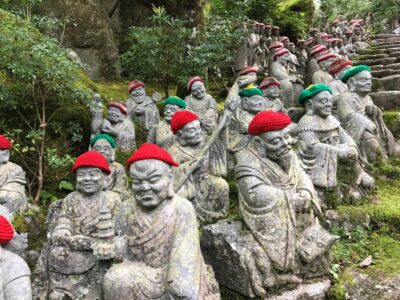
Hiroshima and Miyajima Day Trips, side by side.
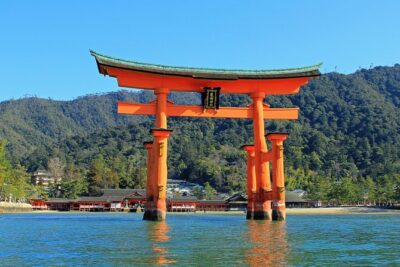 ★ 5.0Peaceful Hiroshima & Miyajima UNESCO 1 Day Bus TourFrom $1295,309 reviews
 ★ 4.9Hiroshima and Miyajima UNESCO Sites 1-Day TourFrom $1222,330 reviews
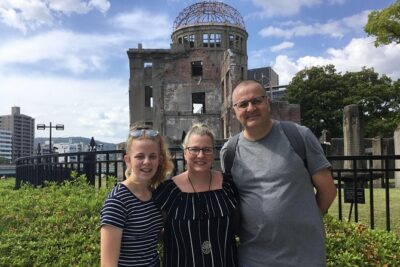 ★ 5.0Hiroshima / Miyajima Full-day Private Tour with Government Licensed GuideFrom $2021,298 reviews
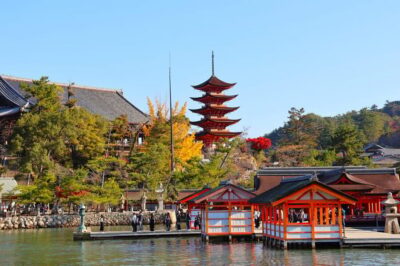 ★ 4.7Osaka/Kyoto: Hiroshima Miyajima Bus Tour & Shinkansen TicketFrom $277919 reviews
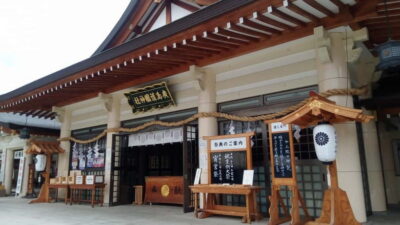 ★ 4.8Hiroshima Historical Walking Tour – Why A-Bomb was DroppedFrom $35893 reviews
 ★ 5.0Hiroshima Peace (Heiwa) Walking Tour at World Heritage SitesFrom $94872 reviews
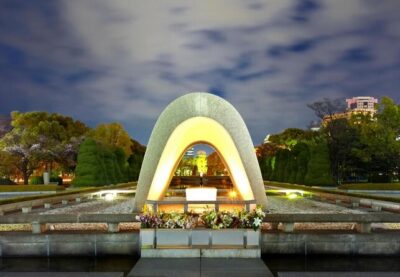 ★ 5.0Hiroshima in a Nutshell: Morning Bike AdventureFrom $72524 reviews
 ★ 5.0Hiroshima City 4hr Private Walking Tour with Licensed GuideFrom $122437 reviews