
REVIEW · HIROSHIMA AND MIYAJIMA DAY TRIPS
History of Hiroshima Group Walking Tour
A sobering walk, made clear. I love the Peace Studies perspective and the tight 2-hour route that helps you read Hiroshima’s memorials without getting lost. One drawback to plan for, this tour is emotionally heavy, so come ready for reflective stops and take your time if you need a breather.
This is a smart choice if your Hiroshima days are short. You start at the Gates of Peace area, then move through key memorial points, ending at the Atomic Bomb Hypocenter Monument. Expect a guide who can explain what happened, why these places matter, and how Hiroshima became a global symbol of peace and resilience.
If you like your sightseeing organized and meaningful, this walking tour fits. It is also a good option when you want more than plaques and photos, since the guide’s explanations connect the sites into one story.
In This Review
- Key highlights I’d plan around
- Why Hiroshima’s memorial sites feel different with a guide
- The walk you’ll actually take, from peace gates to the hypocenter
- Stop by stop, what you should watch for (and what each place means)
- Gates of Peace, the big picture start
- Mother and Baby in the Storm, a human scale of sacrifice
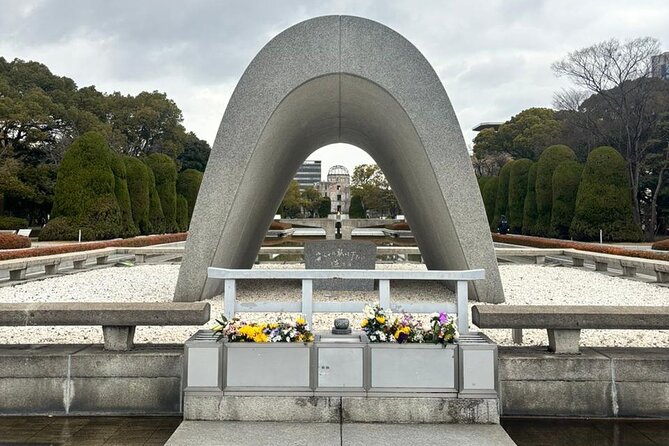
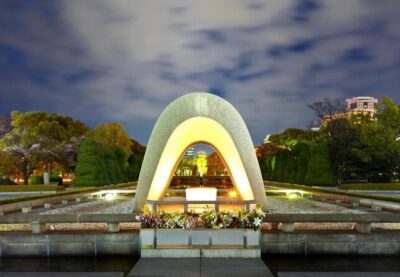
- Cenotaph for the Atomic Bomb Victims, names as the focus
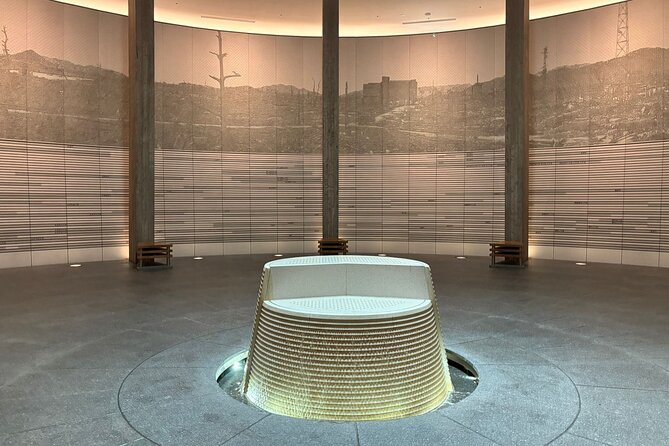
- Hiroshima National Peace Memorial Hall, the city’s destruction shown plainly
- Rest House of Hiroshima Peace Park, survival near ground zero
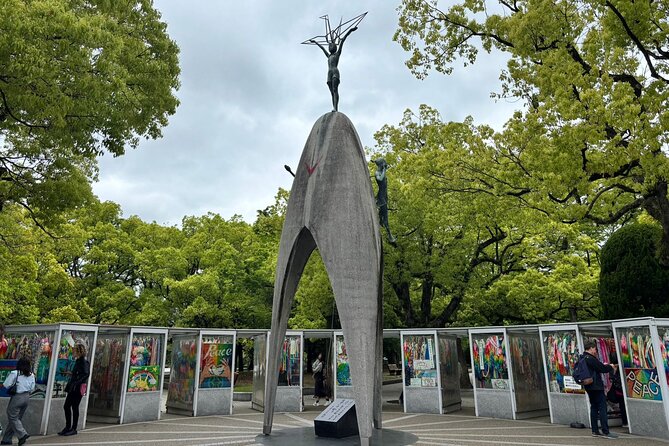
- Children’s Peace Monument, Sadako and the paper crane
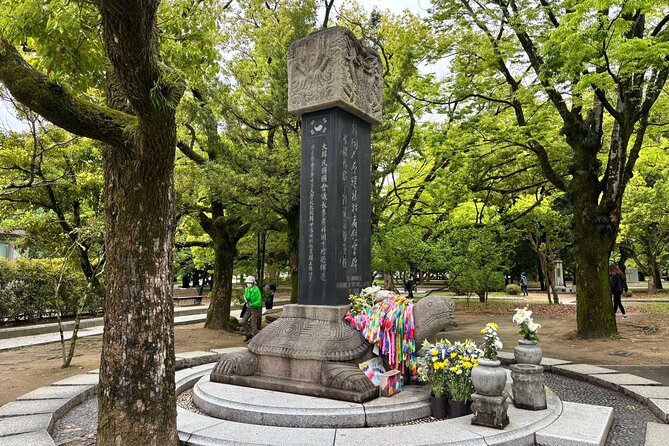
- Monument to Korean Victims and Survivors, a reminder of who is included
- Peace Bell, ending on a sound for peace
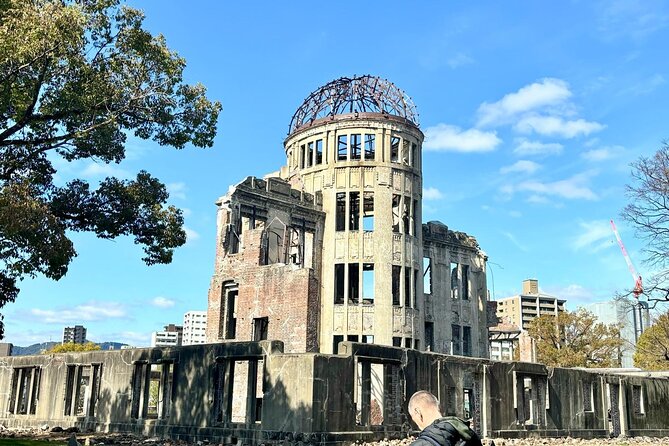
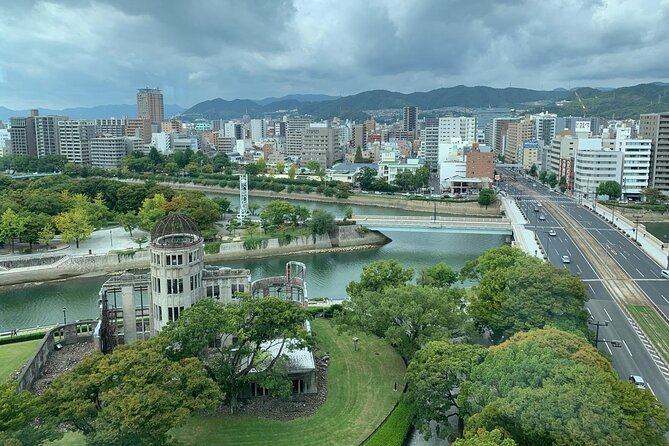
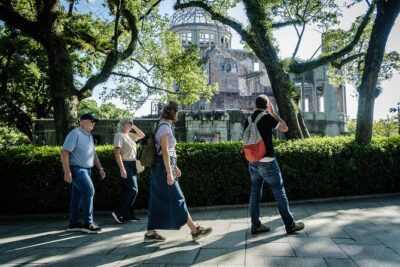
- Atomic Bomb Dome, the last visual anchor
- Pacing, group size, and how long it really takes
- Value check: is $32.84 a smart use of your Hiroshima day?
- Who this tour suits best (and who might want a different style)
- Practical tips so you get the most out of it
- Should you book this Hiroshima Peace walk?
- FAQ
- How long is the Hiroshima Group Walking Tour?
- How much does the tour cost?
- Where do you meet, and where does the tour end?
- What is included in the price?
- Are there admission tickets to pay at the stops?
- Is the tour suitable for kids?
- Do I need good weather?
Key highlights I’d plan around
- Gates of Peace orientation sets the historical context before you step into the memorial grounds
- Peace Memorial Hall and the cenotaph focus on the city’s destruction and the named victims
- A stop near ground zero includes the Rest House survival story, about 170 meters from ground zero
- Sadako and the paper crane are handled through the Children’s Peace Monument
- Korean Victims and Survivors memorial gives space to a chapter that many short visits skip
- Atomic Bomb Dome ends the walk with a landmark that physically survived the blast
Pairing the city with Miyajima. Other itineraries
- Peaceful Hiroshima & Miyajima UNESCO 1 Day Bus Tour
★ 5.0 · 5,309 reviews - Hiroshima: Hiroshima and Miyajima UNESCO Sites 1-Day Tour
★ 4.9 · 2,330 reviews - Hiroshima / Miyajima Full-day Private Tour with Government Licensed Guide
★ 5.0 · 1,298 reviews - Hiroshima Historical Walking Tour – Why A-Bomb was Dropped
★ 4.8 · 893 reviews
Why Hiroshima’s memorial sites feel different with a guide
Hiroshima can overwhelm you fast. There are so many signs, maps, and monuments that it is easy to wander from one spot to the next and still feel like you missed the point. This tour fixes that by giving you a guided thread that ties the places together.
What makes it especially useful is the kind of background the guide brings. The experience is led by a guide with a degree in Peace Studies, and that shows in the way the information is framed. You are not just learning dates and locations. You are learning how people here remember, grieve, and continue to argue for peace.
I also like the pacing. It is long enough to feel like a real guided walk, about two hours, but compact enough that you are not fighting your way through a half-day schedule. The route focuses on the big emotional anchors, so even if it is your first time in Hiroshima Peace Memorial Park, you leave with clearer context than you would if you just showed up and wandered.
The walk you’ll actually take, from peace gates to the hypocenter
This is a group walking tour, with a maximum of 30 people. That size matters. You get enough group energy to feel like you are moving with a plan, but you usually still get time for questions at stops. It also helps the guide keep the flow moving, especially because the subject matter is intense.
You meet at Ristorante Mario, 4-11 Nakajimachō, Naka Ward, Hiroshima, which is a practical starting point if you are using public transportation. The walk ends at the Hiroshima Atomic Bomb Hypocenter Monument, so your final moment lands exactly where the story pivots to the physical center of the blast and the city’s transformation afterward.
The tour uses a mobile ticket, and the stops listed are free to enter. That means your money goes mainly to the guide and the structure, not to admission fees. You still want to plan your own day around it, including time for transit to and from the Peace Memorial area.
Stop by stop, what you should watch for (and what each place means)
This route is designed like a guided read of Hiroshima. Each stop has a distinct role: context, victims, survival, children, community remembrance, and finally the preserved landmark.
- Hiroshima in a Nutshell: Morning Bike Adventure★ 5.0 · 524 reviews
- Hiroshima City 4hr Private Walking Tour with Licensed Guide★ 5.0 · 437 reviews
- From Hiroshima: Hiroshima & Miyajima 1 Day Tour with Lunch★ 4.7 · 395 reviews
- Japanesel Archery Experience HIROSHIMA CASTLE SHARAKU★ 5.0 · 387 reviews
- Hiroshima and Miyajima Day Trip with Itsukushima Shrine & Ferry★ 5.0 · 378 reviews
Gates of Peace, the big picture start
You begin at the Gates of Peace. The guide’s opening explanation is where the tour earns its value, because it frames why Hiroshima was targeted and how that choice reshaped world history. From there, the gates become more than an entrance. They act like a mental reset, telling you what kind of place you are entering and why peace is the theme here.
This first stop also sets the tone for the rest of the walk. Expect the guide to ground you before you move into the memorial spaces where the details get sharper.
Mother and Baby in the Storm, a human scale of sacrifice
Next is the Mother and Baby in the Storm statue. It is dedicated to mothers who sacrificed their lives trying to save their children. That short dedication is easy to read in a photo, but the guide’s framing helps you see why that kind of loss is part of Hiroshima’s long memory, not just an isolated tragedy.
At this kind of memorial, I find it helpful to look for the small human angle first, then let the larger historical meaning follow. This stop works that way.
Cenotaph for the Atomic Bomb Victims, names as the focus
The tour then reaches the cenotaph for the Atomic Bomb Victims. This stop centers on the names of victims of the bombing. It is a direct reminder that behind every statistic and headline were real people.
If you usually rush through written memorials, slow down here. The guide’s explanation makes the names feel less like text and more like a list you are meant to treat with care.
Hiroshima National Peace Memorial Hall, the city’s destruction shown plainly
At the Hiroshima National Peace Memorial Hall for the Atomic Bomb Victims, the focus is on the destruction of the city. This is not the kind of stop where you want to multitask. Give it attention, even if you think you already know the basics.
What I like about including a hall is that it gives the story physical context. The outdoor memorials hit emotion. The hall helps explain the scale and what was left behind.
Rest House of Hiroshima Peace Park, survival near ground zero
One of the most gripping stops is the Rest House of Hiroshima Peace Park. The key detail you are likely to remember is that it is tied to a survival story, in a building about 170 meters from ground zero.
This is where the tour helps you understand that survival was complicated. Not everyone experienced the same outcome, and the city’s landscape turned unpredictable overnight. The guide’s explanation helps you hold those contradictions without trying to make them neat.
Children’s Peace Monument, Sadako and the paper crane
The Children’s Peace Monument is dedicated to Sadako and other children who died in the bombing. This stop also explains the story behind the paper crane, and why it became a symbol of peace.
I appreciate that the guide keeps the focus on children as people, not just symbols. The paper crane detail gives you a practical way to remember the message: peace is something children asked for, imagined, and carried forward.
Monument to Korean Victims and Survivors, a reminder of who is included
Then you reach the Monument to Korean Victims and Survivors. This is a dedicated memorial, and it matters because it expands the story beyond a single national lens.
If you have only read general summaries of Hiroshima before, this stop can change how you see the topic. It is a reminder that historical events traveled through many communities, in many ways.
Peace Bell, ending on a sound for peace
The tour includes the Peace Bell, a short stop that functions like a pause button. It is brief, but it fits the overall structure: context, victims, survival, children, community remembrance, and then a message you can carry forward.
Even if you feel quiet by this point, this stop gives you a clean mental landing before the final landmark.
Atomic Bomb Dome, the last visual anchor
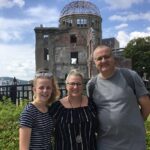
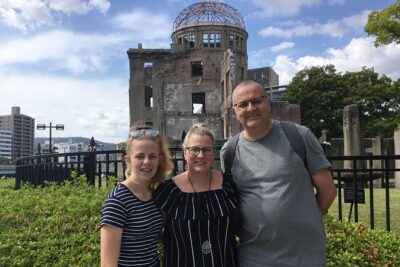
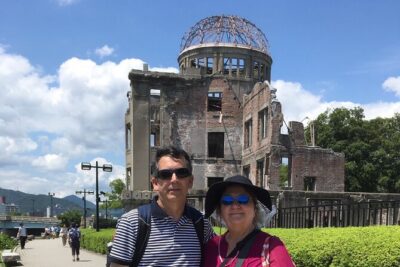
The walk ends at the Atomic Bomb Dome. The key point here is that the building survived the atomic bombing in Hiroshima, which makes it both heartbreaking and oddly steady in your field of view.
This ending matters because it gives you an image you will recognize long after the walk is over. If you take one photo on this tour, take it here, but also look at the building first. Let it work on you before you record it.
Pacing, group size, and how long it really takes
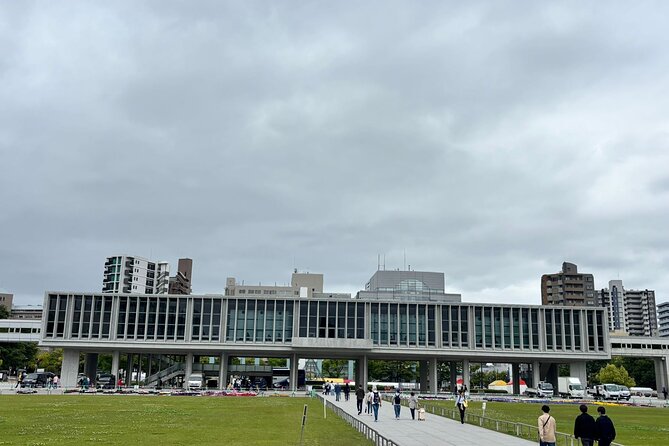
The tour is listed at about two hours. In practice, that is a good length for Hiroshima’s Peace Memorial area because it gives time for explanation at multiple stops without turning into a marathon.
The group is capped at 30 travelers, which helps keep things moving while still letting the guide answer questions. Several guides leading this walk have been praised for staying on task, packing a lot into the time, and using humor carefully when the mood needs a lift.
That humor is not the point, but it can be a practical tool. When you are dealing with a topic like this, a guide who can lighten the pressure for a moment helps the group stay attentive and humane.
Wear comfortable shoes. The pace is described as easy by many people, but it is still a walking tour on memorial grounds. Bring a layer, and plan for weather, because the experience is described as requiring good weather.
Value check: is $32.84 a smart use of your Hiroshima day?
At $32.84 per person, this is not a cheap impulse buy, but it also is not priced like a museum admission. For that money, you get a guided walk plus structured stop explanations.
Here is why it can be good value:
- The stops are free to enter, so you are paying for interpretation and sequencing, not ticket costs.
- You get a guided history thread that you might struggle to assemble on your own in a short time.
- You are guided toward the most important memorial points instead of spending extra hours figuring out what to prioritize.
If you only have a limited time window in Hiroshima, paying for a guided route often saves you effort and emotional exhaustion. You spend less time trying to understand the layout, and more time understanding the meaning.
If you have a lot of time and you love reading on your own, you could DIY. But this tour is designed to make a short visit feel coherent, and that is exactly where guided tours earn their keep.
Who this tour suits best (and who might want a different style)
This works well if:
- You want a compact overview in about two hours.
- You care about how people in Hiroshima tell this story, not just the headline facts.
- You prefer a guide who can explain the symbolism behind each memorial stop, including Sadako and the paper crane.
- You travel with questions and want room to ask.
It might be less ideal if:
- You are looking for a casual walk with minimal emotional framing.
- You want a purely visual photo route with no talking or context.
- You are not ready for memorial spaces focused on destruction and victims.
Even then, the tour’s structure is respectful. The goal is not shock value. It is understanding, remembrance, and a peace message you can carry beyond Hiroshima.
Practical tips so you get the most out of it
A few small things can make the experience smoother.
First, plan your day so you do not feel rushed. When your walk is only two hours, you do not want to also be sprinting to catch trains right after. Give yourself breathing room.
Second, bring water and wear sun protection if the weather is bright. The tour depends on good weather, and you will be outside at multiple stops.
Third, be mentally ready for emotional stops. This is built into the itinerary, with cenotaph names, a hall showing destruction, and monuments for victims and children. If you need a moment, you will get it by simply slowing down and letting the guide move at your pace as much as the group allows.
Finally, consider your expectations around humor. Some guides have been praised for being personable and using humor to soften the mood without removing seriousness. That can help you stay engaged, but keep your own center too. If you want quiet, you can choose quiet.
Should you book this Hiroshima Peace walk?
I think it is a strong booking for most first-timers in Hiroshima who want meaning, not just sightseeing. If you like your history explained clearly, if you want the memorial grounds to feel connected instead of random, and if you want to end at the Atomic Bomb Hypocenter Monument with a clearer sense of what you just saw, this tour is a good fit.
Book it if:
- You have limited time and want a guided storyline
- You care about remembering victims with context
- You want a guide with Peace Studies background and a plan for the stop order
Skip it or look for another option if:
- You prefer self-guided visits with minimal talking
- You want a lighter, less memorial-focused day
If you do book it, treat the walk like part education, part remembrance. The value is not just what you learn, it is how you learn it, stop by stop, under the right kind of guidance.
FAQ
How long is the Hiroshima Group Walking Tour?
It is about 2 hours.
How much does the tour cost?
The price is listed as $32.84 per person.
Where do you meet, and where does the tour end?
You meet at Ristorante Mario, 4-11 Nakajimachō, Naka Ward, Hiroshima. The walk ends at the Hiroshima Atomic Bomb Hypocenter Monument.
What is included in the price?
The guided tour is included.
Are there admission tickets to pay at the stops?
The stops listed show admission tickets as free.
Is the tour suitable for kids?
Two children age 0 to 10 years can join free of charge.
Do I need good weather?
Yes. The experience requires good weather, and if it is canceled due to poor weather, you will be offered a different date or a full refund.
Hiroshima and Miyajima Together
Newest Hiroshima write-ups from the Loving Japan desk

Hiroshima and Miyajima Day Trips, side by side.
 ★ 5.0Peaceful Hiroshima & Miyajima UNESCO 1 Day Bus TourFrom $1295,309 reviews
 ★ 4.9Hiroshima and Miyajima UNESCO Sites 1-Day TourFrom $1222,330 reviews
 ★ 5.0Hiroshima / Miyajima Full-day Private Tour with Government Licensed GuideFrom $2021,298 reviews
 ★ 4.7Osaka/Kyoto: Hiroshima Miyajima Bus Tour & Shinkansen TicketFrom $277919 reviews
 ★ 4.8Hiroshima Historical Walking Tour – Why A-Bomb was DroppedFrom $35893 reviews
 ★ 5.0Hiroshima Peace (Heiwa) Walking Tour at World Heritage SitesFrom $94872 reviews
 ★ 5.0Hiroshima in a Nutshell: Morning Bike AdventureFrom $72524 reviews
 ★ 5.0Hiroshima City 4hr Private Walking Tour with Licensed GuideFrom $122437 reviews
Filed on these lists too