
REVIEW · OSAKA CASTLE, UMEDA AND THE CITY CENTRE
Japanese home cooking class in Osaka Umeda
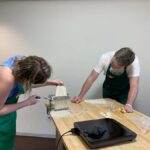
Cooking in a real Osaka home beats any food show. You get hands-on lessons from Hisako and Naoko in a private class, plus practical shopping tips for Japanese supermarkets. I loved how they break techniques into small, doable steps, and how the experience teaches the difference between everyday home cooking and restaurant versions. One thing to consider: private transportation is not included, so you’ll want to plan how you’ll reach the Fukushima Ward meeting point.
You’ll also appreciate the menu choice, because you’re not stuck making one dish just to fill time. You cook, you eat, and you sip Japanese tea as the meal unfolds, then you leave with recipes meant for your kitchen at home. If you prefer a very fast, hands-off experience, this won’t match that style since you’ll actually be cooking and asking questions.
The best part is the pace. Because it’s private, you can slow down when a step feels new, or speed up when it clicks. Expect a warm, structured session in the kitchen and dining room, with printed recipes so you’re not trying to copy details while your hands are busy.
In This Review
- Key Highlights Before You Book
- What Makes an Osaka Home Cooking Class Feel Different?
- A Quick reality check on expectations
- Your Osaka Kitchen Setup: Where the Class Fits in Daily Life
- Mobile ticket, simple confirmation
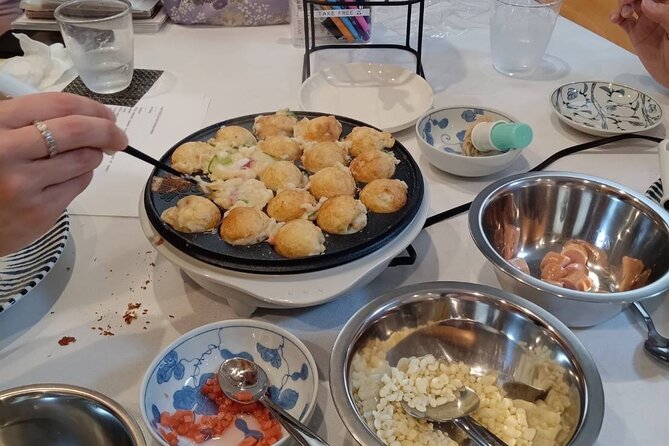
- Picking Your Menu: Bento, Takoyaki, and the Joy of Choice
- What you’ll learn by cooking your chosen dish
- Inside the Session: Shopping Tips, Then Cooking, Then Lunch
- Japanese supermarkets: what to buy and why it works
- Cooking pace: private means you can ask without rushing
- Tea with the meal
- Home Cooking vs Restaurant Food: The Small Differences That Matter
- What You Get to Take Home: Recipes and Confidence
- Expect approachable recipes
- The Teachers: Why Hisako and Naoko Make This Worth It
- Price and Value: Is $59.12 a Good Deal?
- Practical Tips Before You Go (So You Enjoy It More)
- Go with an open mind about ingredients
- Wear something comfortable
- Don’t overpack your schedule
- Bring curiosity, not perfectionism
- Who This Cooking Class Suits Best
- Should You Book This Japanese Home Cooking Class in Osaka Umeda?
- FAQ
- How long is the Japanese home cooking class in Osaka?
- What is included in the price?
- Where does the experience take place?
- Is this a private activity?
- What time does the class start?
- Is transportation included?
Key Highlights Before You Book
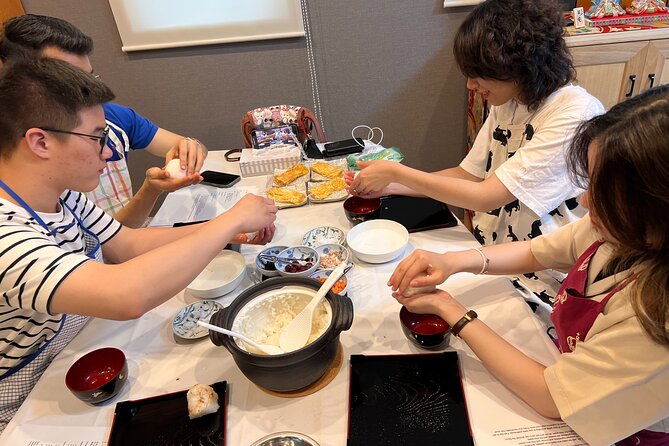
- A private class in a real Osaka home: kitchen energy, dining-room pace, and local hospitality.
- Choose your dish from local favorites like bento and takoyaki, so the class fits your cravings.
- Supermarket know-how: what to buy and how Japanese ingredients work in real recipes.
- Home-cooking vs restaurant food: you’ll understand why flavors and techniques differ.
- Lunch plus tea: you cook and then sit down to enjoy what you made, with Japanese tea during the meal.
The rest of central Osaka, ticket by ticket
- Osaka Castle: Museum and Tower Entry Ticket
★ 4.5 · 2,380 reviews - Osaka: Umeda Sky Building Official E-Ticket
★ 4.6 · 1,131 reviews - Osaka Castle Walking Tour and Castle Tower Admission
★ 5.0 · 561 reviews - 5-Hour Osaka Bike Tour to the Neighborhood of Osaka Castle
★ 5.0 · 319 reviews
What Makes an Osaka Home Cooking Class Feel Different?
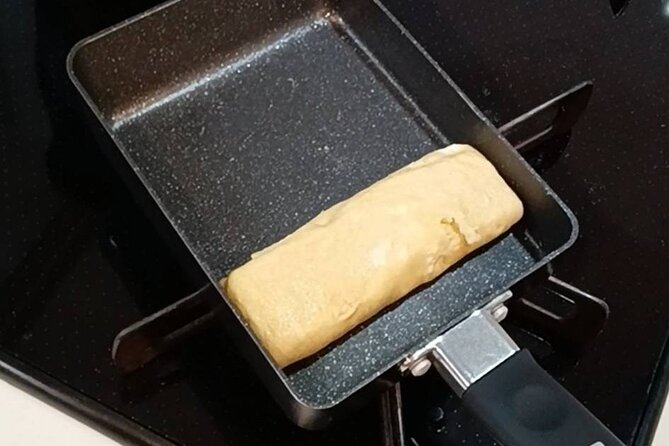
Japanese cooking classes can be fun, but many are built like a demonstration plus a photo stop. This one works because you’re in a real household kitchen, not a staged classroom. You’re learning the rhythms locals use, how ingredients behave, and how meals are built around comfort, convenience, and taste.
I also like that the class is private. If you need a bit more time on chopping, or you want to ask about something you noticed while walking around Osaka, you can. No awkward “keep up with the group” pressure. The pace stays with you.
And then there’s the teaching style. Several past participants highlighted how Hisako and Naoko explain things in easy steps, with patience and encouragement. That matters when you’re working with unfamiliar techniques, like frying or shaping foods. The class isn’t just about making one dish. It’s about giving you a method you can reuse.
A Quick reality check on expectations
This is a 2-hour session, and you’ll spend time cooking plus eating. That means you won’t see every single Japanese cooking technique in the universe. You will learn enough to feel confident recreating what you make, and you’ll get recipes and instructions to take home.
Your Osaka Kitchen Setup: Where the Class Fits in Daily Life
The class starts at 10:00 am and runs about 2 hours. It ends back at the meeting point. That’s a practical schedule for planning your day in Osaka, especially if you want one focused activity that doesn’t steal your whole afternoon.
You’ll meet at 1-chōme-4-1 Tamagawa, Fukushima Ward, Osaka 553-0004, Japan, and it’s described as near public transportation. In practice, that matters because Japanese rail and local trains can be easier than you expect, but only if you know where you’re headed.
One small note from the details you’re given: you’re expected to handle your own way to the meeting point. Private transportation isn’t included. If you’re using a transit day plan already, you’ll probably find this manageable.
Cook it yourself instead. Other kitchens in Osaka
- Sushi Making Osaka Roll and Authentic Japanese Sushi Class★ 5.0 · 1,220 reviews
- Osaka Sushi Making Experience★ 5.0 · 400 reviews
- Osaka: Ramen and Gyoza Cooking Class in Dotonbori★ 5.0 · 378 reviews
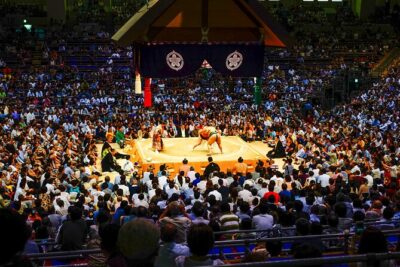
- Osaka: Sumo Stage Show with Bento or Snack + Fight & Photo★ 4.3 · 364 reviews
- Osaka Cooking Class: Okonomiyaki &Japanese cuisines experience★ 5.0 · 261 reviews
Mobile ticket, simple confirmation
You’ll receive confirmation at booking time, and the class uses a mobile ticket. That’s a small thing, but it reduces stress on the morning of. You can show your ticket and get started without hunting for paper.
Picking Your Menu: Bento, Takoyaki, and the Joy of Choice
A big win here is that you choose what you’ll cook from a menu of local specialties such as bento and takoyaki. That transforms the class from a generic lesson into something personal. You’re not just learning technique, you’re making something you actually want to eat.
From the experience notes and cook-along style described, the dishes are intended to be more accessible than what you might find in restaurant-only versions. The goal is repeatability. You should be able to recreate the results back home without needing a professional kitchen.
Some past classes included foods like udon, onigiri, and tempura. Even if your menu option ends up different, the underlying lesson matters: Japanese home cooking often feels less about showy complexity and more about smart flavor building and technique you can repeat.
What you’ll learn by cooking your chosen dish
Cooking at home forces you to understand:
- how ingredients change as heat, seasoning, and timing come into play
- how portions work for a meal, not just a cooking challenge
- why certain methods show up in everyday households
That’s the kind of knowledge you can use even when you don’t cook the exact same dish again.
Inside the Session: Shopping Tips, Then Cooking, Then Lunch
The session happens in the kitchen and dining room of a typical Osaka home, with an Osaka mother guiding you. Think of it as a home meal with instruction built in. You’re not sent away to watch, then brought back at the end.
A key part of the class is learning how Japanese people shop for cooking ingredients, and which ones to buy. This is where you get the sort of advice that saves money later. If you’ve ever bought a specialty ingredient and then realized you don’t know what to do with it, you’ll see why this matters.
Japanese supermarkets: what to buy and why it works
You’ll get tips on shopping at Japanese supermarkets and which ingredients suit your chosen recipes. Even if you don’t remember every item name perfectly, you’ll walk away with a better system:
- look for ingredient quality and consistency
- use what’s appropriate for the dish, not what looks cool
- understand why a specific ingredient changes texture or flavor
This is one of the most valuable parts of the class because it affects everything you do after your trip.
Cooking pace: private means you can ask without rushing
Because it’s private, you can move at your preferred pace. If a step feels awkward, you can ask. If you want to understand the “why” behind a technique, you can go there. That personal feedback loop is a big reason the class scores so well.
Tea with the meal
You’ll sip water and Japanese tea with each meal. This is more than a refresh moment. Tea is part of how people reset between tastes, and it makes the meal feel like a full home experience rather than a work session.
Home Cooking vs Restaurant Food: The Small Differences That Matter
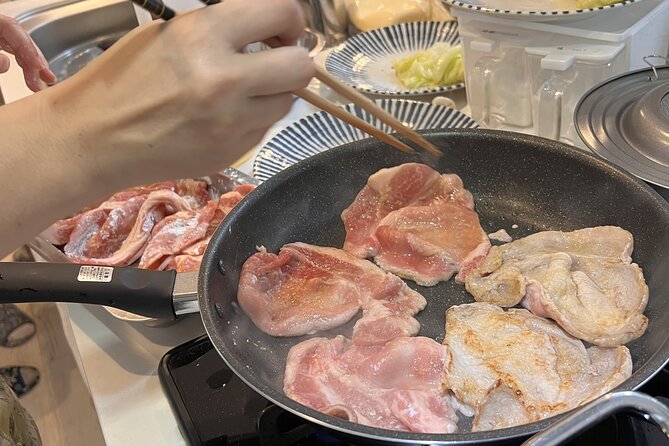
One promise of the class is learning the difference between Japanese home cooking and what you usually get at restaurants. I like this angle because it helps you interpret what you’re eating outside the class later.
Restaurants often optimize for presentation, speed, and repeatable texture at scale. Home cooking often adjusts for what’s available, what family members like, and what fits the day. That can mean:
- slightly different proportions of seasonings
- cooking steps that prioritize ease and consistency
- comfort-focused flavor building rather than a showpiece finish
Once you’ve cooked with instruction, you start noticing these patterns when you eat in Osaka. It’s not just taste. It’s context.
What You Get to Take Home: Recipes and Confidence
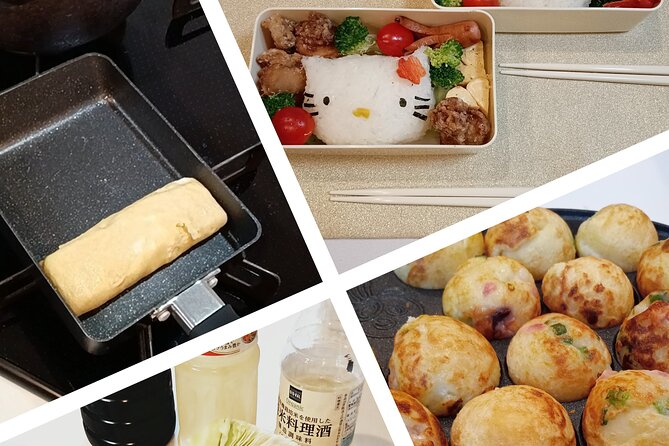
The class includes lunch, and you also get printed recipes and instructions you can take home. In real terms, that means you can actually cook again later. A class that ends with knowledge only in your head can be fun, then forgettable. Printed steps make it usable.
Several participants specifically called out the printed recipes as a favorite part, because they make it easier to recreate the dishes. If you’re the kind of person who buys cooking books for travel and then never uses them, this is the kind of practical takeaway that helps you follow through.
Expect approachable recipes
The information you’re given is designed to be more accessible. That’s important. You’re not trying to translate a complicated method from memory. You cook, you taste, you learn the technique, then you take home the map.
The Teachers: Why Hisako and Naoko Make This Worth It
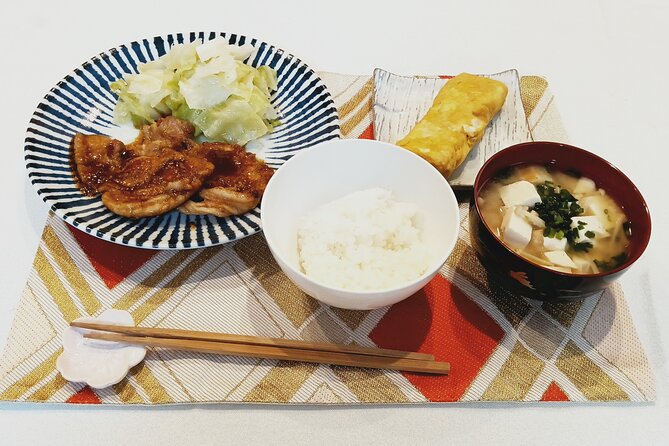
The best cooking classes have one thing in common: the teacher explains the work in human terms. The notes around this experience repeatedly highlight that Hisako and Naoko are kind, welcoming, and patient. They also break cooking into easy steps, and they provide feedback while you cook.
English support shows up in the experience feedback too. That helps a lot when you’re learning technique. Even if you’ve studied Japanese a little, cooking is not where you want communication to get fuzzy. Clear language keeps you safe around heat, and it speeds up learning.
They also offer recommendations for other local attractions. That’s a nice bonus, because it turns the class into a mini local briefing, not just a meal.
Price and Value: Is $59.12 a Good Deal?
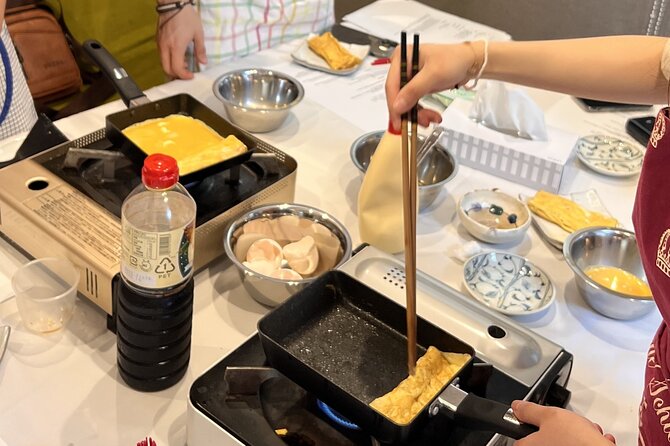
At $59.12 per person, you’re paying for more than ingredients. You’re paying for:
- access to a real home kitchen
- a private, guided session for your group
- lunch included
- printed recipes and instructions
- shopping tips you can use long after the class
For a 2-hour experience with lunch, the price can feel very reasonable if you treat it like a “skill plus meal” activity. Food is part of travel, sure, but value is really in what you can repeat. The recipes and supermarket guidance give you long-term payoff.
There are cheaper ways to eat in Osaka. But if you want a hands-on cultural experience that changes how you cook later, this is the kind of class that earns its cost.
Practical Tips Before You Go (So You Enjoy It More)
Here are the practical points that will help you get the most out of the day.
Go with an open mind about ingredients
Japanese home cooking relies on ingredient choices that may not be the same as what you expect. If you treat it like a science project, you’ll get more out of it. Ask about substitutions if you’re cooking later.
Wear something comfortable
You’ll be in a kitchen environment while preparing and handling food. Comfort matters. You don’t need fancy clothes. You need mobility.
Don’t overpack your schedule
Because the class is about cooking and then eating, you’ll want a buffer after the lesson. You might feel nicely tired, the kind that comes after a good meal and learning something new.
Bring curiosity, not perfectionism
The teaching style is designed for real learners. You’re not in a contest. If you mess up a step, you can ask and adjust.
Who This Cooking Class Suits Best
This class is a strong match if you:
- want a real home experience rather than a demo
- like learning how to shop for ingredients, not just how to cook a single dish
- want a private lesson with attention and pacing that fits you
- enjoy Japanese food and want to understand why home versions taste different
It’s also great for couples and small groups who want shared time that isn’t just sightseeing. If you’re traveling with food preferences, the menu choice helps you steer the experience toward what you actually want to eat.
Should You Book This Japanese Home Cooking Class in Osaka Umeda?
I think you should book it if you want practical cooking skills, not just a meal. The combination of private pacing, a real home setting, lunch, and printed recipes makes it feel like a complete experience. Plus, the supermarket shopping tips are exactly what you need if you plan to cook Japanese food after you return.
If you want a quick, purely observational experience, or you dislike cooking hands-on, then you might find the pace too active. Also, since private transportation is not included, make sure you’re comfortable reaching the Fukushima Ward meeting point by public transit.
If those points fit your style, this is one of the best value ways to understand Japanese home cooking in Osaka, and it leaves you with something useful, not just memories.
FAQ
How long is the Japanese home cooking class in Osaka?
The class lasts about 2 hours.
What is included in the price?
Lunch is included.
Where does the experience take place?
The meeting point is 1-chōme-4-1 Tamagawa, Fukushima Ward, Osaka, 553-0004, Japan. The activity ends back at the meeting point.
Is this a private activity?
Yes. It is private, and only your group participates.
What time does the class start?
The start time is 10:00 am.
Is transportation included?
No. Private transportation is not included.
Kitchens You Can Book Into

Central Osaka, Ticket by Ticket



Newest Osaka write-ups from the Loving Japan desk



Osaka Castle, Umeda and the City Centre, side by side.
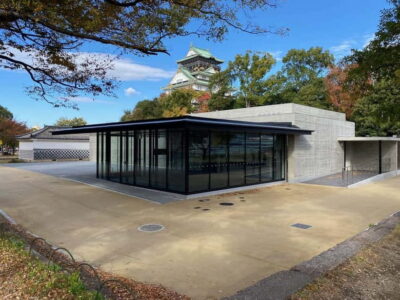 ★ 4.5Osaka Castle: Museum and Tower Entry TicketFrom $72,380 reviews
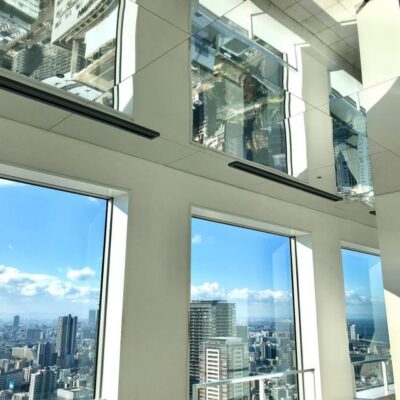 ★ 4.6Umeda Sky Building Official E-TicketFrom $121,131 reviews
 ★ 5.0Osaka Castle Walking Tour and Castle Tower AdmissionFrom $23561 reviews
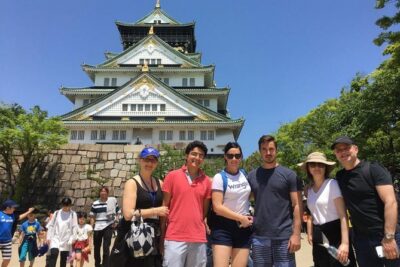 ★ 5.05-Hour Osaka Bike Tour to the Neighborhood of Osaka CastleFrom $87319 reviews
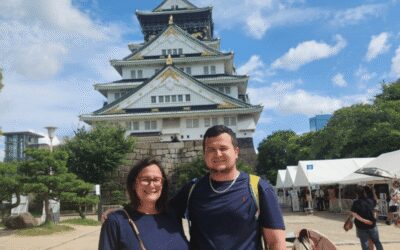 ★ 4.7Osaka Castle Guided TourFrom $43249 reviews
 ★ 4.2Abeno Harukas 300 Observatory E-TicketFrom $3169 reviews
 ★ 4.7Osaka Castle Guided Tour with Local GuideFrom $4878 reviews
 ★ 5.0PRIVATE 6hr, Food tour from Osaka Castle, Kuromon, Dotonbori.From $15568 reviews