
REVIEW · DOTONBORI AND OSAKA STREET FOOD
Osaka Cooking Class: Okonomiyaki &Japanese cuisines experience
Four dishes, one Osaka apartment kitchen. This hands-on class with Yayo focuses on learning by doing and then eating what you make, so it feels like a real food lesson, not a demo. You also get a short sampler at the end with taiyaki and matcha.
I really like that the format keeps things personal, since it is capped at eight people and the instructor can coach your hand movements. The one drawback to plan around is that the cooking studio is small and the class is in a private home, so you will want to show up on time and be ready for close quarters.
If you want a fun Osaka food night that teaches technique you can actually repeat later, this is a strong choice.
In This Review
- Key things to know before you go
- Osaka cooking in Yayo’s home: okonomiyaki, takoyaki, miso, and more
- Meeting outside Noda Station, then transitioning to a home cooking studio
- Miso soup and the dashi moment you can actually use later
- Takoyaki practice: batter, octopus, and getting the shape right
- Okonomiyaki building: cabbage, pork, bonito flakes, and timing
- Eating your creations, plus taiyaki, matcha, and optional beer and sake
- Vegetarian and pescatarian options, and how to plan your preferences
- Price and value: what you really get for about $104 per person
- Who should book this Osaka cooking class, and who might want a different plan
- Should you book this Osaka cooking class?
- FAQ
- What dishes will I learn to make in this Osaka cooking class?
- How long is the experience?
- Is this class a small group?
- What is included in the price?
- Is there an optional sake and beer pairing?
- Do you offer vegetarian or pescatarian options?
- Where do we meet, and does the tour end there too?
- Is hotel pickup and drop-off included?
- What is the cancellation window?
Key things to know before you go
- Small group of up to eight so you get real coaching, not just watching.
- Learn by hands-on cooking including miso soup, takoyaki, and okonomiyaki.
- Optional sake and beer pairing if you want to level up the meal.
- You eat everything you cook, plus extra sweets and tea at the end.
- Private home setting in Osaka, which makes the whole experience feel personal.
Still hungry on Dotonbori? A few more crawls
- Osaka: Shinsekai Food Tour with 13-15 Dishes at 5 Eateries
★ 4.8 · 2,204 reviews - Osaka Local Foodie Walking Tour in Dotonbori and Shinsekai
★ 5.0 · 985 reviews - Osaka: Dotonbori District River Cruise with Drink Discount
★ 4.2 · 876 reviews - Ultimate Osaka Walking Tour: Castle, Dotonbori & Hidden Gems
★ 5.0 · 862 reviews
Osaka cooking in Yayo’s home: okonomiyaki, takoyaki, miso, and more
Osaka is famous for street food, but this class takes that energy and turns it into something practical. You spend about 2 hours 30 minutes cooking Japanese staples step by step, with English-speaking guidance from Yayo. It is the kind of evening where you learn the why behind the how, not just the recipe.
I like the structure because it stays focused. You start with a foundational comfort dish, miso soup, then move into two Osaka icons, takoyaki and okonomiyaki, and finish with dessert. The best part is that the lesson ends with a meal made from your work. You are not leaving hungry or guessing how it is supposed to taste.
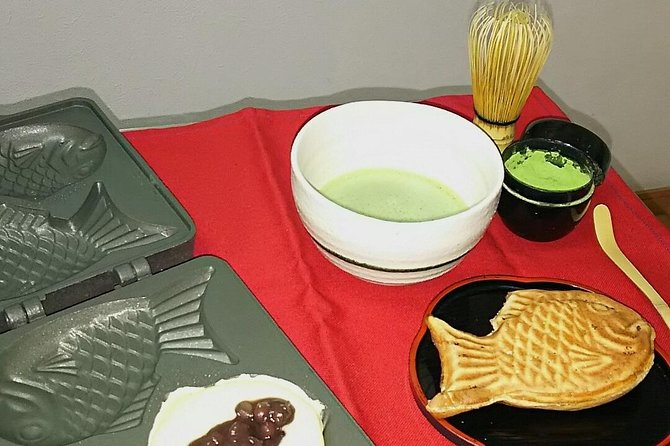
The course also builds in small surprises. Before you head out, you get to try taiyaki, a fish-shaped cake, and matcha tea. If you want something more than just pancakes and fried balls, this sampler gives you a wider snapshot of Japanese flavors.
Meeting outside Noda Station, then transitioning to a home cooking studio
You meet outside Noda Station in central Osaka, at 1 Chome-1 Ohiraki, Fukushima Ward, Osaka, 553-0007. The activity ends back at the meeting point, so you do not need to worry about a complicated end location.
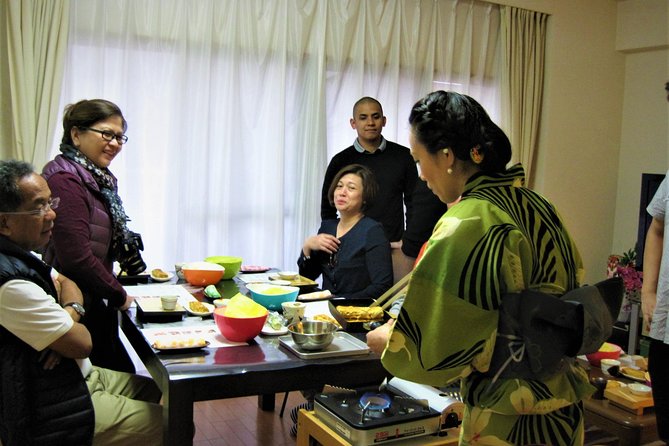
The local instructor’s home studio setup matters. This is not a large classroom with dozens of stations and a strict production line. Since the studio is small and the group is limited to eight, you can expect tighter spacing and more direct help. That is part of the charm, but it also means you should plan to arrive on time and stay flexible once you’re inside.
From a value point of view, the location is also smart. Noda Station puts you in a workable area for public transit. You can show up, get oriented quickly, cook, eat, and head back without turning the evening into a logistics project.
Miso soup and the dashi moment you can actually use later
The lesson begins with miso soup. And yes, it starts with subtle technique, the kind that separates flat, salty soup from something that tastes balanced and comforting.
You will learn how to approach miso soup with attention to detail. Miso soup is one of those dishes where a small change, temperature, timing, or how you balance flavors, can throw everything off. The class is built around that idea, so you learn the small moves that make a difference.
One neat piece of practical learning comes from how people talk about this part of the class: it helps demystify dashi. Dashi is the broth base that gives miso soup its deeper savoriness. Even if you have never made it before, you get taught in a way that makes it feel repeatable at home. That is a big deal if you want more than just a fun night out, you want a method you can come back to.
Cook it yourself instead. Other kitchens in Osaka
- Sushi Making Osaka Roll and Authentic Japanese Sushi Class★ 5.0 · 1,220 reviews
- Osaka Sushi Making Experience★ 5.0 · 400 reviews
- Osaka: Ramen and Gyoza Cooking Class in Dotonbori★ 5.0 · 378 reviews
- Osaka: Sumo Stage Show with Bento or Snack + Fight & Photo★ 4.3 · 364 reviews
- Osaka Cooking Class: Okonomiyaki &Japanese cuisines experience★ 5.0 · 261 reviews
Takoyaki practice: batter, octopus, and getting the shape right
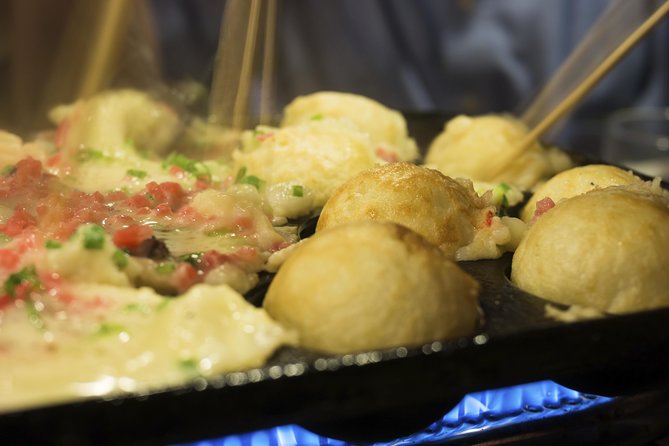
Next up is takoyaki, deep fried octopus balls. This is where the cooking class becomes more than theory. You handle batter, work the cook time, and learn what to watch for as they turn into those round, browned pockets.
Takoyaki can look simple from afar. The truth is the technique matters. You are dealing with a batter that needs to cook through, plus fillings that can be over or undercooked if you rush. In class, you get professional tips and tricks for getting the texture and doneness right.
Also, because the group is small and the host is actively teaching, you are not left to figure it out alone. You learn how to approach the pan and the timing so the balls come out with that classic takoyaki look. And you get to eat them after the work, so you can immediately compare what you did to how it should taste.
If you are a beginner, this part is usually where you feel the biggest confidence boost. You start with something intimidating, then Yayo walks you through it so it clicks.
Okonomiyaki building: cabbage, pork, bonito flakes, and timing
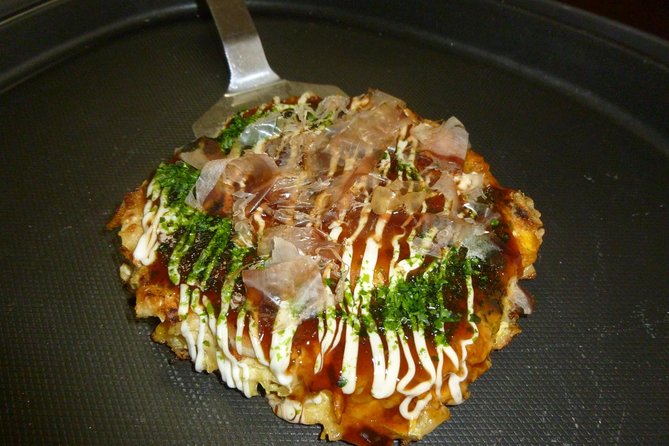
Then you tackle okonomiyaki, the savory pancake Osaka is known for. The class has you make a version built from egg, flour, cabbage, pork, and dried bonito flakes. That ingredient list is the backbone, but the real lesson is in the process.
Okonomiyaki can go two ways. It can become either a heavy mess or a satisfying pancake that is cooked through but not dry. The difference is technique: how you manage heat, how you handle the mix, and when you flip or cook each stage.
In a home setting, you also learn the pace. You are not just repeating steps from a cookbook. You are watching how to keep things moving efficiently so you can finish each dish while it is at its best. The class is set up so you get hands-on experience without feeling like you are stuck waiting for someone else.
If you want a meal that feels distinctly Japanese, okonomiyaki is it. It is filling, savory, and friendly to share. It also gives you a very doable “make it again” project for later at home, especially once you have felt how the batter should behave.
Eating your creations, plus taiyaki, matcha, and optional beer and sake
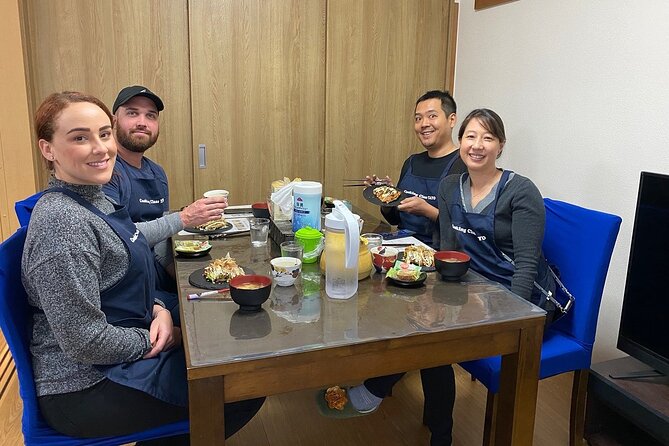
When you finish cooking, you eat what you made. That is a core part of why this class feels worth it. Many food tours show you the food and send you on your way. Here, your effort lands on your plate, and you can taste the outcome of your own technique.
There is an optional add-on if you want to slow down and make it more of a full Japanese meal experience: a beer and sake pairing. If you select it, you enjoy your food with that pairing as part of the experience. Even if you do not choose it, you still get to savor the dishes you cooked with the rest of the group.
Before you leave, you try taiyaki and matcha tea. Taiyaki is a fish-shaped cake, usually sweet and comforting. Matcha tea brings the bitter-smooth finish that balances fried or savory flavors. This ending combo helps the whole meal feel complete, not just a big cooking session.
One practical tip: this is a class where you should come hungry and stay that way. The amount of food can surprise you, and if you try to arrive on a full stomach, you might miss the best part, actually eating and enjoying your work.
Vegetarian and pescatarian options, and how to plan your preferences
Good news if you do not eat everything. Vegetarian and pescatarian options are available upon request at the time of booking. That means you can still join and get hands-on cooking without feeling like you’re just watching others eat.
If you have preferences, send them during booking rather than hoping the day of will work itself out. Since the class is limited and the studio is small, planning ahead helps keep the experience smooth for everyone.
Price and value: what you really get for about $104 per person
At $104.13 per person, this sits in the midrange for cooking classes in a major city. The value comes from what you get, not just the number of recipes.
Here is what you are paying for:
- Hands-on instruction from an English-speaking leader.
- Multiple dishes in one evening, including miso soup, takoyaki, and okonomiyaki, plus taiyaki and matcha at the end.
- All ingredients and utensils covered.
- A built-in meal where lunch or dinner is tied to what you cook.
If you were to order these dishes in Osaka, you could easily spend similar money, but you would not learn the technique. This class gives you a usable skill set and the confidence to cook Japanese home staples later.
The small group cap of up to eight people also matters. More attention typically means better results, and better results means you leave full, not frustrated.
Who should book this Osaka cooking class, and who might want a different plan
This class fits best if you want a fun food night with real technique. It is great for:
- Beginners who want structured help and clear steps.
- Food lovers who want Osaka flavor, not just generic Japanese cooking.
- People who learn best by doing, not by reading.
It can be less ideal if you hate close quarters or do not like cooking in someone else’s home space. Since the studio is small, you should expect a snug layout.
If you are traveling solo, you may also end up with a very personal feel because the group is capped. That does not happen for every booking, but the format is designed for intimacy, so even with a couple of people around, you are not stuck in a crowd.
Should you book this Osaka cooking class?
Yes, if you want more than a tasting. Book it if you care about learning how miso soup, takoyaki, and okonomiyaki are actually put together, not just the final look.
If you hate hands-on activities or you are short on time, you might prefer a food tour that focuses on eating only. But for most people in Osaka who want an authentic, practical, and genuinely fun evening, this is a strong choice.
FAQ
What dishes will I learn to make in this Osaka cooking class?
You will learn to prepare miso soup, takoyaki, and okonomiyaki. Before you leave, you also get to try taiyaki and matcha tea.
How long is the experience?
The cooking class lasts about 2 hours 30 minutes.
Is this class a small group?
Yes. The maximum group size is eight people.
What is included in the price?
The hands-on cooking class includes an English-speaking instructor, all ingredients and utensils, and lunch or dinner where you enjoy what you cook. Optional local sake tasting is included if you select it.
Is there an optional sake and beer pairing?
Yes. You can opt to add on a beer and sake pairing.
Do you offer vegetarian or pescatarian options?
Vegetarian and pescatarian options are available upon request at the time of booking.
Where do we meet, and does the tour end there too?
You start outside Noda Station. The activity ends back at the meeting point.
Is hotel pickup and drop-off included?
No. Hotel pickup and drop-off is not included.
What is the cancellation window?
You can cancel for a full refund up to 24 hours before the experience start time. If you cancel less than 24 hours before, the amount you paid will not be refunded.
Kitchens You Can Book Into

Dotonbori, Still Hungry

Newest Osaka write-ups from the Loving Japan desk

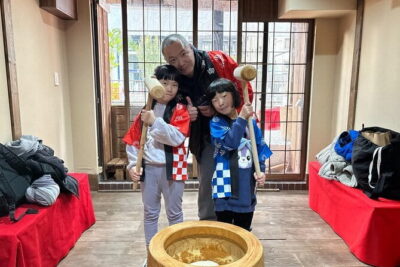

Dotonbori and Osaka Street Food, side by side.
 ★ 4.8Shinsekai Food Tour with 13-15 Dishes at 5 EateriesFrom $532,204 reviews
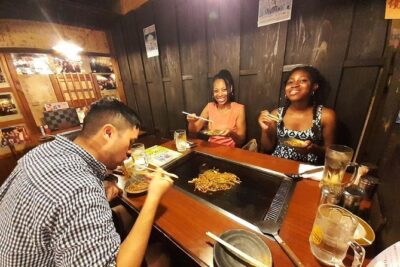 ★ 5.0Osaka Local Foodie Walking Tour in Dotonbori and ShinsekaiFrom $111985 reviews
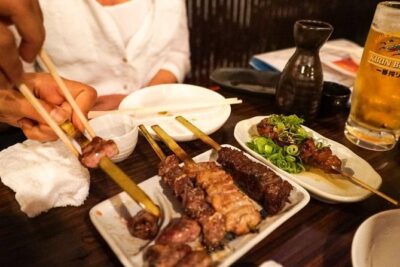 ★ 5.0Osaka Bar Hopping Night Walking Tour in Namba (3 bars, 6 tastes)From $98958 reviews
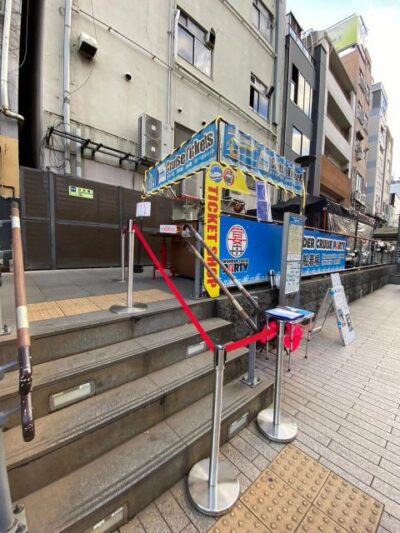 ★ 4.2Dotonbori District River Cruise with Drink DiscountFrom $12876 reviews
 ★ 5.0Ultimate Osaka Walking Tour: Castle, Dotonbori & Hidden GemsFrom $73862 reviews
 ★ 5.0Kuromon Market Food Walking Tour in Osaka (6 stops, 6 tastes)From $50550 reviews
 ★ 4.9Namba Pub Bar Crawl with a Local GuideFrom $30424 reviews
 ★ 5.0Ramen and Gyoza Cooking Class in DotonboriFrom $70378 reviews
Filed on these lists too