
REVIEW · JAPANESE COOKING CLASSES
Osaka Sushi Making Experience
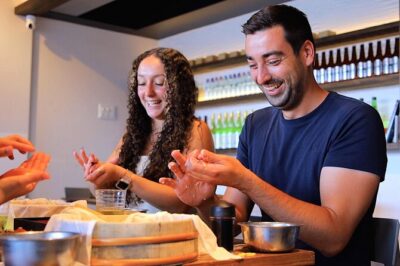
Sushi class in Dōtonbori beats restaurant sushi. I love how this Osaka session takes you beyond eating, and walks you through making sushi at home, right in the middle of the action. You’ll learn the ingredients and techniques to produce 12 pieces, including nigiri and gunkan-sushi, while getting guidance in English, Chinese, and Korean.
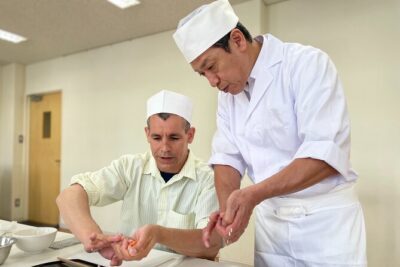
Two things I really liked: the teaching style and the practical results. In my favorite parts, the instructors break sushi down into repeatable steps, including tips like using a precise rice ratio (one review called out a 10 g rice target), plus hands-on practice shaping and rolling. I also liked the human touch, like the way instructors such as Mika and Kosei keep the vibe relaxed and friendly, even when you are learning from scratch.
One thing to consider up front: if you’re vegan, your plate may feel less meat-and-seafood heavy than the standard options. One review specifically noted that vegan portions can come with fewer vegetables compared with shrimp and seafood used for meat-eating menus.
In This Review
- Key Things That Make This Osaka Sushi Class Worth Your Time
- Dōtonbori Makes This Class Easier Than You’d Think
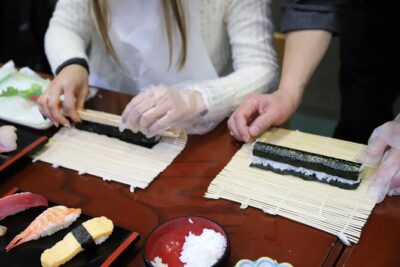
- What You’ll Make: 12 Nigiri and Gunkan Pieces You Can Recreate
- Inside the 1 Hour 30 Minute Flow: From Ingredients to You Eating
- Diet Options, Alcohol Reality Check, and Language Support
- Price and Value: Why $29.85 Often Feels Fair
- The Teacher Factor: Clear, Patient Coaching With Real Personality
- Who This Sushi Making Experience Is Best For
- Should You Book It?
- FAQ
- How long is the Osaka sushi making class?
- Where does the class take place?
- What will I make during the class?
- Do they offer vegetarian, vegan, or halal sushi?
- Is alcohol included?
- What languages are the instructions available in?
- How many people are in the group?
- What’s included in the price?
- Is there free cancellation?
Key Things That Make This Osaka Sushi Class Worth Your Time
- You make 12 pieces, not just watch, including 2 styles (nigiri and gunkan)
- Central Dōtonbori location means it fits easily with sightseeing before or after
- English, Chinese, and Korean guidance helps you understand techniques fast
- Diet options on request, including vegetarian, vegan, and halal sushi
- Interactive instructors with a fun tone, and some classes feel like a small private lesson
- Ending extras, like a certificate with your name in Kanji and a photo
Cook it yourself instead. Other kitchens in Osaka
- Sushi Making Osaka Roll and Authentic Japanese Sushi Class
★ 5.0 · 1,220 reviews - Osaka Sushi Making Experience
★ 5.0 · 400 reviews - Osaka: Ramen and Gyoza Cooking Class in Dotonbori
★ 5.0 · 378 reviews - Osaka: Sumo Stage Show with Bento or Snack + Fight & Photo
★ 4.3 · 364 reviews
Dōtonbori Makes This Class Easier Than You’d Think
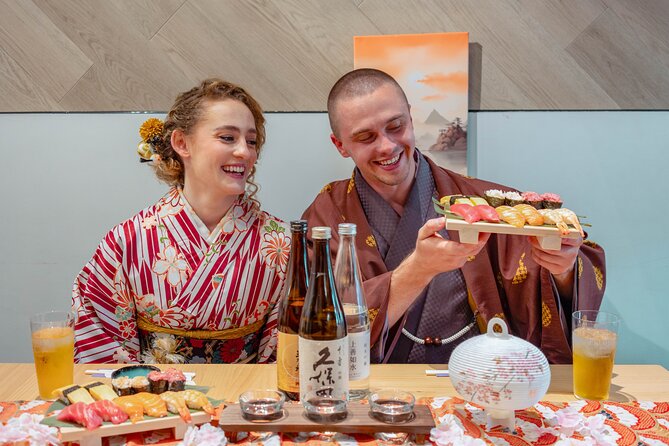
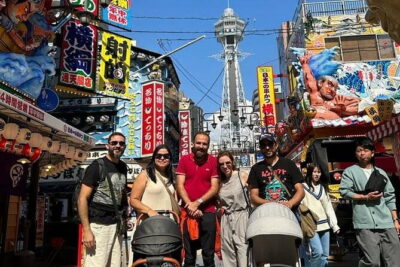
Osaka’s Dōtonbori is loud in the best way. Neon, food smells, people everywhere, and plenty of places to grab a drink or snack before class. That matters because a cooking class is one of those experiences where you do not want stress hanging over your head. Here, the meeting point is in the Namba/Dōtonbori area, which makes it simple to pair your sushi lesson with the rest of your day.
The bigger win is how the location supports the format. The class is about 1 hour 30 minutes, and you get to eat what you make. So you are not committing your whole afternoon. You can do a morning sightseeing plan, show up hungry, learn the steps, and then spend the evening continuing your Osaka route with less food planning.
Also, the class is set up for real people. One review mentioned a hard time finding the location. That is common in this area, where small storefront addresses can be tricky. My practical advice: screenshot the meeting point address and save it offline. If you arrive early, take a minute to confirm the exact entrance before you assume you are in the right spot.
And yes, this is not a quiet little culinary monastery. It can feel a little commercial in tone, and some sessions can move at a brisk pace. That is not automatically bad, especially if you want a fun, structured activity you can master quickly.
What You’ll Make: 12 Nigiri and Gunkan Pieces You Can Recreate
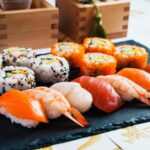
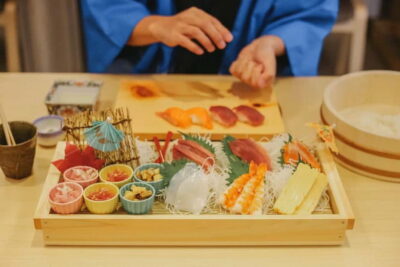
This class is built around a clear outcome: you will make enough sushi to feel proud when you sit down to eat it. The promise is 12 pieces, including 2 types, nigiri and gunkan-sushi.
That mix is the best part for beginners. Nigiri teaches you the most foundational idea in sushi making: shaped rice plus toppings that stay balanced and tasty. Gunkan-sushi (the one with a “boat” of rice) is a different challenge. It’s about holding the rice shape while building toppings with texture and staying power.
You also learn beyond the “how.” You get explanations about sushi styles and where different types come from, which gives your finished plate more meaning than just calories. One review said they learned differences and even the origins of different sushi styles. That kind of context helps when you later shop for ingredients or try your own version at home.
One detail I’d call out if you care about accuracy: at least one group got a very specific tip for the rice-to-filling ratio, including a mention of using 10 g of rice for the perfect balance. Even if you do not remember the exact number, the point is that the instructors focus on repeatable technique instead of vague “make it look right” advice.
Finally, you do not have to be a “food person” to enjoy this. If you like instructions you can follow, and you want food you can reproduce later, this class is made for you.
Inside the 1 Hour 30 Minute Flow: From Ingredients to You Eating
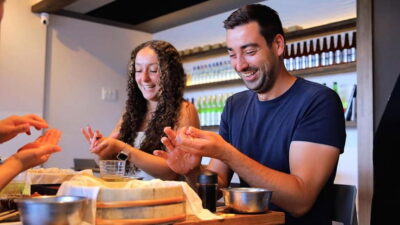
This is a hands-on cooking class. The time is long enough to teach you something real, and short enough to keep momentum. Most of the action happens at the workshop, where you learn ingredients required to make the set, then practice techniques while the instructors watch and correct.
Here’s how the experience tends to go in a way that’s useful for planning your expectations:
- Start with learning and prep
You are taught the ingredients needed for your set of 12 pieces. Expect a quick introduction, then a practical focus on how each sushi style is assembled.
- Practice the core techniques
The class is designed around technique, not just assembly. Multiple reviews praised how patient and helpful the teachers were, and how they gave clear, step-by-step guidance. So if your first attempt looks a little lopsided, that’s normal. You’ll have time to refine.
- Build nigiri and gunkan-sushi
You’ll work on making the two styles you’ve been assigned. In one review, people specifically talked about shaping and rolling, and how those steps came with guidance that made them feel doable.
- Eat the results
You do not just take your sushi home. You eat what you make. That turns the class into a full experience: learn, make, taste, and then talk through what worked.
- Finish with the fun extras
One of the sweetest end-of-class details: you may receive a certificate with your name written in Kanji and a photo. It’s not life-changing, but it’s the kind of souvenir that feels personal, not generic.
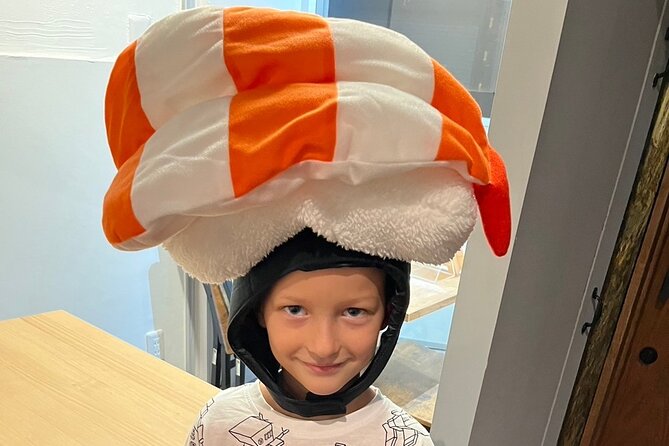
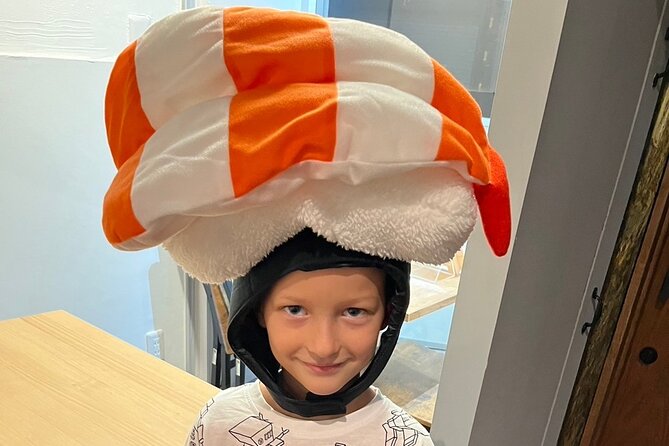
You may also notice a costume element, described in the features as a sushi-chef costume. Small touch, big effect. It keeps the mood light while you focus on learning.
Language support is also part of the “flow.” Guidance is available in English, Chinese, and Korean. That means you can follow instructions without relying on translation apps for every sentence.
Counters and courses we sat at around Osaka
- Osaka: Roll and Authentic Sushi Making Class in Dotonbori★ 4.9 · 239 reviews
- Osaka: Sushi Class in Dotonbori★ 4.9 · 160 reviews
- Osaka Dotonbori: Sushi Making Experience★ 4.9 · 122 reviews
- Osaka: Sushi Making in Spacious Studio (SAME-DAY OK!)★ 5.0 · 75 reviews
- Sushi and Japnese foods cooking class in Osaka★ 5.0 · 51 reviews
Diet Options, Alcohol Reality Check, and Language Support
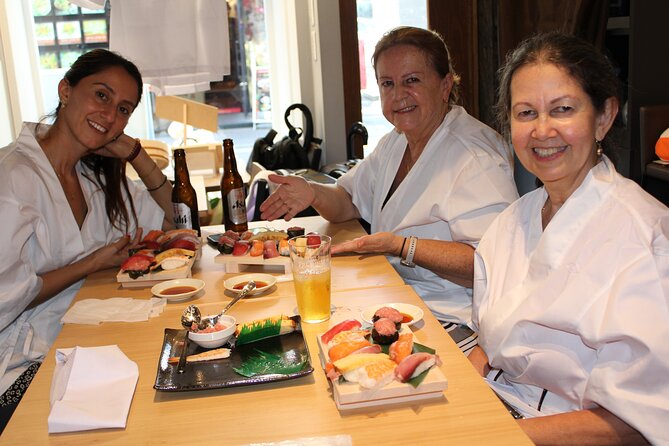
This class includes diet flexibility, but it works best when you plan a head count of your needs early.
You can request vegetarian, vegan, and halal sushi options. Vegetarian sushi is provided, and the options are described as available upon request. That is a big deal for Japan travel because menus can be seafood-heavy by default. If you eat halal, vegan, or vegetarian, do not assume your needs will be handled unless you request it during booking.
Now the balance question. One review raised a specific concern: vegan options may include fewer vegetables compared with shrimp and seafood provided to meat-eaters. I’m glad that was called out, because it helps you decide. If you are vegan, you might want to confirm what you will receive so you know whether it will feel fully satisfying to you.
About alcohol: the features mention Japanese sake and beer, but the price information says alcoholic beverages are not included. So if you’re planning to drink, treat that as a “maybe extra cost” situation. If alcohol is important to your plan, check with the provider when you book, or ask on arrival.
One more practical note: class guidance is available in English, Chinese, and Korean. That’s helpful not only for comprehension, but also for reducing the “I’m lost” feeling that can happen in busy tourist areas.
Price and Value: Why $29.85 Often Feels Fair
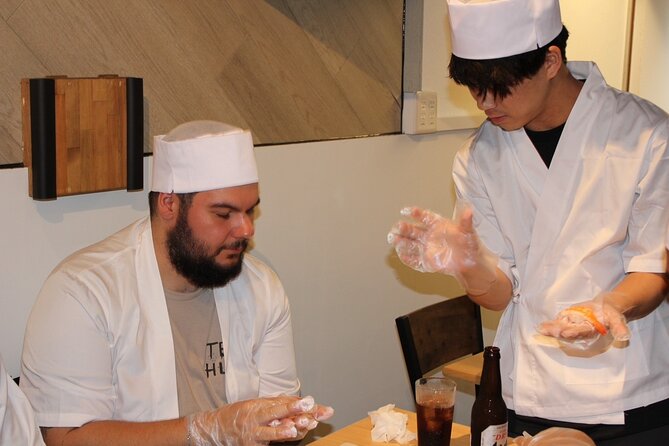
At $29.85 per person, this class lands in the “good value” zone for Osaka because you get three things at once: instruction, ingredients, and a meal result.
If you compare it to simply eating sushi in a restaurant, the cost is not just about food. You’re paying for technique coaching and time. You leave with a skill you can use again, plus the satisfaction of making nigiri and gunkan yourself. That’s the difference between a meal and an experience.
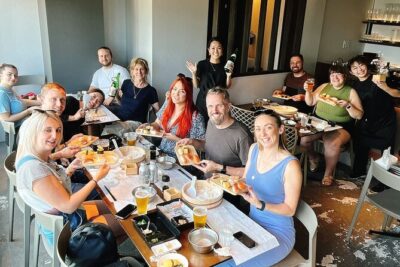
It also helps that the class size is capped at a maximum of 16 travelers. That usually means more attention per person than a massive group cooking event. And reviews often praise how instructors were patient and supportive.
The best value part is when the class atmosphere turns into a more personal session. One review described being lucky enough to have only two other guests, which can make it feel close to a small group or near-private class. You can’t count on that, but the small-group limit sets you up well.
So, is it a bargain? In many cases, yes, because the class includes all fees and taxes and your set of sushi. But if you are vegan and worry about ingredient variety compared to seafood menus, factor that into your personal value equation. Decide based on whether the learning and technique are your priority, not just the ingredients.
The Teacher Factor: Clear, Patient Coaching With Real Personality
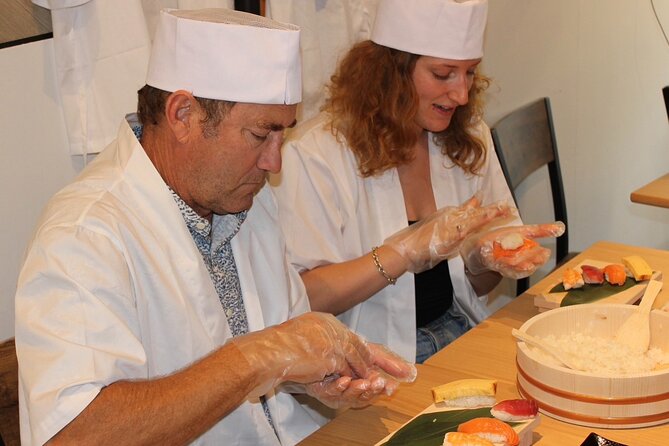
The instructors are one of the main reasons the reviews are so consistently positive. People repeatedly mention clear instructions, patience, and a relaxed vibe. In particular, instructors like Mika and Kosei got specific praise for teaching clearly while keeping things fun and easygoing.
You’ll likely notice two teaching strengths right away:
- They explain while you work
You are not just handed a tool and left to guess. Teachers watch you build, then guide you toward better technique.
- They correct without making it stressful
Sushi is precise. If your first nigiri looks too loose, too tight, or the topping shifts, that is expected. The instructors focus on helping you adjust so your final set tastes good and looks right.
This is also a good class if you like conversation. Several reviews mention chatting about Osaka and Japanese writing, and that the hosts were personable. That can matter for solo travelers too, since it turns a cooking class into a social moment, not just a structured activity.
One caution: a minority comment mentioned the experience can feel a bit commercial and sometimes like they try to finish quickly. That might show up if the schedule is tight that day. The overall pattern, though, is that instruction stays clear and the vibe stays friendly.
Who This Sushi Making Experience Is Best For
This class fits well if you’re one of these types of travelers:
- Beginners who want a skill, not just a photo
- Couples or families who enjoy hands-on learning
- Food curious travelers who want to understand sushi types like nigiri and gunkan
- People with dietary needs who want vegetarian, vegan, or halal sushi options upon request
- Language-flexible travelers who appreciate instruction in English, Chinese, and Korean
If you hate being hands-on and prefer a seated, watch-only format, this might feel too active. But if you like doing and then eating, you’re in the right place.
Should You Book It?
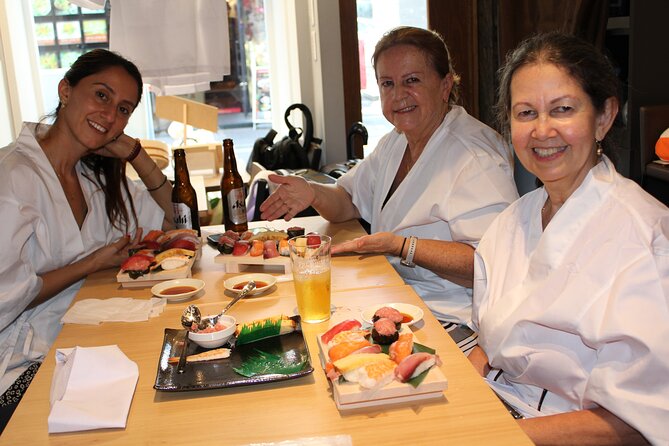
I’d book it if you want a short, skill-building food experience in Osaka that ends with you eating your own sushi. The combination of 12 pieces, hands-on instruction, multi-language guidance, and a small group cap is a strong match for travelers who like practical travel memories.
Book it especially if you’re excited by the idea of making sushi at home. Reviews highlight real technique tips, including rice measurement guidance like a 10 g rice ratio, and that kind of specific coaching is what makes a class worth repeating later.
Skip it or confirm details first if you’re vegan and care a lot about vegetable variety compared with seafood-based sets. That’s the one consistent “consideration” that could affect satisfaction.
If you’re willing to show up hungry, follow instructions, and accept that sushi takes a few tries, this is a fun Osaka stop that can beat the standard sushi meal.
FAQ
How long is the Osaka sushi making class?
It runs for about 1 hour 30 minutes.
Where does the class take place?
It’s located in the Dōtonbori/Namba area in Osaka. The meeting point is Sushi Making Experience Namba1A at 2丁目-6-11 西心斎橋 中央区 大阪市 大阪府 542-0086, Japan.
What will I make during the class?
You’ll make 12 pieces of sushi at home, including nigiri and gunkan-sushi.
Do they offer vegetarian, vegan, or halal sushi?
Yes. Vegetarian, vegan, and halal menu options are available upon request, and vegetarian sushi is provided.
Is alcohol included?
Alcoholic beverages are not included. The experience features mention Japanese sake and beer, so if you plan to drink, treat it as something you may need to handle separately.
What languages are the instructions available in?
Guidance is available in English, Chinese, and Korean.
How many people are in the group?
The class has a maximum of 16 travelers.
What’s included in the price?
Your sushi includes snacks (12 pieces of sushi), and all fees and taxes are included.
Is there free cancellation?
Yes, you can cancel for a full refund up to 24 hours before the experience start time.
Counters and Courses

Kitchens You Can Book Into
Newest Osaka write-ups from the Loving Japan desk



Japanese Cooking Classes, side by side.
 ★ 5.0Sushi Making Tokyo Roll and Authentic Japanese Sushi ClassFrom $593,971 reviews
 ★ 4.9Roll and Authentic Sushi Making Class in AsakusaFrom $581,957 reviews
 ★ 5.0Ramen Cooking Class at Ramen Factory in KyotoFrom $1311,937 reviews
 ★ 4.9Sushi Making Class in a Happi Coat near a Famous SpotFrom $421,377 reviews
 ★ 5.0Sushi Making Osaka Roll and Authentic Japanese Sushi ClassFrom $311,220 reviews
 ★ 5.0Tokyo Sushi Making Class in Tsukiji with Professional ChefFrom $491,177 reviews
 ★ 5.0Ramen & Gyoza Cooking Class in Tokyo with Local Supermarket VisitFrom $122823 reviews
 ★ 5.0Tsukiji Fish Market Guided Tour and Sushi Making with Pro ChefFrom $104775 reviews
Filed on these lists too