
REVIEW · KANAZAWA AND KENROKU-EN GARDEN
Kanazawa: Samurai Residence Remains Nomura Family admission
A samurai home in the middle of the city. The Nomura Family Samurai Residence is the only publicly accessible building and garden in Kanazawa’s Nagamachi Samurai District, so you get a rare, focused look at how a loyal retainer lived over 400 years ago. I especially like the calm Japanese garden walk, and the way the preserved rooms and architectural details let you see the design choices up close. One possible drawback to plan for is that the rules are strict, and some areas may not be wheelchair accessible because it is an older historic structure.
This is not a flashy museum experience, and that is a good thing. You are here for atmosphere, artifacts, and careful preservation, not crowds of interactive displays. If you want a quick, low-effort stop where you can snack and wander loudly, you may feel constrained since food, smoking, large bags, and flash photography are not allowed, and you are asked to be quiet inside.
In This Review
- Key highlights you should care about
- Nagamachi’s Nomura Residence: what you’re really stepping into
- Entry etiquette that shapes the whole experience
- The garden walk: calm, close, and worth your time
- Samurai artifacts and architectural details: what to actually look for
- Photography rules that help you avoid common mistakes
- Price and value: is $3.55 a good deal in Kanazawa?
- How to fit it into your day in the Nagamachi district
- Accessibility and visitor comfort: know the tradeoffs
- Should you book the Nomura Family Samurai Residence admission?
- FAQ
- What is included with my admission ticket?
- Where do I redeem or meet for this experience?
- How much does admission cost?
- How long is the ticket valid?
- Is this activity refundable?
- Can children visit for free?
- Do I need to remove my shoes?
- What items are not allowed inside?
- Is photography allowed?
- Is the residence wheelchair accessible?
Key highlights you should care about
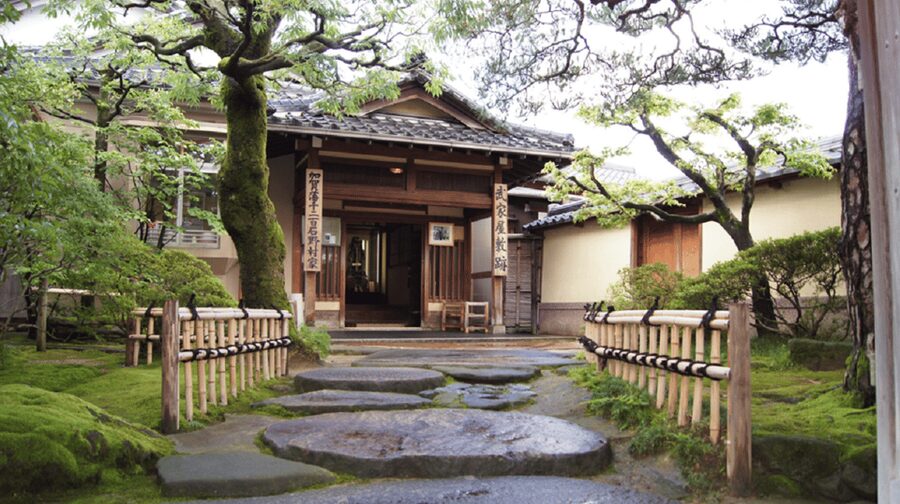
- Only publicly accessible building and garden in Nagamachi, so it carries extra importance for first-timers.
- 400-year-old home tied to Nomura Denbei Nobusada, a loyal retainer of Maeda Toshiie.
- Serene Japanese garden where you slow down and actually walk.
- Historical samurai artifacts that add context beyond the building alone.
- Intricate architectural details, preserved well enough to reward close looking.
- Simple but firm visitor rules (shoes off, quiet, no touching), which makes the experience feel respectful.
What else fills a Kanazawa afternoon
- World Heritage Shirakawa-go and Experience Tours from Kanazawa
★ 5.0 · 4,049 reviews - Kanazawa: Kenrokuen Tea Ceremony Experience
★ 4.8 · 1,139 reviews - Kanazawa Half Day Tour (Private Guide)
★ 5.0 · 361 reviews - Kanazawa Full Day Tour (Private Guide)
★ 5.0 · 323 reviews
Nagamachi’s Nomura Residence: what you’re really stepping into
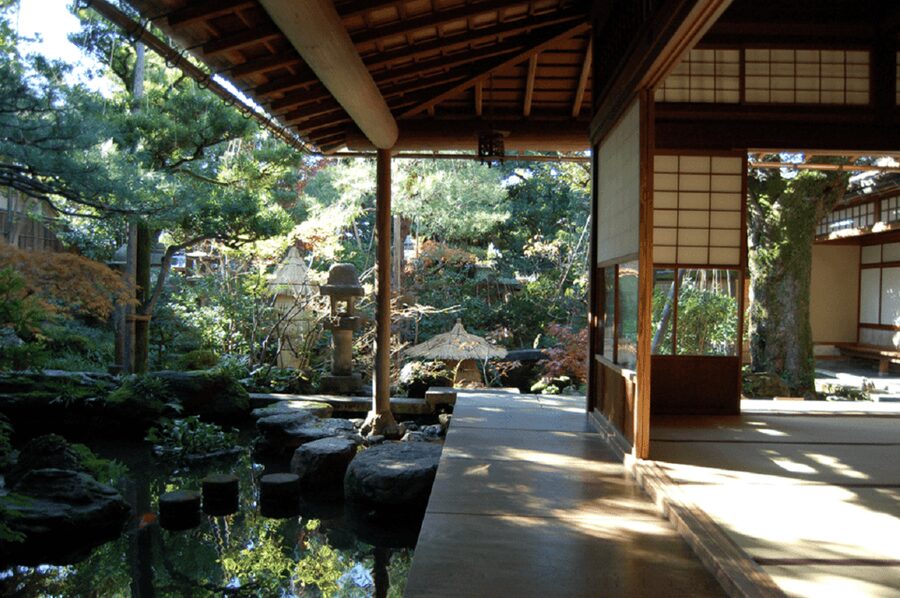
Kanazawa’s Nagamachi Samurai District is the kind of place where you can easily spend a morning just following the lanes and imagining daily life. But most of it is private, or at least not open the way a ticketed site is. That is why the Nomura Family Samurai Residence feels like the practical anchor of this area: it is the only publicly accessible building and garden inside Nagamachi, which means your time goes to the most preserved part, not to guesswork.
This residence belonged to Nomura Denbei Nobusada, described as a loyal retainer of Maeda Toshiie. Even if you do not go deep into dates, the point lands quickly. You are not looking at a generic “samurai era” set. You are in a home that has been preserved to show how samurai households functioned, and how that mindset shaped both space and daily routines. The garden matters here too. It is not just a pretty add-on, it is part of how the residence communicates calm, order, and self-control.
If you like historical places that do not try to “entertain” you into staying, this is a good match. You can slow down, look carefully, and let the building do the talking.
Entry etiquette that shapes the whole experience
Before you even see the rooms, you feel the seriousness of the site. Shoes must be removed before entering, so you are physically changing modes as you cross the threshold. That may sound small, but it directly affects the vibe inside. It helps explain why the rules focus on quiet and respectful behavior.
Here is what the site expects from you:
- Be quiet and respectful inside the residence.
- Do not touch artifacts, furniture, or displays.
- Follow staff instructions at all times.
And a few practical “no’s”:
- Smoking is not allowed.
- Food and drinks are not allowed.
- Luggage or large bags are not allowed.
- Flash photography is not allowed (and tripods are also not allowed inside).
- Umbrellas are not allowed.
I like rules like this when they make a historic place feel cared for, not treated like a playground. The tradeoff is that you need to come ready. Plan for minimal carry, keep your camera steady without a tripod, and treat the inside like a library or a temple, not a casual sightseeing stop.
If you are traveling with kids, note that children under 6 years old can enter for free. That can make it easier to include this stop without turning it into a budget puzzle.
The garden walk: calm, close, and worth your time
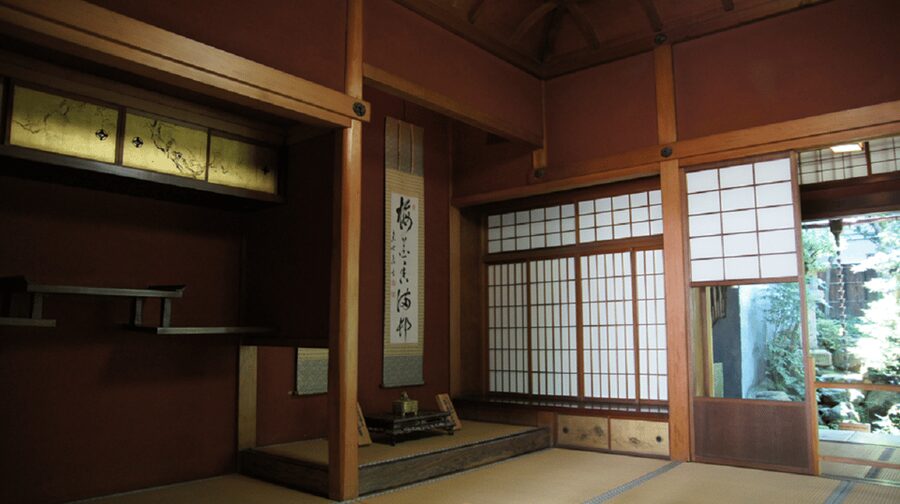
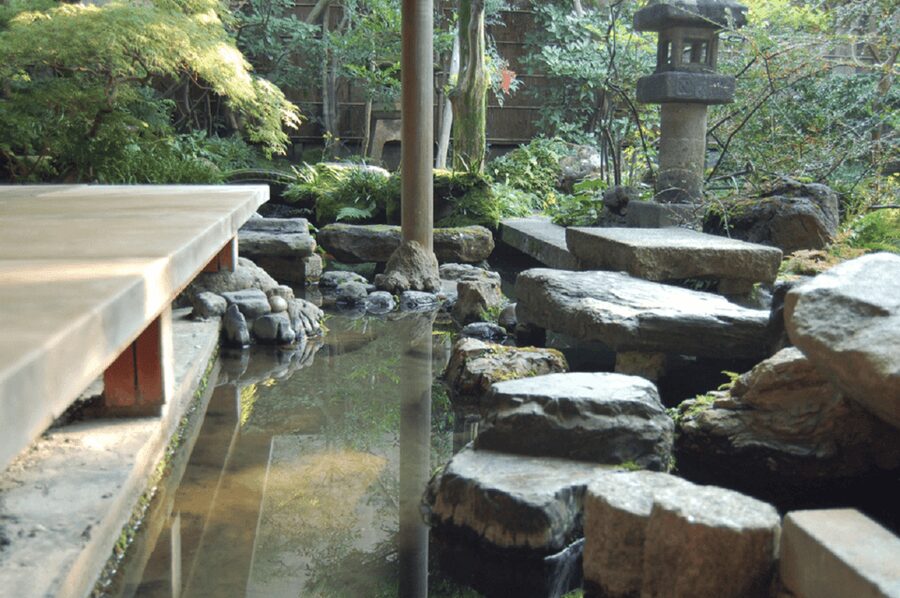
The highlight is not only the house. The Japanese garden is part of the experience, and it is your chance to reset after city walking. A garden like this also works as a living “layout” tool. It guides where you look, where you pause, and how long you linger.
You can stroll through the garden at your own pace, and the best move is to treat it like a sequence of viewpoints rather than a single pass-through. Step back and look at the residence from different angles. Look for how the garden frames the building, and how the design keeps the space feeling private even when you are in an urban district.
The residence and garden together are why this visit stands out as “value per minute.” If you only care about the building, you still get a preserved home. If you also enjoy gardens and quiet spaces, you get both in one ticket.
One note from a review that can affect expectations: one booking mentioned the possibility of drinking tea in a private area. That is not something I would plan around blindly, but it is a nice bonus if it is available during your visit. Either way, the garden itself is the main event.
Blade work and stagecraft, other sessions
- Kanazawa: Samurai Residence Remains Nomura Family admission★ 4.4 · 111 reviews
- Kanazawa: Samurai, Matcha, Gardens and Geisha Full-Day Tour★ 4.9 · 75 reviews
- Full-Day Tour from Kanazawa: Samurai, Matcha, Gardens and Geisha★ 5.0 · 68 reviews
- Kanazawa Private Tour: Highlights of an Old Samurai Town★ 5.0 · 46 reviews
Samurai artifacts and architectural details: what to actually look for
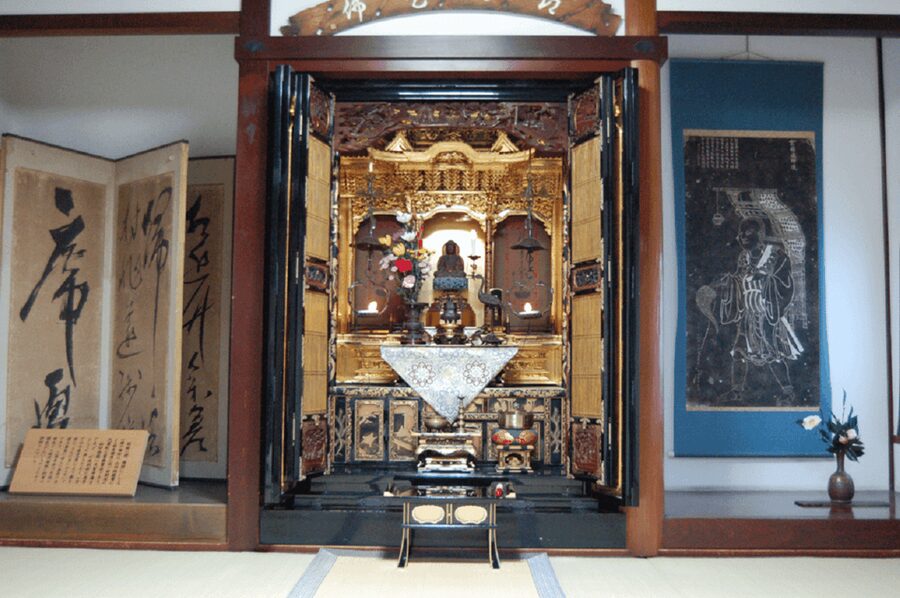
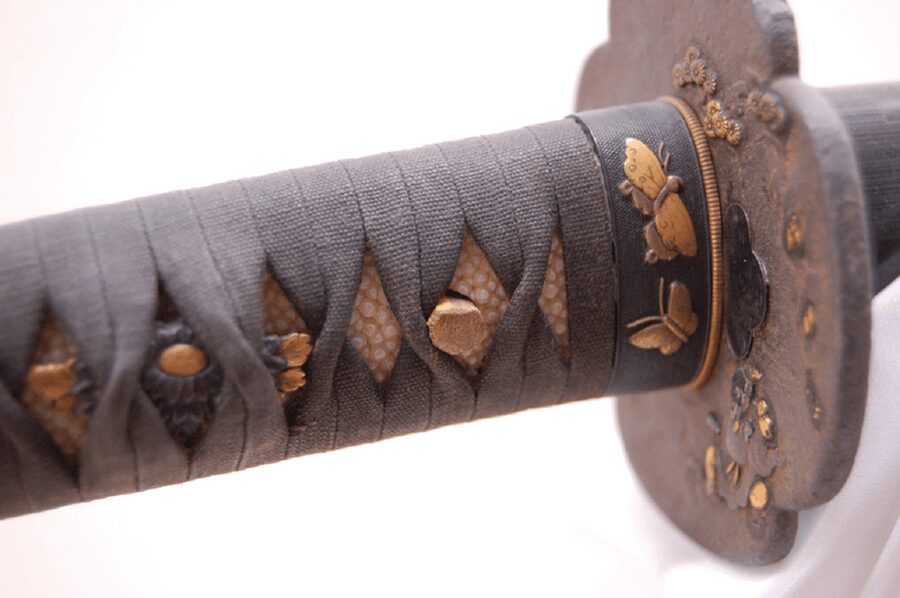
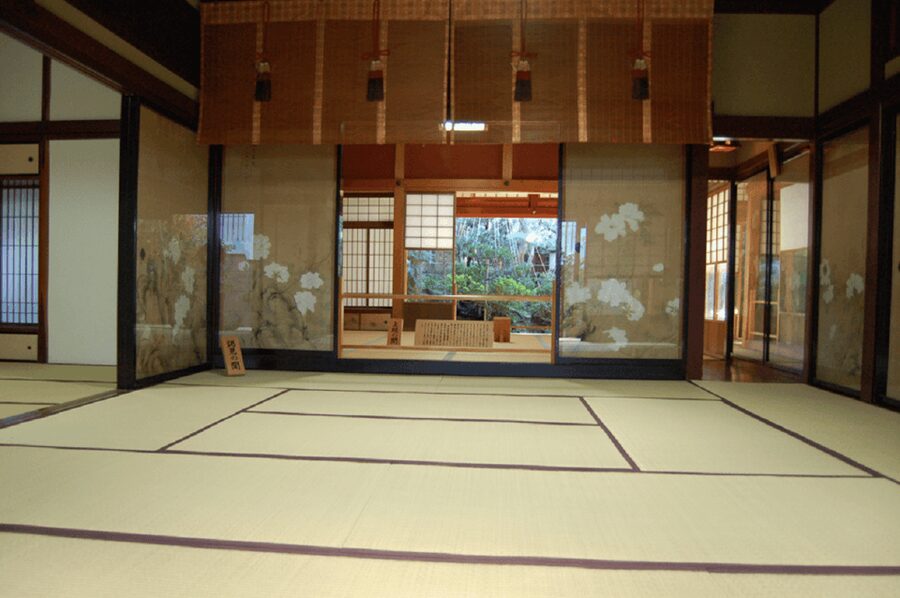
This is where the visit becomes more than a photo stop. The residence includes historical samurai artifacts along with the kind of preserved architectural details that are hard to recreate in modern exhibits. Since you cannot touch displays, you have to use your eyes and patience.
Here is a practical way to look:
- First, scan the rooms for how the space feels arranged, then focus on the artifacts.
- Second, slow down and focus on the craftsmanship cues, like joinery lines and design patterns you can spot from a few steps away.
- Third, return your attention to the building surfaces before you move on to the next area, so you are not rushing through at museum speed.
Because the rules ask you not to touch, you will rely on observation. I find that makes the experience feel more authentic. You are not “using” the place, you are viewing it.
Also, remember this is a historic design, which can mean tighter circulation. Some areas may not be wheelchair accessible due to the age and layout of the building. If mobility is a concern, consider arriving with that in mind and be prepared for sections that have limited access.
Photography rules that help you avoid common mistakes
Photography is allowed, but the site is specific:
- No flash photography.
- No tripods inside.
- Commercial photography or filming requires prior approval.
On paper, that is simple. In practice, it is easy to trip up if you show up with habits from other stops. Skip the flash entirely. If you want steady shots, rely on handheld techniques or plan your tripod use outside, not inside. And if you are doing any serious filming for a project, do not assume “normal tourism” rules apply.
One thing I like: the restrictions keep the space from becoming chaotic. That matters in a place that is all about quiet viewing and careful preservation.
If you are someone who likes to capture details, focus on wider room shots from a respectful distance, then grab a few close-ups of artifact labels and architectural textures. That way, you get what you came for without lingering too long in walkways.
Price and value: is $3.55 a good deal in Kanazawa?
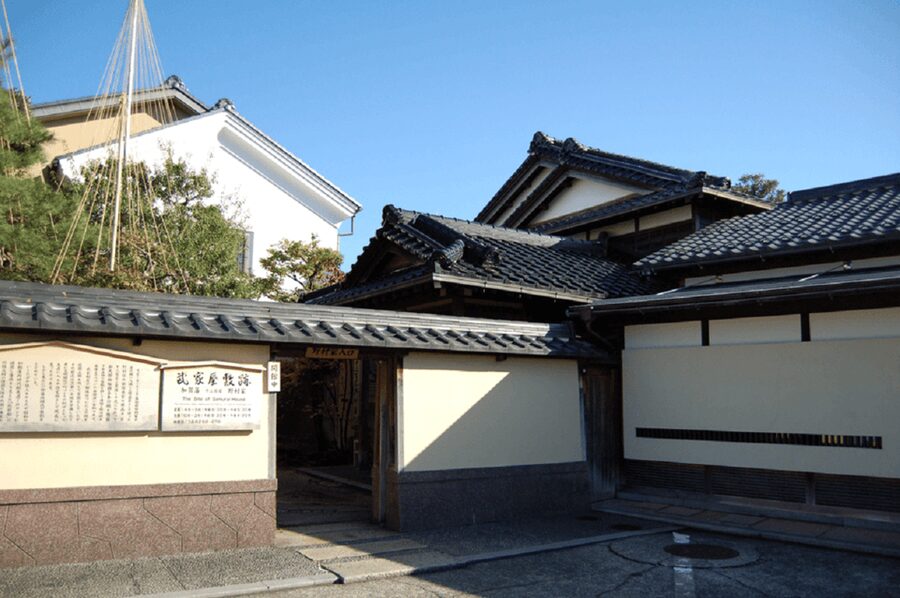
At about $3.55 per person, this is one of those purchases that feels sensible fast. You are paying for access to a preserved residence and garden that would otherwise be closed off. Most sightseeing in Japan has a cost, and even when tickets are cheap, they are often for something rebuilt or simplified.
Here, you are paying for a home tied to Nomura Denbei Nobusada and connected to Maeda Toshiie. Even if you do not memorize names, the value comes from the setting: you are inside a real preserved structure, not just viewing a painted concept.
Also consider time cost. The ticket is valid for 1 day, so you do not have to stress about squeezing it into one exact minute. You can pair it with the wider Nagamachi strolling in your own rhythm. Think of it as a high-impact cultural stop you can fit between longer attractions.
The main “value risk” is personal fit. If you want interactive exhibits, food service, and easy comfort, you may not love the stricter inside rules. But if you want to see how a samurai household space and garden were designed to work together, it is hard to beat for the money.
How to fit it into your day in the Nagamachi district
The meeting point is simple: proceed directly to Kanazawa Samurai Residence for redemption. The coordinates are 36.5642325, 136.6501985, so if you navigate with maps, you can plug those in and reduce stress.
In terms of planning, I suggest this order:
- Start with the Nagamachi stroll so the neighborhood mood sets in.
- Go to the residence when you are ready to slow down and look carefully.
- After, keep walking nearby lanes so your brain connects buildings to lived space.
Because this is a residence and garden, your experience improves when you are not racing. Even though the ticket is valid for 1 day, treat it like a meaningful stop, not a checkbox.
If you are juggling multiple Kanazawa sights, this one still fits well because it gives a different angle. It is not only a temple or only a craft shop. It is a slice of domestic samurai life, right in the district where that story belongs.
Accessibility and visitor comfort: know the tradeoffs
This site is historic, so expect uneven or less-than-modern layouts. Some areas may not be wheelchair accessible. That is not a reason to skip, but it is a heads-up so you can set expectations.
You should also plan around the on-site restrictions:
- Shoes off.
- No large bags or luggage.
- No umbrellas.
- No food or drinks.
- No flash photography, and no tripods inside.
If you are carrying a big daypack, lightening your load before you arrive will help. If you are traveling in rainy season, consider packing a compact alternative so you are not stuck with an umbrella on arrival. These kinds of small conflicts can turn a pleasant visit into a headache, and the rules are strict enough that you want to be prepared.
One more practical lesson from a low rating: one booking issue described getting stuck because a QR code or ticket access did not work at the site. You cannot control every tech problem, but you can reduce your risk by keeping your confirmation details accessible on arrival.
Should you book the Nomura Family Samurai Residence admission?
Yes, if your idea of a good historical stop is calm, preserved, and quiet. This is a strong choice for anyone visiting Kanazawa for the first time and wanting the Nagamachi Samurai District experience in a single, high-value ticket. The 400-year-old home, the garden stroll, and the samurai artifacts make it worth your time, even if you are not a deep samurai-nerd.
Skip it only if you need a modern, fully accessible layout, a food-and-drink environment, or lots of hands-on interpretation. The site is designed for respectful viewing, with shoes off and rules that limit certain conveniences.
If you want a simple decision: book it, then show up ready for quiet looking and careful rules. You will leave with a clearer sense of what samurai life looked like in space, not just in stories.
FAQ
What is included with my admission ticket?
Your ticket includes admission to the Kanazawa Nomura Samurai Residence.
Where do I redeem or meet for this experience?
Proceed directly to Kanazawa Samurai Residence for redemption. Coordinates: 36.5642325, 136.6501985.
How much does admission cost?
Price is listed as $3.55 per person.
How long is the ticket valid?
The ticket is valid for 1 day.
Is this activity refundable?
No, this activity is non-refundable.
Can children visit for free?
Children under 6 years old can enter for free.
Do I need to remove my shoes?
Yes. Shoes must be removed before entering.
What items are not allowed inside?
Smoking is not allowed, food and drinks are not allowed, and luggage or large bags are not allowed. Umbrellas are also not allowed. Flash photography is not allowed.
Is photography allowed?
Yes, photography is allowed, but no flash or tripods are allowed inside. Commercial photography or filming requires prior approval.
Is the residence wheelchair accessible?
Some areas may not be wheelchair accessible due to the historic design.
Blade Work and Stagecraft


A Kanazawa Afternoon




Newest Kanazawa write-ups from the Loving Japan desk


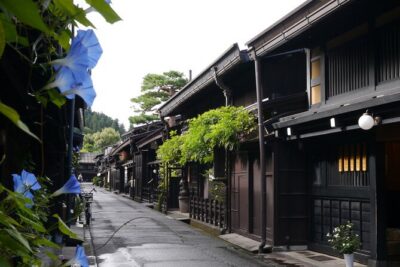
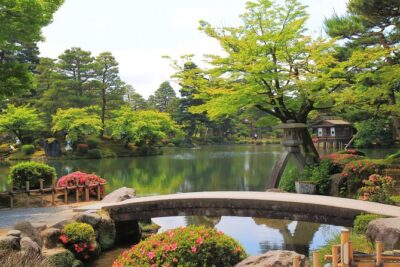

Kanazawa and Kenroku-en Garden, side by side.
 ★ 5.0World Heritage Shirakawa-go and Experience Tours from KanazawaFrom $1224,049 reviews
 ★ 4.8Kenrokuen Tea Ceremony ExperienceFrom $351,139 reviews
 ★ 4.9World Heritage Shirakawa-go Morning Guided TourFrom $77988 reviews
 ★ 5.0Kanazawa Half Day Tour (Private Guide)From $134361 reviews
 ★ 5.0Kanazawa Full Day Tour (Private Guide)From $183323 reviews
 ★ 4.9World Heritage Shirakawa-go & Two Local ExperienceFrom $116274 reviews
 ★ 5.0[One-day bus tour departing from Kanazawa Station] Shirakawa-go and Gokayama – Two World Heritage Villages Enjoyable Bus TourFrom $88253 reviews
 ★ 5.0World Heritage Shirakawa-go Perfect Guided Tour from KanazawaFrom $81220 reviews
Filed on these lists too