
REVIEW · ARASHIYAMA AND THE BAMBOO GROVE
Kyoto Arashiyama Bamboo Forest & Scenery Customized Private Tour
Kyoto’s Arashiyama has a way of stopping time. This private walking tour pairs iconic sights like Togetsukyo Bridge and the bamboo area with calmer temples and scenic corners in Sagano. You get a licensed local English speaking guide, and you can pick 2 to 3 stops based on what you care about.
I like two things right away: the built-in flexibility to tailor the day, and the chance to see more than the usual bamboo photos. If your guide is thoughtful with pacing and timing, the experience can feel more like a walk with a local than a checklist.
One consideration: you are walking with moderate walking and there is no hotel pick-up, plus you may need to cover your own transit between spots.
In This Review
- Key things I’d highlight before you book
- Entering Kyoto via Arashiyama’s calmer edge
- Price and what you’re really paying for at about $132
- The meeting point reality: Saga Arashiyama Station, then on foot
- Classic start: Togetsukyo Bridge and the Tenryu-ji Zen garden
- Togetsukyo Bridge
- Tenryu-ji Temple (UNESCO)
- Choosing your garden and hillside time: Okochi Sanso, Jojakkoji, and Nison-in
- Okochi Sanso Garden
- Jojakkoji Temple
- Nisonin
- Temples with stranger stories: Gioji, Adashino Nembetsu-ji, and Otagi Nenbutsu-ji
- Gioji Temple, the temple of tragic love
- Adashino Nembetsu-ji Temple
- Otagi Nenbutsu-ji Temple
- Sagano’s Toriimoto: old buildings and a simple walk that feels time-warped
- Monkey Park Iwatayama and Bamboo Forest Street: handling the crowds with a plan
- Monkey Park Iwatayama
- Bamboo Forest Street
- How customization really helps you build the right Kyoto day
- Who this tour fits best, and who should skip
- Should you book this Kyoto Arashiyama and Sagano private tour?
- FAQ
- How long is the Kyoto Arashiyama Bamboo Forest & Scenery customized private tour?
- Where do I meet the guide?
- Is this a private tour?
- How much walking should I expect?
- Are temple or garden entrance fees included?
- Is a private van included?
- Does the tour run in bad weather?
- Is free cancellation available?
Key things I’d highlight before you book
- Private, customized route with 2 to 3 chosen stops, not a one-size-fits-all march
- A licensed local guide in English who explains what you’re actually seeing, not just facts
- Arashiyama classic meets Sagano side sites, including hilltop and quieter temples
- Season-sensitive gardens and foliage temples, especially Tenryu-ji and hilltop Jojakkoji
- Iconic bamboo time with photo-friendly pacing, even though it is popular
- You control the walking balance, since transfers may happen by public transit or taxi
Still in Arashiyama? Keep going west
- Kyoto: Fushimi Inari, Kinkakuji, Bamboo Grove 1 Day Bus Tour
★ 4.8 · 4,316 reviews - Osaka/Kyoto:Kinkakuji,Arashiyama,FushimiInariShrine,NaraPark
★ 4.1 · 1,596 reviews - Kyoto/Osaka: Nara, Fushimi Inari Taisha, Arashiyama Bus Tour
★ 4.7 · 1,275 reviews - Kyoto Arashiyama Walking Tour: Bamboo, Monkeys, Gardens & Secrets
★ 5.0 · 1,216 reviews
Entering Kyoto via Arashiyama’s calmer edge
Arashiyama and Sagano sit on the western side of Kyoto, where the river views, forest trails, and temple steps make the city feel less grid-like. This tour works well because it starts you in the right place, Saga Arashiyama, and then lets you spread out over nearby districts rather than compressing everything into Kyoto Station chaos.
What makes this kind of private walking tour valuable is how it changes your relationship with the sights. Instead of squeezing into crowds at fixed times, you can slow down for views, ask questions on the spot, and trade “must-see only” for what matches your mood.
Price and what you’re really paying for at about $132
At $132.14 per person for a roughly 4-hour private tour, the value comes from two practical things.
First, you’re paying for guided time in a dense area. Arashiyama looks simple on a map, but temples have timing, routes, and etiquette that are easier with a local guide. The guide also helps you avoid wasting time guessing which turns connect cleanly.
Second, customization is part of the package. Many tours sell the idea of choice, but this one specifically lets you pick 2 to 3 places. That means you can build around your interests, for example: Zen gardens, fall maples, the bridge view, or unusual temples that most first-time visitors skip.
What to watch: entrance fees for yourself are not included. Several stops are listed as not included, while some are free. So your final total depends on what you choose to go inside.
The meeting point reality: Saga Arashiyama Station, then on foot
You meet at JR Saga-Arashiyama Station, in front of a ticket gate. Your tour ends back at the meeting point, so you are not stranded across Kyoto at the end of a long day.
Because there is no private van, you’ll either walk between nearby areas or use public transit and local taxis if your guide chooses to transfer. This matters because it affects your pacing. If you want a more relaxed experience, ask your guide for a plan that minimizes steep climbs and backtracking.
Bring comfortable shoes. The itinerary includes hillside temples and stair-focused areas, and the tour description calls out a moderate physical fitness level. Also, this is rain or shine, so a small umbrella or light rain layer is a smart move.
Build the day yourself. Other private options
- Kyoto: Arashiyama Customized Rickshaw Tour & Bamboo Forest★ 5.0 · 432 reviews
- Kyoto: Private Customized Walking Tour with a Local Insider★ 4.8 · 383 reviews
- Kyoto Customized Private Tour: See Top Attractions in 1 Day★ 5.0 · 342 reviews
- Kyoto: Private Customizable Day Tour with Guide and Vehicle★ 4.9 · 334 reviews
- Kyoto/Osaka: Kyoto and Nara Customized Private Guided Tour★ 4.6 · 258 reviews
Classic start: Togetsukyo Bridge and the Tenryu-ji Zen garden
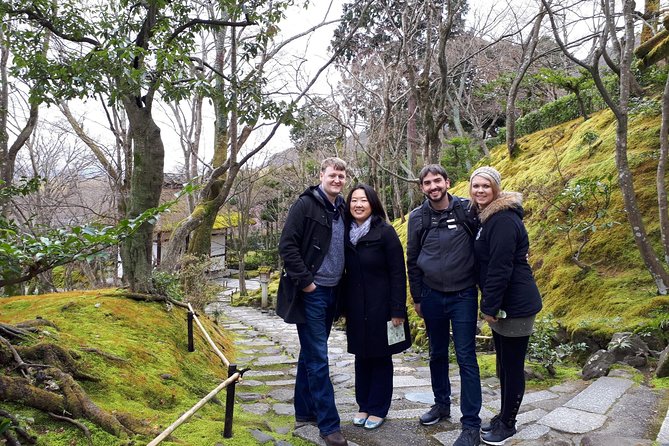
Most people start Arashiyama for the view, and this tour begins in a sensible way, with the Togetsukyo Bridge and nearby temple time.
Togetsukyo Bridge
The bridge is 155 meters long and crosses the Katsura River, and it is one of those scenes where the background does half the work for you. If you like photography, aim to take a few minutes just standing still. The mountains and river rhythm change across the day.
Because the tour is private, you are not forced to keep pace with a big group. That helps you get your photos without feeling like you’re constantly dodging elbows.
Tenryu-ji Temple (UNESCO)
Tenryu-ji is one of Kyoto’s famous Zen temples and includes a garden that changes with the seasons. It is a UNESCO World Heritage Site, which is basically Kyoto’s way of saying: this place is important and worth slowing down for.
Entrance is not included, so decide in advance whether you want the garden and temple interiors. If you love Zen gardens, you’ll probably feel it was worth budgeting for. If you’re mostly into exterior views and quick photo stops, you might select fewer paid interiors elsewhere.
Choosing your garden and hillside time: Okochi Sanso, Jojakkoji, and Nison-in
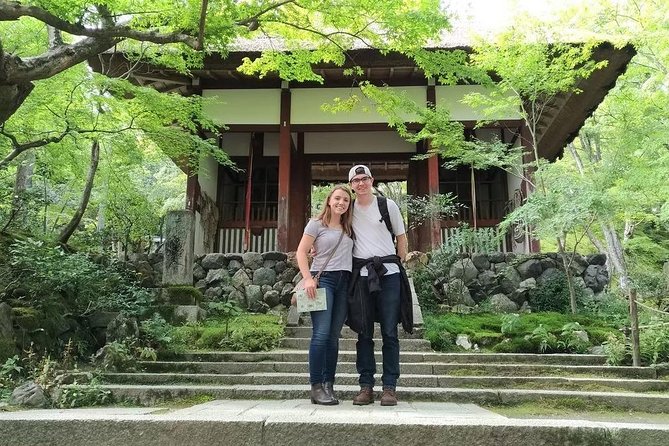
This is where the tour becomes more than sightseeing. It becomes seasonal and emotional.
Okochi Sanso Garden
Okochi Sanso is the villa garden built over years by Denjiro Okochi, known for Samurai film. The grounds cover a large area, and the garden is framed by cherry blossoms in spring and autumn colors later on.
Entrance is not included. If your timing is around cherry blossom season, or peak fall foliage, Okochi Sanso tends to be the kind of stop that makes the rest of the day feel worthwhile.
Jojakkoji Temple
Jojakkoji sits on the hillside of Mt Ogura, famous for autumn foliage since the late Heian period. The temple has about 200 old maple trees, and the color shift here is the point.
If you’re visiting in another season, it can still be satisfying, but your return on time depends on what you care about. If you’re chasing reds and oranges, this stop is built for you.
Nisonin
Nison-in is described as a quiet temple with landscapes that have survived about 1200 years. It is also famous for autumn foliage, and the name Nison-in ties back to the two principal figures enshrined there.
Again, entrance is not included. If you’re trying to keep spending down, you can use it as a choose-and-drop stop. If your group loves atmosphere and stillness, Nison-in is the kind of place where your guide’s context helps more than you expect.
Temples with stranger stories: Gioji, Adashino Nembetsu-ji, and Otagi Nenbutsu-ji
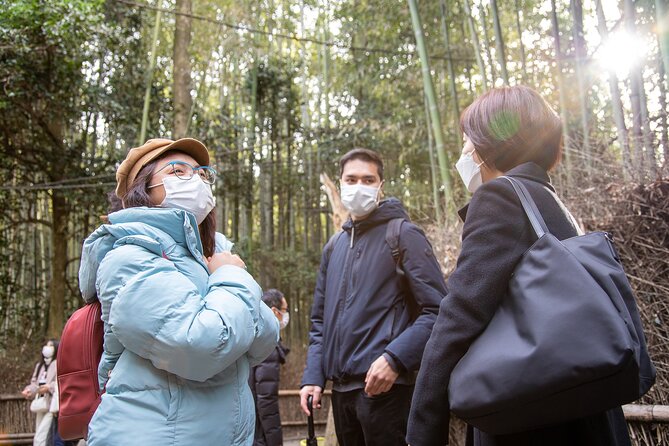
Not every temple stop here is about the “pretty postcard” version of Kyoto. That is a big part of why a guided route can feel more rewarding.
Gioji Temple, the temple of tragic love
Gioji is known for a story tied to courtly culture and heartbreak. It is described as the place where a lady dancer, favored at the time, lost favor and later became a nun after a broken heart.
This is the kind of stop where you do not need to understand every detail of the story to feel the mood. With a guide, you get the why behind the temple’s reputation, and that makes the grounds more than just another quiet place.
Adashino Nembetsu-ji Temple
Adashino Nembetsu-ji is tied to burial traditions that stretch back to ancient times, first wind burial, later earth burial. People dedicated a stone Buddha and mourned for the eternal separation of the dead.
This is not a “light and fun” stop, and it is worth treating with respect and a slower pace. If you prefer only upbeat scenes, you might skip it. If you like deeper cultural context, your guide’s explanation can turn this from “odd stop” into one of the most memorable parts of the day.
Otagi Nenbutsu-ji Temple
Otagi traces back to the 8th century, and it has a very complicated recent history. The temple became uninhabited during World War II and was abandoned after a typhoon in 1950 caused extensive damage.
What makes Otagi compelling is that it highlights how places survive, change, and get rebuilt in real human ways. The entrance is not included, so you’ll want your guide’s recommendation if you’re deciding between paid and free stops.
Sagano’s Toriimoto: old buildings and a simple walk that feels time-warped
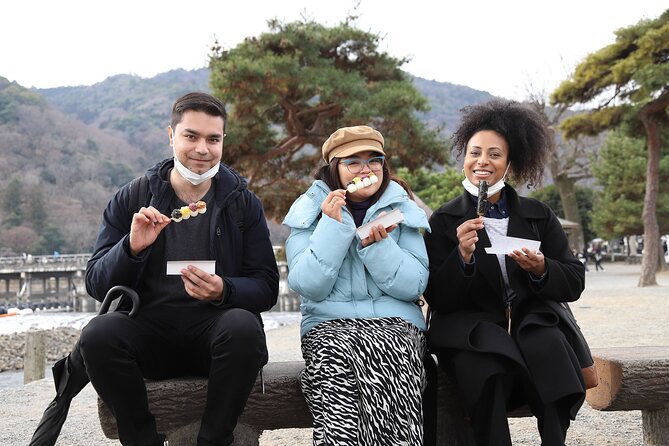
Toriimoto is the Saga Toriimoto Traditional Buildings Preservation Area. It is a conservation zone at the far end of Sagano, about 600 meters along Atago Highway leading to Atago Shrine.
This stop is listed as free. That matters because it gives you a break from paid entrances while still adding “Kyoto texture” to your day. If you like seeing how people actually lived, this kind of preserved neighborhood can be more satisfying than another temple interior.
Monkey Park Iwatayama and Bamboo Forest Street: handling the crowds with a plan
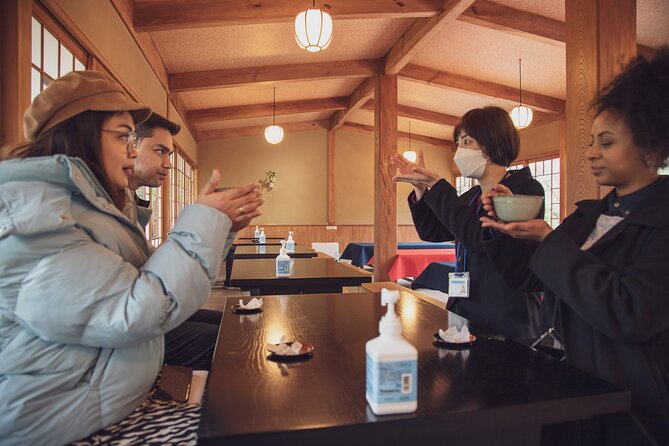
The bamboo forest is iconic, and it can also be packed. What a good guide does is help you use the time efficiently.
Monkey Park Iwatayama
Monkey Park Iwatayama is for animal lovers, with about 120 Japanese macaques living in the wild in the park. The park is described as full of nature, and monkeys can be seen throughout the year.
Entrance is not included. If you have zero interest in macaques or you’re traveling with limited time, it’s easy to swap this stop out. But if you like animals and want a nature-based contrast to the temples, it is a smart choice.
Bamboo Forest Street
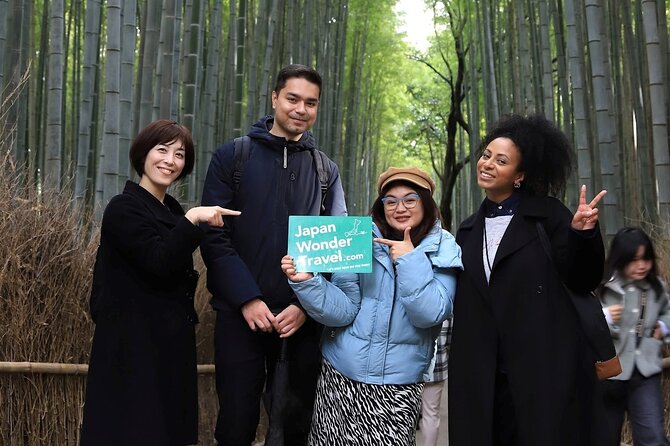
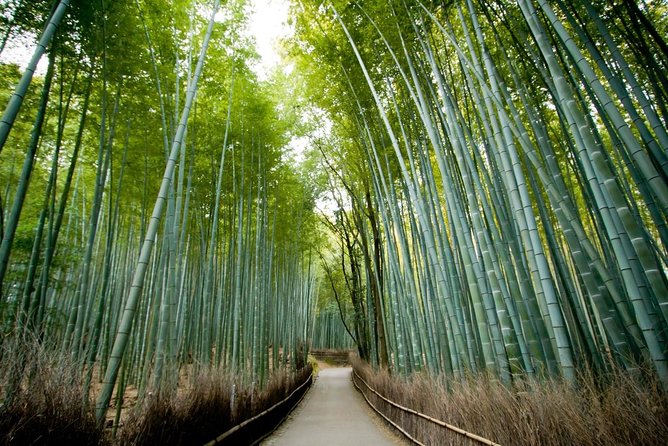
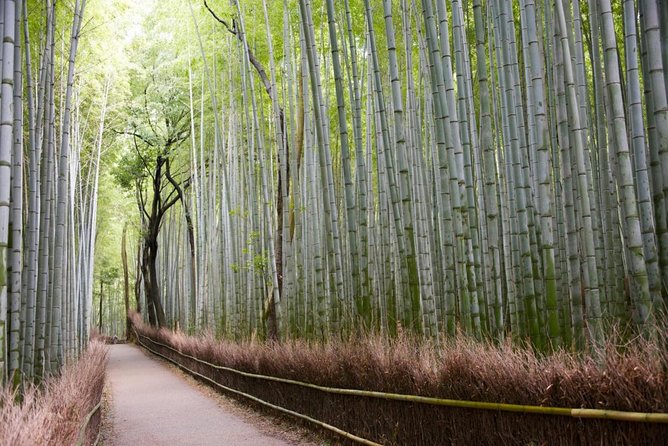
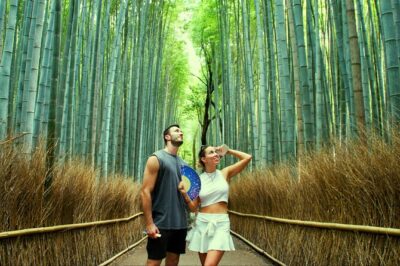
Bamboo Forest Street is described as one of Kyoto’s biggest attractions, with thousands of tall bamboo making it feel like a fairy tale. It is listed as free, so you can spend as long as you want there without an extra admission decision.
The private setup helps here. Instead of getting dumped into a rigid line, you can take breaks, step to viewpoints, and adjust your walking pace so the experience feels like yours. Also, since the tour runs rain or shine, bamboo can look very different after rainfall, when the scene feels darker and more dramatic.
How customization really helps you build the right Kyoto day
This tour is built around a simple idea: pick 2 to 3 places and shape the day around your interests. That is huge if you already know which “big hits” you want, or if you want one special interior stop and a few scenic exteriors.
Here are a few practical ways to choose stops:
- If you love gardens and Zen, lean toward Tenryu-ji plus one garden or temple interior like Okochi Sanso or Nison-in.
- If you’re a photo-first person, prioritize Togetsukyo Bridge and Bamboo Forest Street, then add one paid interior if it matches your time.
- If you want the Kyoto that most people skip, consider the more unusual temples like Adashino Nembetsu-ji and Otagi Nenbutsu-ji for a deeper cultural contrast.
- If your group includes kids or animal fans, add Monkey Park Iwatayama as a break from temples.
A note on guide quality: multiple guides are named in guest feedback, including Takuma Goda, Osamu, Nao, Fuji, Yasuna, Akiko, Kazu, Woody, Yumiko, Naomi, and Koji. Across those names, the consistent theme is that guides adjust pace, help with questions, and try to make sure you see what you came for, not just what is on a printed plan.
Who this tour fits best, and who should skip
This is best for you if:
- you want a private walking experience in a specific Kyoto area
- you like having time to ask questions and linger at viewpoints
- you enjoy mixing famous scenes with less common temples and neighborhoods
It may be a worse fit if:
- you have limited tolerance for stairs and hillside walking
- you want a taxi-or-van-only day with minimal walking
- you strongly prefer only “pretty and cheerful” stops, since some temple sites are tied to mourning, tragedy, or darker history
Should you book this Kyoto Arashiyama and Sagano private tour?
I’d book it if you want the Arashiyama experience with breathing room. The value is in the pairing: iconic Arashiyama views plus nearby Sagano places that are quieter and more layered. Customization is the real advantage, because it lets you choose whether your day is about gardens, bridges and bamboo, animal nature, or deeper temple stories.
If you budget for a couple of paid entrances, wear good shoes, and give your guide room to shape the route, this is the kind of half-day that leaves you feeling like you saw more of Kyoto than most people do.
FAQ
How long is the Kyoto Arashiyama Bamboo Forest & Scenery customized private tour?
The tour is approximately 4 hours.
Where do I meet the guide?
You meet at JR Saga-Arashiyama Station, in front of a ticket gate.
Is this a private tour?
Yes. It is a private tour for your group only.
How much walking should I expect?
The tour includes a moderate amount of walking and you should wear comfortable walking shoes. A moderate physical fitness level is recommended.
Are temple or garden entrance fees included?
Entrance fees are not included. Some stops are listed as free, but places like Tenryu-ji and Okochi Sanso are not included.
Is a private van included?
No. The tour is a walking tour, and a private van is not included. Public transportation or local taxis may be used between spots, and those costs are not included.
Does the tour run in bad weather?
Yes. The tour takes place rain or shine.
Is free cancellation available?
Yes. You can cancel up to 24 hours in advance for a full refund. If you cancel less than 24 hours before the start time, it is not refundable.
Your Driver, Your Route Through Kyoto
Further Into Arashiyama

Newest Kyoto write-ups from the Loving Japan desk
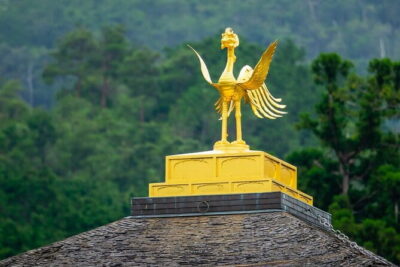

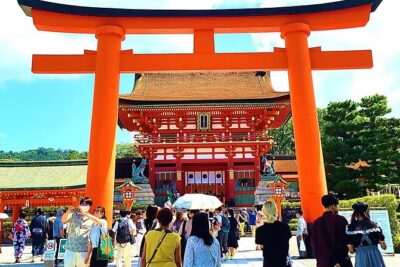
Arashiyama and the Bamboo Grove, side by side.
 ★ 4.8Fushimi Inari, Kinkakuji, Bamboo Grove 1 Day Bus TourFrom $1224,316 reviews
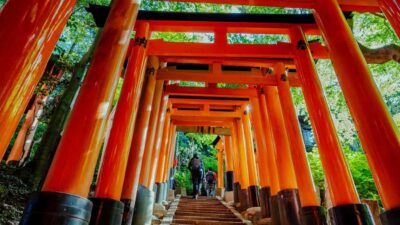 ★ 4.1Osaka/Kyoto:Kinkakuji,Arashiyama,FushimiInariShrine,NaraParkFrom $661,596 reviews
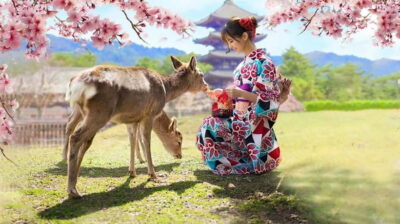 ★ 4.7Kyoto/Osaka: Nara, Fushimi Inari Taisha, Arashiyama Bus TourFrom $521,275 reviews
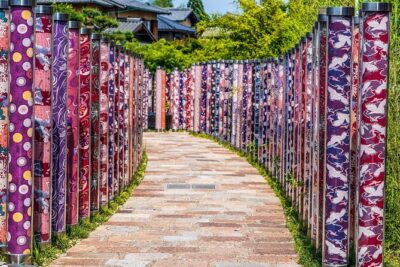 ★ 5.0Kyoto Arashiyama Walking Tour: Bamboo, Monkeys, Gardens & SecretsFrom $651,216 reviews
 ★ 4.8Arashiyama Bamboo, Temple, Monkeys, or Secret Sake BreweryFrom $87886 reviews
 ★ 5.0Arashiyama Bamboo Forest, Monkeys, Matcha & Temple TourFrom $53759 reviews
 ★ 4.4Osaka/Kyoto: Arashiyama, Nara & Fushimi Inari Shrine w/LunchFrom $61754 reviews
 ★ 5.0Nijo, Kinkaku-ji, Arashiyama, Kiyomizu & Fushimi InariFrom $51699 reviews
Filed on these lists too