
REVIEW · NARA DEER PARK AND TODAI-JI
Kyoto/Osaka: Nara, Fushimi Inari Taisha, Arashiyama Bus Tour
One day, three Kyoto classics, zero map stress. This tour strings together Nara Park deer-feeding and the unforgettable Fushimi Inari torii tunnel, then slows down in Arashiyama’s bamboo area. I like that the pace gives you real time to look around, not just a quick photo and run, but there is one trade-off: some stops are short, so if you hate moving on, you may feel rushed.
The biggest win is how organized it feels. You get an English-speaking guide on an air-conditioned vehicle, plus clear meet-ups that keep the day running on time even when weather and traffic wobble the schedule.
In This Review
- Quick takeaways before you go
- The One-Day Route: Osaka to Kyoto to Nara to Arashiyama
- Nara Park Deer Feeding: Shika Senbei and Etiquette
- Fushimi Inari Taisha: Vermilion Torii Gates for Prosperity
- Arashiyama Bamboo Forest Walking Time for Zen Calm
- Nonomiya Shrine and the Unpainted Kuroki Torii
- Tenryu-ji Temple (UNESCO) as an Optional Extra Fee
- Togetsukyo Bridge Views, Rickshaw Pass-By, and the Kimono Forest
- Price and Logistics: What $52 Buys You in Kyoto and Nara
- Pacing, Crowds, and Your Best Strategy at Each Stop
- What to Pack, and How to Stay in the Group
- Should You Book This Kyoto and Nara Day Tour?
- FAQ
- How long is the tour?
- What does the $52 price include?
- Do I pay extra for Tenryu-ji Temple?
- Where are the meeting points, and where can I get dropped off?
- What language is the guide?
- What should I bring, and what is not allowed?
Quick takeaways before you go
- Nara Park deer with shika senbei: feed the gentle messengers, then enjoy the park as a nature break from city touring
- Fushimi Inari’s prosperity torii climb: see why over 10,000 gates make people pause and breathe
- Arashiyama bamboo forest walking time: enough space to slow down and actually watch how light moves through the stalks
- Nonomiya Shrine and the Kuroki Torii: a calm stop with love and academic blessing vibes
- Tenryuji Temple is optional: add UNESCO time when you want a quieter, garden-focused moment
- Kimono Forest photo stop: 600 patterned pillars, built for fun pictures without needing extra planning
Still in Arashiyama? Keep going west
- Kyoto: Fushimi Inari, Kinkakuji, Bamboo Grove 1 Day Bus Tour
★ 4.8 · 4,316 reviews - Osaka/Kyoto:Kinkakuji,Arashiyama,FushimiInariShrine,NaraPark
★ 4.1 · 1,596 reviews - Kyoto/Osaka: Nara, Fushimi Inari Taisha, Arashiyama Bus Tour
★ 4.7 · 1,275 reviews - Kyoto Arashiyama Walking Tour: Bamboo, Monkeys, Gardens & Secrets
★ 5.0 · 1,216 reviews
The One-Day Route: Osaka to Kyoto to Nara to Arashiyama
This is a long, classic day trip that hits major Kyoto-and-Nara highlights in one shot. You leave Osaka at 8:00 AM, then you also depart from Kyoto at 9:00 AM. That structure matters because you avoid the mental tax of figuring out transit connections, especially if you only have a day (or you just don’t want to spend it on schedules).
You’ll be in the field for about 9 to 10 hours, with a mix of guided talking time and self-guided wandering. That balance is good for most first-timers. You get the context you’d miss if you were solo, then you get freedom to choose where to stand and what to photograph.
The itinerary is built for a flow: start with Nara, move into the torii-gate atmosphere at Fushimi Inari, then land in Arashiyama, where the mood shifts toward walking, light, and scenery. Just know that this kind of full-day routing favors people who are okay with moving after each stop.
Nara Park Deer Feeding: Shika Senbei and Etiquette
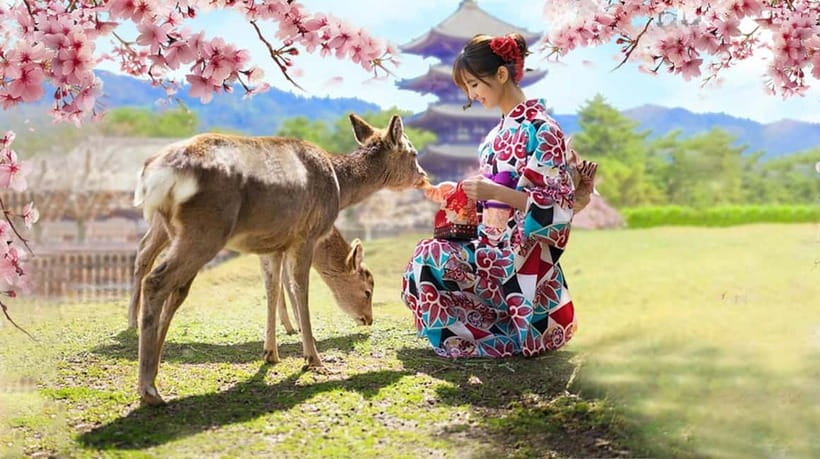
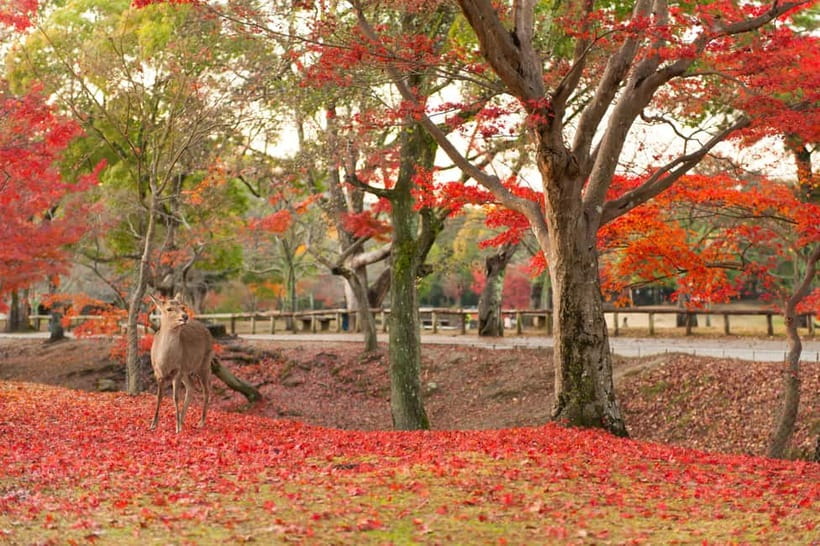
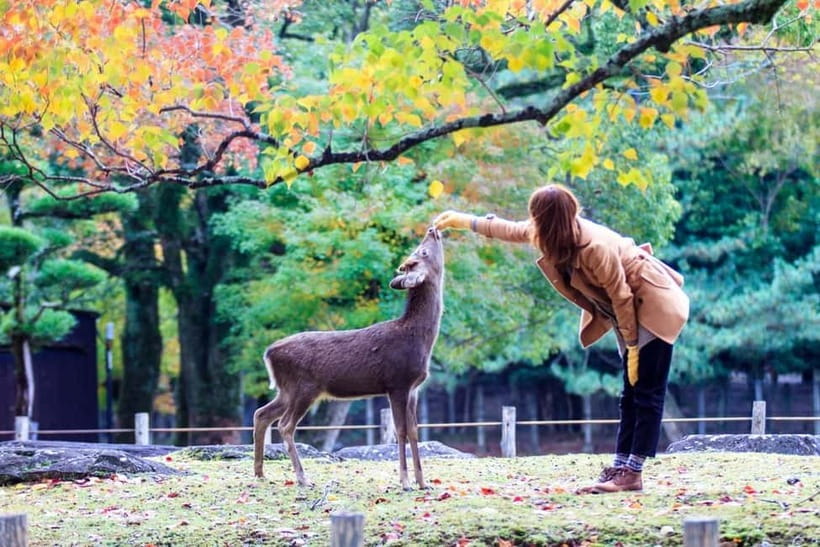
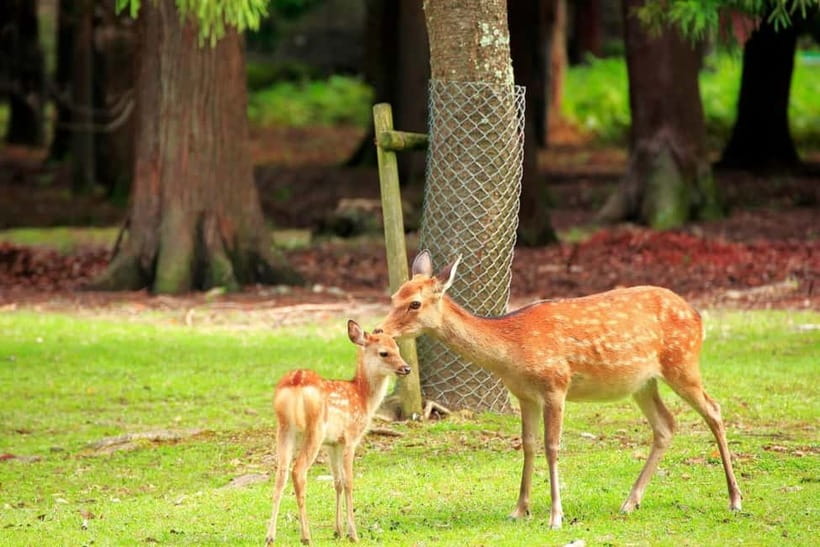
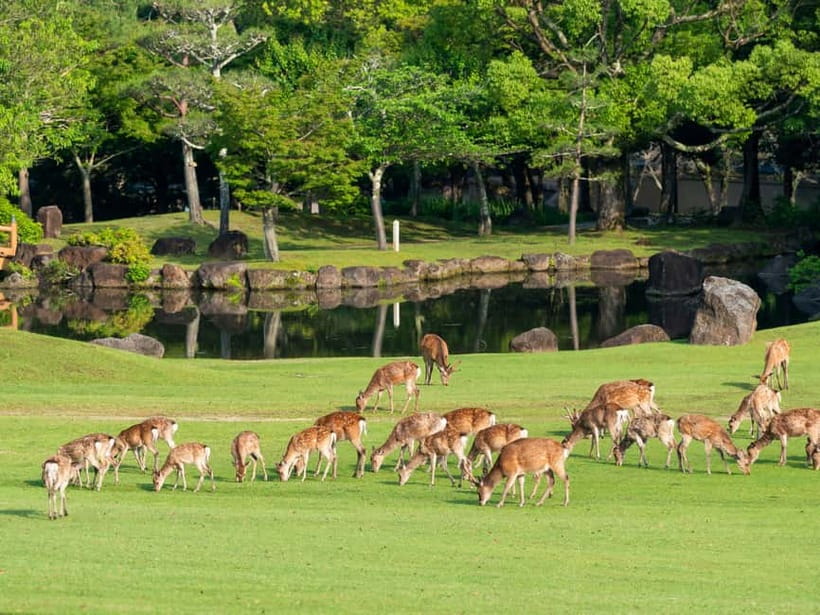
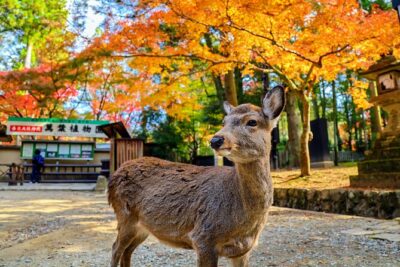
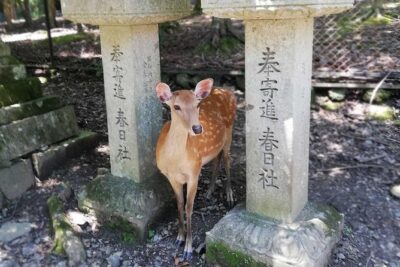
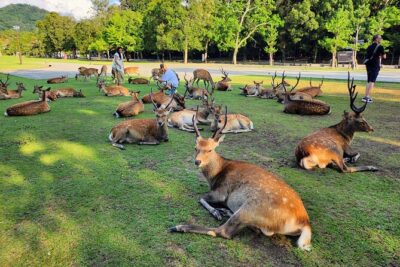
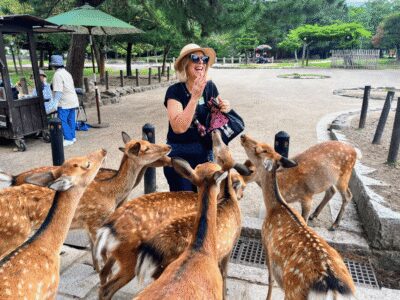
Nara Park is where the tour earns its charm fast. You get about 1 hour here with over 1,000 deer roaming freely, treated as sacred messengers. The headline activity is feeding them shika senbei (deer crackers). It sounds simple, but it’s one of those experiences that instantly turns into a memory because the deer come up to you like they own the place.
Practical tip: hold the crackers securely, and keep your hands low and calm. The deer are used to visitors, but they can get enthusiastic. If you come with a stroller or you’re traveling with kids, you’ll want extra attention around bag straps and dangling items.
The trade-off is that deer park time can mean some crowd energy, especially around feeding moments. Plan to enjoy the moment, then take a slower walk once the main feeding rush is past. The tour’s one-hour timing is usually enough to feed, watch behavior, and get a few photos without burning the whole day.
Fushimi Inari Taisha: Vermilion Torii Gates for Prosperity
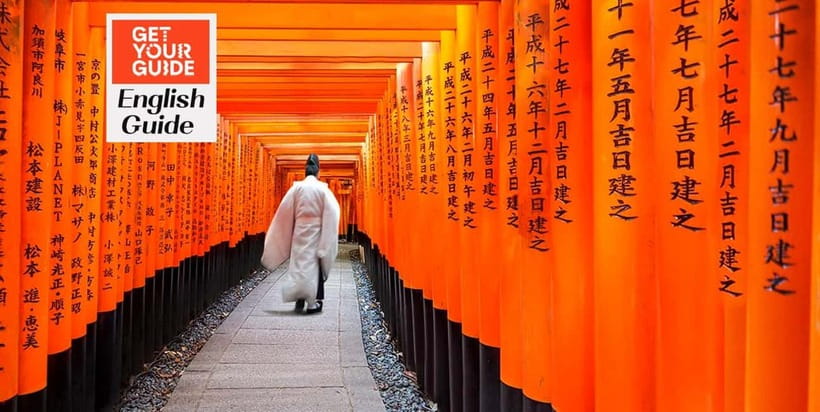
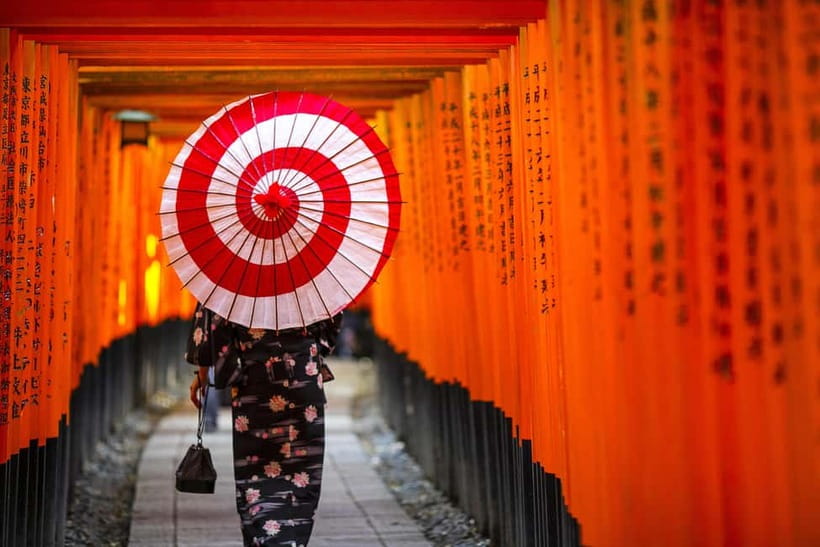
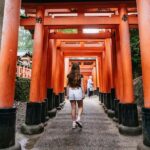
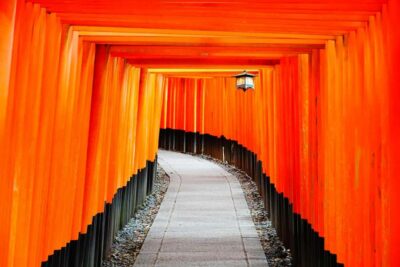
Fushimi Inari Taisha is the stop most people picture when they think of Kyoto’s iconic scenes. You get about 70 minutes here, and it’s plenty time to enter the torii-gate corridor and soak in the atmosphere without sprinting.
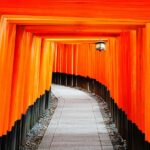
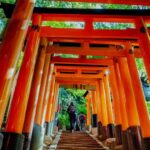
What makes this place work so well as part of a bus tour is the way it’s layered. You start at the gate entrance, step into the bright red tunnel, and the walking path naturally slows you down. The shrine is dedicated to the god of prosperity, and the scale is what hits you: over 10,000 torii gates winding up the mountainside. Even if you don’t climb far, the setting feels like a spiritual photo essay.
A fun extra from the tour materials is that Fushimi Inari shows up in pop culture. It’s been linked to films like Memoirs of a Geisha and Detective Conan, which makes it easier to spot why the site became so recognizable.
Consideration: torii corridors attract photos, and the crowd flow can be tight. If you hate waiting in lines, focus on walking deeper where there is more breathing room, then come back for any final shots at the most famous angles.
Which temple to give the morning to, reviewed
- Kyoto: Tea Ceremony in a Traditional Tea House in Kiyomizu★ 4.9 · 3,519 reviews
- Kyoto: Nijo-jo Castle and Ninomaru Palace Guided Tour★ 4.7 · 1,020 reviews
- Osaka/Kyoto: Arashiyama, Nara & Fushimi Inari Shrine w/Lunch★ 4.4 · 754 reviews
- Kyoto: Nijo Castle, Kiyomizu & Fushimi Inari Guided Tour★ 4.7 · 700 reviews
- Kyoto: Nijo, Kinkaku-ji, Arashiyama, Kiyomizu & Fushimi Inari★ 5.0 · 699 reviews
Arashiyama Bamboo Forest Walking Time for Zen Calm
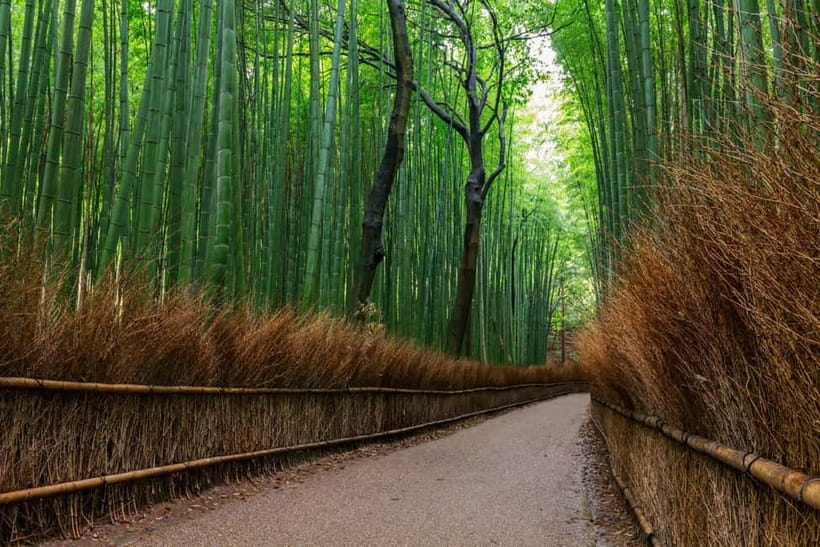
Then the day pivots. Arashiyama gets about 2.5 hours, and within that window you get bamboo forest time. The bamboo section is scheduled as a short photo-and-walk stop (around 15 minutes for the bamboo area), which is exactly why this tour is useful. You get a taste of the famous bamboo without needing a half day to plan around it.
What you’re really there for: the way sunlight filters through the stalks and the way your footsteps change the soundscape. In that short stretch, you can switch gears from busy touring to something calmer. If you want more, you can usually linger within the larger Arashiyama window, but the tour keeps the day moving.
Practical note: bamboo forest walking is still walking. Sturdy shoes matter, and if it’s wet, bring your umbrella even if the forecast looks fine. Ground conditions can change quickly, and Arashiyama’s paths involve regular turning, stepping, and short uphill stretches.
Nonomiya Shrine and the Unpainted Kuroki Torii
One of the smartest add-ons in this itinerary is the Nonomiya Shrine stop, about 15 minutes. It’s associated with blessings for love and academics, which gives the visit a more personal feel than the big tourist icons.
You’ll also hear about the Kuroki Torii, the unpainted gate. It’s one of those details that makes a small shrine feel special because it’s specific, not just generic shrine scenery. Even with short time, the Kuroki Torii setting in the Arashiyama bamboo area gives you a contrast: big red torii earlier at Fushimi, then quieter, darker wood here.
If you like getting a little meaning with your photos, this is a good stop. If you are shrine fatigue-prone, keep your expectations realistic. Fifteen minutes here is for quick appreciation, a photo if you want it, and then onward.
Tenryu-ji Temple (UNESCO) as an Optional Extra Fee
Tenryu-ji is a UNESCO World Heritage site, and it’s the itinerary’s optional quiet-time lever. It’s listed as extra fee, and the tour frames it around the Sogenchi Garden, known for using borrowed scenery and showing off striking autumn colors.
Why it can be worth paying extra: you already get busy visuals at Nara and Fushimi. Tenryu-ji gives you a calmer, slower-feeling change of pace, and UNESCO sites tend to reward even short visits because the grounds are designed for lingering. If your group likes gardens, this is the better use of add-on money.
Why you might skip it: this tour already compresses several big-ticket sights. If you’d rather spend that Arashiyama time on bamboo, bridge views, or food stops, you can treat Tenryu-ji as optional and keep your day lighter.
Togetsukyo Bridge Views, Rickshaw Pass-By, and the Kimono Forest
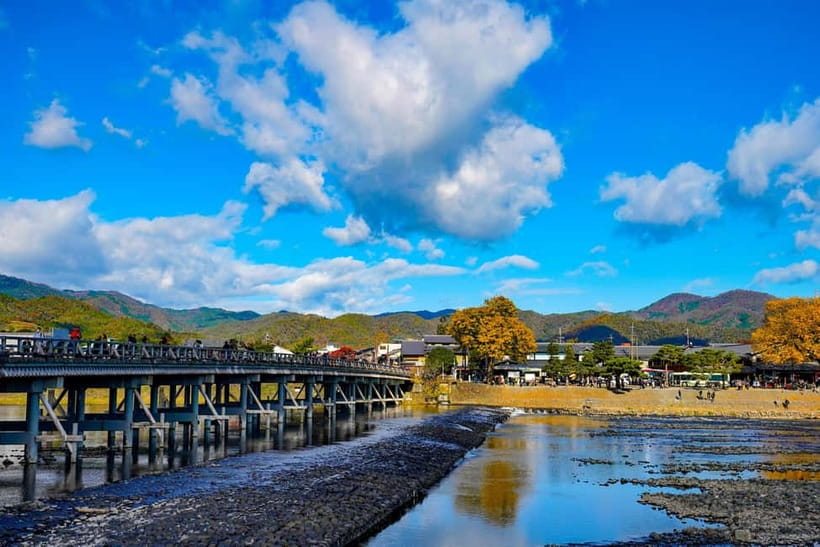
After bamboo, Arashiyama’s scenery keeps stacking. You stop at Togetsukyo Bridge for about 15 minutes, with sweeping views over the area. It’s also where you might spot rickshaws passing by, which adds a nostalgic old-Japan flavor to the modern tourist flow.
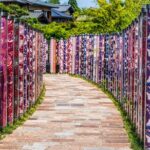
Then comes the easy win for photos and fun: the Kimono Forest art installation. The tour describes it as 600 pillars decorated with Kyoto-style Kyo-Yuzen textile patterns. Even if you’re not into fashion history, this is built for quick enjoyment because you can walk, frame pictures, and laugh at how colorful it feels compared with the temple and bamboo tones.
You also get time for an Arashiyama wandering moment, including suggestions like local street food and restaurants, plus the Rilakkuma Tea House for character photos. There is also an Arashiyama footbath stop for free time, which is a nice, practical reset for sore feet after a full day.
Price and Logistics: What $52 Buys You in Kyoto and Nara
At $52 per person for a 9 to 10 hour day with an English-speaking guide and an air-conditioned vehicle, the value is in the friction you remove.
First, you’re buying convenience and time. You’re going from Osaka to Kyoto, then out to Nara and Arashiyama, and the route complexity is handled for you. Even if you are comfortable navigating public transport, this kind of day adds up quickly: transfers, platform searches, and timing pressure. This tour swaps that for a vehicle ride and a guide keeping the day on track.
Second, you’re buying guided context. The itinerary is packed with iconic sites that have specific cultural meanings. A good guide helps you understand what you’re seeing, and the pacing keeps you from getting lost in details when you only have a day.
Third, you’re paying for comfort. An AC bus is not a luxury detail when you’re doing long walking days plus time in lines and queues. The fact that transport performance is strongly rated also matters for a day that depends on timing.
What’s not included is also important for planning: food and beverages are on you, and personal spending is extra. There is also the optional Tenryu-ji extra fee. So bring money for snacks, and treat the add-on as your “choose your own calm” option.
From the guide quality perspective, the most praised aspects in the day revolve around organization and energy. In different runs, guides including Willa, Christine, Amy, Fiona, John, Frederick, and Tracy are highlighted for being attentive, funny, and good at keeping everyone together and on schedule. That kind of leadership is exactly what makes a packed itinerary feel manageable.
Pacing, Crowds, and Your Best Strategy at Each Stop
This tour works best when you treat it like a highlight sampler, not a slow travel day. Each major stop has a defined window, so your job is to decide what matters most to you and prioritize movement and photos accordingly.
Here’s how I’d approach the day if you want the best feeling of both structure and freedom:
- At Nara Park, do the deer feeding early in your hour, then shift to a slower walk for breathing space.
- At Fushimi Inari, pick a direction and commit. If you only go partway, that’s fine. The point is the experience of the torii corridor.
- In Arashiyama, use your bigger window for flexibility. If you want the bamboo as the centerpiece, make it your main plan, then fill in the bridge, shrine, and photos around it.
The potential drawback is real: some people can feel time pressure when they want to linger. One practical tip is to travel light. If you’re juggling bags, wet umbrellas, or bulky items, it slows you down. The day is easy when your hands are free.
What to Pack, and How to Stay in the Group
This is a walking-heavy day, even though the bus does the long-distance work. Bring comfortable shoes, water, and a small umbrella. Comfortable clothes matter because you’ll switch between vehicle comfort and outdoor walking in different spots.
Timing matters more than you’d think. You should arrive at the meeting point 10 to 15 minutes before departure because the bus leaves right on time. That rule is simple, but it’s what prevents that last-minute scramble that ruins the mood.
Also, the tour is not suitable for wheelchair users or people with mobility impairments. If walking is difficult for you, this might be a tough fit. If you are traveling with infants, strollers, or large luggage, you should indicate it when booking so the vehicle setup can handle it properly.
Finally, note the lighter but real-life detail: no smoking is allowed. It’s common, but it’s still part of your planning for comfort.
Should You Book This Kyoto and Nara Day Tour?
I’d book it if you want a high-impact first taste of Kyoto and Nara without the planning stress. It’s especially good for first-timers who want the big icons: Nara deer, Fushimi Inari torii, and Arashiyama bamboo and bridge views, all in one day.
Skip or rethink if you do best when you can linger for long periods in one place. This tour is designed to keep momentum. If your ideal travel style is slow and sticky, a self-guided plan might feel more satisfying.
If you’re on a tight schedule, though, this is the kind of day that saves you time while still giving you meaningful stops, plus a guide presence that helps you know where to look and when to move. For the price, you’re mostly paying to remove logistics and add context, and that trade is usually worth it.
FAQ
How long is the tour?
The tour lasts about 9 to 10 hours.
What does the $52 price include?
It includes an English-speaking tour guide, an air-conditioned vehicle, and all taxes, parking fees, gas fees, and handling charges. Food and beverages are not included.
Do I pay extra for Tenryu-ji Temple?
Yes. Tenryuji Temple is listed as extra fee, while other stops are included in the main flow.
Where are the meeting points, and where can I get dropped off?
Meeting points can be either Harimaya Nippombashi 1-chome or Kyoto Station Hachijo Entrance Square Sunken Garden, depending on the option booked. Drop-off can be either Osaka or Kyoto at the listed locations, and if you do not request a drop-off, it defaults to the same point as pick-up.
What language is the guide?
The live tour guide speaks English and Chinese.
What should I bring, and what is not allowed?
Bring comfortable shoes, an umbrella, water, and comfortable clothes. Smoking is not allowed. The tour is also not suitable for wheelchair users and people with mobility impairments.
Which Kyoto Temple Gets Your Morning

Further Into Arashiyama

Newest Kyoto write-ups from the Loving Japan desk
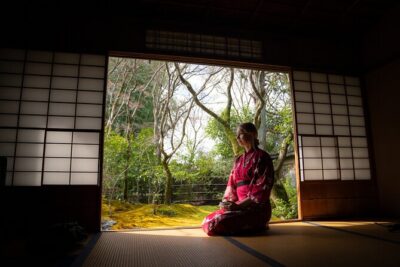
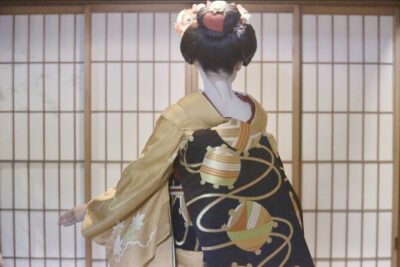
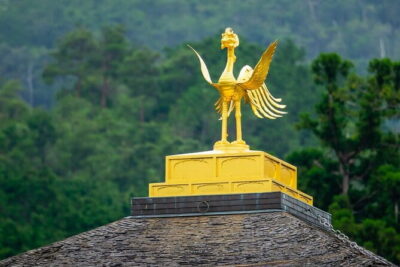

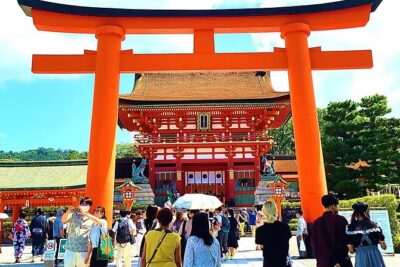
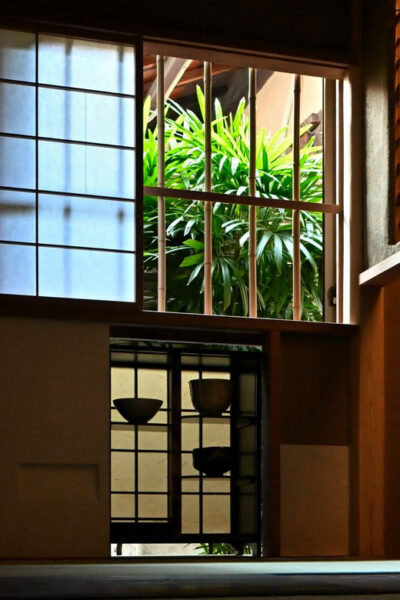
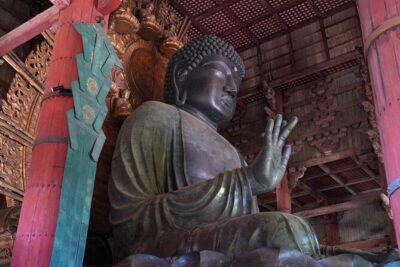
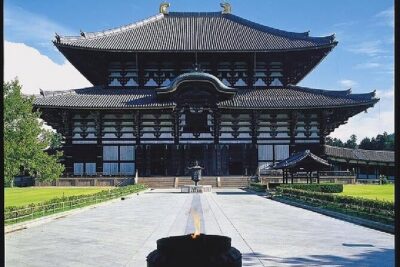
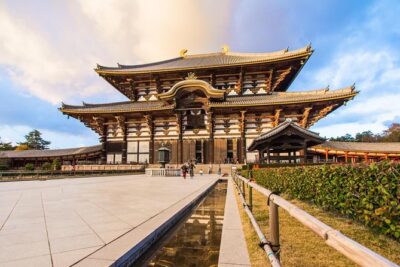
Nara Deer Park and Todai-ji, side by side.
 ★ 5.0World Heritage Kyoto & Nara Uji Authentic Matcha ExperienceFrom $1291,573 reviews
 ★ 5.0Nara Half Day Trip Walking Tour (Private Option Available)From $105937 reviews
 ★ 4.4Osaka/Kyoto: Arashiyama, Nara & Fushimi Inari Shrine w/LunchFrom $61754 reviews
 ★ 5.0Nara Early Morning Tour (Kyoto or Osaka Departure Available)From $61676 reviews
 ★ 4.5Kyoto and Nara Day Trip from KyotoFrom $194445 reviews
 ★ 5.0Full Day Guided Tour to Kyoto and Nara from Osaka by VanFrom $106420 reviews
 ★ 4.5Nara Afternoon Tour from Kyoto or OsakaFrom $102390 reviews
 ★ 4.6From Kyoto: Nara Guided Morning TourFrom $77335 reviews