
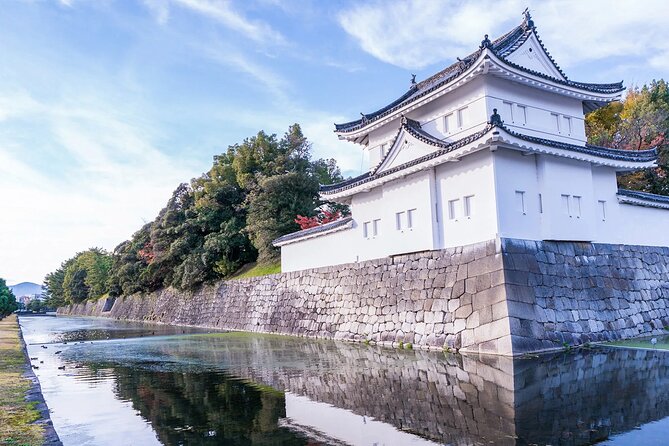
REVIEW · FUSHIMI INARI AND THE TEMPLES OF KYOTO
Kyoto: Nijo Castle World Heritage Guided Tour with Admission
Quiet wooden floors that chirp at intruders, in Kyoto.
I love the small-group feel, capped at ten, so you can ask questions instead of racing through rooms. I also love the nightingale floors moment, where the building starts telling you how the shogun thought. The only real catch is the shoe-off rule inside the palace areas.
This is also strong value at about $40, because you get admission included and an English guide who explains what you are looking at. I’ve seen guides like Nao, Uta, Alexander, Benjamin, and Naoya lead this tour in English, and the common thread is clear storytelling and room for questions.
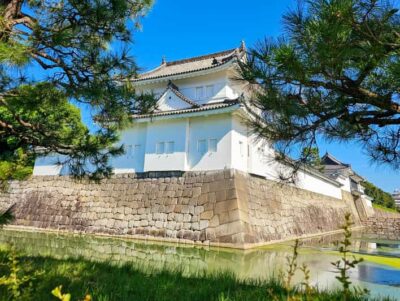
Outside, the gardens and moats help you reset your brain. Expect photo-friendly koi carp swimming through views around the castle grounds, then end with a very specific history turning point tied to Tokugawa Yoshinobu in 1867.
In This Review
- Key Things You’ll Remember After This Nijo Tour
- Nijo Castle as a Power Play, Not Just a Pretty Palace
- Meeting Outside Nijōjō-mae Station and What 90 Minutes Really Means
- Walking the Grounds Where the Shogun Flexed Quietly
- Ninomaru Palace Rooms and the Social Ranking You Can See
- The Nightingale Floors: How the Castle Catches Intruders
- Corridors, Gates, and Intimidation That Feels Architectural
- Koi Carp Moats and Photo Angles You’ll Want to Revisit
- The 1867 Moment That Ends 260 Years of Shogunate Rule
- Price and Value: Why About $40 Feels Reasonable Here
- Who This Nijo Castle Tour Suits Best
- The Practical Stuff That Makes or Breaks Your Experience
- Final Verdict: Book If You Want Meaning With Your Kyoto Photos
- FAQ
- Where do I meet the guide for the Nijo Castle tour?
- How long is the tour?
- Is admission to Nijo Castle included in the price?
- Is the tour in English, and how big is the group?
- Is the tour wheelchair accessible?
- Do I need to remove my shoes inside the palace?
Key Things You’ll Remember After This Nijo Tour
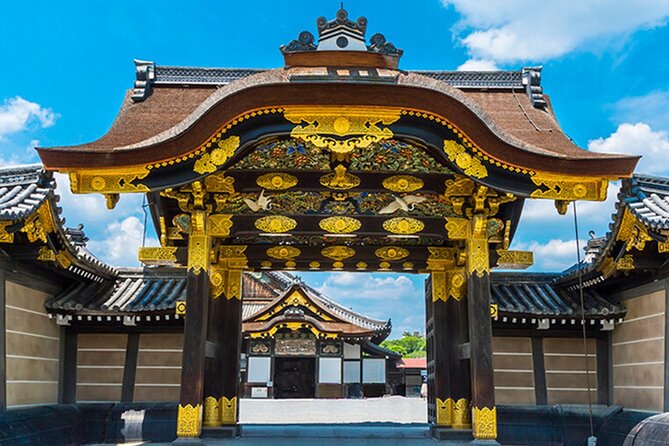
- Up to 10 people means more back-and-forth than most Kyoto sights
- Nightingale floors help you experience the castle’s security tricks, not just read about them
- Ninomaru Palace hierarchy comes through in room size, floor height, and decoration
- Koi carp moats give you colorful, easy-to-shoot scenes around the grounds
- The 1867 authority handover is explained as a turning point, not a random date
Still weighing up options in Tokyo? These are the ones our reviewers rated highest.
- Mt Fuji and Hakone 1-Day Bus Tour Return by Bullet Train
★ 5.0 · 26,383 reviews - 1-Day Tokyo Bus Tour
★ 5.0 · 14,250 reviews - Tokyo: teamLab Planets TOKYO Digital Art Museum Entry Ticket
★ 4.6 · 9,779 reviews - Mt Fuji & Hakone Cruise, Drum Show Bullet Train 1 Day from Tokyo
★ 4.0 · 7,413 reviews
Nijo Castle as a Power Play, Not Just a Pretty Palace
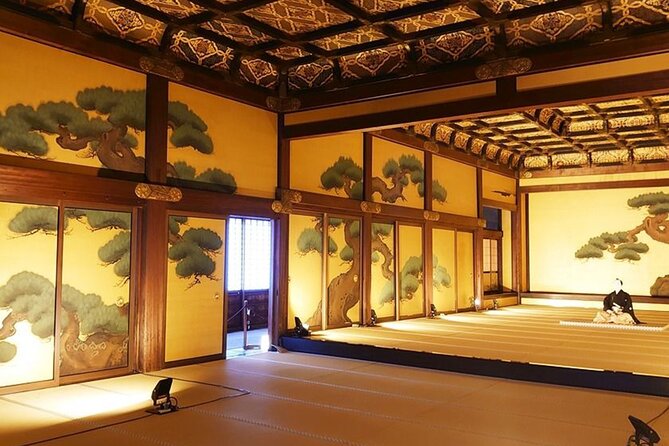
Nijo Castle is UNESCO for a reason, but the real reason is attitude. This place was built to show power up close, including how the shogun wanted people to feel while walking through rooms and corridors.
What I like here is that the tour connects details to purpose. You do not just learn names and dates, you learn how architecture, layout, and even flooring can communicate control.
The big theme is the shogun versus the emperor. Even though Tokugawa leaders ruled from distant Edo (today’s Tokyo), they built lavish authority into Kyoto, close to where imperial power was based.
Meeting Outside Nijōjō-mae Station and What 90 Minutes Really Means
You meet outside Exit 1 of Nijōjō-mae Station. Your guide will be holding a sign that says Local Guide Stars, and the tour is conducted in English.
Plan on about 90 minutes total, with the guided portion described as around 1.5 hours. That timing matters because Nijo Castle is not huge, but it is information-dense, especially once you start moving through palace interiors.
The small group limit of up to ten is a practical win. In a big group, you often end up watching the back of someone’s head. Here, you have room to ask, and the guide can slow down when you want to understand a floor plan or a detail about court rules.
Walking the Grounds Where the Shogun Flexed Quietly
Once you start walking, the tour frames Nijo Castle as strategy. The spaces you see were not designed mainly for defense in a battlefield sense. They were designed for display, intimidation, and quiet dominance.
You also get help understanding the weird emotional logic of the place. Some castles scream military strength. Nijo Castle is more subtle. It makes you feel managed, channeled, and observed.
A good guide will point out how the design works in layers. As you move, corridors and gates create shifting impressions, like the castle is steering your attention. That psychological angle is one of the reasons this tour feels more memorable than a generic palace walk.
- Mt Fuji and Hakone 1-Day Bus Tour Return by Bullet Train★ 5.0 · 26,383 reviews
- 1-Day Tokyo Bus Tour★ 5.0 · 14,250 reviews
- Tokyo: teamLab Planets TOKYO Digital Art Museum Entry Ticket★ 4.6 · 9,779 reviews
- Mt Fuji & Hakone Cruise, Drum Show Bullet Train 1 Day from Tokyo★ 4.0 · 7,413 reviews
- Tokyo: Shinjuku Food Tour (13 Dishes at 4 Local Eateries)★ 5.0 · 6,603 reviews
Ninomaru Palace Rooms and the Social Ranking You Can See
When you reach the Ninomaru Palace, you are not just touring rooms. You are seeing how hierarchy was built into daily space.
You will hear how room size, floor height, and decoration reflected strict social order. The point is that status was not abstract. It showed up in what kind of room you were allowed to occupy, and how your body experienced the space.
This is where the guide’s job really shows. Without guidance, it can be hard to tell what differences matter. With a good explanation, the same room details become clues.
If you like history that you can visualize, this section is a highlight. You start noticing patterns, like where certain visitors would have been expected to stand, or how the design reduces freedom of movement.
The Nightingale Floors: How the Castle Catches Intruders
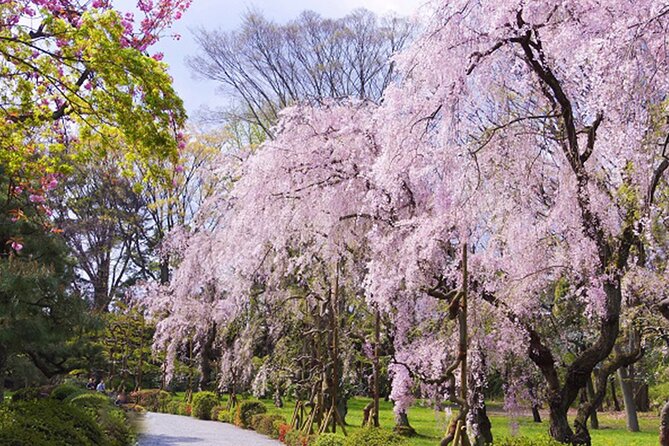
One of Nijo Castle’s best-known features is the nightingale floors, and the tour helps you understand the idea behind the sound.
The boards chirp beneath your feet, and the guide explains how that worked as an alert system. It is not just a cool gimmick. The building was engineered to respond to unwanted attention.
What I like most is that you get the explanation tied to the castle’s goal of controlling behavior. The sound creates a sense that secrecy is difficult. It also reinforces the castle’s role as a place where visitors are not fully in command.
This is the moment to slow down and listen. You do not need to stomp around, but you should be ready to notice the sound at the right step. It is one of those experiences where knowing what you are supposed to look for makes it better.
Corridors, Gates, and Intimidation That Feels Architectural
After interiors, the tour returns to the exterior and the in-between spaces that shape your experience. Nijo Castle uses layered movement, with gates and passageways that can feel like checkpoints.
The guide typically connects this to the shogun’s idea of control. Even if you are not a soldier, you are still a person being processed by the layout.
This part matters because it explains why some corridors seem oddly constrained. You start to see how the castle’s design influences your behavior, even when nothing is happening.
If you enjoy walking tours where you can predict what comes next and why, you will get a lot out of this section. You will also end up better at reading other Japanese castles and palaces, because you will recognize similar design logic.
Koi Carp Moats and Photo Angles You’ll Want to Revisit
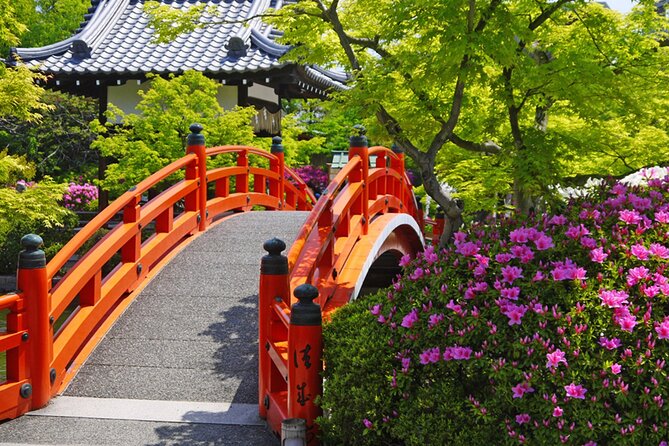
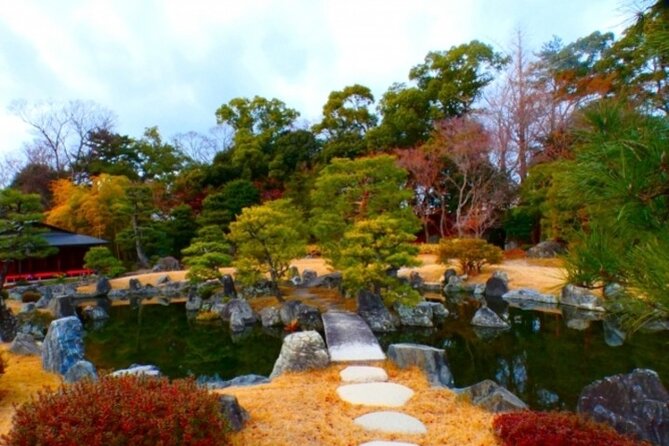
The gardens are not just background decoration. The tour leans into the visual payoff, especially the moats where koi carp swim.
If you like taking photos without turning the day into a camera marathon, this is a nice balance. The koi views provide color, motion, and variety compared with the interior wood and pale walls.
It is also a helpful reset. History inside can feel intense. Outside, you get softer visual pacing, and the guide’s storytelling gives your eyes a target to look for.
For best results, keep your camera handy during the transitions. Some of the most photogenic angles happen as you move between paths, where the moat lines up with your position. If you rush only to the biggest rooms, you might miss the easy shots.
The 1867 Moment That Ends 260 Years of Shogunate Rule
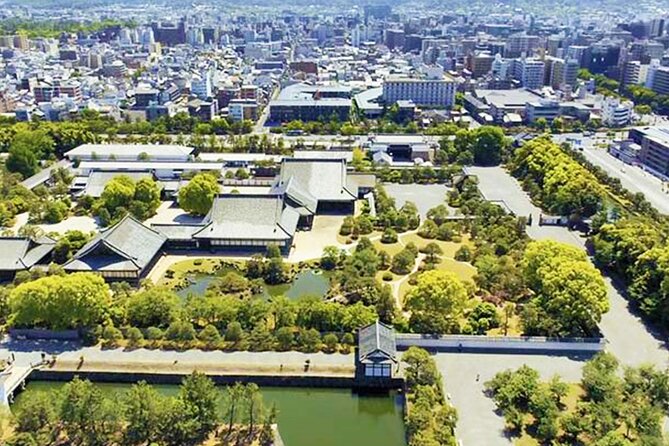
The tour ends with a very specific turning point: in 1867, Tokugawa Yoshinobu returned authority to the Emperor. That act is framed as the ending of more than 260 years of shogunate rule, and the start of the Meiji Restoration.
This part is powerful because it ties architecture to a real political shift. You are standing in a place connected to the end of a system, not just touring a well-preserved building.
The guide also helps you understand the rivalry in practical terms. It is not only who held power on paper. It is who controlled legitimacy, proximity, and the story people were forced to accept.
If you read about the Meiji era and wonder why it felt like such a break, this is a clear doorway in. You finish with the timeline feeling human, because the tour points out why the space mattered.
Price and Value: Why About $40 Feels Reasonable Here
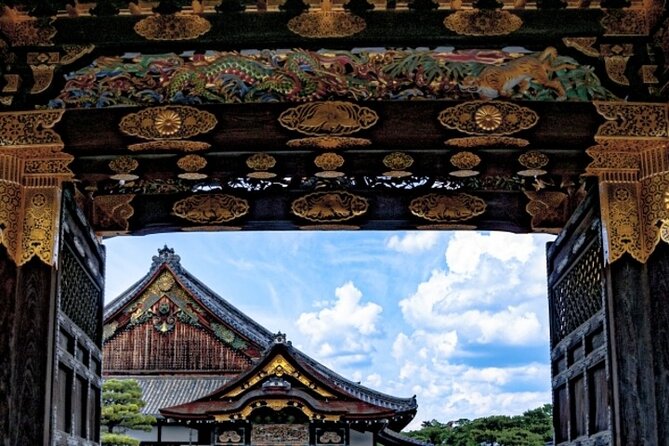
At around $40 per person, the value depends on what you want out of Kyoto.
If you only want photos and a quick walk through a UNESCO site, you might feel you can do it on your own. But if you want the building to make sense, the included admission and guided explanation are what you are paying for.
This tour is also built for comfort. A small group up to ten helps you get answers, and the English narration helps you connect room details to meaning without guessing.
The duration is short enough that it fits a busy Kyoto schedule. You are not committing to a half-day plan, but you still get a full story arc, from shogun strategy to the political shift in 1867.
Who This Nijo Castle Tour Suits Best
I think this tour fits best if you like:
- historical explanations that connect directly to what you see
- interactive building details, like the nightingale floors
- a calmer pace in a site that many people rush through
It is also a good option for families and mixed ages. One reason is that the route is mostly flat, so it is easier to keep a steady walking rhythm. Another reason is that the storytelling helps kids and adults stay engaged without turning it into a lecture.
If you have a small travel group, you might appreciate the near-private feel that can happen on quieter dates. The tour structure supports that, since it is capped at ten.
If you hate removing shoes indoors, that is the main thing to reconsider. The palace experience depends on that rule, and you should be ready for it.
The Practical Stuff That Makes or Breaks Your Experience
Inside the palace areas, you must remove your shoes. That is simple, but it takes a second to plan how you will store them and keep moving without losing your place.
The good news is the walking is described as mostly flat terrain. That makes it easier to follow along with the guide while focusing on details.
Also, you get an English-speaking live guide, so you can ask questions rather than translating in your head. If you care about the shogun versus emperor context, this is where the guide earns their fee.
Final Verdict: Book If You Want Meaning With Your Kyoto Photos
I would book this tour if your goal is to understand Nijo Castle, not just look at it. The mix of small-group time, the nightingale floor explanation, koi moats, and the 1867 authority handover story gives you a well-rounded experience for a short window.
Skip it or choose a different option if you want a totally casual visit with zero formal pacing. This tour is guided for a reason, and it asks you to pay attention to specific rooms and building features.
If you do book, bring your curiosity. Nijo Castle rewards you when you look at the details with a question in mind, like why a gate feels so arranged or why a floor is designed to chirp.
FAQ
Where do I meet the guide for the Nijo Castle tour?
Meet outside Entrance (Exit) 1 of Nijōjō-mae Station. The guide will be holding a sign that says Local Guide Stars.
How long is the tour?
The total experience is listed as 90 minutes.
Is admission to Nijo Castle included in the price?
Yes. Admission to Nijo Castle is included.
Is the tour in English, and how big is the group?
The live tour guide is English, and the group is limited to a small group size of up to 10 participants.
Is the tour wheelchair accessible?
Yes, the tour is wheelchair accessible. The walking is described as mostly flat terrain.
Do I need to remove my shoes inside the palace?
Yes. All visitors must remove their shoes when entering the palace areas.
Newest Tokyo write-ups from the Loving Japan desk




Fushimi Inari and the Temples of Kyoto, side by side.
 ★ 4.8Fushimi Inari, Kinkakuji, Bamboo Grove 1 Day Bus TourFrom $1224,316 reviews
 ★ 4.9Tea Ceremony in a Traditional Tea House in KiyomizuFrom $493,519 reviews
 ★ 4.7Kyoto/Osaka: Nara, Fushimi Inari Taisha, Arashiyama Bus TourFrom $521,275 reviews
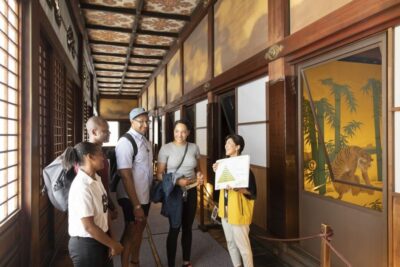 ★ 4.7Nijo-jo Castle and Ninomaru Palace Guided TourFrom $161,020 reviews
 ★ 4.4Osaka/Kyoto: Arashiyama, Nara & Fushimi Inari Shrine w/LunchFrom $61754 reviews
 ★ 4.7Nijo Castle, Kiyomizu & Fushimi Inari Guided TourFrom $54700 reviews
 ★ 5.0Nijo, Kinkaku-ji, Arashiyama, Kiyomizu & Fushimi InariFrom $51699 reviews
 ★ 4.7Imperial Palace & Nijo Castle Guided Walking TourFrom $49453 reviews
Filed on these lists too