
REVIEW · FUSHIMI INARI AND THE TEMPLES OF KYOTO
Kyoto: Nijo-jo Castle and Ninomaru Palace Guided Tour
Feudal Kyoto, minus the confusion. I love how the English guide context turns architecture into power and daily life, and I love the Ninomaru Palace focus where the details actually mean something. The one real catch is that the tour price does not include castle admission, so you will need cash on site.
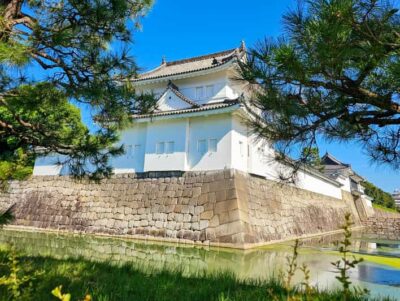
This is Nijo Castle in Kyoto, built in 1603 as Tokugawa Ieyasu’s residence when the Edo Period was taking shape. It later became an imperial palace after the Tokugawa Shogunate ended, then opened to the public as Kyoto City’s historic site. The UNESCO world heritage designation in 1994 matters here, because it is one of the best surviving examples of feudal-era castle design.
In 60 minutes, you follow a guided path that hits the big set pieces first, including the Higashi Ote-mon Gate, Kara-mon Gate, Ninomaru-goten Palace, and the Ninomaru Garden. It is an English-only live guide, and you should arrive early because you cannot join if you are not there when the tour starts.
In This Review
- Key takeaways before you go
- Nijo-jo Castle in plain language: why this place feels special
- What you actually do in a 60-minute guided tour
- Ninomaru-goten Palace: where politics shows up in the details
- The gates and the castle grounds: learning to read feudal design
- Exclusive access: what the guide can get you into
- Ninomaru Garden: calm contrast after the palace
- Price and value: $16 plus admission paid in cash
- Timing tips: arrive early, plan for warm interiors, and keep the group together
- Who should book this guided tour, and who might skip it
- Should you book? My decision guide
- FAQ
- FAQ
- How long is the Kyoto Nijo-jo Castle and Ninomaru Palace guided tour?
- Is the tour guide available in English?
- Where do I meet for the tour?
- Is the castle admission included in the $16 price?
- What parts of the castle are included in the 60-minute tour?
- Are earphones provided, and do children get them?
- When is the castle closed for this experience?
Key takeaways before you go
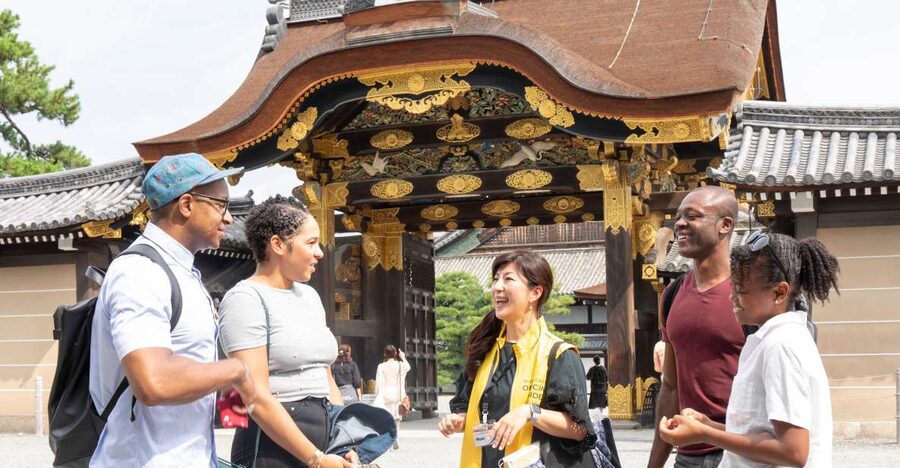
- You get a guided route through the parts that matter most, with the Ninomaru-goten Palace as the centerpiece
- English explanations stay practical, helping you read rooms, decorations, and layout without needing a history degree
- You may access areas most self-guided visitors miss, beyond the usual public flow
- The pace works for a hot day or a tight itinerary, since it is only a 60-minute guided segment
- You will still need to budget for admission, paid separately in cash at the venue
- Earphone rules are simple but strict, for paid participants and adult-ticketed children if needed
Which temple to give the morning to, reviewed
- Kyoto: Fushimi Inari, Kinkakuji, Bamboo Grove 1 Day Bus Tour
★ 4.8 · 4,316 reviews - Kyoto/Osaka: Nara, Fushimi Inari Taisha, Arashiyama Bus Tour
★ 4.7 · 1,275 reviews - Kyoto: Nijo-jo Castle and Ninomaru Palace Guided Tour
★ 4.7 · 1,020 reviews - Osaka/Kyoto: Arashiyama, Nara & Fushimi Inari Shrine w/Lunch
★ 4.4 · 754 reviews
Nijo-jo Castle in plain language: why this place feels special
Nijo Castle is often described as a castle, but it is more accurate to call it a political machine made of wood, stone, and design choices. Built in 1603 as the Kyoto residence of Tokugawa Ieyasu, it was meant to impress and control when the shogun was in town. When the Edo Period ended in 1867, the site shifted again, serving as an imperial palace before becoming a public historic location.
The castle’s layout is usually explained in three zones: Honmaru (the main circle of defense), Ninomaru (the secondary circle of defense), and the gardens that connect and frame both. In practice, the Ninomaru area is where the mood changes from “fortress” to “statecraft,” and the guided tour helps you notice why.
This is also a UNESCO world heritage site (since 1994), which is not just a label. It is a hint that the site has been recognized for its value as surviving feudal-era architecture. When you tour it with a guide, you start seeing the design as deliberate messaging, not random old buildings.
What you actually do in a 60-minute guided tour
This is a tight, highlight-first tour. It does not try to cover every corner of the sprawling grounds. Instead, it picks the sequence most likely to make sense fast: gates, then the Ninomaru-goten Palace, then the Ninomaru Garden.
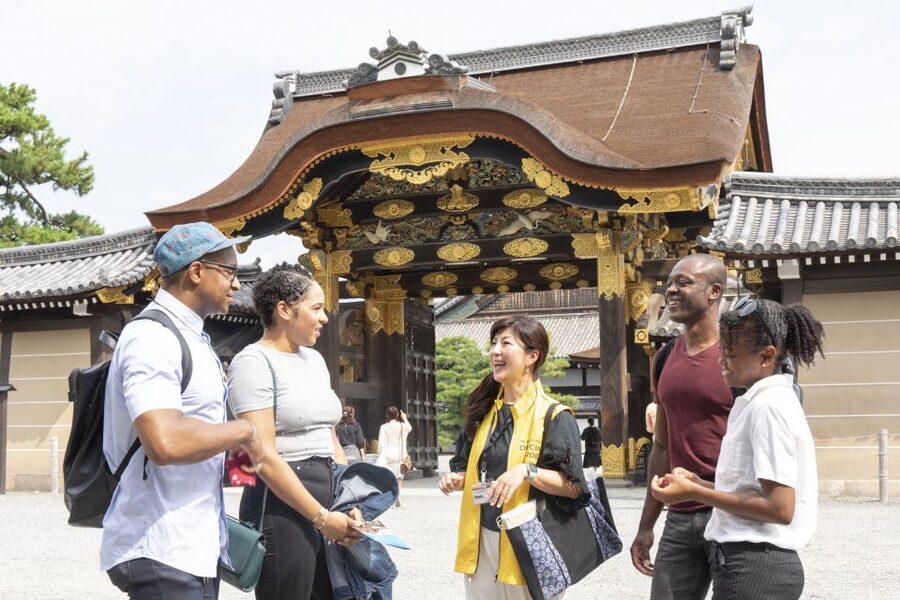
You will start at the Higashi Ote-mon Gate and gather at the reception area next to the General Reception, on the left side after you enter. When your guide starts, stay close. The tour keeps everyone together because you are moving through specific areas on a schedule.
Then the route typically flows through the Kara-mon Gate as you enter into the Ninomaru zone. From there, the main event is the Ninomaru-goten Palace, where the guide’s explanation is the difference between seeing rooms and understanding what those rooms were for. You finish with the Ninomaru Garden, which helps you reset your brain after palace interiors.
The practical upside: 60 minutes is long enough to learn meaning, short enough that you do not feel dragged around. The consideration: if you are expecting a slow, museum-style walk, this is more like a focused guided sprint.
Ninomaru-goten Palace: where politics shows up in the details
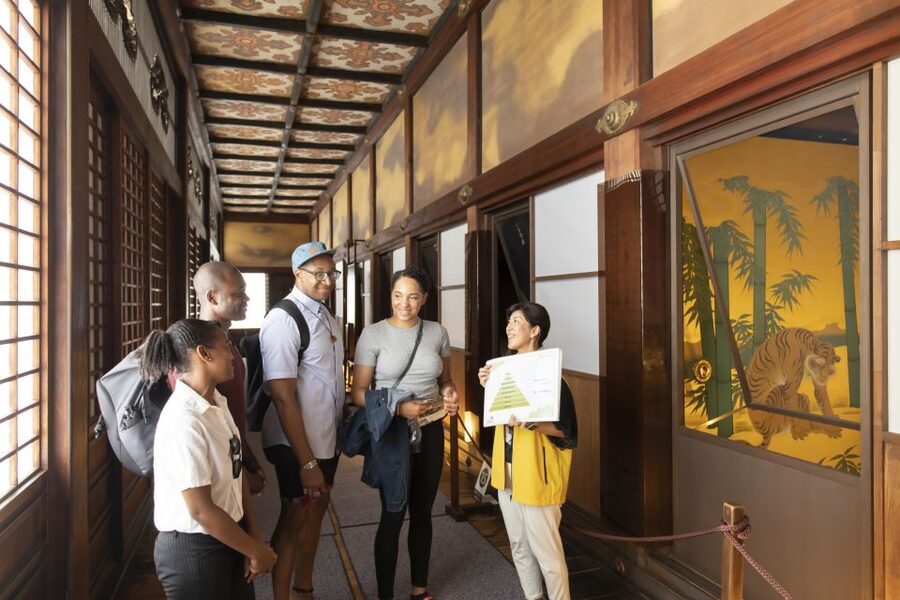
The Ninomaru-goten Palace is the attraction for a reason. This was once the shogun’s residence and office during visits to Kyoto, and it remains intact. That means you are not just looking at an old shell. You are walking through a space designed for authority and order.
A good English guide makes the rooms click. Guides such as Kingo, Ayu, Ai, Kaoru, Kaori, Don-san, and Miki are repeatedly praised for clear, energetic explanations and for pointing out what different areas were used for. The theme across these guides is simple: they help you connect rooms to the role of the shogun when power was the whole point of the visit.
You will likely spend time on palace features and decoration, not just the big layout. One visitor specifically appreciated learning what each room was for, and another described how the guide handled symbolism and daily-life implications. That is the value you want: you stop treating the art and architecture as decoration and start treating it as communication.
A couple of practical notes to plan for. Indoors, you may run into restrictions, and some guides mention limits on water and photography. Also, palace interiors can feel warm in summer, with no air conditioning. If you are visiting in peak heat, dress smart and bring a comfortable layer for your walk outside, then focus on the guide’s pacing inside.
- PERFECT KYOTO 1-Day Bus Tour★ 5.0 · 13,518 reviews
- Kyoto: Fushimi Inari, Kinkakuji, Bamboo Grove 1 Day Bus Tour★ 4.8 · 4,316 reviews
- Kyoto: Tea Ceremony in a Traditional Tea House in Kiyomizu★ 4.9 · 3,519 reviews
- Kyoto Geisha Walking Tour: Gion District & Hidden Gems★ 4.7 · 3,273 reviews
- Kyoto: Tea Ceremony Ju-An at Jotokuji Temple★ 4.9 · 3,207 reviews
The gates and the castle grounds: learning to read feudal design
Gates sound simple until you realize they control more than movement. In a feudal residence, gates shape who can go where, when, and under what level of visibility. That is why both the Higashi Ote-mon Gate and the Kara-mon Gate are included in the tour.
When you pass through these areas with a guide, you get a quick lesson in how the castle was meant to function as a layered defense system. The Nijo Castle story is about circles of protection, Honmaru and Ninomaru, and you start to see how the design supports that concept.
Even if you are not a history person, the castle grounds have built-in lessons. The guide’s job is to point out what you would otherwise skip: layout logic, the meaning behind certain choices, and why the Ninomaru zone was the place to project authority. This is where tours shine, because self-guided wandering can leave you staring at details without knowing what they are signaling.
One reviewer noted that Nijo Castle was a political power center rather than a purely military one, and the guided explanation helps you grasp that distinction. You are not just looking at fortifications. You are watching status, ceremony, and controlled access expressed in architecture.
Exclusive access: what the guide can get you into
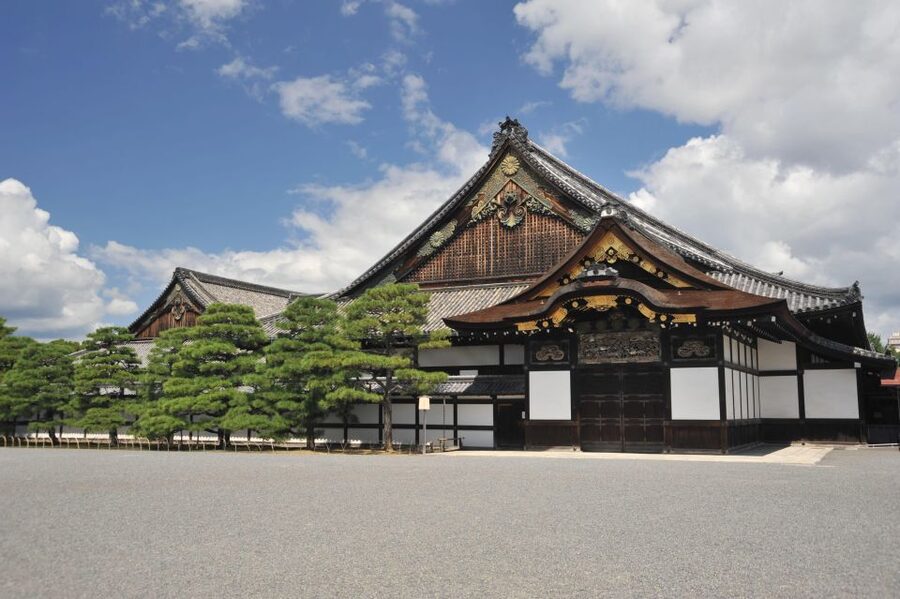
The highlight you cannot fully understand from a brochure is the extra access. The tour is described as offering access to a part of the castle that is normally unavailable to the public.
In practical terms, this is the part of the experience that turns it from sightseeing into something worth paying for. Several reviews mention that guides brought people into restricted areas and added features that were not on the standard self-guided route. I treat this as a strong selling point.
If you are the type who likes photos, you should still plan for limits. If you are the type who likes understanding, you are in the right place. Exclusive access is not only about seeing more. It is about seeing the right context for why those spaces existed.
Ninomaru Garden: calm contrast after the palace
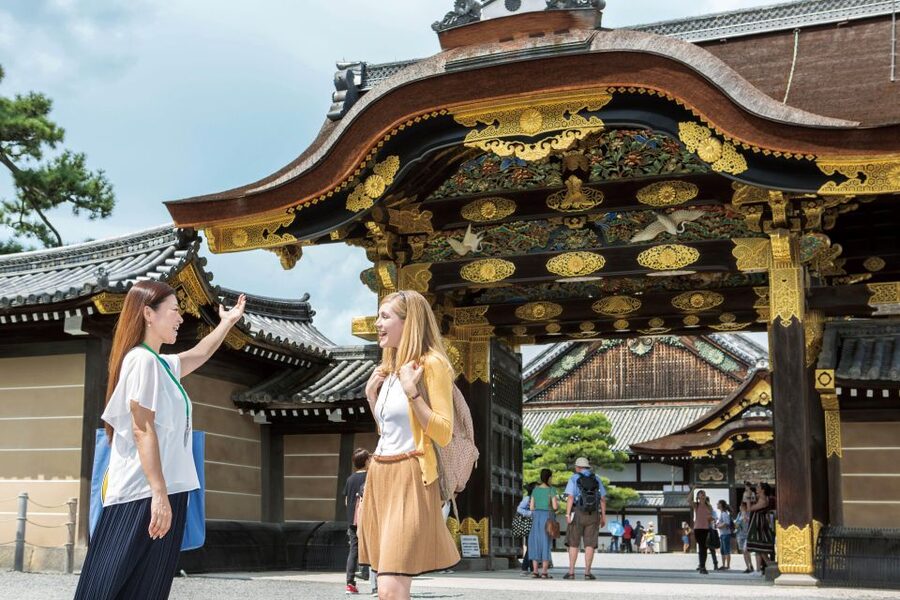
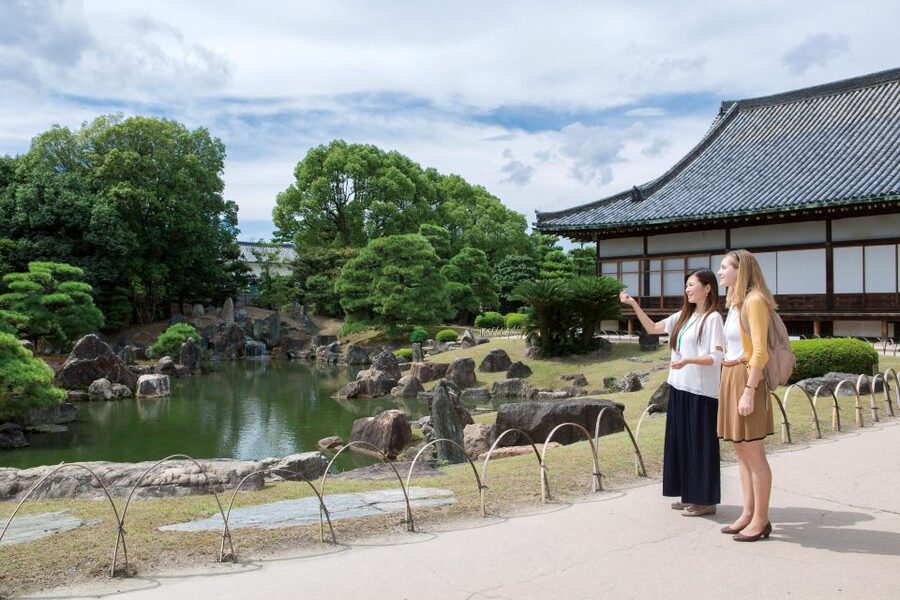
After palace rooms, the Ninomaru Garden feels like a reset button. The gardens are part of the overall castle plan, encircling the Honmaru and Ninomaru. That matters because the setting is not just decoration. It is meant to frame movement and reinforce the mood of the space.
The guided tour gives you a quick orientation so you can enjoy the garden rather than just walking it. You will likely get pointers about where to look and how the garden complements the palace area.
Since your guided portion is only 60 minutes, you will probably have energy left to explore on your own right after. This pairing is a smart value move. You leave with both meaning and the ability to linger where you want.
Price and value: $16 plus admission paid in cash
The tour price is listed as $16 per person, but remember the admission fee to the venue is not included. You pay admission separately at the castle with cash on site.
That one detail changes the math. The guide component is what you are paying for, because the tour is built around interpretation and a guided route that focuses on the palace and garden highlights. In other words, you are not buying a discounted entry ticket. You are buying a guided experience layered onto entry.
One important practical number shows up in reviews: a visitor called out admission around 1300 yen extra. Since costs can vary by season and ticket type, I suggest you budget for a separate admission fee and bring cash so you are not stuck at the counter.
Is it still good value? In my view, yes, if you care about context. Nijo Castle is beautiful, but the difference between watching and understanding is real. If you are the kind of traveler who likes to know why a room exists and what a design choice was meant to communicate, this tour helps you get that in a short time.
Timing tips: arrive early, plan for warm interiors, and keep the group together
This tour is only 1 hour. That means timing matters more than usual. You also will not be able to participate if you are not there when the tour begins. So I strongly recommend arriving a bit early, then checking in with staff at the reception area after you enter through the East Main Gate.
Language is also a factor. This tour is conducted only in English. If you want your guide to explain decorations, room function, and political meaning, do not count on reading it off signs alone. Follow the guide closely and take in what they point out.
Finally, plan for comfort. Several reviews describe warm interior conditions in summer, and some mention no air conditioning. Pack light, drink water before you go in, and use breaks outside. The palace itself is part of the atmosphere, so dressing for heat is your best comfort strategy.
Who should book this guided tour, and who might skip it
Book this tour if you want a fast, high-impact introduction to Nijo Castle that actually teaches you how to look. It is especially well-suited for first-time visitors to Kyoto, people who like architecture and symbolism, and anyone who wants to understand the shogun’s role without getting lost in dates and names.
You might skip it if you prefer slow self-guided exploring and do not care about interpretation. Also skip if you dislike meeting rigid timing, because the 60-minute guided format keeps a schedule and expects you to be present when it starts.
If you do have children, the rules are worth knowing. Each paid participant can bring 1 child aged 0-12 to join for free, and the child must be accompanied by an adult. Earphones are provided only to paid participants, and children may need adult tickets if earphones are required.
Should you book? My decision guide
Yes, I would book it if you want the Ninomaru Palace and garden experience with context, not just a walk through old buildings. The biggest reason is simple: the tour is built around how the palace worked as a political and ceremonial space, and the guides are repeatedly praised for making that understandable in English.
If you hate paying extra, because admission is separate and cash-based, then consider whether you would rather do self-guided entry and spend your time reading signs. But if you like meaning, architecture details, and a focused route that keeps you moving, this is one of the more efficient ways to get value at Nijo Castle.
FAQ
FAQ
How long is the Kyoto Nijo-jo Castle and Ninomaru Palace guided tour?
The guided portion is 60 minutes.
Is the tour guide available in English?
Yes. The tour is conducted only in English.
Where do I meet for the tour?
Meet at the Nijo Castle Tour Ticket Booth. After entering through the East Main Gate, gather at the reception area next to the General Reception, on the left side. Notify staff at the reception when you arrive.
Is the castle admission included in the $16 price?
No. Nijo-jo Castle admission fees are not included, and you must pay the admission fee with cash on site.
What parts of the castle are included in the 60-minute tour?
The included stops are Higashi Ote-mon Gate, Kara-mon Gate, Ninomaru-goten Palace (Ninomaru Palace), and Ninomaru Garden.
Are earphones provided, and do children get them?
Earphones are only provided to paid participants. If earphones are required for children, please purchase adult tickets.
When is the castle closed for this experience?
The tour notes closures on every Tuesday of July, August, December, and January. It also notes closure from December 26th to January 3rd due to the closure of Ninomaru-goten.
Which Kyoto Temple Gets Your Morning



Newest Kyoto write-ups from the Loving Japan desk
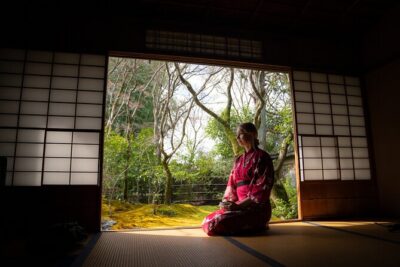



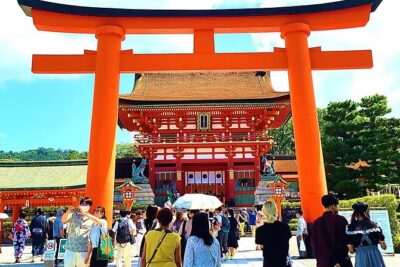
Fushimi Inari and the Temples of Kyoto, side by side.
 ★ 4.8Fushimi Inari, Kinkakuji, Bamboo Grove 1 Day Bus TourFrom $1224,316 reviews
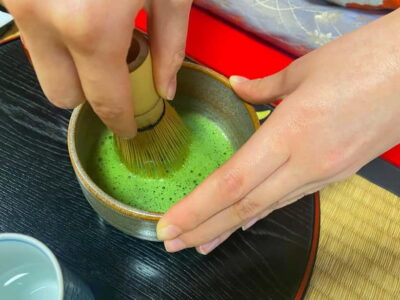 ★ 4.9Tea Ceremony in a Traditional Tea House in KiyomizuFrom $493,519 reviews
 ★ 4.7Kyoto/Osaka: Nara, Fushimi Inari Taisha, Arashiyama Bus TourFrom $521,275 reviews
 ★ 4.4Osaka/Kyoto: Arashiyama, Nara & Fushimi Inari Shrine w/LunchFrom $61754 reviews
 ★ 4.7Nijo Castle, Kiyomizu & Fushimi Inari Guided TourFrom $54700 reviews
 ★ 5.0Nijo, Kinkaku-ji, Arashiyama, Kiyomizu & Fushimi InariFrom $51699 reviews
 ★ 4.7Imperial Palace & Nijo Castle Guided Walking TourFrom $49453 reviews
 ★ 5.0Kyoto Fushimi-Inari Night Walking TourFrom $43320 reviews
Filed on these lists too