
REVIEW · FOOD & DRINK
Kyoto: Replica food making experience
Fake food, real craft skills.
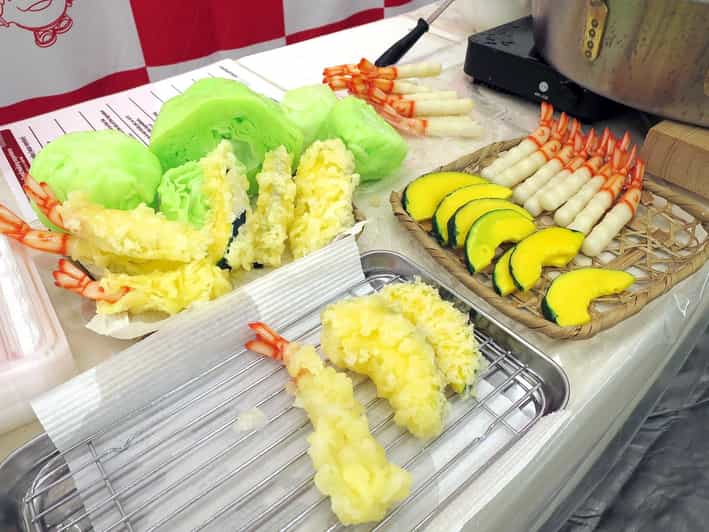
In Kyoto, this hands-on workshop teaches you how restaurant display food is made, using melted wax to shape lifelike tempura pieces before wrapping them for a realistic look. It is a fun break from sightseeing, and the result is something you can keep and show off.
I especially like two things. First, you get a truly interactive process, not just watching. Second, you leave with your own replica food, packed like real supermarket items, so it feels like more than a one-time souvenir.
One consideration: the method uses hot wax and you are working with materials that can be messy, so plan to wear something you can live with if it gets splashed. Also, arrive at your reserved time, because the instruction is meant to start all at once.
In This Review
- Key highlights worth your time
- Kyoto restaurant windows make sense once you learn the wax trick
- Finding the workshop near Kani Douraku and the shopping arcade
- 1 hour with up to 4 people: fast, friendly, and not rushed
- The tempura workshop flow: wax first, then batter for the realism
- What to wear, and why it matters for wax
- Making a lettuce replica adds variety to your “restaurant set”
- Your finished souvenir: packaged like real supermarket items
- Quick practical tip for storage
- Price and value: why $22 feels reasonable for a made-by-you souvenir
- Who this workshop is best for (and who should skip it)
- Timing, instructions, and the one thing that can throw you off
- Should you book this Kyoto replica food workshop?
Key highlights worth your time
- Lifelike tempura replica skills using melted wax, hot water, and batter wrapping
- Small group size (up to 4), so you actually get help and chances to retry
- Take-home packaging that looks like genuine store display items
- Learn the Japanese “replica sample” culture, the stuff you see in restaurant fronts
- Optional lettuce replica for a more complete set
- English and Japanese instruction from an instructor team
Still weighing up options in Kyoto? These are the ones our reviewers rated highest.
- PERFECT KYOTO 1-Day Bus Tour
★ 5.0 · 13,518 reviews - Kyoto: Fushimi Inari, Kinkakuji, Bamboo Grove 1 Day Bus Tour
★ 4.8 · 4,316 reviews - Kyoto: Tea Ceremony in a Traditional Tea House in Kiyomizu
★ 4.9 · 3,519 reviews - Kyoto Geisha Walking Tour: Gion District & Hidden Gems
★ 4.7 · 3,273 reviews
Kyoto restaurant windows make sense once you learn the wax trick
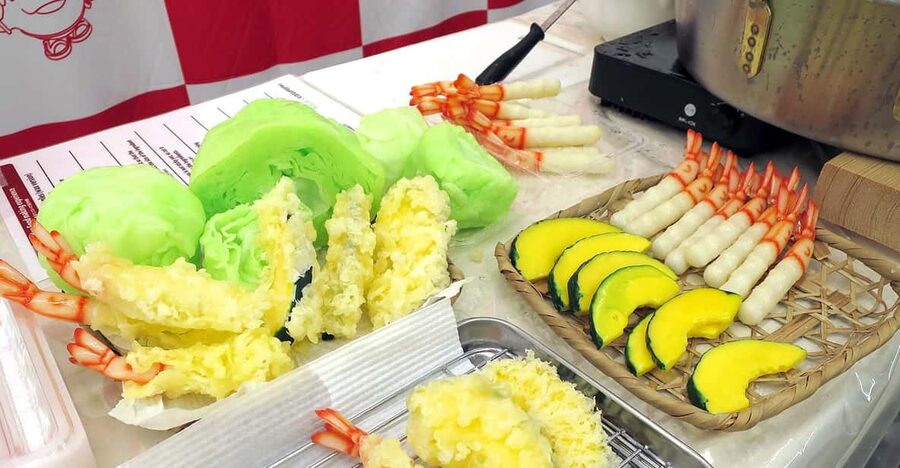
Kyoto is full of restaurant fronts with food displays that look so real you might do a double take. These are “replica samples,” lifelike models placed outside shops to show what is on the menu. It is practical, it is visual, and it is also oddly artistic.
What I like about doing this in Kyoto is the instant context. After you sit down in the workshop, the fake food in the streets stops being background decoration. You start noticing details like texture, color choices, and the way the pieces are built to read well at a glance. You learn why the displays work, even for people passing by quickly.
The other nice part: this is not a museum lesson. You are making something with your hands. You get the satisfaction of learning a small, real technique, then packing up your own finished set.
Finding the workshop near Kani Douraku and the shopping arcade
The meeting point is easy to spot. Meet diagonally across from Kani Douraku, the restaurant with a big crab signboard. It puts you right in the central Kyoto flow, in the Sanjo Meiten-gai area where you can keep moving after class.
This is a smart location for a 1-hour activity. You are not stuck far away from food options, shopping, or walking routes. You can do the workshop, then head out to eat and snack nearby without losing half your day to transit.
1 hour with up to 4 people: fast, friendly, and not rushed
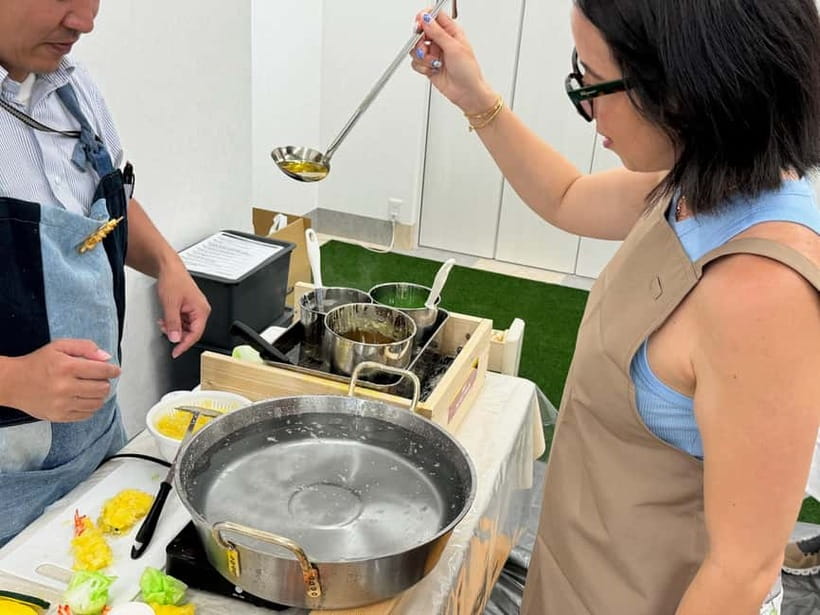
The workshop runs about 1 hour, and the group is limited to 4 participants. That small size matters. It usually means the instructor can watch your shaping and help you correct problems quickly, instead of yelling instructions to a crowd.
Instruction is available in English and Japanese. In practice, that is reassuring if your Japanese is basic. You still need to focus on the steps, but you are not stuck guessing what to do.
There is also a bit of real-world family guidance: the activity is not suitable for children under 6, and you may be asked for parental assistance for kids. If you are traveling with children, this is the kind of workshop that works better with older kids who can follow directions and handle a hands-on task.
- PERFECT KYOTO 1-Day Bus Tour★ 5.0 · 13,518 reviews
- Kyoto: Fushimi Inari, Kinkakuji, Bamboo Grove 1 Day Bus Tour★ 4.8 · 4,316 reviews
- Kyoto: Tea Ceremony in a Traditional Tea House in Kiyomizu★ 4.9 · 3,519 reviews
- Kyoto Geisha Walking Tour: Gion District & Hidden Gems★ 4.7 · 3,273 reviews
- Kyoto: Tea Ceremony Ju-An at Jotokuji Temple★ 4.9 · 3,207 reviews
The tempura workshop flow: wax first, then batter for the realism
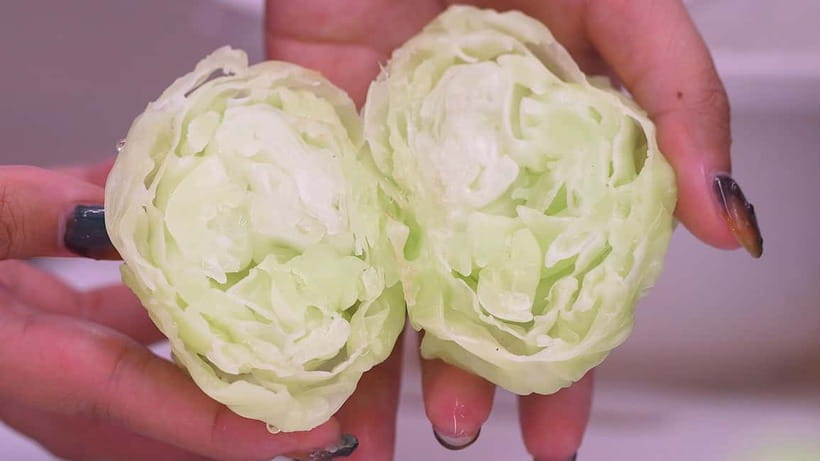
Your main project is shrimp and pumpkin tempura replica food. The key technique uses melted wax, shaped using a hot water process, then finished with a batter-like wrap so it looks like the crunchy coating.
Here is the basic sequence you will follow:
- Melted wax is handled in the workshop process.
- You pour wax into hot water and shape it before it hardens.
- After the wax piece forms, you wrap the shrimp and pumpkin in a realistic-looking batter layer.
This part is where the fun shows up. The wax method is unusual, and it forces you to think about texture in a very physical way. You learn that surface details come from how you shape, pour, and build the coating.
One extra useful technique you will likely hear in instruction is how timing and drop height can change texture. The workshop teaches the idea that different ways of placing the wax affect the final look. That is a great lesson, because it turns a seemingly strange process into something you can control.
What to wear, and why it matters for wax
Wax work has one downside: it can get on you. The studio typically provides aprons or chef-style jackets, which helps. Still, I would treat this like a craft class and dress accordingly.
Wear sleeves you do not mind getting a little stained, and keep your hair tied back if needed. If you hate the idea of any mess, you might even consider bringing a spare layer, just in case.
Making a lettuce replica adds variety to your “restaurant set”
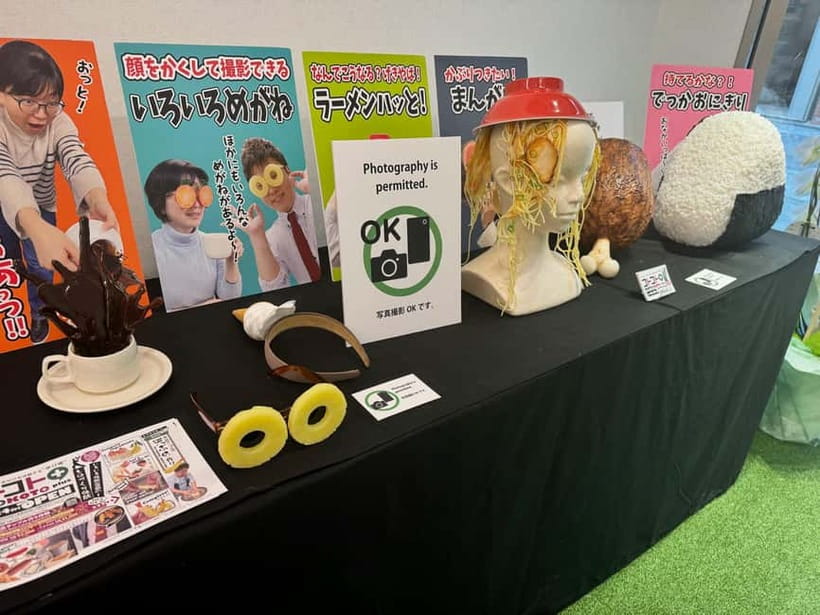
You can also choose an optional lettuce replica. The experience is still focused on the same general style of making display food, but adding lettuce changes your final set from a single bowl look into something closer to a full meal presentation.
Even if you only want the tempura, the lettuce option is a good move if you like the idea of bringing home a more complete, photo-friendly arrangement. It also makes the workshop feel more personal, because you are choosing what your display will include.
The exact steps for the lettuce option are not the same as the tempura process described for shrimp and pumpkin, so the best way to approach it is to be ready to follow the instructor’s method for whichever items you pick.
Your finished souvenir: packaged like real supermarket items
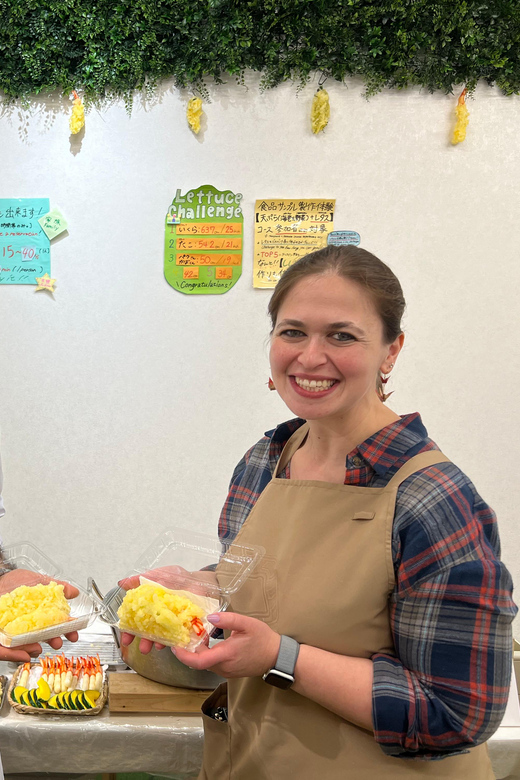
The payoff is taking your replica food home. Your pieces come out looking like the type you see outside Japanese restaurants, and they are packaged in a way that resembles real items from a supermarket.
That packaging choice is not just decoration. It protects your souvenir, keeps it presentation-ready, and makes it feel like an actual product you bought. It is also easier to transport than loose craft items in a bag.
One important note you should not ignore: these replicas are for display only. They are not meant to be served, so resist the temptation to test them at the dinner table later. If you want to pull a prank, do it with the packaging and photos, not with anyone’s lunch.
Quick practical tip for storage
Since this is wax-based and finished with a coating, treat your replica like you would a delicate display item. Avoid crushing it, avoid leaving it in a hot car, and keep it in its provided packaging as much as you can. Your goal is to keep the details looking sharp for the photos and the shelf life.
Price and value: why $22 feels reasonable for a made-by-you souvenir
At $22 per person for a 1-hour workshop, you are paying for more than a pretty object. You are paying for instruction, materials, and the labor of producing something that looks like a real restaurant display.
In Kyoto, souvenirs can get expensive fast, especially when they are small and easy to replace. Here, your purchase turns into an experience that is hands-on and skill-based, plus you get a keepsake you made yourself. That combination is what makes it feel like good value, not just a ticket to watch someone else work.
The other value angle is cultural. You are not learning a generic craft. You are learning a Japanese technique tied to daily restaurant culture, something you will keep noticing while you explore.
Also, the overall workshop rating is high, with 4.8 out of 5 from 70 bookings. High scores do not automatically mean it is for everyone, but they do suggest consistent quality in instruction and the overall experience.
Who this workshop is best for (and who should skip it)
This is a strong pick if you want:
- A hands-on activity that fits into a short time window
- A quirky Kyoto souvenir with real technique behind it
- A break from temples and crowds, without giving up culture
It is also a nice option for families with kids who are old enough to handle craft materials safely. The workshop is specifically described as not suitable for kids under 6, but it works well for older children who can stay engaged for the full hour.
If you dislike messes, or if you are traveling with very limited luggage and hate carrying delicate items, you might find the wax aspect a little stressful. But if you dress for it, use the provided aprons, and keep your expectations realistic, it is manageable.
Timing, instructions, and the one thing that can throw you off
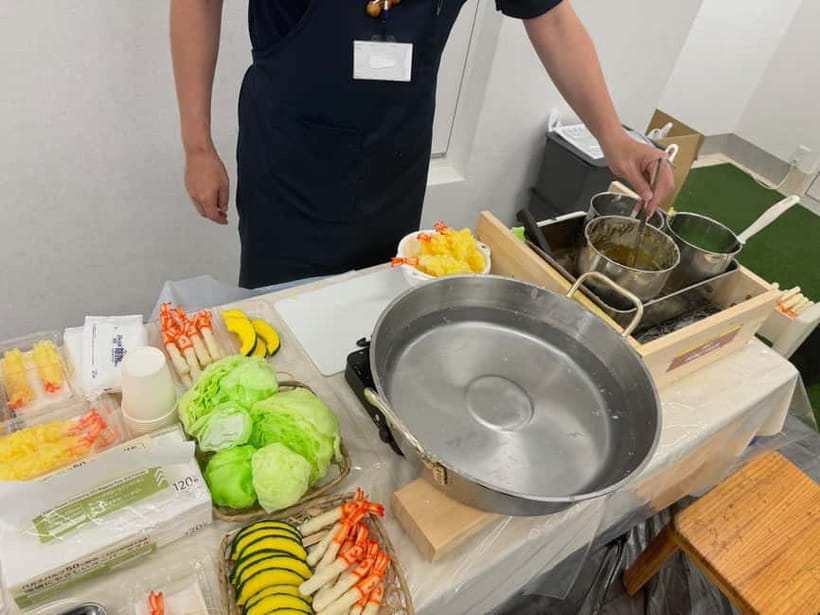
Arrive at your reserved time. The session is designed so they can explain how to make the dish all at once. If you show up late, you can easily miss the workflow and feel behind.
This matters even more with wax work, because you cannot pause and start again whenever you want. When the temperature and timing are part of the method, falling behind can feel frustrating.
So, plan your day so you get there a few minutes early. Then you can settle in, follow along, and enjoy the actual making.
Should you book this Kyoto replica food workshop?
Book it if you want a short, memorable activity with a real cultural link and a take-home result. The workshop gives you the kind of souvenir that feels personal, because you made it, and the supermarket-style packaging makes it easy to keep and show.
Skip it if hot wax and mess anxiety would ruin your day. Also, if you are traveling with very young kids under 6, it is not suitable.
If you want a simple way to decide, think like this: would you enjoy making something small but detailed with your hands, then placing it on your shelf like an artwork? If yes, this is a great Kyoto stop. If you want purely scenic sightseeing, you might prefer something else.
Newest Kyoto write-ups from the Loving Japan desk

Food & Drink, side by side.
 ★ 5.0Shinjuku Food Tour (13 Dishes at 4 Local Eateries)From $866,603 reviews
 ★ 5.0Tokyo Tsukiji Fish Market Food and Culture Walking TourFrom $993,184 reviews
 ★ 4.8Shinsekai Food Tour with 13-15 Dishes at 5 EateriesFrom $532,204 reviews
 ★ 5.0Osaka Food Tour: 13 Dishes at 5 Local EateriesFrom $732,149 reviews
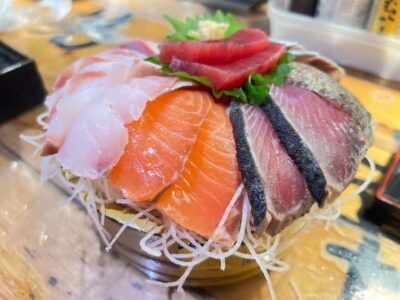 ★ 4.9Shinjuku Food Tour (15 Dishes and 4 Eateries)From $852,033 reviews
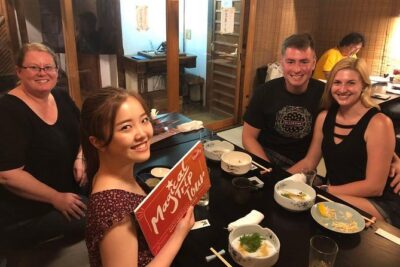 ★ 5.0Kyoto Night Foodie Tour in Gion (9+ dishes + 6 Sake tastings)From $1631,762 reviews
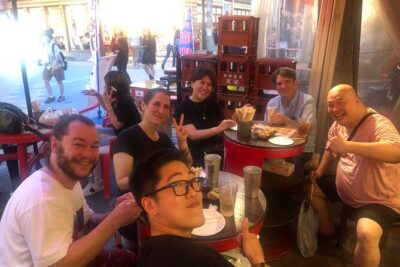 ★ 5.0Hungry Osaka Street Food Tour:15 Tastings & 3 Drinks with a LocalFrom $731,727 reviews
 ★ 5.0Tsukiji Fish Market Food and Walking tourFrom $301,724 reviews
Filed on these lists too