
REVIEW · HIROSHIMA AND MIYAJIMA DAY TRIPS
Mitaki Peace Tour Beyond Central Hiroshima
Peace is louder when you climb. This tour links Hiroshima’s Peace Memorial Park with the quieter Mitaki-dera temple area, where the message of remembrance is felt in a slower way. I especially like how the guide stitches the story together, starting with what happened, then walking you through what it means in daily life.
My other favorite part is the pacing. You get easy walks, a chance to pause in wooded temple grounds, and photo-friendly moments without turning the visit into a rushed checklist. The small group size also helps, so the atmosphere stays respectful and calm.
One possible drawback is walking. The route includes transit plus temple walking, and it is not recommended for anyone with walking difficulties, with an extra note that good weather is required.
In This Review
- Key highlights to look for
- A peaceful mountainside counterpoint to Hiroshima’s Memorial Park
- Price and timing: does $88.68 make sense?
- Meeting point and how the tour flows from Peace Park to Mitaki
- Stop 1 at Peace Memorial Park: Rest House, Atomic Bomb Dome, and context
- Stop 2 at Mitaki-dera: pagoda, bell hall, statues, and peace reminders
- The guide’s role: turning sites into understanding
- What the included transport actually saves you
- Walking, weather, and comfort tips that keep the experience pleasant
- When to go: how seasons can change what you feel
- Who this tour is best for
- Should you book Mitaki Peace Tour Beyond Central Hiroshima?
- FAQ
- How long is the Mitaki Peace Tour?
- What is the price per person?
- Where is the meeting point?
- Where does the tour end?
- What does the tour include?
- Is bottled water provided?
- Is admission to Mitaki-dera included?
- How large is the group?
- Is the tour suitable for people with walking difficulties?
- What if the weather is bad?
Key highlights to look for
- Two-part contrast: Hiroshima’s Memorial Park context, then a serene mountainside temple
- Preserved bomb-impacted sites at Mitaki-dera, explained by your licensed local guide
- Small-group feel (max 6 travelers), helpful on narrower paths
- Local transport included: bus from the Atomic Bomb Dome area to Mitaki, then train back
- Photo-friendly peace stops without turning it into a photo safari
- A small keepsake: postcard with a recycled paper crane plus a stamp
Pairing the city with Miyajima. Other itineraries
- Peaceful Hiroshima & Miyajima UNESCO 1 Day Bus Tour
★ 5.0 · 5,309 reviews - Hiroshima: Hiroshima and Miyajima UNESCO Sites 1-Day Tour
★ 4.9 · 2,330 reviews - Hiroshima / Miyajima Full-day Private Tour with Government Licensed Guide
★ 5.0 · 1,298 reviews - Hiroshima Historical Walking Tour – Why A-Bomb was Dropped
★ 4.8 · 893 reviews
A peaceful mountainside counterpoint to Hiroshima’s Memorial Park
If you only do Peace Memorial Park, you might feel like you already know Hiroshima’s story. This experience changes that by pairing the big, public memorial sites with a temple on a mountainside where people connect with peace in a quieter rhythm.
What I like is the clear “before and after” feeling. First, you get grounded in what happened at Hiroshima’s most well-known sites. Then you shift to Mitaki-dera, a place locals have valued for centuries, where remembrance sits inside everyday scenery like pagodas, bells, and stone statues.
The result is not just information. It is a change in tempo. You slow down on purpose, guided by the history you just learned.
Price and timing: does $88.68 make sense?
At $88.68 per person, you are paying for more than entry fees. You are buying a guided connection between two areas, plus included public transportation, plus Mitaki-dera admission.
The time commitment is also realistic. Expect about 3 hours 25 minutes to 4 hours total, starting at 1:00 pm. Stop 1 at Hiroshima’s Peace Memorial Park area runs about 1 hour 4 minutes, then the Mitaki-dera portion takes roughly 2 hours 50 minutes, including time for guided walking and temple exploration.
Is it a bargain? It is competitive for an actively guided half-day that includes both sides of Hiroshima’s story and takes care of transport between them. You will still want to budget a little extra for personal needs like drinks, since bottled water is not included.
Meeting point and how the tour flows from Peace Park to Mitaki
You meet at 燃料会館 原爆被災説明板, which is at the Peace Memorial Park Rest House area. It is right where you want to be if your day starts with Hiroshima’s major memorial sites, and the location is near public transportation.
From there, you spend part of the time walking and listening in the Peace Memorial Park area. After that, you head to Mitaki by bus, then take the train back to central Hiroshima.
One practical perk: the end point is flexible. Your train ride includes fare back, and you can get off at Hiroshima Station, the next stop Yokogawa Station, or the one after that Hakushima Station. That can make it easier to match your later plans.
- Hiroshima in a Nutshell: Morning Bike Adventure★ 5.0 · 524 reviews
- Hiroshima City 4hr Private Walking Tour with Licensed Guide★ 5.0 · 437 reviews
- From Hiroshima: Hiroshima & Miyajima 1 Day Tour with Lunch★ 4.7 · 395 reviews
- Japanesel Archery Experience HIROSHIMA CASTLE SHARAKU★ 5.0 · 387 reviews
- Hiroshima and Miyajima Day Trip with Itsukushima Shrine & Ferry★ 5.0 · 378 reviews
Stop 1 at Peace Memorial Park: Rest House, Atomic Bomb Dome, and context
This first stage matters because Mitaki-dera makes more sense when you understand what you are about to see. In this part, your guide takes you to several key sites, with explanations that give you context for Hiroshima after the atomic bombing.
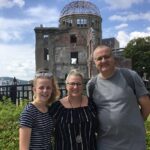
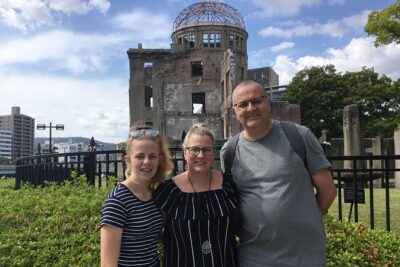
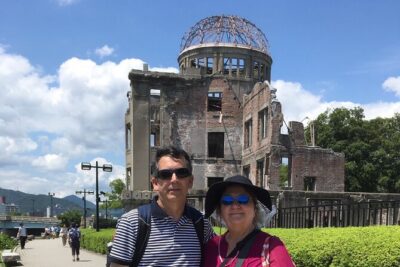
You will visit the Rest House, described as a building damaged by the atomic bomb, plus the Atomic Bomb Dome. Those are the visual anchors most people recognize, but the guide’s job is to connect the symbolism to the lived reality behind it.
Depending on timing, the tour may also include the hypocenter. The point is not checking another box. It is to help you understand why these places are preserved and how they shaped Hiroshima’s long-term purpose.
After your Peace Memorial Park segment, you do a local bus ride from the Atomic Bomb Dome area to the Mitaki area. You transition from the open memorial zone into a more residential and mountainous feel, and that shift is part of what makes the tour work.
Stop 2 at Mitaki-dera: pagoda, bell hall, statues, and peace reminders
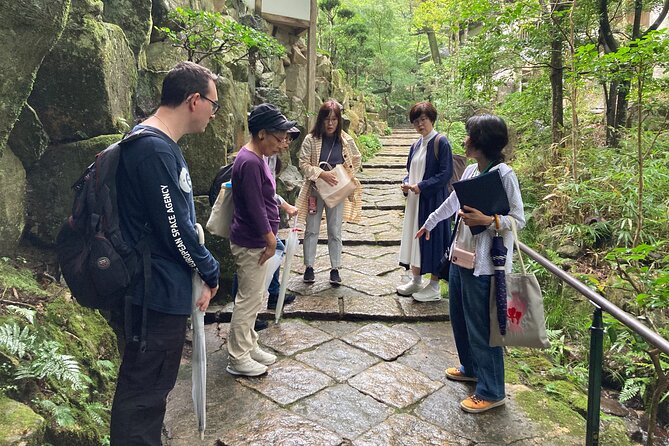
Mitaki-dera is the quiet centerpiece of this tour. After you get off the bus, you walk toward the temple at a relaxed pace, with a few points of interest along the way and guiding explanations.
The walk to the temple is short, about 10 minutes, so you are not arriving exhausted. That keeps the focus on what the temple grounds are doing emotionally: letting you slow down and process the story you just heard.
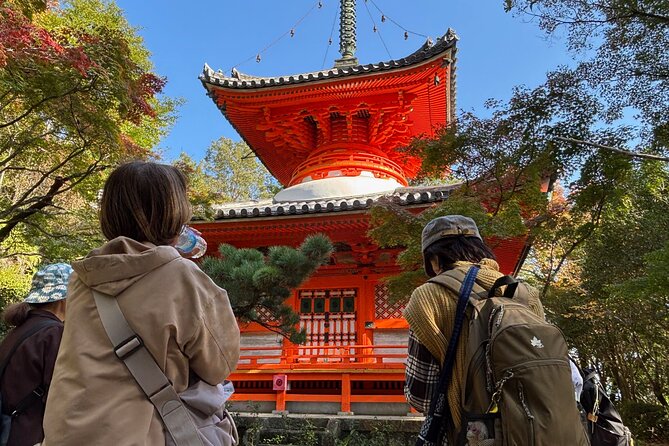
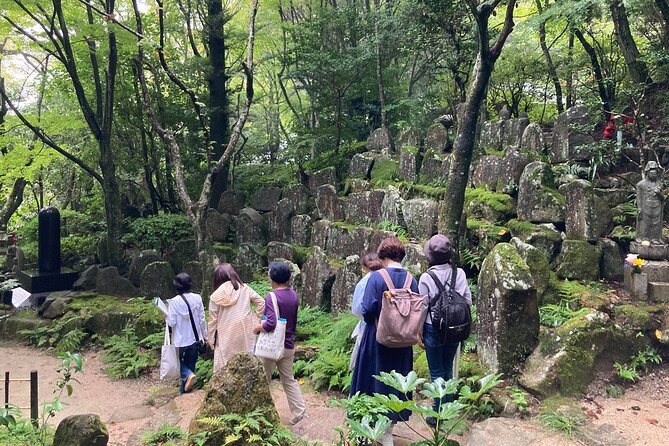
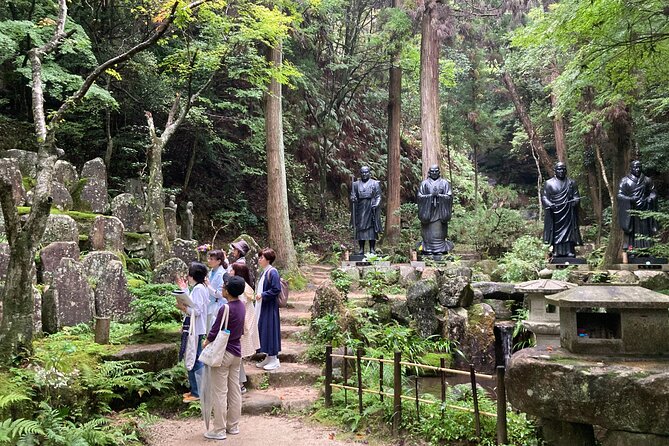
At Mitaki-dera, admission is included, and your guide leads you through the wooded grounds. Expect to see a striking pagoda and a bell hall, plus many stone Buddhist statues. You will also see monuments related to peace and remembrance, and you will encounter preserved atomic-bombed structures within the temple context.
That last part is crucial. The temple is not just “another sightseeing stop.” It is a place where the aftermath of the bombing did not vanish when the city rebuilt. Your guide helps you understand how a religious site became part of the city’s long memory, and how Hiroshima’s meaning of peace continued through daily life.
The tour also includes small activities and easy walks around the grounds. The structure is light enough that you can feel present, not just listen. And yes, you will find photo-friendly spots along the way, though the aim is still reflection, not performance.
The guide’s role: turning sites into understanding
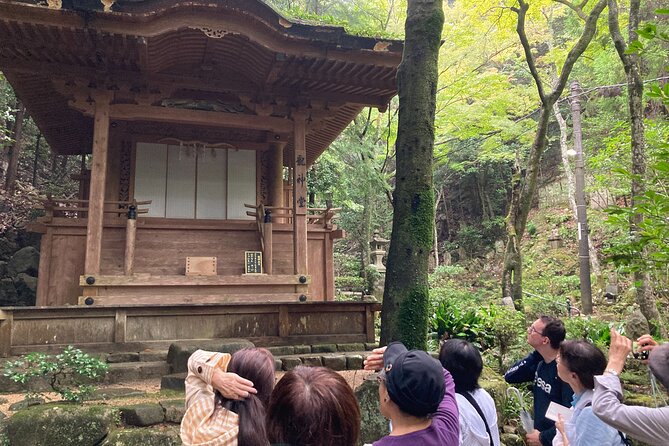
This kind of tour lives or dies on the guidance. Here, a licensed local tour guide explains what you are seeing and why it matters, and they keep the experience grounded rather than dramatic.
From the way people describe the experience, the guide is doing two jobs at once. First, they provide clear explanations so you understand Hiroshima’s history beyond what you might pick up from signs. Second, they guide the walk in a way that gives you time to think while you are surrounded by nature and temple architecture.
In practice, that means you are not left staring at famous places with only guesswork. You get a storyline you can follow, and then your eyes can do what eyes are best at, noticing details in a calm setting.
If you like tours where you learn something real and also feel the atmosphere, this format fits well. If you prefer totally self-guided experiences, you may find yourself wanting more free time at each stop. But the guided pacing is part of the value here.
What the included transport actually saves you
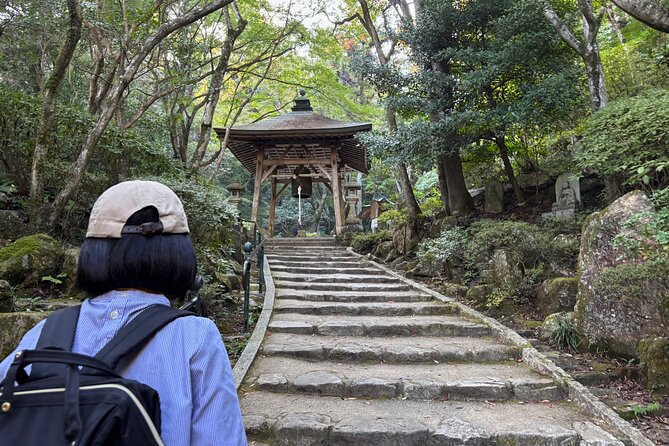
Getting between Peace Memorial Park and Mitaki by yourself is doable, but it is the kind of half-day logistics that can steal energy. This tour includes the bus fare from the Atomic Bomb Dome Bus Stop to the Mitaki area, plus the train fare from Mitaki Station back to central Hiroshima area stations.
That matters for three reasons:
- You avoid figuring out routes mid-day while still trying to follow explanations.
- You keep the flow from memorial sites to temple grounds without long gaps.
- You get a clear end-of-tour station option, not just one fixed drop-off.
The tour also notes that it uses a mobile ticket, which usually makes day-of entry and check-in simpler. You still want to have your phone charged, since you will be using it for your ticket.
Walking, weather, and comfort tips that keep the experience pleasant
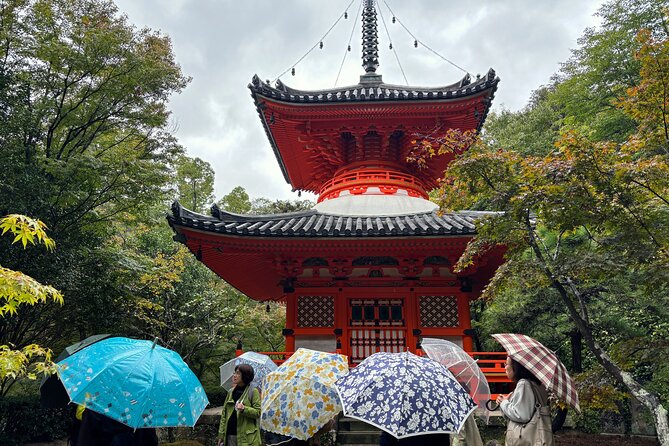
The experience is designed for most travelers, but walking is part of it. You should plan on comfortable shoes and some steady walking time across both stops, including the temple area paths.
There is also an explicit note that the tour is not recommended for walking difficulties. That is not about being dramatic. It is about the reality of a mountainside temple and the walking route between points.
One more factor: good weather is required. If weather is poor, the tour may be canceled and you will be offered another date or a full refund. So watch the forecast the day before, and treat this as a plan for clearer skies.
Finally, bottled water is not included. Bring a bottle or another drink. You might think you do not need water for a few hours, then the walking and the quiet uphill paths surprise you.
When to go: how seasons can change what you feel
You can visit year-round, but seasons affect the emotional tone. For example, early December can still show last bits of autumn color around the temple grounds. When that happens, the mix of red and quiet mountain air can make the peace message feel immediate, not abstract.
The key is not chasing foliage. It is that Mitaki-dera is set in a wooded, mountainside environment, so lighting and greenery change your experience. On a calm weather day, it feels like the city fades behind you.
If you want maximum comfort, aim for a day with good weather. The tour requires it anyway, so you are already stacking the odds in your favor.
Who this tour is best for
This is the right fit if you want Hiroshima’s story in a balanced way. You get the major memorial context, then you move into a temple setting that feels locally rooted and calmer.
It also suits people who like small groups. With a maximum of 6 travelers, you are less likely to feel swallowed by a large crowd, and your guide can keep the pacing more human.
You will likely enjoy it most if you are open to walking at a gentle pace and you appreciate religious sites beyond just taking photos.
If you have limited mobility or prefer strictly short, flat routes, skip this and look for a more accessible format. The tour specifically warns it is not recommended for walking difficulties.
Should you book Mitaki Peace Tour Beyond Central Hiroshima?
Yes, I would book it if you want more than the “big names” of Hiroshima. The value here is the pairing: Peace Memorial Park gives you context, and Mitaki-dera gives you a slower, local-feeling space to connect memory to peace.
It is also good value for what is included. You get Mitaki-dera admission, a licensed local guide, included bus and train fares, and even a postcard featuring a recycled paper crane with a stamp. That is small, but it is a nice, thoughtful touch for something this reflective.
The main reason not to book is simple: if walking is difficult for you, this tour is not the right match. Also, treat it as weather-dependent, since good conditions are required.
If you can handle a few hours of walking and you want Hiroshima’s peace message in two different emotional settings, this is a strong choice.
FAQ
How long is the Mitaki Peace Tour?
The tour runs about 3 hours 25 minutes to 4 hours, approximately.
What is the price per person?
The price is $88.68 per person.
Where is the meeting point?
You meet at 燃料会館 原爆被災説明板 in Hiroshima’s Peace Memorial Park Rest House area.
Where does the tour end?
You end at Hiroshima Station (on the train back). You may also get off at Yokogawa Station or Hakushima Station.
What does the tour include?
It includes a licensed local tour guide, Mitaki Temple entrance fee, transportation bus fare from the Atomic Bomb Dome area to Mitaki, train fare back to central Hiroshima, and a postcard featuring a recycled paper crane and a stamp.
Is bottled water provided?
No. Bottled water is not included, and it is recommended to bring your own.
Is admission to Mitaki-dera included?
Yes. Mitaki Temple entrance fee is included.
How large is the group?
The tour has a maximum of 6 travelers.
Is the tour suitable for people with walking difficulties?
It is not recommended for those with walking difficulties.
What if the weather is bad?
This experience requires good weather. If it is canceled due to poor weather, you will be offered a different date or a full refund. You can also cancel for a full refund up to 24 hours in advance.
Hiroshima and Miyajima Together
Newest Hiroshima write-ups from the Loving Japan desk

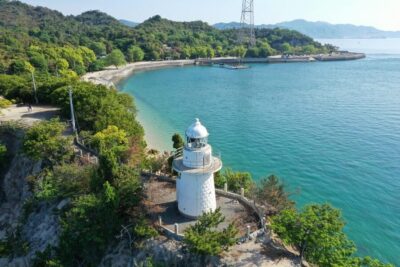
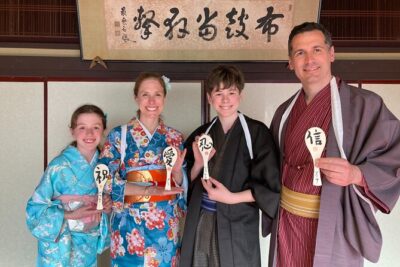
Hiroshima and Miyajima Day Trips, side by side.
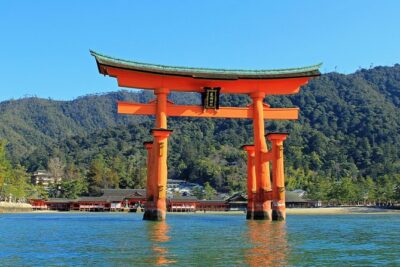 ★ 5.0Peaceful Hiroshima & Miyajima UNESCO 1 Day Bus TourFrom $1295,309 reviews
 ★ 4.9Hiroshima and Miyajima UNESCO Sites 1-Day TourFrom $1222,330 reviews
 ★ 5.0Hiroshima / Miyajima Full-day Private Tour with Government Licensed GuideFrom $2021,298 reviews
 ★ 4.7Osaka/Kyoto: Hiroshima Miyajima Bus Tour & Shinkansen TicketFrom $277919 reviews
 ★ 4.8Hiroshima Historical Walking Tour – Why A-Bomb was DroppedFrom $35893 reviews
 ★ 5.0Hiroshima Peace (Heiwa) Walking Tour at World Heritage SitesFrom $94872 reviews
 ★ 5.0Hiroshima in a Nutshell: Morning Bike AdventureFrom $72524 reviews
 ★ 5.0Hiroshima City 4hr Private Walking Tour with Licensed GuideFrom $122437 reviews
Filed on these lists too