
REVIEW · HIROSHIMA AND MIYAJIMA DAY TRIPS
Miyajima: Cultural Experience in Zen Temple
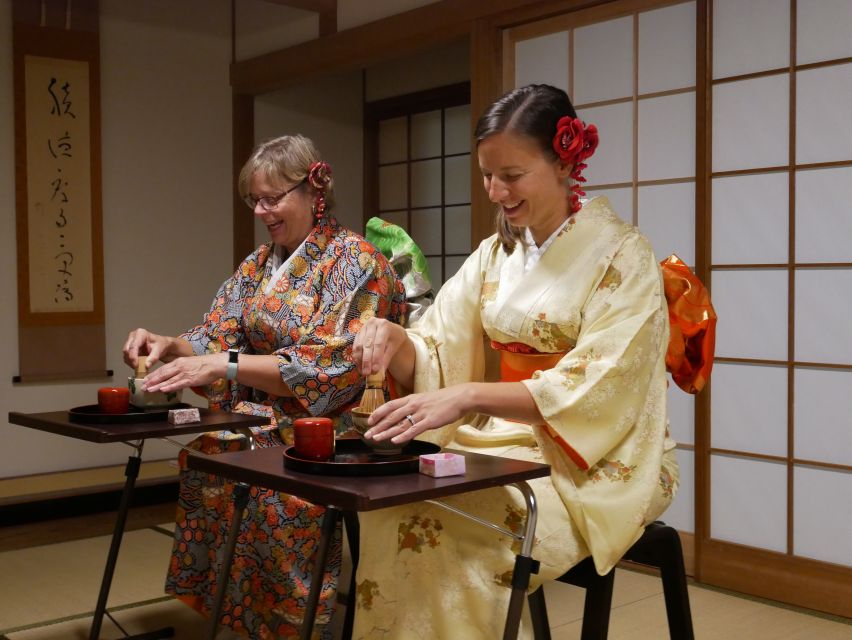
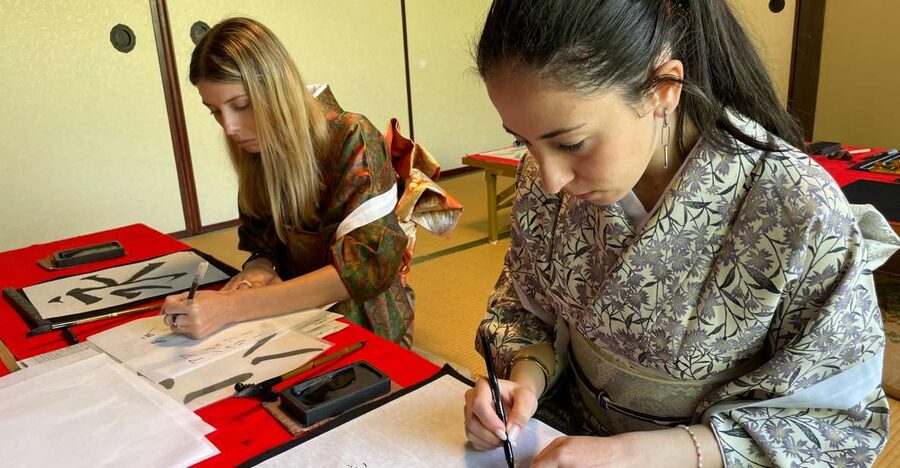
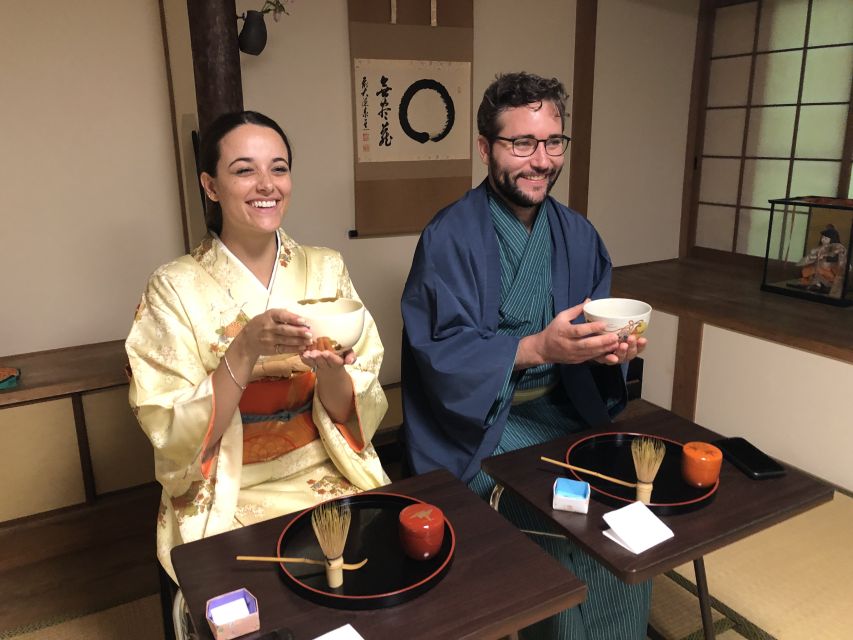
Your name becomes art in a temple garden. At Tokujuji Temple, you pick a kimono, sip matcha in a Ryurei tea ceremony, and learn calligraphy step by step. I love the hands-on feel of the lessons, especially the way you practice your own characters. I also love the calm, respectful tea rhythm, plus the chance to drink matcha the right way. One consideration: the ceremony takes place in traditional spaces where you must remove your shoes, and it is not recommended if you have limited mobility.
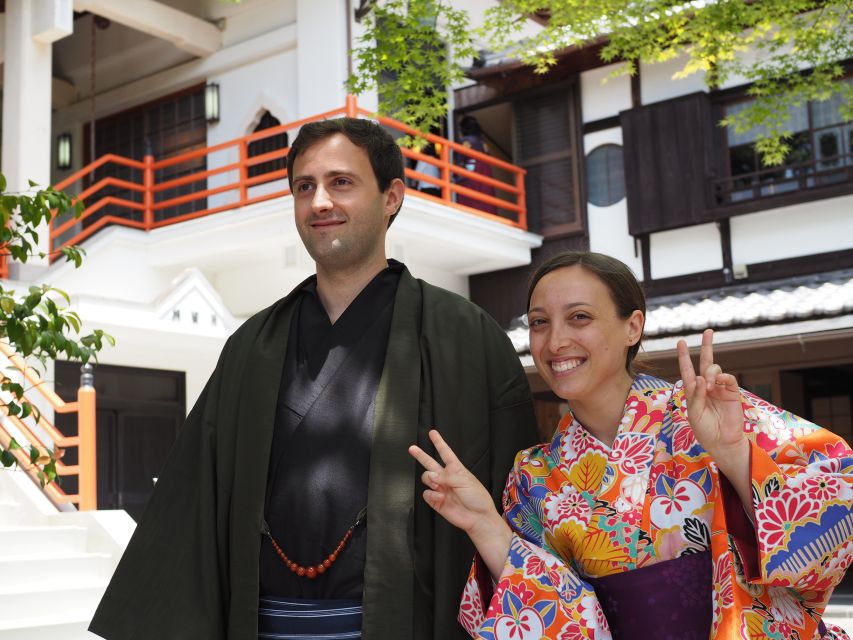
If you choose the extra option, amulet making turns your wish into something tangible. You can select from more than 300 hand-made amulet bags made from kimono fabric, then add a Kumihimo code tied in a special way to carry your intention. You end with a greeting to Kinseki Jizou, and you’ll also get help for photos in the Japanese garden, with pictures sent to you by email or airdrop.
In This Review
- Key Things You’ll Remember From This Miyajima Temple Culture Session
- Tokujuji Temple: A Quieter Miyajima Reset
- Choosing Your Kimono and Wearing It With Confidence
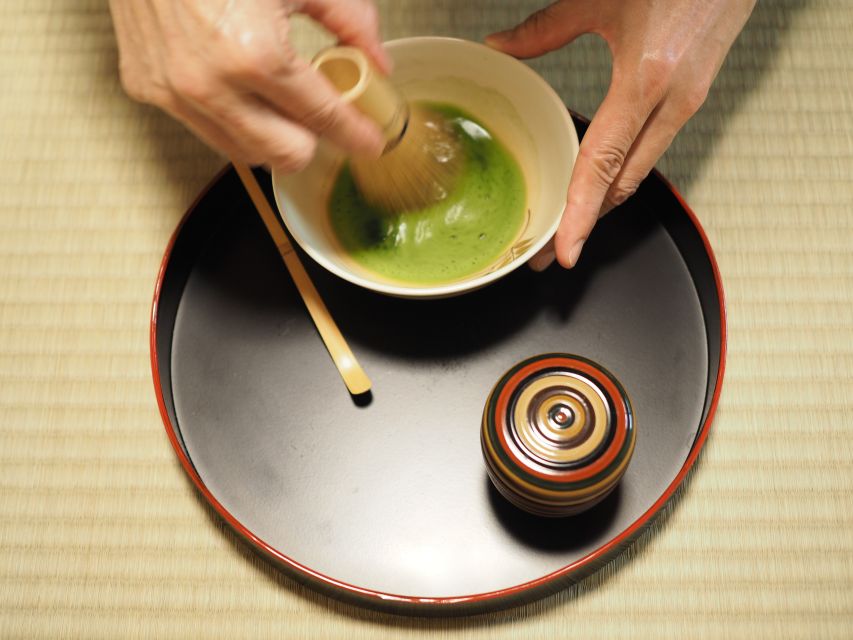
- Matcha Tea in Ryurei Style: The Ritual You Can Actually Follow
- Calligraphy Lesson: Turning Your Name into Kanji and Kana
- Amulet Making Option: Build a Wish You Can Carry
- Japanese Garden Photo Time: How to Get Better Shots
- How the 1 to 2 Hours Actually Feel
- What’s Included, and Why That Matters for Value
- Who Should Book This Miyajima Temple Experience
- Small Details That Make It Go Smoothly
- Should You Book This Tea, Calligraphy, and Kimono Session?
- FAQ
- How long is the experience at the temple?
- Is instruction available in English?
- What do I get to eat and drink during the tea ceremony?
- Do I have to remove my shoes?
- Is this experience suitable for people with limited mobility?
- Are there age limits for kids?
- Will I receive photos after the session?
Key Things You’ll Remember From This Miyajima Temple Culture Session
- Pick your own kimono and get dressed by English-speaking staff who help you get the look right
- Ryurei-style tea ceremony at a table with chairs, with sweets, matcha, and strict ritual steps
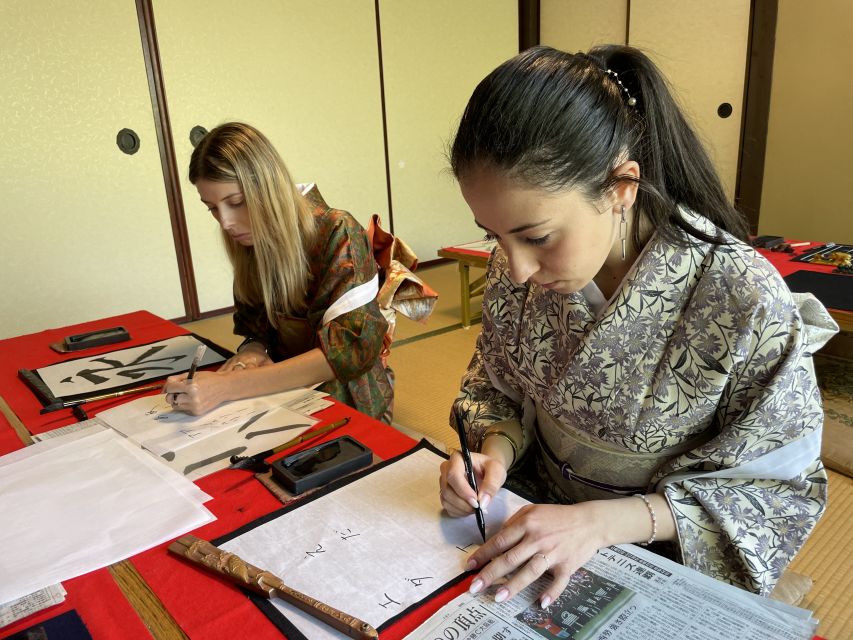
- Calligraphy that starts with a sample of your name, then builds to Kanji and finishes with Hiragana or Katakana
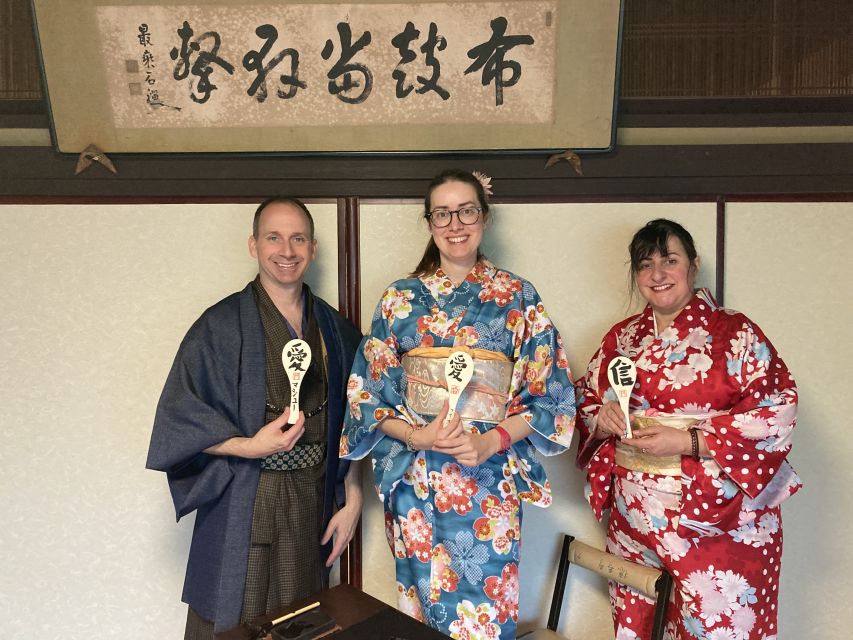
- Amulet making with kimono fabric choices, plus a Kumihimo tied component and a mini rice scoop for your wish
- Garden photo time built into the experience, with staff taking photos and sending them to you afterward
Pairing the city with Miyajima. Other itineraries
- Hiroshima: Hiroshima and Miyajima UNESCO Sites 1-Day Tour
★ 4.9 · 2,330 reviews - Hiroshima / Miyajima Full-day Private Tour with Government Licensed Guide
★ 5.0 · 1,298 reviews - Hiroshima Historical Walking Tour – Why A-Bomb was Dropped
★ 4.8 · 893 reviews - Hiroshima Peace (Heiwa) Walking Tour at World Heritage Sites
★ 5.0 · 872 reviews
Tokujuji Temple: A Quieter Miyajima Reset
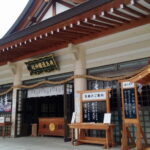
Miyajima is famous for crowd energy, but this experience gives you a calmer pocket of the island. You head into a temple setting at Tokujuji Temple, where the day’s activities focus on slow, careful motions rather than sightseeing checklists.
The biggest value here is that you do culture, not just watch it. You wear traditional clothing, you follow tea steps, and you put your name onto paper in Japanese characters. That combination is why this feels memorable, even if you only spend 1 to 2 hours.
Choosing Your Kimono and Wearing It With Confidence
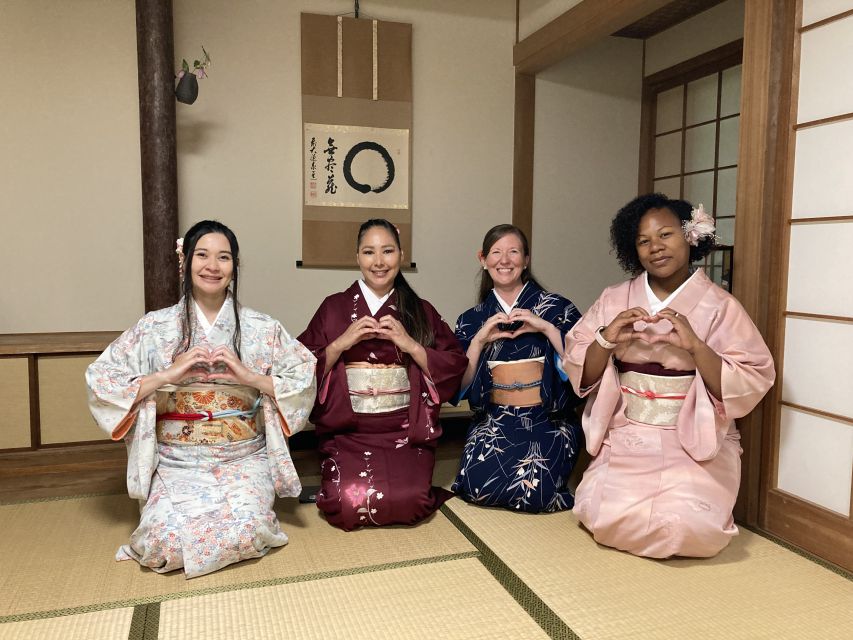
One of the first surprises is how much time goes into dressing you well. You’re not handed a random outfit. You choose your favorite kimono, and the staff helps you get the right look, including the obi tying and overall color match.
From the experience details, you also get thoughtful photo support. People often talk about the way the staff suggests angles and shot ideas in the garden. If you care about pictures, this part matters. You’ll feel more comfortable once someone adjusts your obi so the kimono sits nicely and you’re not constantly tugging fabric.
Practical note: plan to move a bit slowly after dressing. Kimonos look elegant, but they also change how your body feels in motion. If you’re the kind of traveler who can handle new clothes and new routines, you’ll enjoy this.
Matcha Tea in Ryurei Style: The Ritual You Can Actually Follow
The tea ceremony is structured, and that structure is part of what makes it special. The steps are taught in a clear order, including:
- a greeting
- purifying the tools
- making the tea
- cleaning the tools
- closing the ceremony
This is Ryurei style, which means table and chairs. That helps a lot if you want the ceremony experience without needing to sit on the floor in full seiza posture. You also get sweets plus matcha tea, and you learn how to drink matcha correctly, not just sip it like you ordered coffee.
Why this is worth your time: the ritual teaches you attention. Even if you do not know tea culture beforehand, the process gives you something concrete to focus on, which makes the ceremony feel meaningful instead of touristy.
- Hiroshima Peace (Heiwa) Walking Tour at World Heritage Sites★ 5.0 · 872 reviews
- Hiroshima in a Nutshell: Morning Bike Adventure★ 5.0 · 524 reviews
- Hiroshima City 4hr Private Walking Tour with Licensed Guide★ 5.0 · 437 reviews
- From Hiroshima: Hiroshima & Miyajima 1 Day Tour with Lunch★ 4.7 · 395 reviews
- Japanesel Archery Experience HIROSHIMA CASTLE SHARAKU★ 5.0 · 387 reviews
Calligraphy Lesson: Turning Your Name into Kanji and Kana
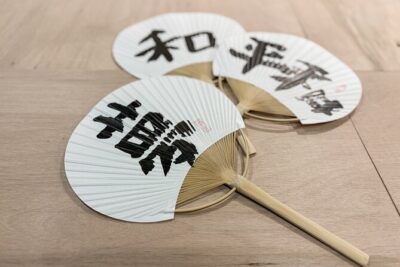
This is the workshop that gives you a real souvenir, one you made with your own hand. The calligraphy lesson starts with guided instruction on drawing lines step by step. You practice one or more Kanji characters, with enough time to get comfortable with the strokes rather than being rushed.
A helpful detail is that your instructor makes a sample of your name. In at least one case, the teaching staff included Yoko, who is described as fluent in English. That matters because it helps you understand what you’re doing, not just copy motions blindly.
Then you practice writing your name in Japanese alphabet, either Hiragana or Katakana. After that, you sign your work with Japanese, and the lesson ends with your finished piece wrapped so you can safely take it home.
If you’re worried you will be bad at calligraphy, don’t. The goal is practice and completion. You leave with something that looks like you were part of the craft, not like you stamped out a quick craft-store postcard.
Amulet Making Option: Build a Wish You Can Carry
If you pick amulet making, you get a different kind of creativity. It happens in the temple’s main hall, where you choose from more than 300 amulet bags. These bags are hand-made from kimono fabric, so the selection feels like browsing material textures and patterns, not just picking a generic pouch.
Next comes Kumihimo, described as a code tied in a special way to help make your wish come true. You choose your wish, then write or stamp it onto a mini rice scoop that carries your intention.
After you assemble everything, you greet Kinseki Jizou, reporting that you are here to make a wish. This gives the activity a spiritual frame without turning it into a lecture. You still do the hands-on parts, and the ritual moment gives your work meaning.
This option is especially satisfying if you like crafts and want something more personal than calligraphy. The amulet becomes a wearable memory, not just paper you file in a folder.
Japanese Garden Photo Time: How to Get Better Shots
The garden photo session is built into the experience and is not treated as an afterthought. You walk the Japanese garden, and you’ll have time for pictures taken by the hosts.
A small but useful reality check: lighting can affect photos. One person noted that some photos came out with weak face lighting in certain spots. That’s not a deal-breaker, but it’s a reason to slow down for a minute. If you’re serious about getting portraits you’ll love later, ask the staff to point you toward the best spots for light, then take a few test shots before you settle.
Also, because you are already dressed in a kimono with careful tying, you’ll look sharper in photos than if you tried to rent and dress yourself quickly. This is one of the practical reasons the kimono portion works well.
How the 1 to 2 Hours Actually Feel
Most cultural experiences can feel rushed. This one is designed to be calm. The duration is 1 to 2 hours, and small group format helps the staff manage time without moving everyone through at breakneck speed.
In practice, timing can stretch a bit when people linger with photos or want extra practice time in calligraphy. That’s a good sign. It usually means you’re not getting herded.
You’ll likely leave feeling like you did something real, not only checked a box. That’s the “why” behind the high satisfaction: you get multiple activities that connect to each other, clothing to tea to writing.
What’s Included, and Why That Matters for Value
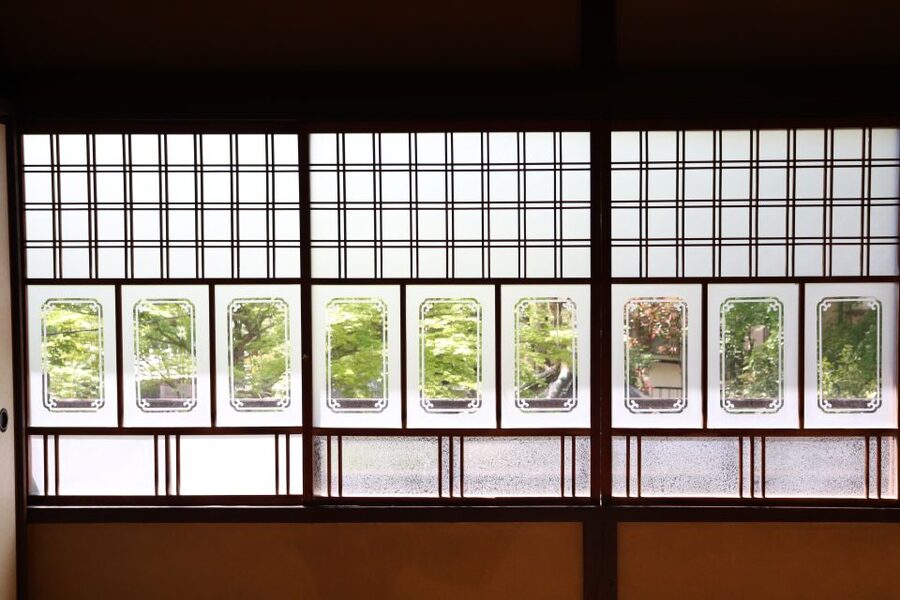
Here’s what you’re paying for, in practical terms:
- All tools for calligraphy
- Two types of sweets
- Two bowls of matcha tea
Those inclusions make it easier to judge value. You are not expected to bring supplies or buy extra items mid-lesson. Also, you’re not paying for only one activity. The kimono experience, tea ceremony, and calligraphy are designed together, with amulet making as an add-on option.
Price is listed as $90 per person, and for this mix of instruction plus included tea and sweets, it can make sense, especially on a trip where you want one standout cultural activity without spending half a day. If your time on Miyajima is limited, the short duration helps you get a “deep enough” experience without draining your schedule.
Who Should Book This Miyajima Temple Experience
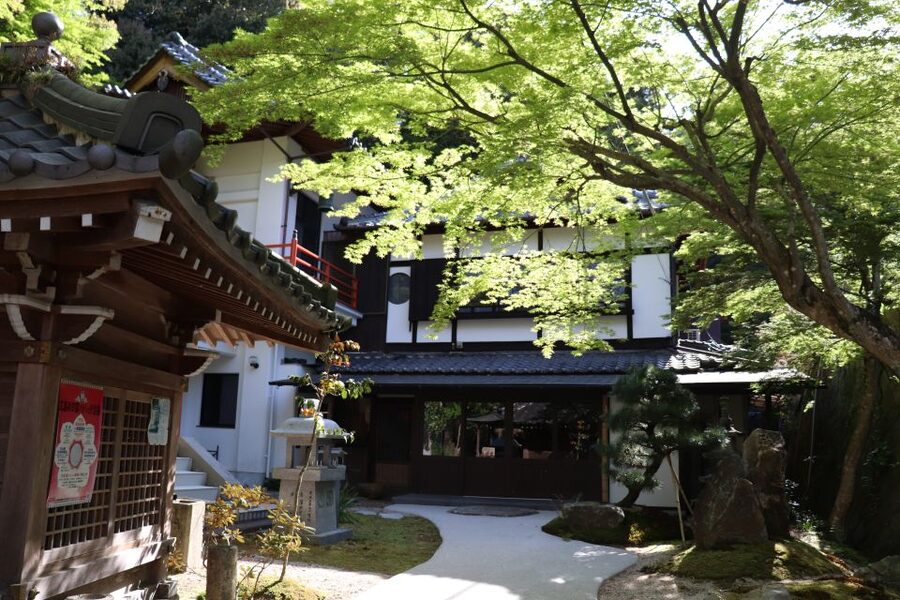
This is a great fit if you want hands-on culture in a setting that feels respectful and orderly.
You’ll especially like it if:
- you enjoy crafts and want a take-home piece (calligraphy and possibly an amulet)
- you like matcha and want the ritual steps, not just a drink
- you want great photos but also want to feel comfortable in the experience
- you’re traveling with family or mixed ages, since the activities are structured and guided
It may be less ideal if you have limited mobility, because the experience includes traditional spaces and requires removing shoes to enter. And kids under 6 cannot participate in the activities, so plan accordingly.
Small Details That Make It Go Smoothly
A few practical notes will help you enjoy it more:
- The lesson happens in English or Japanese, with English-speaking instruction available
- Your photos are sent to you by email or airdrop on site
- You should expect to pause and follow instructions carefully, especially during tea steps
- Your calligraphy piece is wrapped for safe travel home
These details sound minor, but they affect stress level. When the staff manages tools, photos, and materials, you can focus on the experience instead of logistics.
Should You Book This Tea, Calligraphy, and Kimono Session?
Book it if you want one Miyajima activity that blends clothing, ritual, and a personal keepsake. The combination of kimono dressing, a structured tea ceremony, and calligraphy practice gives you more than a single highlight. Add amulet making if you want something wearable and wish-based.
Skip it or reconsider if your priority is a fast sightseeing hit, because this is meant to slow down. Also, if mobility is an issue, know that the experience is not recommended in that case, and you’ll be asked to remove shoes.
If you want a peaceful cultural break on Miyajima, this is a strong choice.
FAQ
How long is the experience at the temple?
The duration is listed as 1 to 2 hours, depending on availability and the option you book.
Is instruction available in English?
Yes. The instructor can teach in English or Japanese.
What do I get to eat and drink during the tea ceremony?
You’ll have two types of sweets and two bowls of matcha tea as part of the tea ceremony experience.
Do I have to remove my shoes?
Yes. You must remove your shoes to enter the temple spaces where the activities are held.
Is this experience suitable for people with limited mobility?
It is not recommended for people with mobility impairments.
Are there age limits for kids?
Children under 6 years old cannot participate in the activities.
Will I receive photos after the session?
Yes. All the photos are sent to you by email or airdrop on site.
Hiroshima and Miyajima Together

Newest Hiroshima write-ups from the Loving Japan desk
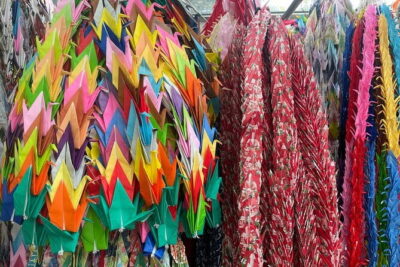
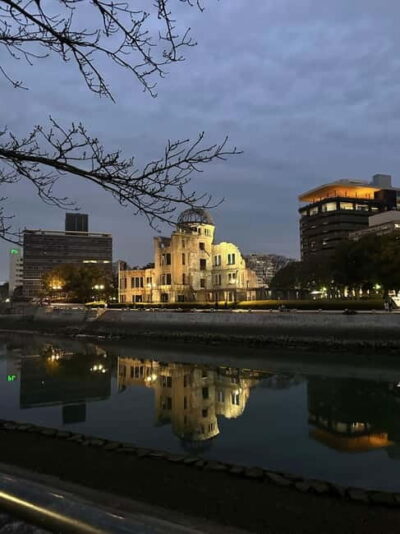
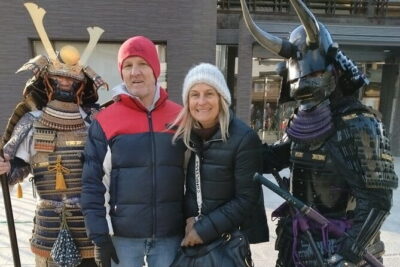
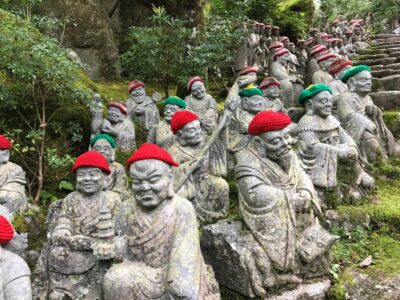
Hiroshima and Miyajima Day Trips, side by side.
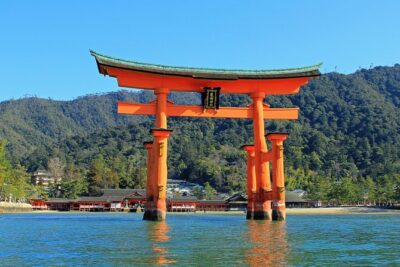 ★ 5.0Peaceful Hiroshima & Miyajima UNESCO 1 Day Bus TourFrom $1295,309 reviews
 ★ 4.9Hiroshima and Miyajima UNESCO Sites 1-Day TourFrom $1222,330 reviews
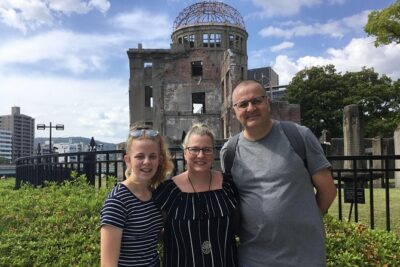 ★ 5.0Hiroshima / Miyajima Full-day Private Tour with Government Licensed GuideFrom $2021,298 reviews
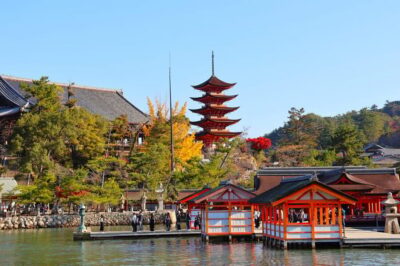 ★ 4.7Osaka/Kyoto: Hiroshima Miyajima Bus Tour & Shinkansen TicketFrom $277919 reviews
 ★ 4.8Hiroshima Historical Walking Tour – Why A-Bomb was DroppedFrom $35893 reviews
 ★ 5.0Hiroshima Peace (Heiwa) Walking Tour at World Heritage SitesFrom $94872 reviews
 ★ 5.0Hiroshima in a Nutshell: Morning Bike AdventureFrom $72524 reviews
 ★ 5.0Hiroshima City 4hr Private Walking Tour with Licensed GuideFrom $122437 reviews
Filed on these lists too