

REVIEW · HIROSHIMA AND MIYAJIMA DAY TRIPS
Miyajima Highlights: Itsukushima Shrine & Island Nature
Miyajima hits different when a local leads. This private 5-hour walk centers on Itsukushima Shrine, then keeps going past the obvious stops so you understand the island as a living place. What makes it work is the guide, a Hiroshima native who connects the spiritual sites to family memory and everyday island life, with storytelling you can actually picture.
Two things I especially liked: the way the shrine and temple details are explained by guides such as Aya and Masa, and the chance to step into quieter corners instead of only marching through the main crowd lines. One drawback to plan for is that the floating torii gate view can depend on tide conditions, so you might not get the exact postcard angle you hoped for.
In This Review
- Quick hits you will feel on the ground
- Private Miyajima With Hiroshima-Native Storytellers
- How You Get There Without Losing Your Whole Day
- Itsukushima Shrine and the Floating Torii, Tide Included
- Daisho-in Temple, Senjokaku Pavilion, and What Symbols Mean
- Miyajima Omotesandō, Shopping Street Without the Stress
- Quieter Corners and Island Nature That Feel Like Real Life
- Photography, Comfort, and a Guide Who Actually Plans
- Price and Time: Is $138 a Good Value for This Tour?
- Should You Book This Miyajima Tour?
- FAQ
- How long is the Miyajima tour?
- Is this tour private?
- What languages are the live guides?
- How do I get from Hiroshima to Miyajima?
- What stops are included during the tour?
- Is food included?
- What might affect seeing the floating torii gate?
- Is pickup included?
Quick hits you will feel on the ground
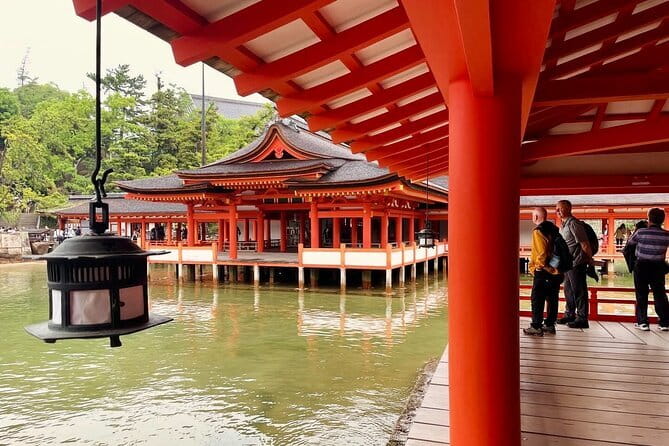
- Hiroshima-native guides with personal context like Aya, Yuka, and Masayo, often sharing how history and community shape what you see
- Itsukushima Shrine and Daishoin with guided time where symbols actually get explained
- A flexible private pace that can bend toward photos, slower reflection, or practical sightseeing flow
- Quieter Miyajima routes that give you breathing room after the main sights
- Multiple iconic photo moments including the torii gate area and key pavilion stops
- Guides prepared for real weather, including comfort items mentioned in reviews for hot conditions
Pairing the city with Miyajima. Other itineraries
- Peaceful Hiroshima & Miyajima UNESCO 1 Day Bus Tour
★ 5.0 · 5,309 reviews - Hiroshima: Hiroshima and Miyajima UNESCO Sites 1-Day Tour
★ 4.9 · 2,330 reviews - Hiroshima / Miyajima Full-day Private Tour with Government Licensed Guide
★ 5.0 · 1,298 reviews - Hiroshima Historical Walking Tour – Why A-Bomb was Dropped
★ 4.8 · 893 reviews
Private Miyajima With Hiroshima-Native Storytellers
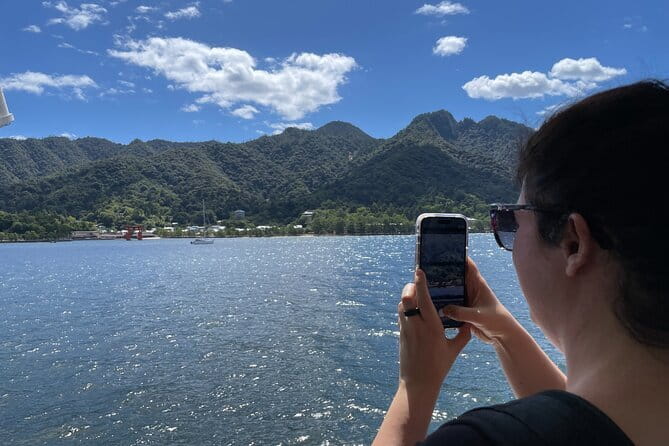
This is a private walking tour of Miyajima with English and Japanese live guidance. The biggest value is not just that someone knows the sites, it is that the guide knows the cultural meaning behind them, shaped by Hiroshima life. In reviews, names like Aya, Masa, Yuka, and Masayo show up again and again, and the common thread is how they link places to human stories, not just dates on a sign.
I love the tone of this tour because it stays respectful and practical. If you have questions, you get real answers. And if you want a quieter, more reflective pace, the itinerary has room for it.
One nice touch: you are not limited to a rigid checklist. Since it is private, your guide can adjust the balance between photography time, shrine focus, and slower island wandering.
How You Get There Without Losing Your Whole Day
Expect about an hour of travel time to reach Miyajima from central Hiroshima. The flow is simple: you go by public transit, starting with a train segment around 45 minutes, then a ferry around 15 minutes. On the way back, it repeats, another ferry 15 minutes and a train around 45 minutes.
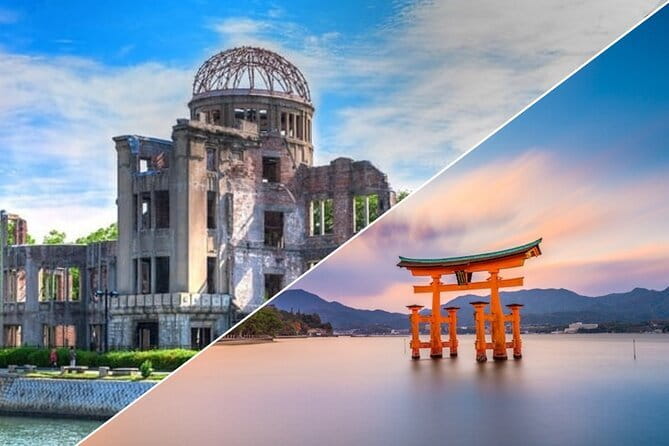
That timing matters because it affects what you can realistically fit into 5 hours. The tour is designed to keep you on Miyajima rather than trying to squeeze in the Hiroshima Peace Memorial. The provider even flags that mixing both will stretch the day, so if you want both places, you may need separate planning.
Pick-up is built around convenience. There are 14 pickup options, including well-known central hotels like Hotel Granvia Hiroshima, Hilton Hiroshima, Crowne Plaza ANA Hiroshima, Sheraton Grand Hiroshima Hotel, and multiple Hiroshima Station area points. If your place is not on the list, you can email to arrange pickup if you are in central Hiroshima City, and the pick-up is on foot.
You also have a realistic option if you prefer less hassle: the tour can run by public transportation, or by taxi if you want.
Itsukushima Shrine and the Floating Torii, Tide Included
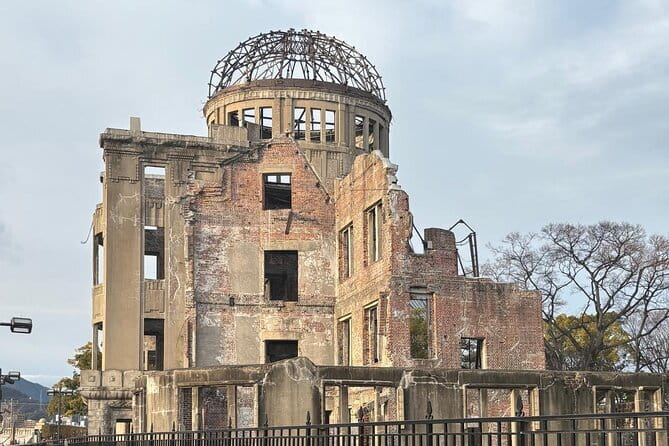
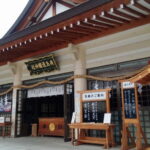
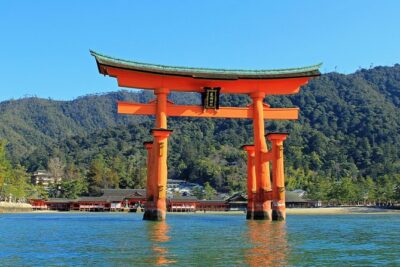
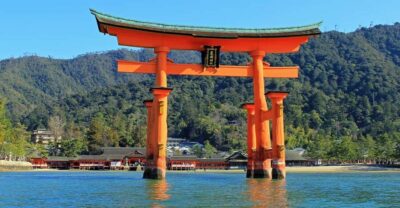
The tour hits the iconic Itsukushima Shrine area early enough to feel the island’s rhythm rather than arriving just in time for a photo sprint. You get a photo stop at the floating torii gate area, with guided time to help you understand what you are looking at.
Here is the key practical point: the floating torii gate look can vary with tides. The provider specifically notes it may be low tide, which can change the waterline and how dramatic the floating effect looks. I would not treat that as a failure condition. Even without the perfect postcard water, the shrine setting still makes sense once you know what the torii represents and why the shrine is approached with reverence.
After the torii stop, you spend guided sightseeing at Itsukushima Shrine for about 30 minutes. This is long enough to slow down and ask questions, but short enough to keep energy for the next temple sites.
- Hiroshima in a Nutshell: Morning Bike Adventure★ 5.0 · 524 reviews
- Hiroshima City 4hr Private Walking Tour with Licensed Guide★ 5.0 · 437 reviews
- From Hiroshima: Hiroshima & Miyajima 1 Day Tour with Lunch★ 4.7 · 395 reviews
- Japanesel Archery Experience HIROSHIMA CASTLE SHARAKU★ 5.0 · 387 reviews
- Hiroshima and Miyajima Day Trip with Itsukushima Shrine & Ferry★ 5.0 · 378 reviews
Daisho-in Temple, Senjokaku Pavilion, and What Symbols Mean
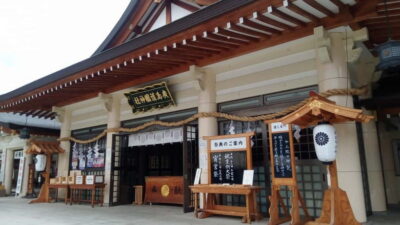
Daisho-in is where the tour adds depth. You get a photo stop and then about an hour of guided time at Daisho-in. This is also a stretch of the tour where the guide’s storytelling becomes most useful, because religious architecture can feel like a blur if you do not know what to look for.
If you enjoy learning through context, this part is your payoff. Reviews highlight guides like Masa and Masayo bringing in personal, Hiroshima-connected perspectives. That might show up as explanations tied to how communities remember, how shrines function in daily life, or why certain sacred ideas matter to people over generations.
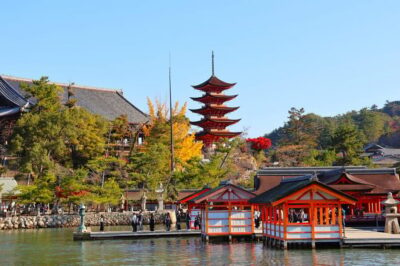
Next is Senjokaku Pavilion, with a short photo stop and about 10 minutes of guided time. Even if you rush it on your own, a guide helps you understand why it is not just another temple stop. It connects to Miyajima’s broader spiritual map, so you start seeing the island as a network of meaning.
Miyajima Omotesandō, Shopping Street Without the Stress
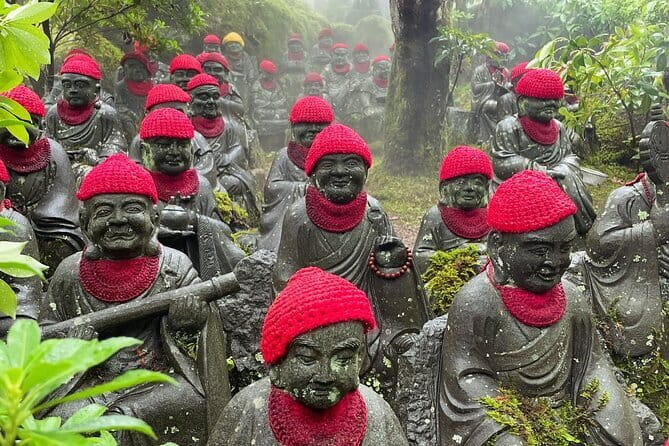
After the shrine and temple anchors, you move to Miyajima’s Omotesandō shopping street. You get about 40 minutes here, which is a good amount of time to browse without feeling like a time-traveling zombie in a crowd.
This is also where a private guide helps. Instead of you guessing what is worth your attention, your guide can point out what fits your interests, whether you care more about snacks, souvenirs, or just watching daily life.
Keep expectations grounded. This is a shopping street, so it is not the silent side of Miyajima. But it is also one of the best places to notice how tradition and tourism coexist on the island.
Quieter Corners and Island Nature That Feel Like Real Life
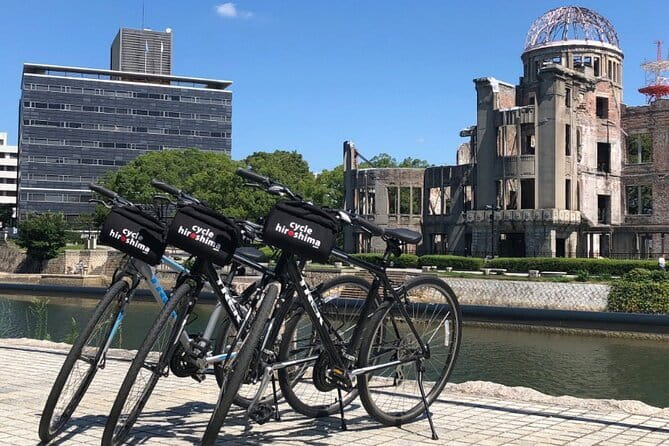
The tour is not only built around the headline sights. You also get time for the “in-between” Miyajima, including a guided walk portion at the start after you arrive on the island (about 20 minutes). The main point is simple: you get a route that tries to step away from the most obvious crowd lanes.
I love this approach because Miyajima gets romantic fast, and crowds can steal the calm. When the guide steers you into calmer pockets, the island starts to feel less like a destination and more like a place people actually live with.
You can aim this time depending on what you care about. The itinerary is described as flexible for interests like photography and nature, and you are encouraged to focus on Miyajima itself rather than treating it like a quick photo haul.
If you want to add more, you can ask about optional extensions in advance. The provider notes you can request hiking Mt. Misen or even a hands-on baking experience for momiji manju. Those options are not included by default, but the fact that they can be arranged or recommended matters if you want your day to feel more personal.
Photography, Comfort, and a Guide Who Actually Plans
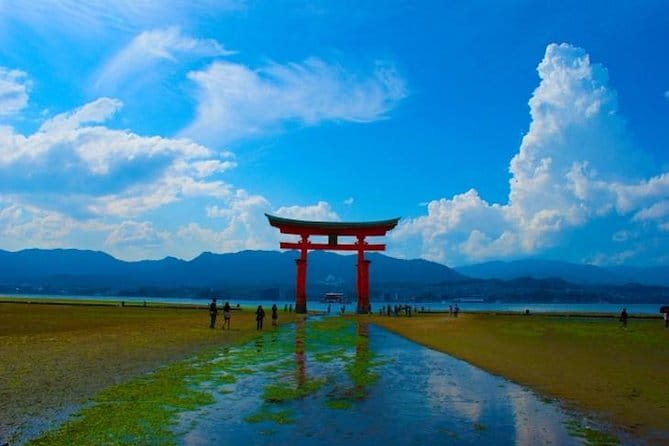
You get photography during the tour, and the data is provided afterward. That is a smart value add because it saves you from playing smartphone photographer for your own group.
If you travel with family, this kind of planning can make the day smoother. Multiple reviews mention that guides handled larger groups well. They also mention practical preparedness for tough weather, including extra parasols and neck coolers for heat. That kind of detail is not glamorous, but it is what makes the tour feel cared for.
The tour also runs as a private group, which usually means less waiting and more direct attention. And if you need it, the tour is wheelchair accessible.
Price and Time: Is $138 a Good Value for This Tour?
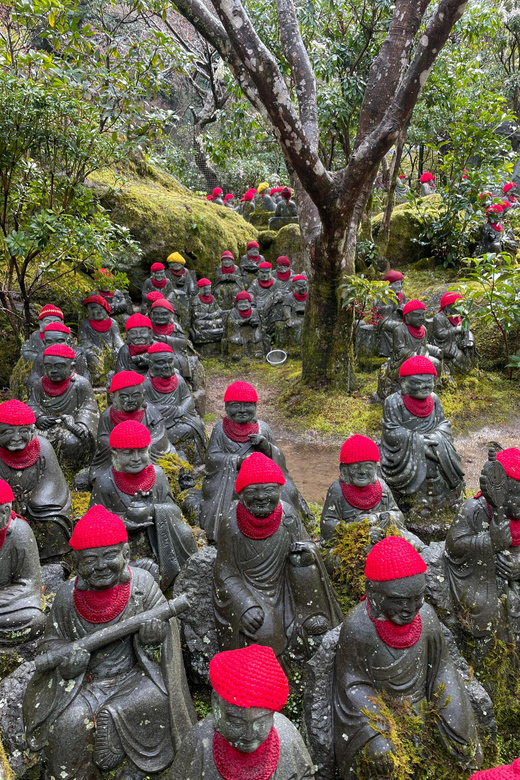
At $138 per person for about 5 hours, this is not a budget splash. You are paying for two things: private guidance and Hiroshima-native interpretation that changes how you experience Miyajima.
If you go on your own, you can absolutely reach Itsukushima and walk around. But you will miss a lot of the meaning that makes the shrine feel intentional instead of just scenic. Here, the guide turns the sites into a story. And you also gain something harder to DIY: an efficient, tide-aware route with time at the right places, plus quiet corners that feel intentional rather than accidental.
The tour also has several items not included, so factor that into your real cost:
- Transportation fee
- Visitor’s tax to Miyajima
- Food and drink
If you pack snacks and budget for transit and the island visitor tax, the price starts to make more sense. For me, the value is best if you care about understanding what you are seeing, not just collecting photos.
Should You Book This Miyajima Tour?
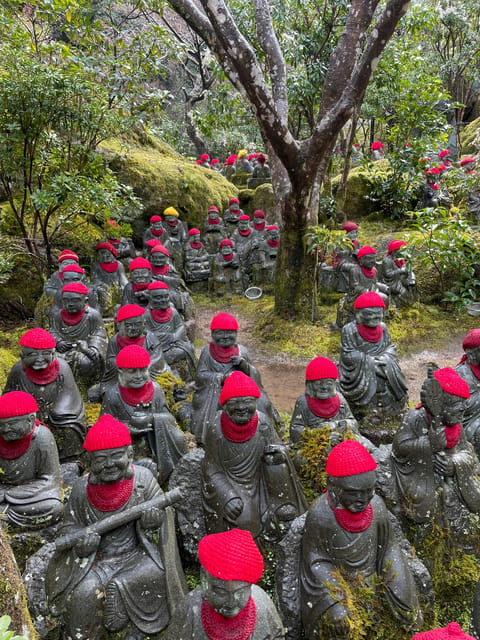
Book it if you want a Miyajima day with more meaning than a checklist, and you like the idea of a Hiroshima-connected guide who can explain what shrines and symbols mean. It is especially a good fit for families or groups who want structure but still want flexibility, because the private format helps everyone keep moving at a comfortable pace.
Skip it, or reconsider, if your entire plan depends on getting the perfect floating torii gate look at a specific moment. The tour aims to see it, but tides can change the effect. Also, if you want to do both Miyajima and major Hiroshima sights in one go, plan extra time, since this tour is designed mainly around Miyajima.
If you do book, do one thing that improves the day immediately: tell your guide what you care about most, photos, nature, or a more reflective approach. The tour is set up to adapt, and that is where the experience becomes more than just a walk through famous places.
FAQ
How long is the Miyajima tour?
The tour lasts 5 hours.
Is this tour private?
Yes, it is a private group tour.
What languages are the live guides?
The guides offer English and Japanese.
How do I get from Hiroshima to Miyajima?
You travel using public transportation, including a train segment (about 45 minutes) and a ferry segment (about 15 minutes). You return the same way.
What stops are included during the tour?
You visit Itsukushima Shrine and spend guided time there, plus Daisho-in, Senjokaku Pavilion, and Miyajima Omotesandō shopping street. There is also a photo stop near the Itsukushima floating torii gate.
Is food included?
No, food and drink are not included.
What might affect seeing the floating torii gate?
The floating torii gate view can depend on the tide, and it may look different if the water level is low.
Is pickup included?
Yes, pick-up is included, with options across central Hiroshima. If your hotel or Airbnb is not listed, you can indicate it via email for pickup in central Hiroshima City.
Hiroshima and Miyajima Together
Newest Hiroshima write-ups from the Loving Japan desk

Hiroshima and Miyajima Day Trips, side by side.
 ★ 5.0Peaceful Hiroshima & Miyajima UNESCO 1 Day Bus TourFrom $1295,309 reviews
 ★ 4.9Hiroshima and Miyajima UNESCO Sites 1-Day TourFrom $1222,330 reviews
 ★ 5.0Hiroshima / Miyajima Full-day Private Tour with Government Licensed GuideFrom $2021,298 reviews
 ★ 4.7Osaka/Kyoto: Hiroshima Miyajima Bus Tour & Shinkansen TicketFrom $277919 reviews
 ★ 4.8Hiroshima Historical Walking Tour – Why A-Bomb was DroppedFrom $35893 reviews
 ★ 5.0Hiroshima Peace (Heiwa) Walking Tour at World Heritage SitesFrom $94872 reviews
 ★ 5.0Hiroshima in a Nutshell: Morning Bike AdventureFrom $72524 reviews
 ★ 5.0Hiroshima City 4hr Private Walking Tour with Licensed GuideFrom $122437 reviews
Filed on these lists too