
REVIEW · ASAKUSA, SENSO-JI AND TOKYO SKYTREE
Official Japan Go-Kart Tokyo Skytree/Akihabara (IDP Required)
Street-karting Tokyo feels like a game.
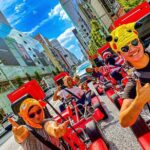
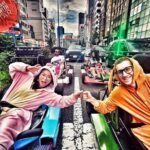
On this Official Japan Kart ride, you cover major sights without walking yourself into a blister, with a small group capped at 10. I like that you also get guide support plus a quick safety setup, then cruise past places like Ameyoko, Ueno Park, Akihabara, Kappabashi, and Tokyo Skytree. One big drawback to plan for up front: you must have the right driving documents, or you will be turned away.
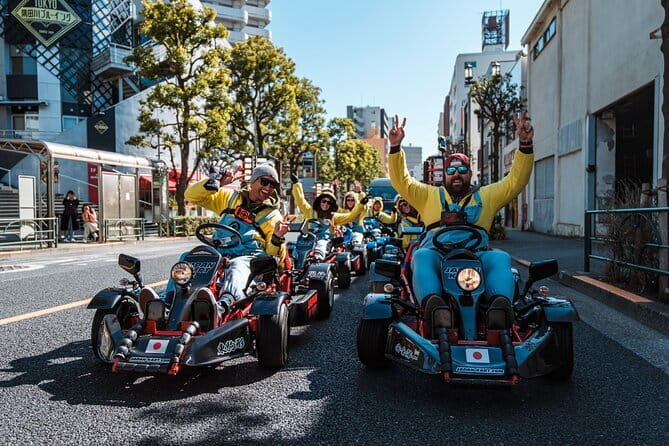
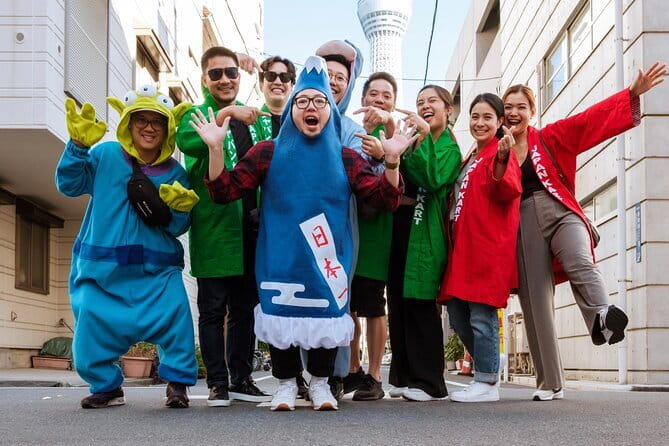
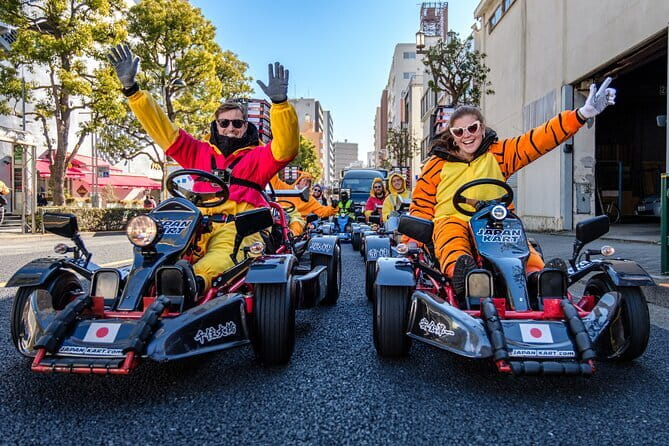
After check-in, the vibe is focused but fun. You sign a waiver, get geared up, watch a short how-to video, and head out on streets where being careful matters. I also like that staff seem to run the experience professionally, including costume-style outfits and helping you get comfortable fast.
This is also one of those tours where nerves are part of the charm. The route mixes famous landmarks and street energy, so you should be ready for motion, noise, and close quarters with traffic.
In This Review
- Key points before you commit
- The value of a Tokyo go-kart that hits Skytree and Akihabara
- Meeting at JapanKart near Azumabashi, then getting ready fast
- Kaminarimon: starting with the Asakusa gateway feeling
- Ameyoko and Ueno Park: markets plus a cultural breather
- Akihabara: neon tech streets at kart speed
- Kappabashi Kitchen Town: knives, cookware, and plastic food models
- Tokyo Skytree views: the 634-meter finale
- Safety and rules that decide whether you get to drive
- IDP and license requirements
- Alcohol and what to wear
- How the ride starts on the ground
- Should you book this if you want thrills, photos, or fast sightseeing?
- Who this JapanKart go-kart tour is best for
- Should you book the Official Japan Go-Kart Tokyo Skytree and Akihabara tour?
- FAQ
- Do I need an International Driving Permit (IDP) to drive?
- Are there exceptions to the IDP requirement?
- What form must the IDP be in?
- How long is the go-kart experience?
- How many people are in the group?
- What is included in the price?
- Is dinner included?
- Where do we meet, and do we return there?
- Are there rules about alcohol or clothing?
- What happens if the weather is poor?
- Can I cancel for a refund?
Key points before you commit
- Max 10 riders means less waiting and more personal attention during setup and check-in.
- IDP rules are strict and drive the whole experience. Verify your permit before you leave home.
- A short ride with big payoff: you hit multiple Tokyo neighborhoods that would take much longer on foot.
- Setup includes a waiver and a short instruction video, so even first-time drivers get a clear start.
- You pass iconic areas like Kaminarimon, Ameyoko, Ueno Park, Akihabara, Kappabashi, and end near Tokyo Skytree.
- Dress and alcohol rules are enforced for safety and comfort while driving.
Still on the Sumida side? A few more Asakusa options
- Tokyo: Japanese Dance Cabaret Theater Asakusa-Kaguwa Ticket
★ 4.8 · 2,270 reviews - Tokyo: Meiji Shrine, Asakusa, Skytree Bus Tour and Cruise
★ 4.7 · 1,986 reviews - Tokyo: Roll and Authentic Sushi Making Class in Asakusa
★ 4.9 · 1,957 reviews - Tokyo: Asakusa Walking Tour with Sensoji Temple Visit
★ 4.8 · 1,583 reviews
The value of a Tokyo go-kart that hits Skytree and Akihabara
At $65.69 per person for about 1 hour 30 minutes, this ride is priced like a premium activity, not a budget novelty. The trade is simple: you pay for speed and structure, and you save time you would otherwise spend hopping trains, walking between sights, and trying to line everything up. When your Tokyo schedule is tight, that matters.
This tour is also built around momentum. You are not just driving in circles. The route is designed to let you experience several distinct parts of the city in one go, which is a big part of why people love it. You cruise by old Tokyo’s famous gate area, then move into market streets, electronics and anime territory, kitchen-gear streets, and finally the big skyline moment at Tokyo Skytree.
One more practical value point: you are capped at 10 riders. That small-group size keeps the day from feeling chaotic. You spend less time waiting, and the guide can actually help if something feels off during setup.
Meeting at JapanKart near Azumabashi, then getting ready fast
The meeting point is JapanKart2-chōme-18-15 Azumabashi, Sumida City, Tokyo 130-0001. The activity ends back at the same meeting point, so you are not stuck navigating a long return.
Plan to arrive 15 minutes before your booking time. They can wait a maximum of 10 minutes after the reserved start, so building buffer into your trip is smart. If you miss that window, you risk losing your slot.
Check-in is straightforward. You sign the waiver, choose or receive your kart gear and outfit-style costume setup, and then watch an instructional video that runs only a few minutes. After that, you are directed into the driving flow. In the reviews, people describe it as organized and efficient, with staff focused on getting you safely rolling quickly.
Also, bring your documents with you that day. The tour can only happen if you meet the ID requirements.
Kaminarimon: starting with the Asakusa gateway feeling
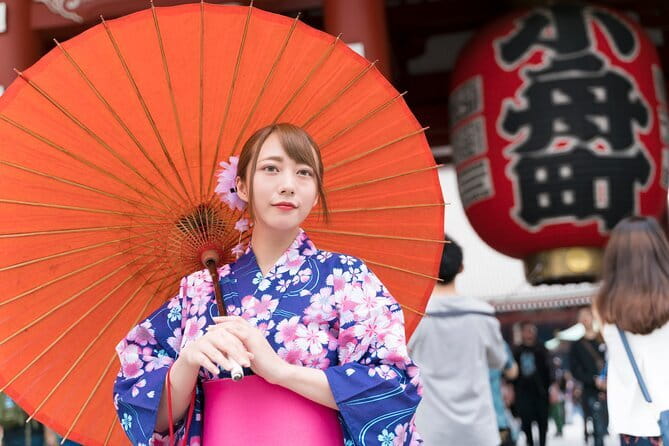
The first major sight on the route is Kaminarimon in Asakusa. This is the famous Thunder Gate area that marks the entrance to Sensō-ji Temple, with the giant red lantern and statues of Fujin and Raijin. Even if you have only a quick look, it gives you that classic Tokyo postcard feeling right away.
Why this stop works on a go-kart tour: you get the landmark context without spending half your day walking through Asakusa. The kart format also helps you see how the area fits into the surrounding streets, not just as a standalone temple front.
What to watch for: this is a popular spot, and any famous landmark area can feel crowded. Your driving time is still the core experience, so keep expectations flexible if there are slower sections around heavily visited streets.
Deeper into Akihabara, if that is your afternoon
- Official Street Go-Kart Tour – Akihabara★ 5.0 · 1,578 reviews
- Tokyo Go Kart: Asakusa, Skytree, and Akihabara **IDP MUST**★ 5.0 · 988 reviews
- Akihabara Anime & Game Adventure Walking Tour (Group or Private)★ 5.0 · 404 reviews
- Tokyo: Gameboy Mod Workshop at Akihabara★ 5.0 · 253 reviews
- Owl Cafe Tokyo Akiba Fukurou★ 4.8 · 154 reviews
Ameyoko and Ueno Park: markets plus a cultural breather
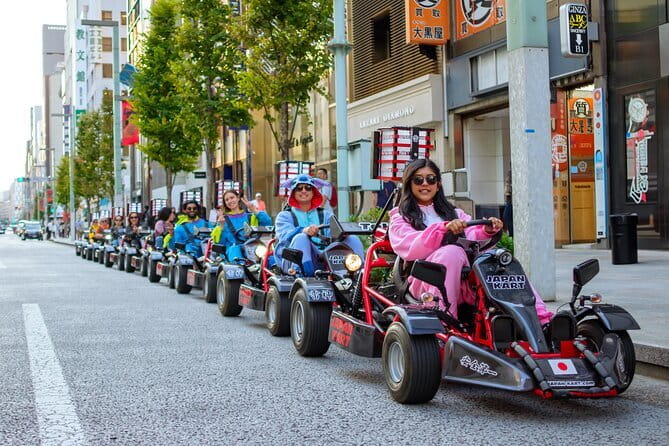
Next comes Ameyoko, short for Ameya Yokocho in the Ueno area. It is known for its market history and shopping street vibe, and you get a “you are here” sense of Tokyo street life as you pass through. It is the kind of place where you can almost smell snack food and feel the pace of browsing, even from a moving kart.
Then you move into Ueno Park. Ueno Park is big and public, and it links cultural attractions like the Tokyo National Museum and Ueno Zoo, plus seasonal cherry blossom views in spring. On a kart tour, you are not doing a museum visit, but you are getting the green-space pause in your ride. That matters because it breaks up the intense neighborhood energy with wider open space nearby.
A practical note: market and park-adjacent streets can feel busier than you expect. This is where your guide help and your attention to driving instructions pay off.
Akihabara: neon tech streets at kart speed
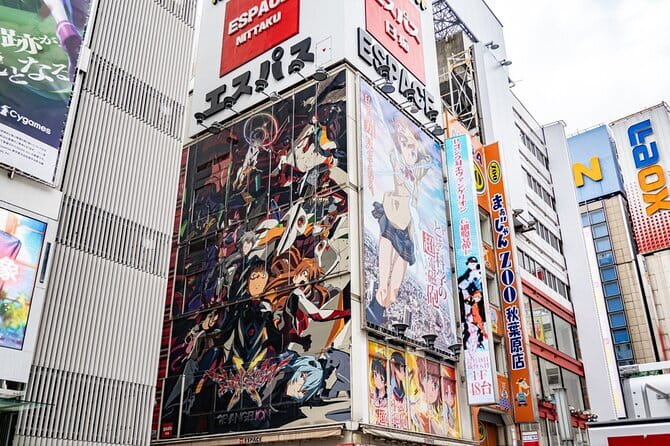
Akihabara, or Akiba, is next on the path. This is Tokyo’s hub for otaku culture, with technology stores, anime and manga shops, and that unmistakable neon signage atmosphere.
On foot, Akihabara can turn into a long browsing loop because you keep finding interesting storefronts. On a go-kart, you get a fast, concentrated hit. You see the streets, the density of shops, and the feel of the neighborhood, while still moving toward the next highlight.
The drawback is also predictable: if your favorite part of Akihabara is slow wandering and window shopping, a kart tour is more about passing through than lingering. Still, if you want to check off Akihabara quickly and keep momentum, this is a solid match.
Kappabashi Kitchen Town: knives, cookware, and plastic food models
Kappabashi is Tokyo’s Kitchen Town, and it is a fun contrast to the tech-heavy Akihabara stop. Along this street, you can find professional-grade knives and cookware, plus all sorts of kitchen tools. A standout detail is the presence of intricate plastic food models, which are a major piece of Japan’s food culture seen in storefront displays.
This stop is valuable because it gives you a different “Tokyo specialty” flavor. Go-kart tours can sometimes feel like a string of big-name landmarks. Kappabashi adds a practical and tactile theme you can connect with real daily life, not just famous architecture.
One consideration: if you are hoping to stop and shop, you might find your time is limited. This tour is built for driving and seeing, not for a long retail session. If you want to buy kitchen gear, you may still want a separate shopping block before or after.
Tokyo Skytree views: the 634-meter finale
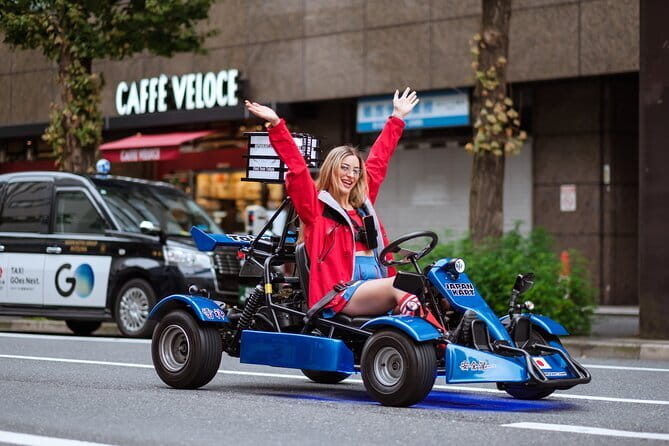
Tokyo Skytree is the big end cap, and it is a good way to wrap a street-chasing ride. At 634 meters, it is Japan’s tallest structure, and the observation decks offer panoramic views of Tokyo and Mount Fuji on clear days.
Even beyond the view, the Skytree complex has things to do, including shopping and dining, plus an aquarium and planetarium. The tour ends back at the meeting point, but having Tokyo Skytree as the emotional finale gives the ride a satisfying finish line.
What this stop delivers: a sense of scale. Driving through neighborhoods is one thing. Ending your route near one of Tokyo’s signature towers helps you connect the dots of how the city stretches outward.
Safety and rules that decide whether you get to drive
This is where you must pay attention, because the experience depends on it.
IDP and license requirements
You are required to bring a driving licence and an International Driving Permit (IDP). The IDP must be issued in the format of the 1949 Geneva Convention. It must also be in booklet form, not in paper or A4 form.
Japan does not accept IDPs issued under the Vienna Convention 1968.
You also need your passport with you, and your IDP must be issued by a country-approved issuer. Examples given include AAA or AATA for the USA, AAA for Australia (AAA), AA or RAC for the UK, and CAA for Canada.
There are exceptions for certain license countries: Switzerland, Germany, France, Taiwan, Belgium, and Monaco. In those cases, you still need your own driving license, plus a Japanese translation from JAF (Japan Automobile Federation) via online application.
If you show up without correct documents, participation can be denied, and the policy states there is no possibility of a refund. So double-check before you travel, not at the last minute.
Alcohol and what to wear
Alcohol consumption before the tour is prohibited. They emphasize you should be responsible, which means do not treat this as a party activity before you drive.
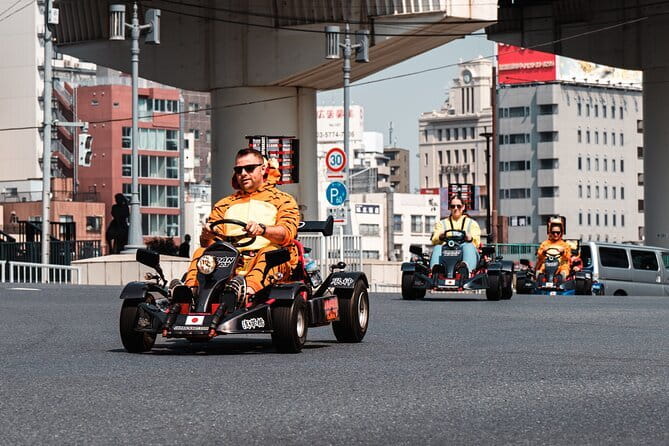
Clothing matters for safety and control. Do not wear long skirts, high heel shoes, or sandals. Wear something you can move in and that keeps your foot secure.
How the ride starts on the ground
Expect a waiver and a short instruction video before you drive. People in the feedback describe staff guiding them into their kart setup, then getting moving after the quick how-to. You can also expect the guide to help during the process, since the tour includes an English and Japanese speaking guide.
Should you book this if you want thrills, photos, or fast sightseeing?
If your goal is speed and variety, this tour fits well. You are able to cover a lot of Tokyo within a short time window, and the route choices are strong: you get old landmark energy at Kaminarimon, neighborhood street life around Ameyoko and Ueno, pop culture and tech at Akihabara, kitchen culture at Kappabashi, and skyline payoff at Tokyo Skytree.
If your goal is deep museum time or long shopping stops, you might feel the limits. This is a driving-focused experience, and the highlights are seen from a moving kart rather than with extended walking time.
Also, this is not for you if your documents are uncertain. Because the IDP requirement is strict, I would not gamble. Plan like you are doing a paperwork task as much as a fun activity.
Finally, weather matters. The experience requires good weather, and the policy says you will be offered a different date or a full refund if canceled due to poor weather.
Who this JapanKart go-kart tour is best for
This tour is best for:
- You have limited time and want to hit several Tokyo icons fast.
- You like street-level sightseeing, not only standing in one spot for photos.
- You want a guided experience but still want the thrill of driving yourself.
- You can follow safety rules and you have the correct driving documents.
You might want to skip it if:
- You do not have the correct IDP and license setup ready.
- You are uncomfortable with the idea of driving on city streets.
- You are traveling with footwear or clothing that violates the dress rules.
Should you book the Official Japan Go-Kart Tokyo Skytree and Akihabara tour?
I think this is a strong pick if you are ready for the paperwork and safety rules. The combination of a small group, multiple recognizable neighborhoods, and the payoff of finishing near Tokyo Skytree makes it feel like more than a gimmick.
Before you book, do three things. First, verify your IDP matches the accepted format and booklet requirement, or confirm the JAF translation option if you fall into the exception countries. Second, plan your outfit for real driving, not just comfort standing still. Third, choose a date with good weather so you are not stuck rescheduling.
If you do those, you get a fast, fun way to experience Tokyo street life and big landmarks without turning your day into a train-and-walk marathon.
FAQ
Do I need an International Driving Permit (IDP) to drive?
Yes. The tour requires a valid International Driving Permit issued in the format of the 1949 Geneva Convention, plus your driving license from your country of origin and your passport.
Are there exceptions to the IDP requirement?
Yes. Participants with licenses issued in Switzerland, Germany, France, Taiwan, Belgium, or Monaco need a Japanese translation of their license from JAF, plus their own driving license.
What form must the IDP be in?
IDPs must be in booklet form, not in paper or A4 form.
How long is the go-kart experience?
It runs for about 1 hour 30 minutes.
How many people are in the group?
The tour has a maximum of 10 travelers.
What is included in the price?
The price includes the go-kart and an English and Japanese speaking guide.
Is dinner included?
No, dinner is not included.
Where do we meet, and do we return there?
You meet at JapanKart2-chōme-18-15 Azumabashi, Sumida City, Tokyo 130-0001, Japan. The activity ends back at the meeting point.
Are there rules about alcohol or clothing?
Alcohol consumption before the tour is prohibited. Do not wear long skirts, high heel shoes, or sandals.
What happens if the weather is poor?
This experience requires good weather. If it is canceled due to bad weather, you will be offered a different date or a full refund.
Can I cancel for a refund?
Yes. You can cancel up to 24 hours before the experience for a full refund. If you cancel within 24 hours of the start time, the paid amount is not refunded.
Akihabara After the First Stop

Asakusa and the Skytree, Keep Going

Newest Tokyo write-ups from the Loving Japan desk






Asakusa, Senso-ji and Tokyo Skytree, side by side.
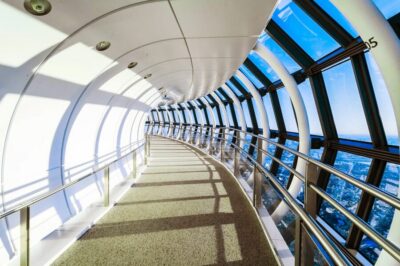 ★ 4.5TOKYO SKYTREE® Admission ticketFrom $1311,192 reviews
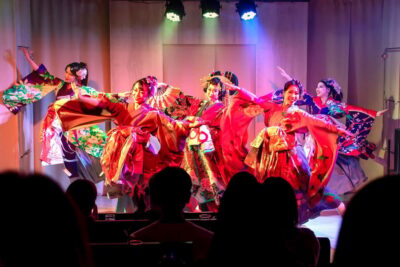 ★ 4.8Japanese Dance Cabaret Theater Asakusa-Kaguwa TicketFrom $492,270 reviews
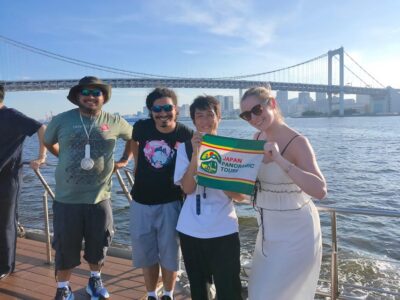 ★ 4.7Meiji Shrine, Asakusa, Skytree Bus Tour and CruiseFrom $1221,986 reviews
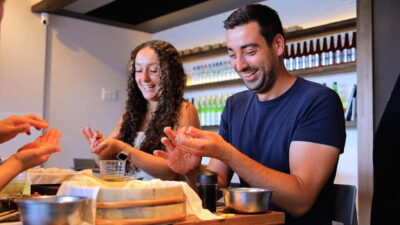 ★ 4.9Roll and Authentic Sushi Making Class in AsakusaFrom $581,957 reviews
 ★ 4.8Asakusa Walking Tour with Sensoji Temple VisitFrom $221,583 reviews
 ★ 5.0Tokyo Asakusa Rickshaw TourFrom $421,375 reviews
 ★ 4.5Tokyo Panoramic 1 Day: Meiji Shrine, Asakusa, Odaiba and SKYTREE®From $851,222 reviews
 ★ 5.0Tokyo Go Kart: Asakusa, Skytree, and Akihabara **IDP MUST**From $99988 reviews