
REVIEW · AKIHABARA, ANIME AND OTAKU CULTURE
Tokyo: Gameboy Mod Workshop at Akihabara
Your childhood Game Boy, rebuilt by hand. In Tokyo’s Akihabara you get to pick your own vintage DMG-01-style Game Boy, choose colors and parts, then put it back together with local “Gameboy masters” who love the hardware as much as the games. It’s a small-group workshop limited to just 4 people, so you get real attention, not a crowd shuffle.
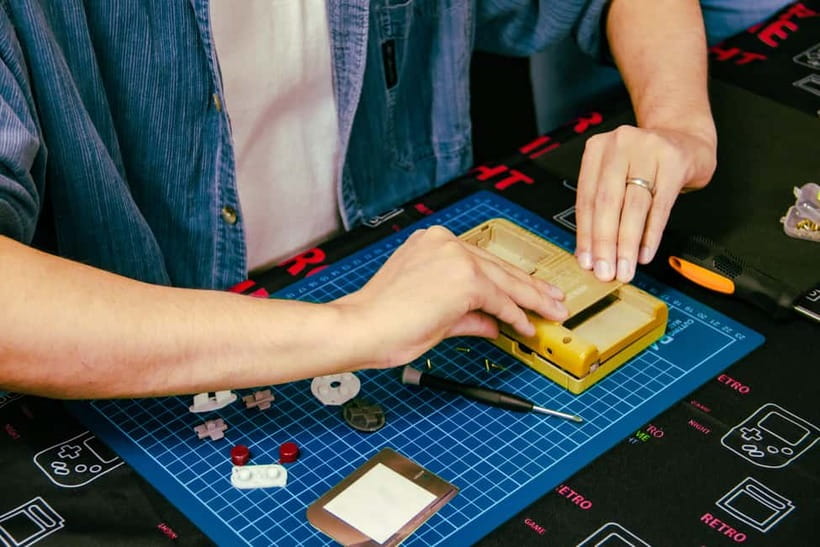
I particularly love the hands-on rebuild part. You take the device apart, then rebuild it as a working console, which makes the whole experience feel like skill-building, not just watching. I also like the way the team threads in Nintendo handheld history and tech context as you go, including examples from staff like Ro, and others named in feedback such as Gabi, Franz, and Shio-san.
One consideration before you book: the workshop is on the second floor of Wakita Building with no elevator or escalators. If stairs are tough for you, plan accordingly.
In This Review
- Key things to know before you go
- Akihabara, but Make It Retro Tech
- Meeting at Wakita Building, and the stairs check
- The 2-hour rhythm: history talk, hands-on setup, then your build
- Picking your Game Boy: colors, buttons, and screen choices
- The rebuild itself: taking apart, understanding parts, and putting it back
- Your finished souvenir: a working custom Game Boy you can actually play
- Retro games on site, plus why prices feel fair
- What makes this workshop worth the money
- Who should book this Game Boy mod workshop
- How to get the most out of your 2 hours
- Should you book it
- FAQ
- How long is the Tokyo Gameboy Mod Workshop?
- How much does it cost?
- What group size is it?
- What kind of Game Boy do I build?
- What can I customize?
- Do I get to take the Game Boy home?
- Is the workshop offered in English or Japanese?
- Where is the meeting point?
- Is it wheelchair accessible?
- Is there free cancellation?
Key things to know before you go
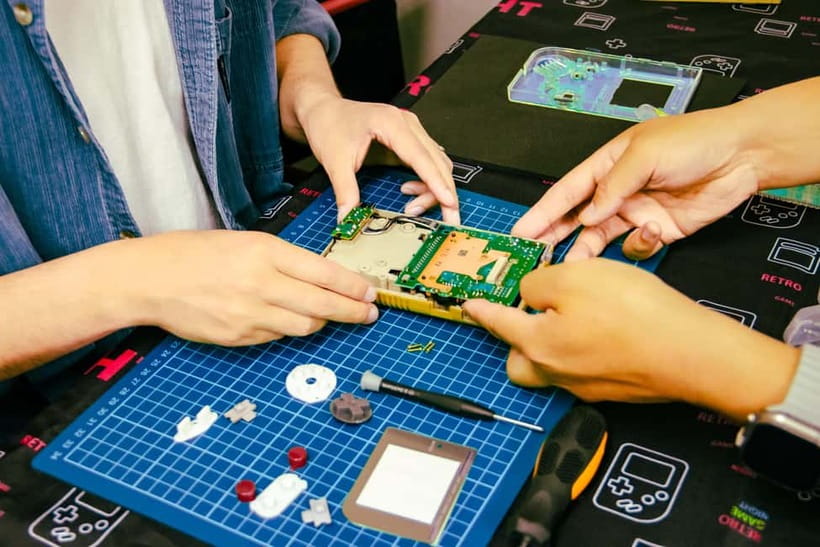
- Small group, big attention: Limited to 4 participants, so help is close when you need it.
- Pick your own design: You choose the Game Boy’s look, including colors, buttons, and parts.
- Build a working DMG-01: You leave with a fully functioning handheld you customized.
- History plus tech, not a lecture-only class: You get context on handheld gaming and the Game Boy’s influence.
- Game browsing on site: After building, you can choose and purchase retro games to take home.
- English and Japanese instruction: Staff work in both languages (English, Japanese).
Deeper into Akihabara, if that is your afternoon
- Official Street Go-Kart Tour – Akihabara
★ 5.0 · 1,578 reviews - Tokyo Go Kart: Asakusa, Skytree, and Akihabara **IDP MUST**
★ 5.0 · 988 reviews - Akihabara Anime & Game Adventure Walking Tour (Group or Private)
★ 5.0 · 404 reviews - Tokyo: Gameboy Mod Workshop at Akihabara
★ 5.0 · 253 reviews
Akihabara, but Make It Retro Tech
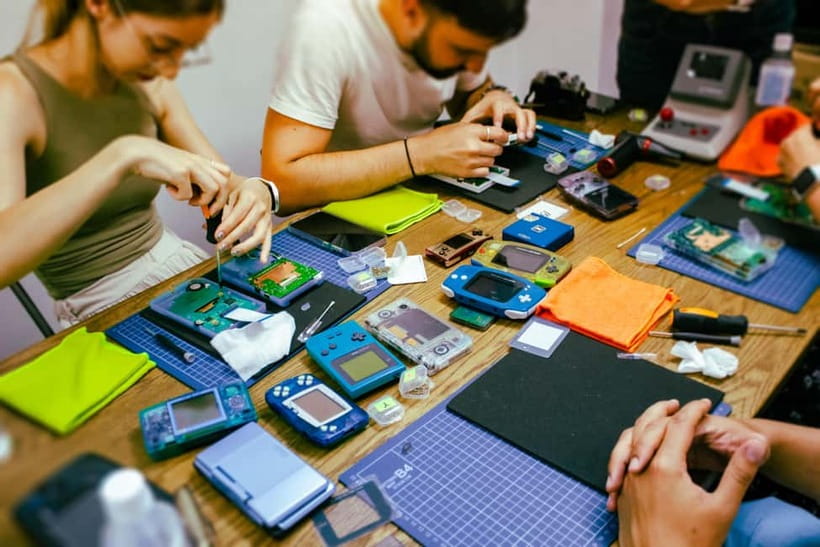
Akihabara is the place you come for gadgets, game corners, and that specific Tokyo energy. This workshop keeps that spirit but turns it into a hands-on project you can actually take home.
Instead of just shopping for a Game Boy, you build one. You start from a classic DMG-01 base and make it yours through screen, buttons, and color choices. If you like tech, design, or gaming history, this format hits the sweet spot because you do the work and learn why the hardware matters.
Meeting at Wakita Building, and the stairs check
You meet on the second floor of Wakita Building. The address is where you’ll go, and once you’re there you’ll be dealing with stairs since there are no elevators or escalators.
This matters more than it sounds because the workshop itself is tight and focused. If you’re bringing a backpack, keep it compact and easy to manage so you can move around the workspace without fuss. If you’re short on time, also arrive a little early so you get settled before the build starts.
The 2-hour rhythm: history talk, hands-on setup, then your build
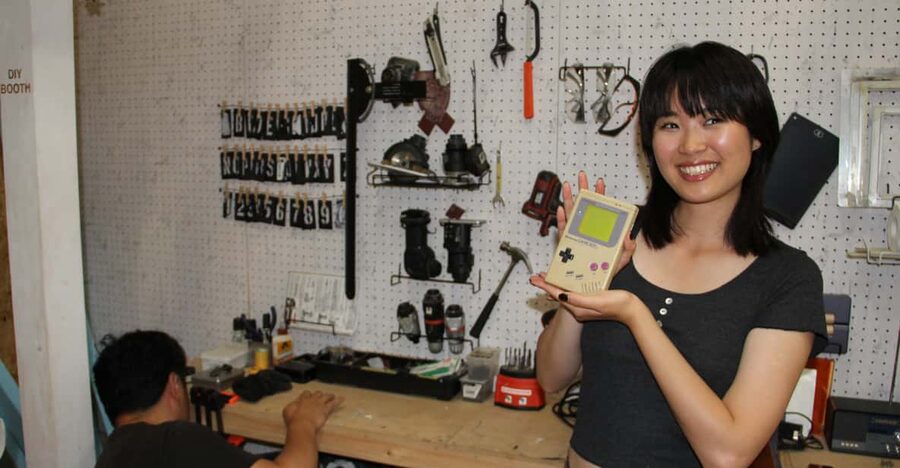
This experience runs 2 hours, which is a smart length for a hands-on workshop. Long enough to get into the real process, short enough that you will still finish feeling proud, not drained.
You’ll start with guidance from the team, including a mini history and tech background on handheld consoles and the Game Boy in particular. Feedback also mentions hands-on demos of different consoles at the beginning, which helps you understand what you’re building before your hands get busy.
Then it becomes practical. You’ll pick your parts and customization choices, you’ll get shown how things come apart and go together, and you’ll rebuild your Game Boy with staff support. A big theme in the feedback is that nothing feels rushed, and the team double-checks key steps so you leave with a unit that works.
Make something to take home. Other workshops
- Tokyo Shinjuku Chopsticks Making Class★ 5.0 · 1,763 reviews
- Chopstick Making Workshop in Ginza★ 4.8 · 1,366 reviews
- Tokyo Sumo Experience: Chanko & Mochi with a Former Pro★ 4.8 · 567 reviews
- Kintsugi Experience: Art of Golden Joinery in Tokyo★ 5.0 · 467 reviews
- Tokyo Chopstick Making Workshop with Artisan★ 5.0 · 466 reviews
Picking your Game Boy: colors, buttons, and screen choices
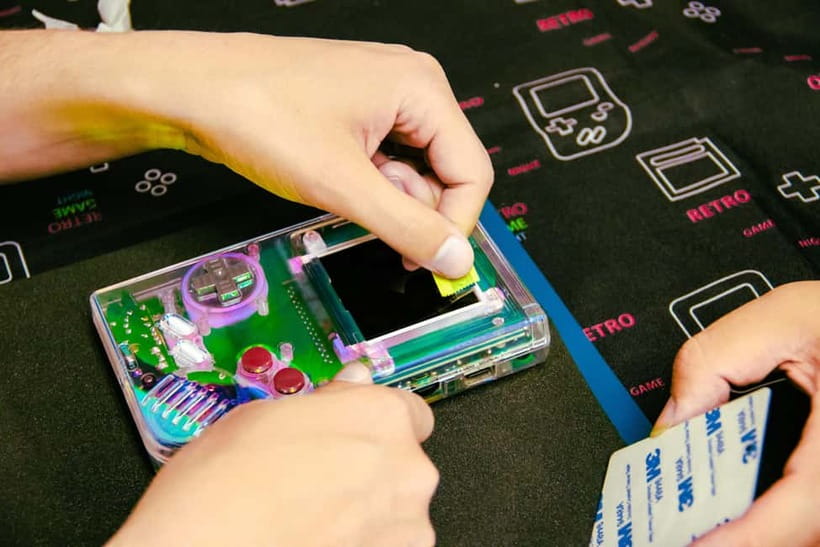
One of the most satisfying parts is that you don’t just sit in one preset build plan. You choose your look, including the clamshell color, the buttons, and other parts that affect the final feel.
This is where you can tailor the experience to your personality. If you want something that looks like it came from a 90s desk drawer, you can lean classic. If you prefer a modern twist, you can pick options that make the console more comfortable to use today.
If you’re traveling with someone who wants a different vibe than you, the small group format helps. You get your own build focus, so you’re not stuck copying someone else’s choices.
The rebuild itself: taking apart, understanding parts, and putting it back
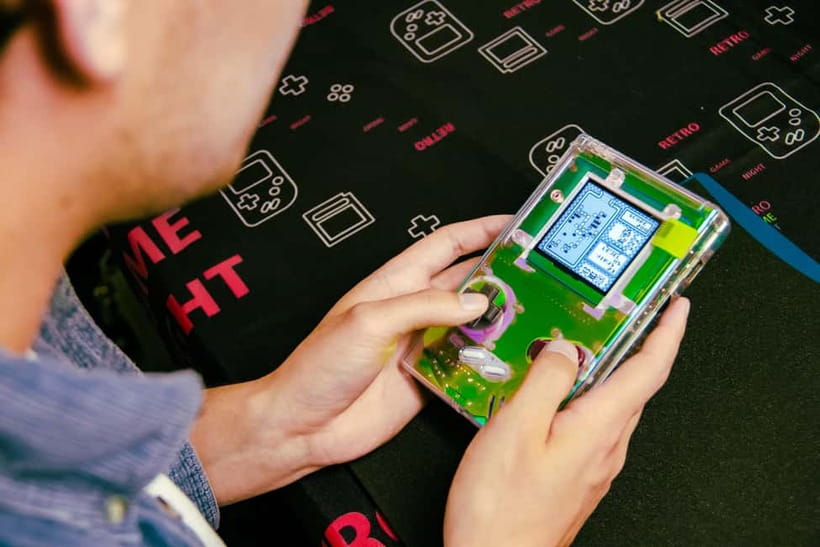
The core activity is simple to describe but fun to do: you take apart and rebuild a Game Boy. The payoff comes from how much you understand the hardware by the end, because you handle the pieces directly instead of just reading about them.
In feedback, people repeatedly mention that instruction is clear and step-by-step. If you hit a snag, the workshop team steps in quickly. That support is a big deal when you’re working with old electronics, because you want to feel confident while you’re learning.
You’ll also get insight into what’s been reused versus what’s updated. Several accounts mention a more modern experience like a backlit screen upgrade and additional features, which is a smart way to keep the nostalgic look while improving day-to-day usability.
Your finished souvenir: a working custom Game Boy you can actually play
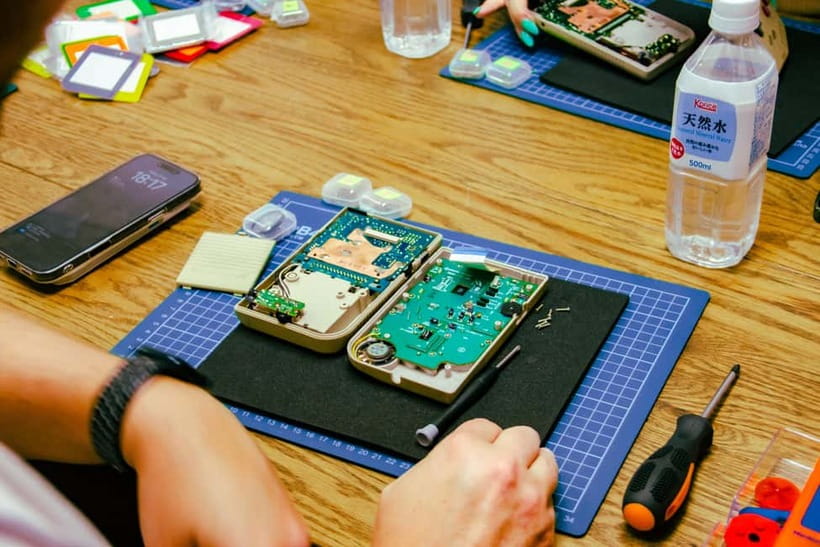
You leave with a fully functioning custom handheld. That alone makes the workshop more valuable than many “build-only” activities that feel like a demo and then sit in a drawer.
The design choices you make are part of why it becomes a real keepsake. More than one person highlighted that the finished Game Boy feels priceless, because it’s personal. One feedback example also mentioned that the team provided a display or protective case, which is a thoughtful touch for keeping your build safe after you get back to your hotel.
Then there’s the immediate satisfaction factor. You can test and enjoy your Game Boy rather than treating it like a future project. For retro fans, this is a practical win: you build the console and get ready-to-go games without needing to hunt everything down later.
Retro games on site, plus why prices feel fair
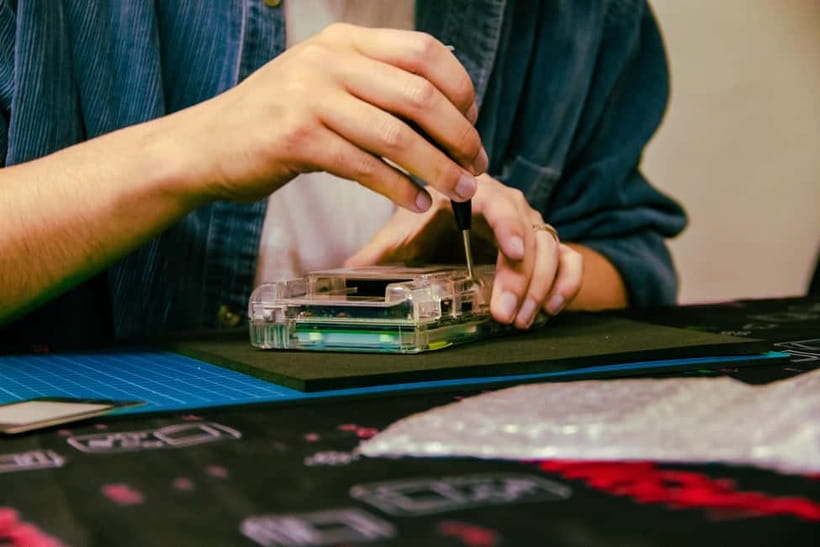
A lot of Akihabara shopping can become a scavenger hunt. This workshop conveniently builds in time at the end to choose games to go with your new handheld.
Feedback mentions you can select a 1000 yen game after finishing your build, and you can also purchase additional titles. Even better, people specifically said the pricing on-site felt fair compared with other places they looked, which can save time and help you avoid impulse overpaying.
This is also a cultural bonus. You get to shop inside a community that understands what you just built, so the games feel connected to your project instead of random souvenirs.
What makes this workshop worth the money
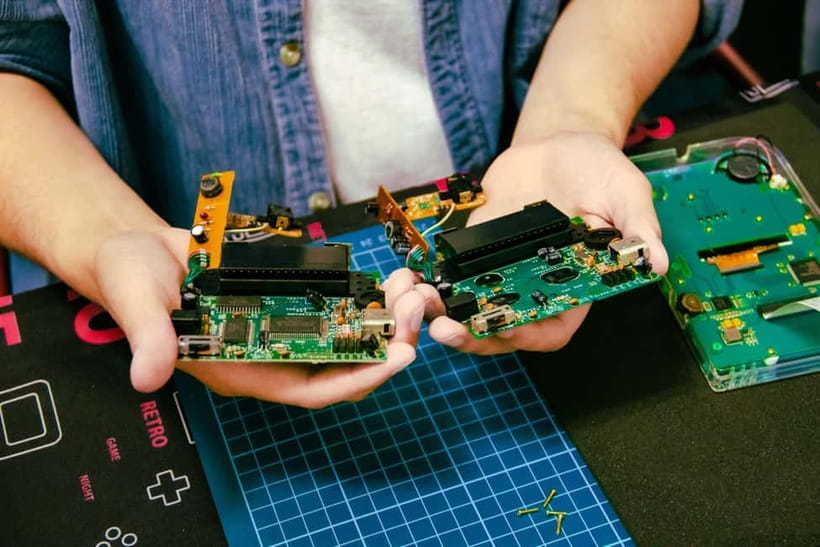
At $360 per person, this isn’t a cheap afternoon. But the value story is pretty clear when you look at what’s included and what the experience actually delivers.
First, you’re not paying for a generic class. You’re paying for guided assembly of a real, working vintage handheld and the parts needed to customize it, including screen and button options. Second, the group size is capped at 4 participants, which means more hands-on attention per person than you’d get in a larger workshop.
Third, the team is doing more than teaching basic steps. Feedback highlights that the staff is enthusiastic, patient, and genuinely invested in both the history and the practical build. When a workshop is run by people who care, you tend to get fewer errors, quicker fixes, and a better finished product.
So yes, it’s a splurge. But if you want a Tokyo souvenir that you will actually use, it stacks up well against the cost of buying a random used console and trying to mod it yourself.
Who should book this Game Boy mod workshop
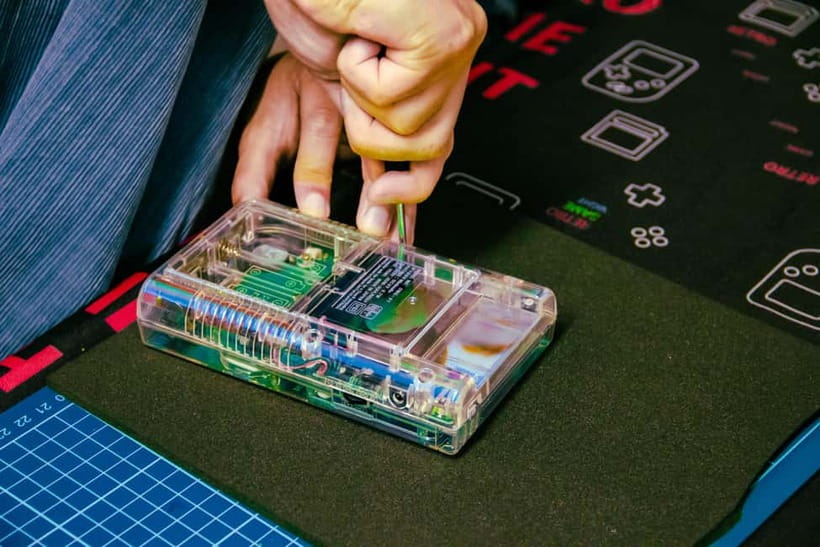
This is a great fit if any of these describe you:
- You love retro gaming or Nintendo handhelds and want something more personal than a store purchase.
- You enjoy tech projects, or you want a hands-on activity that teaches you by doing.
- You’re traveling with a partner or friend and want a shared experience that still feels customized.
- You’re a solo traveler who wants to chat with people and get direct help without feeling lost.
Kids can work too, as long as they’re comfortable with the guided hands-on setup. One account mentioned a 10-year-old and another mentioned a 13-year-old having a great time. The key is that you’re not left on your own, and staff assistance is part of the design.
If you hate anything technical and want a purely passive activity, this may not be for you. This workshop is built around picking parts, taking things apart, and rebuilding them.
How to get the most out of your 2 hours
You have a short window, so your best strategy is simple: come ready to choose. Think about the vibe you want for your Game Boy before you arrive, especially around color and button style.
Also plan to ask questions. The experience is set up for Q and A and explanations, and feedback repeatedly praises how staff answer at a deep level while still keeping things clear. When you understand what you’re doing, the finished Game Boy feels even more satisfying.
Finally, don’t underestimate how meaningful it is to leave with something you built yourself. For many people, it’s the kind of souvenir that brings the memory back every time you play.
Should you book it
I think you should book this if you want a real, take-home build in Tokyo, not just a photo stop. The small-group setup, the strong staff support, and the fact that you leave with a working custom Game Boy make it one of the more memorable “do something” experiences in Akihabara.
Skip it if stairs are a dealbreaker for you, or if the $360 price feels like too much for your trip style. But if you’re a Game Boy fan, a design-minded traveler, or a tech-curious person, this is the kind of workshop that turns nostalgia into something you can use immediately.
FAQ
How long is the Tokyo Gameboy Mod Workshop?
The duration is 2 hours.
How much does it cost?
It’s $360 per person.
What group size is it?
It’s a small group limited to 4 participants.
What kind of Game Boy do I build?
You personalize a vintage Game Boy (DMG-01) using provided parts.
What can I customize?
You can change choices like the screen, buttons, and colors, and pick parts to create your own customized unit.
Do I get to take the Game Boy home?
Yes. You bring home a fully functioning custom Game Boy.
Is the workshop offered in English or Japanese?
Yes. Instruction is available in English and Japanese.
Where is the meeting point?
The workshop is on the second floor of Wakita Building. You follow the address to find it.
Is it wheelchair accessible?
No. The workshop is on the second floor without elevators or escalators.
Is there free cancellation?
Yes, you can cancel up to 24 hours in advance for a full refund.
Made by Hand, and Yours to Keep
Akihabara After the First Stop



Newest Tokyo write-ups from the Loving Japan desk


Akihabara, Anime and Otaku Culture, side by side.
 ★ 5.0Official Street Go-Kart Tour – AkihabaraFrom $611,578 reviews
 ★ 5.0Tokyo Go Kart: Asakusa, Skytree, and Akihabara **IDP MUST**From $99988 reviews
 ★ 5.0Akihabara Anime & Game Adventure Walking Tour (Group or Private)From $90404 reviews
 ★ 4.8Owl Cafe Tokyo Akiba FukurouFrom $35154 reviews
 ★ 5.0Akihabara Tailor-made Private Tour for Anime FansFrom $132142 reviews
 ★ 5.0Tokyo Cute Bento Cooking Class – Make a Kawaii Character LunchboxFrom $66126 reviews
 ★ 5.0Original Street Kart Experience from AkihabaraFrom $51111 reviews
 ★ 5.0Ramen Making from Scratch +Akihabara Tour –Tokyo Cooking ClassFrom $123107 reviews
Filed on these lists too