
REVIEW · AKIHABARA, ANIME AND OTAKU CULTURE
Official Street Go Kart Tour Akihabara 2nd
Tokyo on four wheels changes everything.
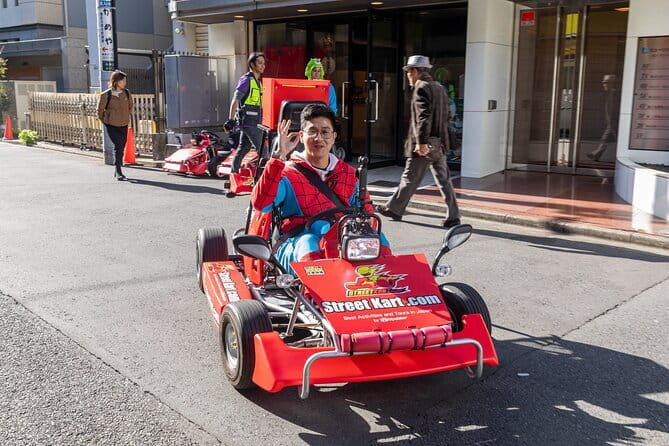
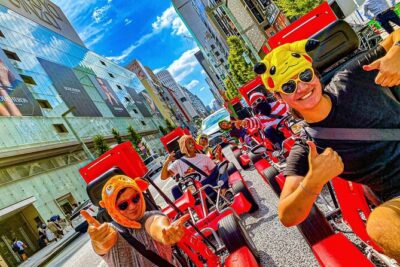
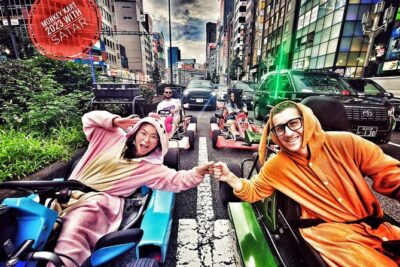
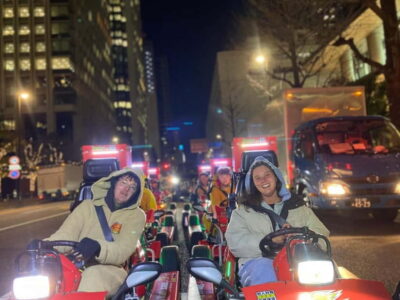
This street kart tour turns famous Tokyo corners into a hands-on ride, with you driving real city streets in character costumes while a professional guide keeps the group safe. You get a guided route that hits major sights like Tokyo Station Marunouchi, Akihabara, Harajuku, and Shibuya Crossing, plus plenty of photo moments along the way.
Two things I really like: the street-legal feel of driving through central neighborhoods, and the guide-led pacing that helps you stay focused on safety instead of second-guessing traffic. You also come away with more than video game memories, because the tour includes a costume rental and photo support that makes it easy to share.
One drawback to plan for up front: you need the right paperwork to drive in Japan, an International Driving Permit in the correct format (plus a physical passport), and the karts are single-seaters, so you cannot swap in as a passenger if you do not qualify.
In This Review
- Key points to know before you book
- Street-legal karting through Tokyo’s must-see districts
- Before you go: the driving permit and what you must bring
- Price and value: what $62.40 includes, plus the extras
- Tokyo Central Railway Station Marunouchi: a red-brick hit from the road
- Akihabara drive: anime and game energy on the street
- Imperial Palace perimeter, Harajuku arch changes, and Shibuya Crossing scramble
- Safety and pacing: what guides get right on the road
- Costumes, rules, and photos you will actually use
- How long it takes, and what to do with your timing
- Who should book this go kart tour, and who should skip it
- Should you book this Official Street Go Kart Tour Akihabara 2nd?
- FAQ
- Do I need an International Driving Permit to drive in Japan?
- Can I use my home country’s driver’s license only?
- Can children or non-drivers ride along?
- How long is the street go kart tour?
- Is an action camera included?
- Where do I meet and where does the tour end?
- What happens if weather is bad or I need to cancel?
Key points to know before you book
- Street-legal karts in central Tokyo: you drive on real roads, not a closed course.
- Top-rated guides and clear instructions: people highlight hosts like MADS, Sam, Julian, Billy, and Khan for safety and pacing.
- Iconic stops: Tokyo Station Marunouchi, Akihabara, the Harajuku area, and Shibuya Crossing.
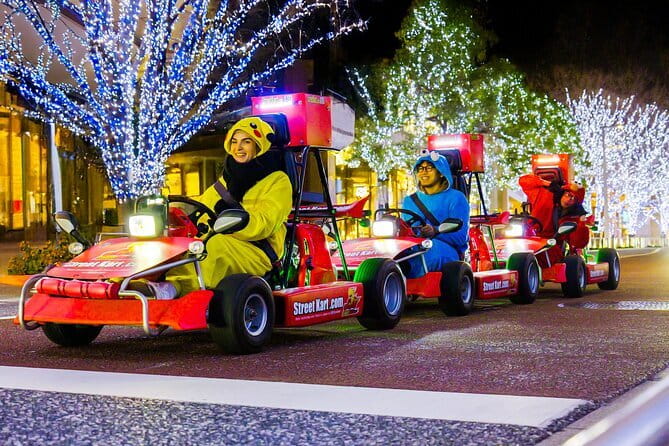
- Costume rental included: character-style outfits, with rules (no Mario or Nintendo items).
- Photo friendly: you get a printed picture at the end, plus a link to images from the ride.
- Small group size: maximum of 6 travelers, which helps when you’re learning to drive and follow instructions.
Deeper into Akihabara, if that is your afternoon
- Official Street Go-Kart Tour – Akihabara
★ 5.0 · 1,578 reviews - Tokyo Go Kart: Asakusa, Skytree, and Akihabara **IDP MUST**
★ 5.0 · 988 reviews - Akihabara Anime & Game Adventure Walking Tour (Group or Private)
★ 5.0 · 404 reviews - Tokyo: Gameboy Mod Workshop at Akihabara
★ 5.0 · 253 reviews
Street-legal karting through Tokyo’s must-see districts
The best part of this tour is simple: you are not just sightseeing, you are moving. Sitting behind the wheel changes how you experience Tokyo, because you feel the timing of intersections, the rhythm of neighborhoods, and the way crowds react when you roll through. It is also a very social way to explore, since people nearby will notice the costumes and the karts.
You also get a route that makes sense for first-timers. Tokyo Station is one of those landmark buildings you can spot from postcards and station signage, but from a kart seat you get a fresh angle. Then Akihabara gives you the full-on pop culture vibe, and you keep rolling toward Harajuku and the Shibuya Crossing scramble.
Because this is led by a guide, you are not stuck doing navigation while you learn how to drive in a new system. In the feedback, multiple guides are praised for clear directions and for checking that everyone is accounted for. That matters, because the fun level stays high when your group stays together.
Before you go: the driving permit and what you must bring
To drive in Japan, your home license alone is not enough. You need an International Driving Permit (IDP) issued in the format of the 1949 Geneva Convention, and you must carry it physically. You also need your physical passport with you.
There are specific exceptions listed for countries covered by the rules. For people from Switzerland, Germany, France, Taiwan, Belgium, or Monaco, the tour requires a Japanese translation from the Japan Automobile Federation (JAF) when needed, but the key point stays the same: you must carry the right physical documents.
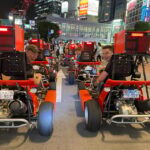
Also confirm your comfort with the driving setup. The tour is for drivers only, and each kart is single-seater. That means you should not plan on riding along with friends unless you are also eligible to drive.
Finally, plan your outfit. Wear closed footwear. The tour says skirts or long dresses are not advised. If you have hearing or mobility impairments, you must inform the operator before the experience so they can plan appropriately.
Price and value: what $62.40 includes, plus the extras
At $62.40 per person, this is not just a “rent a kart and go” situation. The price covers the kart rental fee, costume rental fee, a lead guide in a kart, and a fuel surcharge. That is the value part: you are paying for a guided, street-based experience that includes gear and direction, not only vehicle time.
What you should budget extra for:
- Full coverage insurance is not included, and it is listed as ¥1,000 per person.
- Food and drinks are not included.
- Action camera rental gear is not included.
One more value angle: you are getting multiple iconic photo backdrops in a single outing. If you were to try to do Tokyo Station, Akihabara, Harajuku, and Shibuya in separate segments, you would spend more time moving around the city and coordinating activities. Here, the route is designed as one loop.
If you care about social content, note that there is camera-related add-on potential. One review also mentions a printed picture at the end and a link to photos taken during the ride, so even if you do not rent anything, you are likely to leave with usable memories.
Different circuits, same licence rules. Compare the karts
- Flagship 2-Hours Official Street Go-Kart Tour – Tokyo Bay Shop★ 5.0 · 4,974 reviews
- Official Street Go-Kart in Shibuya★ 5.0 · 3,435 reviews
- Tokyo: Street Kart Experience in Shibuya★ 4.9 · 1,484 reviews
- Shibuya Official Street Go-Kart in Shibuya Annex★ 5.0 · 972 reviews
- Tokyo: Asakusa, Skytree & Akhihabara Go-Kart City Experience★ 4.7 · 761 reviews
Tokyo Central Railway Station Marunouchi: a red-brick hit from the road
Your first big landmark moment happens around Tokyo Station Marunouchi. The tour calls out the red-brick façade of the restored Tokyo Station Marunouchi Station building, and that is a smart choice for a start point. It is visually iconic, easy to recognize, and you can get comfortable with the kart setup near a well-known area.
There is also a practical upside to starting with a major station building: the area is central and simple to orient around. Even if you arrive a bit early, the landmark helps you calibrate what’s around you before you commit to driving.
One thing to keep in mind is that this part is still a real street environment. Even with a guide, you will need to focus on speed control and lane position. That is exactly why guides get so much praise in the feedback. Clear instructions reduce anxiety fast, especially when you are nervous at first.
Akihabara drive: anime and game energy on the street
Akihabara is where Tokyo feels like a theme park that still runs on commuter schedules. The tour route takes you into the Japanese anime and game mecca vibe, which is great because you are not just looking at storefronts, you are riding through the neighborhood like someone living here.
From a practical view, this is also a good place for your “I get it now” moment. Once you’ve handled the basics from the earlier landmark area, you are more likely to feel confident as you roll through Akihabara’s streets.
In the reviews, people mention how guides kept them safe while still letting them feel the excitement. That balance is important in Akihabara, because the streets and sidewalks can get busy, and you have to stay disciplined. A safety-first pace helps you enjoy the culture without worrying every second about what might happen next.
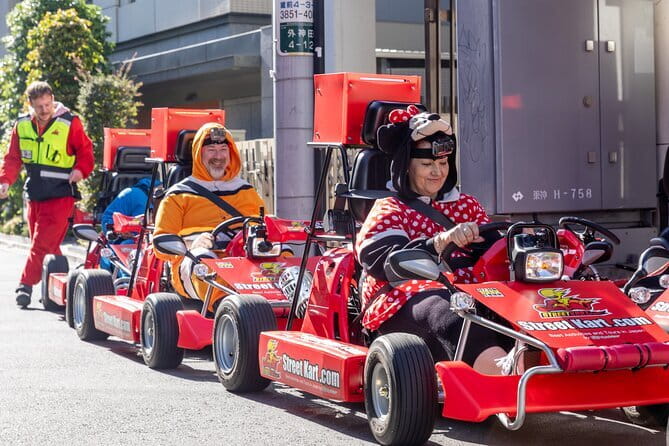
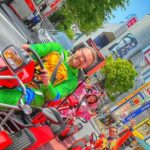
Costume matters here too. The character-style outfits are part of the fun, and Akihabara’s pop-culture surroundings make your costume feel extra on-theme. The tour also has copyright rules, though, so keep your outfit within the allowed costume style.
Imperial Palace perimeter, Harajuku arch changes, and Shibuya Crossing scramble

This tour is not only about one neighborhood at a time. It strings together Tokyo’s “wow” factors across different vibes.
First, you do not drive in the palace grounds, but you do drive around it. That matters because it sets expectations. You still get that sense of proximity to the Imperial Palace area, but you should not plan on palace interior sights. The value is that you get the landmark route without turning the day into a complicated walking tour.
Next comes Harajuku fashion energy. The tour highlights the Entrance Arch to Takeshita Street and notes that the entrance arch changes design throughout the year. That is a neat detail, because it means the photo scene can vary by season, even when the neighborhood itself is familiar. If you like fashion street aesthetics, Harajuku is a strong match for a kart ride because your camera angles are constantly changing as you roll by.
Then you hit the famous Shibuya Crossing, the scramble crosswalk. This is one of those “you know it even if you never visited” sights. Riding near it from the kart adds motion to a scene that often looks static in photos. It also tends to be a moment where people watch and take videos, so keep your posture relaxed and let the guide manage the flow.
If you want extra atmosphere, one tip from the feedback you provided is that night can feel especially memorable, since city lights change the mood around Shibuya. Not every slot is the same, but if your schedule allows it, an evening ride is worth considering.
Safety and pacing: what guides get right on the road
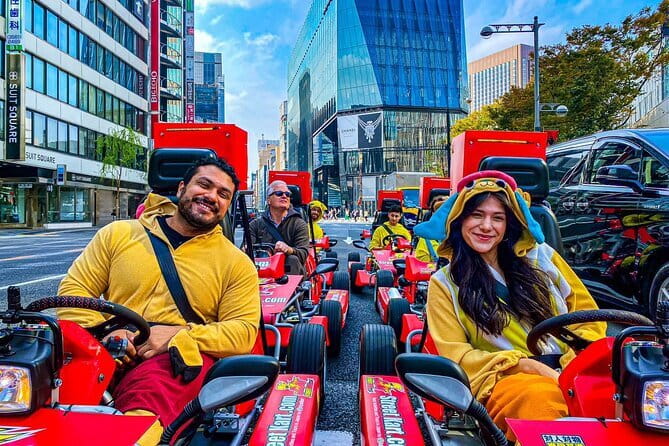
Safety is the headline here, and it is not vague. People highlight that instructions are clear and that guides keep checking that everyone is together. Names that show up often include MADS, Sam, Julian, Billy, and Khan, and the common theme is attention and calm control.
When you are driving in a group, your biggest challenge is not “speed,” it is consistency. You need to follow the guide’s lead, keep a steady pace, and stay alert. The feedback you shared keeps reinforcing that the guides do things like looking back, making sure everyone stays with the group, and guiding you through the route so you are not left guessing.
You should also expect a learning curve. Even if you drive at home, street driving in Tokyo has a different feel, and people often start a little nervous. The best way to handle that is to listen hard during the instruction part, then drive smoothly. You are driving for the experience, not for bragging rights.
If you want to feel confident quickly, pick a calm mindset at the start. Focus on staying in position, turning when asked, and keeping your speed controlled. With a good guide, that turns into a fun ride where you can enjoy the scenery instead of fearing the next turn.
Costumes, rules, and photos you will actually use
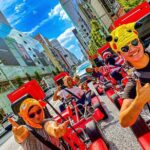
This is one of the few Tokyo tours where the included costume rental is not just a gimmick. Wearing the outfit changes how you feel on the road, and it also makes you more visible when you arrive at famous corners like Shibuya.
That said, you need to follow the costume rules. The FAQ information states that Mario or Nintendo-themed costumes and anything suggesting those characters are not permitted due to copyright restrictions. So plan your outfit theme accordingly, even if you brought something from home.
On the memory side, I like that the tour seems designed for easy sharing. One review notes you can get a printed picture at the end and also use a link to photos taken during the experience. That is practical, because you can keep your own phone ready without having to film the whole time.
There is also mention of an option to rent a camera to film a POV. The listing says action camera rental gear is not included, but the option exists, so if you care about POV content, you can plan for that add-on. The key is that even without it, the tour looks structured so you get photos.
How long it takes, and what to do with your timing
The tour runs about 1 hour 40 minutes to 2 hours. That duration is long enough to feel like a real outing through multiple neighborhoods, but not so long that you need a full-day buffer.
Plan your day with a little space before and after. You will need a moment to handle check-in and getting comfortable in the kart setup, plus you may want time to stretch your legs afterward. Also remember that you will be moving through central areas, so you will feel the pace right up until the end.
A small group size helps with timing and attention. The tour says the maximum is 6 travelers, which likely contributes to why guides can keep checking on everyone and why instructions stay focused.
If you are doing multiple activities in Tokyo, treat this like your main “active” anchor. Pair it with something lighter later, like a shopping stop or a meal near a station.
Who should book this go kart tour, and who should skip it
This is best for adults who want a high-energy, different kind of Tokyo sightseeing experience. If you like pop culture areas like Akihabara, enjoy fashion streets like Harajuku, and want a real-feeling moment at Shibuya Crossing, this route is built for you.
It also fits couples and small friend groups. The group limit of 6 means you are not stuck in a huge crowd, and you can actually benefit from a guide-led plan. The reviews you provided repeatedly praise hosts for making the experience feel safe, fun, and manageable even for first-timers.
Skip or reconsider if:
- You cannot meet the driving permit requirements. No IDP, no driving.
- You hoped to ride as a passenger. The karts are single-seaters, and the tour requires you to be a driver.
- You have clothing limitations that make closed footwear and mobility hard. Skirts and long dresses are not advised.
Also, if you are sensitive to traffic stress, pick a mindset that supports learning and steady control. The guide is a big part of making this work, but you still need your focus.
Should you book this Official Street Go Kart Tour Akihabara 2nd?
If you want one unforgettable Tokyo experience that mixes iconic stops with real street driving, this is a strong yes. The best evidence in the info you shared is consistent: guides are praised for clear instructions and safety, and people highlight the fun factor of driving in the city while wearing costumes and getting photos.
My advice for deciding comes down to two questions. First, can you handle the driving paperwork, carry the correct IDP and passport, and drive in your comfort zone? Second, do you want a structured kart loop that hits Tokyo Station, Akihabara, Harajuku, and Shibuya without spending your trip bouncing between separate plans?
If both answers are yes, book it. If either answer is no, you will likely get less value and more stress.
FAQ
Do I need an International Driving Permit to drive in Japan?
Yes. You need an International Driving Permit in the format of the 1949 Geneva Convention, and you must carry the physical IDP and your physical passport. The tour also lists country exceptions where a Japanese translation may be needed.
Can I use my home country’s driver’s license only?
No. A special document is required for driving in Japan, based on the rules listed for the International Driving Permit format and the need to carry physical documents.
Can children or non-drivers ride along?
No. The karts are single-seaters only, and the tour is for drivers. The minimum age is 18 years.
How long is the street go kart tour?
It runs approximately 1 hour 40 minutes to 2 hours.
Is an action camera included?
No. Action camera rental gear is not included.
Where do I meet and where does the tour end?
The tour starts at STREET KART Akiba 2nd (Japan, 101-0025 Tokyo, Chiyoda City, Kanda Sakumachō, 4-chōme16 1F). It ends back at the meeting point.
What happens if weather is bad or I need to cancel?
The experience requires good weather. If it is canceled due to poor weather, you will be offered a different date or a full refund. You can cancel for a full refund up to 24 hours in advance of the experience start time, based on local time.
Karts, Circuit by Circuit

Akihabara After the First Stop

Newest Tokyo write-ups from the Loving Japan desk






Akihabara, Anime and Otaku Culture, side by side.
 ★ 5.0Official Street Go-Kart Tour – AkihabaraFrom $611,578 reviews
 ★ 5.0Tokyo Go Kart: Asakusa, Skytree, and Akihabara **IDP MUST**From $99988 reviews
 ★ 5.0Akihabara Anime & Game Adventure Walking Tour (Group or Private)From $90404 reviews
 ★ 5.0Gameboy Mod Workshop at AkihabaraFrom $360253 reviews
 ★ 4.8Owl Cafe Tokyo Akiba FukurouFrom $35154 reviews
 ★ 5.0Akihabara Tailor-made Private Tour for Anime FansFrom $132142 reviews
 ★ 5.0Tokyo Cute Bento Cooking Class – Make a Kawaii Character LunchboxFrom $66126 reviews
 ★ 5.0Original Street Kart Experience from AkihabaraFrom $51111 reviews
Filed on these lists too