
REVIEW · AKIHABARA, ANIME AND OTAKU CULTURE
Tokyo Cute Bento Cooking Class – Make a Kawaii Character Lunchbox
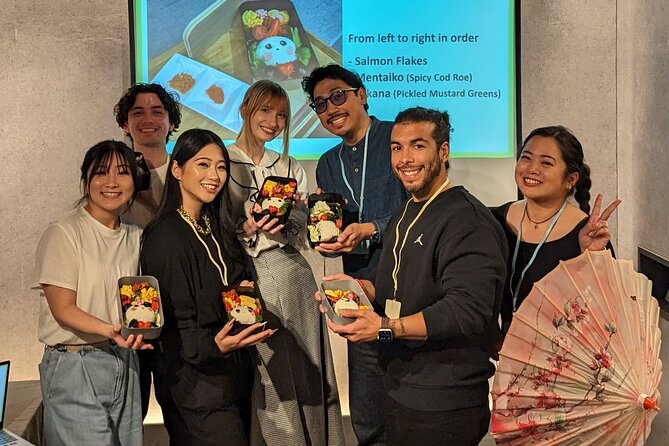
Kawaii food is serious business in Tokyo. This hands-on cooking class teaches you how to build a themed character bento using Japanese food-art techniques, plus you get a photo moment built into the session. You’ll also eat what you make, which turns a fun craft project into a real meal plan.
What I like most is the structure: intro, 60 minutes of making, a 15-minute photography slot, then a 30-minute sit-down to enjoy your bento. I also love that the studio keeps it easy to join with clear guidance, English instruction, and dietary adjustments like vegetarian, vegan, and allergy needs (including no nuts and no milk). One thing to consider is the location is not street level, so it can take a minute to find.
In This Review
- Key highlights to know before you go
- Why a kawaii character bento class is a great Tokyo activity
- Price and what you really get for $66.07
- The meeting point in Akasaka, and how to not waste time
- How the 2-hour schedule works in real time
- The bento culture intro (about 15 minutes)
- Hands-on bento making (about 60 minutes)
- Photography session (about 15 minutes)
- Enjoy your meal (about 30 minutes)
- Diet needs, allergies, and who should speak up at booking
- What instructors do well, from organization to patience
- Bento culture you’ll understand after you build one
- Who this class is best for (and who might want a different activity)
- Practical tips so your bento turns out great
- Should you book Tokyo Cute Bento?
- FAQ
- How long is the Tokyo Cute Bento class?
- Is the workshop taught in English?
- Can the class accommodate vegetarian or vegan diets?
- Are allergies accommodated?
- What is the group size limit?
- Where do I meet for the class?
- Do I take my bento home?
- What is the rough schedule?
Key highlights to know before you go
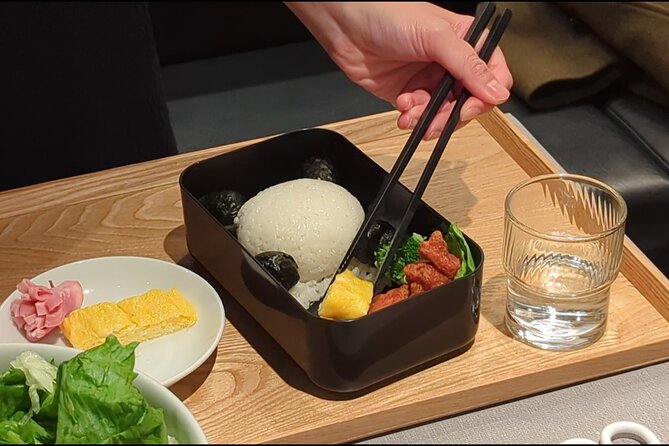
- Character bento making you can actually eat, with fresh ingredients and tools provided
- English-friendly instruction, so you are not stuck decoding a cooking lesson
- Photo time is planned, with a photography session built into the 2-hour flow
- Dietary options are supported, including vegetarian, vegan, and allergies (no nuts, no milk)
- Small groups of up to 12, which usually means more help when you need it
- Beginner-friendly process, with step-by-step support and organized prep sets
Deeper into Akihabara, if that is your afternoon
- Official Street Go-Kart Tour – Akihabara
★ 5.0 · 1,578 reviews - Tokyo Go Kart: Asakusa, Skytree, and Akihabara **IDP MUST**
★ 5.0 · 988 reviews - Akihabara Anime & Game Adventure Walking Tour (Group or Private)
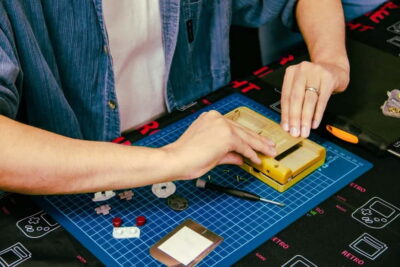
★ 5.0 · 404 reviews - Tokyo: Gameboy Mod Workshop at Akihabara
★ 5.0 · 253 reviews
Why a kawaii character bento class is a great Tokyo activity
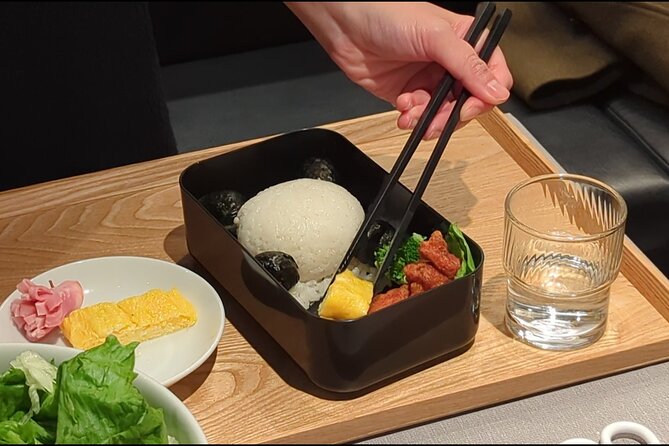
Tokyo is full of food experiences, but most are either eat-first or spectacle-first. This one is different. You are making a lunchbox design from scratch, and the design rules matter, like where things sit, how shapes read as a face or animal, and how to keep parts neat.
I like that it treats bento as more than a gimmick. The class also includes a short introduction to bento culture, and you’ll pick up some context for why these lunches look the way they do and how people use them in daily life. Even if you are not trying to become a bento artist, the practical mindset carries over to what you pack when you travel.
If you are the type who likes taking home something tangible, you’re in luck. You leave with your finished creation, so you can treat it as breakfast, lunch later, or even a souvenir style keepsake (if it survives the trip).
Price and what you really get for $66.07
At about $66.07 per person for roughly 2 hours, this is not a bargain like grabbing street snacks. But it is also not just a quick tasting. The value is that you get ingredients, tools, instruction in English, and a supported process from planning to assembly to photos to eating.
You’re also paying for the parts that are hard to DIY. Bento art needs prep, guidance, and the right tools. The class format handles all that. And because the group size is capped at 12, you’re less likely to feel lost in the back row.
Think of it like buying a guided art-and-cooking workshop that happens to produce lunch you can eat, not a demo where you watch and leave hungry.
The meeting point in Akasaka, and how to not waste time
You’ll start at Tokyo Cute Bento Japan in Akasaka, Minato City. The address is 2-chōme 21, and the space is under the street level (it’s listed as地下1階). In plain terms: expect stairs down, not a typical street storefront.
The good news is it is described as near public transportation. So once you land at the right station, it should be straightforward to connect to the area. Still, do yourself a favor and build in extra time the first day you go. One guest noted that they had to search a bit, so double-check the location details before you head out.
Cook it yourself instead. Other kitchens in Tokyo
- Sushi Making Tokyo Roll and Authentic Japanese Sushi Class★ 5.0 · 3,971 reviews
- Tokyo: Sushi Making Class in a Happi Coat near a Famous Spot★ 4.9 · 1,377 reviews
- Tokyo Sushi Making Class in Tsukiji with Professional Chef★ 5.0 · 1,177 reviews
- Ramen & Gyoza Cooking Class in Tokyo with Local Supermarket Visit★ 5.0 · 823 reviews
- Tsukiji Fish Market Guided Tour and Sushi Making with Pro Chef★ 5.0 · 775 reviews
How the 2-hour schedule works in real time
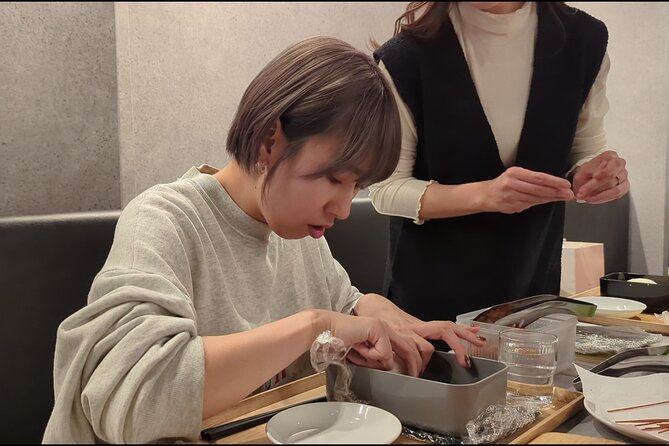
The class runs about 2 hours, and the pacing is designed to keep you from rushing your design or waiting around too long.
The bento culture intro (about 15 minutes)
You start with a quick introduction to Japan’s bento culture. This is short on purpose. The goal is to give you just enough context to understand what you are making and why certain choices matter for visual balance and convenience.
It also sets expectations for the making phase, so you’re not staring at ingredients wondering what comes next.
Hands-on bento making (about 60 minutes)
This is the main event. You’ll craft a character-themed lunchbox, and you’ll be guided through the technique steps. The studio provides everything: ingredients, tools, and instructions.
A detail I appreciate: the class is set up so you can succeed even if you’re a first-timer. Multiple people described the workshop as beginner-friendly, and that tracks with the way the session is timed. You get enough structure to build confidence.
Also, the staff support appears to be hands-on and patient. The vibe is creative and calm, not chaotic. If you want your lunch to look like a panda, dog, frog, hearts, or another design, this is the part where you make those shapes become readable as characters.
Photography session (about 15 minutes)
This is not random “take a picture if you want.” The class includes a photography session after you finish assembling. That matters because your bento looks best when you have time to style it and shoot it properly.
You’ll likely use the provided photo setup, and you get a focused moment to capture the finished product. People specifically praised the backdrop options and photo setup with lights, so it’s worth treating this part like part of the experience, not an afterthought.
Enjoy your meal (about 30 minutes)
Finally, you eat what you made. That’s a big part of the value. You’re not leaving with something that only looks good in photos.
Because you already assembled the pieces, you’ll also understand what you used and how it all fits together. That makes it easier to replicate at home later, even at a simpler level.
Diet needs, allergies, and who should speak up at booking

This class is built to be flexible. You can request vegetarian or vegan options, and allergies are accommodated if you inform them at booking.
The allergy note is clear: no nuts, no milk. If your needs fall into those categories, this helps you plan with more confidence. If you have other allergies, the key is to contact them or state them during booking so the team can advise what they can do.
This matters because bento art often relies on small ingredients and sauces. A normal restaurant can handle some requests, but a workshop needs planning. The fact that the class explicitly addresses vegetarian/vegan and allergy handling is a strong signal that they want you to participate fully, not watch someone else make a version you cannot eat.
What instructors do well, from organization to patience
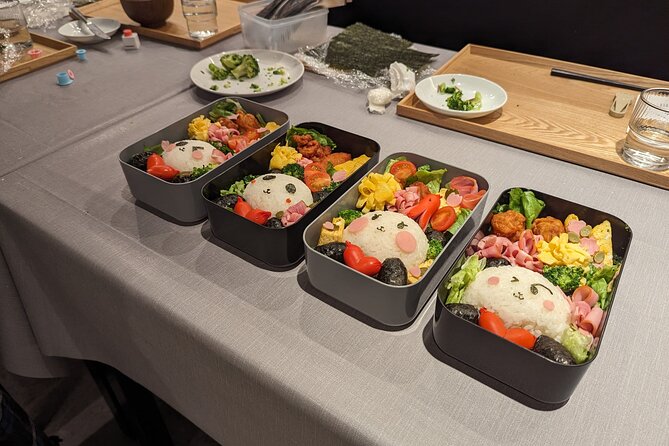
A lot of cooking classes are either too loose or too rigid. Here, the organization is part of the magic. People praised the way materials are laid out and how the process stays smooth, with easy-to-follow instructions.
The instructors you may meet include Kenji, Mami, Saori, and Yuzu. Different sessions can mean different teams, but the recurring theme is warm guidance, clear steps, and support as you assemble your character.
If you get nervous about making food that looks like a cartoon character, you’re in good hands. One of the most common praises was patience, including taking time to help people build the design. I’d expect that especially in a small group setting, where the instructor can actually see what each person is doing.
Bento culture you’ll understand after you build one
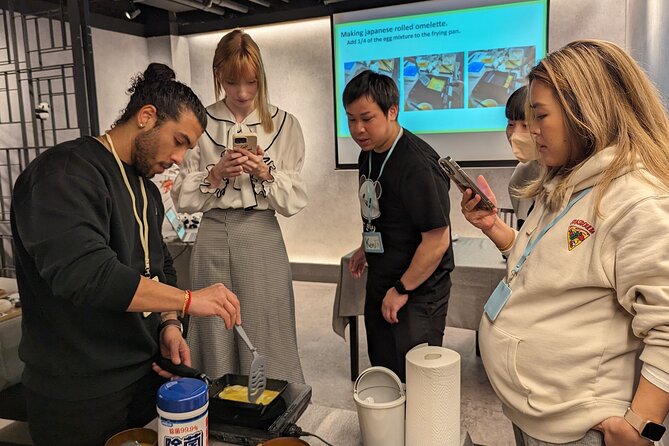
The class covers more than technique. You also learn some of why bento works culturally in Japan: it’s practical, portable, and designed to make a meal feel special.
When you are building a character lunchbox, you start thinking like a designer. You consider spacing. You plan where the “face” elements go. You use colors and shapes to create personality. That’s the same mindset behind why bento can feel playful while still being functional.
And if you’re into food art, this is the kind of skill that stays with you. Even if you never copy the exact same panda or dog layout again, you’ll remember the process: sketch the idea in your head, prep shapes, assemble in layers, then refine.
Who this class is best for (and who might want a different activity)
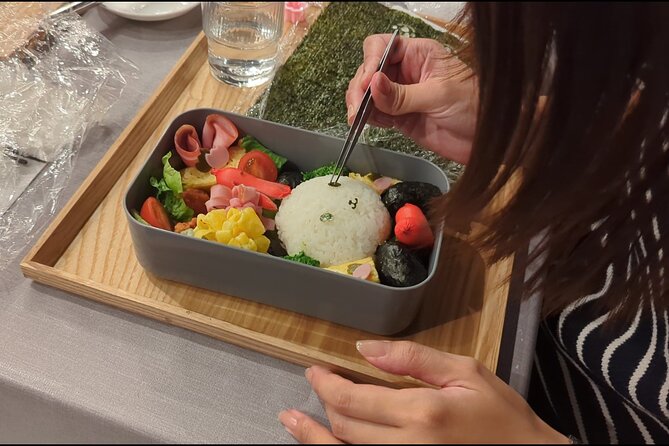
This workshop suits a few different types of travelers:
- Families and multi-generational groups: It’s described as family-friendly and fun for kids, teens, and adults. Multiple people did it with children or family groups.
- Food lovers who want a skill, not just a meal: You leave with both lunch and technique.
- Beginner cooks: People repeatedly described it as beginner-friendly, with supportive steps.
- Anyone who likes cute culture: If you enjoy kawaii style, anime, or manga aesthetics, the character theme fits the Tokyo vibe perfectly.
If you hate hands-on work, or you want a purely tasting-focused evening, you might prefer a restaurant meal. This is an activity where your hands do the work.
Practical tips so your bento turns out great
These are the simple things that help you get the most out of a workshop like this:
- Arrive early enough to calm down and find the place. The venue is under street level, and one person had trouble locating it.
- Tell them your dietary needs at booking, not on the day. That helps them handle no nuts and no milk rules and any vegetarian or vegan needs.
- Treat the photo session as part of the class. Spend a few minutes styling your bento before the shutter time.
- Go in with a flexible mindset. Even if your character looks slightly different than you imagined, that’s part of the charm.
Should you book Tokyo Cute Bento?
If you want an authentic, hands-on Tokyo food experience that mixes cooking, food art, and a take-home result, I’d say yes. The biggest reasons to book are the small group size, English instruction, and the fact that you don’t just make something cute, you also get to eat it.
It’s also a good choice when you want a break from walking and sightseeing. A rainy day friendly activity is exactly what this type of workshop is built for, because it’s indoor and structured.
Only skip it if you are set on a no-cooking, eat-only plan, or if you are worried about finding the under-street venue. If that last concern is real, give yourself extra time and you’ll be fine.
In short: if kawaii character lunches appeal to you, this class is one of the more satisfying ways to turn that interest into a real skill and a real meal.
FAQ
How long is the Tokyo Cute Bento class?
It lasts about 2 hours.
Is the workshop taught in English?
Yes. The workshop can be conducted entirely in English.
Can the class accommodate vegetarian or vegan diets?
Yes. Vegetarian and vegan options are available. Let the team know at booking.
Are allergies accommodated?
Yes. Allergies can be accommodated, and the class notes no nuts and no milk. Inform them at the time of booking.
What is the group size limit?
The class has a maximum of 12 travelers.
Where do I meet for the class?
The meeting point is Tokyo Cute Bento Japan, 2-chōme 21, Akasaka, Minato City, Tokyo 107-0052 (listed as地下1階). The activity ends back at the meeting point.
Do I take my bento home?
Yes. You take home your creation, which can be used as a meal or kept as a souvenir.
What is the rough schedule?
You’ll have an intro to bento culture (about 15 minutes), hands-on making (about 60 minutes), a photography session (about 15 minutes), and then time to enjoy your meal (about 30 minutes).
Kitchens You Can Book Into


Akihabara After the First Stop



Newest Tokyo write-ups from the Loving Japan desk



Akihabara, Anime and Otaku Culture, side by side.
 ★ 5.0Official Street Go-Kart Tour – AkihabaraFrom $611,578 reviews
 ★ 5.0Tokyo Go Kart: Asakusa, Skytree, and Akihabara **IDP MUST**From $99988 reviews
 ★ 5.0Akihabara Anime & Game Adventure Walking Tour (Group or Private)From $90404 reviews
 ★ 5.0Gameboy Mod Workshop at AkihabaraFrom $360253 reviews
 ★ 4.8Owl Cafe Tokyo Akiba FukurouFrom $35154 reviews
 ★ 5.0Akihabara Tailor-made Private Tour for Anime FansFrom $132142 reviews
 ★ 5.0Original Street Kart Experience from AkihabaraFrom $51111 reviews
 ★ 5.0Ramen Making from Scratch +Akihabara Tour –Tokyo Cooking ClassFrom $123107 reviews
Filed on these lists too