
REVIEW · WALKING TOURS
Old Town Tokyo: Shinagawa-Juku Walking Tour
Shinagawa hides Edo streets in plain sight. This old-town walk is designed to help you track the story of Shinagawa-Juku and the Old Tokaido Road without worrying about getting turned around in narrow back lanes. You follow your guide to places most visitors miss, with frequent stops and a steady pace over about three hours.
I especially like two things: the small-group size (up to 8) and the fact that an English-speaking guide, Charlotte, keeps things clear and easy to follow. I also like that coffee and/or tea is included, so you can stay comfortable as you move through the neighborhood.
One consideration: the tour runs outdoors and is described as requiring good weather, so if the forecast looks ugly, plan for rescheduling and bring a weather layer.
In This Review
- Key things to know before you go
- Why this Shinagawa-Juku walk beats wandering on your own
- Meeting at Kitashinagawa and how the route flows
- Stop 1: Shinagawa-Ura Park, where the shore tells the Edo story
- Stop 2: Kyu-tokaido Street, old inns and the path from Tokyo to Kyoto
- Stop 3: Hozenji Temple and the quiet corners off the main road
- Stop 4: Shotokuji Temple, maples in the right season
- Stop 5: Ebara Jinja Shrine, rain prayers by the river
- Stop 6: Shinagawa Shrine, the mini-Fuji idea for everyday worship
- Hot drinks, small groups, and your listening advantage
- Edo-era context you can actually use later in Tokyo
- Price and value, including what $94.88 buys you
- Who should book, and who might want a different tour
- Should you book this Shinagawa-Juku Walking Tour?
- FAQ
- What is the duration of the Old Town Tokyo: Shinagawa-Juku Walking Tour?
- How much does the tour cost per person?
- How big is the group?
- What is included in the tour?
- Are admissions included?
- Is lunch included?
- Where do I meet the guide?
- Where does the tour end?
- Is transportation included?
- What if the weather is bad?
Key things to know before you go
- Max 8 people, so you can hear your guide and actually ask questions
- Hot drinks included (coffee and/or tea) to keep your energy up
- Edo-era focus on the Old Tokaido Road, not just generic sightseeing
- Free admission at several stops, with Shinagawa Shrine admission included
- Meet and end at nearby stations, which makes it easier to continue your day in Tokyo
Still weighing up options in Tokyo? These are the ones our reviewers rated highest.
- Mt Fuji and Hakone 1-Day Bus Tour Return by Bullet Train
★ 5.0 · 26,383 reviews - 1-Day Tokyo Bus Tour
★ 5.0 · 14,250 reviews - Tokyo: teamLab Planets TOKYO Digital Art Museum Entry Ticket
★ 4.6 · 9,779 reviews - Mt Fuji & Hakone Cruise, Drum Show Bullet Train 1 Day from Tokyo
★ 4.0 · 7,413 reviews
Why this Shinagawa-Juku walk beats wandering on your own
Old Tokyo can feel like a maze when you are trying to find the meaningful spots. This tour is built for that moment where you want the atmosphere of the past, not just photos of buildings. You walk down back alleys and side streets to reach landmarks and small local stops that are hard to identify solo.
I like that the route is history-led. Instead of bouncing randomly between attractions, the story centers on Shinagawa as part of the traveler world along the Old Tokaido Road, the main route connecting Tokyo and Kyoto. That context changes what you notice as you go.
Also, the guide matters here. In particular, Charlotte is singled out for being friendly and knowledgeable about the city, culture, the subway system, history, and the district. That kind of guidance is exactly what helps you connect the dots when streets look ordinary at first glance.
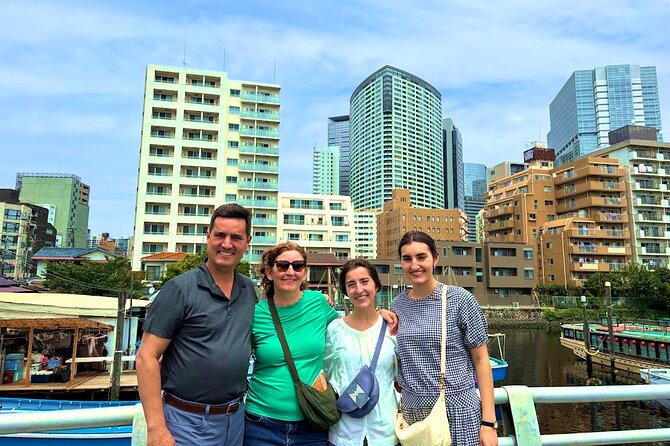
The other practical win is sound. With a group capped at 8, you are not constantly straining to hear explanations over other people. You get to walk at a human pace, with enough time at stops to register details.
Meeting at Kitashinagawa and how the route flows
You start at Kitashinagawa Station, specifically 1 Chome-1 Kitashinagawa, Shinagawa City, Tokyo 140-0001. The tour notes that this station is just one stop from the major Shinagawa Station, so you do not have to wrestle with a long transfer just to get going.
The tour ends at Shimbamba Station (2-chōme-18-1 Kitashinagawa, Shinagawa City, Tokyo 140-0001). That is helpful because it gives you an easy handoff back to transit, instead of ending miles away where you have to backtrack.
The overall plan is about three hours, and it is paced with short segments between stops. Expect a walking rhythm that mixes brief orientation moments and longer time blocks at key sites. If you like structured walks where you always know what you are looking for next, this one fits that style.
One more logistics point that helps: you get a mobile ticket. That saves time on the day, especially in Japan where you might be switching between transit apps, ticket machines, and occasional QR scans.
Stop 1: Shinagawa-Ura Park, where the shore tells the Edo story
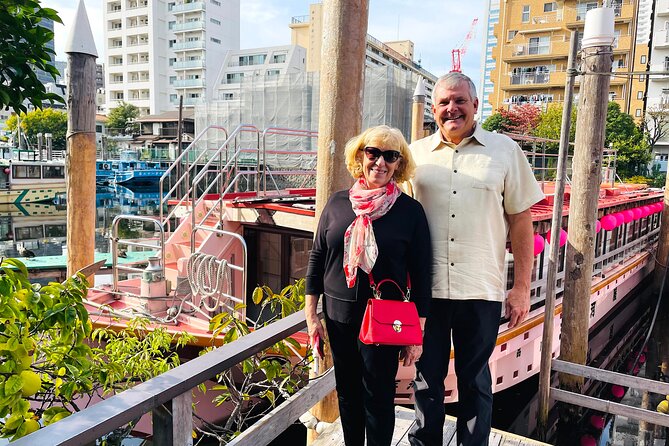
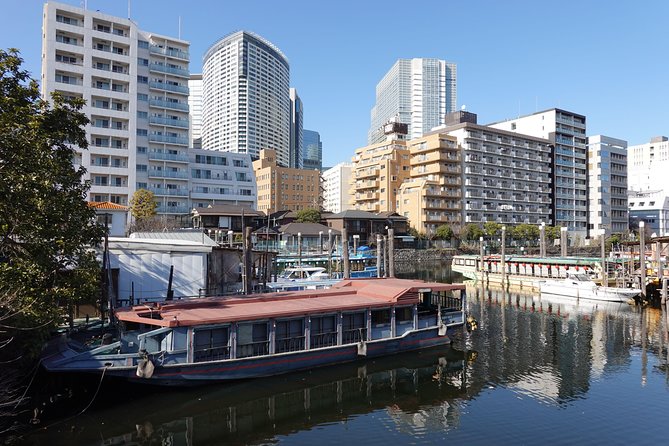
The tour kicks off at Shinagawa-Ura Park for about 15 minutes. The setting is tied to how this area worked back in Edo times, when the shore near Shinagawa was used for fishing and a small but prosperous fishing village grew up around it.
Today, commercial fishing is no longer the main use of the shoreline. Still, the park and nearby atmosphere help you sense why Shinagawa mattered beyond being just a stop along a route. It is a soft landing into the walk, giving you a place to understand the “why” before you head into more tightly packed old-street scenery.
If you are the type who likes to know the background before you chase details, this first stop is a smart start. It prevents you from seeing later temples and street patterns as random stops.
Possible drawback here is also simple: it is only 15 minutes. If parks are your thing, you may want to linger on your own right after the tour, but the time is used well to set context and keep you moving.
- Mt Fuji and Hakone 1-Day Bus Tour Return by Bullet Train★ 5.0 · 26,383 reviews
- 1-Day Tokyo Bus Tour★ 5.0 · 14,250 reviews
- Tokyo: teamLab Planets TOKYO Digital Art Museum Entry Ticket★ 4.6 · 9,779 reviews
- Mt Fuji & Hakone Cruise, Drum Show Bullet Train 1 Day from Tokyo★ 4.0 · 7,413 reviews
- Tokyo: Shinjuku Food Tour (13 Dishes at 4 Local Eateries)★ 5.0 · 6,603 reviews
Stop 2: Kyu-tokaido Street, old inns and the path from Tokyo to Kyoto
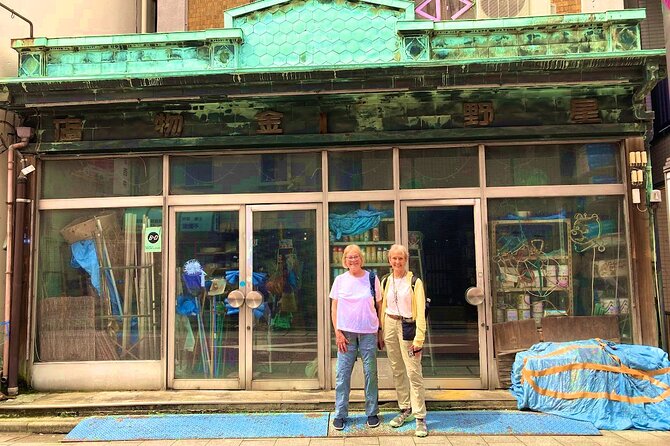
Next comes Kyu-tokaido Street for about one hour. This is where the tour leans hardest into the Tokaido-road theme. Kyu-Tokaido Road was the first stop for travelers moving from Tokyo toward Kyoto, so it makes sense that it would have been busy with practical services.
The street is described as having been full of inns and shops designed to meet travelers’ needs. It is also noted as one of the areas to survive the fires, which gives you a tangible link to a past that did not fully get erased.
What I like about spending a full hour here is that it lets you slow down and actually watch the street type. You can start noticing how narrow lanes, building placements, and shopfront styles support the idea of a historic post-town area. If your brain likes patterns, you will catch a lot.
One consideration: one hour on a street is great for depth, but it also means you might feel the walking time if you are trying to conserve energy. The good news is that your guide is there to point out what to focus on, so you are not stuck scanning everything equally.
Stop 3: Hozenji Temple and the quiet corners off the main road
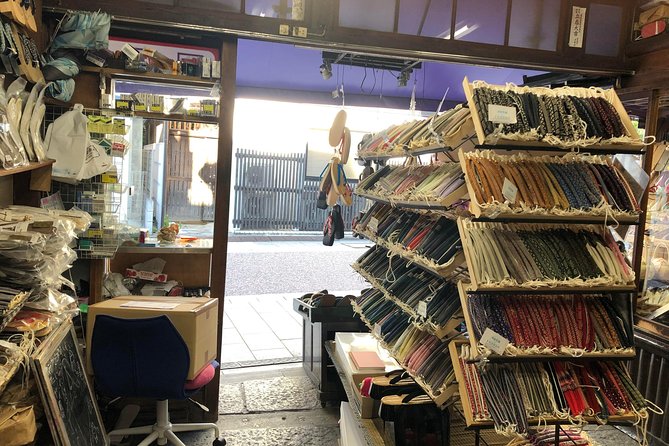
Stop 3 is Hozenji Temple, with about 10 minutes here. This is one of those “turn off the main road and suddenly the neighborhood changes” experiences. The tour describes small branching streets and alleyways where local temples sit in quieter pockets, often with old houses and greenery around them.
You can even see a water well in the middle of a residential area, which is the kind of detail that makes a walking tour feel real. It is not just a temple gate and then you go, you get a glimpse of how everyday residential life shares space with these historic sites.
Hozenji is short on time, so think of it as a guided moment of discovery rather than a long temple visit. If you want longer temple time, you can always extend on your own nearby afterward.
Stop 4: Shotokuji Temple, maples in the right season

Stop 4 is Shotokuji Temple for around 5 minutes. This is a quick stop but it comes with a specific seasonal note: it is especially pretty in autumn, surrounded by maple trees.
The tour also mentions an unusual fence, which is exactly the sort of small visual cue your guide can help you notice quickly. Even with limited time, these kinds of details are what make the walk feel like a guided treasure hunt, not a checklist.
The downside is obvious: five minutes passes fast. If you are visiting in autumn and love foliage, you might feel you want more time at this one. If you are visiting in other seasons, treat it as a short pause in the flow, then move on with the larger story still intact.
Stop 5: Ebara Jinja Shrine, rain prayers by the river
Stop 5 is Ebara Jinja Shrine for about 10 minutes. The shrine traces back to 709, which is a long way to look at a Tokyo neighborhood and realize it carries stories that stretch far beyond modern street grids.
It is worshipped as a dragon god, and people come to pray for rain. The shrine is located next to the Meguro River, and the tour ties it to local stories about water and rain, including a mention of the year 1062 related to taking water from the nearby river.
This stop is valuable because it shifts you from the road and post-town story into everyday spiritual life. It also gives you a location tied to water, which matches the earlier shoreline fishing theme from Shinagawa-Ura Park. The tour quietly connects themes like water, travel, and survival.
In terms of drawback, this is another shorter stop. If you like long shrine visits and quiet contemplation, you may want to do a longer stop on your own later. Here, the goal is to keep the walking arc moving.
Stop 6: Shinagawa Shrine, the mini-Fuji idea for everyday worship
The last major stop is Shinagawa Shrine, with about 50 minutes. This is the time anchor of the tour, and it makes sense: it is closely connected to Shinagawa’s role as a post-town.
The shrine was founded in 1187 as a guardian of the nearby post-town. It is also home to a fujizuka, described as a mini-Fuji built for worshippers who did not have the strength or money to climb Mt. Fuji.
That concept is the kind of detail I love in guided tours. It turns a shrine into a human story about access, devotion, and realistic constraints people faced. You get to see how religion adapts to daily life, not just grand monuments for people who can travel far.
This stop gives you enough time to look around and absorb the setting. Compared to the short temple stops, it feels like you finally get room to slow down and take it in.
Hot drinks, small groups, and your listening advantage
Coffee and/or tea are included, and that matters more than it sounds. In a three-hour walking tour in Tokyo, small breaks help you stay present. You are not constantly checking whether you are hungry or thirsty, because the tour gives you a built-in comfort moment.
The smaller group size also improves the experience quality. When you are in a group of up to 8, you can hear your guide’s explanations, and you can ask quick questions without the guide having to repeat everything to a crowd.
Charlotte is specifically praised for being knowledgeable about the city and the subway system. That sort of knowledge is useful even beyond the tour. After seeing the area through her eyes, you will often feel more confident navigating Tokyo right afterward.
Edo-era context you can actually use later in Tokyo
One of the best parts of this walk is that it frames Shinagawa as more than a dot on a map. You learn about the area’s importance on the Old Tokaido Road and how travelers would have moved through a rhythm of inns, services, and religious waypoints.
When you then head out to explore on your own, the street patterns start to make sense. You recognize the logic of older roads. You notice where post-town services would have clustered. You start understanding why small temples and shrines sit where they do.
That is a real value for your time in Tokyo. You do not just collect sights, you build a mental model of how the city used to work. It makes later walks more rewarding because you stop seeing everything as random.
Price and value, including what $94.88 buys you
The price is listed as $94.88 per person for about three hours. At first glance, it might feel steep if you are thinking only about the number of stops. But when you price it as a guided, small-group experience with explanation time, it adds up.
You are getting an English-speaking guide, coffee or tea included, and a group size capped at 8. Several stops have free admission, and Shinagawa Shrine admission is included. Add in the fact that a route like this can prevent you from wasting time trying to figure out what is where, and the cost starts to look more reasonable.
Also note that the tour is booked about 37 days in advance on average. That is a clue to plan ahead, especially if you want a specific day and do not want to gamble on availability.
Finally, a mobile ticket is included, which helps you move smoothly on the day. Small convenience items like this sound minor, but in busy transit areas they reduce friction.
Who should book, and who might want a different tour
This tour is a great fit if you like history and culture, and you enjoy walking at a thoughtful pace. It also works well if you get frustrated trying to navigate older neighborhoods without knowing what matters most.
I think it is especially good for first-timers to Tokyo who want to see a different side of the city beyond big-ticket landmarks. The Shinagawa-Juku focus gives you an “Edo-era Tokyo” storyline in a way that feels practical, not academic.
If you want lots of indoor museum time, this might not be your best match. The format is outdoors and street-focused, with short temple and shrine moments and one longer shrine stop at the end.
Should you book this Shinagawa-Juku Walking Tour?
If your ideal Tokyo day includes side streets, historical context you can repeat later, and a guide who keeps the group manageable, I would book this. The combination of small-group size, hot drinks, and a route tied to the Old Tokaido Road story is a strong value setup for about three hours.
I would skip or consider alternatives if you dislike walking, if weather is likely to be poor on your dates, or if you want a tour centered on major, standalone attractions rather than post-town streets and quiet religious corners.
FAQ
What is the duration of the Old Town Tokyo: Shinagawa-Juku Walking Tour?
The tour runs for approximately 3 hours.
How much does the tour cost per person?
The listed price is $94.88 per person.
How big is the group?
The tour has a maximum of 8 travelers.
What is included in the tour?
Coffee and/or tea and an English-speaking guide are included.
Are admissions included?
Some stops are listed as free admission, and Shinagawa Shrine admission is included. Specific admission details are stop-by-stop based on what the tour lists.
Is lunch included?
No, lunch is not included.
Where do I meet the guide?
You meet at Kitashinagawa Station (1 Chome-1 Kitashinagawa, Shinagawa City, Tokyo 140-0001, Japan). This station is one stop from the major Shinagawa Station.
Where does the tour end?
The tour ends at Shimbamba Station (2-chōme-18-1 Kitashinagawa, Shinagawa City, Tokyo 140-0001, Japan).
Is transportation included?
Transport fees are not included, and hotel pickup and drop-off are not included (available for an extra fee).
What if the weather is bad?
The tour requires good weather. If it is canceled due to poor weather, you will be offered a different date or a full refund.
Newest Tokyo write-ups from the Loving Japan desk


Walking Tours, side by side.
 ★ 4.7Kyoto Geisha Walking Tour: Gion District & Hidden GemsFrom $253,273 reviews
 ★ 5.0Tokyo Tsukiji Fish Market Food and Culture Walking TourFrom $993,184 reviews
 ★ 4.9Gion Magical Night Walking Tour with Geisha TriviaFrom $242,393 reviews
 ★ 5.0Imperial Palace and Shogun Historical Walking TourFrom $222,251 reviews
 ★ 4.7Gion Geisha District Walking Tour – Stories of GeishaFrom $202,187 reviews
 ★ 4.5Night Walk in Gion: Kyoto’s Geisha DistrictFrom $212,003 reviews
 ★ 4.9Shinjuku Local Bar and Izakaya Guided Walking TourFrom $341,794 reviews
 ★ 5.0Tsukiji Fish Market Food and Walking tourFrom $301,724 reviews
Filed on these lists too