
REVIEW · WALKING TOURS
Osaka 6hr Private Walking Tour with Government Licensed Guide
Six hours, Osaka, and you won’t waste a step. This private, government-licensed guide tour works well if you want big sights plus real neighborhood flavor, with a route you can shape to your group. You can also get on-foot pickup in the Osaka area, so you are not spending your limited time figuring out meeting points.
What I like most is the combination of street energy and cultural context. You get guided time in places like Dotonbori and Kuromon Market, plus shrine and temple stops where the explanations actually help you understand what you are looking at.
One thing to consider: this is a fast-paced walking style tour. The sightseeing is packed into 6 hours, so you will want to tell your guide your pace before you start.
In This Review
- Key points that matter for your Osaka day
- Why this 6-hour private walking tour feels efficient
- Building your day: picking 3 to 4 stops from Osaka’s best mix
- Dotonbori: where Osaka turns into street performance
- Shinsaibashi-suji and Sennichimae Doguyasuji: shopping, but with a purpose
- Kuromon Market (and Koromon area): the seafood test
- Sumiyoshi Taisha: an ancient Shinto stop that still feels real
- Shitennoji: Prince Shotoku era temple vibes
- Osaka Castle, NMAO, and Umeda Sky Building: big-name landmarks, timed right
- Shinsekai and Keitakuen Garden: Osaka’s New World and a calmer pocket
- How the guide actually improves your day (beyond directions)
- Walking pace, crowd timing, and who should book this
- Should you book this Osaka private walking tour?
- FAQ
- How long is the Osaka private walking tour?
- What is included in the tour price?
- Can I customize which places we visit?
- Is this tour private or shared?
- Is there pickup from my hotel?
- Are entrance fees included?
- Are transportation costs included?
- Can I cancel for free?
- Are service animals allowed?
Key points that matter for your Osaka day
- Government-licensed English-speaking guide who explains what you see, not just where to go
- Choose 3 to 4 stops from a strong menu, so your day fits your interests
- Food-focused streets and markets like Dotonbori and Kuromon, with on-the-ground guidance
- Old Osaka spirituality at Sumiyoshi Taisha and Shitennoji (free or low-friction entry depending on the site)
- Big-ticket sights possible in the same afternoon, including Osaka Castle and Umeda Sky Building
- Private means you control the flow, and guides often help with trains and timing as needed
Licensed guides working the same ground
- Osaka 4hr Private Tour with Government-Licensed Guide
★ 5.0 · 359 reviews
Why this 6-hour private walking tour feels efficient
Osaka can be a lot in one day. The city is built for walking, but it is also built for detours, snacks, and surprise crowds. Having a guide who knows how to connect neighborhoods keeps your day from turning into a random hop between famous spots.
This is also priced like a real private experience, not a budget bus tour. At about $155 per person for 6 hours, you are paying for time, direction, and context, and that can be a bargain when you are balancing multiple sites you would otherwise research and piece together yourself.
The biggest value is not the list of stops. It is the way the guide helps you move with confidence, whether that means steering toward the right streets early, or helping you interpret what you see at a shrine or market while you are there.
Building your day: picking 3 to 4 stops from Osaka’s best mix
The tour is designed around customization. You select 3 to 4 sites from the available options, so you can do food and shopping heavy, culture heavy, or a blend that includes one major landmark.
Here is how I would think about the choices if you only have one Osaka day. If you want the classic Osaka vibe, stack street areas like Dotonbori, Shinsaibashi-suji, and Kuromon Market. If you want calmer, more historic moments, pair Sumiyoshi Taisha with Shitennoji. If you want skyline and postcard photos, add Umeda Sky Building or Osaka Castle.
Because entrance fees are not included, your choices also affect your total spend. Some stops are free (or mostly low-friction), while others like Osaka Castle, Umeda Sky Building, and the National Museum of Art typically cost extra. Your guide entry fees are covered for listed sights, but your admission tickets are still something to budget for.
Dotonbori: where Osaka turns into street performance
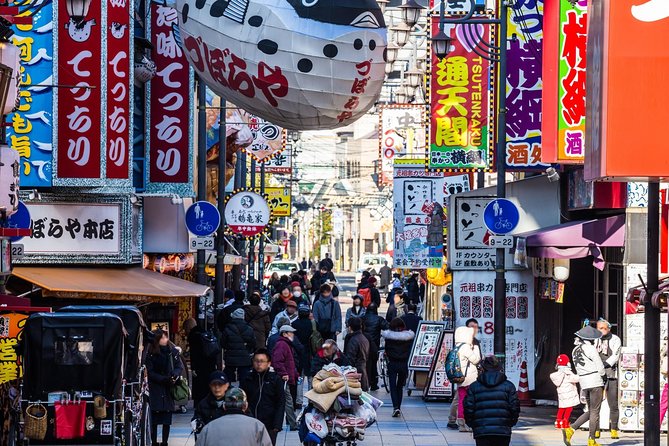
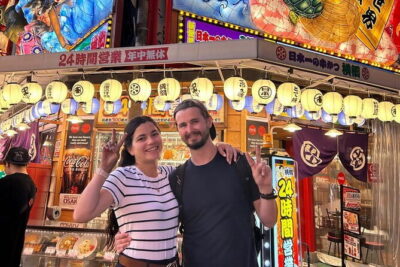
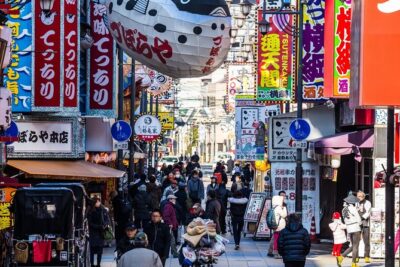
Start your day where Osaka feels loud and alive. Dotonbori District is the neon-and-food corridor of the city, with giant billboards, crowded lanes, and nonstop smells from restaurants and stalls.
You will get about an hour here, which is just enough time to walk the main stretch, pause for photos, and try a couple of signature bites without turning it into a full food crawl. Guides often point out what to order and how to spot authentic classics, and that matters when you are surrounded by lookalike menus.
A practical note: this area can get packed at peak times. A good guide will help you time your stops and choose side streets so you are still enjoying the atmosphere, not just stuck in line.
- Osaka Bar Hopping Night Walking Tour in Namba (3 bars, 6 tastes)★ 5.0 · 958 reviews
- Osaka 4hr Private Tour with Government-Licensed Guide★ 5.0 · 359 reviews
- Osaka Sushi Making Class – Hands-On Nigiri & Rolls (Same-Day OK)★ 5.0 · 352 reviews
- Osaka 6hr Private Walking Tour with Government Licensed Guide★ 5.0 · 174 reviews
- Airport Transfer from Osaka city to Kansai airport★ 4.5 · 73 reviews
Shinsaibashi-suji and Sennichimae Doguyasuji: shopping, but with a purpose
Osaka is famous for shopping arcades, but you need a reason to walk them beyond window shopping. Shinsaibashi-suji (about 30 minutes on tour) is a long arcade of cosmetics, apparel, and dining, and it is the kind of place where you can still feel local even when it is popular.
Then comes Sennichimae Doguyasuji Shopping Street, a super-specific shopping lane known for cooking utensils and kitchen items. It is only about a 150-meter stretch, but it is a fun place to wander if you like practical souvenirs. Think knives, kitchen tools, and specialty tableware rather than generic trinkets.
What makes this stop work in a private tour is that your guide can point out what is actually worth buying and what is just a lot of duplicates. If you want one or two small functional keepsakes, this is where the tour can justify itself.
Kuromon Market (and Koromon area): the seafood test
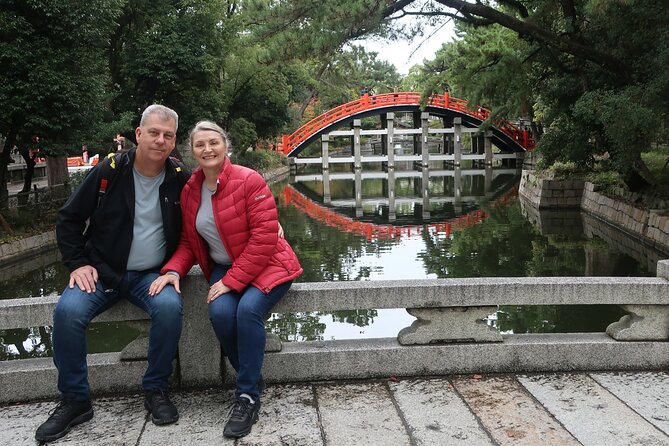
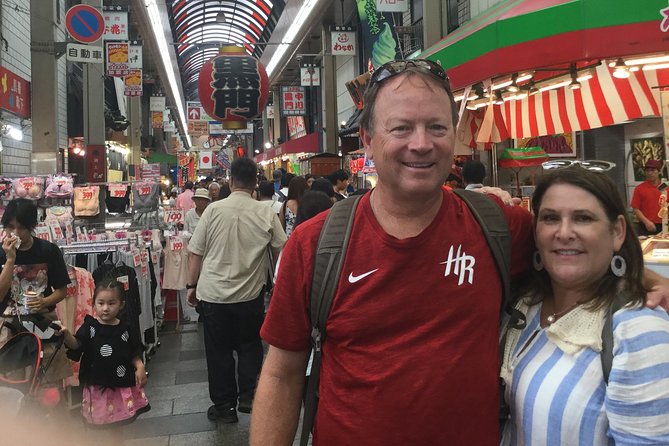
Kuromon Market is the place you go when you want Osaka food culture in high concentration. You are typically there for about 30 minutes, and it is easy to understand why people call it famous.
But this is also the stop where preferences matter. The market is strongly seafood-centered, including seasonal items like conger pike in summer and fugu in winter, and there are many shops linked to those specialities. If you are avoiding fish or you just do not want seafood-focused walking, you may feel like your time could go elsewhere.
If you do like seafood, go with a plan. In a private setting, ask your guide what is most typical to Osaka right now, then decide if you want a small bite, a drink, or just a walk-through for sights and smells.
Sumiyoshi Taisha: an ancient Shinto stop that still feels real

Not every city offers an easy way to experience Shinto without getting lost in guesswork. Sumiyoshi Taisha Shrine is one of Osaka’s oldest shrines, and it is often the kind of stop people remember because it feels serene even when the city around it is active.
You typically spend around 30 minutes here. The guide explains what you should notice, from shrine layout to the meaning behind key elements, and that makes your photos more than just pretty angles.
One standout detail from guides in this program is how they handle respectful visiting. People report very detailed explanations about processes at Sumiyoshi Taisha, which helps you participate without turning it into a rushed photo-op.
Shitennoji: Prince Shotoku era temple vibes
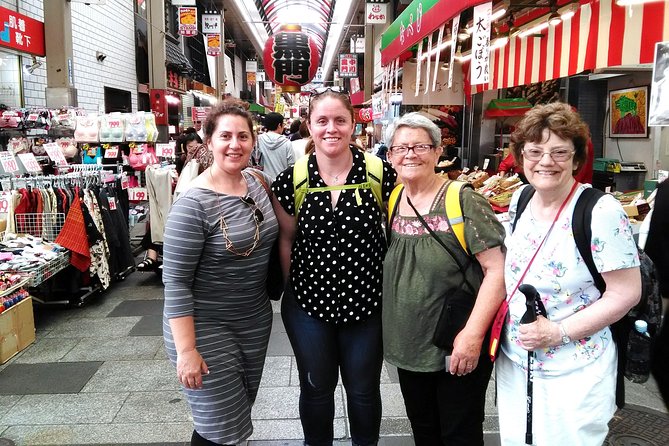
Shitennoji is one of Japan’s oldest temples, founded in 593 by Prince Shotoku. That is not just trivia. It gives context for why the site feels built on long continuity rather than something modern that borrows old aesthetics.
Your time here is about 30 minutes, which is enough to walk the key areas, look carefully, and understand the basics from your guide. Admission is not included for this stop, so again, budget matters.
This is a good pairing with Sumiyoshi Taisha because it gives you both shrine and temple perspectives in the same day. You leave with a clearer sense of how Osaka’s spiritual world fits into everyday life.
Osaka Castle, NMAO, and Umeda Sky Building: big-name landmarks, timed right
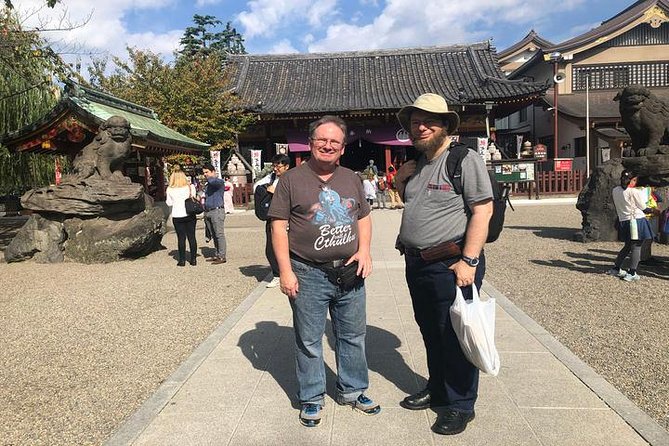
This tour can include at most 3 to 4 sites, so when a big landmark enters the plan, it needs to fit the rhythm. That is why options like Osaka Castle and Umeda Sky Building can be so useful for limited time.
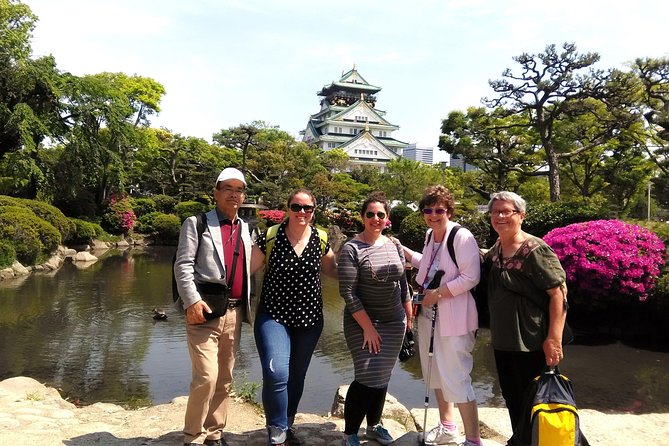
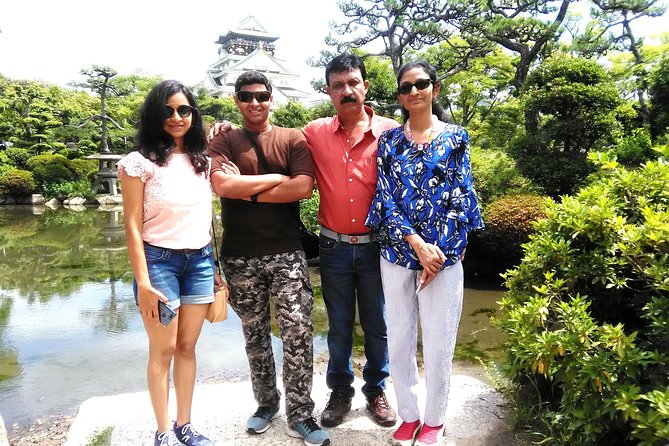
Osaka Castle is a top choice if you want the classic symbol of the city. You get about an hour, and while admission is not included, it is one of the easiest ways to justify spending time on a single “major” attraction.
If you want skyline views, the program may also include Umeda Sky Building for about 30 minutes. The key benefit is perspective: you see Osaka as a connected city of districts rather than isolated stops.
For art lovers, there is also the National Museum of Art, Osaka (NMAO), typically around 30 minutes. It is an underground museum setting, and it can be a welcome break from street walking if your legs are getting tired.
Shinsekai and Keitakuen Garden: Osaka’s New World and a calmer pocket
Shinsekai, the New World district, is where Osaka leans into character. It is closely associated with Tsutenkaku and the old-fashioned street vibe, plus famous foods like kushikatsu.
You are usually there for about 25 minutes, and that short window is the right size for this area. You can absorb the atmosphere, get a couple of photos, and try one bite without turning it into a second full day.
If your route includes Keitakuen Garden, you get a brief look at a traditional Japanese landscape garden within Tennoji Park. Expect only about 5 minutes on tour, so treat it as a quick reset, not a long, slow garden visit.
How the guide actually improves your day (beyond directions)
This is where private guiding pays off. Guides in this program regularly help with pacing, trains, and real-time choices based on what you care about.
A common theme is communication before the tour. Multiple guides, including Yama, Miyuki Ogawa, Yuki, Sachiko, Shogo, Noriko, Haru, and Yoshii Kenichi, are described as organizing the day in advance and adjusting on the fly. That can include helping you figure out the subway and trains so you can move independently afterward.
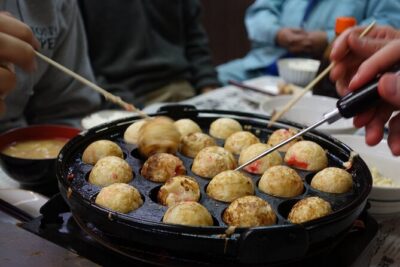
You might also get food guidance that makes Osaka eating less intimidating. For example, one guide helped a group pick food and explained how to spot authentic takoyaki and how to think about Kobe beef. Another guide recommended a lunch spot where you could try kushikatsu, a dish that is basically Osaka identity in snack form.
And yes, sometimes guides add side activities when they fit. Examples from this program include playful market-style games and even Japanese boxing matches shown around Osaka Castle. Those moments are not guaranteed, but they reflect the bigger point: guides try to make the day feel like a story, not a checklist.
Walking pace, crowd timing, and who should book this
Because it is 6 hours and it is private, it tends to feel action-packed. Most people love that, and many describe the day as an efficient way to see a lot while still learning. The main drawback is pace, and one review described a guide who walked very fast and did not slow down.
If you have mobility limits, plan to tell your guide at the start that you want breaks. If your group is traveling with teens, kids, or anyone who tires quickly, it is also smart to decide early whether you want fewer stops with more time at each.
This tour is a great fit if you:
- want a blend of food streets and cultural stops
- only have one Osaka day and you want it organized
- like learning why things look the way they do, not just where they are
It may be a weaker fit if you:
- do not want seafood and the plan includes Kuromon Market
- need a very slow, unstructured day
- are hoping for a pure landmark-only day, since customization often favors variety
Should you book this Osaka private walking tour?
Book it if you want a smart, guided day that connects Osaka’s famous neighborhoods with context you can actually use. The strongest payoff is the private format, the guide explanations at shrines and temples, and the way the day turns into a mix of food, shopping, and major sights without you spending hours planning.
Skip or adjust the plan if you know you will not enjoy seafood-focused stops like Kuromon, or if your group needs a slower pace than a typical 6-hour walking schedule. In your message before the tour, tell your guide what you want and what you do not, and you will get a day that fits better than a generic route.
If you are the type who likes Osaka best by wandering with a plan, this one is easy to recommend.
FAQ
How long is the Osaka private walking tour?
It runs for about 6 hours.
What is included in the tour price?
The tour includes a licensed local English-speaking guide and a customizable itinerary using 3 to 4 sites from the available list. You also meet the guide on foot within a designated Osaka area. Entrance fees, transportation fees, lunch, and other personal expenses are not included.
Can I customize which places we visit?
Yes. You customize the itinerary to your group’s interests, choosing 3 to 4 sites from the tour’s listed options.
Is this tour private or shared?
It is private. Only your group participates.
Is there pickup from my hotel?
Pickup is offered in the Osaka area, and the pickup is on foot. You meet the guide within a designated area.
Are entrance fees included?
No. Entrance fees for certain sights are not included, and you should budget for those based on which stops you choose.
Are transportation costs included?
No. Transportation fees are not included, even though you are near public transportation and the route is walking-focused.
Can I cancel for free?
Yes, you can cancel up to 24 hours in advance for a full refund.
Are service animals allowed?
Yes, service animals are allowed.
Licensed Guides on the Same Ground
Newest Namba write-ups from the Loving Japan desk

Walking Tours, side by side.
 ★ 4.7Kyoto Geisha Walking Tour: Gion District & Hidden GemsFrom $253,273 reviews
 ★ 5.0Tokyo Tsukiji Fish Market Food and Culture Walking TourFrom $993,184 reviews
 ★ 4.9Gion Magical Night Walking Tour with Geisha TriviaFrom $242,393 reviews
 ★ 5.0Imperial Palace and Shogun Historical Walking TourFrom $222,251 reviews
 ★ 4.7Gion Geisha District Walking Tour – Stories of GeishaFrom $202,187 reviews
 ★ 4.5Night Walk in Gion: Kyoto’s Geisha DistrictFrom $212,003 reviews
 ★ 4.9Shinjuku Local Bar and Izakaya Guided Walking TourFrom $341,794 reviews
 ★ 5.0Tsukiji Fish Market Food and Walking tourFrom $301,724 reviews
Filed on these lists too