
REVIEW · ARASHIYAMA AND THE BAMBOO GROVE
Osaka Temple :Warm Bamboo Oil Massage – Deep Restore〈90min〉
A quiet temple can do more than sightseeing, it can reset you. This Osaka experience pairs a warm bamboo oil massage with temple worship moments, Zen meditation, and a guided tea ceremony, all wrapped in a small-group visit.
I particularly like how the hands-on myofascial release with bamboo goes step by step, starting with a foot bath and scrub. The one thing to consider is that Zen meditation may be shared with other people unless you request a private experience.
Second, I like that you do not just watch Japanese culture, you practice it. You’ll wear a simple yukata, join incense and prayer, then slow down with matcha and traditional sweets while the guide explains what you are seeing. The calm tone is the main reason this works, but the group size means you are following the pace the instructor sets.
In This Review
- Key things to know before you go
- Entering An Osaka Temple, Then Changing Into Yukata
- The 2-Hour Flow, From Foot Bath to Incense to Tea
- Warm Bamboo Oil Massage: Why It Feels Both Gentle and Targeted
- Tea Ceremony and Matcha Sweets, Not Just a Side Activity
- Zen Meditation With Bell and Kneaded Incense
- Small Group of Up to 3, Plus Smartphone Photo Keepsakes
- Price and Value: Is $129 Worth It for a 2-Hour Osaka Reset?
- Who This Experience Suits Best (and Who Might Want Something Else)
- Should You Book This Osaka Temple Massage?
- FAQ
- How long is the Osaka temple warm bamboo oil massage experience?
- What is the price per person?
- Where should I meet for the activity?
- What is included besides the massage?
- Is Zen meditation always private?
- What languages are available?
- Do I get any photos or keepsakes?
- Is matcha included?
- Can I cancel or pay later?
Key things to know before you go
- Warm bamboo + hand oil massage with a “deep restore” feel, built around comfort and release
- Temple worship included (incense offering, prayer, and a short intro to the temple’s background and Japanese worship culture)
- Zen meditation with bell and kneaded incense in a serene Osaka setting
- Tea ceremony with matcha and Japanese sweets, explained with cultural and historical context
- Yukata + commemorative smartphone photos, included as take-home keepsakes
- Small group of up to 3 participants, which usually keeps things personal and unrushed
Still in Arashiyama? Keep going west
- Sagano Romantic Train & Arashiyama, Kiyomizudera, Fushimi Inari Taisha Day Tour
★ 4.5 · 171 reviews - Full Day Kyoto Tour : Bamboo Forest, Golden Temple, Fushimi Inari
★ 5.0 · 84 reviews - Katsuo-ji Temple, Arashiyama Forest, & Nara Park
★ 4.0 · 37 reviews - Kyoto Highlights: Arashiyama & Fushimi Inari by Private Car
★ 5.0 · 35 reviews
Entering An Osaka Temple, Then Changing Into Yukata
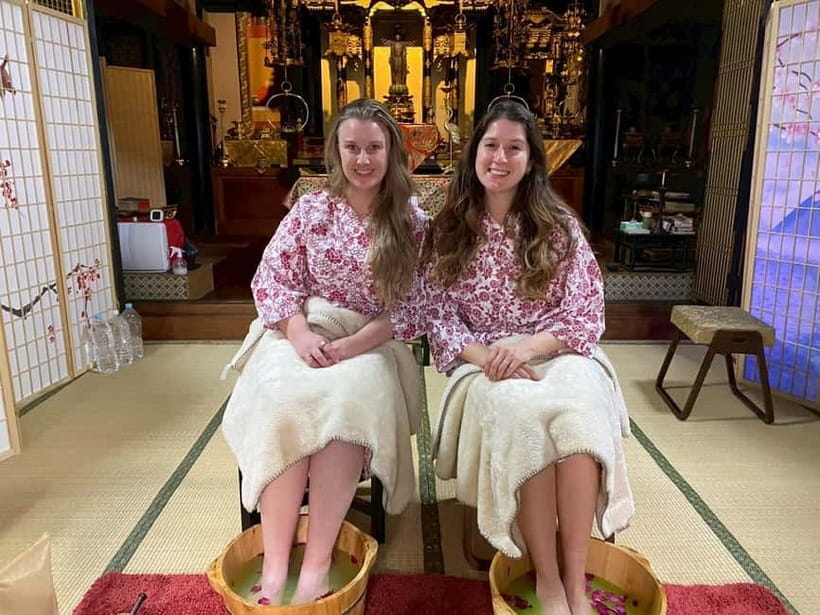
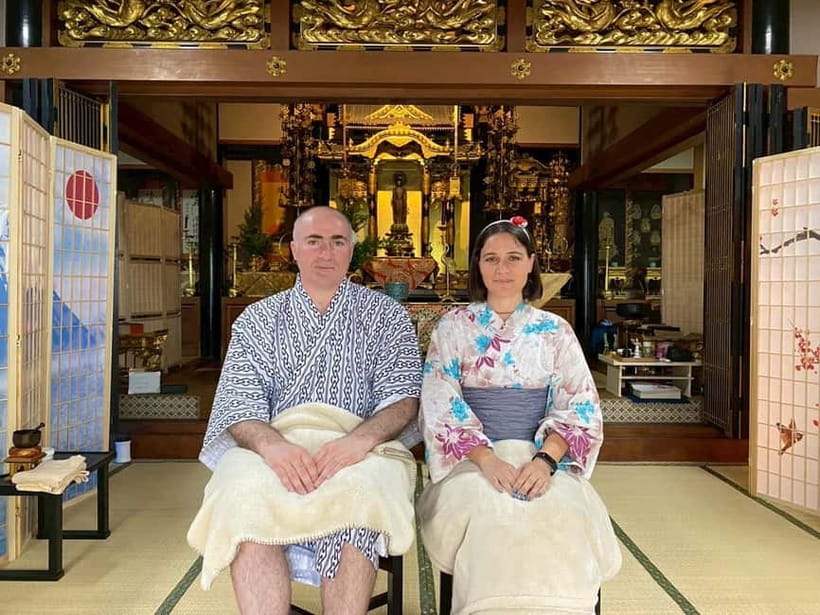
The session starts with a simple, very Japanese kind of welcome: you receive a drink and get changed into a yukata. That small shift matters. It signals you are not there to “tour” the place, you are there to participate. And because you are in a robe, the rest of the time feels smoother. You do not have to fuss with outfits in photos, or worry about what looks right while you sit, bow, or move through the temple routines.
Once you’re ready, you step into the temple visit portion. You’ll do an incense offering and prayer, with an introduction to the temple’s history and Japanese worship culture. This is one of the best parts for me, because it makes the whole experience feel earned. Incense is not just a smell. It is a ritual, and the guide’s explanation helps you understand what you are doing and why it matters in the space.
If you are new to temple etiquette, you do not need to memorize anything complicated. The session is structured so you can follow along. Just be ready for a slower rhythm than you might be used to on a packed Osaka day.
The 2-Hour Flow, From Foot Bath to Incense to Tea
The total duration is 2 hours, even though the focus massage is 90 minutes. That pacing is a big deal. It prevents the classic problem where you arrive, change, get rushed, and then leave right away feeling slightly out of sync.
Here’s how the time tends to land:
You begin with the welcome and yukata change, then move into the temple visit. You are guided through incense and prayer, and you get context before you start participating.
Next comes the meditation segment, with a bell and kneaded incense. This portion sets the mental tone. Even if you are not a meditation person, you’ll appreciate the pacing. It is not a performance. It is the setup for the body work.
Then the body care begins with a foot bath and a scrub massage. I love this early step because it loosens things before the deeper work. Your feet get special attention first, and that makes the later bamboo and oil massage feel more comfortable and effective.
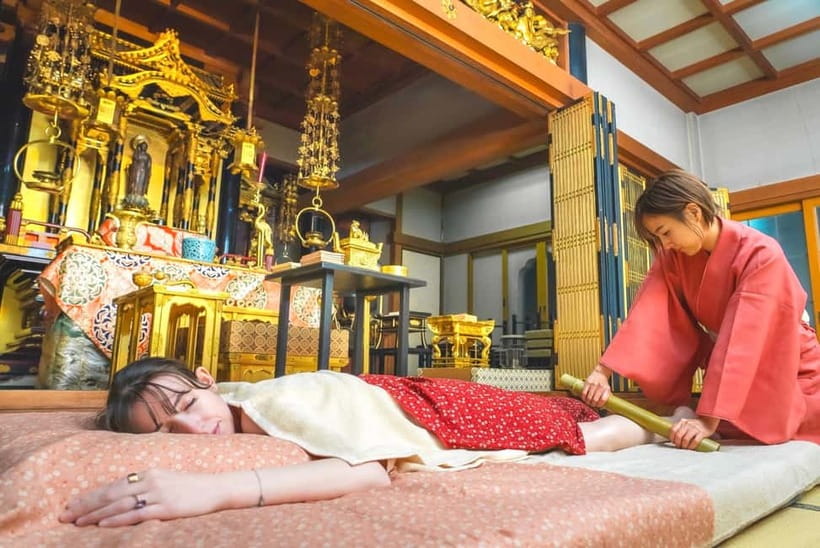
After that, you move into the warm bamboo and hand oil massage. This is the “deep restore” moment, where the warmth and pressure work together to encourage release.
Finally, you land back in calm mode with a traditional Japanese tea ceremony. You get matcha, Japanese sweets, and guidance that explains the cultural meaning, not just the how.
One possible drawback to keep in mind: Zen meditation may be shared with other people unless you request a private experience. If you really need quiet and personal space, you’ll want to plan for that.
Warm Bamboo Oil Massage: Why It Feels Both Gentle and Targeted
This is the star of the show, and it’s not just “massage with a gimmick.” The key phrases are warm bamboo and myofascial release with bamboo. In plain terms, warm tools plus oil give the body a safe feeling while the movements encourage muscles and surrounding connective tissue to let go.
You start with a foot bath and scrub massage, then the main oil work follows. That order helps because your body already feels warm and cared for. When you jump straight to deep pressure without the warm-up, it can feel jarring. Here, you ease in.
The bamboo part matters. Bamboo is used as a tool for structured strokes and pressure, and the warmth from the session helps your skin and muscles accept the work. The oil component also keeps everything fluid. You are not dealing with dryness or friction.
For anyone who carries stress in the shoulders, upper back, or hips, the “restore” framing is accurate. The body feels like it has permission to unhook. And because the session includes an earlier meditation and incense ritual, you are not only changing how you feel physically, you’re changing how your mind is resting too.
One name that shows up in the experience feedback is Arisa, and it makes sense. When a guide is also the massage instructor, the flow tends to be smoother. You typically get clear guidance, and the body work feels coordinated with the calmer ritual pacing.
If you have injuries or very sensitive spots, you should still communicate that. The information you’re given does not spell out customization options, so it’s smart to mention what needs extra care before the hands-on portion begins.
- Hungry Osaka Street Food Tour:15 Tastings & 3 Drinks with a Local★ 5.0 · 1,727 reviews
- Osaka: Tea Ceremony Experience★ 4.9 · 1,426 reviews
- Osaka Kickstart: Hotspots & Hidden Gems Tour★ 5.0 · 1,306 reviews
- Osaka: Hotspots & Hidden Gems Walking Tour Private or Group★ 4.9 · 1,300 reviews
- Deep Backstreet Osaka Tours (Option to add Dinner)★ 5.0 · 1,290 reviews
Tea Ceremony and Matcha Sweets, Not Just a Side Activity
Tea ceremony can go two ways: it can be a quick show, or it can be a genuinely relaxing cultural practice. In this experience, it’s the second one. You’re guided through a matcha experience with traditional Japanese sweets, and you also get cultural and historical explanation.
What I like is that the tea is not tacked on as a snack. It becomes part of the pacing. After incense and meditation, matcha gives you a grounded moment. You slow down, you smell and taste, and you listen to the meanings behind the ritual.
You’ll also learn while you do it. That matters because tea culture is full of small choices, from the way you handle tools to how you think about attention. Even if you only remember a few details, the act of making tea while being explained how it connects to Japanese hospitality sticks longer than a generic food break.
And the sweets are included for a reason. If you have ever done a formal tea moment and wondered why there is always something sweet first, this experience helps you understand the balance being created.
Zen Meditation With Bell and Kneaded Incense
This part sets the tone for the whole body session. You’ll do Zen meditation with a bell and kneaded incense. The bell gives a sound cue that naturally pulls your attention back when your mind wanders. And the incense element connects the practice to the temple environment you just entered.
If you’re someone who feels stiff when you sit still, do not worry. The meditation portion is guided, and the session structure keeps it from turning into a long, uncomfortable stare. This is designed as part of a restoration experience, not a test of endurance.
One consideration: Zen meditation may be shared. That means you might be meditating near other participants unless a private request is made. Shared does not mean chaotic. It usually means you’ll follow a group rhythm.
If you are sensitive to sound, you might prefer a time slot where the group is smaller or where you have requested privacy. If you want a completely quiet focus, private can be worth it.
Small Group of Up to 3, Plus Smartphone Photo Keepsakes
This isn’t a big tour bus situation. The group is limited to 3 participants. That size matters for two reasons.
First, it keeps the instructions personal. You are changing into yukata and moving through rituals. You want time to ask questions and get your bearings. With a tiny group, you’re less likely to feel like you’re getting rushed.
Second, it helps the vibe stay calm. People in a small group tend to mirror each other. If you want to actually relax, that matters.
You also get a commemorative photo, plus complimentary smartphone photos of your experience in the temple to take home. I love this because it removes stress. You do not have to chase a photographer or ask strangers to take pictures while you are also trying to participate respectfully. Your phone is enough.
Tip: keep your phone charged and consider bringing a small power bank. You’ll probably want to review photos during your own tea and relaxation time later.
Price and Value: Is $129 Worth It for a 2-Hour Osaka Reset?
Let’s talk value in a practical way. At $129 per person, you are not just paying for a 90-minute massage. You’re also paying for:
- yukata welcome and dressing moment
- temple visit with incense offering and explanation
- Zen meditation with bell and kneaded incense
- foot bath and scrub massage
- warm bamboo and hand oil massage
- tea ceremony experience with matcha and sweets plus cultural context
- complimentary smartphone photo keepsakes
When you price these separately in Osaka, it’s easy to see how the total adds up. The real value here is the integration. You get a physical release plus a mental reset in one tidy package. If you like experiences where culture is not a separate activity, this is a strong match.
The other value piece is the small group. You are paying for more attention and less waiting. If you hate crowds, this helps. If you love quiet and order, this helps even more.
Who This Experience Suits Best (and Who Might Want Something Else)
This fits best if you want more than a massage and more than a temple visit. It’s for you if you like:
- slow cultural moments with explanation, not just photo stops
- bodywork that feels connected to relaxation and calm routines
- a small-group format where instructions are clear and pacing is gentle
It may not be the best fit if you want a very fast, sightseeing-heavy day. This is built for recovery, so plan your schedule accordingly.
If you’re traveling with a group of 3 people, you can arrange reservations via email. If you’re looking for solitude during meditation, consider asking for a private experience so the Zen moment is just for you.
Also, there is a note about Reiki as a non-contact Japanese energy healing method that promotes deep relaxation and emotional balance. The description suggests it is ideal for reducing stress and restoring harmony. If you are interested in that style of healing, it’s worth mentioning your preferences to the instructor so you know what to expect in your session.
Should You Book This Osaka Temple Massage?
I’d book it if you want a reset that feels genuinely Japanese and not like a themed spa stop. The best argument is the combination: warm bamboo oil massage with myofascial release, temple incense and prayer, Zen meditation with bell cues, and a guided tea ceremony with matcha and sweets. The small group size and photo keepsakes add real convenience.
If you are short on time, choose a day when you won’t feel rushed afterward. This kind of experience works best when you can stay calm for the rest of your afternoon or evening.
And if you care about privacy during meditation, ask early about requesting a private experience.
FAQ
How long is the Osaka temple warm bamboo oil massage experience?
The total duration is 2 hours.
What is the price per person?
The price is $129 per person.
Where should I meet for the activity?
When you set the Google Map location, enter Japanese Massage -the one&only-. If you cannot find it, search for the restaurant Tossa de coracao, and the activity location is right next to it.
What is included besides the massage?
You get a welcome drink and you change into a yukata. The experience includes a temple visit with incense offering and an introduction to temple history and worship culture, Zen meditation with bell and kneaded incense, a foot bath and scrub massage, a warm bamboo and hand oil massage, and a traditional Japanese tea ceremony with cultural and historical explanation, plus Japanese sweets.
Is Zen meditation always private?
Zen meditation may be shared with other people unless a private experience is requested.
What languages are available?
The instructor is available in English and Japanese.
Do I get any photos or keepsakes?
Yes. You receive complimentary smartphone photos of your experience in the temple, and there is also a photo taken during the yukata moment.
Is matcha included?
Yes. The experience includes a matcha experience as part of the tea ceremony.
Can I cancel or pay later?
There is free cancellation up to 24 hours in advance for a full refund. You can also reserve now and pay later, so you can book and pay nothing today.
Further Into Arashiyama
Newest Osaka write-ups from the Loving Japan desk
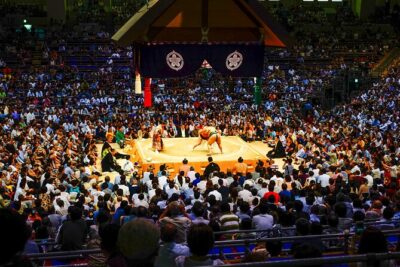



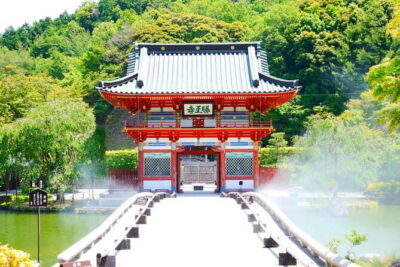
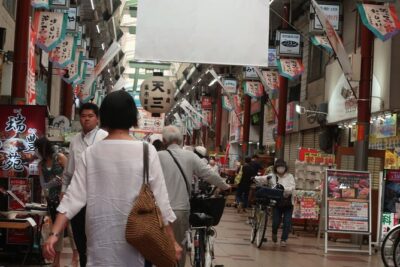
Arashiyama and the Bamboo Grove, side by side.
 ★ 4.8Fushimi Inari, Kinkakuji, Bamboo Grove 1 Day Bus TourFrom $1224,316 reviews
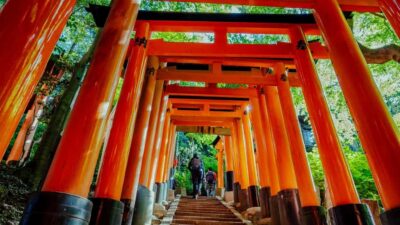 ★ 4.1Osaka/Kyoto:Kinkakuji,Arashiyama,FushimiInariShrine,NaraParkFrom $661,596 reviews
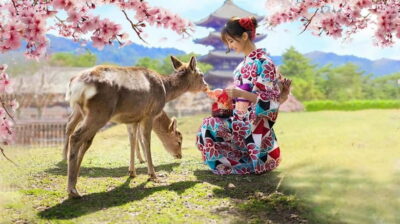 ★ 4.7Kyoto/Osaka: Nara, Fushimi Inari Taisha, Arashiyama Bus TourFrom $521,275 reviews
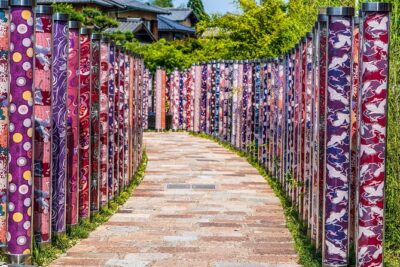 ★ 5.0Kyoto Arashiyama Walking Tour: Bamboo, Monkeys, Gardens & SecretsFrom $651,216 reviews
 ★ 4.8Arashiyama Bamboo, Temple, Monkeys, or Secret Sake BreweryFrom $87886 reviews
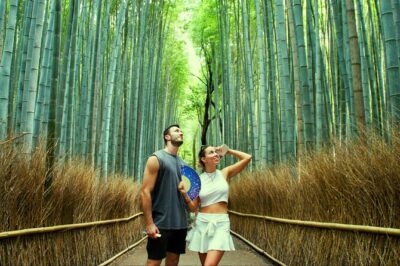 ★ 5.0Arashiyama Bamboo Forest, Monkeys, Matcha & Temple TourFrom $53759 reviews
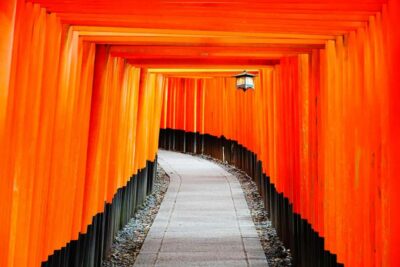 ★ 4.4Osaka/Kyoto: Arashiyama, Nara & Fushimi Inari Shrine w/LunchFrom $61754 reviews
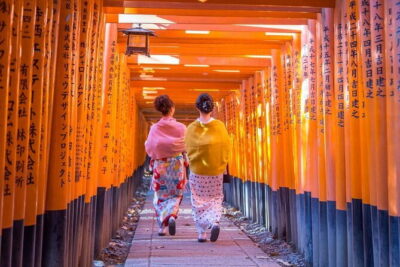 ★ 5.0Nijo, Kinkaku-ji, Arashiyama, Kiyomizu & Fushimi InariFrom $51699 reviews
Filed on these lists too