
REVIEW · TOKYO TOWER, GINZA AND THE IMPERIAL PALACE
Private Ginza Architecture Walking Tour
Ginza becomes readable when someone points things out. This private Ginza architecture walking tour blends an English guide, tailored to your interests, with multiple free-entry stops where you can go inside, not just glance at facades. I like that the route mixes cultural sites and high-design storefronts, so you walk away with a clearer sense of how Ginza grew and why today’s luxury buildings look the way they do. One thing to consider: part of the tour is exterior viewing only at a few brand landmarks, so you will get less door-to-door building access if you expect every stop to be fully inside.
You get a slow, human pace at your own speed during a roughly 3.5-hour walk, and the group stays small, capped at 5 people. That makes it easier to ask questions, look up at details, and adjust the plan on the fly. If you like architecture but do not want a lecture, this is a practical way to see Ginza as more than a shopping strip.
In This Review
- Key highlights to know before you go
- Why Ginza architecture feels personal, not just fancy
- The pace, group size, and what private really changes
- Getting your bearings: where you meet and where you end
- Stop-by-stop walkthrough of the Ginza architecture story
- Ginza streets: the view-up skill you will practice
- Tsukiji Hongwanji Temple: a calm contrast in the city
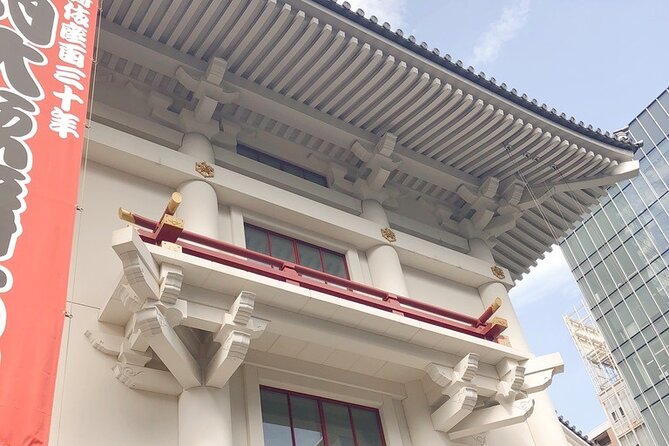
- Kabukiza Theater: architecture with performance in mind
- Nicolas G. Hayek Center: design world and corporate creativity
- Toyoiwa Inari Shrine: small stop, spiritual payoff
- Ginza Maison Hermes Le Forum: luxury architecture you can actually enter
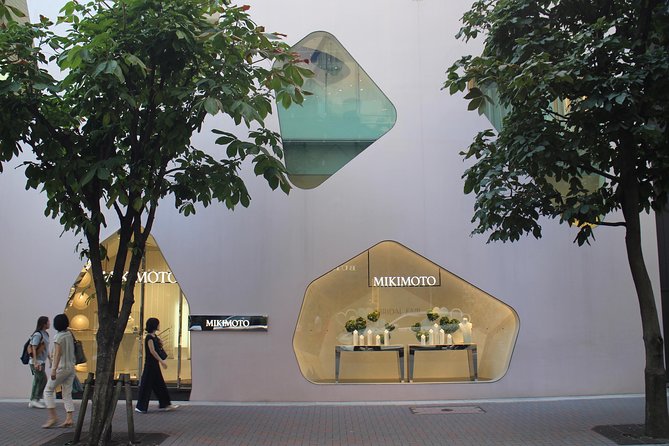
- Mikimoto Boutique Ginza 2-chome: pearls, polish, and time-saving photos
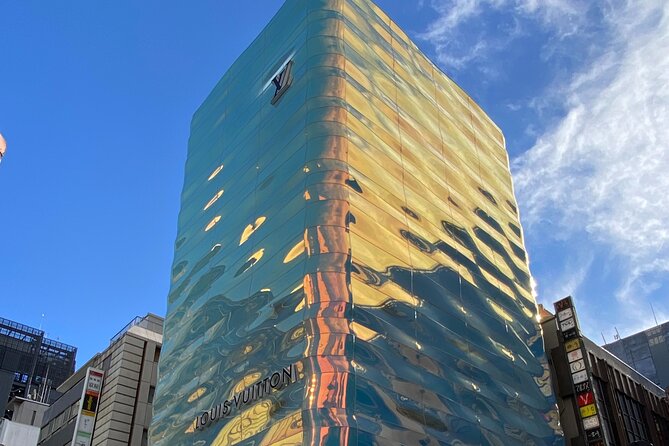
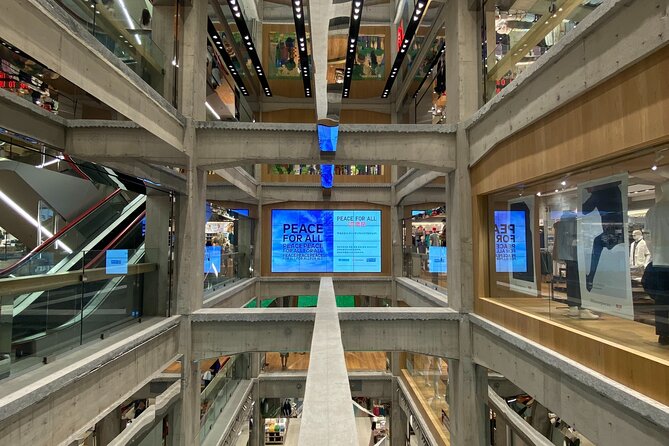
- UNIQLO Tokyo: outside viewing, but a different kind of design lesson
- Mikimoto Ginza 4-chome Honten: exterior reading and facades
- Wako Ginza: iconic identity at street level
- Okuno Building: the interior moment that ties it together
- The drink pause: small comfort, big impact on your stamina
- How the guides tailor the walk in real life
- Price and value: what $132.10 buys you here
- Who should book, and who might want a different style of tour
- Final verdict: should you book this private Ginza architecture walk?
- FAQ
- How long is the private Ginza architecture walking tour?
- Is this tour private?
- What is the group size limit?
- What language is the tour in?
- Where do we meet, and where does the tour end?
- Is there hotel pickup or drop-off?
- Do we pay admission fees at the stops?
- How much does the tour cost?
- Is the tour physically demanding?
- Can I cancel for a full refund?
Key highlights to know before you go
- Private, interest-based guiding that can shift toward architecture, history, or cultural context
- Multiple inside stops including Tsukiji Hongwanji Temple, Kabukiza Theater, and places tied to luxury and design
- Free admission at scheduled sights, so you are not juggling extra tickets while walking
- Small group size (max 5), which keeps the vibe personal and question-friendly
- A built-in drink pause to keep energy up without breaking the flow
The central Tokyo landmarks, reviewed one by one
- Flagship 2-Hours Official Street Go-Kart Tour – Tokyo Bay Shop
★ 5.0 · 4,974 reviews - Tokyo: Imperial Palace and Shogun Historical Walking Tour
★ 5.0 · 2,251 reviews - Tokyo: Meiji Shrine, Asakusa, Skytree Bus Tour and Cruise
★ 4.7 · 1,986 reviews - Tokyo Panoramic 1 Day: Meiji Shrine, Asakusa, Odaiba and SKYTREE®
★ 4.5 · 1,222 reviews
Why Ginza architecture feels personal, not just fancy
Ginza is Tokyo’s “yes, we care about design” district. You get brand commissions, dramatic facades, and polished streets, but you also find older spiritual spaces and performance venues that make the neighborhood feel layered. The value of a guided walk here is that someone helps you notice patterns, like how new buildings borrow ideas from older urban form, and how today’s “statement” architecture fits into the street grid.
What I like most is the balance. You are not only looking at luxury. You also step into places that explain Tokyo’s cultural side, like a temple and a theater. That mix keeps the walk from turning into a parade of storefronts, and it helps you understand why certain buildings exist where they do.
The pace, group size, and what private really changes
This tour runs about 3 hours 30 minutes and is designed as a walking tour at your own pace. The listing also calls out a moderate physical fitness level, which usually means you should be comfortable with steady walking plus short transfers between stops. There is no hotel pickup, so you will meet at the start point near Tsukiji Station and walk from there.
The private format matters because you are not stuck with a fixed script. You can ask follow-up questions, linger for photos, and steer the guide toward what you care about most. With a maximum of 5 people per booking, it is easy to feel like the city is responding to your curiosity instead of your curiosity being scheduled.
You can also choose between two departure times, which is helpful if you want to avoid peak crowds or pair this with another part of your day. And the tour uses a mobile ticket, which keeps things simple once you are in Tokyo.
Getting your bearings: where you meet and where you end
You start in Tsukiji, at the Tsukiji meeting place around Tsukiji Station, Exit 1. Your tour ends at the Ginza 4-chome intersection, right in front of Mitsukoshi department store.
That end point is a gift if you plan to keep exploring after the tour. You are already in the middle of Ginza’s shopping and architectural landmarks, with clear street access for trains and taxis. It also means you are not walking back and forth just to reach a transit hub.
- Mt Fuji and Hakone 1-Day Bus Tour Return by Bullet Train★ 5.0 · 26,383 reviews
- 1-Day Tokyo Bus Tour★ 5.0 · 14,250 reviews
- Tokyo: teamLab Planets TOKYO Digital Art Museum Entry Ticket★ 4.6 · 9,779 reviews
- Mt Fuji & Hakone Cruise, Drum Show Bullet Train 1 Day from Tokyo★ 4.0 · 7,413 reviews
- Tokyo: Shinjuku Food Tour (13 Dishes at 4 Local Eateries)★ 5.0 · 6,603 reviews
Stop-by-stop walkthrough of the Ginza architecture story
This is a route that intentionally shifts between inside access and street-level looking up. Many stops list free admission, which keeps the pacing smooth and reduces the “ticket scramble” stress.
Ginza streets: the view-up skill you will practice
The tour’s first block stays in Ginza, with about 40 minutes of walking between sites. This is where the guide’s method really helps. Instead of only looking ahead, you learn to scan upward for proportions, materials, and the small design choices that make buildings feel intentional at street level.
Think of this as your warm-up. You get the feel for Ginza’s rhythm, then the next stops add context and detail you could easily miss on your own.
Tsukiji Hongwanji Temple: a calm contrast in the city
Next is Tsukiji Hongwanji Temple, where you go inside for about 10 minutes. Even in a commercial district, a temple gives you something quiet and human, and it also changes your sense of time. A good guide will connect architecture to cultural practice, like how space is used for reverence and community.
Why it’s worth your time: it anchors the neighborhood. Ginza is famous for design, but it becomes more interesting when you can compare the spiritual architecture of the area with the later, luxury-focused build-outs.
Kabukiza Theater: architecture with performance in mind
Then you head to Kabukiza Theater for about 20 minutes, with inside access to see features. Kabukiza is not just a building you photograph from outside. It is a place where architecture supports performance culture, crowd flow, and the theatrical mood.
If you like the idea of design serving a purpose, this stop delivers. It also gives you a break from pure “brand architecture” and reminds you that Ginza’s identity includes entertainment history.
Nicolas G. Hayek Center: design world and corporate creativity
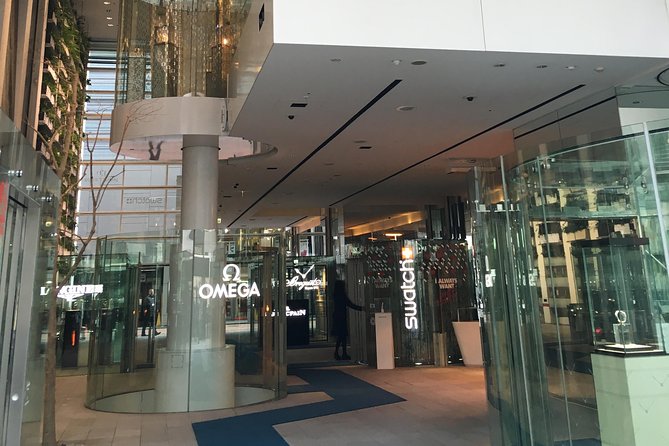
The tour continues to the Nicolas G. Hayek Center for around 15 minutes, also with inside access. This is the kind of stop that can make architecture feel like product design, not just building design. You see how corporate and creative visions show up as space, light, and structure.
If your goal is to understand how modern Tokyo thinks about identity through buildings, this is one of the key links in the chain.
Toyoiwa Inari Shrine: small stop, spiritual payoff
At Toyoiwa Inari Shrine, you spend about 5 minutes and can go enjoy the features on site. This is brief by design. The payoff is a quick spiritual reset, plus a reminder that Ginza’s history includes sacred spaces even where you might not expect them.
In a walk like this, tiny stops like this help you keep your brain switched on for the next architectural contrast.
Ginza Maison Hermes Le Forum: luxury architecture you can actually enter
Next is Ginza Maison Hermes Le Forum, about 15 minutes, with inside access. This is where the neighborhood’s luxury side turns concrete, literally. Inside access matters here because you can notice how brand spaces handle movement, display, and the feeling of arrival.
If you are the type who likes how brands choreograph your experience, you will enjoy this stop. If you prefer neutral architecture, you can still focus on materials, symmetry, and how the building holds space for people.
Mikimoto Boutique Ginza 2-chome: pearls, polish, and time-saving photos
The schedule includes Mikimoto Boutique Ginza 2-chome for about 5 minutes, with inside access if there is time. This is one of those “quick hit” moments.
Even if you only get a short window, you can practice what the guide is teaching you: look at the details that repeat across Ginza’s luxury architecture, and notice how they change from place to place.
UNIQLO Tokyo: outside viewing, but a different kind of design lesson
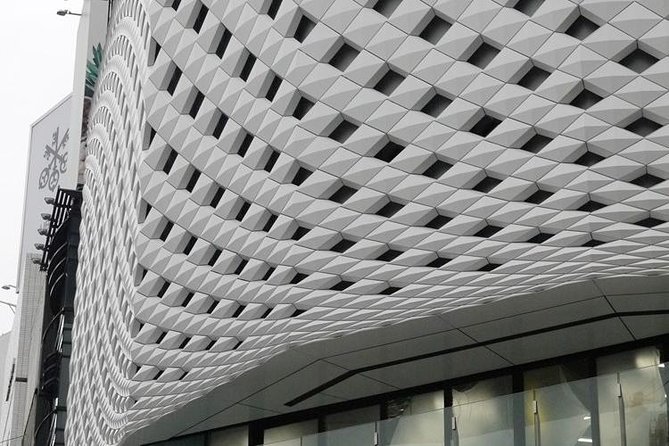
At UNIQLO Tokyo, the tour lists about 10 minutes and viewing from outside only. This is useful because not every architectural lesson has to come from a boutique interior. Sometimes you learn more from street-level scale, signage design, and how a big retail brand integrates with pedestrian flow.
If you expected every stop to be inside, this one is the reality check. Still, it helps round out the picture of Ginza beyond only luxury houses.
Mikimoto Ginza 4-chome Honten: exterior reading and facades
Another short one follows at Mikimoto Ginza 4-chome Honten, again about 5 minutes, viewed from outside. Here the focus is on facade design and how a classic name shapes the streetscape.
Exterior viewing can be surprisingly rewarding when you know what to look for. With a good guide, you can spot design choices faster than you would alone.
Wako Ginza: iconic identity at street level
At Wako Ginza, you spend about 10 minutes and view from outside. Wako is a classic Ginza landmark, and this stop tends to sharpen your sense of why some buildings become symbols. The architecture communicates identity through form, position, and the way it anchors the street.
This is also a great place for photos, because it helps you match what you see at human height with the broader neighborhood story you picked up earlier.
Okuno Building: the interior moment that ties it together
Finally, you reach the Okuno Building for about 10 minutes, with inside access. This is the kind of stop that can make you feel like the tour has a point. You see another slice of Ginza’s architectural thinking, not just a string of individual sights.
By the time you get here, you have context. You are better prepared to notice how a building communicates with the street and how its interior connects to its exterior presence.
The drink pause: small comfort, big impact on your stamina
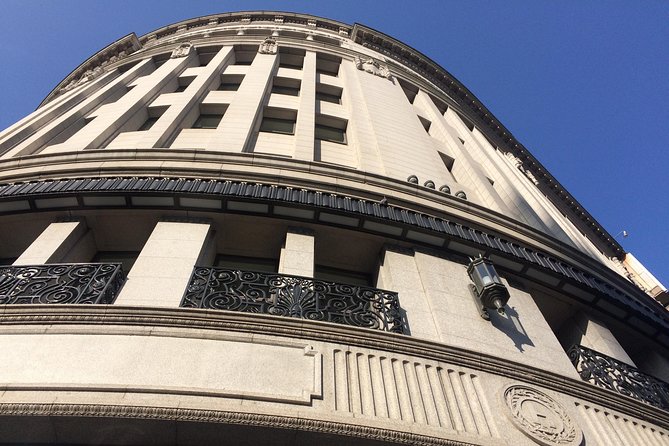
The tour includes a cozy pause with drinks along the way. That sounds minor, but in a walking tour it is a practical win. You get a moment to reset, check your photos, and keep energy steady for the last stretch.
It also gives the guide a natural moment to adjust pace, answer questions, or shift the route focus if you show extra interest in a particular building style.
How the guides tailor the walk in real life
This is the part that repeatedly makes people happy. Different guides are named in the experience feedback, including Yoko, Yoshi, Yuki, Taka Yamamura-San, Mari, Eriko, Haruka, and Makoto. Across these guides, you see the same pattern: clear English, patient answers, and an ability to match the explanation to your level.
One guide style you should expect is a “look up” approach. You will often get tips on reading facades and proportions instead of only moving forward. Another common strength is personalizing the tour, even for people who know little about architecture. In at least one account, a guide catered to a specific curiosity and even shared a short taste moment connected to a local shop, showing how the route can flex around your interests.
Also, some guides have been noted for going a bit beyond the scheduled time when the conversation is going well. So if you want a Q and A heavy walk, there is a good chance the guide will happily keep the momentum going.
Price and value: what $132.10 buys you here
The price is $132.10 per person for a private tour, lasting about 3.5 hours. Whether it feels like a bargain or a splurge depends on how you travel.
If you are traveling as a couple or a small group, private guiding can start to feel fair because you are not paying for an empty seat. The tour also includes free admission at the planned stops, plus the drink pause. Those details matter because they reduce the “hidden costs” that often creep into walking tours.
The real value is the human part. Ginza is full of buildings you can technically see on your own. The guided portion is what helps you read them, connect them, and avoid spending your time wandering without a plan.
Who should book, and who might want a different style of tour
This tour fits best if you want:
- A guided way to understand Ginza beyond shopping
- A mix of architecture and culture, with temple and theater stops
- Inside access at multiple sites, plus photo-friendly exterior landmarks
- A small group where questions are welcome
You might hesitate if:
- You expected every stop to be an interior, because there are exterior-only viewing blocks (like UNIQLO, Mikimoto, and Wako)
- You want a pure modern skyscraper focus, because the route also includes sacred and performance architecture
If you like a city that mixes old ritual, theater energy, and brand design, you will enjoy how the stops talk to each other.
Final verdict: should you book this private Ginza architecture walk?
I’d book it if you want a smart, organized way to understand Ginza’s architecture and cultural layers in one half-day. The price makes more sense as a private experience because the tour includes free-entry stops, inside access at several major locations, and a guide who tailors the conversation to you.
I would skip it only if your ideal day is purely exterior photo hunting with zero walking and zero culture stops. Otherwise, this is a practical way to get a real sense of Ginza, and you will finish with a clearer eye for the details that make Tokyo’s design style feel intentional.
FAQ
How long is the private Ginza architecture walking tour?
It is approximately 3 hours 30 minutes.
Is this tour private?
Yes. It is a private tour/activity, and only your group participates.
What is the group size limit?
The tour has a maximum of 5 people per booking.
What language is the tour in?
The tour is an English language tour.
Where do we meet, and where does the tour end?
You meet at the Tsukiji meeting place near Tsukiji Station Exit 1, and you finish at the Ginza 4-chome intersection in front of Mitsukoshi.
Is there hotel pickup or drop-off?
No. Hotel pickup and drop-off are not included.
Do we pay admission fees at the stops?
Admission tickets are listed as free for the scheduled stops.
How much does the tour cost?
The price is $132.10 per person.
Is the tour physically demanding?
It recommends moderate physical fitness, since it is a walking tour.
Can I cancel for a full refund?
Yes. You can cancel up to 24 hours in advance for a full refund.
Central Tokyo Landmarks



Newest Tokyo write-ups from the Loving Japan desk

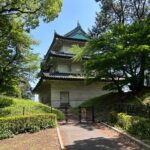
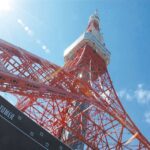
Tokyo Tower, Ginza and the Imperial Palace, side by side.
 ★ 5.0Flagship 2-Hours Official Street Go-Kart Tour – Tokyo Bay ShopFrom $644,974 reviews
 ★ 4.6Tokyo Tower: Admission TicketFrom $93,661 reviews
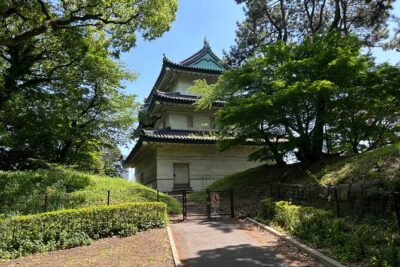 ★ 5.0Imperial Palace and Shogun Historical Walking TourFrom $222,251 reviews
 ★ 4.7Meiji Shrine, Asakusa, Skytree Bus Tour and CruiseFrom $1221,986 reviews
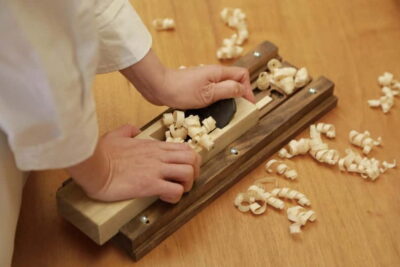 ★ 4.8Chopstick Making Workshop in GinzaFrom $251,366 reviews
 ★ 4.5Tokyo Panoramic 1 Day: Meiji Shrine, Asakusa, Odaiba and SKYTREE®From $851,222 reviews
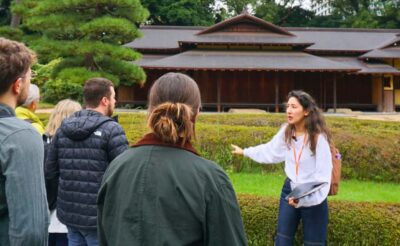 ★ 4.9Imperial Palace Japanese History Walking TourFrom $32987 reviews
 ★ 4.9Imperial Palace and Shogun Walking TourFrom $16935 reviews
Filed on these lists too