
REVIEW · SAPPORO, OTARU AND HOKKAIDO
Private Japanese Cooking Class in Sapporo with Local Chef Shiori
Skip crowds, cook like a local. In Sapporo, Shiori welcomes you into her home kitchen and guides you through real Japanese technique step by step. I especially like the warm, patient teaching and the fact that you do the work yourself, not just watch, while making sushi and somen with Hokkaido-style ingredients.
You also get a full home-cooked meal at the end, plus 1 to 2 glasses of local alcohol. One watch-out: there is no hotel pickup, so you’ll need to get to the meeting point at Sumikawa Station and find Shiori at the north exit.
In This Review
- Key Things You’ll Do (and Why They Matter)
- A Quiet Residential Neighborhood, Not a Performance Kitchen
- Price, Time, and What You Get for $108
- How the Meeting Works at Sumikawa Station
- What You Cook: Sushi, Somen, and Classic Home Techniques
- Inside Shiori’s Home: Hospitality You Can Feel
- Ingredients and Seasonality in Hokkaido
- The Cooking Hour: What It Feels Like In Practice
- Bringing It Home: Recipes, Advice, and Confidence
- Who This Is Best For (and Who Might Prefer Something Else)
- Practical Tips Before You Go
- Should You Book This Shiori Cooking Class?
- FAQ
- How long is the Sapporo private cooking class?
- What dishes will I learn to make?
- Is the class truly private?
- Where do we meet, and does Shiori pick us up?
- Is hotel pickup and drop-off included?
- What if my group is larger than four people?
- Are vegetarian options available?
- Is local alcohol included?
- What is the cancellation policy?
Key Things You’ll Do (and Why They Matter)
- Meet Shiori at Sumikawa Station and head to her newly-built family home in a quieter residential area
- Cook alongside a professional instructor with hands-on guidance for each step
- Make 1 main dish and 1 side dish during about an hour of cooking, with vegetables prepped in advance
- Learn classic techniques for dishes like sushi and somen noodles
- Eat what you make, plus get help with recipes and advice to recreate it back home
Further north. Our other Hokkaido write-ups
- Sapporo Bar Hopping Food Tour
★ 5.0 · 232 reviews - Hokkaido Seasonal: Lake Toya & Noboribetsu Jigokudani Valley
★ 4.7 · 173 reviews - Sapporo Private Tour with a Local – Highlights & Hidden Gems
★ 5.0 · 91 reviews - Sapporo: Sumo Show Experience with Japanese food & Photo
★ 4.9 · 81 reviews
A Quiet Residential Neighborhood, Not a Performance Kitchen
This class is built around a simple idea: Japanese home cooking is a living thing. It happens in kitchens, on busy family schedules, with practical tools and real routines. Instead of staying in a hotel classroom, you go into a peaceful residential part of Sapporo, where your host Shiori welcomes you into her family home.
That setting changes the whole vibe. You’re not collecting photos of dishes and rushing off. You’re learning how people actually cook and plate at home. The most memorable part for me is that Shiori teaches like a person who wants you to succeed, not like a showman. The result is less intimidation, more confidence.
Another big plus is the private format. It’s only your group, so you can ask questions freely, move at a comfortable pace, and adjust if you have dietary needs.
Possible drawback: this is not a meet-and-ride from your hotel. You’ll meet at Sumikawa Station and connect from there. It’s easy if you use transit, but it’s still on you to show up at the station meeting point.
Price, Time, and What You Get for $108
At $108 per person, you’re paying for a private in-home experience and a chef-guided, hands-on meal. This is not just ingredients and a recipe sheet. You get:
- a private class with your host, Shiori
- a homecooked meal
- local alcohol (1 to 2 glasses)
- advice and recipes so you can recreate the feast later
Timing also makes sense. The whole experience runs about 3 hours. The actual cooking portion is about 1 hour, with Shiori peeling and cutting vegetables in advance and you doing the hands-on prep with guidance. That balance is smart. It keeps the pace friendly, while still giving you real practice.
If you’ve ever taken a cooking class and left thinking you only watched the important parts, this format is designed to avoid that. You’ll cook, taste, and learn technique, not just assemble.
How the Meeting Works at Sumikawa Station
Your start point is Sumikawa Station, specifically Sumikawa 2 Chome-4 Sumikawa 4 Jo, Minami Ward, Sapporo, Hokkaido 005-0004, Japan. Shiori picks you up at the north exit of Sumikawa Station.
A practical detail that helps: Shiori’s car can accommodate up to four guests. For groups of five or more, additional guests follow by taxi, which costs about $10 USD (approx.). That’s worth planning for if you’re traveling in a bigger group.
And yes, it ends back at the meeting point area. So you’re not stuck figuring out how to get home after dinner.
Cook it yourself instead. Other kitchens in Sapporo
- Wagashi traditional japanese sweets class★ 5.0 · 49 reviews
- Private Market Tour and Cooking Class with Kanae, a Sapporo Local★ 5.0 · 29 reviews
What You Cook: Sushi, Somen, and Classic Home Techniques
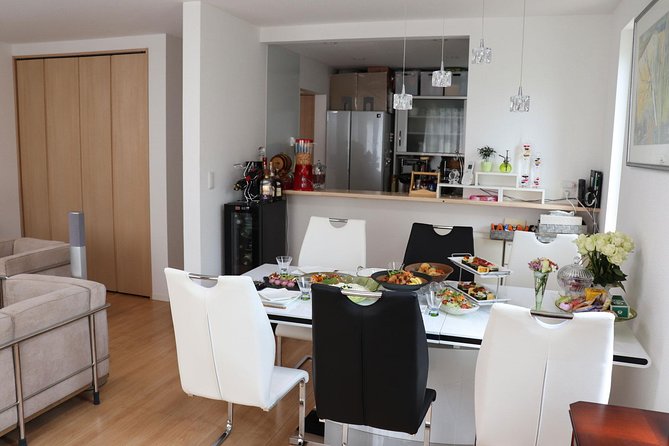
The menu can vary by season, but the structure stays consistent. You’ll learn to prepare a traditional Japanese meal from start to finish, and you’ll end up making 1 main dish and 1 side dish during the cooking hour.
Based on the kinds of dishes this experience is known for, you can expect classics such as:
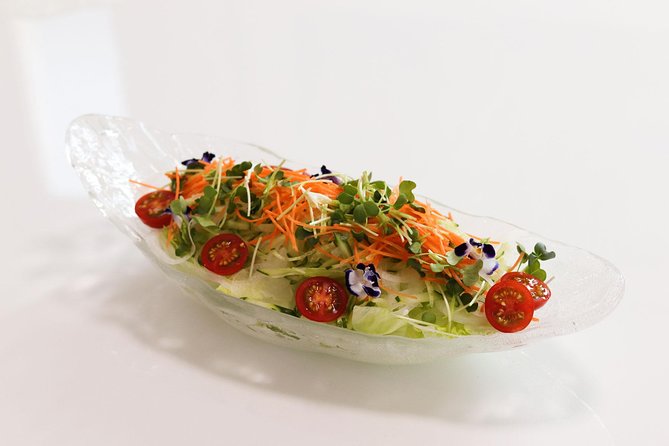
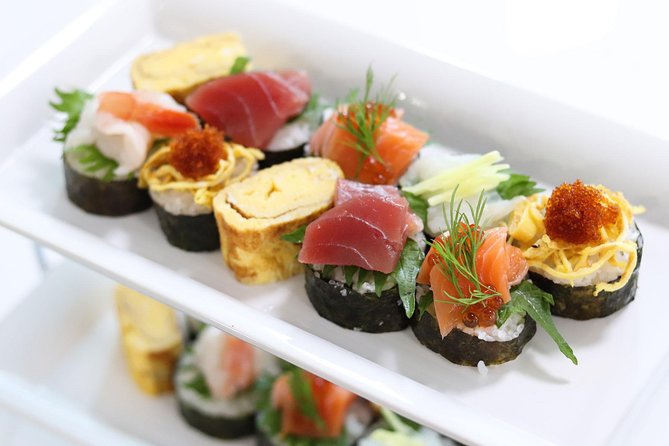
- sushi (homestyle sushi techniques)
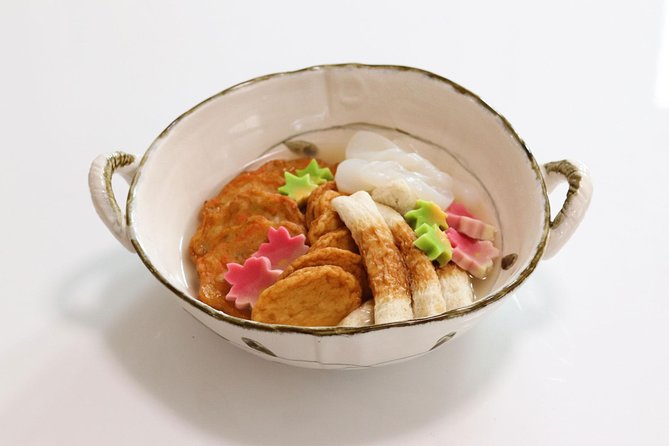
- somen noodles (a classic Japanese noodle dish)
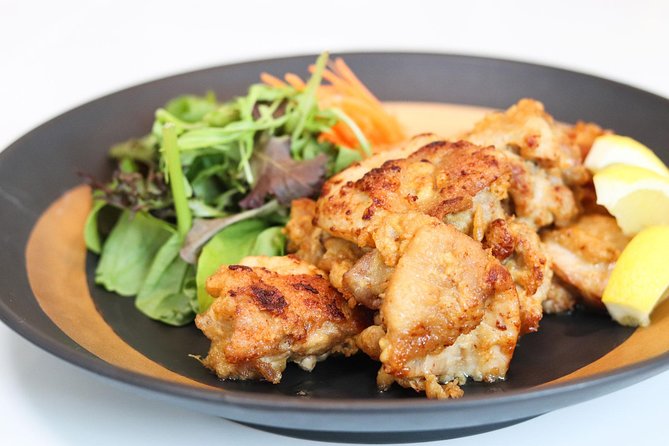
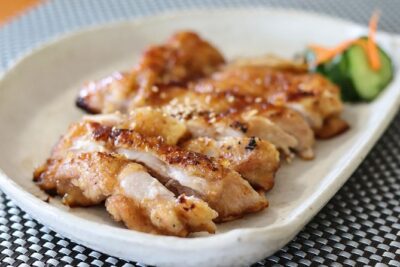
- grilled chicken, and other traditional sides that fit the season
Here’s what I like about this dish mix. Sushi teaches you precision and handling, while somen noodles teach timing and texture. Together, you get a range of Japanese cooking skills that are different enough to keep the class interesting, but still approachable.
Also, the workload is managed well. Shiori peels and cuts vegetables in advance, so you’re not spending the whole session on prep. That means more of the class time is actually about the technique, like how to handle ingredients and how to assemble your dish properly.
You’ll also get advice on how to recreate what you made later. That matters, because Japanese home cooking depends on small details. A recipe alone is often not enough, but a chef’s guidance for what “good” looks like at each stage is gold.
Inside Shiori’s Home: Hospitality You Can Feel
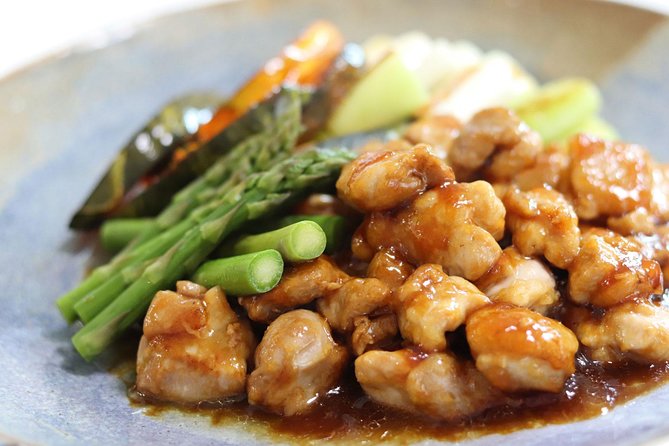
One of the strongest reasons to book this class is how Shiori hosts. People talk about her being welcoming, warm, and patient. That comes through in the experience design. You’re not thrown into a rushed kitchen. You’re brought in, guided, and supported.
There’s also a cultural layer that feels real. This is a home environment, so you see how families set up cooking routines in Japan. It’s the kind of insight you don’t get from a demo class.
If you’re traveling alone or your Japanese is limited, this is still a good option. The class format is structured around instruction at the cutting board, so you’re not left guessing what to do next. Plus, private time means you can ask for clarification without worrying about slowing down others.
One more nice detail: the experience includes local alcohol, usually 1 to 2 glasses. It’s a simple way to make the meal feel like an actual evening, not a lesson you complete and leave.
Ingredients and Seasonality in Hokkaido
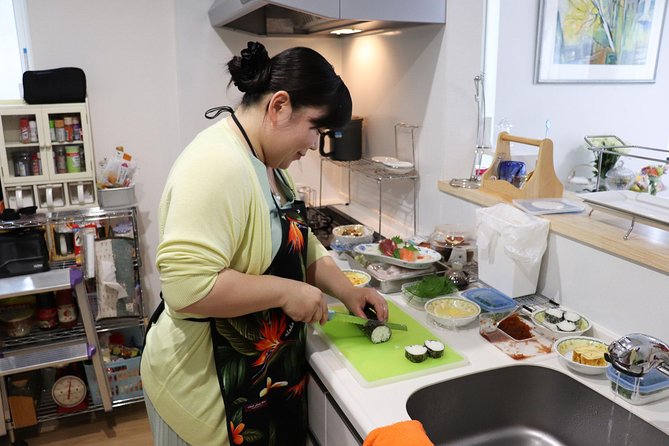
Sapporo sits in Hokkaido, and that shows in the cooking focus. The class highlights traditional Japanese dishes that use local produce and seafood when it fits the season.
Even if your menu shifts, you’ll still learn the core techniques. And when you taste the food, it makes sense why Japanese cooks care so much about texture and balance, not just flavor. For example, sushi is about more than the ingredients. It’s about how things are handled and assembled.
Seasonality is also a practical advantage for you. If you book in a different month than someone else, you might still get a very authentic experience. The idea is not repeating the same “tourist menu” every time.
Vegetarian option is available if you ask at booking. That’s important because it tells you the class can adapt, instead of forcing you into an “almost the same” workaround.
The Cooking Hour: What It Feels Like In Practice
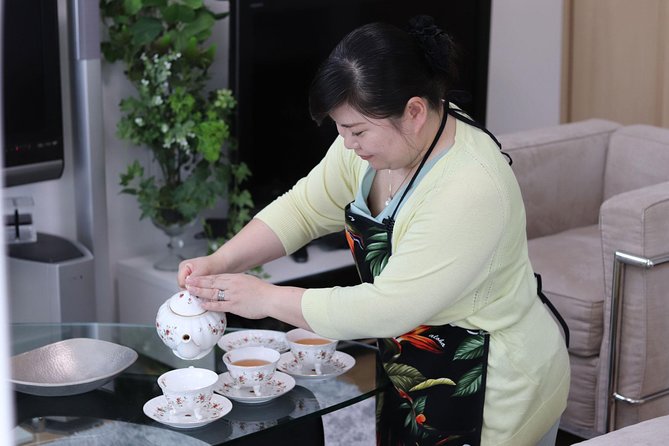
The cooking part is about 1 hour. Shiori prepares some elements in advance, including vegetable prep, and then you cook alongside her with step-by-step guidance. That flow is ideal for most people.
You get to:
- learn the right technique while doing it
- ask questions without feeling rushed
- taste as you go, so you can adjust your approach
A class like this works best when you treat it like a conversation with a chef. If you’re nervous about cooking skills, don’t be. The class is designed to be taught, not tested.
If you like taking home practical skills, this is the sweet spot. You won’t just leave with a meal and a photo. You’ll leave knowing how to handle key steps, which helps when you try to cook at home later.
Bringing It Home: Recipes, Advice, and Confidence
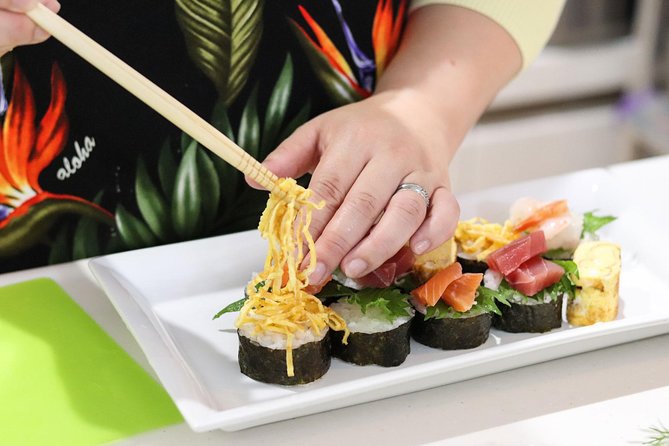
A cooking class is only “worth it” if you can actually use what you learn. This one includes advice and recipes specifically for recreating the meal at home.
That’s the difference between a nice dinner and a skill-building experience. You’ll have guidance for the small decisions that matter, like how to prepare ingredients, what texture to aim for, and how to assemble dishes without stress.
Also, private format helps you get the kind of tips you’ll use. If there’s a step you missed, you can ask about it immediately. That’s where a host like Shiori shines, because she can tailor help to your group.
Who This Is Best For (and Who Might Prefer Something Else)
I’d recommend this private class if you want:
- a hands-on Japanese cooking experience in a real home
- a quieter, local neighborhood feel instead of a touristy kitchen demo
- classic dishes you can repeat later, like sushi techniques and noodle know-how
- personalized attention for dietary preferences, including vegetarian options
It also fits couples, friends, and families who want a shared activity that ends with a meal. People have even mentioned toddlers enjoying the experience, which suggests the pace is friendly for families when planned well.
Who might not love it: if you strongly prefer hotel convenience and door-to-door pickup, you’ll need to handle the trip to Sumikawa Station yourself. The class does not include hotel pickup and drop-off.
Practical Tips Before You Go
Here are a few things that will make your evening smoother:
- Plan to arrive at Sumikawa Station north exit on time, since Shiori meets you there
- If anyone in your group has allergies, dietary restrictions, or cooking preferences, tell the provider at booking
- Bring a curious mindset. This is about technique and process, not just eating
- If your group is five or more, expect taxi for extra guests, around $10 USD (approx.)
And one more thought: treat the local alcohol as part of the experience, not a requirement. If you’d rather not, you can still enjoy the class and meal.
Should You Book This Shiori Cooking Class?
I think you should book it if you want an authentic in-home meal plus real cooking practice, not a rushed food tour. The private format, Shiori’s teaching style, and the chance to make classic dishes like sushi and somen make this a high-value evening.
Skip it only if you need hotel door-to-door service. If you’re comfortable using public transit and meeting at Sumikawa Station, this is the kind of experience that gives you more than a memory. It gives you skills and recipes you can actually use.
FAQ
How long is the Sapporo private cooking class?
The experience lasts about 3 hours. The cooking portion is about 1 hour.
What dishes will I learn to make?
You will learn to make 1 main dish and 1 side dish. Dishes can include classic items like sushi and somen noodles, and the menu may vary depending on the season.
Is the class truly private?
Yes. It’s a private, personalized experience with only your group participating.
Where do we meet, and does Shiori pick us up?
You meet at Sumikawa Station. Shiori picks you up at the north exit of Sumikawa Station, and the car can accommodate up to four guests.
Is hotel pickup and drop-off included?
No. Hotel pickup and drop-off are not included. You’ll travel from the meeting point.
What if my group is larger than four people?
For groups of five or more, additional guests follow by taxi. The taxi cost is approximately $10 USD (about), as noted in the information provided.
Are vegetarian options available?
Yes. A vegetarian option is available, and you should advise the provider at booking.
Is local alcohol included?
Yes. Local alcohol is included, typically 1 to 2 glasses.
What is the cancellation policy?
You can cancel for a full refund up to 24 hours before the experience starts. Free cancellation is available with that cutoff, based on local time.
Kitchens You Can Book Into

Hokkaido, Further North



Newest Sapporo write-ups from the Loving Japan desk
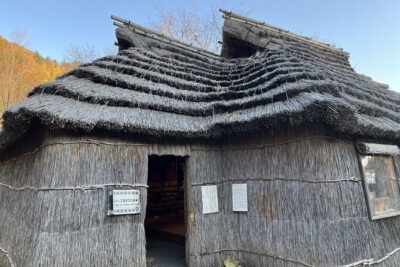
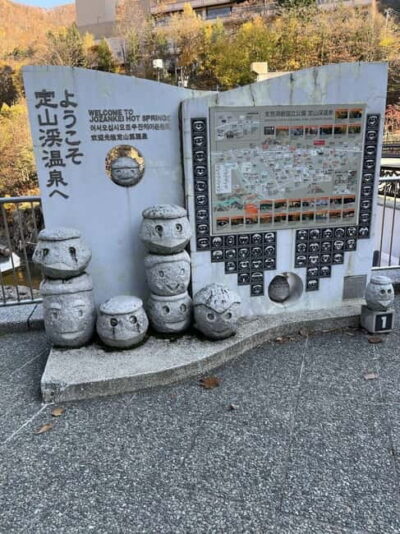

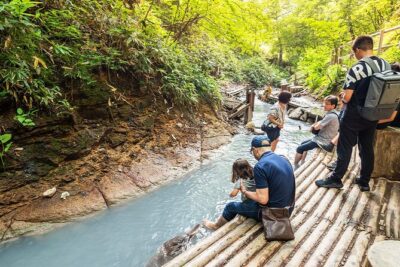

Sapporo, Otaru and Hokkaido, side by side.
 ★ 5.0Sapporo Bar Hopping Food TourFrom $108232 reviews
 ★ 4.7Hokkaido Seasonal: Lake Toya & Noboribetsu Jigokudani ValleyFrom $55173 reviews
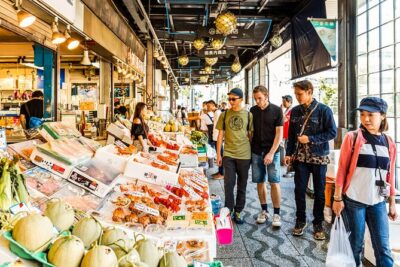 ★ 5.0Sapporo Private Tour with a Local – Highlights & Hidden GemsFrom $10991 reviews
 ★ 4.1Hokkaido, Noboribetsu and Lake Toya Day TourFrom $6688 reviews
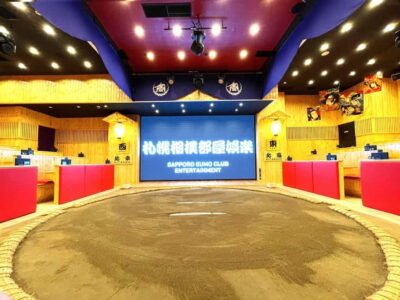 ★ 4.9Sumo Show Experience with Japanese food & PhotoFrom $7781 reviews
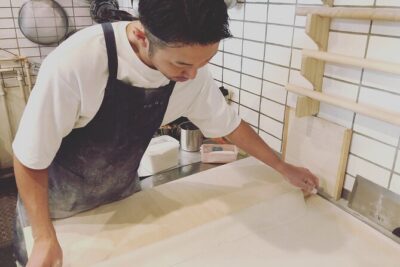 ★ 5.0Mondo’s most popular plan! Experience making soba noodles and the king of Japanese cuisine, tempura, in Sapporo!From $8571 reviews
 ★ 5.0【Private Car】Asahiyama Zoo, Blue Pond, Shirahige Falls, Ningle Terrace (from Sapporo)From $46560 reviews
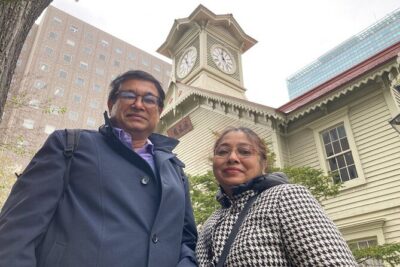 ★ 5.0Sapporo 6hr Private Tour with Government Licensed GuideFrom $15557 reviews
Filed on these lists too