
REVIEW · JAPANESE COOKING CLASSES
Wagashi traditional japanese sweets class
A sweet class can change your whole Japan day. Here, you learn wagashi-making with Nerikiri, guided by Yuki in her home, and you get that calm, local-feeling setup that feels like Japanese daily life, not a performance. I love the focus on careful technique and the small-group feel (max 12), and I also like that there is English support plus take-home goodies. One thing to consider: it is a bit far from the Sapporo city center, so plan on the pickup option or extra transit time.
This is held in Sapporo’s suburbs, starting at Makomanai Station, and it ends back where you meet. The setting is part of the experience too, with a peaceful vibe and even a beautiful river area close to the home. It’s a great match if you want something hands-on that still feels authentic and unhurried.
If you’re a sweets person, this class is hard to beat in Sapporo because Yuki is the only teacher like this in the city. And if you also like sushi, the same provider offers a flower sushi roll class that is described as easier, with multiple instructors to choose from.
In This Review
- Key points worth knowing before you go
- Why Sapporo wagashi is different with Yuki’s class
- Makomanai Station to a home in the suburbs: the real logistics
- Wagashi basics: what you’ll learn before you touch the sweets
- The hands-on Nerikiri making session at the table
- Tea time and cultural context in a real Japanese home
- What you actually make, taste, and take home
- Price and time: does $59.31 feel like good value?
- Group size, comfort, and how to plan your day
- Want sushi too? The flower sushi roll option is the nearby add-on
- Who should book this Sapporo wagashi class
- Should you book this wagashi class in Sapporo?
- FAQ
- Where does the wagashi class start?
- How long is the class?
- Is pickup available?
- How many people are in the group?
- What ticket type will I receive?
- What is the cancellation window?
Key points worth knowing before you go
- Yuki teaches wagashi in Sapporo: She’s known from TV, radio, and newspapers, so you’re getting a serious local expert, not just a hobby teacher.
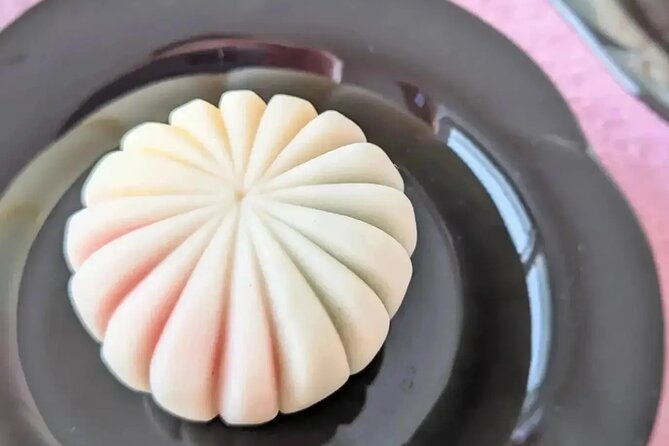
- Nerikiri is the highlight: You learn one of the most delicate and visually striking wagashi styles, famous for its fine detail.
- Small group, max 12: You get more attention while you work at the table, and the class stays calm.
- Tea and conversation are included: You may get hot matcha tea served in Japanese teacups, plus cultural context and Sapporo tips.
- Pickup and mobile ticket options: The class is easier to fit into your day because you can often skip the tricky part of getting there.
Cook it yourself instead. Other kitchens in Sapporo
- Private Japanese Cooking Class in Sapporo with Local Chef Shiori
★ 5.0 · 34 reviews - Private Market Tour and Cooking Class with Kanae, a Sapporo Local
★ 5.0 · 29 reviews
Why Sapporo wagashi is different with Yuki’s class
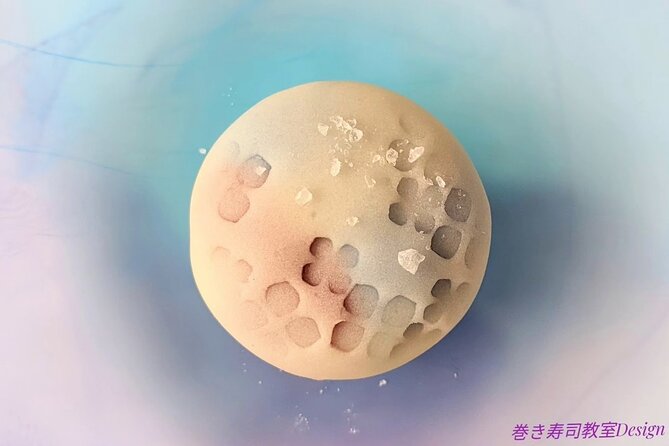
Wagashi is the Japanese tradition of sweets that can look like tiny art pieces. You’re not just learning how to shape dough, you’re learning how seasonal beauty, elegant sweetness, and careful technique come together. The class focuses on that idea, and the main target is Nerikiri, a wagashi type known for its delicate, detailed appearance.
What makes this class feel special in Sapporo is Yuki herself. She’s described as extremely popular and has appeared on TV, radio, and in newspapers. That matters because technique-heavy cooking lessons go faster when the teacher is patient and clear. Based on what you’ll hear in class, she doesn’t treat wagashi as a gimmick. It’s craft, timing, texture, and restraint.
There’s another advantage: this is described as the only wagashi class in Sapporo taught by Yuki. So if you’re building a food-focused itinerary, this checks a box that many cities can’t. Instead of chasing a generic cooking workshop, you can spend a couple hours doing something very specific to Japanese confectionery culture.
Makomanai Station to a home in the suburbs: the real logistics
The meeting point is Makomanai Station in Minami Ward, Sapporo. From there, the experience ends back at the meeting point, which is great when you don’t want to puzzle out your return after a food activity.
The class offers pickup, and near public transportation is also stated. In practice, that pickup option is what makes this class smooth, especially if you are staying in the city center and you do not want to deal with transfers plus winter timing. One review mentioned the drive through mountainous scenery on the way to the home, which tells you the setting is not the typical downtown address. If you’re comfortable with local transit, you can still make it work, but pickup makes the whole experience feel less stressful.
Why I like the location choice for this kind of lesson: it naturally slows your day down. You’re far enough from the Sapporo tourist flow to feel like you’re seeing a more normal neighborhood rhythm. People also mention the home being cozy, homey, and peaceful, with a quiet feel that helps when you’re doing delicate shaping work.
Wagashi basics: what you’ll learn before you touch the sweets
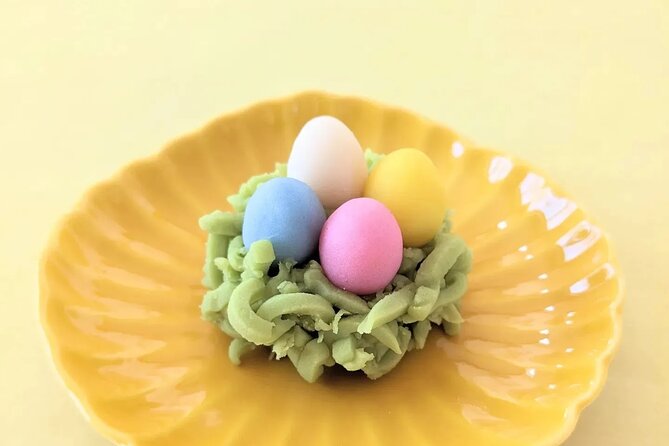
Before hands-on work starts, you’ll get context on what wagashi is and why it has lasted. You’ll learn that wagashi has been part of Japanese life for over 1000 years, and that it is designed to add color for the seasons while keeping a gentle, elegant sweetness.
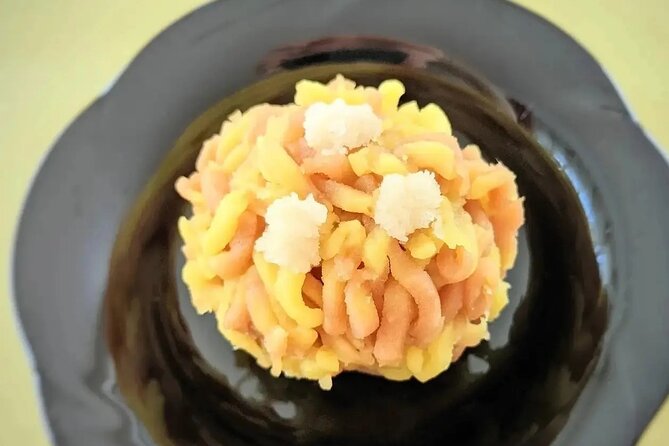
Then you’ll focus on the particular style most of your attention will go to: Nerikiri. Nerikiri is popular because it gives you the chance to create a more intricate look, not just a simple shape. The craft is all about controlling texture and shaping carefully so the final piece stays beautiful and clean.
You’ll also learn the history and background behind the sweets you make. That kind of talk turns the class from a how-to into a meaningful cultural stop. You’ll understand what you are eating, not just how you made it.
And because the sweets are precise, it helps that the class emphasizes clear instruction. In multiple accounts, the teaching is described as easy to follow, with English support, and even written English instructions you can keep. That makes the lesson feel safer, especially if you worry about your Japanese level.
- Popular in SapporoExperience authentic hand-made soba at a real soba shop!★ 5.0 · 77 reviews
- Mondo’s most popular plan! Experience making soba noodles and the king of Japanese cuisine, tempura, in Sapporo!★ 5.0 · 71 reviews
- Sapporo 6hr Private Tour with Government Licensed Guide★ 5.0 · 57 reviews
- From Sapporo: Hokkaido Highlights Day Trip★ 4.6 · 56 reviews
- Wagashi traditional japanese sweets class★ 5.0 · 49 reviews
The hands-on Nerikiri making session at the table
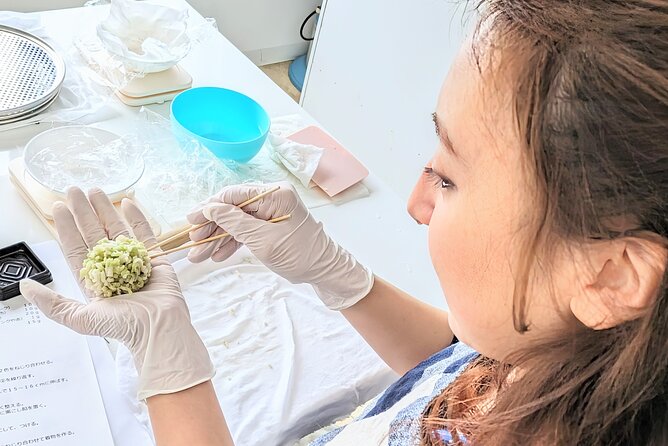
This is a skill class, so expect a steady rhythm: listen, watch, try, then adjust. The work happens at a table setup in Yuki’s home, and the class includes careful technique rather than a quick craft session.
You’ll make wagashi pieces with an emphasis on detailed shaping. Nerikiri can be challenging in a good way because the texture and pressure matter. If you press too hard, the shape can deform. If you rush, edges lose that crisp look people love about wagashi.
One thing I especially value in classes like this is hygiene and order. Several accounts highlight impeccable hygiene throughout the lesson. That sounds basic, but with sweets where you handle dough and fillings, cleanliness is part of comfort, and it makes it easier to focus.
Also, the class atmosphere matters. People describe the home as warm and welcoming, with plenty of patience from Yuki. That matters if you are traveling with kids, visiting with friends, or just someone who wants food fun without stress. The overall vibe is relaxed, but the teaching stays deliberate.
Tea time and cultural context in a real Japanese home
This class is not just sit, make, eat, leave. You’ll likely get hot matcha tea served in Japanese teacups. That small detail changes the feel of the experience because you’re slowing down and using traditional tools, not paper cups and a rushed schedule.
During tea and throughout the lesson, Yuki provides cultural context, including explanations of the sweets you are making. Some people also mention that she speaks English well and shares written instructions. That combo is a big deal if you want to participate fully instead of just watching.
You’ll also get conversation time, and it’s the kind that feels like you are chatting with a local who genuinely wants to share. People mention Yuki giving Sapporo recommendations, including places to eat and see that are more local-leaning than tourist hotspots.
One cozy detail you might notice: Yuki’s cat is mentioned in accounts, which adds to the home feeling. It’s not a performance, it’s just part of daily life, and that can make the lesson more memorable.
What you actually make, taste, and take home
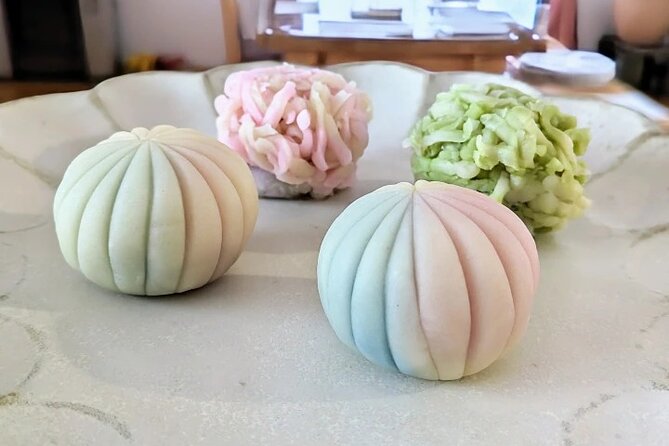
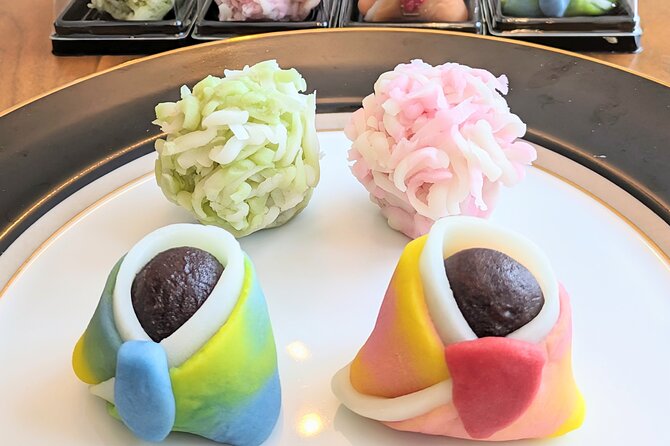
The big takeaway is Nerikiri, a wagashi style known for delicate beauty. You’ll learn how to shape it and make pieces you can enjoy as part of the class.
You may not make the exact same selection every time, since the class is described as learning a specific wagashi style and includes making sweets at the table. What’s clear is that you will produce finished wagashi pieces that are both cute and tasty, and you’ll get to eat them.
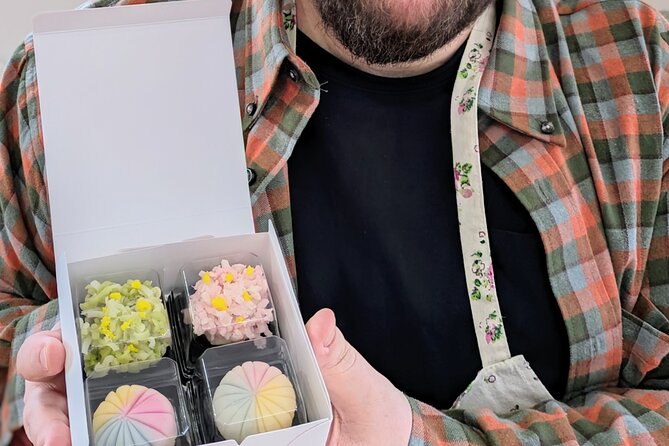
Many experiences like this include a take-home element too. Accounts mention that Yuki packs the sweets in nice containers and helps you get them safely back to your return point. That turns the class into something you can keep tasting later the same day, not just a one-moment snack.
Price and time: does $59.31 feel like good value?
At $59.31 per person for about 2 hours, the value depends on what you want from Sapporo. If you are hunting for the cheapest food activity, this is not the play. But if you want a technique-driven, teacher-led cultural class in a real home, the cost makes more sense.
Here’s why it can be worth it:
- You’re paying for expertise. Yuki is repeatedly described as a popular teacher with broad media presence. In skill-based classes, that usually means better coaching and smoother guidance.
- You’re paying for technique time. Nerikiri takes focus. Two hours is a realistic window to learn, shape, and enjoy the result without turning it into a rushed factory.
- Small group size helps. The cap is 12 travelers, which supports more personal attention while you work.
- Pickup can reduce hidden costs. If pickup is used, it saves you time and potentially transit hassle, especially in winter.
- You get something tangible. Even if you eat some during class, the packing and take-home sweets add value.
If you’re tight on time or planning to stack multiple activities, consider your travel time to Makomanai Station and back. The payoff is that you’re trading a common tourist stop for a quieter, more hands-on experience.
Group size, comfort, and how to plan your day
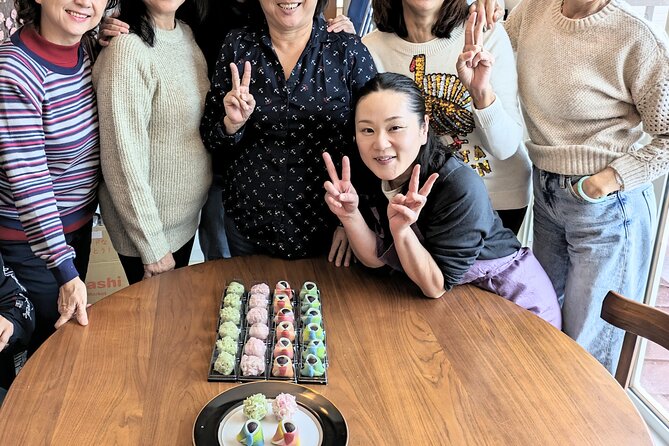
The class has a maximum of 12 people, which is a sweet spot for a hands-on activity. In larger groups, teachers can only correct so much, and you can end up doing the work on autopilot. Here, the size limit supports a calmer pace.
The duration is about 2 hours, so it can fit neatly between sightseeing blocks. The key is to schedule enough time to get to Makomanai Station without stress. If you are using pickup, confirm the time that works best with your other plans.
Also consider that this is a focused craft lesson. Nerikiri shaping is not a quick grab-and-go. It’s better when you approach it with patience, even if you think you’ll be “bad at crafts.” The class tone is supportive, and instructions are described as clear.
Want sushi too? The flower sushi roll option is the nearby add-on
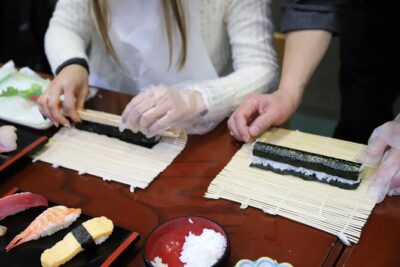
If you are also a sushi lover, the provider notes a separate flower sushi roll class. It’s described as easier than this Japanese sweets class. There are multiple sushi roll instructors available, so you can choose who you work with.
This can be a smart way to build a food day: one class for wagashi craft, another for a simpler hands-on sushi style. Just keep your schedule realistic, because both types of food classes take attention, and you don’t want to feel rushed.
Who should book this Sapporo wagashi class
This works best if you want:
- A calm break from the typical Sapporo center sightseeing rhythm
- A hands-on cultural experience with clear English support
- A chance to learn Nerikiri specifically, not just generic dessert decorating
- A small-group class where you can actually concentrate on technique
It can also be a fun birthday-style cultural activity. One account mentions it being a great gift for a daughter who appreciates Japanese culture. And families can do it too, since the teacher is described as patient, including during kid-focused moments.
If you hate crafts or you want something purely passive, this may not be your best match. But if you like food, detail, and learning why things are done a certain way, you’ll likely enjoy it.
Should you book this wagashi class in Sapporo?
Book it if you want one memorable, local-feeling food experience that is very specific to Japanese sweets craft. The strongest reasons are the teacher-led approach with Yuki, the Nerikiri focus, the small group size, and the cozy home setting that makes the whole day feel calmer. The pickup option also helps you avoid friction getting there.
Skip it or think twice if you cannot plan for travel beyond the city center, or if you want an activity that feels more like casual sightseeing. Also consider that Nerikiri is detail work, so you’ll get better results if you slow down and focus.
If you’re building a Sapporo itinerary around food and culture, this is one of the easiest ways to add something real, hands-on, and uniquely Japanese.
FAQ
Where does the wagashi class start?
The class starts at Makomanai Station in Minami Ward, Sapporo, and it ends back at the meeting point.
How long is the class?
The duration is about 2 hours.
Is pickup available?
Yes, pickup is offered.
How many people are in the group?
The class has a maximum of 12 travelers.
What ticket type will I receive?
A mobile ticket is included.
What is the cancellation window?
You can cancel for a full refund if you cancel at least 24 hours before the experience starts. Free cancellation is stated, with cut-off times based on local time.
Kitchens You Can Book Into

Newest Sapporo write-ups from the Loving Japan desk


Japanese Cooking Classes, side by side.
 ★ 5.0Sushi Making Tokyo Roll and Authentic Japanese Sushi ClassFrom $593,971 reviews
 ★ 4.9Roll and Authentic Sushi Making Class in AsakusaFrom $581,957 reviews
 ★ 5.0Ramen Cooking Class at Ramen Factory in KyotoFrom $1311,937 reviews
 ★ 4.9Sushi Making Class in a Happi Coat near a Famous SpotFrom $421,377 reviews
 ★ 5.0Sushi Making Osaka Roll and Authentic Japanese Sushi ClassFrom $311,220 reviews
 ★ 5.0Tokyo Sushi Making Class in Tsukiji with Professional ChefFrom $491,177 reviews
 ★ 5.0Ramen & Gyoza Cooking Class in Tokyo with Local Supermarket VisitFrom $122823 reviews
 ★ 5.0Tsukiji Fish Market Guided Tour and Sushi Making with Pro ChefFrom $104775 reviews
Filed on these lists too