
REVIEW · KAMAKURA, THE GREAT BUDDHA AND ENOSHIMA
Private Kamakura Early Morning Tour (Tokyo Departure Available)
Morning temples beat Tokyo traffic. This early Kamakura tour feels like a clean break from the city, with stops that go from hillside views to the giant bronze Buddha, and then into a quiet bamboo grove. I love the small group size (max 8), and you’ll get an English-speaking guide who keeps the day calm and easy to follow.
What really makes it work is the pacing and focus. Each stop gets about an hour, so you’re not sprinting from one photo spot to the next, and guides from GuideMe Japan, including staff like Hana seen leading these trips, tend to make the explanations friendly and practical. One thing to watch: temple admission tickets and food are not included, so you’ll want to budget a bit beyond the tour price.
In This Review
- Key highlights at a glance
- Why an early Kamakura start works so well from Tokyo
- Getting to and from Kamakura Station without stress
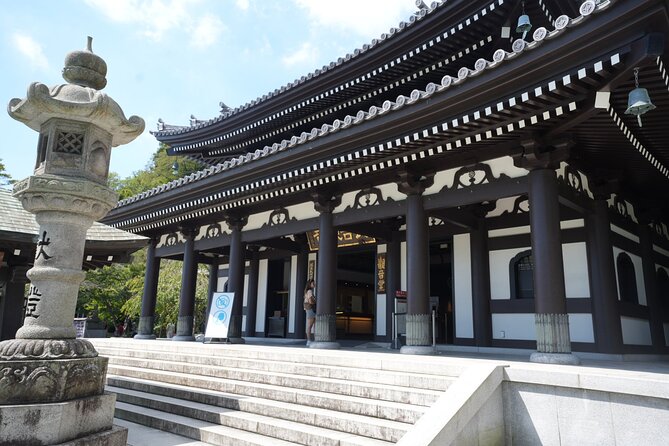
- Hasedera Temple: seaside views and the 11-headed Kannon
- Kotoku-in and the Great Buddha: the statue that does the talking
- Hōkoku-ji Bamboo Temple: your reset button in the middle of the day
- Tsurugaoka Hachimangū: samurai heritage in a major Shinto shrine
- The guide matters: small groups and real local students
- Value and pricing: what you actually get for about $54.87
- Physical comfort: what “moderate fitness” means for these stops
- Who this Kamakura tour suits best
- FAQ
- FAQ
- How long is the Private Kamakura Early Morning Tour?
- Where do we meet for the tour?
- Is this tour private or shared with other groups?
- What is included in the tour price?
- Are food and drinks included?
- Are temple and shrine admission tickets included?
- Does the Tokyo Station Departure option include the return to Tokyo?
- How many people are in a group?
- Is there a cancellation window?
- Should you book this tour?
Key highlights at a glance
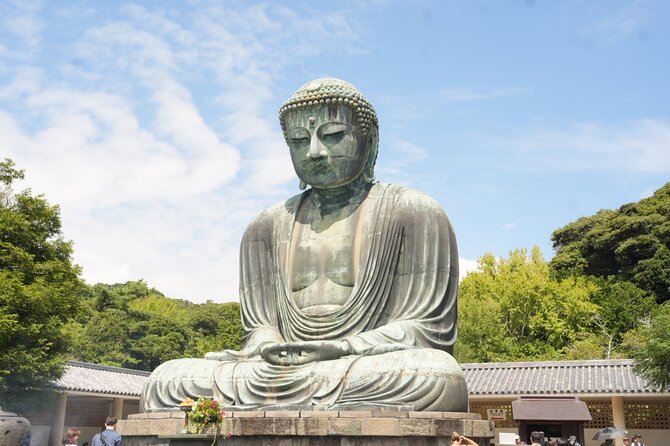
- Max 8 people means you can ask questions and walk at a human pace
- Hasedera Temple adds big seaside views plus the 11-headed Kannon statue
- Kotoku-in Great Buddha is a must-see 13th-century bronze Daibutsu (over 11 meters tall)
- Hōkoku-ji Bamboo Temple is all about quiet Zen atmosphere under towering bamboo
- Tsurugaoka Hachimangū connects Kamakura to samurai-era roots, including Minamoto no Yoritomo
Coast and temples south of Tokyo, compared
- Tokyo: Mt. Fuji, Kamakura, Big Buddha, & Lake Ashi Day Trip
★ 4.5 · 867 reviews - Tokyo:Sea of Mount Fuji, Hakone Ropeway, Ōwakudani, Enoshima
★ 4.9 · 84 reviews - Kamakura 8 hr Private Walking Tour with Licensed Guide from Tokyo
★ 5.0 · 80 reviews - Tokyo: Kamakura & Enoshima Day Tour with Pickup & Train Ride
★ 4.1 · 61 reviews
Why an early Kamakura start works so well from Tokyo
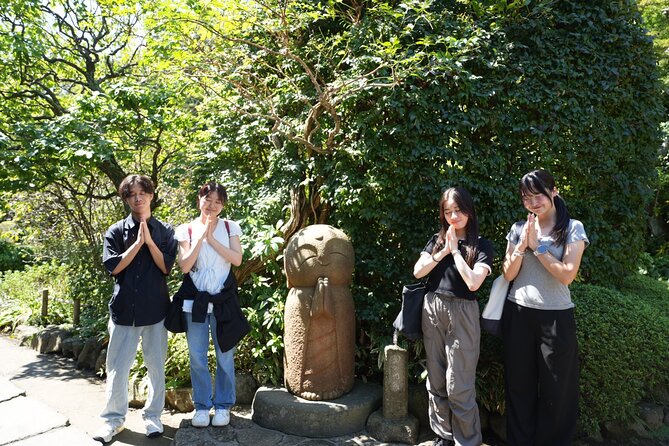
Kamakura is close to Tokyo, but it feels worlds away once you’re on the coast side. This tour’s early start matters because you’re building your day around the temples and shrines before your energy fully tanks and before lines become your problem.
Even if you’re not a hardcore history person, the morning flow helps you focus. You start with scenic and iconic sights, then end with a shrine that gives context for why Kamakura mattered in medieval Japan. It’s a smart order for first-timers: views first, big icons next, then a quieter, more reflective stop.
And because it’s a private tour with only your group, you’re not stuck waiting for a slow-moving crowd. If you like your sightseeing with a little breathing room, this is the right style.
Getting to and from Kamakura Station without stress
You meet at Kamakura Station (1-chōme-1-15 Onarimachi), and you end back at the same station. That’s handy because it reduces the mental load at the end of the day. When tours end in the middle of nowhere, you can feel that last-hour drag. Here, you’re right where transit options begin.
If you choose the Tokyo Station Departure option, the transportation fee from Tokyo to Kamakura is included. The catch is important: the tour does not include the ride back to Tokyo because the experience ends in Kamakura. The good news is you can choose whether you want to stay in Kamakura or go back with the guide.
Timing-wise, plan on about 6 hours total. That’s enough time to see the major highlights and still feel like you had a trip, not just a temple hop.
Hasedera Temple: seaside views and the 11-headed Kannon
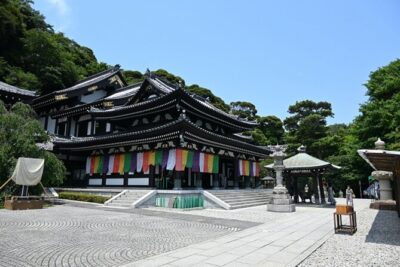
Hasedera Temple is perched on a hillside, which means you’re going to earn your views. This stop is famous for sweeping scenery over the coastline, and it also features a striking statue of Kannon, the goddess of mercy, shown with 11 heads.
What I like about starting with Hasedera is that it sets the tone. You get a dramatic sense of place early, then you move into religious sites that feel more intimate as the day goes on. It’s also a good reminder that Kamakura isn’t only about one famous monument. It’s about atmosphere, angles, and quiet details.
You’ll spend about one hour here. Admission tickets are not included, so bring a little extra cash or card readiness. If you’re sensitive to walking uphill, pace yourself. The views are worth it, but you’ll want to avoid rushing on the way up.
- Mt Fuji and Hakone 1-Day Bus Tour Return by Bullet Train★ 5.0 · 26,383 reviews
- 1-Day Tokyo Bus Tour★ 5.0 · 14,250 reviews
- Tokyo: teamLab Planets TOKYO Digital Art Museum Entry Ticket★ 4.6 · 9,779 reviews
- Mt Fuji & Hakone Cruise, Drum Show Bullet Train 1 Day from Tokyo★ 4.0 · 7,413 reviews
- Tokyo Mt Fuji 5th St & Hakone Cruise Bus Tour w/Bullet Train★ 4.4 · 5,024 reviews
Kotoku-in and the Great Buddha: the statue that does the talking
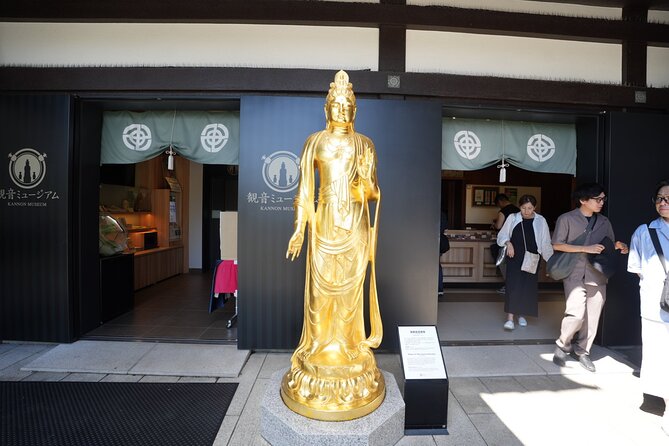
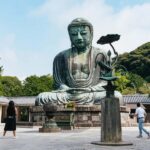
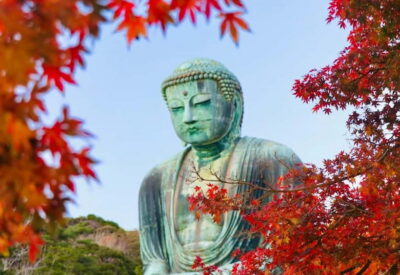
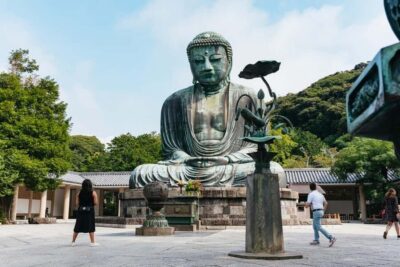
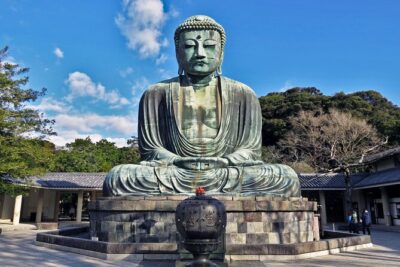
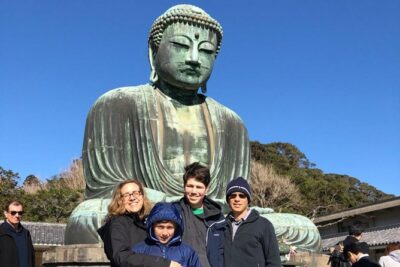
Next up is Kotoku-in Temple, home to Kamakura’s iconic Great Buddha (Daibutsu). This bronze figure is over 11 meters tall and dates back to the 13th century.
This is the kind of stop where even a casual visitor gets impressed fast. There’s something steady about the Buddha’s stillness, and it’s not hard to see why this image became a symbol for the city. When you look at it from different angles, you notice how the scale changes how you interpret it. It stops being a photo object and starts being a presence.
You’ll also get about one hour at Kotoku-in. Again, admission tickets are not included, so plan for that. The best practical tip here is simple: take a moment before you walk in to decide what angle you want first. If you spend the whole first minute wandering randomly, you can lose the best “first sight” impact.
Hōkoku-ji Bamboo Temple: your reset button in the middle of the day
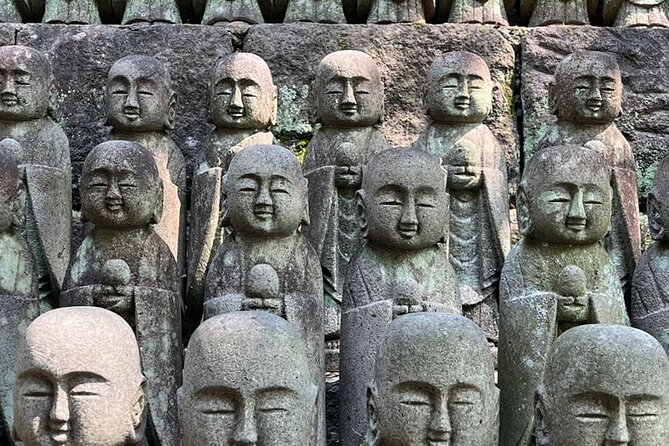
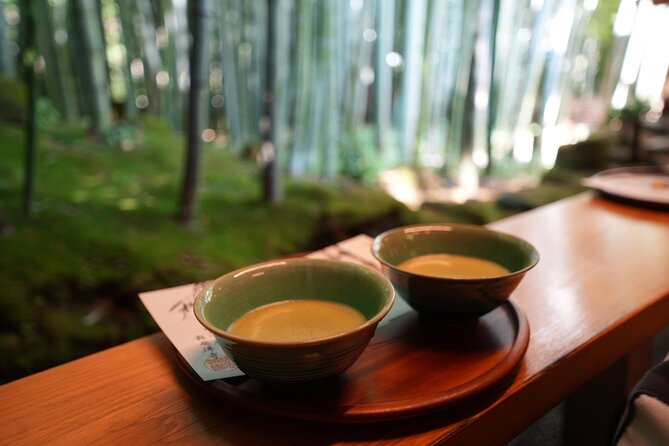
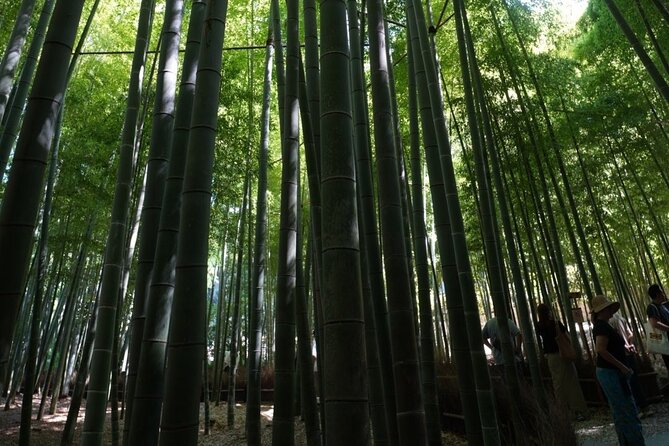
If you want a break from crowds and constant attention, Hōkoku-ji is where you get it. This temple is often called the Bamboo Temple because of its enchanting bamboo grove. The setting is Zen in feel, quiet in tone, and a relief after more obvious, big-name sights.
I find bamboo temples are special because they don’t demand anything from you. You don’t need to memorize dates or family trees. You just walk, listen, and let the atmosphere do its job. On a guided tour, your guide’s explanations can help you understand what you’re seeing, but the emotional effect mostly comes from the space itself.
You’ll have about one hour here. Admission tickets are not included, so you’ll pay entry directly on site. Dress for comfort. Bamboo areas can feel cooler under the canopy, but paths still involve walking, so comfortable shoes are your friend.
Tsurugaoka Hachimangū: samurai heritage in a major Shinto shrine
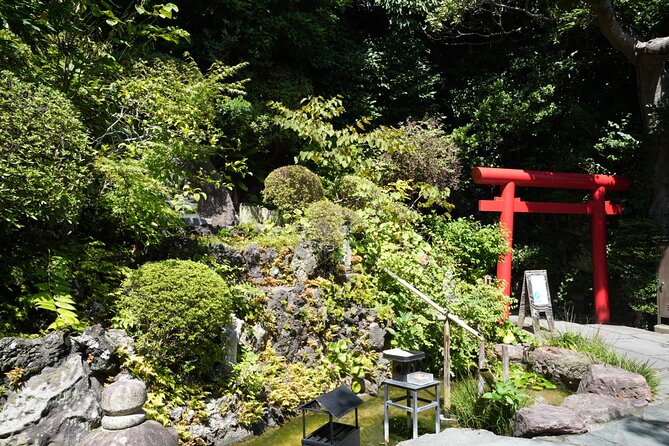
Then you close the circle with Tsurugaoka Hachimangū, Kamakura’s most important Shinto shrine. It’s closely tied to samurai heritage, and the shrine’s story connects to Minamoto no Yoritomo, the first shogun of Japan.
What makes this stop valuable is that it adds “why” to the day. Earlier temples show spiritual focus and visual splendor. Here, you get context for why Kamakura became a political heart in medieval Japan, and why religious sites were woven into the city’s identity.
You’ll spend about one hour at the shrine. Admission tickets are not included. This is also a good place to slow down. You might not need to rush to the next “must-see,” because the shrine grounds give you space to process what you learned and what you felt earlier in the morning.
The guide matters: small groups and real local students
The tour is led by an English-speaking guide, and the experience is run by GuideMe Japan. A big strength is that the format supports a conversation, not just a checklist. With a maximum of 8 guests, you can actually hear explanations and ask follow-ups without feeling like you’re holding up a parade.
The vibe reported in the experience write-ups is that guides are warm and engaging. In particular, names like Hana come up as examples of guides who meet people smoothly and keep things structured even when someone is a little turned around at the start. That matters more than you think, especially on day trips where small confusion can eat your momentum.
Here’s my practical advice for you: arrive a few minutes early to Kamakura Station so you can meet your guide without stress. If you do get disoriented, don’t panic. This tour is designed around a guided handoff, and you’re not on your own.
Value and pricing: what you actually get for about $54.87
At $54.87 per person, the price is mostly paying for two things: a local English-speaking guide and the transportation fee from Tokyo to Kamakura if you select the Tokyo Station Departure option. For a trip that hits four major religious and historic sights, that’s strong value compared with cobbling together separate tickets and taking guesswork-based routes.
What’s not included is just as important for budgeting. Food and drinks are not included, and admission tickets are not included for the temple and shrine stops. That means your total day cost depends on what you eat and what entries you pay.
A smart way to plan: set aside money for entry fees plus snacks. If you’re traveling with any dietary needs, don’t assume you’ll find something quick on the route. Bring water if you can, and treat meals as your own choice rather than a tour-provided part of the package.
Also, the tour uses a mobile ticket, which is convenient. You’re not juggling paper tickets while walking in multiple sites. That reduces friction, and friction is the enemy of enjoying a day.
Physical comfort: what “moderate fitness” means for these stops
The tour says moderate physical fitness is recommended. That’s believable for Kamakura because many temple approaches involve uneven ground and some uphill walking. Even if you’re in good shape, you’ll likely feel it in your legs by the afternoon.
Here’s how I’d handle it if you’re the cautious type. Wear comfortable shoes with grip. Bring a small day bag instead of heavy luggage. If you need breaks, don’t try to “tough it out” silently. Your group is small enough that breaks can be worked into the pace.
If you have mobility limitations, you’ll want to think carefully. The itinerary includes temples on hills and around shrine grounds, so you may not get a completely flat experience.
Who this Kamakura tour suits best
This tour is a great match if you:
- Want a first-time Kamakura highlights day without planning every detail
- Prefer small-group pacing and an English-speaking guide
- Like temples and shrines, especially ones with big visual impact (Great Buddha) and atmospheric calm (bamboo grove)
- Are starting from Tokyo and want the convenience of transport coverage to Kamakura
It may not fit you as well if you:
- Need the tour to include food or drinks
- Want to spend lots of time wandering beyond the core stops
- Have limited ability to do hillside and uneven walking, since the sights involve real terrain
This is best as a half-day style outing that gives you a lot of meaning without consuming your entire day.
FAQ
FAQ
How long is the Private Kamakura Early Morning Tour?
The duration is about 6 hours.
Where do we meet for the tour?
The meeting point is Kamakura Station, 1-chōme-1-15 Onarimachi, Kamakura, Kanagawa 248-0012, Japan.
Is this tour private or shared with other groups?
It is private. Only your group will participate.
What is included in the tour price?
Included items are an English-speaking guide and the transportation fee from Tokyo to Kamakura (for the Tokyo Station Departure option).
Are food and drinks included?
No. Food and drinks are not included.
Are temple and shrine admission tickets included?
No. Admission tickets are not included for the stops listed.
Does the Tokyo Station Departure option include the return to Tokyo?
The transportation fee to Kamakura is included if you choose the Tokyo Station Departure option, but the return trip to Tokyo is not included because the tour ends in Kamakura. You can choose whether to stay in Kamakura or go back with the guide.
How many people are in a group?
The tour is designed for small groups, with a maximum of 8 guests.
Is there a cancellation window?
You can cancel for free up to 24 hours in advance for a full refund, based on local time.
Should you book this tour?
I’d book it if you want an efficient, guided Kamakura morning that hits the big icons and still leaves you with quieter, calming moments. The combination of small group size, English-speaking guidance, and transport coverage from Tokyo (with the Tokyo Station Departure option) makes it feel like a plug-and-play day trip that doesn’t waste your time.
I’d pass or plan extra carefully if you hate paying admission separately or you expect meals to be part of the experience. Since entries and food are on you, come ready with a simple budget and comfortable shoes, and you’ll get a smooth, memorable day.
South to Kamakura and the Coast
Newest Tokyo write-ups from the Loving Japan desk






Kamakura, the Great Buddha and Enoshima, side by side.
 ★ 4.5Kamakura & Enoshima Day Trip including Temple TicketsFrom $581,375 reviews
 ★ 4.5Mt. Fuji, Kamakura, Big Buddha, & Lake Ashi Day TripFrom $49867 reviews
 ★ 4.5From Tokyo: Kamakura & Enoshima 1-Day Bus TourFrom $66189 reviews
 ★ 5.0Kamakura Historical Walking Tour with the Great BuddhaFrom $98129 reviews
 ★ 5.0Kamakura Private Tour: Temples, Nature, and the Great BuddhaFrom $98121 reviews
 ★ 5.0Kamakura Walking Tour – The City of ShogunFrom $35100 reviews
 ★ 4.9Sea of Mount Fuji, Hakone Ropeway, Ōwakudani, EnoshimaFrom $5084 reviews
 ★ 5.0Kamakura 8 hr Private Walking Tour with Licensed Guide from TokyoFrom $20180 reviews
Filed on these lists too