
REVIEW · GUIDED
Private Tour Guide in English or Spanish (Español)
Tokyo can feel big fast. This private tour gives you a guided path through it. I really like the hotel pickup setup, and I also like that you choose English or Spanish so you can actually understand what you are seeing. One thing to plan for though, 2 to 4 hours is tight, so the day can feel like a series of highlights rather than a slow hang.
The itinerary is built around major neighborhoods, so you get orientation and a taste of Tokyo’s different vibes without juggling tickets and train routes. You also get the private benefit of going at your group’s pace, which matters when everyone has different interests. The only potential drawback I see is that food and optional paid attractions are not part of the price, so you will want a small extra budget.
In This Review
- Key highlights
- At Your Hotel: The Real Value of a Private Meet-Up
- Price and Logistics: What You Are Paying For (and What You Are Not)
- How the Route Moves: Walking With Help Through Tokyo Transit
- Asakusa and Sensoji: A Strong First Stop With Free Temple Time
- Meiji Jingu Shrine: History Since 1920 and a Clear Change of Pace
- Tsukiji Fish Market and Akihabara: Seafood Energy Meets Electric Town
- Shibuya Crossing to Shinjuku: The Busiest Crossroads and the Big-Screen Side of Tokyo
- Ueno Finish: Museums, Parks, and Cherry Blossoms Season
- Customization That Actually Changes the Day
- Who Should Book This Tour, and Who Might Skip It
- Should You Book This Private Tokyo Walk?
- FAQ
- How long is the private tour?
- Is this tour private?
- Do I need to meet the guide at a public location?
- What languages are available?
- Are entrance fees included?
- Is lunch included in the price?
- Can I get a full refund if I cancel?
Key highlights
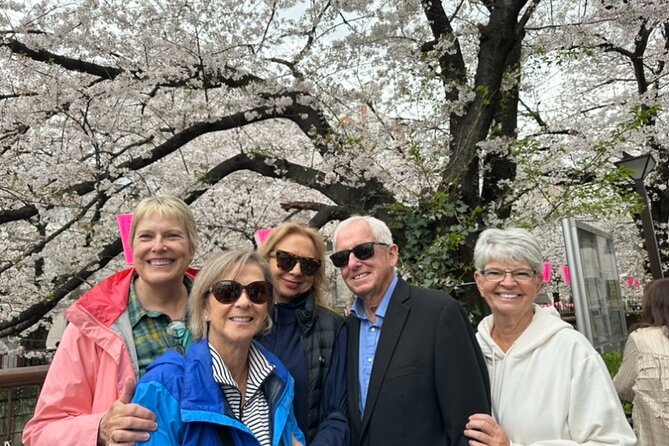
- Hotel pickup, no meeting place stress, the guide comes to your hotel
- English or Spanish private tour, just your party
- Seven major areas in 2 to 4 hours, so you get fast context for your Tokyo stay
- Public transit navigation help, with you responsible for transit fares
- Listed sights have free admission, but ticketed attractions are extra
- Flexible focus on your group’s priorities, with guides praised for attention and pacing
Still weighing up options in Tokyo? These are the ones our reviewers rated highest.
- Mt Fuji and Hakone 1-Day Bus Tour Return by Bullet Train
★ 5.0 · 26,383 reviews - 1-Day Tokyo Bus Tour
★ 5.0 · 14,250 reviews - Tokyo: teamLab Planets TOKYO Digital Art Museum Entry Ticket
★ 4.6 · 9,779 reviews - Mt Fuji & Hakone Cruise, Drum Show Bullet Train 1 Day from Tokyo
★ 4.0 · 7,413 reviews
At Your Hotel: The Real Value of a Private Meet-Up
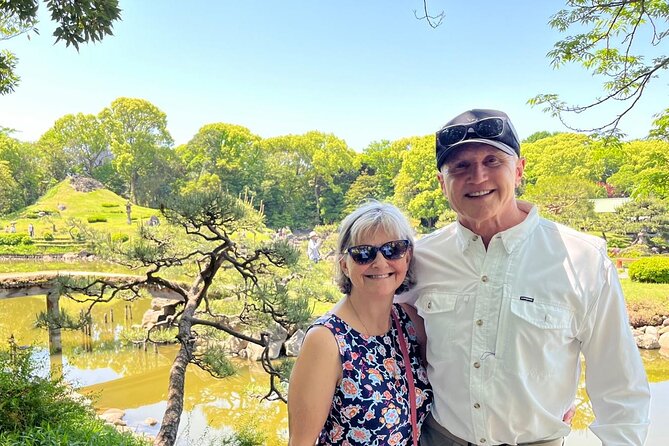
The biggest practical win here is simple, the guide meets you at your hotel. That means you are not spending your first Tokyo hours hunting for a landmark, decoding subway stations, or trying to match time zones with exact meeting points.
When you start from your lobby, your day gets cleaner in two ways. First, you lose less time. Second, you can mentally switch from travel mode to exploring mode right away. Tokyo’s transit system is powerful, but it can also feel like a puzzle when you are new. Having a guide next to you changes the whole experience from uncertain to manageable.
Private also means your group is the only one in the tour. If you want shopping time in one neighborhood, or you want a calmer stop instead, your guide can shape the route around your interests. And if you are traveling with kids or you need slower pacing, that flexibility is not a small detail. It is the difference between a fun overview and a tiring scramble.
Price and Logistics: What You Are Paying For (and What You Are Not)
At $58.27 per person for a private guide, the value is less about seeing one famous place and more about getting smart guidance across multiple areas. You are buying time, local context, and someone who can help you move between districts without guesswork.
Just keep your expectations lined up with what is included and what is not:
- Included: hotel pickup, and an English speaking tour guide (you can also book in Spanish)
- Not included: public transport fees, entrance fees for paid attractions, lunch or dinner, and any optional add-ons
- Not included: airport pickup
This matters because the itinerary includes several stops with free admission, which keeps your base cost predictable. But if you decide you want a ticketed attraction on top, you will cover those costs. The guide can wait outside or may join you if you provide the ticket, which is a helpful way to keep your day moving.
My advice: budget for transit and food, then treat anything ticketed as optional upgrades. If you do that, you will feel in control of the total cost instead of surprised by the extras.
How the Route Moves: Walking With Help Through Tokyo Transit
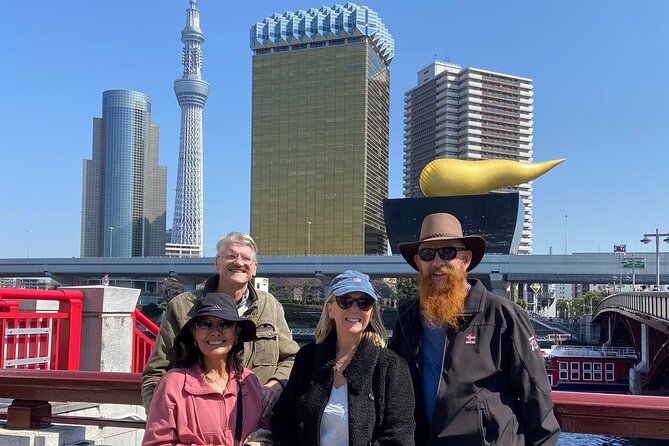
This tour is designed for moving efficiently through Tokyo, and the mechanics matter. You will be using public transportation between areas, since private transport is not included. The good news is the experience is set up for that, and the guides are praised for handling the route planning and station navigation.
In plain terms, you are not on your own with platforms and transfers. The guide helps you get from one stop to the next and keeps you oriented so you are not constantly checking apps while trying to stay with the group. That is a huge quality-of-life upgrade if it is your first time in Tokyo and your priorities are seeing more, not learning every subway line.
You should also assume you will be doing some walking along the way. The stops are spread across different neighborhoods, so wear comfortable shoes and bring a small water bottle. If your schedule or energy is limited, tell the guide early so the pacing matches your group.
- Mt Fuji and Hakone 1-Day Bus Tour Return by Bullet Train★ 5.0 · 26,383 reviews
- 1-Day Tokyo Bus Tour★ 5.0 · 14,250 reviews
- Tokyo: teamLab Planets TOKYO Digital Art Museum Entry Ticket★ 4.6 · 9,779 reviews
- Mt Fuji & Hakone Cruise, Drum Show Bullet Train 1 Day from Tokyo★ 4.0 · 7,413 reviews
- Tokyo: Shinjuku Food Tour (13 Dishes at 4 Local Eateries)★ 5.0 · 6,603 reviews
Asakusa and Sensoji: A Strong First Stop With Free Temple Time
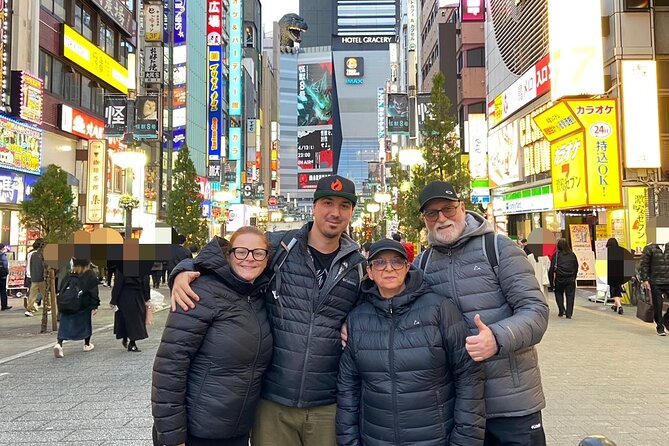
Asakusa is where this tour starts, with Sensoji Temple (Senso-ji). The description emphasizes the temple’s importance as an ancient Buddhist site, noted as the oldest and one of Tokyo’s most revered.
That opening stop is a smart choice for a first day. It gives you an immediate cultural anchor before you switch gears into seafood markets and pop culture districts later. Also, because admission is listed as free, you can spend your time looking, not budgeting for entry tickets.
In about 30 minutes, you are unlikely to do a deep, slow exploration of every detail. Instead, you get the core experience, enough to understand why the area matters and enough to know what you might want to return to later on your own.
Consideration: if you want a very long temple visit or you are hoping for a deeply guided lecture style, 30 minutes may feel short. In that case, treat this as the kickoff, then plan a longer visit on another day.
Meiji Jingu Shrine: History Since 1920 and a Clear Change of Pace
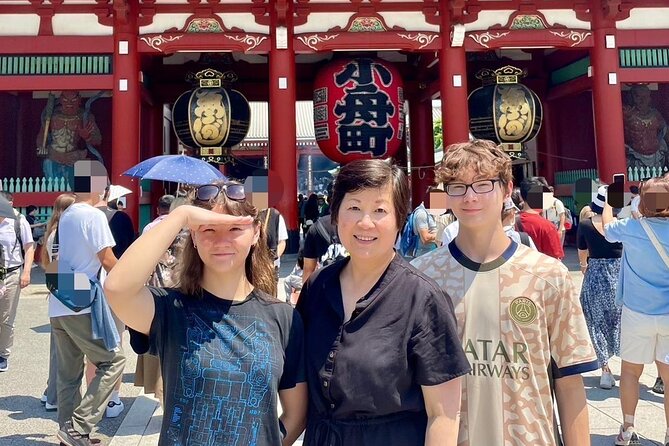
After Asakusa, you head to Meiji Jingu Shrine for another 30 minutes with free admission. This stop has a specific historical angle, established in 1920 to honor Emperor Meiji, tied to Japan’s modernization during the Meiji Restoration in the late 19th century.
This is the kind of stop that helps Tokyo make sense. You go from an old religious center to a shrine built to memorialize a turning point in national history. And because shrines like this often create a calmer rhythm for visitors, it functions as a breather in the middle of an itinerary packed with big-city zones.
A practical note: you will have less time here than a standalone shrine visit would offer, so let the guide set expectations for what you can realistically see in 30 minutes. If you want more, ask how to extend it.
Tsukiji Fish Market and Akihabara: Seafood Energy Meets Electric Town
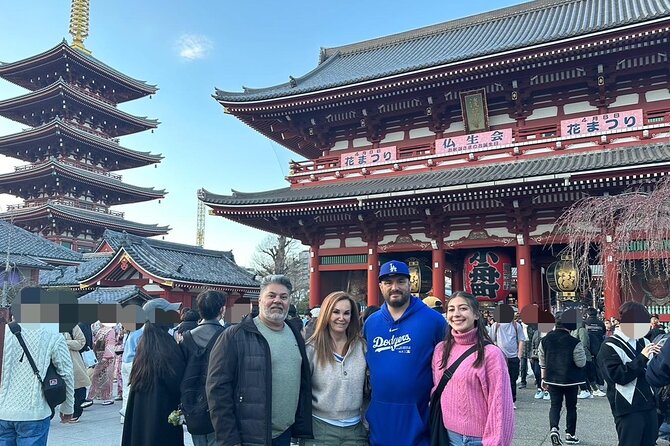
Next comes Tsukiji Fish Market for about 40 minutes. The description frames it as one of the world’s largest and most famous fish markets, known for its strong focus on seafood activity and a wide variety of fresh seafood.
Then you switch scenes to Akihabara, also for about 40 minutes. Akihabara is often described as Electric Town, strongly associated with Japanese pop culture, electronics, and anime.
I like this pairing because it covers two Tokyo identities that first-timers often miss when they only focus on temples or only focus on neighborhoods. Tsukiji gives you sensory intensity. Akihabara gives you modern culture and shopping cues.
Possible drawback: if your group has little interest in seafood shopping scenes or electronics and anime browsing, those two blocks could feel like “time spent” rather than “time enjoyed.” The good part is your guide can tailor what you emphasize, within the overall route structure.
Shibuya Crossing to Shinjuku: The Busiest Crossroads and the Big-Screen Side of Tokyo
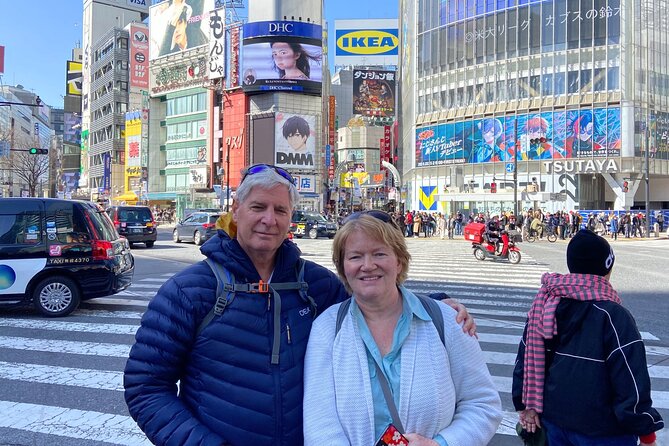
Shibuya Crossing is next, listed for about 20 minutes. It is described as a spectacle and a symbol of Tokyo’s energy, known as one of the world’s busiest pedestrian crossings.
This stop works best as a quick snapshot. You are not trying to conquer the entire area. You are there to experience the famous moment and get a feel for why it is such an iconic reference point for Tokyo.
Then you move to Shinjuku for about 40 minutes. The description calls it one of Tokyo’s most active and varied districts, pointing to skyscrapers and neon-lit streets, alongside parks and quieter spaces.
This is where Tokyo goes from headline attraction to neighborhood texture. You get a blend of high-rise city views and the sense that people live and move through this place all day, not just for photos.
Consideration: because Shibuya and Shinjuku are large, 20 to 40 minutes can feel fast. If your goal is shopping for hours or finding a very specific store, prioritize what matters most and tell the guide what you want before you arrive.
Ueno Finish: Museums, Parks, and Cherry Blossoms Season
The final stop is Ueno, about 40 minutes, in Tokyo’s Taito ward. The description emphasizes its cultural scene, including expansive park areas and museums, plus mention of cherry blossoms in spring and a range of museums.
Ueno is a solid closing chapter because it tends to feel less like a single attraction and more like a district with options. Even if your time is limited, you leave knowing you could return for more parks, more museums, or seasonal walks if you are in town during cherry blossom season.
One practical thought: because you end here, check what you want to do after the tour. If you want a museum, you might want to plan the next step around Ueno so you do not lose time backtracking.
Customization That Actually Changes the Day
This is a private tour, so the customization is not a marketing line. Your guide can meet your interests and adjust the focus among the planned neighborhoods. That means if your priorities are different from the standard “see everything quickly” plan, you can steer.
Guides associated with this tour have been singled out for communication and flexibility in the early part of the trip. Several guides, including Taisei, Himena, Chisato, and Junsai, are noted for meeting groups smoothly at the hotel and for being attentive to pace. There are also examples of guides tailoring routes for families with kids and making navigation easier through Tokyo’s transit network.
The best way to get a personalized day is to communicate your preferences early. Tell your guide what you care about most, what you want more time for, and what you want to skip. Also tell them if your group has slower walkers, stroller needs, or a strict time window.
Little detail that matters: guides are also described as taking photos and sending them later. That is useful in a city where you want a clean family or couple set of pictures, but you do not want to stop every five minutes to trade camera duties.
Who Should Book This Tour, and Who Might Skip It
This tour is a great fit if you:
- Want a first-time orientation across Tokyo’s most famous neighborhoods
- Prefer a private experience over joining a group
- Want help with subway and train navigation
- Are balancing different interests, like culture plus shopping plus pop culture
It can also work for family groups. There are examples of guides managing stroller needs and adjusting pacing so younger visitors can keep up without turning it into a stressful marathon.
Where it might not fit as well is if you:
- Want deep time at one single attraction
- Plan to rely on lunch being included
- Are building a day around multiple ticketed attractions like major venues with paid entry
Remember, the stops themselves are mostly listed with free admission, but extra ticketed attractions are not included. If you want those, plan your budget and discuss add-ons with your guide.
Should You Book This Private Tokyo Walk?
I think this is worth booking if your goal is a smart overview on your first days in Tokyo. It saves you the hassle of planning a route from scratch, and it gives you a clear sense of where things are, from Asakusa to Ueno.
Book it especially if you:
- Want a guide who meets you at the hotel
- Would rather spend your energy enjoying the sights than figuring out transit
- Like the idea of free-entry highlights, with optional paid upgrades if you feel like it
Skip it if you already have Tokyo transit figured out, you only want one neighborhood in detail, or you want an all-inclusive food and ticket experience. In that case, a self-guided plan might fit better.
If you do book, bring comfortable shoes, a realistic lunch plan, and your top priorities. Give the guide a short list and let them do the heavy lifting.
FAQ
How long is the private tour?
The tour duration is listed as approximately 2 to 4 hours.
Is this tour private?
Yes. It is a private tour/activity, and only your group participates.
Do I need to meet the guide at a public location?
No. Hotel pickup is included, and the guide comes to your hotel, so there is no need to travel to a meeting place.
What languages are available?
The tour is offered with an English-speaking tour guide, and there is also an option for Spanish (Español).
Are entrance fees included?
Entrance fees are not included. The itinerary includes stops with free admission, but paid attractions (for example, Skytree or TeamLab) are not included, and you would cover those costs.
Is lunch included in the price?
No. Lunch and any food or drinks during the tour are at your own expense.
Can I get a full refund if I cancel?
Yes, there is free cancellation. You can cancel up to 24 hours in advance for a full refund. If you cancel within 24 hours, the amount paid is not refunded.
Newest Tokyo write-ups from the Loving Japan desk

Guided, side by side.
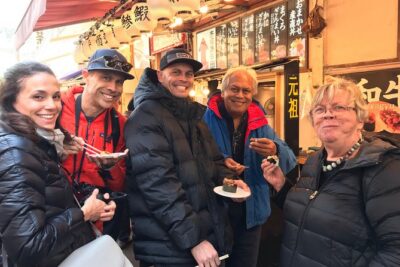 ★ 5.0Tokyo 6hr Private Tour with Government-Licensed GuideFrom $1553,902 reviews
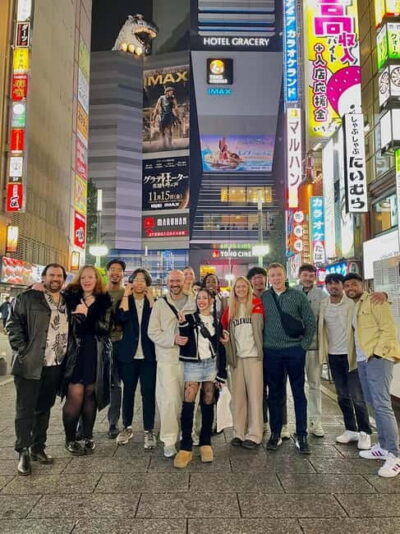 ★ 4.9Shinjuku Local Bar and Izakaya Guided Walking TourFrom $341,794 reviews
 ★ 4.8Private City Highlights Tour with Local GuideFrom $1061,433 reviews
 ★ 5.0Kyoto Early Morning Tour with English-Speaking GuideFrom $681,427 reviews
 ★ 4.9Tsukiji Fish Market Guided Walking TourFrom $221,397 reviews
 ★ 5.0Kyoto 6hr Private Tour with Government-Licensed GuideFrom $1551,369 reviews
 ★ 5.0Hiroshima / Miyajima Full-day Private Tour with Government Licensed GuideFrom $2021,298 reviews
 ★ 5.0Tokyo Guided Small-Group Biking TourFrom $1061,250 reviews