
REVIEW · ASAKUSA, SENSO-JI AND TOKYO SKYTREE
Samurai Ninja Museum Asakusa: Kid-Friendly Ninja Training
A ninja costume hits different in Tokyo. This kid friendly Samurai Ninja Museum Asakusa experience turns make-believe into hands-on practice with a blowgun, a shuriken throw game, and an actual treasure hunt. I like that it is structured for short attention spans, and I like that you get a guided experience in English so families are not guessing the whole time.
One thing I appreciate is the photo moment in full ninja gear. Your main trade-off is that at about $56 per person for 75 minutes, it can feel pricey if you are only looking for a quick stop without the training games.
In This Review
- Key things to know before you go
- Ninja Training in Asakusa: What the 75 Minutes Actually Feel Like
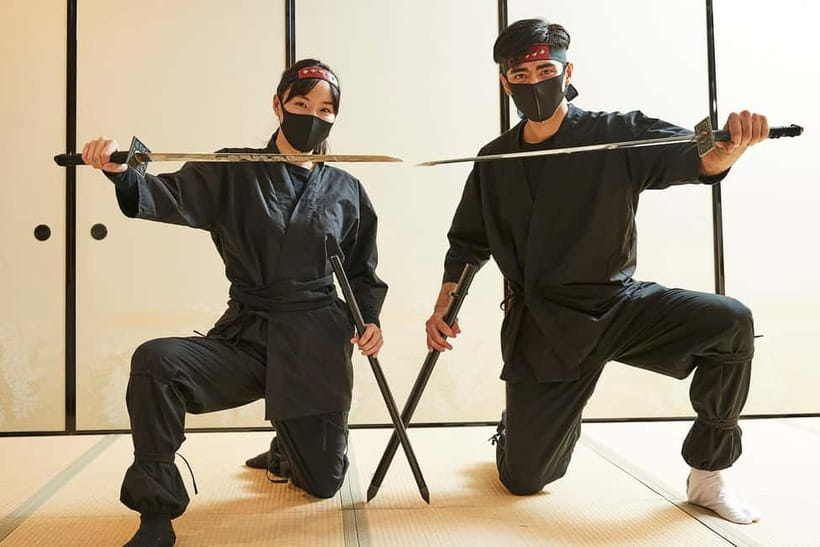
- Step Into a Full Ninja Outfit (And Why That Works)
- The Ninja Treasure Hunt: Games That Keep Kids Focused
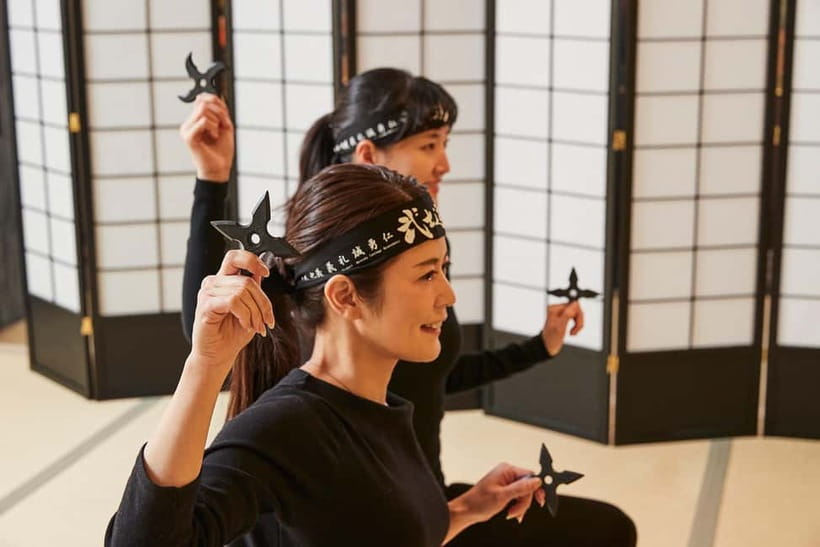
- Shuriken Throwing Competition: The Clue to What This Place Does Best
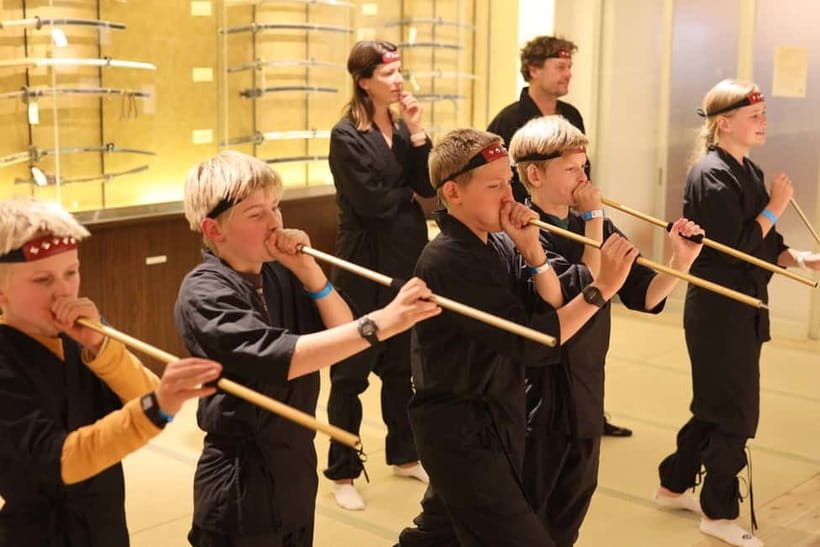
- Blowgun Practice: Skill, Props, and Controlled Fun
- The Museum Tour and the Photo Shoot: Turning Action Into a Memory
- Small Group Size: Why It Feels Better Than a Big Crowd
- Price and Value at About $56 Per Person
- Who This Is Best For (And Who Might Skip It)
- Practical Tips Before You Go (So the Fun Starts Fast)
- Should You Book Samurai Ninja Museum Asakusa?
Key things to know before you go
- Full ninja outfit dressing makes the experience feel instantly real for kids
- Ninja treasure hunt keeps younger kids moving, searching, and laughing
- Shuriken throwing competition gives a clear, timed kind of challenge
- Blowgun practice adds a second skill set beyond throwing
- English live guide helps you follow along even if you are new to Japan
- Small group size keeps the attention on each kid, not a big crowd shuffle
Still on the Sumida side? A few more Asakusa options
- Tokyo: Japanese Dance Cabaret Theater Asakusa-Kaguwa Ticket
★ 4.8 · 2,270 reviews - Tokyo: Meiji Shrine, Asakusa, Skytree Bus Tour and Cruise
★ 4.7 · 1,986 reviews - Tokyo: Roll and Authentic Sushi Making Class in Asakusa
★ 4.9 · 1,957 reviews - Tokyo: Asakusa Walking Tour with Sensoji Temple Visit
★ 4.8 · 1,583 reviews
Ninja Training in Asakusa: What the 75 Minutes Actually Feel Like
This is a short, action-heavy museum experience built for families. The whole thing runs about 75 minutes, so it fits neatly into a Tokyo day without eating the entire afternoon. You are not spending hours reading museum panels. Instead, you are learning through movement, practice, and simple games.
The format matters. Kids get tired when activities feel vague. Here, you have a clear sequence: gear up, learn ninja basics, join games, then finish with photos. Adults get something too: a guided look at how the ninja story gets translated into kid-friendly training and museum learning.
A practical note for your expectations: this is not a serious martial arts class or a long history lesson. Think of it as playful “street-level” ninja training, guided by someone who can explain things in a way kids can understand.
Step Into a Full Ninja Outfit (And Why That Works)
The experience starts with the best part for most families, dressing in a full ninja outfit. This is the moment when the whole activity clicks. Kids stop asking if it is real and start acting like it is real.
I like this approach because it turns culture learning into something physical. When you are in costume, listening becomes easier. You are already in the role, so the instructor can teach “ninja secrets” in a way that feels like a story game instead of a lecture.
For parents, there is an upside too: the photo-ready costume creates a memory you can actually take home. One of the reviews praised the instructor and the overall vibe, and the photo piece is often the part families end up talking about later because it is tangible.
The Ninja Treasure Hunt: Games That Keep Kids Focused
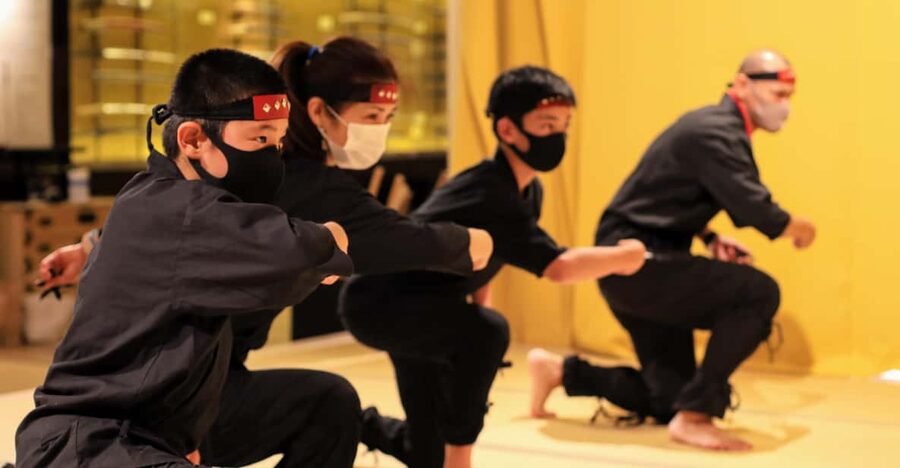
A big part of the experience is a ninja treasure hunt, and it is specifically described as an activity beloved by children. The hunt is the kind of game that naturally stretches what kids can do in a short time. They have to listen, move, and respond, not just sit.
This matters because Tokyo with kids can turn chaotic fast. When your plan has built-in direction, you spend less time managing boredom and more time guiding excitement. That is value.
You should also know there is a kid age guideline. Children under 3 cannot join the ninja experience, though they can enter the venue. So if you have a toddler, bring them for atmosphere and photos, but do not count on the full hands-on portion for them.
Indoors instead? Galleries and light rooms we visited
- Tokyo: teamLab Planets TOKYO Digital Art Museum Entry Ticket★ 4.6 · 9,779 reviews
- Tokyo: Samurai Ninja Museum Guided tour and Experience★ 4.6 · 1,010 reviews
- Ninja Experience (Family Friendly) at Samurai Ninja Museum TOKYO★ 5.0 · 441 reviews
- Tokyo Studio Ghibli Museum and Ghibli Film Appreciation Tour★ 4.5 · 421 reviews
- Tokyo Sword Experience – includes Museum Ticket/Ninja Experience★ 5.0 · 314 reviews
Shuriken Throwing Competition: The Clue to What This Place Does Best
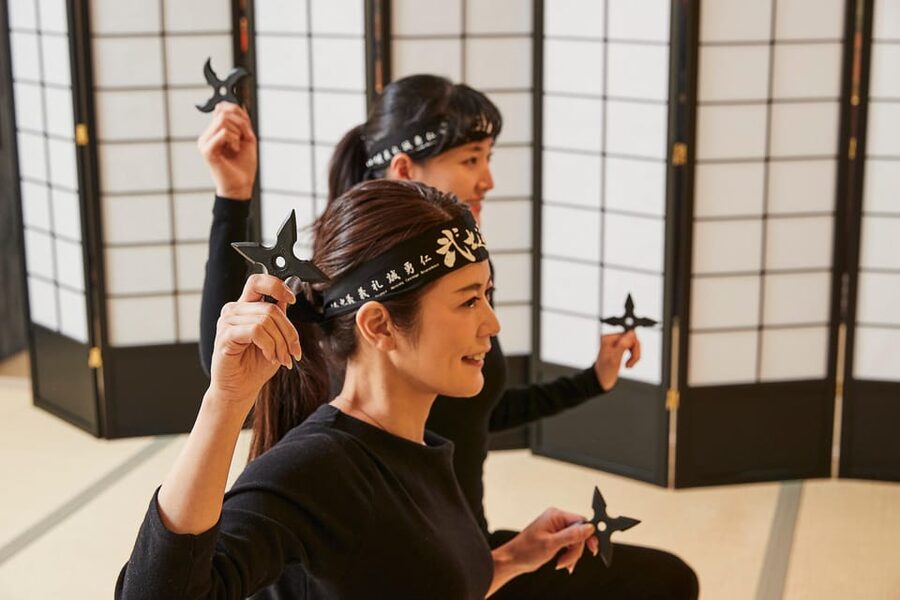
One of the headline activities is a shuriken (ninja star) throw competition. Even if your kids have never done anything like this, the structure gives them a reason to try. Throwing games are instant feedback. You can see progress fast, which helps kids stay motivated.
This is also where the live guide really matters. English instruction keeps you from losing time to translation. And in at least one case, an instructor named Koki earned praise for clear explanations and making the shuriken moment work smoothly for kids. Even if you are not with Koki, the key point is that the guidance is meant to be practical, not just theatrical.
If you are going with a child who gets nervous about performing, the competition format can be a good thing. It is framed as a game, not a test. Still, you might want to set expectations that this is about accuracy and fun, not perfection.
Blowgun Practice: Skill, Props, and Controlled Fun
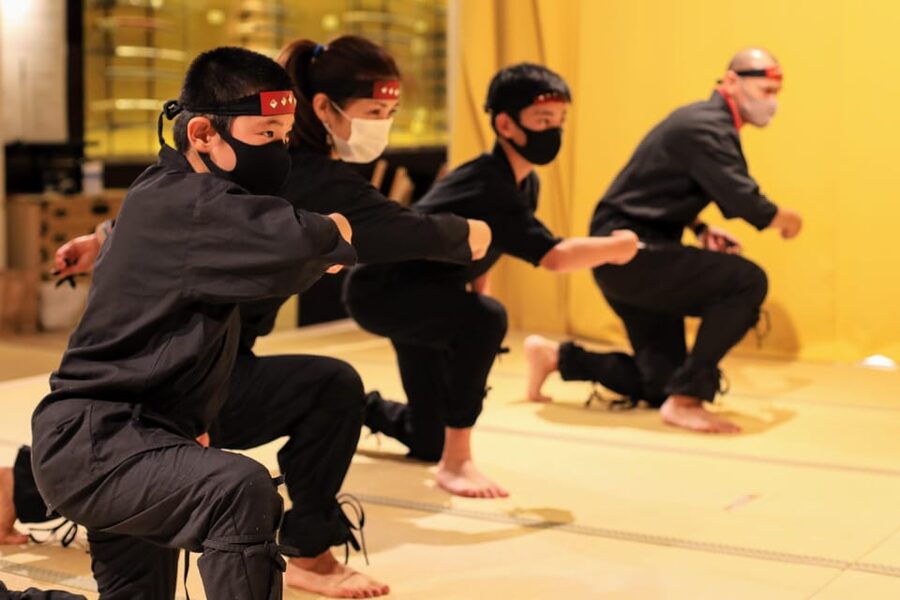
Next up is ninja blowgun practice. This is the second big “wow” moment because it gives kids something different from throwing. It is also a great variety add. Kids often like having two main activities, not just one long repeat.
Why it is good value: the included activities cover different kinds of coordination. Throwing uses one set of motions and timing. A blowgun introduces another, and that variety is what keeps energy up across the full 75 minutes.
You will likely feel more confident as a parent because the experience is guided and timed. This is not a walk-up try-it-yourself booth. There is a plan, and the instructor helps you do it correctly, so you are not left improvising.
The Museum Tour and the Photo Shoot: Turning Action Into a Memory
A lot of family activities in Tokyo stop at the game part. This one adds a museum visit component, including a complimentary tour of the Samurai and Ninja Museum. That little extra time turns the day from play into a story you can explain later.
Then comes the photo session in ninja attire. This is a surprisingly important inclusion because it gives you a “proof” moment. When kids wear the costume and stand where you can get a clean picture, you end up with a memory that lasts longer than the experience itself.
If your family is the type that wants a clear souvenir without buying a lot of stuff, the photo element is a win. You get an experience, and then you also get a visual keepsake.
Small Group Size: Why It Feels Better Than a Big Crowd
The activity has a maximum of 20 travelers, but it also notes a smaller group setup limited to 5 participants. Either way, the message is the same: this is not meant to be a huge, chaotic class.
For kids, smaller groups mean fewer waiting turns and more instruction per minute. For parents, it means less stress. Tokyo is busy, and any activity that reduces line time and confusion is automatically more valuable.
Also, having an English live tour guide means you can focus on your child rather than standing there translating everything to yourself. That is a practical quality-of-life benefit.
Price and Value at About $56 Per Person
At $56 per person for about 75 minutes, the price is not “cheap.” It is closer to an attraction fee than a bargain museum ticket.
So here is how I think about value. You are paying for three included parts: the entrance ticket, the ninja treasure hunt, and the photo shoot, plus the guided training moments. You are also buying a stress-free format. You do not need to plan a multi-step activity, find the right language help, or figure out how to make it fun for kids.
When it feels worth it:
- Your kid loves role play, costumes, and games
- You want a guided activity, not another self-guided museum walk
- You care about leaving with photos, not just memories in your head
When it might not:
- Your child prefers quiet museums and stories
- You are aiming for the lowest cost per minute
- You do not want the extra “perform and try” style activities
In other words, it is a good deal if your family is here for fun and photos. It is a harder sell if you mainly want a calm cultural stop.
Who This Is Best For (And Who Might Skip It)
This experience is clearly built for families. It is kid-friendly by design, with hands-on training activities and a guide who explains in English. If you are traveling with a 4 to 10-year-old, the short format and game style usually fit well.
It can also work for older kids who like competitions. The shuriken and blowgun practice are the kind of tasks that keep many elementary school kids interested.
You might consider skipping the full ninja experience if:
- You have a toddler under 3 and you hoped for the hands-on portion, since they cannot join the ninja activities
- Your child gets overwhelmed by structured tasks with multiple steps
- You are visiting during a day when you already have a heavy schedule and need a low-energy activity
Still, for many families, this is exactly the type of “one ticket, lots of moments” stop that prevents Tokyo days from becoming a grind.
Practical Tips Before You Go (So the Fun Starts Fast)
A few simple things will help you get the best experience with the least hassle.
- Plan for costume time. Ninja dressing is part of the fun, so build in a little patience.
- Expect hands-on activities. Kids will be participating, not just watching.
- Bring a camera mindset. The photo session is included, so come ready to take part even if you are not a professional photographer.
- Keep an eye on age fit. Under 3 can enter the venue, but they cannot join the ninja experience itself.
- Use the English guide. If your questions pop up, ask. This is the kind of activity where a quick clarification saves time and reduces stress.
Because the group is small, it is also smart to arrive with enough buffer that you are not rushing at the start. In a 75-minute experience, every minute counts.
Should You Book Samurai Ninja Museum Asakusa?
I would book this if your family wants a short Tokyo experience that mixes costume play, guided instruction, and real activity moments like a treasure hunt, shuriken throwing, and blowgun practice. The included photo shoot is a bonus you can actually see later, not just tell yourself you had fun.
I would think twice if you are chasing bargain pricing or a quiet museum vibe. At $56 per person, it is priced like an attraction with hands-on training, so you should go in expecting play, participation, and photos.
If that sounds like your kind of day in Tokyo, this is a strong choice, especially for kids who enjoy role play and competitions.
Tokyo Indoors: Galleries and Light Rooms


Asakusa and the Skytree, Keep Going


Newest Tokyo write-ups from the Loving Japan desk
Asakusa, Senso-ji and Tokyo Skytree, side by side.
 ★ 4.5TOKYO SKYTREE® Admission ticketFrom $1311,192 reviews
 ★ 4.8Japanese Dance Cabaret Theater Asakusa-Kaguwa TicketFrom $492,270 reviews
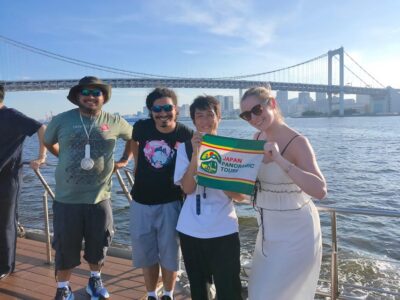 ★ 4.7Meiji Shrine, Asakusa, Skytree Bus Tour and CruiseFrom $1221,986 reviews
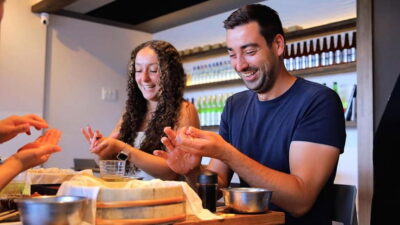 ★ 4.9Roll and Authentic Sushi Making Class in AsakusaFrom $581,957 reviews
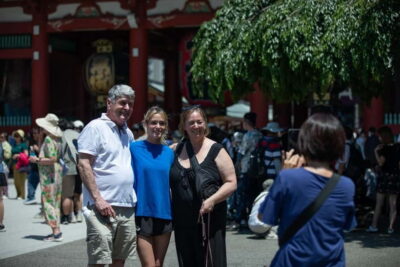 ★ 4.8Asakusa Walking Tour with Sensoji Temple VisitFrom $221,583 reviews
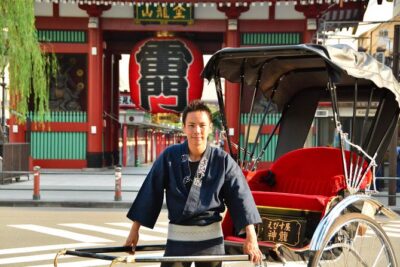 ★ 5.0Tokyo Asakusa Rickshaw TourFrom $421,375 reviews
 ★ 4.5Tokyo Panoramic 1 Day: Meiji Shrine, Asakusa, Odaiba and SKYTREE®From $851,222 reviews
 ★ 5.0Tokyo Go Kart: Asakusa, Skytree, and Akihabara **IDP MUST**From $99988 reviews