
REVIEW · ASAKUSA, SENSO-JI AND TOKYO SKYTREE
Samurai Ninja Museum Asakusa: Samurai Sword Lesson & Tour
Two hours of warrior training in Asakusa. The Samurai Ninja Museum experience mixes a katana lesson with a guided walk through samurai and ninja stories, plus costume wear that makes you feel like you stepped into a role. If you like hands-on activities, this one keeps moving and gives you something to point to in photos for years.
I love the full dress-up moment: hakama and samurai helmet, along with armor use that changes how you hold yourself. I also love that the session does not stop at practice, you get a museum tour and themed photo backdrops, so the learning and the fun land in the same 2-hour block.
One thing to consider is that the time is tight if you want lots of repetition, and when groups include many small kids, the session can feel paced around safety and age. The samurai venue also has an age restriction, children under 6 can not enter.
In This Review
- Key highlights to look for
- Samurai Ninja Museum Asakusa: a 2-hour plan that feels like more
- Suiting up in hakama and armor, and why it matters
- Katana sword lesson basics, from holding to a routine
- Samurai and ninja museum tour: history you can actually place
- Ninja weapons trial: shuriken practice and the fun factor
- Themed photo backdrops, plus the memories you will rewatch
- Group size, energy level, and who will enjoy this most
- Price and value: what $63 actually buys in the real world
- When to book and how to plan your Tokyo day
- Should you book Samurai Ninja Museum Asakusa?
- FAQ
- How long is the Samurai Ninja Museum Asakusa: Samurai Sword Lesson & Tour?
- Where is this experience located?
- What is the price per person?
- What languages are available for the tour guide?
- Is the group size small?
- What is included in the tour?
- Are children allowed?
- Where do I meet the guide?
- Is the venue wheelchair accessible?
- What is the cancellation policy?
Key highlights to look for
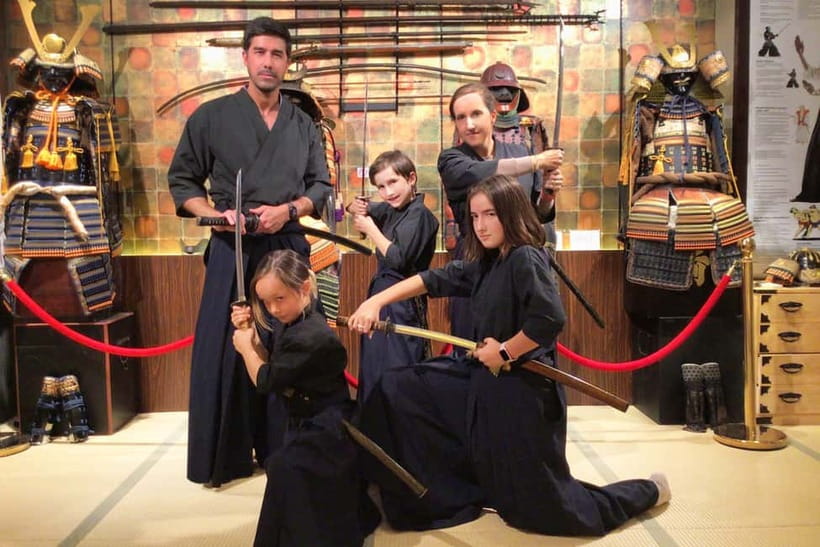
- Hands-on katana training led by English-speaking sensei instructors, including novices and returning students
- Dress-up real-feel gear with hakama, samurai helmet, and armor use that makes the experience stick
- Ninja weapons trial time, with shuriken practice mentioned across multiple sessions
- Museum tour with a clear timeline covering samurai and ninja history and how it echoes later eras
- Photo opportunities with themed backgrounds so you leave with more than selfies
- Small group size with a maximum of 16 people for better attention
Still on the Sumida side? A few more Asakusa options
- Tokyo: Japanese Dance Cabaret Theater Asakusa-Kaguwa Ticket
★ 4.8 · 2,270 reviews - Tokyo: Meiji Shrine, Asakusa, Skytree Bus Tour and Cruise
★ 4.7 · 1,986 reviews - Tokyo: Roll and Authentic Sushi Making Class in Asakusa
★ 4.9 · 1,957 reviews - Tokyo: Asakusa Walking Tour with Sensoji Temple Visit
★ 4.8 · 1,583 reviews
Samurai Ninja Museum Asakusa: a 2-hour plan that feels like more
This is built as a compact warrior day, not a long museum crawl. You get a structured flow that runs from dressing up to training, then museum time, then photo spots, and finally a ninja weapons trial. Because it is only 2 hours, the pacing matters, and the best part is that it never feels like you are waiting around.
The setting is in Honshu, Japan, specifically in Tokyo’s Asakusa area. Asakusa already gives you old-school Tokyo vibes, and pairing that with a hands-on samurai session makes the theme feel grounded, not like a gimmick.
At $63 per person, it is not the cheapest thing you can do in Tokyo. What makes it feel fair is that the price ties directly to instruction plus the included costume and experience elements, not just entry into a museum room. You are buying a whole performance, but with training and time with staff, not just watching.
Suiting up in hakama and armor, and why it matters
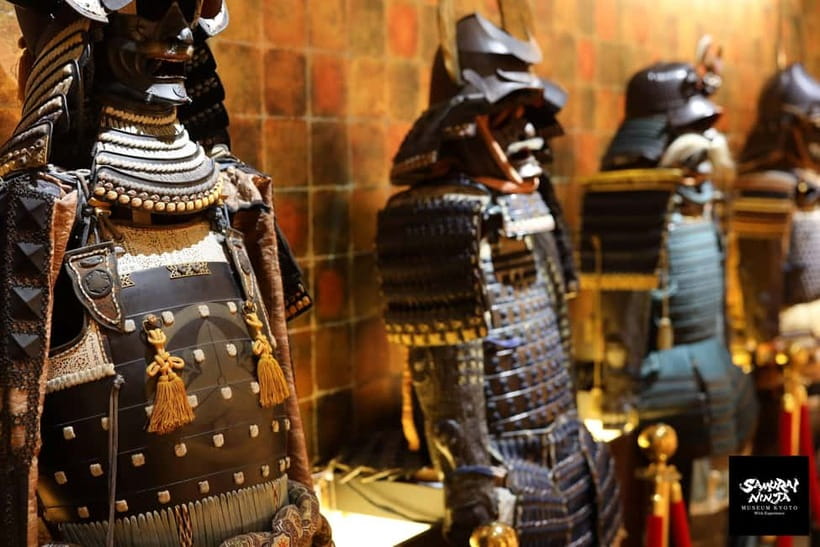
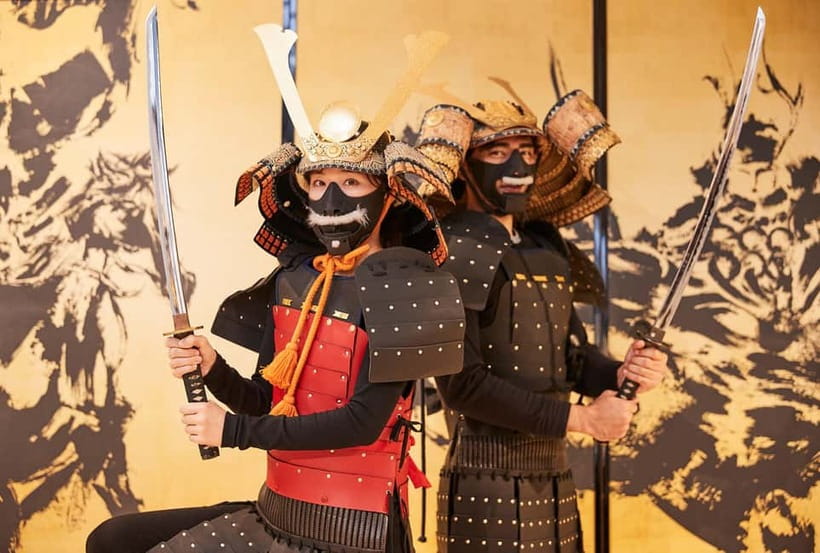
Most sword lessons fail at one basic thing: you never really change your body position. Here, you start with the hakama and samurai helmet, plus armor use, so the “roleplay” has a practical side. You end up standing straighter, learning the rhythm of movement, and treating the training like a real ritual, even if it is family-friendly and beginner-level.
In reviews, instructors are repeatedly praised for making the gear and first steps feel doable, including for people who show up with zero experience. That is important, because you do not want a lesson that assumes muscle memory you do not have.
The dress-up part also gives you something to do right away, which is great if you are touring with kids or you have limited time between other Asakusa stops. It also sets the tone for the rest of the session, because you are in costume during the learning and museum walk, not only for a quick photo at the end.
Katana sword lesson basics, from holding to a routine
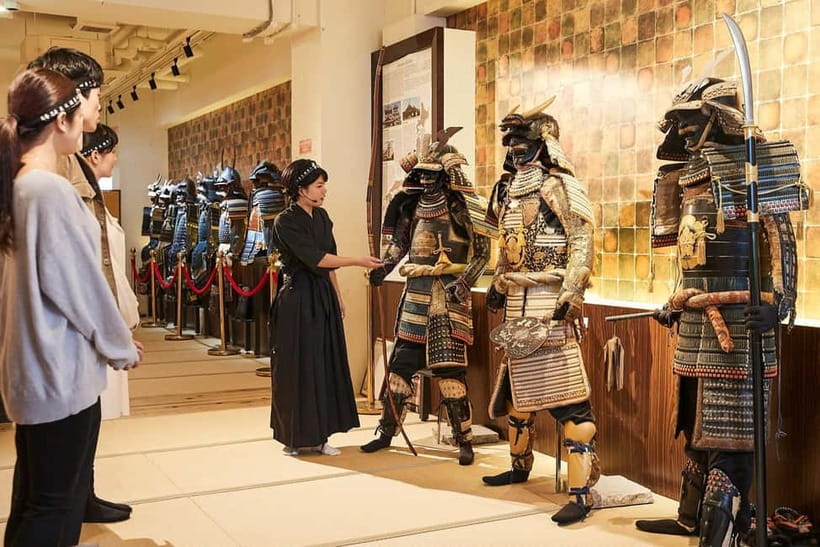
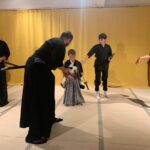
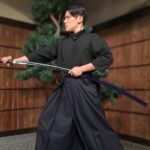
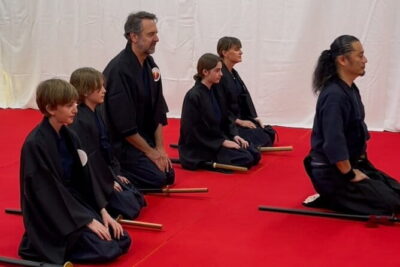
The center of the experience is the samurai sword lesson, taught by an English-speaking guide. Multiple reviews specifically call out sensei names like Ryo and other instructors such as Kenny, Koki, and others, and they emphasize the same theme: clear basics, patience, and a focus on safety and correct movement.
What you should expect is not a full martial arts curriculum. You get fundamentals, a demonstrated routine or drill, and then practice that builds toward a sequence you can perform at least partially. Several reviews mention students being surprised they could pick up a routine quickly, even on the first attempt.
You might also see foam or rubber swords used during supervised, family-friendly sword play, with choreography and controlled practice. That matters because it turns “sword safety” into something you learn by doing, not something you only hear about.
One realistic caution: the lesson time is short. If you are hoping to get lots of repetition for muscle memory, plan your expectations accordingly. The best mindset is learning the pattern, getting comfortable with how the sword is held and moved, and leaving with a repeatable mini-routine, not training for a tournament.
Indoors instead? Galleries and light rooms we visited
- Tokyo: teamLab Planets TOKYO Digital Art Museum Entry Ticket★ 4.6 · 9,779 reviews
- Tokyo: Samurai Ninja Museum Guided tour and Experience★ 4.6 · 1,010 reviews
- Ninja Experience (Family Friendly) at Samurai Ninja Museum TOKYO★ 5.0 · 441 reviews
- Tokyo Studio Ghibli Museum and Ghibli Film Appreciation Tour★ 4.5 · 421 reviews
- Tokyo Sword Experience – includes Museum Ticket/Ninja Experience★ 5.0 · 314 reviews
Samurai and ninja museum tour: history you can actually place
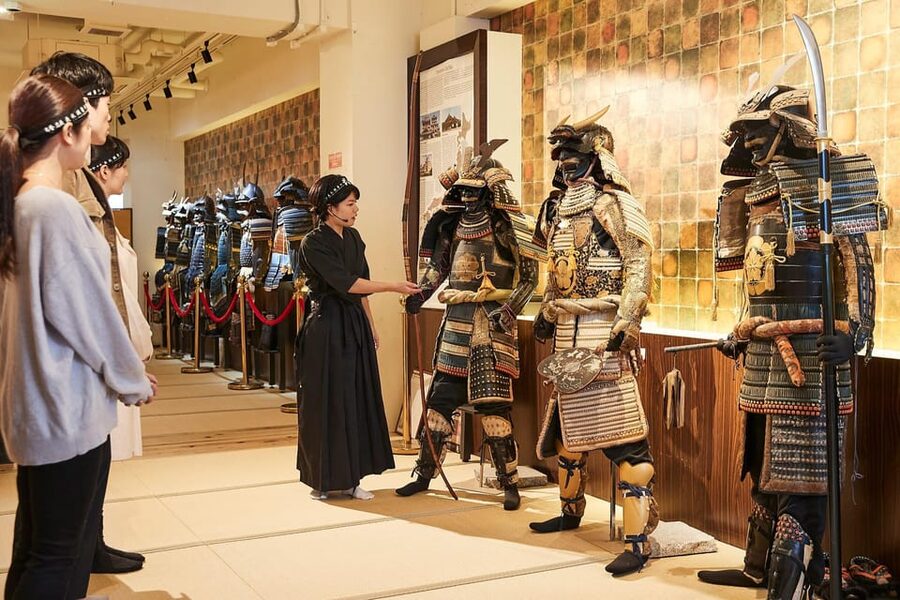
After the sword training, you switch gears to the museum. The tour includes learning about samurai history and ninja culture, with staff describing origins and how the era developed over time. Reviews describe guides as energetic and entertaining, which is a big deal when you want history that sticks rather than slides past.
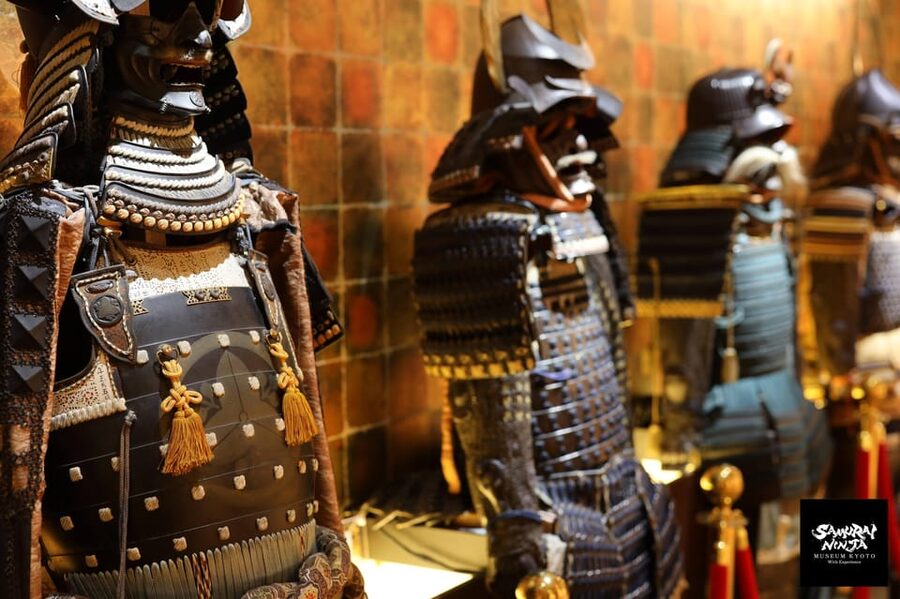
You should expect the tour to connect the dots between samurai roles, swords, and the later public idea of ninja, even if your personal focus is mostly on the weapons and costumes. The museum is also described as having a small collection of samurai antiques, which changes the feel. It is not a huge, all-day institution, but it can be easier to follow when the group is short on time.
Some reviews note that the museum can feel a bit rushed depending on the pace of the group. That lines up with the overall format: this experience is designed to pack sword training, museum time, and photos into a single 2-hour session. If you want a slower museum day, you may want to pair this with a separate, self-guided museum visit later.
Ninja weapons trial: shuriken practice and the fun factor
The experience includes a ninja weapons trial, and many reviews specifically mention shuriken practice. This is where the session becomes playful without losing structure. The goal is not to turn you into a ninja, it is to give you a short, guided taste of throwing and accuracy challenges.
If you are traveling with teens, this is often the part that gets the biggest smiles. Even adults who are usually “not into games” often end up enjoying the challenge because it is measurable. You can see how you improve between attempts, and you can laugh when the target refuses to cooperate.
The ninja segment also helps balance the tone. You go from disciplined sword movement to a more casual accuracy game, which makes the full 2-hour flow feel less one-note.
Themed photo backdrops, plus the memories you will rewatch
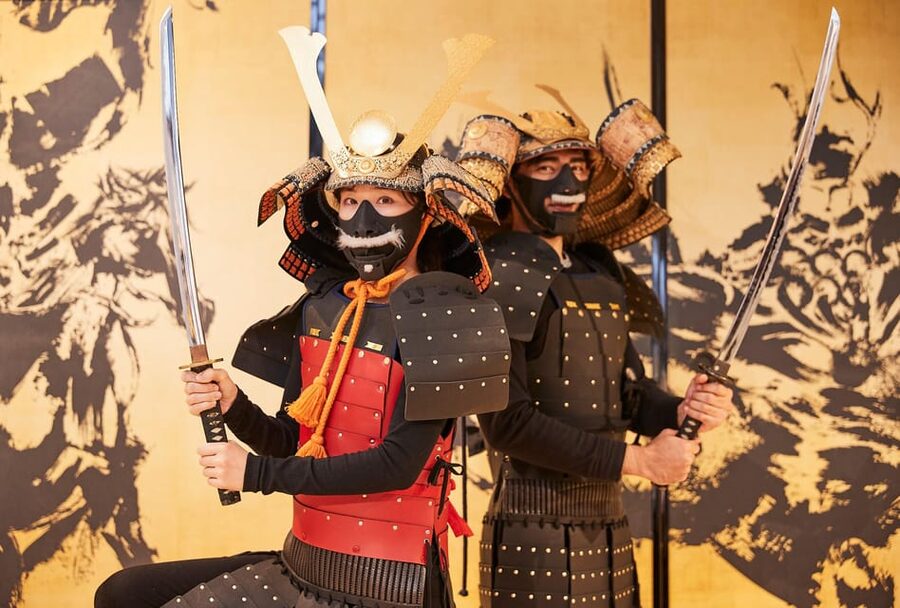
Photo time is not just an afterthought here. The highlights include posing in front of unique samurai-themed backgrounds for one-of-a-kind photos, and reviews back up that there are multiple opportunities.
This part is valuable because it turns the costume into a memory you can revisit. You will not only remember holding a sword, you will remember the whole look, including helmet and hakama, plus the set design.
Practical tip from how these sessions tend to flow: do your best to follow staff timing closely. When the group is only up to 16 people, photo windows move fast, and you want your best angles while staff is still ready to help.
Group size, energy level, and who will enjoy this most
The group size is capped at 16 travelers, which is ideal for hands-on instruction. It is large enough that you will not feel awkward, but small enough that staff can watch technique and keep everyone safe.
This experience is described as working for families. Reviews mention kids and teens enjoying the sword lesson and the ninja throwing segment, with instructors being patient and good at guiding younger participants. There is even a repeated theme that kids enjoy the pacing because it is varied, not long drills.
That said, the samurai venue has a clear rule: children under 6 can not enter the samurai venue. So if you are traveling with very young kids, you will need to plan an alternative. Also, in groups with many small kids, some reviews mention movements may not go fully through every step because of pacing and safety. That does not mean the experience is bad, it just means your expectations should match a shared family environment.
For adults, this works well if you want a hands-on cultural activity in Tokyo without a massive time commitment. It is also a strong choice if you like structured experiences that give you both learning and a performance element.
Price and value: what $63 actually buys in the real world
At $63 per person for 2 hours, the question is: what are you paying for beyond the sword theme?
From the experience details, you are paying for:
- a samurai sword lesson
- use of hakama, plus a samurai helmet and armor use
- themed photo opportunities
- a ninja weapons trial
- an English live tour guide
- a small group format with a maximum of 16
That bundle is the value story. You are not paying just to walk into a museum room. You are paying for instruction plus included gear plus guided experiences that are hard to replicate on your own in Tokyo without additional classes.
If you are comparing this to other Tokyo activities, think of it like a mini cultural workshop. It is short, but it is dense. You leave with skills you practiced, photos you can keep, and history you can place in your head.
If your main goal is a deep, slow study of artifacts and samurai history, you might prefer a traditional museum day. But if your goal is a memorable, hands-on introduction to samurai and ninja culture, the price feels aligned with what is included.
When to book and how to plan your Tokyo day
Because it is only 2 hours, you can fit it between other Asakusa plans without sacrificing your whole afternoon. The format also helps if you are planning around jet lag or busy days, because you get a clear start and end point.
Meeting point may vary depending on the option booked, so make sure you check your specific pickup instructions when you confirm. Also, since it is a live English guide experience, you do not need to worry about translating your way through training, which is a big relief for first-timers.
If you care about wheelchair access, this activity is listed as wheelchair accessible. That said, the session includes dressing up and moving through space, so it is smart to consider your own mobility comfort ahead of time.
Should you book Samurai Ninja Museum Asakusa?
Book it if you want a short, hands-on samurai sword lesson experience that includes dress-up gear, a guided museum tour, themed photo chances, and ninja shuriken practice. It is especially good for families, because the session has built-in variety and instructors are repeatedly praised for being friendly and patient.
Skip or rethink if you want hours of pure sword practice or a slow, fully detailed museum immersion. The time is limited, and the experience is designed to work across group ages and attention spans.
If you want a Tokyo activity that feels like you participated, not just observed, this one is an easy yes.
FAQ
How long is the Samurai Ninja Museum Asakusa: Samurai Sword Lesson & Tour?
The tour/activity duration is 2 hours.
Where is this experience located?
It is located in Honshu, Japan, in Tokyo’s Asakusa area.
What is the price per person?
The price is listed as $63 per person.
What languages are available for the tour guide?
The live tour guide offers English.
Is the group size small?
Yes. The experience has a maximum of 16 travelers.
What is included in the tour?
Included are a samurai sword lesson, use of hakama, use of a samurai helmet, use of samurai armor, themed photo opportunities, and a ninja weapons trial.
Are children allowed?
Children under 6 can not enter the samurai venue.
Where do I meet the guide?
The meeting point may vary depending on the option booked.
Is the venue wheelchair accessible?
Yes, the activity is listed as wheelchair accessible.
What is the cancellation policy?
Free cancellation is offered up to 24 hours in advance for a full refund.
Tokyo Indoors: Galleries and Light Rooms


Asakusa and the Skytree, Keep Going



Newest Tokyo write-ups from the Loving Japan desk


Asakusa, Senso-ji and Tokyo Skytree, side by side.
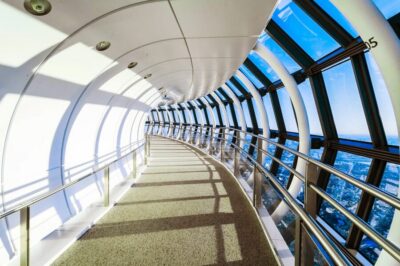 ★ 4.5TOKYO SKYTREE® Admission ticketFrom $1311,192 reviews
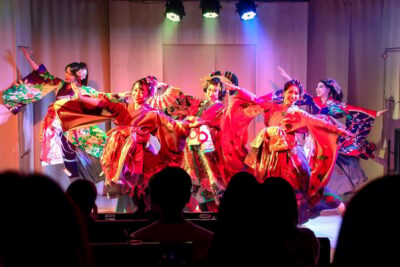 ★ 4.8Japanese Dance Cabaret Theater Asakusa-Kaguwa TicketFrom $492,270 reviews
 ★ 4.7Meiji Shrine, Asakusa, Skytree Bus Tour and CruiseFrom $1221,986 reviews
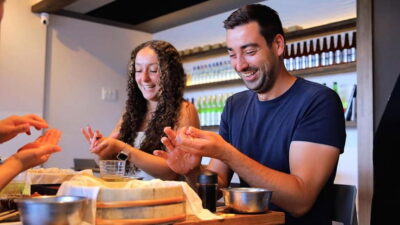 ★ 4.9Roll and Authentic Sushi Making Class in AsakusaFrom $581,957 reviews
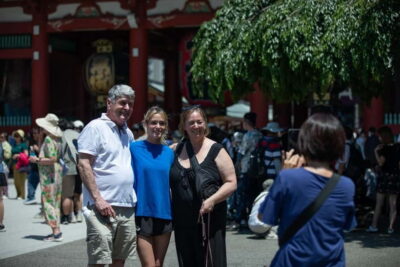 ★ 4.8Asakusa Walking Tour with Sensoji Temple VisitFrom $221,583 reviews
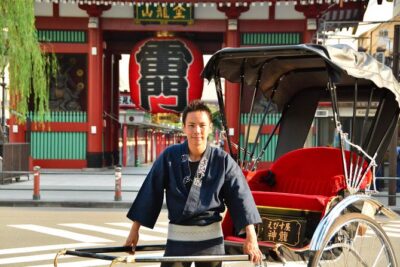 ★ 5.0Tokyo Asakusa Rickshaw TourFrom $421,375 reviews
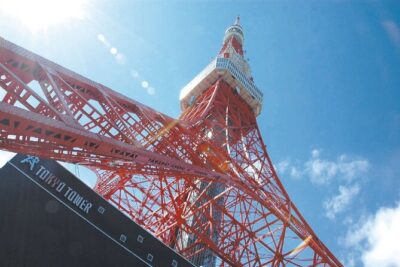 ★ 4.5Tokyo Panoramic 1 Day: Meiji Shrine, Asakusa, Odaiba and SKYTREE®From $851,222 reviews
 ★ 5.0Tokyo Go Kart: Asakusa, Skytree, and Akihabara **IDP MUST**From $99988 reviews