
REVIEW · SAKE BREWERIES AND TASTINGS
Tasting All Types of Sake with Sommelier
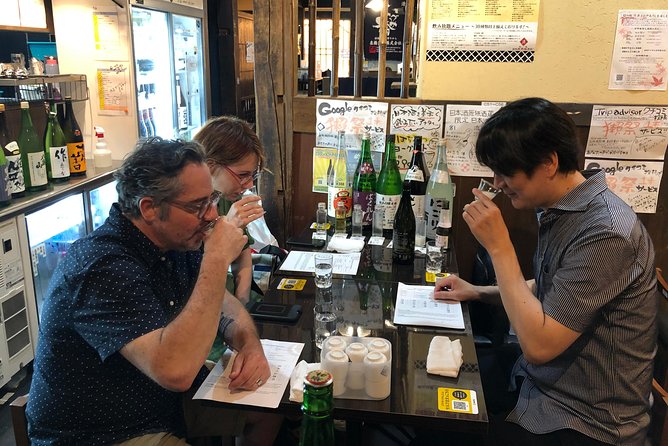
Sake in Shinjuku hits different after a lesson. This tasting is led by Aki san, and it turns confusing bottle choices into something you can actually order. I love the label decoding tips and how you get 6 to 7 sake styles explained in plain English. My only caution: the meeting area is in a busy part of Shinjuku, so give yourself a few extra minutes to locate the bar.
After a short walk and area chat around Shinjuku and Shinjuku 3 chome, you head to a small sake bar right by the Louis Vuitton Shinjuku area. You taste multiple types, ask questions as you go, and finish with practical ideas for what to order later in Tokyo.
In This Review
- Key highlights to look for
- Why this Shinjuku sake tasting is more than just a drink
- The 4:00 pm meet-up and quick Shinjuku orientation
- The Louis Vuitton Shinjuku area sake bar: where the tasting actually happens
- What types of sake you might encounter
- Meet Aki san, your sommelier, and how the Q&A works
- How you learn to read a sake label (and use it while traveling)
- Taste differences you can actually spot, not just memorize
- Food pairing guidance you can use on your next Tokyo night
- Shinjuku at night: Kabukicho and Golden Gai context
- Price and value: what $62.76 buys you in real terms
- Logistics that affect your experience (and how to plan for them)
- Who should book this sake tasting in Shinjuku
- Who might want a different plan
- Should you book this tour?
- FAQ
- How long is the sake tasting?
- Where does the tour start and end?
- What time does the tour begin?
- How many people are in the group?
- How many types of sake will I taste?
- Is the tour only about drinking, or do I learn too?
- Are there special sakes included?
- What kind of ticket do I get?
- Can I get a refund if I cancel?
- Is the tour near public transportation?
Key highlights to look for
- A small-group format (up to 12) that keeps the Q&A from feeling rushed
- Aki san and a hands-on tasting that covers production, taste differences, and how to drink each style
- 6 to 7 types of sake served at the bar, including styles often hard to find elsewhere
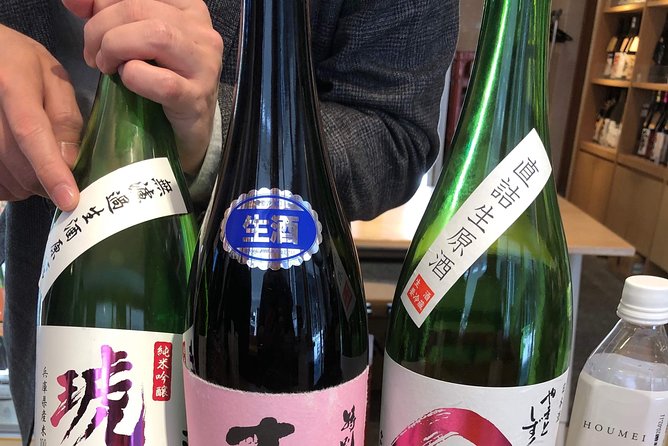
- Label reading skills so you can pick bottles with more confidence
- Tokyo night-life context with stops talking Kabukicho and Golden Gai
- Sake only available in Japan that broadens what you think sake can taste like
Pour another. Breweries and tasting rooms nearby
- Ramen and Sushi Cooking Class with Sake Pairing Set in Tokyo
★ 5.0 · 291 reviews - Sake Tasting Masterclass in Shinjuku (8+ Varieties with a Pro)
★ 5.0 · 271 reviews - Sake Omakase in Tokyo: Guided Tasting by Certified Sommeliers
★ 5.0 · 239 reviews - Tasting All Types of Sake with Sommelier
★ 5.0 · 151 reviews
Why this Shinjuku sake tasting is more than just a drink
This is the kind of tour that helps you stop guessing. Sake menus can look like code: tiny differences in brewing and finishing can mean big changes in taste, aroma, and how people serve it. Here, the point is to give you a mental map while you taste, not after you get home.
I like the pacing. You get guided explanations before each pour, then you try the sake right away. It is a short session, about 1 hour 30 minutes, and that matters, because it keeps you focused while your palate is still fresh.
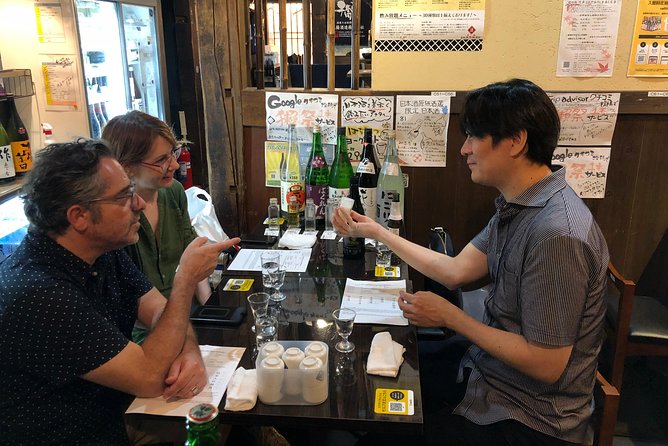
You also get a sommelier-style approach. Aki san encourages questions, so you can ask the exact stuff you are stuck on, like why two labels that look similar taste totally different. And because the group is capped at 12, you are not shouting across a table.
The 4:00 pm meet-up and quick Shinjuku orientation
You start at Frente Shinjuku San chōme (address listed as 3 chōme, 4 to 8, Shinjuku, Tokyo 160-0022), and the tour begins at 4:00 pm. The plan includes two short orientation stops, first around Shinjuku and then specifically around Shinjuku 3 chome. Think of this as a fast way to get your bearings before you sit down with sake.
This matters more than it sounds. Shinjuku can be overwhelming, and arriving early in the right mood makes the rest of the afternoon easier. If you like wandering after a tour, this is also a good time to learn which streets connect smoothly, so you can move around later without panic.
The tour then transitions toward a sake bar. One detail I appreciate is that the meeting point is clear, and you return to it at the end. That gives you a clean end state, especially if you have dinner plans or want to keep the evening going in Shinjuku.
The Louis Vuitton Shinjuku area sake bar: where the tasting actually happens
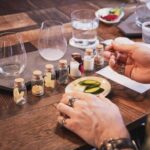
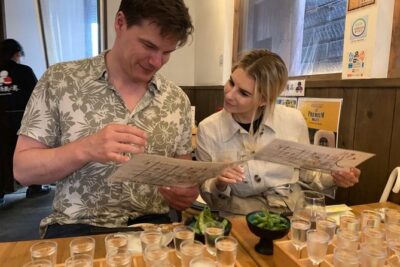
The main portion takes place at a sake bar located next to Louis Vuitton Shinjuku. You can expect a casual, focused tasting setup where the guide serves the different sakes and talks you through what you are tasting.
The tour highlights say you will taste all different types of sake, and the overview specifies 6 to 7 types with explanations. Reviews also point out a welcome sake in addition to the main set, so you may get a small extra pour before the main lineup.
In practice, this format works because you are not just collecting sips. You are learning the logic behind the lineup. Aki san shares impressions from each pour, then connects those impressions to how sake is made and how it can be served.
- Mt Fuji and Hakone 1-Day Bus Tour Return by Bullet Train★ 5.0 · 26,383 reviews
- 1-Day Tokyo Bus Tour★ 5.0 · 14,250 reviews
- Tokyo: teamLab Planets TOKYO Digital Art Museum Entry Ticket★ 4.6 · 9,779 reviews
- Mt Fuji & Hakone Cruise, Drum Show Bullet Train 1 Day from Tokyo★ 4.0 · 7,413 reviews
- Tokyo: Shinjuku Food Tour (13 Dishes at 4 Local Eateries)★ 5.0 · 6,603 reviews
What types of sake you might encounter
The tour description and participant feedback suggest you may sample a mix that can include:
- Sparkling sake
- Pasteurized and unpasteurized styles
- Hot and other serving styles
- Sweet and dry profiles
Even if you already like alcohol, this variety is the whole point. It helps you understand that “sake” is not one single flavor. It is a category with multiple directions, and the guide gives you the tools to tell those directions apart.
Meet Aki san, your sommelier, and how the Q&A works
The guide leading the experience is listed through multiple spellings in participant notes, most commonly Aki san (also seen as Akira). Either way, the role is consistent: a sommelier-style host who explains sake and invites questions.
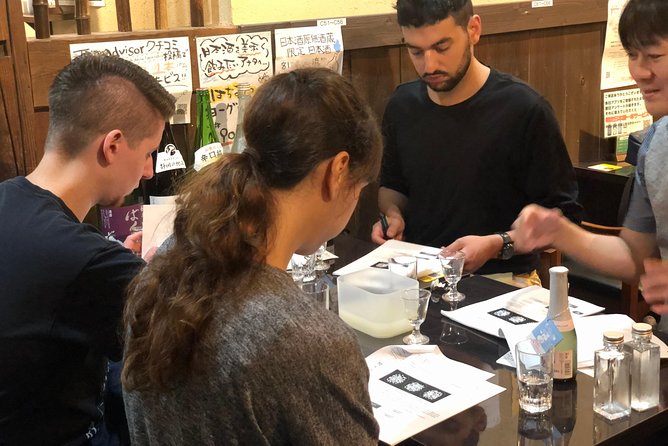
I like that the experience is built around interaction. The tour is designed so you can ask questions during the session, not only at the end. If you have dietary limits, you can ask questions about what is in front of you. If you are a total beginner, you can ask what the label actually tells you.
That two-way format makes the tasting feel personal. If you are with family or friends, it also keeps everyone engaged, because you can each latch onto a different question.
How you learn to read a sake label (and use it while traveling)
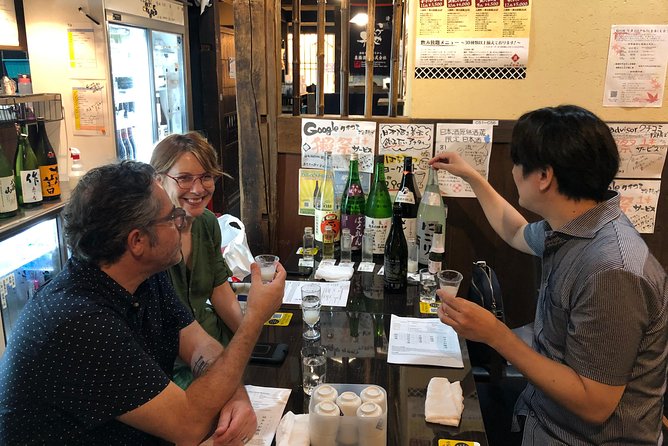
One of the top promises is learning tips to decode a sake label. The value here is practical. You do not want a textbook you will never use, especially when you are standing in front of a shelf in Japan.
So you focus on the label clues that relate to what you taste. From what the tour content and participant write-ups emphasize, this includes connecting label info to things like:
- Pasteurization status
- Whether a style is sparkling
- How the sake is meant to be enjoyed, including different serving approaches
The big payoff is confidence. After this, when you see unfamiliar terms on a bottle, you can start translating them into taste expectations. It turns a store visit from a gamble into a plan.
Taste differences you can actually spot, not just memorize
What makes this tour work for beginners is that it builds taste vocabulary while you are drinking. Instead of only explaining production, Aki san uses the tasting set as proof. You notice differences in flavor and texture, then the guide explains why those differences show up.
Participants also highlight the variety of alcohol character, including changes that come from style. That matters because once you understand the basic swing between styles, you stop treating every bottle like it will taste the same.
If you like structure, this tour gives it to you. If you like freedom, you get that too. You can ask, you can compare, and you can steer the discussion toward what you are curious about.
Food pairing guidance you can use on your next Tokyo night
The overview is clear that you learn the best foods to go with what you try. You are not left on your own to figure it out later. The guide connects each sake style to pairing ideas so you can order smarter in restaurants.
Because the tour does not list every pairing in the summary, I would treat this as guidance you will apply by matching flavors. Here is the practical way to use the lesson right away:
- When you find a sake you liked, ask the guide what it pairs well with.
- After the tasting, keep your notes simple: sweet versus dry, light versus bold, and whether it feels better warm or chilled.
- When ordering dinner, look for foods with flavors that mirror the sake’s direction.
That approach makes the pairing lesson stick. You are using the tasting as your reference point, not just collecting random restaurant suggestions.
Shinjuku at night: Kabukicho and Golden Gai context
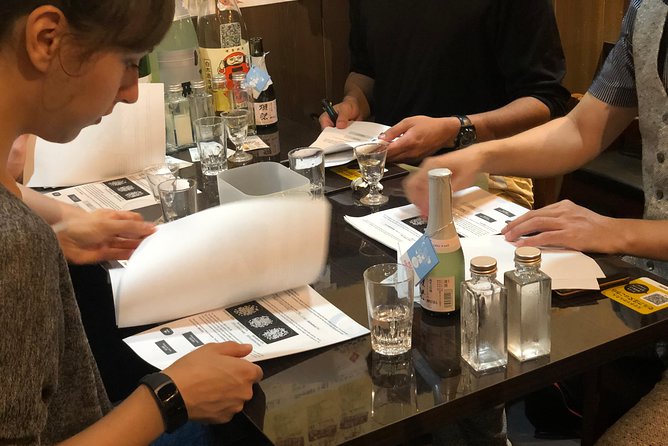
This is not a full nightlife tour, but it does include talk about Tokyo night life. The itinerary notes that the guide will cover Kabukicho in Shinjuku, and also mention Golden Gai during the session.
Why include that at all? Because Shinjuku is where many people go first when they want to keep the evening going. If you understand the area a little, you waste less time circling and more time enjoying what is actually there.
This also helps you plan around your sake tasting. You finish back at the meeting point, and you are already in the right neighborhood to choose your next stop.
Price and value: what $62.76 buys you in real terms
The price is $62.76 per person, and the experience runs about 1 hour 30 minutes. That is a fair range for a guided, multi-sake tasting with a specialist, especially in central Tokyo.
Here is the value breakdown that matters:
- Multiple tastings included: 6 to 7 types, not one or two pours
- A sommelier-led lesson: production explanations plus label decoding tips
- Time for questions: you get interaction, not a passive tasting
- Sake you may not find easily abroad: the tour mentions special sake only available in Japan
If you have ever tried to “learn” sake by buying bottles on your own, you know how expensive that guessing game can be. This tour compresses the learning into a single evening, where you taste first and understand immediately.
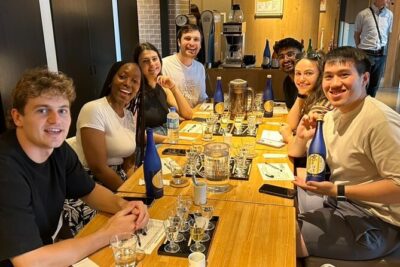
The maximum group size of 12 is another hidden value. A small group makes the guide easier to hear and gives you a better chance to get your questions answered.
Logistics that affect your experience (and how to plan for them)
This experience uses a mobile ticket, and it runs near public transportation. You should be comfortable with basic walking and standing, since the tour includes short orientation stops before you settle in.
Start time is 4:00 pm, which is a nice slot if you are planning an evening out anyway. You will likely still have energy for dinner and a stroll afterward, but you should not schedule anything too early right after. Sake tastings can add up, even with a guided pace.
Also, in a place like Shinjuku, meeting point timing matters. The tour ends back where it started, which is convenient, but it only helps if you find the bar smoothly at the start.
Who should book this sake tasting in Shinjuku
Book this tour if you want:
- A friendly sake intro that helps you order confidently afterward
- A chance to taste a range, including sparkling and pasteurized versus unpasteurized styles
- Clear guidance on how to read a sake label
- A guided evening with Tokyo context around Kabukicho and Golden Gai
- A small group setting, capped at 12 travelers
It is especially good for first-time visitors who do not want to spend the whole trip reading menus. You will walk away with something you can use the same week.
Who might want a different plan
Consider skipping or choosing another experience if:
- You dislike alcohol or do not want a tasting format
- You already feel confident reading sake labels and you only want a casual bar crawl
- You prefer a longer deep dive into one specific region or brewing style
This tour is designed to be short and useful. If you want hours of pure food pairings or a long museum-style lesson, you might feel limited.
Should you book this tour?
Yes, if you want the most practical sake education you can get in Tokyo in a compact time window. Aki san runs it in a way that connects taste to learning, and the tasting variety, plus label decoding tips, makes it easy to apply what you learn right after the tour.
If Shinjuku is on your itinerary and you want a smart early-evening activity, this fits. You will leave with a clearer sense of what you like, what to look for on labels, and where to go next in the neighborhood.
In short: if sake has ever intimidated you on a menu, this tour is exactly the kind of guide-led reset that helps you enjoy Japan faster.
FAQ
How long is the sake tasting?
The experience is listed as approximately 1 hour 30 minutes.
Where does the tour start and end?
It starts at Frente Shinjuku San chōme area (listed address: 3 chōme, 4 to 8, Shinjuku, Tokyo 160-0022) and ends back at the same meeting point.
What time does the tour begin?
The start time is 4:00 pm.
How many people are in the group?
The tour has a maximum of 12 travelers.
How many types of sake will I taste?
The overview says you will try 6 to 7 types of sake.
Is the tour only about drinking, or do I learn too?
You learn how to decode a sake label, ask questions to a sake sommelier, and get explanations of how to drink the different sakes.
Are there special sakes included?
Yes. The tour includes special sake only available in Japan.
What kind of ticket do I get?
You receive a mobile ticket.
Can I get a refund if I cancel?
Free cancellation is available. You can cancel up to 24 hours in advance for a full refund.
Is the tour near public transportation?
Yes, it is near public transportation, and most travelers can participate.
Cups, Cellars and Tasting Rooms
Newest Tokyo write-ups from the Loving Japan desk


Sake Breweries and Tastings, side by side.
 ★ 5.0Kyoto Night Foodie Tour in Gion (9+ dishes + 6 Sake tastings)From $1631,762 reviews
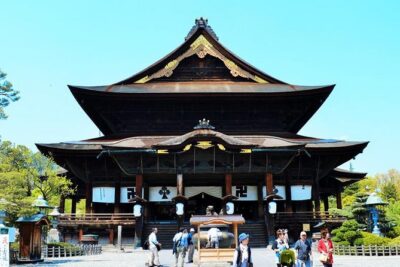 ★ 5.01-Day Snow Monkeys, Zenko-ji Temple & Sake in NaganoFrom $1511,020 reviews
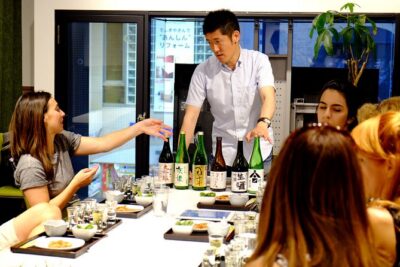 ★ 5.03-Hour Kyoto Insider Sake Brewery Tour with Tastings & PairingsFrom $84917 reviews
 ★ 4.8Arashiyama Bamboo, Temple, Monkeys, or Secret Sake BreweryFrom $87886 reviews
 ★ 4.9Nagano: Snow Monkeys, Zenkoji Temple & Sake Day TripFrom $135833 reviews
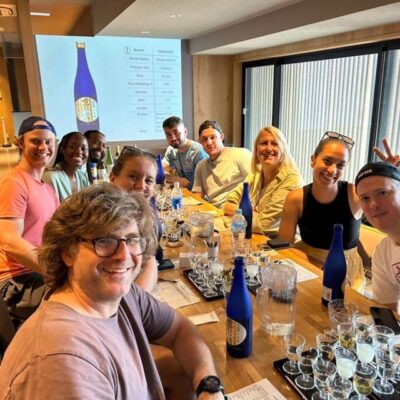 ★ 5.0Insider Sake Brewery Tour with Sake and Food PairingFrom $87704 reviews
 ★ 5.0Kyoto Sake Brewery & Tasting Walking TourFrom $98623 reviews
 ★ 5.01.5-Hour Kyoto Insider Sake Experience with 7 Tastings & PairingsFrom $68297 reviews
Filed on these lists too