
REVIEW · SAKE BREWERIES AND TASTINGS
Kyoto Sake Brewery & Tasting Walking Tour
Kyoto’s sake district is a great classroom. This Kyoto Sake Brewery & Tasting Walking Tour mixes a museum visit with a real-world tasting, plus a stroll through Fushimi’s old brewery lanes. I especially like that you get 18 kinds of Kyoto-made sake in one organized tasting format, and you’re not just drinking, you’re learning what you’re tasting.
One thing to consider: the day does involve walking, and it is not recommended for people with mobility issues.
I also like the pacing, museum first, then the tasting, so the flavor clues make sense as you go. You’ll finish with a better sense of how different sake styles are built and how to pick a bottle you actually want to take home. A possible drawback is that you might find the tasting set a bit sweeping if you prefer smaller samples or super-light explanations.
In This Review
- Key Highlights Worth Your Time
- Kyoto’s Fushimi Sake District: The Setting That Teaches You Fast
- A 3-Hour Small-Group Walk: What the Pace Feels Like
- Starting at Chushojima Station, Then Into Fushimi’s Brewery Mood
- Gekkeikan Okura Sake Museum: The Best Way to Learn the Language of Sake
- Teradaya and Fushimi’s Stories: A Cultural Detour That Adds Context
- Kappa Gallery: A Whimsical Break Between Tastings
- The Sake Restaurant Tasting: 18 Kinds, One Clear Goal
- Price and Value at $98.82: When It Adds Up in Real Terms
- Comfort and Practical Tips: Make It Easier on Your Body and Schedule
- Who Should Book This Tour, and Who Might Want to Skip It
- Should You Book? My Honest Take
- FAQ
- How long is the Kyoto Sake Brewery & Tasting Walking Tour?
- Where does the tour start and end?
- How many sake varieties are included in the tasting?
- Is admission to the museum included?
- How big is the group?
- Are photos included?
- What happens if I am under 20 years old?
- Are additional meals or drinks included?
- Is the tour dependent on weather?
- Is the tour safe or suitable for mobility issues?
Key Highlights Worth Your Time
- Gekkeikan Okura Sake Museum with admission included, built around exhibits and the sake-making process
- 18-style tasting at the sake restaurant, designed for comparisons across styles
- Small group size up to 7 travelers for a more personal pace
- Kyoto brewery district walking in Fushimi, not a drive-through version
- Photo support during the tour, so you can focus on enjoying instead of filming
- Stops that add character beyond sake, including a pass by Teradaya and a stop at Kappa Gallery
Pour another. Breweries and tasting rooms nearby
- Kyoto Night Foodie Tour in Gion (9+ dishes + 6 Sake tastings)
★ 5.0 · 1,762 reviews - 3-Hour Kyoto Insider Sake Brewery Tour with Tastings & Pairings
★ 5.0 · 917 reviews - Arashiyama Bamboo, Temple, Monkeys, or Secret Sake Brewery
★ 4.8 · 886 reviews - Kyoto: Insider Sake Brewery Tour with Sake and Food Pairing
★ 5.0 · 704 reviews
Kyoto’s Fushimi Sake District: The Setting That Teaches You Fast
Fushimi is where you go in Kyoto to understand why sake culture here feels different. The area is built around old brewing traditions, so even when you’re just walking, the whole place is telling you a story about water, rice, and craft.
This tour works because it pairs that setting with an actual learning flow. Museum first gives you the basic language of sake, then the tasting asks you to use it right away. You’re not stuck with theory you forget an hour later.
A 3-Hour Small-Group Walk: What the Pace Feels Like
The tour runs about 3 hours, and it keeps things moving without turning into a sprint. You’ll start at Chushojima Station and end at Fushimi-Momoyama Station, so you’re not backtracking across the city.
The small group cap is 7 travelers, which matters more than it sounds. With fewer people, you can ask follow-up questions, and the guide can adjust the tempo when a tasting question turns into a real conversation. If you want a tour where sake is explained, not just poured, this format helps.
One practical note: the tour notes that summer in Japan can be hot and humid, so bring water and consider a hat. If you run warm, plan to dress light and drink early.
Starting at Chushojima Station, Then Into Fushimi’s Brewery Mood
Your morning or afternoon begins at Chushojima Station, at Yoshijima Yaguracho, Fushimi Ward (listed meeting point). This part is handy because it is close to public transportation, so you’re not stuck figuring out a taxi from the other side of town.
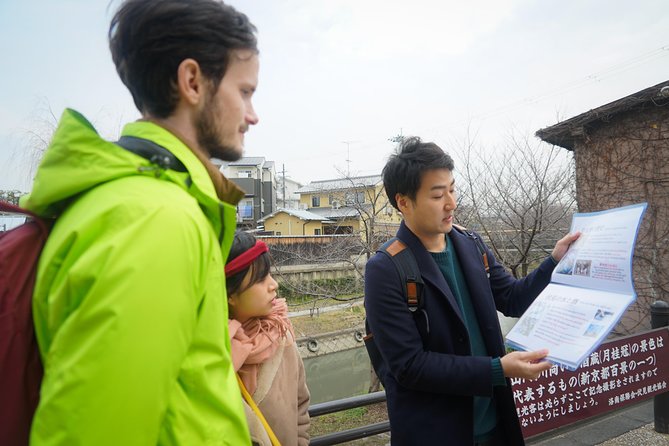
From there, the day becomes a guided walk through Fushimi. That walking time isn’t filler. It sets up the tasting later by getting you into the geography of where sake culture actually lives in Kyoto.
You’ll also get photos during the tour, which sounds small until you realize you’ll likely be tasting, listening, and comparing without wanting to stop your flow every five minutes.
- PERFECT KYOTO 1-Day Bus Tour★ 5.0 · 13,518 reviews
- Kyoto: Fushimi Inari, Kinkakuji, Bamboo Grove 1 Day Bus Tour★ 4.8 · 4,316 reviews
- Kyoto: Tea Ceremony in a Traditional Tea House in Kiyomizu★ 4.9 · 3,519 reviews
- Kyoto Geisha Walking Tour: Gion District & Hidden Gems★ 4.7 · 3,273 reviews
- Kyoto: Tea Ceremony Ju-An at Jotokuji Temple★ 4.9 · 3,207 reviews
Gekkeikan Okura Sake Museum: The Best Way to Learn the Language of Sake
The first major stop is Gekkeikan Okura Sake Museum, about 30 minutes with the admission included. This is where you go from casual interest to real understanding. The museum focuses on the history of Gekkeikan and the sake production process, using exhibits you can observe as you learn.
What I like about this order is that it changes the tasting from random sipping into real recognition. You’ll get the basic story of how sake is made, then the guide can point you toward what to notice in each sample, like how styles differ and why.
Some guides also bring extra flavor knowledge. In the past, I’ve seen guides like Linda, noted as a sake sommelier, add extra texture to the explanations, which can be fun if you want more than the basics.
Potential consideration: if you’re very short on patience for museum time, you might feel 30 minutes is either too much or just right. But since it feeds directly into tasting, it usually lands well.
Teradaya and Fushimi’s Stories: A Cultural Detour That Adds Context
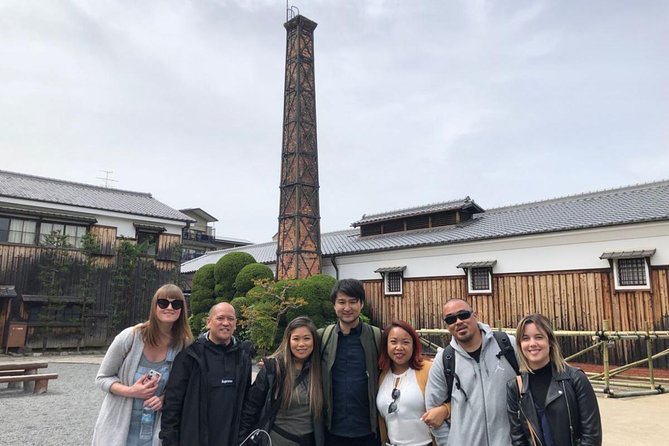
You’ll pass by Teradaya, a famous Fushimi spot tied to the end of the Edo period and the Teradaya Disturbance. This isn’t a long stop, but it matters because sake in Kyoto is not just food. It’s tied to the people, the neighborhood history, and the way commerce moved through the area.
This kind of brief context can help your tasting day feel more grounded. Instead of thinking of sake as only a drink, you start seeing it as something that grew alongside Kyoto life.
Kappa Gallery: A Whimsical Break Between Tastings
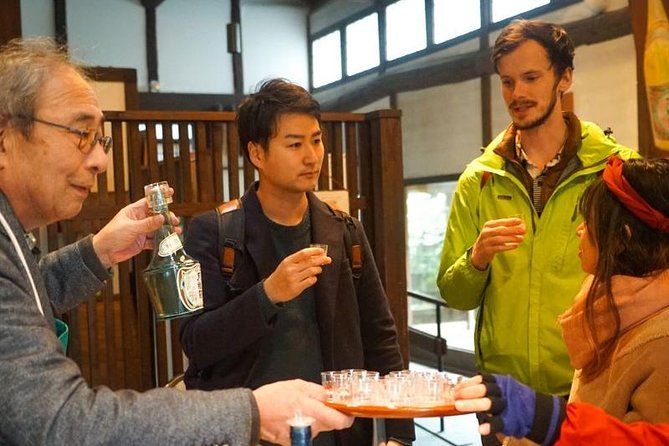
Next comes Kappa Gallery, also about 30 minutes with admission included. This stop is dedicated to kappa, the creature that’s long been part of Japanese popular culture.
Why does that belong on a sake tour? Because it breaks up the heaviness. When the day includes learning about production and tasting multiple styles, you want a mental reset so your senses stay fresh. This stop gives you a change of pace without pulling you far off course.
The Sake Restaurant Tasting: 18 Kinds, One Clear Goal
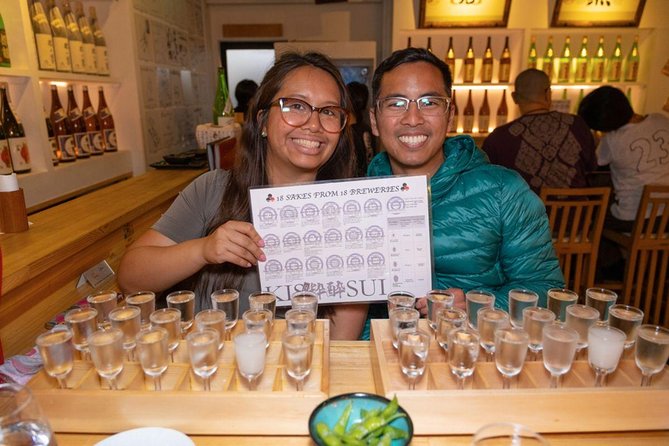
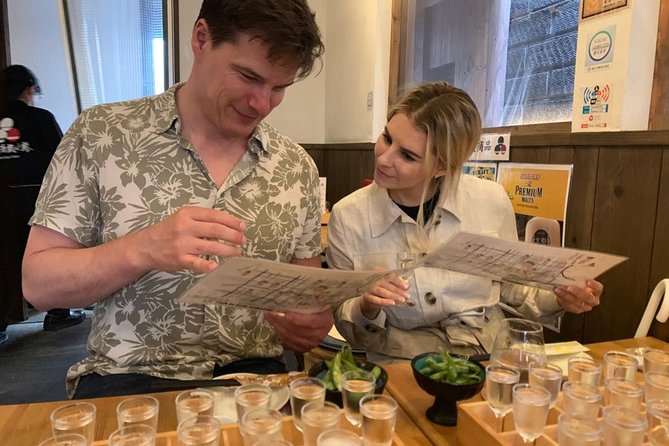
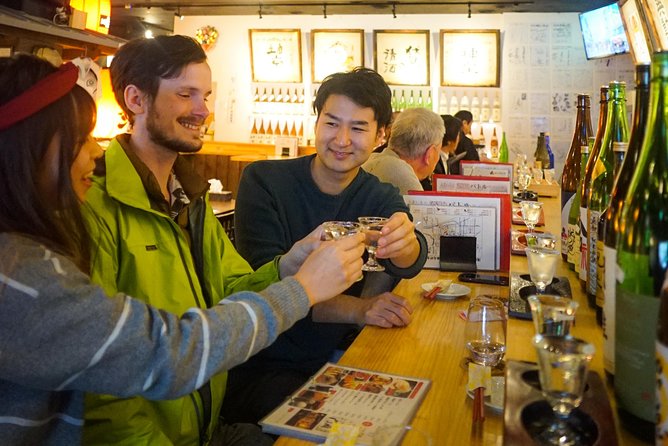
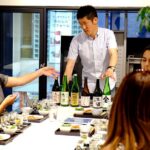
The centerpiece is the tasting at the sake restaurant, included as part of the tour. The tasting set is listed as 18 kinds of sake, and it’s set up so you can compare styles instead of just sampling whatever lands in your cup.
Here’s the trick for getting value out of this part: treat it like a guided tasting lab. Pay attention to the guide’s prompts, and try to classify what you’re tasting as you go. If you taste in the same order each time, you’ll be better at noticing differences and not just chasing the strongest flavors.
Also, pace yourself. Even if you’re enjoying it, 18 samples can feel like a lot, especially if you’re the type who likes slow sips with long pauses. Some people can feel overwhelmed when they go from tasting one style to another without enough time to process, so ask for the guide’s tips on how to compare efficiently.
Practical note: additional food and drinks are available for purchase, but they are not included. If you want pairing food, plan for that extra cost rather than expecting it to be part of the base tour.
If you’re under 20, the tour notes you will get some foods or snacks instead of the sake tasting set. So the tasting experience shifts, but you’re still included in the format.
Price and Value at $98.82: When It Adds Up in Real Terms
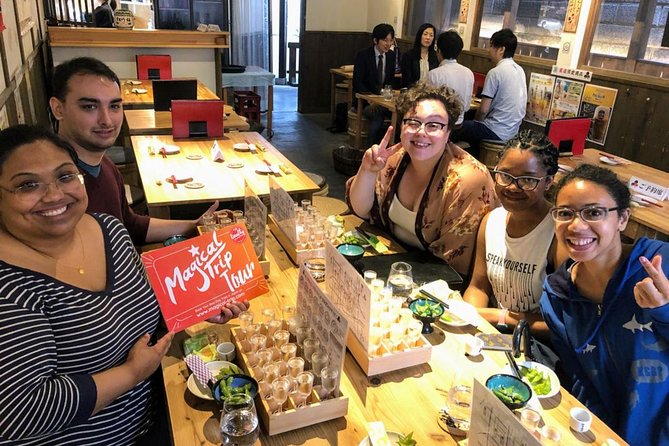
At $98.82 per person, this tour is priced like an organized cultural experience, not a cheap tasting ticket. The value comes from three things you typically pay for separately:
First, you’re getting museum admission included for Gekkeikan Okura Sake Museum. That’s not just a quick look; it’s the foundation for understanding sake production.
Second, you’re getting a large included tasting set. At 18 kinds, it is a serious sample amount, and it helps you figure out what you actually like instead of guessing.
Third, the guided walking route keeps everything in context. You’re not doing a checklist of isolated stops. You’re moving through a real sake district with a guide who can connect the dots.
If you mainly want to drink sake and skip the learning, you might feel this is pricier than expected. If you want to leave with a clearer sense of styles and what to buy next, the price starts to make more sense.
Comfort and Practical Tips: Make It Easier on Your Body and Schedule
This is a walking tour, and the activity notes it is not recommended for people with mobility issues. If you have trouble walking, contact the provider to see if a private option is possible.
Bring water and consider a hat, especially in summer. The tour explicitly calls out heat and humidity and the risk of heat stroke, so take that seriously. Dress for walking shoes, not for photo sandals.
Because it uses a mobile ticket, you won’t be juggling paper vouchers. That reduces friction at the start, and it helps you stay focused on the day.
And if you have dietary needs or allergies: the tour states they cannot guarantee allergy-free options and that kitchens used for the food are not part of MagicalTrip. They also note substitutions might not be possible at certain stops, though they will make efforts to compensate. If allergies are a concern, plan to double-check when you book.
Who Should Book This Tour, and Who Might Want to Skip It
This tour is a strong fit if you want a structured introduction to sake styles, and you like tours where the guide explains what you’re tasting. The small-group format also suits people who want interaction, not just a headset explanation.
You might consider another option if you are looking for a tour that focuses only on ultra-small, obscure makers. This day includes Gekkeikan Okura Sake Museum, which is a major name, so the experience leans toward a larger-scale institution as part of the learning framework.
If you want a mellow pace and minimal walking, you may want to ask about private arrangements due to the mobility guidance. And if you have a low alcohol tolerance, pace yourself early, since 18 tasting samples can add up quickly even with small pours.
Should You Book? My Honest Take
If you want to understand sake instead of just sampling it, book it. The museum stop gives you context, then the guided tasting lets you practice what you learned immediately. For Kyoto in particular, this is one of the more direct ways to connect the drink to place.
If you hate walking, have mobility limitations, or need strict dietary control, hold off or ask targeted questions before booking. The tour does say it cannot guarantee allergy-free options and is not recommended for mobility issues.
Overall, this is a value-driven choice when your goal is to leave Kyoto with a clearer palate and a short list of bottles you’ll actually seek out again.
FAQ
How long is the Kyoto Sake Brewery & Tasting Walking Tour?
The tour lasts about 3 hours (approximately).
Where does the tour start and end?
It starts at Chushojima Station in Fushimi, Kyoto, and ends at Fushimi-Momoyama Station.
How many sake varieties are included in the tasting?
The included tasting is listed as 18 kinds of sake at the sake restaurant.
Is admission to the museum included?
Yes. The tour includes the admission fee for the Gekkeikan Okura Sake Museum.
How big is the group?
The tour has a maximum group size of 7 travelers.
Are photos included?
Yes. The tour includes photos during the tour.
What happens if I am under 20 years old?
Anyone under 20 will receive some foods or snacks instead of the sake tasting set.
Are additional meals or drinks included?
No. Additional food or drinks are available for purchase, but they are not included.
Is the tour dependent on weather?
Yes. The tour/activity requires good weather. If canceled due to poor weather, you will be offered a different date or a full refund.
Is the tour safe or suitable for mobility issues?
The tour is not recommended for people with mobility issues. If you have trouble walking, contact the provider to ask whether you can make the tour private.
Cups, Cellars and Tasting Rooms


Newest Kyoto write-ups from the Loving Japan desk
Sake Breweries and Tastings, side by side.
 ★ 5.0Kyoto Night Foodie Tour in Gion (9+ dishes + 6 Sake tastings)From $1631,762 reviews
 ★ 5.01-Day Snow Monkeys, Zenko-ji Temple & Sake in NaganoFrom $1511,020 reviews
 ★ 5.03-Hour Kyoto Insider Sake Brewery Tour with Tastings & PairingsFrom $84917 reviews
 ★ 4.8Arashiyama Bamboo, Temple, Monkeys, or Secret Sake BreweryFrom $87886 reviews
 ★ 4.9Nagano: Snow Monkeys, Zenkoji Temple & Sake Day TripFrom $135833 reviews
 ★ 5.0Insider Sake Brewery Tour with Sake and Food PairingFrom $87704 reviews
 ★ 5.01.5-Hour Kyoto Insider Sake Experience with 7 Tastings & PairingsFrom $68297 reviews
 ★ 5.0Ramen and Sushi Cooking Class with Sake Pairing Set in TokyoFrom $79291 reviews