
REVIEW · SUSHI AND SASHIMI EXPERIENCES
Sake Omakase in Tokyo: Guided Tasting by Certified Sommeliers
A great sake lesson can fit into two hours. This Tokyo sake omakase pairs seven Japan-only pours with themed courses, guided by multilingual sommeliers in a stylish tasting room. I love the focus on real tasting skills, and I love that the format keeps it relaxed, with unlimited refills so you can compare flavors. One thing to consider: it is not recommended if you have an alcohol allergy.
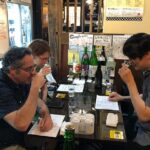
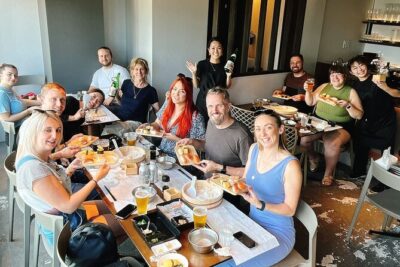
You meet in central Kanda Ogawamachi and sit down as a small group of six at a reclaimed Showa-era wood table. The host team answers questions in native English, plus Japanese and Chinese, so you can ask about what you are tasting, not just what you are drinking. If you hate the idea of trying multiple sakes in a row, you may find the pace a bit intense.
In This Review
- Key Points You Should Know Before You Go
- A Small-Group Sake Omakase in Central Tokyo
- Seven Japan-Exclusive Sakes, Four Courses, and Unlimited Refills
- How the Sommeliers Teach You to Taste (Eric, Aaron, Frank, Phillip)
- The Four Themed Courses: Learn Flavor, Not Just Preferences
- The Showa-Era Table and Designer Tasting Room Atmosphere
- Food Pairings That Actually Help You Taste Better
- Language Support: Ask Questions Without Guessing
- Duration, Group Size, and What That Means for Your Schedule
- Price and Value: What $79.52 Actually Buys You
- Who Should Book This Sake Omakase (and Who Might Skip It)
- Should You Book This Sake Omakase?
- FAQ
- How long is the sake omakase experience?
- How many sakes will I taste?
- Are refills included?
- What kinds of snacks are included?
- Who will host the tasting?
- How many people are in the group?
- Is alcohol allergy a concern?
- What is the cancellation window for a full refund?
Key Points You Should Know Before You Go
- 7 Japan-exclusive sakes served across 4 themed courses with unlimited refills
- Small group size (max 6) for real conversation, not a lecture
- Native English hosting, plus support in Japanese and Chinese
- A designed room built around a reclaimed Showa-era wood table
- Pairings include small bites like pickles, cheese, cured meats, and dessert
- The tasting themes teach practical flavor thinking (rice, temperature, herbs/spice, and vessel effects)
Counters and courses we sat at around Tokyo
- Sushi Making Tokyo Roll and Authentic Japanese Sushi Class
★ 5.0 · 3,971 reviews - Tokyo: Roll and Authentic Sushi Making Class in Asakusa
★ 4.9 · 1,957 reviews - Make Sushi and Create Unforgettable Memories in Tokyo
★ 5.0 · 1,413 reviews - Tokyo: Sushi Making Class in a Happi Coat near a Famous Spot
★ 4.9 · 1,377 reviews
A Small-Group Sake Omakase in Central Tokyo
If you want a Tokyo food moment that goes past checking off a bucket list, this sake tasting is built for understanding. You sit in a designer tasting room centered on a reclaimed wood table from a Showa-era building. It feels intentional, not touristy, and that matters because sake is all about nuance.
The group stays small, up to six people. That size keeps the vibe friendly and lets the hosts slow down when you want to ask, like why one pour tastes drier or more floral than the next.
Price-wise, it is $79.52 per person for about two hours. That is not cheap, but you are not just paying for drinks. You are paying for guided structure, seven distinct sake selections, and food pairing in a setting designed for tasting and comparing.
Seven Japan-Exclusive Sakes, Four Courses, and Unlimited Refills
The heart of the experience is simple: you taste seven sakes over four courses. Each course focuses on a theme, and refills are unlimited, served in a progression that encourages comparison instead of rushing through.
Here is why that format is so useful. With sake, your first sip can be misleading. Temperature, aroma, and even the glass shape can change what you perceive. Unlimited refills let you circle back and notice differences, which is exactly how you start finding your personal style.
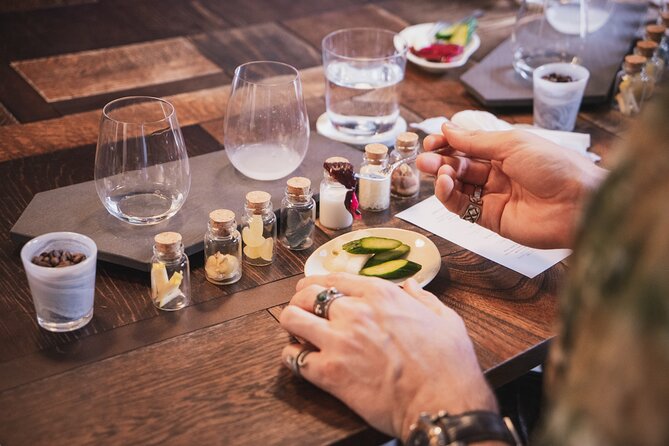
The menu also includes snacks with each course. Expect small bites designed to match the sake you are tasting. The included options mentioned include pickles, cheese, cured meats, and dessert, so you are not left eating plain bread between pours.
How the Sommeliers Teach You to Taste (Eric, Aaron, Frank, Phillip)
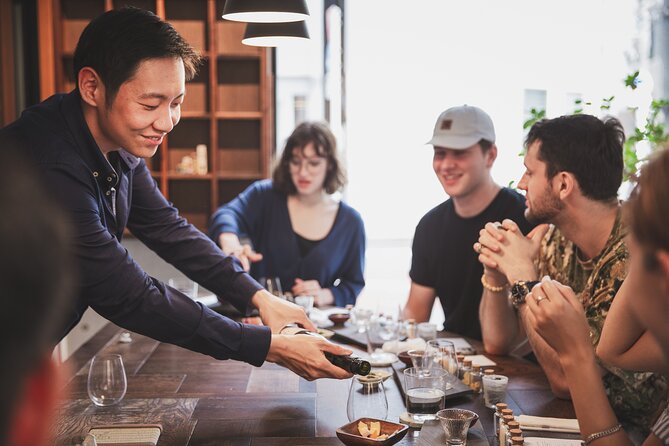
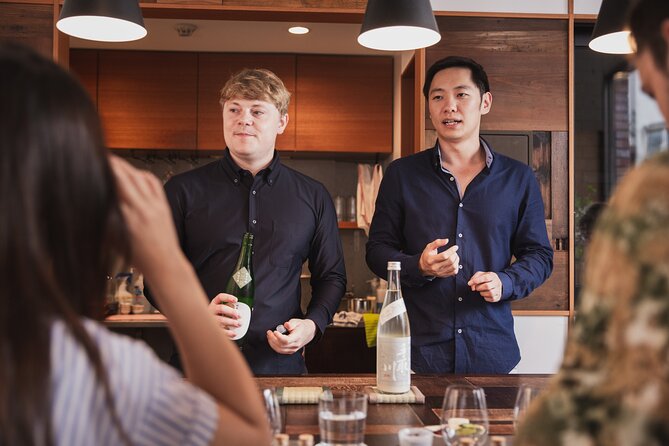
You get guided tasting from native English-speaking sommeliers with deep industry experience. The key word here is guided. They do not just announce what you are drinking. They help you figure out what to look for so you can remember it and repeat it later when you buy bottles on your own.
In the host lineup you will hear names like Eric, plus Aaron, Frank, and Phillip showing up in guest experiences. Across those names, the consistent theme is clear: the hosts explain the sake as you go, answer questions, and keep things easy to follow.
This is also where the experience becomes a real learning session. You are encouraged to talk about what you taste, and they respond with context, like how brewing choices affect flavor. If you already like sake but want to understand why, this is the kind of education that makes the bottle label feel less like mystery code.
Pour another. Breweries and tasting rooms nearby
- Ramen and Sushi Cooking Class with Sake Pairing Set in Tokyo★ 5.0 · 291 reviews
- Sake Tasting Masterclass in Shinjuku (8+ Varieties with a Pro)★ 5.0 · 271 reviews
- Sake Omakase in Tokyo: Guided Tasting by Certified Sommeliers★ 5.0 · 239 reviews
- Tasting All Types of Sake with Sommelier★ 5.0 · 151 reviews
- Wagyu & Sake Pairing in Shinjuku – Steak, Shabu-Shabu & More★ 5.0 · 112 reviews
The Four Themed Courses: Learn Flavor, Not Just Preferences
The tasting is built around themes that make sake easier to understand. Instead of random pours, each course is designed to highlight a specific factor in how sake tastes.
One theme is rice comparison. Rice differences can affect texture and flavor direction, so this course helps you notice how subtle changes can become real shifts on the palate. If you have ever thought sake all tastes the same, this is where that assumption usually starts to break.
Another theme focuses on sake at five different temperatures. Temperature changes aroma release, sweetness perception, and even how sharp or mellow a drink feels. Trying the same style at multiple temps trains your senses fast, and it is exactly the kind of skill that helps you order better back at your hotel or at a bar.
There is also a course with spice or herb infusions. That teaches you that sake is not always just clean and minimalist. When herbs and spices enter the picture, it can move toward savory, fragrant, or even gently aromatic notes.
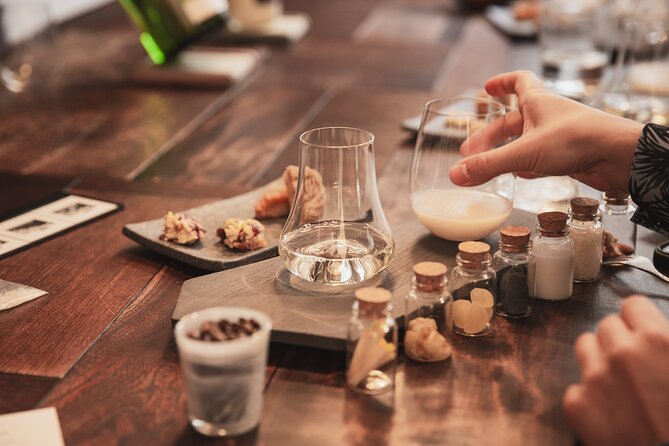
Finally, the tasting includes how the drinking vessel can influence taste. This is one of those details that sounds small until you notice it. Shape and material can affect aroma and how the first sip lands, so you learn that the glass matters, not just the bottle.
The Showa-Era Table and Designer Tasting Room Atmosphere
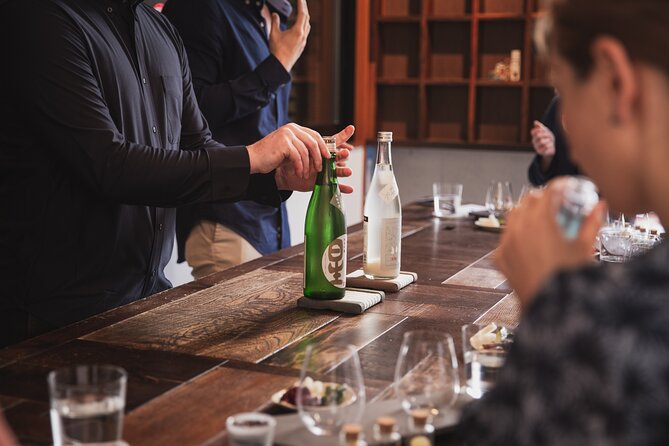
A lot of tastings happen in generic rooms. This one is different because the space is part of the design. The center point is a beautiful Showa-era wood table made from reclaimed material. That gives the room warmth and character, and it also cues you that this is meant to be a slow, careful experience.
The vibe is intimate and fun, and that matters with alcohol tastings. You want to feel comfortable asking basic questions, like how to tell if something is dry versus sweet. In a small group with a guided host, those questions feel normal.
Also, the tasting room setup supports comparison. You are sitting in one place for multiple courses, and the pacing lets you remember what you tasted earlier. That is when a tasting becomes education instead of a blur.
Food Pairings That Actually Help You Taste Better
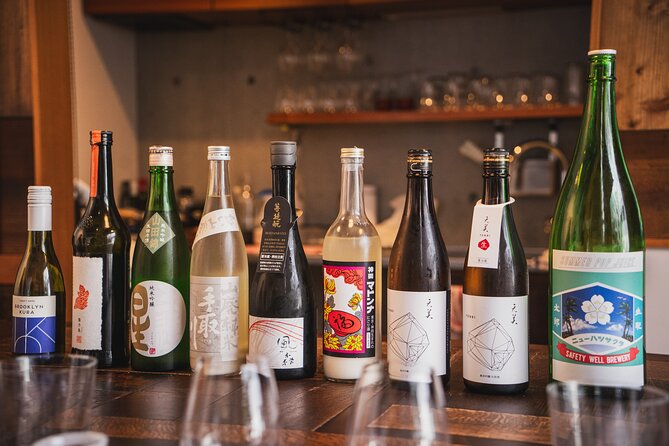
Sake and food pairing is where many tastings get weak. Either there is not enough food, or the snacks feel like an afterthought. Here, snacks are included with each course and designed to enhance the sake.
The small-bite menu examples include pickles, cheese, cured meats, and dessert. That mix is smart because it covers multiple flavor styles:
- Pickles can cut through and brighten the palate.
- Cheese and cured meats add savory depth that helps you notice sweetness, texture, and finish.
- Dessert gives you a final chance to study how the sake reads when your taste buds are shifting toward something sweet.
A practical tip from the spirit of how these tastings are talked about: if you tend to get lightheaded with alcohol, eat a bit beforehand so you start comfortable. The pacing includes refills, and you want your focus to stay on tasting, not on feeling off-balance.
Language Support: Ask Questions Without Guessing
One of the most practical advantages is the language setup. You get guidance in native English, and the sommeliers can also work with Japanese and Chinese. That means you can ask about what you taste without turning your question into a complicated hand gesture.
For many visitors, sake is full of terms they have heard but not understood. Here, the hosts answer your questions directly and help you connect flavor to process, like how sake-making choices lead to what you taste in the glass.
If you are traveling with someone who reads limited Japanese, this language flexibility can make the difference between enjoying the tasting and feeling left out.
Duration, Group Size, and What That Means for Your Schedule
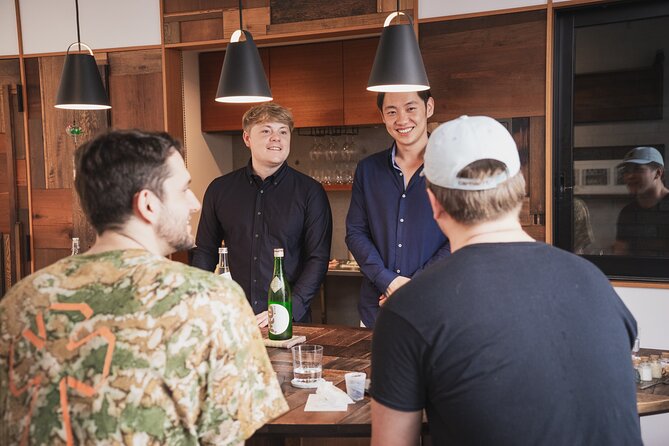
The session runs about two hours. In Tokyo, that is a sweet spot. Long enough to taste multiple sakes and get explanations, short enough that you can still do dinner plans afterward.
The group cap is six, which also changes the rhythm. You are not competing for attention, and you are less likely to get rushed through explanations. If you like your experiences paced, that is a win.
You also receive a mobile ticket, which makes it easy to show up without extra hassle. Just plan to arrive a few minutes early so you can settle in before the tasting begins.
Price and Value: What $79.52 Actually Buys You
At $79.52 per person, you are paying for a structured learning experience, not just alcohol. Your ticket includes seven sake varieties across four courses, plus snacks at each stage. Unlimited refills also matter. They give you time to compare and refine what you like.
Now, sake tastings vary a lot in quality. The best ones teach you something you can use. This format does that through its themes: rice comparison, multiple temperatures, spice or herb infusions, and vessel effects. Those are transferable skills.
If you are the kind of traveler who likes to understand what you are eating and drinking, this is closer to a guided class than a casual pub crawl. You will likely walk away with enough confidence to order sake more intentionally later.
Who Should Book This Sake Omakase (and Who Might Skip It)
This experience fits best if you:
- Want a focused sake tasting Tokyo experience with real guidance
- Like small-group activities where you can ask questions
- Enjoy learning how temperature and pairing change what you taste
- Already enjoy sake and want deeper understanding of your preferences
You might want to skip or reconsider if:
- You have an alcohol allergy. This experience is not recommended for that.
- You dislike tastings with multiple pours in sequence.
- You prefer purely casual food and drink without structured explanations.
If you are celebrating something, going on a couple-style outing, or just want a memorable evening with a skill payoff, the combination of setting and expert-led tasting is a strong match.
Should You Book This Sake Omakase?
If you want to feel smarter about sake, this is a very strong choice. The format lines up well: seven Japan-exclusive selections, four themed courses, food pairings each step of the way, and unlimited refills so you can compare instead of guess.
My practical recommendation: book it if you are curious, even if your sake experience is limited. The tasting is designed to turn first impressions into clear flavor understanding. If you hate alcohol-based activities, or you need to avoid alcohol entirely, then it is not the right fit.
FAQ
How long is the sake omakase experience?
It runs for about 2 hours.
How many sakes will I taste?
You will taste 7 varieties of sake across 4 themed courses.
Are refills included?
Yes. The sake is served with unlimited refills over the 4-course progression.
What kinds of snacks are included?
Small bites are included with each course. Examples listed include pickles, cheeses, cured meats, and dessert.
Who will host the tasting?
Native English-speaking sommeliers host the tasting. They also provide guidance in Japanese and Chinese.
How many people are in the group?
The experience has a maximum of 6 travelers.
Is alcohol allergy a concern?
It is not recommended for travelers with an alcohol allergy.
What is the cancellation window for a full refund?
Free cancellation is available. You can cancel up to 24 hours in advance for a full refund.
Cups, Cellars and Tasting Rooms

Counters and Courses


Newest Tokyo write-ups from the Loving Japan desk


Sushi and Sashimi Experiences, side by side.
 ★ 5.0Sushi Making Tokyo Roll and Authentic Japanese Sushi ClassFrom $593,971 reviews
 ★ 4.9Roll and Authentic Sushi Making Class in AsakusaFrom $581,957 reviews
 ★ 5.0Make Sushi and Create Unforgettable Memories in TokyoFrom $791,413 reviews
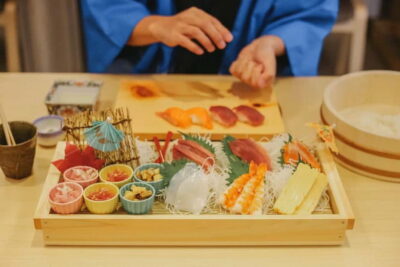 ★ 4.9Sushi Making Class in a Happi Coat near a Famous SpotFrom $421,377 reviews
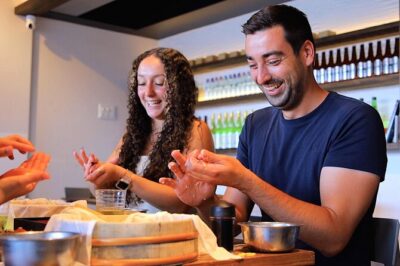 ★ 5.0Sushi Making Osaka Roll and Authentic Japanese Sushi ClassFrom $311,220 reviews
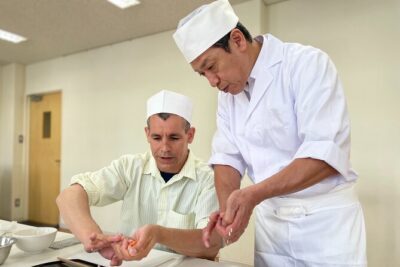 ★ 5.0Tokyo Sushi Making Class in Tsukiji with Professional ChefFrom $491,177 reviews
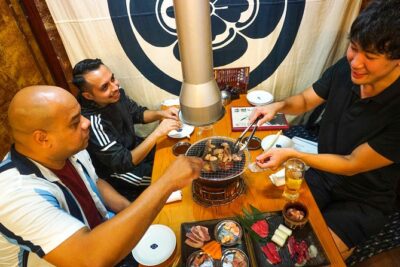 ★ 5.0Tokyo Night Foodie Tour in Shinjuku – Seasonal Sushi, Wagyu BeefFrom $1111,161 reviews
 ★ 5.0Tsukiji Fish Market Guided Tour and Sushi Making with Pro ChefFrom $104775 reviews