
REVIEW · JAPANESE COOKING CLASSES
Ramen and Sushi Cooking Class with Sake Pairing Set in Tokyo
Tokyo food classes are usually loud and rushed.
This one runs in a small group, so you get real hands-on guidance while learning sushi and making ramen broth from scratch. I like that the instructors also share the why behind the techniques, including stories you can actually use when you cook at home. You’ll also get a sake pairing set designed to match what you make, which turns dinner into a learning experience, not just a meal.
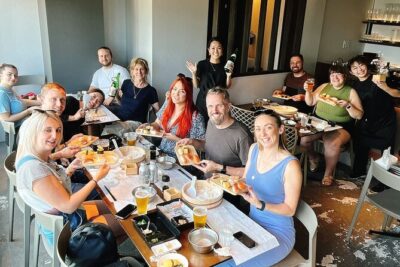
Two things I especially like are the close instruction (maximum eight people) and the relaxed, friendly tone reported in many 5-star reviews. You can ask questions without waiting your turn, and the vibe feels more like cooking with a capable friend than taking a lecture. One consideration: it is a 3-hour class, so you will learn a lot, but you might not master every step perfectly on your first try, especially if sushi is brand new for you.
In This Review
- Key highlights you should care about
- Small group cooking in Tsukishima, where you actually get taught
- Getting there and fitting 3 hours into your Tokyo day
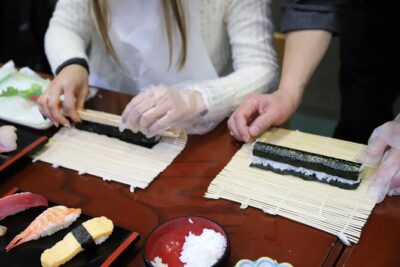
- Sushi station: rolling technique, rice reality, and fast corrections
- Ramen broth from scratch: the lesson behind the taste
- Sake pairing set: tasting as a cooking skill
- The meal and the story behind each dish
- What you’ll take home, and what needs practice
- Price and value for $79.59 in Tokyo
- Who this class suits best
- Quick practical tips before you go
- Should you book this Tokyo ramen and sushi class?
- FAQ
- How long is the ramen and sushi cooking class?
- What is included in the $79.59 per person price?
- Is hotel pickup or drop-off included?
- What is the group size?
- Where do I meet, and where does the tour end?
- How do I get the ticket?
- Is the class offered in English?
- What is the cancellation policy?
Key highlights you should care about
- Max 8 people means close coaching, not stand-back-and-watch instruction
- Sushi plus ramen broth from scratch in the same 3-hour block (time-saver for your Tokyo trip)
- Sake pairing set that’s chosen to complement your dishes, so you know what to notice
- English-speaking instructor and a warm, welcoming staff, including names like Sato, Ryushi, Kaori, Alex, and Taka
- A quiz-style break that helps you remember sushi and ramen facts while you cook
Cook it yourself instead. Other kitchens in Tokyo
- Tokyo: Roll and Authentic Sushi Making Class in Asakusa
★ 4.9 · 1,957 reviews - Tokyo: Sushi Making Class in a Happi Coat near a Famous Spot
★ 4.9 · 1,377 reviews - Tokyo Sushi Making Class in Tsukiji with Professional Chef
★ 5.0 · 1,177 reviews - Ramen & Gyoza Cooking Class in Tokyo with Local Supermarket Visit
★ 5.0 · 823 reviews
Small group cooking in Tsukishima, where you actually get taught
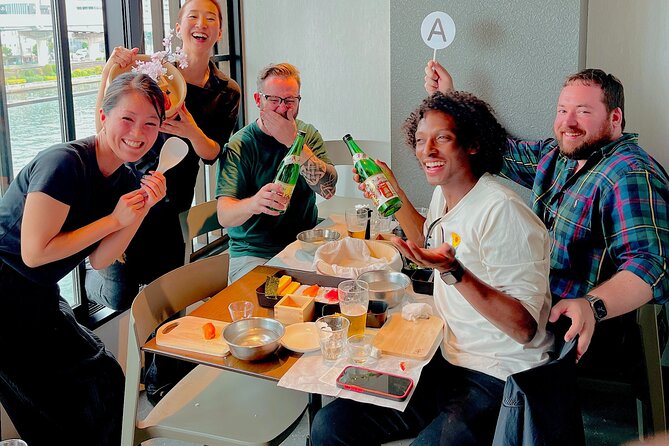
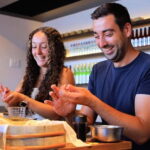
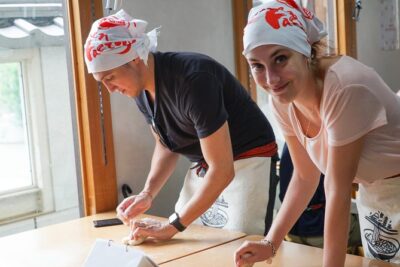
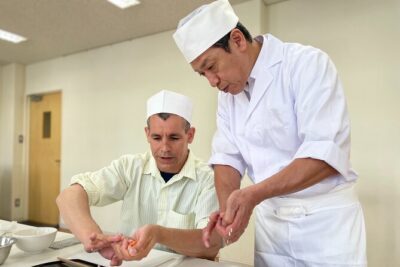
The biggest reason this class earns a near-perfect recommendation score is simple: it stays small. With a maximum group size of eight, the instructor can correct your grip, adjust your pace, and help you avoid the common home-cook traps. In larger classes, you can end up learning by observation. Here, you learn by doing, with your hands on the tools and your eyes on the instructor’s method.
I also appreciate the tone. Multiple reviews highlight hosts who make people feel comfortable right away, including friendly instructors named Sato, Ryushi, Kaori, Alex, and Taka. That matters because sushi can feel intimidating at home. When you’re calm, you can focus on details like rice texture, rolling pressure, and knife control.
The meeting point is in Tokyo’s Chuo City, Tsukishima area, at 2-chōme 13-5 HAUS Tsukishima (Japan, 104-0051). It is near public transportation, and you get a mobile ticket. No hotel pickup and drop-off is included, so you’ll want to plan to get there on your own.
Getting there and fitting 3 hours into your Tokyo day
This is a compact experience, about 3 hours. That’s a good length for Tokyo because it fits between sightseeing blocks without eating your whole evening. You start at the meeting point in Tsukishima, and the class ends back at the same location.
What you should plan for:
- Bring a bit of curiosity and a willingness to be corrected. This class works best when you treat it like practice.
- If you’re combining it with other plans, aim for a buffer before and after. You’ll be eating what you cook, so you might not want to rush to dinner right after.
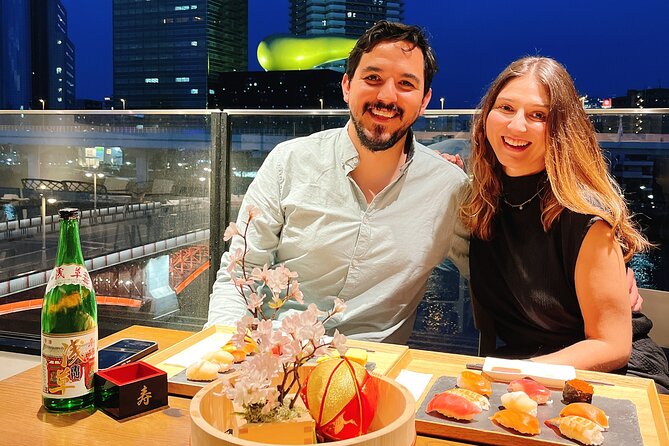
From the reviews, the setting can include a river view, which makes the whole thing feel extra pleasant. Even if you are not a view-chaser, it’s still a nice reminder that cooking classes can be more than “inside a room and done.”
Sushi station: rolling technique, rice reality, and fast corrections
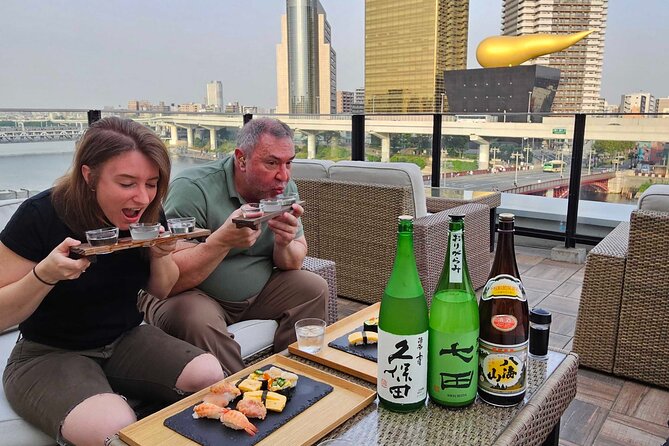
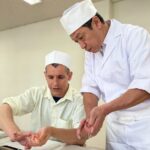
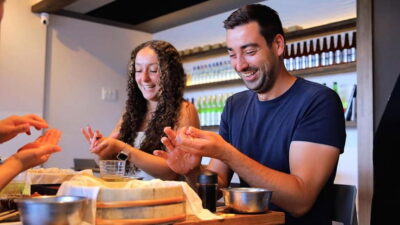
Sushi is the part that tends to confuse people at home. Reviews mention that YouTube helped only to a point, then frustration kicked in. The difference here is that the instructor can guide you in real time, which is how sushi becomes understandable.
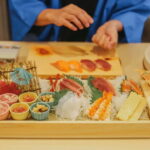
In the class, you craft sushi yourself, and you get professional tips and tricks meant for home cooks. That’s important. Many cooking classes teach restaurant style but skip the practical adjustments. Here, the goal is that you learn methods you can repeat later, whether you’re making maki at home or trying a similar texture next time.
Because the group is small, you’re not stuck waiting for help while your rice is already cooling. Your instructor can:
- show you what the rice should look and feel like as you work
- help with how to spread filling without overloading
- coach your rolling so it holds together instead of cracking or loosening
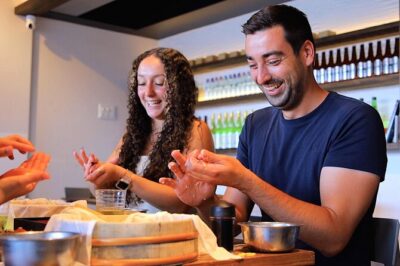
One extra thing you’ll probably notice, based on the reviews: the staff’s humor and patience make sushi less stressful. People explicitly mention laughs and a comfortable atmosphere. That reduces the pressure, and that helps your hands learn faster.
Counters and courses we sat at around Tokyo
- Sushi Making Tokyo Roll and Authentic Japanese Sushi Class★ 5.0 · 3,971 reviews
- Make Sushi and Create Unforgettable Memories in Tokyo★ 5.0 · 1,413 reviews
- Tokyo: Sushi Making Class in a Happi Coat near a Famous Spot★ 4.9 · 1,377 reviews
- Tokyo Sushi Making Class in Tsukiji with Professional Chef★ 5.0 · 1,177 reviews
- Tokyo Night Foodie Tour in Shinjuku – Seasonal Sushi, Wagyu Beef★ 5.0 · 1,161 reviews
Ramen broth from scratch: the lesson behind the taste
Ramen is the other half of the class, and the most valuable part for many people is that you brew the broth from scratch. This is where Japanese cooking lessons become genuinely useful later. Store-bought broth can get you close to a comfort-food result, but it doesn’t teach you what drives flavor.
From the description and the way the experience is talked about, the class connects technique to outcome. You aren’t just mixing ingredients and hoping. You learn how to make savory ramen broth using professional guidance, and you see how the broth’s character changes based on the cooking process.
One review notes that the ramen portion can be less hands-on than the sushi. That doesn’t mean you do nothing. It usually means some parts require steady timing and careful heat, so the instructor handles more of the high-control work while you take the role of customization and assembly.
If you like variety, this is also a good sign. The same review set mentions ramen elements that feel more customizable. In other words, you’ll likely learn the base and then have input into how your final bowl looks and tastes.
Also, pay attention to the details that people repeatedly celebrate. One review singled out pork belly as a standout in the ramen they made. Whether that’s a consistent highlight or a one-off ingredient choice, toppings like that are often where a broth-focused meal turns into something satisfying and complete.
Sake pairing set: tasting as a cooking skill
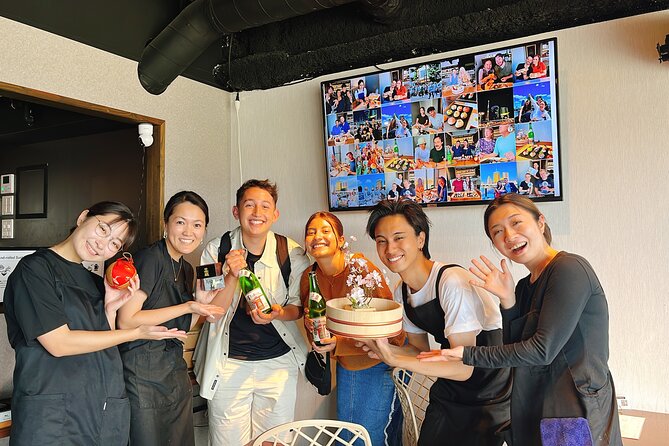
Sake can sound intimidating. It is not. This class gives you a sake pairing set, with drinks selected to complement what you cook. That pairing idea is the key. Instead of treating sake like an afterthought, the class links flavor to food.
You can expect a tasting experience where you learn how to notice:
- how aroma shifts when paired with savory, fatty, or vinegary notes
- how the feel of sake can change your perception of broth and rice
- what a good match tastes like, not just what it is called
Many reviews call out the sake as top notch and smooth, and some mention that there were good choices. That lines up with the class promise that the sake is carefully selected. If you like learning through your mouth, this part is often the most memorable.
And because it is included, you can enjoy it without turning the experience into a second expense. Just remember it’s a cooking class, so your tasting should still keep you focused while you work.
The meal and the story behind each dish
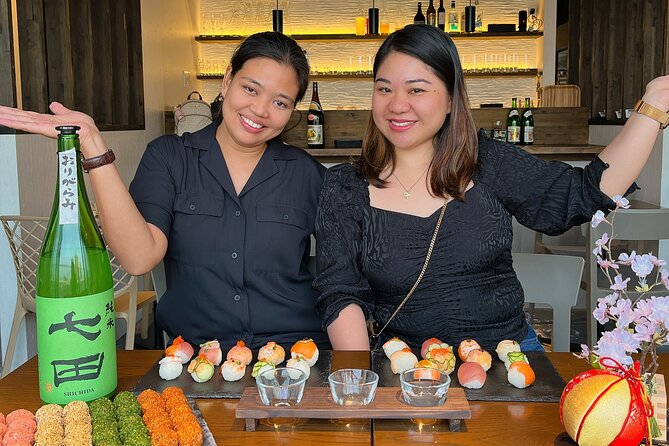
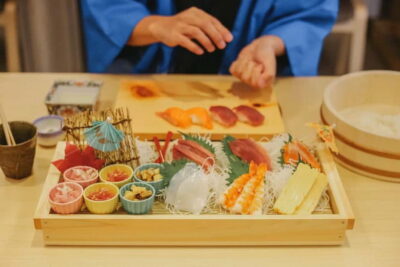
After you cook, you eat what you make. That sounds obvious, but it matters because cooking classes often stop at the workshop stage. Here, you get to connect the steps to the final bite, so you know what to repeat at home.
The class also includes deep insights into Japanese culinary culture, with stories behind the dishes. In practice, these stories act like memory anchors. When you learn the why behind a technique, you are less likely to forget how you did it.
There’s also mention of a fun quiz about history and facts of sushi and ramen. I like that approach because it keeps the mood light while still reinforcing the details. If you enjoy facts, you’ll leave with more than a full stomach.
One more thing that makes the meal feel special is the small-group setting. When there are only a handful of you, people can talk more naturally about what they’re making, and the instructors can help you adjust based on what you see other cooks do.
What you’ll take home, and what needs practice
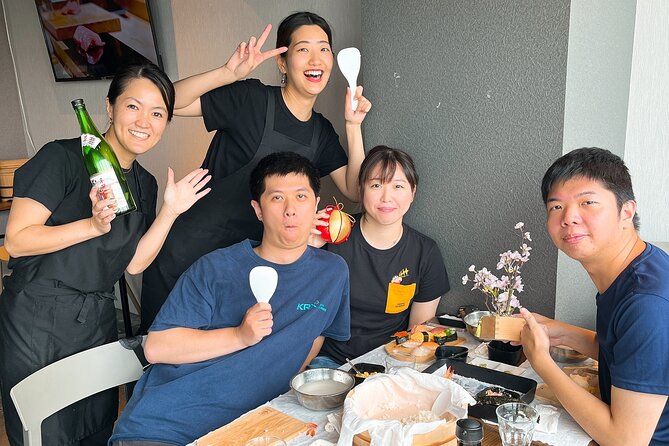
This class is designed for home cooking. That means it aims to teach techniques you can reproduce, but you should still treat sushi like a skill. Even when you do everything right, your first few attempts at home might not look perfect.
Here’s what you can reasonably expect to learn:
- Sushi basics with clear instruction on rolling and assembly
- Ramen broth-making fundamentals, so you understand the flavor foundation rather than relying only on shortcuts
- How sake pairing works, which gives you a new way to think about flavor balance
What might take practice:
- Sushi rice texture and timing can be tricky until you learn your own kitchen pace
- Rolling pressure is personal, and your first rolls might need a few tries to look clean
- Ramen customization depends on ingredient prep and how you assemble your bowl
The value of this class is that it gives you a starting point that feels correct. Reviews mention people going from frustration to understanding, especially when learning sushi at home. That is exactly what you should want: clarity, not confusion.
Price and value for $79.59 in Tokyo
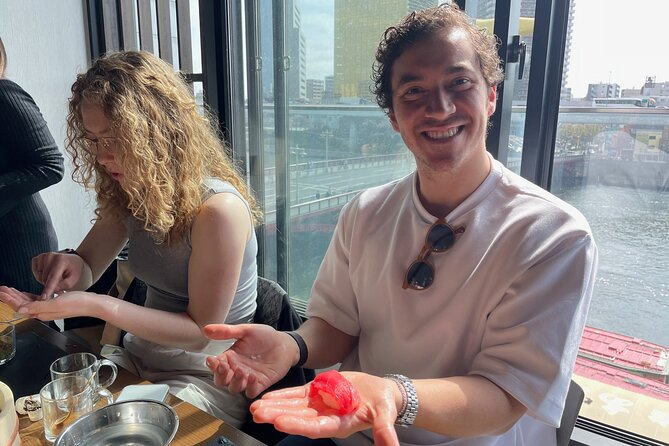
At $79.59 per person for about 3 hours, this is not a bargain-priced street-food experience. But it is also not a luxury-only class. It sits in the mid-range, and the math works because the essentials are included.
Included items:
- English speaking instructor
- Ingredients of cooking class and meal
- All drink
Not included:
- Hotel pickup and drop-off
Value check:
- You’re paying for expert guidance, not just ingredients. Small group size and real coaching are the core value.
- You get to make two major items, sushi and ramen broth, then eat what you create. That’s more than a single-dish class.
- Drinks are included, and the sake pairing set adds a meaningful experience you might otherwise have to pay for separately.
If you’re already spending time in central Tokyo and want a hands-on food lesson that ends in a full meal, this price can feel fair. If you’re purely budget-focused, you might skip it and cook from a book later. But if you want a guided experience with high satisfaction, the reviews’ near-perfect rating makes a strong case.
Who this class suits best
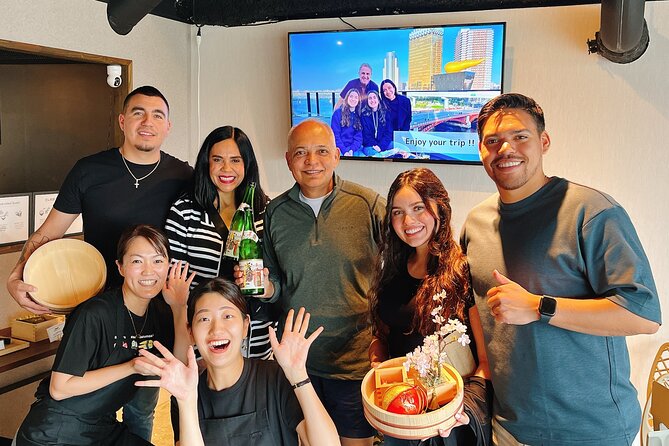
This class is a great match if you:
- want hands-on cooking, not just watching
- want to learn sushi without feeling stuck on beginner mistakes
- care about flavor structure, especially with ramen broth
- enjoy Japanese culture through food stories and quick quizzes
- want a social experience that still feels personal, thanks to the maximum eight-person group
It also fits couples and small groups, because reviews mention very small groups like two people plus their partner, which means more attention. If you hate being crowded during activities, this format is a plus.
If you have never cooked sushi before, you’ll still be fine. The class is built for learning. If you already know some basics, you’ll likely appreciate the professional tips and the chance to compare your approach to how Japanese instructors teach it.
Quick practical tips before you go
These are small things, but they make the class smoother.
- Wear clothes you don’t mind getting splashed or lightly stained. Cooking is cooking.
- Show up a few minutes early. You start at the meeting point in Tsukishima, and the class is only about 3 hours.
- If sushi has stressed you out before, reset your expectations. The goal here is technique and understanding, not perfection.
- When tasting sake, slow down. Pairing works best when you pay attention to changes rather than rushing through drinks.
- Ask questions while you still have your ingredients in front of you. The instructor guidance is the whole point of the small-group format.
Should you book this Tokyo ramen and sushi class?
Book it if you want a guided, friendly experience that teaches practical sushi skills and ramen broth fundamentals in a short time window. The combination of small group instruction, hands-on cooking, included meal and drinks, and a sake pairing set adds up to good value, especially given how consistently it’s rated 5 stars.
Skip it only if you want something purely beginner-free with zero coaching, or if you’re strongly price-sensitive and would rather learn through cheaper self-guided options. This class rewards effort, curiosity, and participation.
If you’re the type of traveler who wants one memorable day of Japanese food you can recreate later, this is the kind of class that can stick with you long after you’ve left Tokyo.
FAQ
How long is the ramen and sushi cooking class?
It runs for about 3 hours.
What is included in the $79.59 per person price?
The price includes an English speaking instructor, the ingredients for the class and meal, and all drinks.
Is hotel pickup or drop-off included?
No, hotel pickup and drop-off are not included.
What is the group size?
The class has a maximum of 8 travelers.
Where do I meet, and where does the tour end?
You meet at Japan, 104-0051 Tokyo, Chuo City, Tsukuda, 2-chōme 13-5 HAUS Tsukishima, and the activity ends back at the same meeting point.
How do I get the ticket?
You receive a mobile ticket.
Is the class offered in English?
Yes, the instructor is English speaking.
What is the cancellation policy?
You can cancel for a full refund if you cancel at least 24 hours in advance of the experience start time. If you cancel within 24 hours, the amount paid is not refunded.
Counters and Courses


Kitchens You Can Book Into

Newest Tokyo write-ups from the Loving Japan desk



Japanese Cooking Classes, side by side.
 ★ 5.0Sushi Making Tokyo Roll and Authentic Japanese Sushi ClassFrom $593,971 reviews
 ★ 4.9Roll and Authentic Sushi Making Class in AsakusaFrom $581,957 reviews
 ★ 5.0Ramen Cooking Class at Ramen Factory in KyotoFrom $1311,937 reviews
 ★ 4.9Sushi Making Class in a Happi Coat near a Famous SpotFrom $421,377 reviews
 ★ 5.0Sushi Making Osaka Roll and Authentic Japanese Sushi ClassFrom $311,220 reviews
 ★ 5.0Tokyo Sushi Making Class in Tsukiji with Professional ChefFrom $491,177 reviews
 ★ 5.0Ramen & Gyoza Cooking Class in Tokyo with Local Supermarket VisitFrom $122823 reviews
 ★ 5.0Tsukiji Fish Market Guided Tour and Sushi Making with Pro ChefFrom $104775 reviews