
REVIEW · HIROSHIMA AND MIYAJIMA DAY TRIPS
The Journey of Hiroshima from Tragedy to Peace
Hiroshima tells its story in stone. This guided walking tour in Hiroshima Peace Memorial Park connects key sites like the Atomic Bomb Dome to the human reality before, during, and after the WWII bombing. The guide is a professional with a degree in Peace Studies, so you get context, not just a list of landmarks.
I especially like how the route tracks compassion and accountability through memorial art, from the Mother and Baby in Storm statue to the Peace Cenotaph and its roll of victims’ names. I also like the tour’s focus on peace building, with moments like the Flame of Peace that turns a memorial stop into a lasting promise.
One drawback to plan for: it’s emotionally intense and it’s a walking tour, so it’s not suitable for people with mobility impairments and no food is included, meaning you’ll want to eat before you go.
In This Review
- Key highlights worth your time
- Hiroshima’s Peace Memorial Park, and why this walk matters
- Meeting at the Gates of Peace, then getting the pace right
- Mother and Baby in Storm, then Dr. Marcel Junod: the human story first
- Norman Cousins, the Peace Cenotaph, and the Flame of Peace promise
- Hiroshima National Peace Memorial Hall: what the archive adds
- Survival stories at 170 meters, plus resilience without sugarcoating
- Children’s Monument and the Korean Monument: widening the circle of memory
- Peace Bell to Atomic Bomb Dome, then the hypocenter moment of quiet
- Price and value: about $30 for a focused, guided memorial route
- Who should book this tour, and who should skip it
- Should you book Peace Walk Hiroshima?
- FAQ
- What does the Hiroshima Peace Memorial Park tour include?
- Is museum entrance included?
- Where do I meet the guide?
- How much does it cost?
- What language is the tour offered in?
- Is it suitable for people with mobility impairments?
- Can I cancel for a refund?
Key highlights worth your time
- Gates of Peace meet-up: an easy start point, right where the memorial grounds begin.
- Multiple memorial perspectives: not only the Dome, but also victims, children, and Korean victims of the bombing.
- The story behind the symbols: paper cranes, the peace bell, and the Flame of Peace all have clear meanings.
- A reflective ending at the hypocenter: you finish at the point directly under the explosion for quiet processing.
- Guides who explain and answer: the best tours here slow down for questions and photos without rushing.
Pairing the city with Miyajima. Other itineraries
- Hiroshima: Hiroshima and Miyajima UNESCO Sites 1-Day Tour
★ 4.9 · 2,330 reviews - Hiroshima / Miyajima Full-day Private Tour with Government Licensed Guide
★ 5.0 · 1,298 reviews - Hiroshima Historical Walking Tour – Why A-Bomb was Dropped
★ 4.8 · 893 reviews - Hiroshima Peace (Heiwa) Walking Tour at World Heritage Sites
★ 5.0 · 872 reviews
Hiroshima’s Peace Memorial Park, and why this walk matters
Hiroshima is one of those places where you can’t really “power through” the sites on your own. The park is spread out, and without guidance it’s easy to miss the connections between monuments. On this tour, you’re guided through a sequence that helps you understand Hiroshima as a city, not just an event.
What I like is that the tour doesn’t treat the Atomic Bomb Dome as the whole story. You’ll learn what Hiroshima was like before the bombing, what happened during, and what the city faced afterward, using monuments as your guideposts. That matters because the tragedy is real, but the message is also about endurance, responsibility, and peace.
You’ll also feel the difference between seeing a memorial and actually being guided through it. When a stop includes a specific humanitarian or peace advocate, you start to understand why people chose those symbols, and why the park is arranged the way it is. It turns a walk into a guided lesson in how communities remember and rebuild.
Meeting at the Gates of Peace, then getting the pace right
The tour starts at The Gates of Peace, right in front of the Italian restaurant Mario. That’s a practical detail because you can find the meeting point without guessing, and you can arrive on foot with confidence.
From there, you’ll move through the park in a group. The pacing is designed to be human, not sprint-like. You’ll have time for photos and discussion, and you won’t feel trapped in a one-way line. One review also noted that an afternoon departure around 4:30 pm can help you escape the worst heat, which is a nice real-world tip if you’re visiting in warmer months.
Because this is a walking tour, wear shoes you trust. The park paths can feel long when you’re stopping often to absorb what you’re seeing. If you’re the type who needs frequent breaks to reset mentally, plan for that too. Some stops land emotionally, and it’s normal to want a moment before you move on.
Mother and Baby in Storm, then Dr. Marcel Junod: the human story first
Your first major stop is the Mother and Baby in Storm statue. It’s easy to look at it and move on, but with a good guide you start to feel what the statue is saying. It represents care and compassion in the aftermath, when survival depended on help as much as luck.
Next, you’ll visit the Dr. Marcel Junod Memorial. Junod was a Swiss physician, and the memorial is there for a reason: it honors a humanitarian who became a hero after the bombing. That detail is important because it shifts the narrative from destruction to the way individuals respond under crisis. You stop thinking only about the blast, and you start thinking about rescue, triage, and the moral choices people made in the chaos.
This portion of the tour is where many visitors feel the emotional weight most. The good news is the guide structure keeps you from getting lost. You’re not just watching a monument, you’re being taught what it means and how it fits into the larger story of Hiroshima’s recovery.
- Hiroshima Peace (Heiwa) Walking Tour at World Heritage Sites★ 5.0 · 872 reviews
- Hiroshima in a Nutshell: Morning Bike Adventure★ 5.0 · 524 reviews
- Hiroshima City 4hr Private Walking Tour with Licensed Guide★ 5.0 · 437 reviews
- From Hiroshima: Hiroshima & Miyajima 1 Day Tour with Lunch★ 4.7 · 395 reviews
- Japanesel Archery Experience HIROSHIMA CASTLE SHARAKU★ 5.0 · 387 reviews
Norman Cousins, the Peace Cenotaph, and the Flame of Peace promise
Then the tour moves into peace advocacy. You’ll stop at the Norman Cousins Peace Memorial, tied to the American author and peace activist who advocated for nuclear disarmament. It’s a reminder that peace work has names, writings, and advocacy, not just slogans.
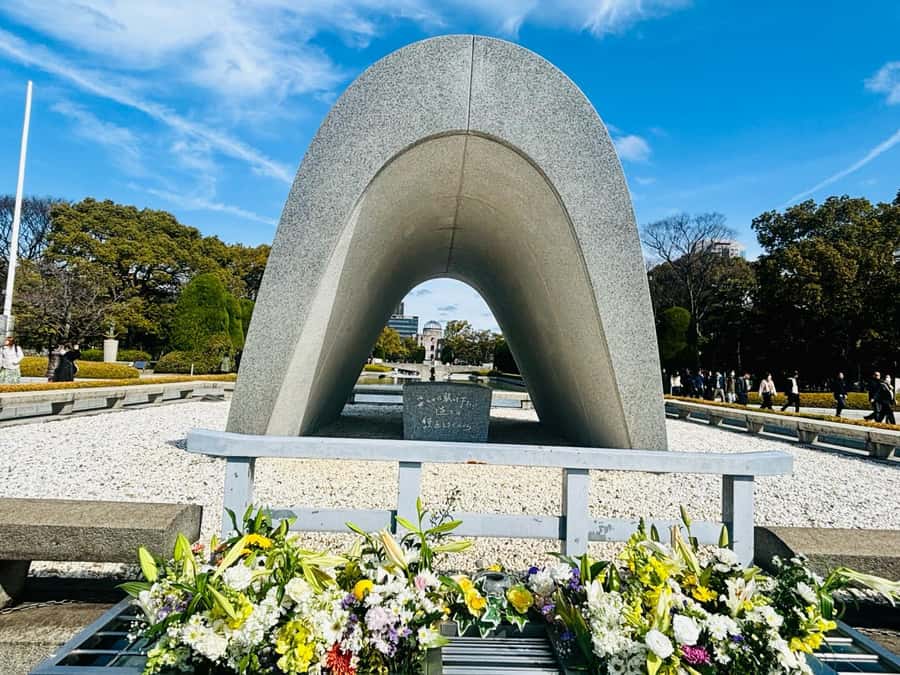
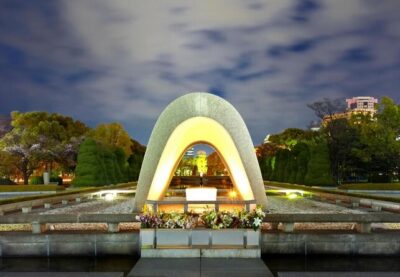
Your next big emotional stop is the Peace Cenotaph. This curved stone structure holds the names of atomic bomb victims. Inside, the memorial keeps the human scale present, and the effect is different from seeing an empty monument. It makes remembrance personal, not abstract.
Right after that you’ll be introduced to the Flame of Peace. The eternal flame is more than symbolism. It’s a promise that it will remain lit until the last nuclear weapon is eliminated from the earth. Hearing that explained while standing at the flame makes the idea feel concrete, like a commitment rather than a slogan.
This section works well because it bridges two things most people struggle with at once: grief and responsibility. You can mourn what happened and still think about what must not happen again.
Hiroshima National Peace Memorial Hall: what the archive adds
After the cenotaph and peace flame, you’ll visit the Hiroshima National Peace Memorial Hall for the Atomic Bomb Victims. This stop matters because it shifts from open-air memorials to archival storytelling.
The hall houses an extensive archive and serves as a memorial to those who lost their lives, including insights into their stories and experiences before the bombing. That’s a huge difference. When you only see the moment of destruction, it’s harder to picture the lives that existed beforehand. Here, the tour gives you a way to imagine those lives more fully.
Important practical note: the tour includes the hall as a stop, but entrance to the museum is not included. So if you plan to go inside and read or watch everything you can, budget for that separately. If you’re trying to control costs, you can still benefit from the guided stop without treating every interior exhibit as mandatory.
This is also where your guide’s Peace Studies background shows. The framing is about understanding harm, accountability, and the value of memory, rather than just historical dates.
Survival stories at 170 meters, plus resilience without sugarcoating
One of the most memorable stops is at the Hiroshima Peace Park Rest House, where you’ll learn about the survival of a resident who was just 170 meters from the hypocenter during the explosion. That distance detail makes the scale of the blast feel less like a concept and more like a location you can grasp.
The point of including this story is not to soften anything. It’s to show resilience in a way that feels real, not Hollywood. The guide focuses on the incredible survival and the human capacity to endure and rebuild after unimaginable adversity.
In a tour like this, you might wonder whether you’re moving too fast from one heavy topic to the next. This stop helps because it’s specific. Instead of only general suffering, you get a measured story tied to a distance and a place, which makes it easier for your brain to hold onto the information.
It’s also a reminder that the bombing’s impact was immediate, but recovery was long and uneven. You end this section feeling both the trauma and the determination.
Children’s Monument and the Korean Monument: widening the circle of memory
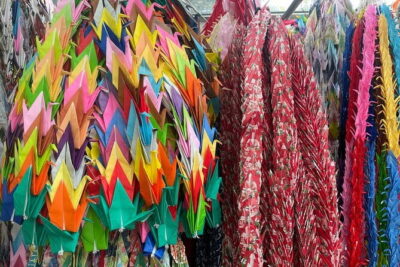
The tour includes the Children’s Monument, dedicated to Sadako Sasaki and other children affected by the atomic bomb. Sadako’s story is linked with paper cranes, and you’ll see colorful crane displays used as a symbol of peace and hope for a world free of nuclear weapons.
This part of the walk is powerful because children’s memorials force you to confront what conflict steals that is not recoverable. You’re not only learning about military history. You’re learning about disrupted futures.
Next is the Korean Monument, honoring Korean victims of the bombing. Including this stop matters because it acknowledges that Hiroshima’s suffering was not limited to one nationality or one storyline. The guide also connects the Korean Monument to the shared narrative of Hiroshima, with emphasis on peace and reconciliation.
When the tour gives equal attention to these memorials, you get a fuller understanding of the human cost. It’s easier to see how peace efforts have to be broad and honest, or they become empty.
Peace Bell to Atomic Bomb Dome, then the hypocenter moment of quiet
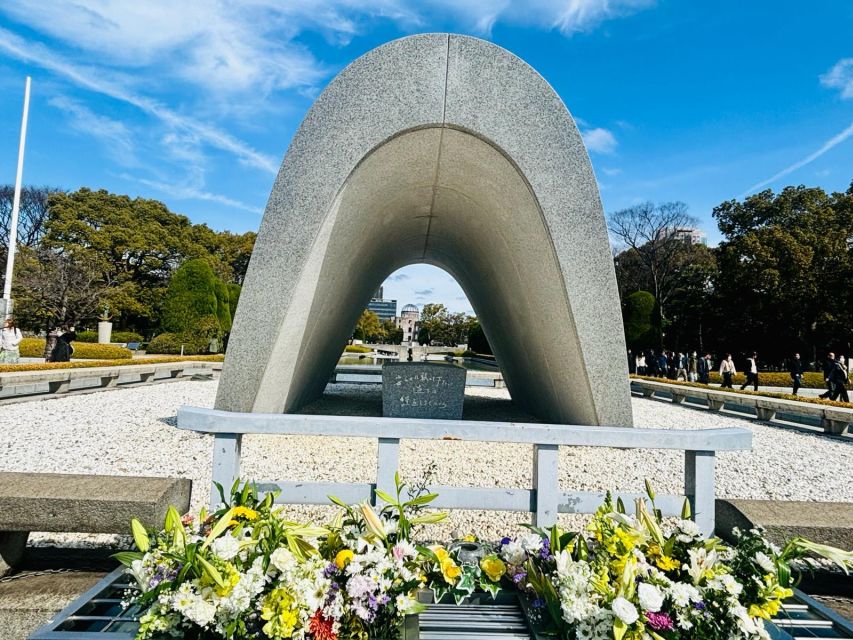
As you continue, you’ll stop by the Peace Bell. Visitors are invited to ring it in remembrance, which gives the group a small ritual moment. One person might call it just a bell, but with the guide framing it as a collective call for peace, the action becomes part of the experience, not a random tourist photo.
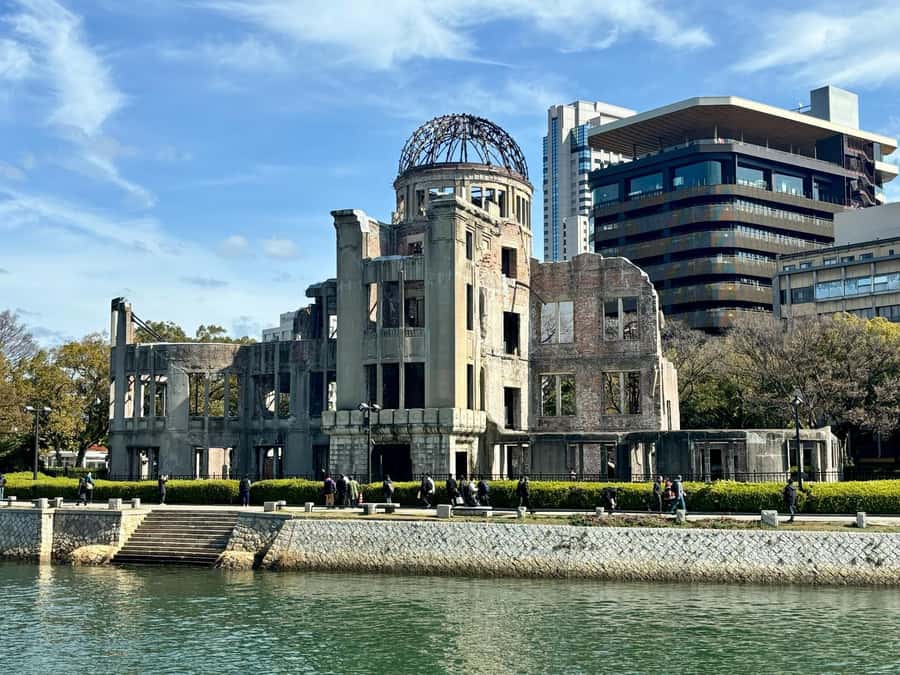
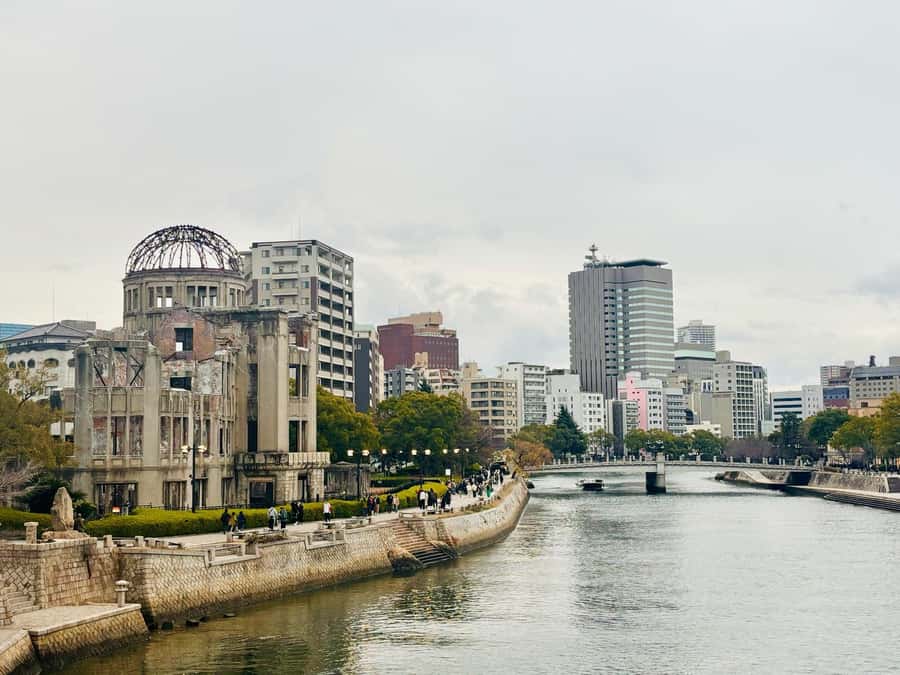
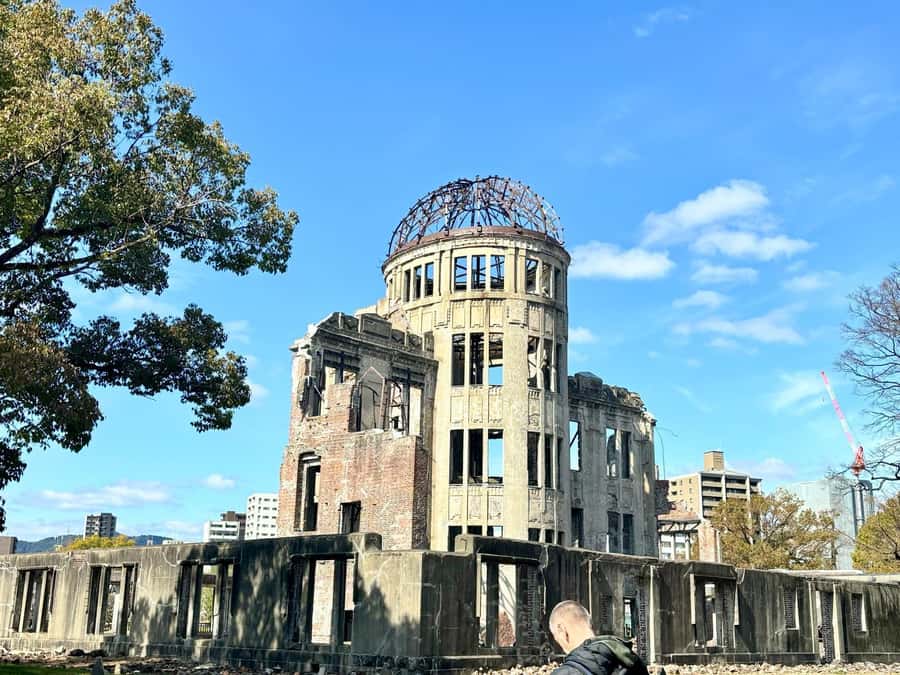
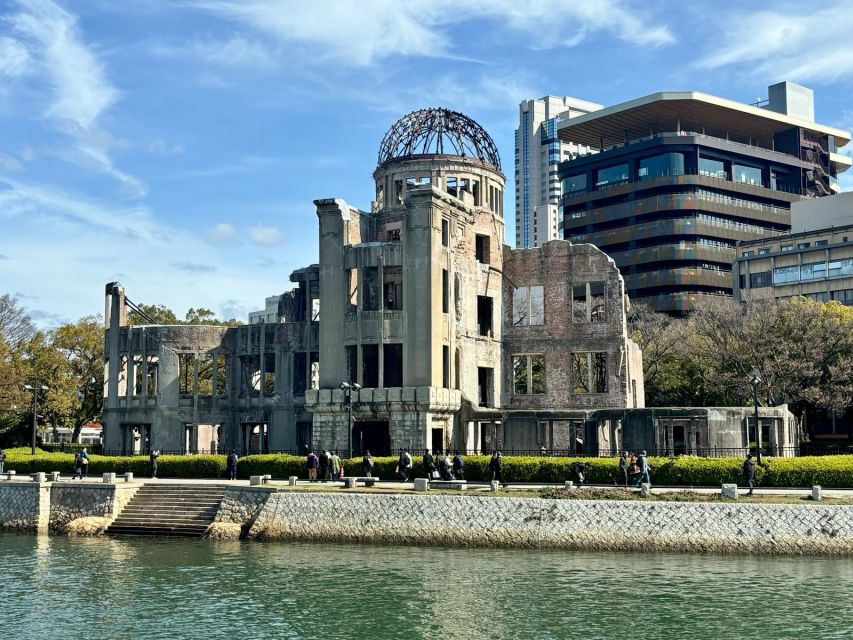
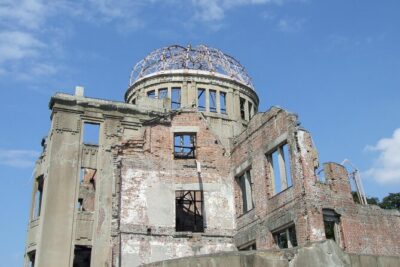
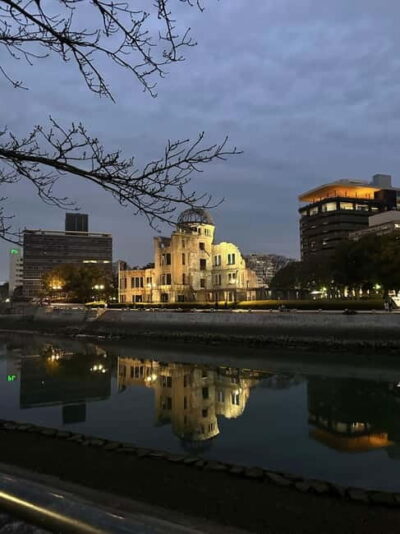
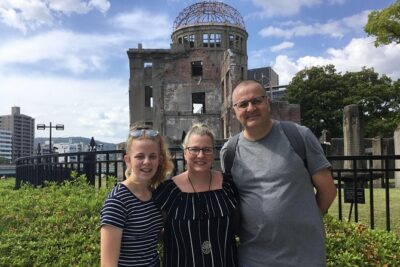
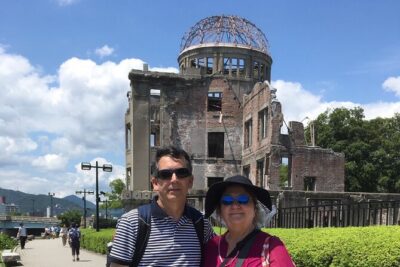
Finally, you approach the Atomic Bomb Dome, a UNESCO World Heritage Site. You’ll learn how the building survived against incredible odds and why it functions as a haunting reminder of the devastation caused by war. The Dome isn’t only a relic. It’s an argument for prevention, built into the city’s skyline.
You’ll end at the hypocenter, the point directly under the explosion. This final stop is designed for reflection. You take a moment to connect with the spirit of those who endured tragedy and to reaffirm collective hope for peace in the world.
If you’re sensitive to emotional heaviness, consider taking a few breaths before you arrive at the end point. Don’t rush yourself here. The value of finishing at the hypocenter is that you don’t treat the story like history that happened somewhere else. You stand where it happened, and you let the meaning land.
Price and value: about $30 for a focused, guided memorial route
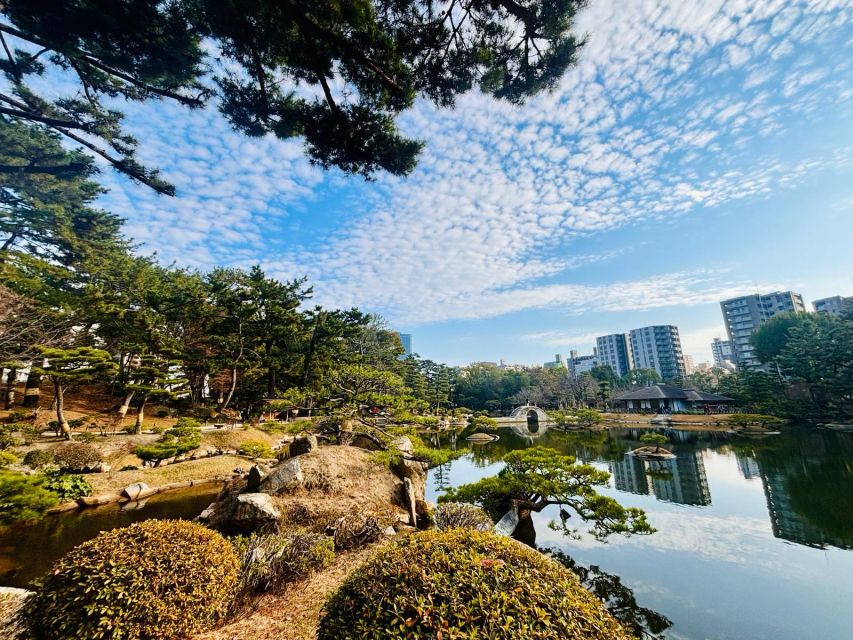
At about $30 per person, this tour is priced like a short, high-impact experience. The real question is value, and here the value comes from guidance and structure.
You’re paying for a professional guide with a Peace Studies degree who can explain what you’re seeing and why it matters. You’re also paying for a set route that hits multiple monuments, including the Peace Cenotaph, the children’s memorials, and the Korean Monument, not just the Dome. Those added stops turn a basic “see the sights” experience into a coherent story.
Also, the included stops are strong and practical for first-time visitors. The tour includes Hiroshima Peace Memorial Park and the Atomic Bomb Dome, plus the Peace Memorial Hall for Atomic Bomb Victims, Children’s Monuments, and the Flame of Peace. Even if you choose not to go inside the museum due to the extra entrance cost, the guided exterior and symbol explanations are still worth it.
One caution on costs: food is not included. Plan to eat before you go so you’re not hungry and distracted during emotionally demanding stops.
Who should book this tour, and who should skip it
This tour is a great fit if you want a structured, respectful walkthrough with clear explanations and time for questions. It’s also ideal if you’re visiting Hiroshima for the first time and want to understand what the park is trying to teach beyond the iconic building.
It’s especially worth considering if you like discussions and you want your guide to connect details you might miss on your own. In this experience, the best guides mentioned names like Ali and Wajid, and people praised their depth of insight and good communication. That’s a strong signal that you’ll get more than surface-level narration.
You might want to skip it if you have mobility limitations. The tour is not suitable for people with mobility impairments, and it is still a walking route even though the pace is manageable.
If you tend to get overwhelmed quickly by heavy themes, you can still go. Just plan your day so you have time afterward to decompress, and don’t schedule something demanding immediately after.
Should you book Peace Walk Hiroshima?
I think this is a smart booking for first-time Hiroshima visitors who want meaning, not just photos. For about $30 per person, the guided route hits major memorial sites in a thoughtful order, and the Peace Studies framing helps you understand the bigger message of peace building.
Book it if you want respectful context, time for questions, and a calm pace that lets the story land. Skip it if you cannot do a walking tour or you know you need food breaks and rest breaks that are not accounted for here.
If you’re coming in English and you want a guide who can explain symbols like the Flame of Peace and the paper cranes in a clear way, this is exactly the kind of tour that makes Hiroshima feel understandable, even when the subject is not easy.
FAQ
What does the Hiroshima Peace Memorial Park tour include?
The tour includes Hiroshima Peace Memorial Park, the Atomic Bomb Dome, the Hiroshima Peace Memorial Hall for Atomic Bomb Victims, Children Monuments, and the Flame of Peace.
Is museum entrance included?
No. Entrance to the museum is not included, so you may need to pay separately if you want to go inside exhibits.
Where do I meet the guide?
Meet your guide at The Gates of Peace in front of the Italian restaurant Mario. The tour ends back at the meeting point.
How much does it cost?
The price is listed as $30 per person.
What language is the tour offered in?
The tour is offered in English.
Is it suitable for people with mobility impairments?
No. The tour is not suitable for people with mobility impairments.
Can I cancel for a refund?
Yes. You can cancel up to 24 hours in advance for a full refund.
Hiroshima and Miyajima Together
Newest Hiroshima write-ups from the Loving Japan desk
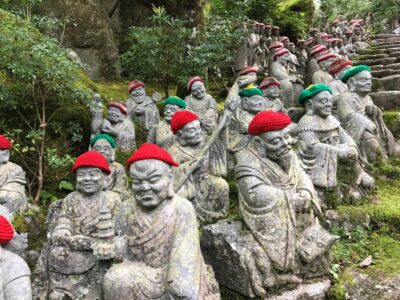
Hiroshima and Miyajima Day Trips, side by side.
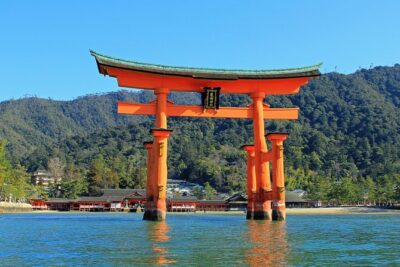 ★ 5.0Peaceful Hiroshima & Miyajima UNESCO 1 Day Bus TourFrom $1295,309 reviews
 ★ 4.9Hiroshima and Miyajima UNESCO Sites 1-Day TourFrom $1222,330 reviews
 ★ 5.0Hiroshima / Miyajima Full-day Private Tour with Government Licensed GuideFrom $2021,298 reviews
 ★ 4.7Osaka/Kyoto: Hiroshima Miyajima Bus Tour & Shinkansen TicketFrom $277919 reviews
 ★ 4.8Hiroshima Historical Walking Tour – Why A-Bomb was DroppedFrom $35893 reviews
 ★ 5.0Hiroshima Peace (Heiwa) Walking Tour at World Heritage SitesFrom $94872 reviews
 ★ 5.0Hiroshima in a Nutshell: Morning Bike AdventureFrom $72524 reviews
 ★ 5.0Hiroshima City 4hr Private Walking Tour with Licensed GuideFrom $122437 reviews
Filed on these lists too