
REVIEW · WALKING TOURS
Tokyo After 5: Local Eats, Drinks & Culture Walk
Tokyo at night tastes like a secret. I like that this tour is built around depachika shopping and after-work comfort food, so it feels like Tokyo actually runs on it. I also love the hands-on monja-yaki moment, where you sit down, cook, and eat something you made yourself.
One thing to watch: this is not a pick-and-choose menu. There are no vegetarian, vegan, or gluten-free options on this tour, so it is best if you are comfortable with what gets served.
In This Review
- Key highlights that make this tour worth your evening
- The Tokyo after-work vibe, in a group that stays small
- Starting at Mitsukoshi Ginza, and why that matters
- Depachika etiquette and what to buy like a Tokyo shopper
- Ginza between stops, how the guide keeps it moving
- Tsukishima Monja Town: cooking monja-yaki on a hotplate
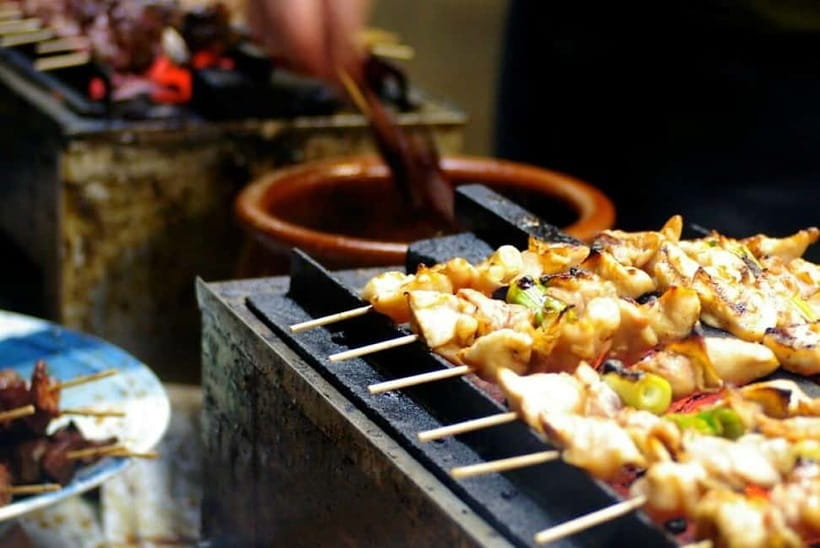
- Yurakucho’s after-work yakitori alleys, smoky and social
- Wagashi at the end: seasonal sweets with meaning
- Price and value: why $89 can make sense in Tokyo
- Pace, seating, and what to expect with small restaurants
- Who this tour fits best, and who should reconsider
- Guides and the difference a good host makes
- Should you book Tokyo After 5?
- FAQ
- How long is the Tokyo After 5 tour?
- What is the group size?
- Where is the meeting point?
- Is the tour guided in English?
- What food tastings are included?
- Are drinks included?
- Do you get to cook during the tour?
- Does the tour include transportation?
- Is the tour suitable for vegetarians or vegans?
- What about alcohol rules for younger travelers?
Key highlights that make this tour worth your evening
- Small group of up to 8 keeps the pace relaxed and questions easy to ask
- Depachika food hall stop with guide context on etiquette, flavors, and how Tokyo shops for dinner
- Yurakucho yakitori in after-hours alleys where skewers are the whole point
- Tsukishima Monja Town cooking at a hotplate, not just watching
- Wagashi with seasonal meaning so the sweets connect to what is happening in Japan right now
- Includes 3 tastings and 2 drinks so you are not guessing what to order all night
Still weighing up options in Tokyo? These are the ones our reviewers rated highest.
- Mt Fuji and Hakone 1-Day Bus Tour Return by Bullet Train
★ 5.0 · 26,383 reviews - 1-Day Tokyo Bus Tour
★ 5.0 · 14,250 reviews - Tokyo: teamLab Planets TOKYO Digital Art Museum Entry Ticket
★ 4.6 · 9,779 reviews - Mt Fuji & Hakone Cruise, Drum Show Bullet Train 1 Day from Tokyo
★ 4.0 · 7,413 reviews
The Tokyo after-work vibe, in a group that stays small
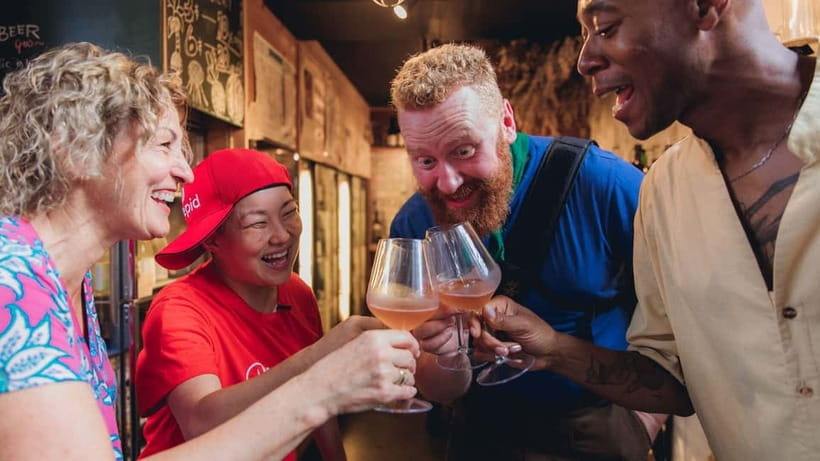
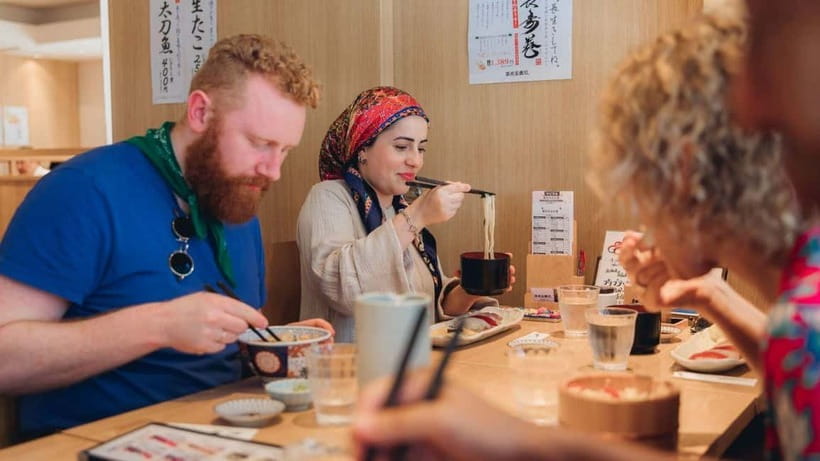
This tour is designed for the time when the day loosens its grip. You walk at an easy city pace, eat in a few neighborhood-focused stops, and learn how locals treat food as a social ritual. Because the group maxes out at 8, you usually get real interaction with your guide, not just head-nodding at every restaurant.
The whole structure also helps you avoid the common Tokyo-food problem: knowing what to try, but not knowing where to go. You get a guided path through places that are part of daily life, not only sightseeing checklists. And you get enough tastings to build a mental map of how Japanese comfort food works, from savory grills to sweet finishes.
Starting at Mitsukoshi Ginza, and why that matters
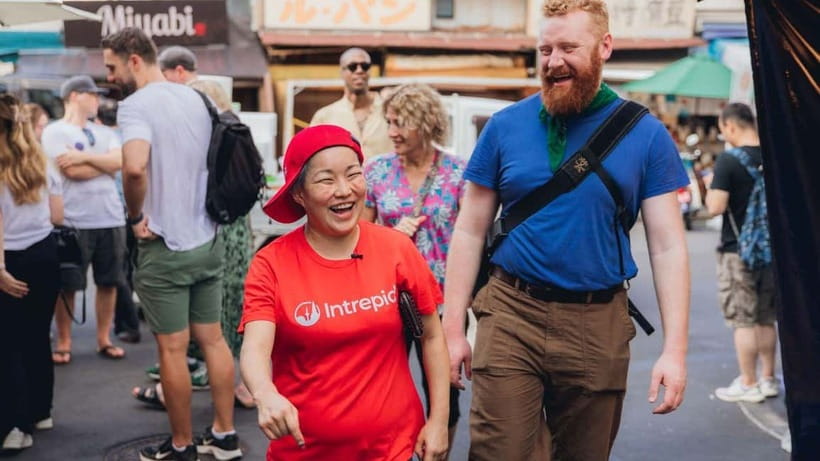
You meet at Mitsukoshi Ginza department store, outside at a life-scale sitting Lion statue. If you are using Ginza Station, head to the A7 exit, then look around at street level. This is a practical meeting point because Ginza is served by multiple subway lines, so getting there is simpler even if you are coming from a different part of Tokyo.
Right after you gather, the tour turns into a guided walk through the Ginza area. This matters because it gives you context for what you are about to eat and where you are going next. Even if you have been to Ginza in daylight, the evening flow is a different scene, and having a guide helps you read the city in food terms.
Depachika etiquette and what to buy like a Tokyo shopper
Your evening begins with a stop in a Depachika, the basement food hall that Tokyo department stores are famous for. Guides will help you understand how locals approach these places: what you look for, how you think about seasonal items, and how the experience works beyond just grabbing something to eat.
Here is what I think is valuable about this segment. Depachika culture teaches you how Japanese “shopping” and “snacking” overlap. Instead of treating food as an attraction, you see it as something you plan, share, and return to. By the time you move to street food later, you will understand why the sweets matter and why so many items are made to look and feel seasonal.
You also get a taste and a drink as part of the included stops, so you are not only learning theory while standing around. The goal is to make the depachika stop feel like part of the dinner plan, not a museum.
- Mt Fuji and Hakone 1-Day Bus Tour Return by Bullet Train★ 5.0 · 26,383 reviews
- 1-Day Tokyo Bus Tour★ 5.0 · 14,250 reviews
- Tokyo: teamLab Planets TOKYO Digital Art Museum Entry Ticket★ 4.6 · 9,779 reviews
- Mt Fuji & Hakone Cruise, Drum Show Bullet Train 1 Day from Tokyo★ 4.0 · 7,413 reviews
- Tokyo: Shinjuku Food Tour (13 Dishes at 4 Local Eateries)★ 5.0 · 6,603 reviews
Ginza between stops, how the guide keeps it moving
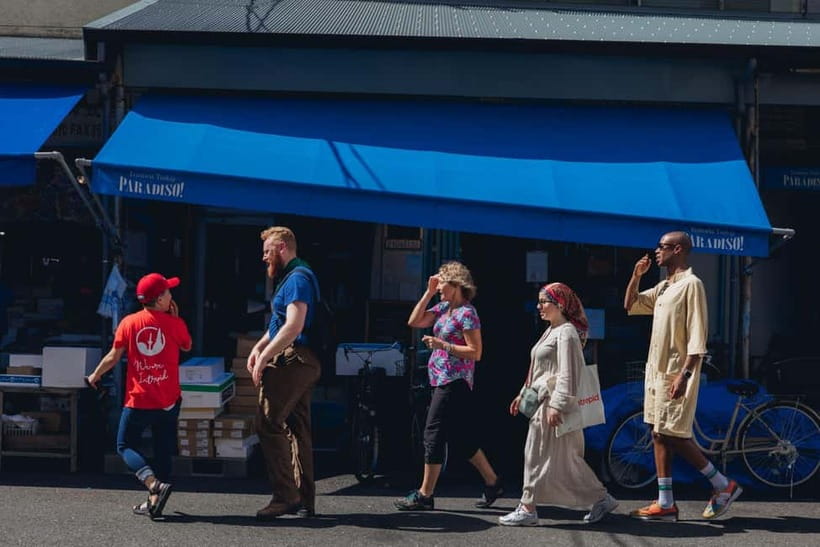
After the department-store start, the tour uses the Ginza walk to connect the dots between neighborhoods. You are not doing long, exhausting sightseeing loops. Instead, you are getting brief street context, then turning toward the food streets where the real evening energy lives.
One subtle benefit of this pacing: you are less likely to feel rushed in restaurants. Tokyo food places can be tiny, and sitting down is not always the goal. A guide-managed route helps you avoid arriving late, standing around confused, or ordering blind when the line moves quickly.
The walk segments also help you transition from the polished department-store world to more everyday alley dining without the jarring feeling that can happen on self-guided food hunts.
Tsukishima Monja Town: cooking monja-yaki on a hotplate
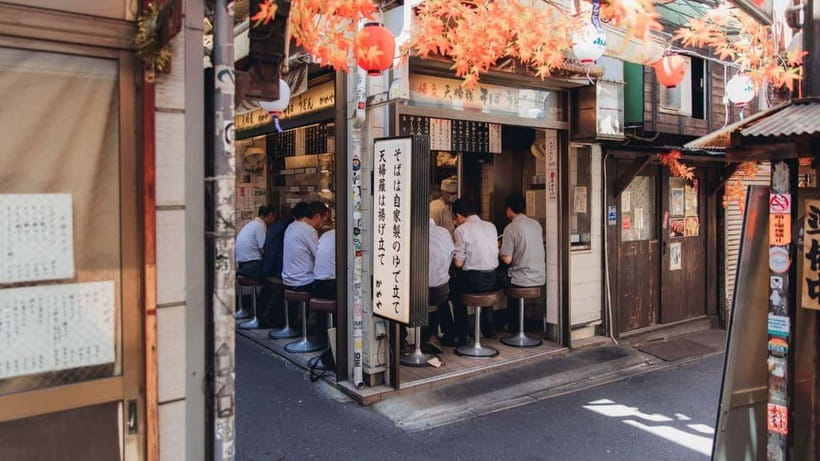
Tsukishima is famous for monja-yaki, and this stop is the hands-on centerpiece of the tour. You go to Monja Town, where the focus is on watching your meal get cooked in front of you and then learning how to handle the hotplate technique yourself.
This is not only a food stop, it is a skill stop. Monja-yaki is different from more common Japanese pancakes because you are working with a specific texture and a style of cooking that rewards attention. With a guide in the room, you can ask what you are doing wrong, what the batter should look like, and how to adjust as it cooks.
One more reason I like this segment: it makes the food feel personal. Instead of eating a plate that someone else prepared, you become part of the process for a few minutes. That tends to turn a meal from, I tried something new, into, I understand how this works.
Yurakucho’s after-work yakitori alleys, smoky and social
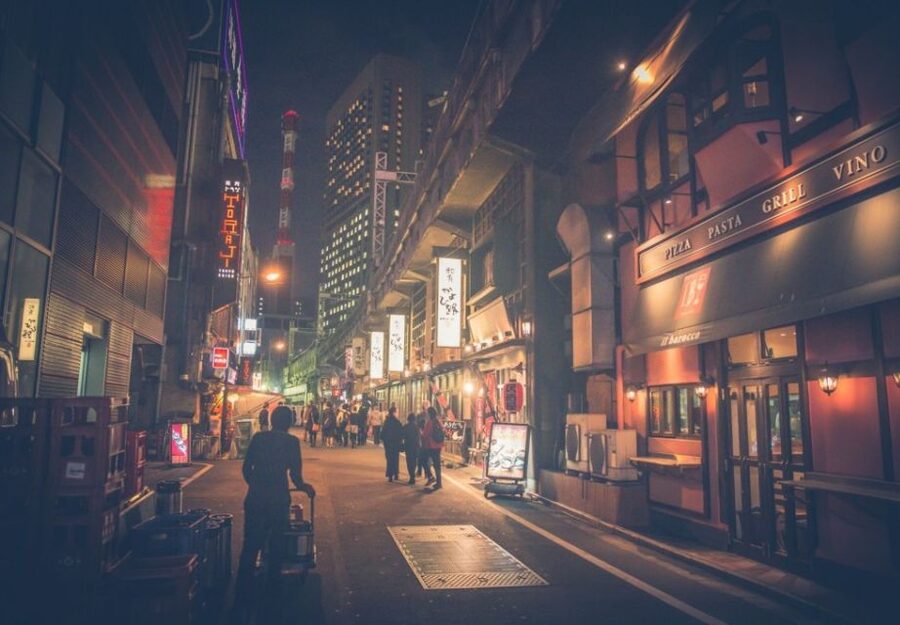
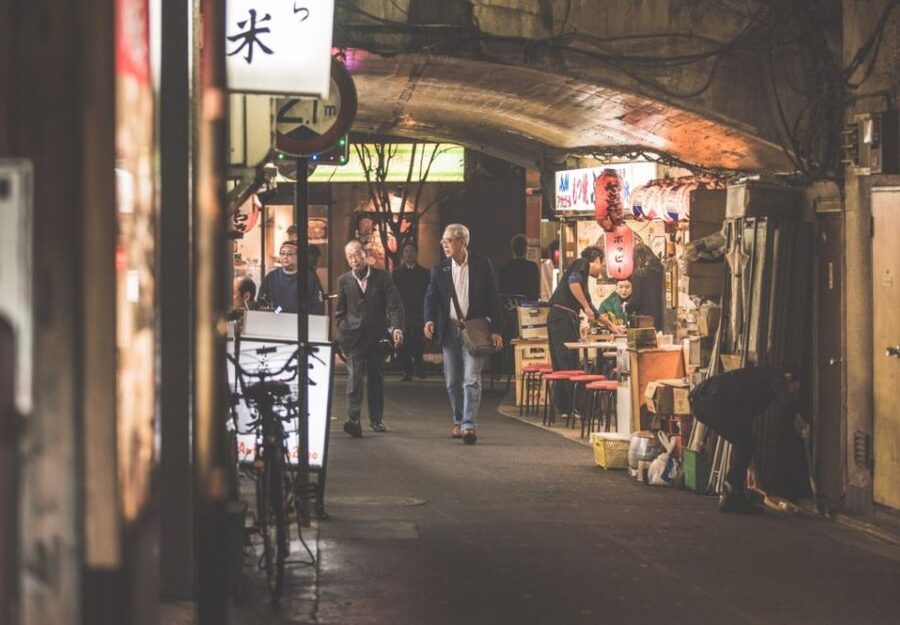
After Tsukishima, the tour heads to Yurakucho, where you eat yakitori in lantern-lit backstreets after hours. This is one of the best parts of Tokyo evenings because yakitori is built for conversation, and these little alleys are often where office workers unwind.
You get freshly grilled skewers at a local spot where people gather once the workday ends. Yakitori here is not about fancy presentation. It is about the grill flavor, the smoke, and the simple rhythm of ordering, eating, and chatting.
The guide will also explain how skewers are prepared and why these smoky alley dinners matter in everyday Tokyo life. I find that helps you slow down. Without that context, yakitori can feel like just another meat-and-sauce plate. With it, you notice the difference between cuts, the timing of cooking, and how the shop keeps the evening moving.
Wagashi at the end: seasonal sweets with meaning
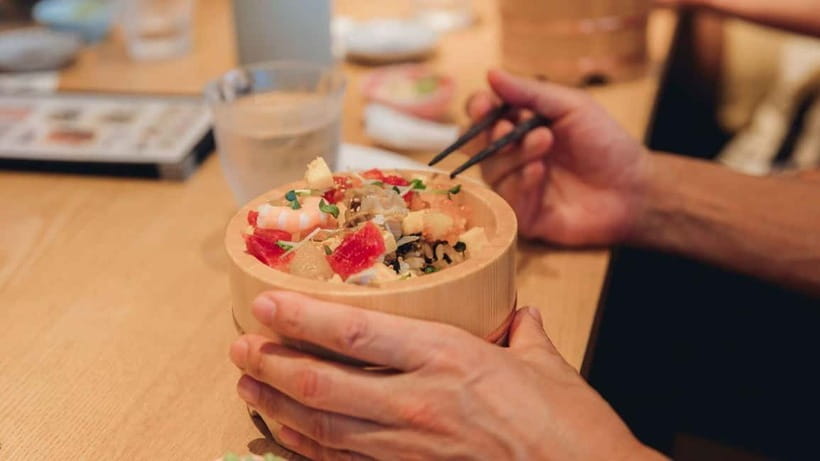
The final flavor arc turns sweet with a traditional wagashi shop. Wagashi is more than dessert. It is shaped by seasons, ingredients, and an aesthetics that signals time of year.
What you get from the guide here is the cultural thread. The stop is designed to help you connect what you taste to why it looks the way it does. Depending on the season, you might see different styles and flavors, and the guide’s explanation helps you read those choices rather than just eat them quickly.
This matters because wagashi can be confusing if you only think of it as sweet bean paste. When you understand the seasonal meaning, you tend to appreciate the craft more, and the flavors feel more intentional.
You end with the sense that the night told a story, savory to sweet, and street food to craft sweets. That is a nice balance for an evening tour.
Price and value: why $89 can make sense in Tokyo
At $89 per person for about 210 minutes, the price is not just for walking and a guide’s commentary. Your cost covers several meaningful pieces:
- Three included tastings: yakitori, monja-yaki, and wagashi
- Two included drinks: sake, beer, or soft drink
- Public transportation with two subway tickets
- A small-group guided route with hands-on cooking time
If you were to DIY this night, you would still pay for subway rides, food, and drinks. In Tokyo, a “few small bites” can quickly become expensive once you factor in seating, timing, and the fact that you might order wrong because you cannot read the menu confidently. This tour removes that guesswork.
One caution on value: extra food and drinks are available to buy, but they are not included. So if you tend to snack heavily, set aside spending for add-ons. The tour is designed so the included amount is enough to be satisfied, not so you can keep ordering forever.
Pace, seating, and what to expect with small restaurants
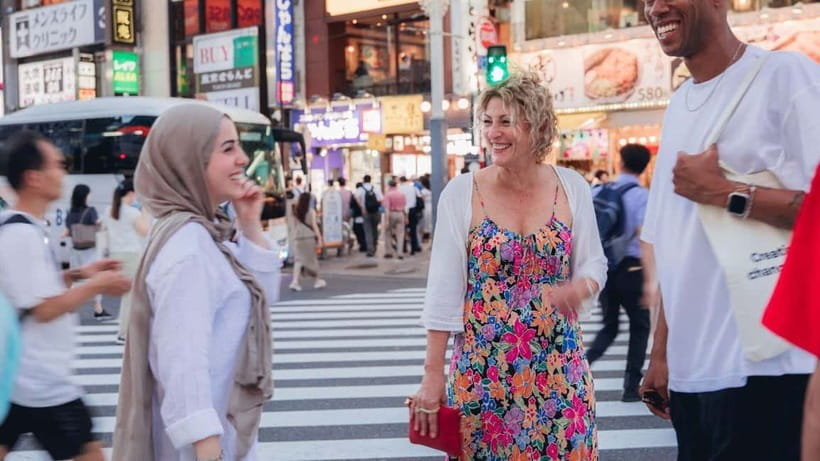
This type of food tour is usually a mix of standing, short walks, and small dining rooms. Some restaurants can be tight, and you might share space closely with your group. That is normal for Tokyo evening eating.
There is also the reality of transit and walking. This tour uses public transportation and involves moving between neighborhoods. If you struggle with lots of steps or long distances, plan accordingly. The tour is only about 3.5 hours total, but the walking adds up in Tokyo.
Finally, note the dietary limitation. Since there are no vegetarian, vegan, or gluten-free options, you should treat this as a menu-forward tour. If you have strict restrictions, you may need a different style of food experience.
Who this tour fits best, and who should reconsider
I think this tour is ideal if you:
- Want a guided intro to Tokyo’s evening food scene without a language hurdle
- Like eating multiple styles in one night, not just one restaurant
- Enjoy learning the “why” behind what you eat, especially for wagashi and grilling
- Prefer a small group so you can actually talk with the guide
It is less ideal if you:
- Need vegetarian, vegan, or gluten-free meals (not available here)
- Are very sensitive to crowded seating and compact eateries
- Want a very slow pace with minimal walking
Also consider your age situation. The tour is for ages 12 and older. Alcohol is legal in Japan at age 20, so customers under 20 are served non-alcoholic drinks only. If you are traveling as a family, this matters.
Guides and the difference a good host makes
A huge part of why this tour works is the guide. The best guides on this kind of night food route are the ones who can match the pace to your questions, and who can translate food culture without sounding like a script.
From the guide names associated with the experience, you will likely encounter people like Tsunematsu Hidenori, Yuki (known as snoopy), Kirir, Meg, or Yoshi. What I like about this kind of staffing is that each guide tends to emphasize local eating spots you would not find quickly on your own. They also make the cooking moments feel doable, not intimidating.
Even if you are not sure what to ask, a patient guide helps you feel confident ordering and understanding what is happening at the hotplate and on the grill.
Should you book Tokyo After 5?
Book it if you want a structured Tokyo evening that hits multiple neighborhoods and multiple food styles, with enough included tastings to actually feel like a full meal experience. The hands-on monja-yaki, the after-work yakitori setting in Yurakucho, and the wagashi seasonal lesson at the end make the tour feel like more than just eating on the move.
Pass or look for another option if you need vegetarian, vegan, or gluten-free choices. Also reconsider if you want minimal walking. This is an evening route built around going where locals go, and that comes with city movement.
One more reason to feel good about the choice: the tour is carbon neutral and operated by a B Corp certified company using travel as a force for good. That is a nice value alignment, especially if you care how your travel choices add up.
FAQ
How long is the Tokyo After 5 tour?
The tour runs for about 210 minutes.
What is the group size?
It is a small-group tour with a maximum of 8 participants.
Where is the meeting point?
You meet at Mitsukoshi Ginza department store, in front of the life-scale sitting Lion statue outside. It is near Ginza Station Exit A7.
Is the tour guided in English?
Yes. You will have an English-speaking live guide.
What food tastings are included?
You get three local food tastings: yakitori, monja-yaki, and wagashi.
Are drinks included?
Yes, you get two local drinks, either sake, beer, or a soft drink.
Do you get to cook during the tour?
Yes. You get hands-on monja-yaki and yakitori experiences, including cooking for the monja-yaki stop.
Does the tour include transportation?
Yes. It includes public transportation with two subway tickets.
Is the tour suitable for vegetarians or vegans?
No. Vegetarian, vegan, and gluten-free options are not available on this tour.
What about alcohol rules for younger travelers?
The tour is for ages 12 and older. In Japan, the legal drinking age is 20. Customers under 20 are served non-alcoholic drinks only.
Newest Tokyo write-ups from the Loving Japan desk

Walking Tours, side by side.
 ★ 4.7Kyoto Geisha Walking Tour: Gion District & Hidden GemsFrom $253,273 reviews
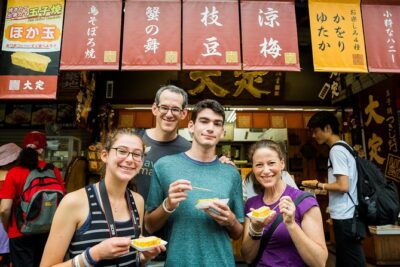 ★ 5.0Tokyo Tsukiji Fish Market Food and Culture Walking TourFrom $993,184 reviews
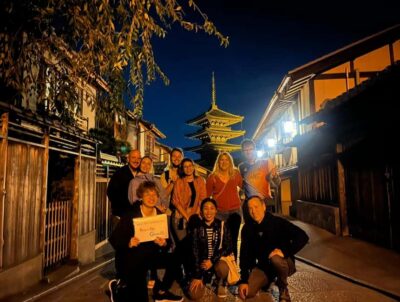 ★ 4.9Gion Magical Night Walking Tour with Geisha TriviaFrom $242,393 reviews
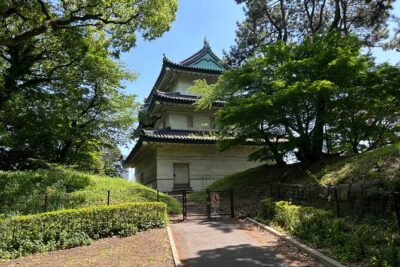 ★ 5.0Imperial Palace and Shogun Historical Walking TourFrom $222,251 reviews
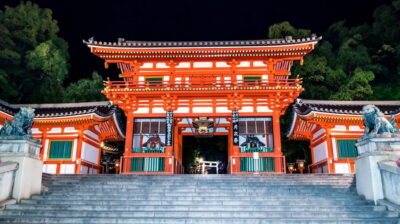 ★ 4.7Gion Geisha District Walking Tour – Stories of GeishaFrom $202,187 reviews
 ★ 4.5Night Walk in Gion: Kyoto’s Geisha DistrictFrom $212,003 reviews
 ★ 4.9Shinjuku Local Bar and Izakaya Guided Walking TourFrom $341,794 reviews
 ★ 5.0Tsukiji Fish Market Food and Walking tourFrom $301,724 reviews
Filed on these lists too