
REVIEW · ASAKUSA, SENSO-JI AND TOKYO SKYTREE
Tokyo: Asakusa Sightseeing Tour by Rickshaw
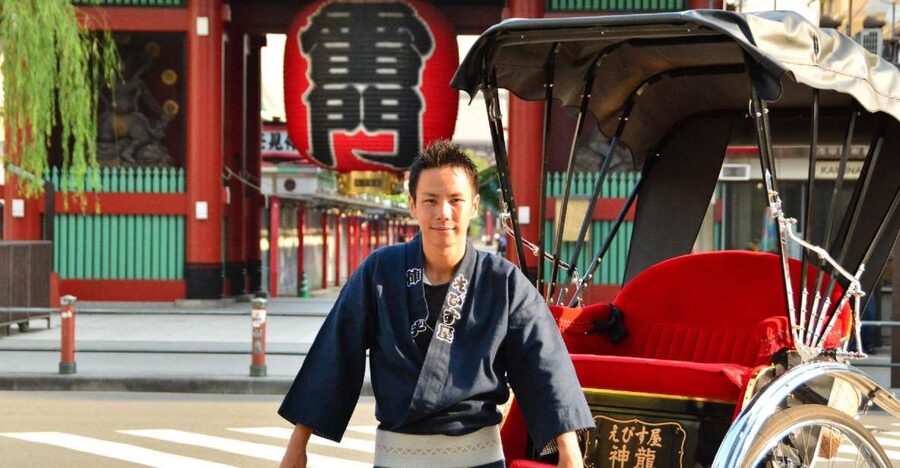
One ride, and Asakusa clicks into place. This private rickshaw tour is a fun way to glide past big sights and small street details, with iconic stops like Bentendo Hall and a route that keeps changing as Tokyo hustles around you.
I really like the human scale here. Guides such as Tashi and Taisei bring the sights to life with clear explanations, including practical details like what worshippers do during temple rituals. I also like that you get more than one vibe in a single loop, temples and shrines first, then the quirky shopping and old-street Tokyo feel later.
One thing to plan for: the rickshaw is narrow, about 29.1 inches wide (74 centimeters), and there’s a strict limit of 2 adults per rickshaw. If you’re a bigger group, or you want extra personal space, you may prefer booking individual rickshaws.
In This Review
- Key Things That Make This Ride Worth Your Time
- Finding the Right Asakusa Station Exit Before You Sit Down
- Private Rickshaws and Real-Time Asakusa Street Life
- Asakusa Shrine, Bentendo Hall, and Rituals You Can Actually Understand
- Rokku Ward Theaters, Tanuki-doori, and Denpoin Street’s Old World Feel
- Sumida Park and Spring Cherry Trees Along the Sumida River
- Hanakawado for Shoe Shopping and Hanayashiki for Classic Photo Stops
- The 3-Hour Option and the Hello Kitty or T-Shirt Memorial Choice
- Comfort Rules, Child Seating, and What to Bring for a Smooth Ride
- Price Value, Choosing Between 30 Minutes and a Full Sweep
- My Booking Verdict: Should You Book This Asakusa Rickshaw?
- FAQ
- Where is the meeting point for the rickshaw tour?
- Which Asakusa Station should I use?
- How long is the tour?
- What’s included in the price?
- What should I bring since snacks and drinks are not included?
- Are selfie sticks allowed?
- How do child fares work?
- Is this rickshaw tour wheelchair accessible and stroller friendly?
- Is the tour suitable during pregnancy?
Key Things That Make This Ride Worth Your Time
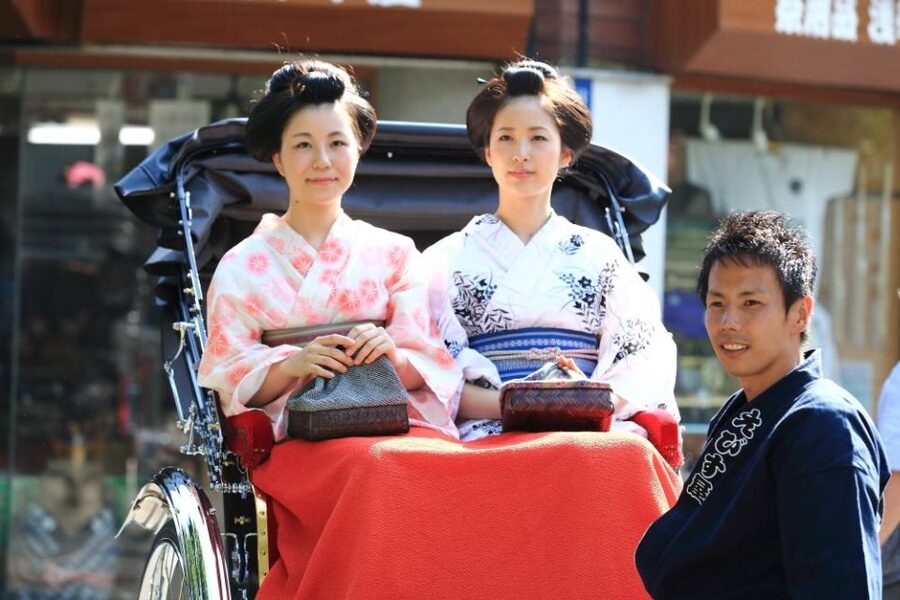
- Private chariot pacing through Asakusa without the stop-and-go of buses
- Bentendo Hall and temple-routine explanations that make the sights make sense
- Sumida Park in spring with cherry trees and classic river views
- Old streets with character, including Denpoin Street and Tanuki-doori
- Foto-friendly stops like Hanayashiki and the ride-by scenes on Hanakawado
Still on the Sumida side? A few more Asakusa options
- Tokyo: Japanese Dance Cabaret Theater Asakusa-Kaguwa Ticket
★ 4.8 · 2,270 reviews - Tokyo: Meiji Shrine, Asakusa, Skytree Bus Tour and Cruise
★ 4.7 · 1,986 reviews - Tokyo: Roll and Authentic Sushi Making Class in Asakusa
★ 4.9 · 1,957 reviews - Tokyo: Asakusa Walking Tour with Sensoji Temple Visit
★ 4.8 · 1,583 reviews
Finding the Right Asakusa Station Exit Before You Sit Down
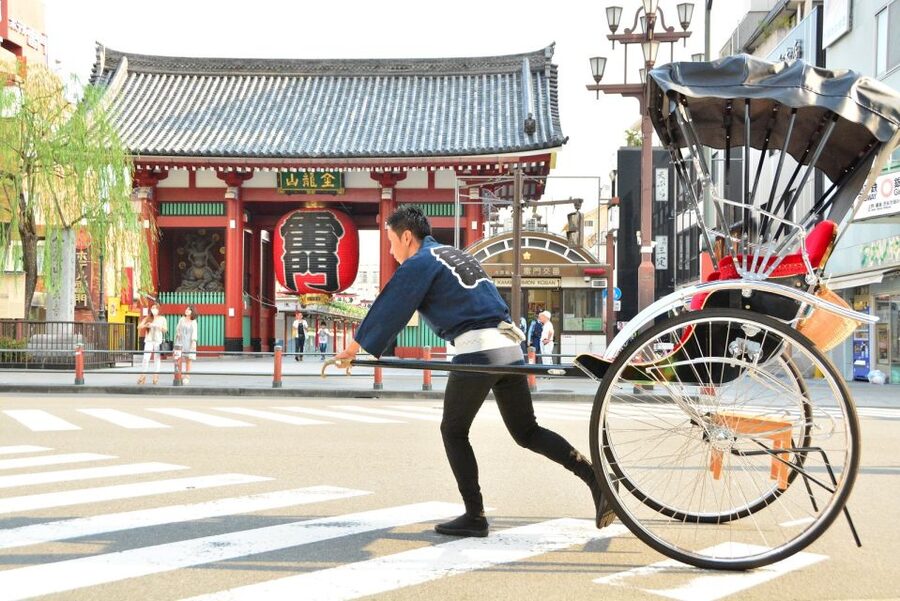
Meet at the rickshaw stand outside exit #1 of Asakusa Station on the Tokyo Metro GINZA line. This part matters because there are two stations with the same name but different subway lines. Double-check the GINZA line on your map, then follow the directions to exit #1.
From exit #1, you’ll still need to walk a few meters to reach the rickshaw stand along the street. When I travel, I hate time-wasting loops, so I suggest you arrive a bit early and keep your phone map open with the exact pin for exit #1.
Also note the rule about no selfie sticks. If you plan to take photos, bring a normal camera or phone setup and plan to hold it normally, so you don’t get stuck at the start.
Private Rickshaws and Real-Time Asakusa Street Life
This is a private group experience, so your guide can pace things to your interests. You’re not stuck watching a screen or following a crowd at museum speed. A rickshaw ride moves more like a confident walking pace, which is ideal for Asakusa’s mixture of temples, side streets, storefronts, and river views.
Timing is flexible, with durations from 30 to 190 minutes. If you only have a short window, the shorter option can work as a fast introduction and photo loop. If you want the full Asakusa sweep with more story time and more stops, the longer options give your guide room to slow down and point out details you would miss on foot.
Capacity is also part of the experience. A maximum of 2 adults fits per rickshaw, and the width is 74 centimeters. If your comfort matters, consider booking individual rickshaws for each passenger, especially for two adults who want more room to shift their legs and posture.
Asakusa Shrine, Bentendo Hall, and Rituals You Can Actually Understand
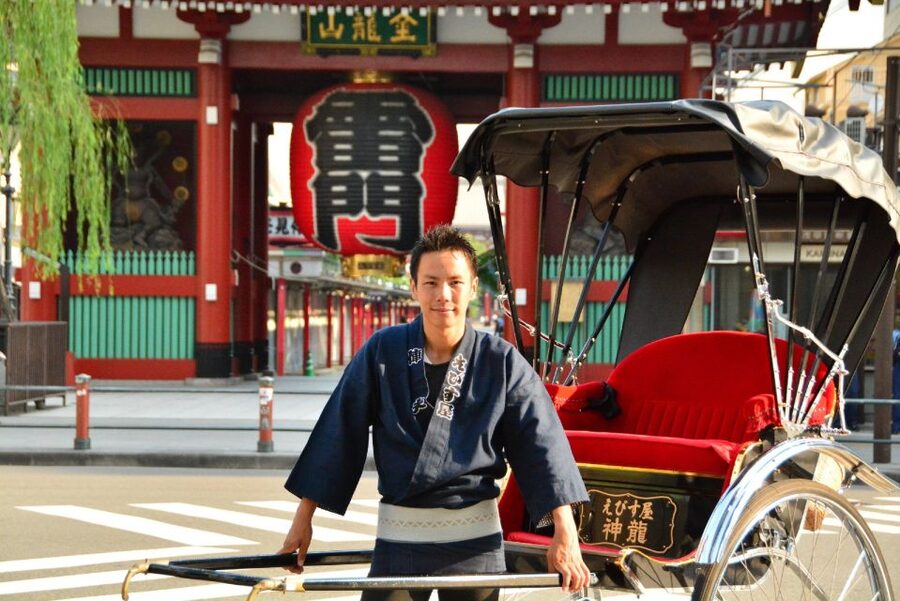
Your route is built around the temple-and-shrine core of Asakusa. You’ll see Asakusa Shrine next to the city’s oldest temple, then you’ll pass through iconic Buddhist spaces like Bentendo Hall. The beauty here is how the religious sites sit side-by-side with everyday neighborhoods, so you’re not only looking at architecture, you’re seeing how people move around it.
What makes these stops hit harder is the way guides explain what you’re seeing and what worshippers do. For example, the tour can include practical ritual context such as why people wash hands, mouth, and the incense procedure they follow. That kind of detail turns a quick photo stop into a meaningful moment, even if you’re not religious yourself.
If you like learning by watching, ask your guide what to look for right at each entrance or ritual spot. You’ll get more from the ride when you’re clued in on what the small actions are meant to symbolize.
Let something else do the walking
- 1-Day Tokyo Bus Tour★ 5.0 · 14,250 reviews
- Tokyo: Hop-On Hop-Off Sightseeing Bus Ticket★ 3.9 · 4,207 reviews
- Tokyo: Meiji Shrine, Asakusa, Skytree Bus Tour and Cruise★ 4.7 · 1,986 reviews
- Tokyo Asakusa Rickshaw Tour★ 5.0 · 1,375 reviews
- Mt Fuji and Hakone 1-Day Bus Tour Return by Bus★ 4.5 · 929 reviews
Rokku Ward Theaters, Tanuki-doori, and Denpoin Street’s Old World Feel
Asakusa isn’t only temples. You’ll also pass through the street texture that makes the district feel like a real neighborhood, not just a sightseeing corridor.
You’ll check out Tanuki-doori, described as quirky and fun, then head toward Rokku Ward, including the area known for adult theaters. This part is straightforward, but it’s still a consideration. If you’re traveling with kids, have them with you on a lap-riding plan (more on that later), or be ready to keep the conversation age-appropriate.
Then comes Denpoin Street. This stretch is known for looking much the same as it did since World War II, which gives you a rare sense of continuity. From a rickshaw seat, you can take in storefront rhythm, street scale, and how the road is used day to day.
The big advantage of doing this by rickshaw is perspective. You’re low to the street, moving slowly enough to notice details, but shielded from the traffic stress that can come with walking in busy zones.
Sumida Park and Spring Cherry Trees Along the Sumida River
One of the standout seasonal draws is Sumida Park, described as most resplendent in spring, when thousands of cherry trees bloom. Even if you visit outside peak bloom, the park stop is still useful because it breaks the ride into a calmer, greener segment.
The ride also connects you to the Sumida River area and the scenery that comes with it. This is where the tone of the tour often shifts from dense streets to open views, garden space, and longer sightlines.
If you like photos, this is the part to slow down. Park trees and river-adjacent scenes make good wide shots, and you’ll want a few minutes to reposition and frame without rushing. Bring your camera settings in mind for bright daylight, since cherry season in Tokyo can mean strong sun.
If you’re traveling in cooler months, you might still enjoy the atmosphere, but plan for comfort in colder air. Some riders have noted the presence of warm gear like blankets and heated seat pads during winter conditions, but you should still ask what’s available for your date.
Hanakawado for Shoe Shopping and Hanayashiki for Classic Photo Stops
Asakusa includes shopping, and your guide can route you toward the shoe shopping district of Hanakawado. This is a smart stop if you want practical souvenirs that don’t feel like tourist kitsch. You can also use it as a quick way to understand what locals buy and browse in a neighborhood context.
Then there’s Hanayashiki, described as the oldest amusement park in Japan. The tour includes souvenir photo stops there, which is perfect if your goal is to capture the iconic Tokyo-adjacent contrast: a long-running attraction inside a district packed with temples and old streets.
One good tip: if you want shopping time, tell your guide early. Since the ride is private, you’re not locked into a single rigid script, and you can trade a little time from one scenic segment to make room for your priorities.
Also, the tour does not include snacks or drinks. If shopping tempts you into staying out longer, bring water or plan to buy something nearby so you don’t have to choose between comfort and continuing the ride.
The 3-Hour Option and the Hello Kitty or T-Shirt Memorial Choice
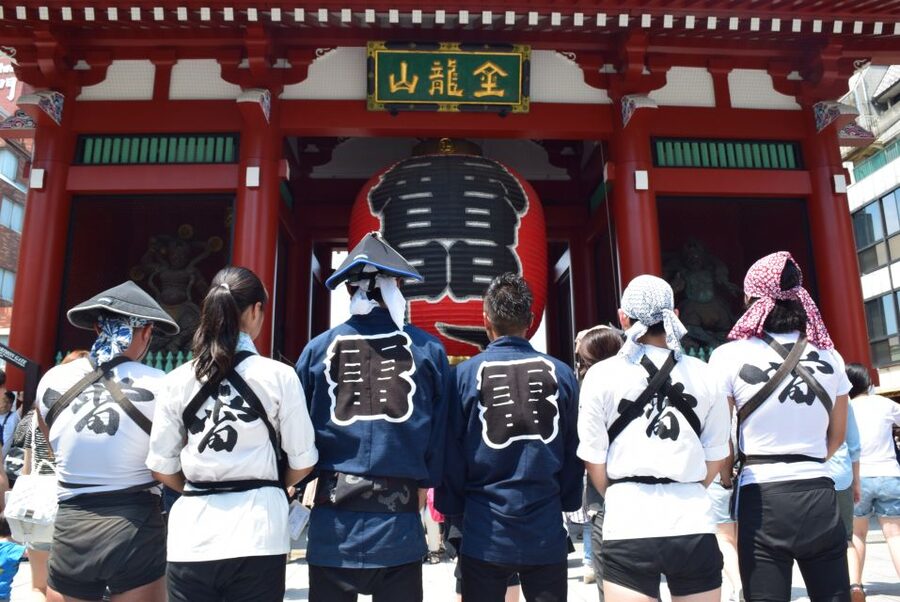
If you book the 3-hour option, you can choose a memorial gift of either a special Hello Kitty doll or an original T-shirt. This is a small thing, but it can help the value feel tangible, especially if you like collectible souvenirs that don’t take up too much space.
I like this setup because it turns the longer ride into more than just a sightseeing loop. You’re paying for extra time with a guide, plus you get a keepsake that relates to the experience rather than a generic shop bag.
If you’re traveling with kids, that Hello Kitty option may land well. If you prefer something wearable, the T-shirt choice makes the memory easy to carry without extra packing.
Comfort Rules, Child Seating, and What to Bring for a Smooth Ride
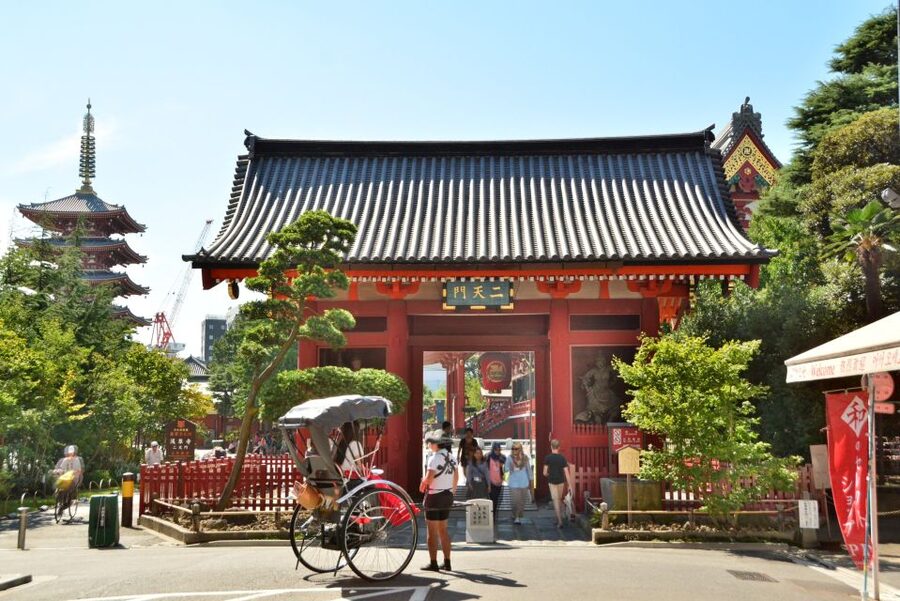
Here’s the practical stuff that keeps the ride pleasant.
- Max 2 adults per rickshaw. If your group is larger, you’ll likely need separate rickshaws.
- Rickshaw width is 74 centimeters. If you’re tall or sensitive to tight spaces, plan accordingly.
- Children 5 and under can ride for free if they sit on an adult’s lap, one child per adult, with a maximum that matches the adult count.
- If a child 5 years old needs their own seat, they must book as an adult.
The tour is described as wheelchair accessible and stroller friendly. That matters because it means you can consider this even if mobility is limited. The route also works as a calmer alternative to lots of uneven walking.
On the rules side: no selfie sticks. And snacks and drinks are not included, so bring water or plan for a quick purchase.
Finally, timing and body comfort matter. This experience is not recommended for people in their first 16 weeks of pregnancy, and it’s also listed as not suitable for pregnant women. If that applies to you, it’s best to pick a different activity that avoids the physical constraints of rickshaw seating and pulling.
Price Value, Choosing Between 30 Minutes and a Full Sweep
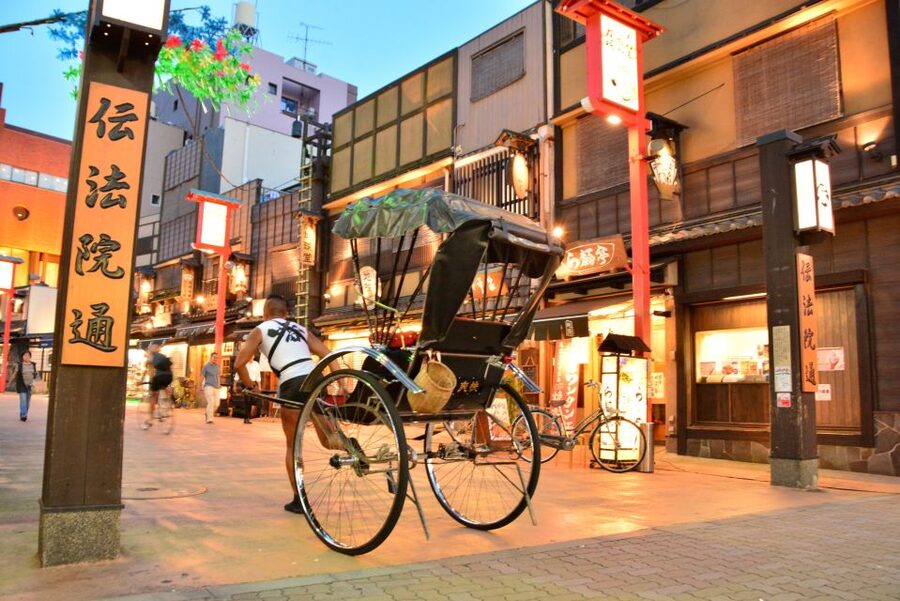
The price is listed at $35 per person, and with a duration range from 30 to 190 minutes, the real value comes from how you use your time.
A short ride can be a smart move if you want a quick hit of Asakusa’s big landmarks: temples and shrine area, a river-garden moment, and a couple of street scenes. It’s also useful if you’re landing in Tokyo mid-day and need something manageable that doesn’t chew up half the day.
Longer rides make more sense when you want context. That’s when your guide has room to explain what’s happening at each stop and when you can take more photo time at places like Hanayashiki and along Sumida River scenery.
One practical value angle: since your guide is local and the tour is private, you’re not paying just for transportation. You’re paying for interpretation, pacing, and the ability to move through areas that can feel harder to navigate on foot.
My Booking Verdict: Should You Book This Asakusa Rickshaw?
Book it if you want a street-level Asakusa tour that mixes major sights with side-street character, and you like the idea of a guide steering you through photo stops and cultural context. It’s also a strong pick for first-timers who want to get their bearings fast, especially in a single half-day window.
Consider skipping it if you need guaranteed space and comfort for more than 2 adults per rickshaw, or if pregnancy restrictions apply to you. Also skip if your plan depends on selfie sticks, since they’re not allowed.
If you do book, I’d choose the duration based on your vibe: 30 to 70 minutes for a highlight loop, and 2 to 3 hours if you want the story-rich version with Sumida Park and multiple street segments. Done right, this is one of those experiences that makes Asakusa feel like a place, not just a checklist.
FAQ
Where is the meeting point for the rickshaw tour?
You meet at the rickshaw stand located just outside exit #1 of Asakusa Station on the Tokyo Metro GINZA line. You’ll still need to walk a few meters from the exit to reach the stand along the street.
Which Asakusa Station should I use?
Use the Asakusa Station on the Tokyo Metro GINZA line and specifically exit #1. There are two stations with the same name but on different subway lines.
How long is the tour?
The tour duration ranges from 30 minutes up to 190 minutes. Starting times depend on availability.
What’s included in the price?
The price includes the rickshaw ride and a local guide.
What should I bring since snacks and drinks are not included?
Snacks and drinks are not included, so you should plan for your own water and snacks. Having your own essentials makes it easier if you stop for photos or shopping longer than expected.
Are selfie sticks allowed?
No. Selfie sticks are not allowed on this activity.
How do child fares work?
Adult pricing applies to those aged 6 and over. Children 5 and under can ride for free if they sit on an adult’s lap, with one child per adult. If a child 5 years old has their own seat, they must book as an adult.
Is this rickshaw tour wheelchair accessible and stroller friendly?
Yes. The activity is listed as wheelchair and stroller friendly.
Is the tour suitable during pregnancy?
It is not recommended for people in their first 16 weeks of pregnancy, and it is listed as not suitable for pregnant women.
Let Something Else Do the Walking

Asakusa and the Skytree, Keep Going
Newest Tokyo write-ups from the Loving Japan desk
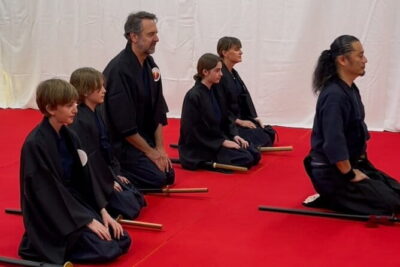
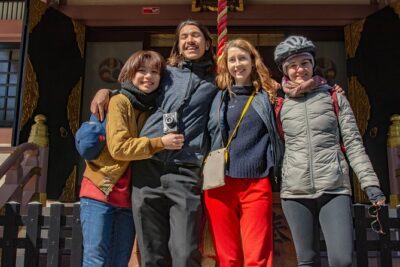
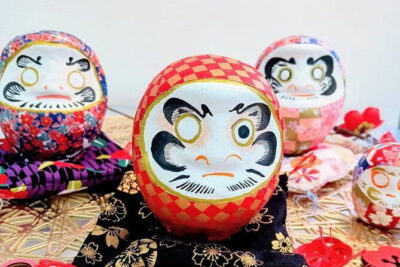
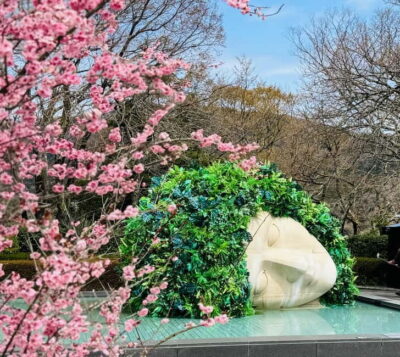
Asakusa, Senso-ji and Tokyo Skytree, side by side.
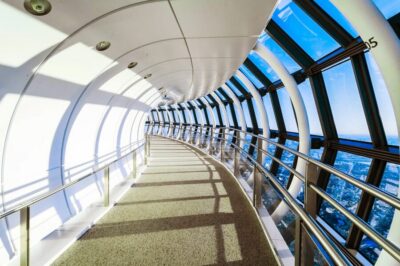 ★ 4.5TOKYO SKYTREE® Admission ticketFrom $1311,192 reviews
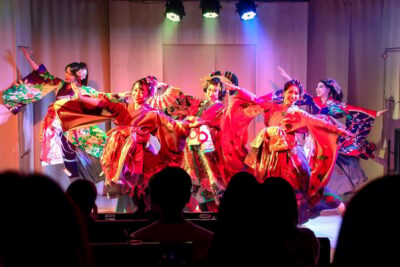 ★ 4.8Japanese Dance Cabaret Theater Asakusa-Kaguwa TicketFrom $492,270 reviews
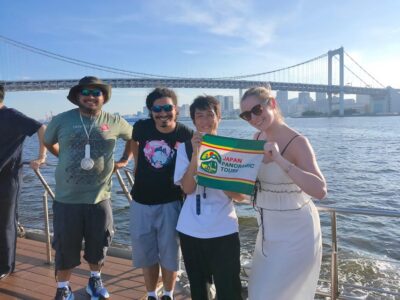 ★ 4.7Meiji Shrine, Asakusa, Skytree Bus Tour and CruiseFrom $1221,986 reviews
 ★ 4.9Roll and Authentic Sushi Making Class in AsakusaFrom $581,957 reviews
 ★ 4.8Asakusa Walking Tour with Sensoji Temple VisitFrom $221,583 reviews
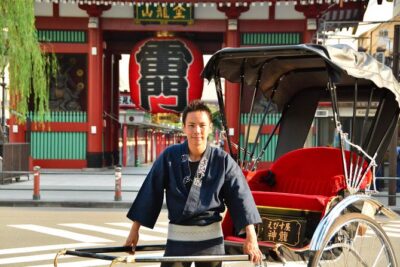 ★ 5.0Tokyo Asakusa Rickshaw TourFrom $421,375 reviews
 ★ 4.5Tokyo Panoramic 1 Day: Meiji Shrine, Asakusa, Odaiba and SKYTREE®From $851,222 reviews
 ★ 5.0Tokyo Go Kart: Asakusa, Skytree, and Akihabara **IDP MUST**From $99988 reviews
Filed on these lists too