
REVIEW · TOKYO TOWER, GINZA AND THE IMPERIAL PALACE
Tokyo: Authentic Food Tour in Ginza and Shimbashi
Food and walking, Tokyo style. I love the Ginza-to-Shimbashi route because it lets you try local food without juggling transit, and I love that you get a live English guide who explains what you are eating and why it fits Japanese food culture. The main drawback is simple: you are on your feet for about 3 hours, and it is not suitable for wheelchair users.
Guides like Doren, Reo, Ryota, and Yota come up again and again for being fun to talk with and for giving real help around navigating Tokyo’s food culture, not just reciting facts. With a small-group cap of 10, you get room to ask questions and keep the pace relaxed.
In This Review
- Key things that make this Ginza and Shimbashi food tour work
- Why this Ginza and Shimbashi route makes sense
- Meeting at Tokyu Plaza Ginza, in front of the BOSS store
- Stop 1 in Ginza: real regional food, not just camera food
- The short walk to Yurakucho: use the gap to reset
- Stop 2 in Yurakucho: the guided tasting advantage
- The final leg to Shinbashi: finish with local favorites
- How the English guide adds value (and not just translations)
- What the 3-hour pacing feels like in real life
- Price and value: is $146 fair for this kind of tour?
- Who this tour fits best (and who should rethink it)
- Tips to get the most from your evening
- Should you book this Ginza and Shimbashi food tour?
- FAQ
- Where is the meeting point for the Tokyo Ginza and Shimbashi food tour?
- How long is the tour?
- Which areas are included in the itinerary?
- Is there an English-speaking guide?
- How many people are in the group?
- Is the tour suitable for wheelchair users?
- How much does the tour cost?
- Is free cancellation available?
- Can I reserve now and pay later?
- Where can I find the tour update information on social media?
Key things that make this Ginza and Shimbashi food tour work
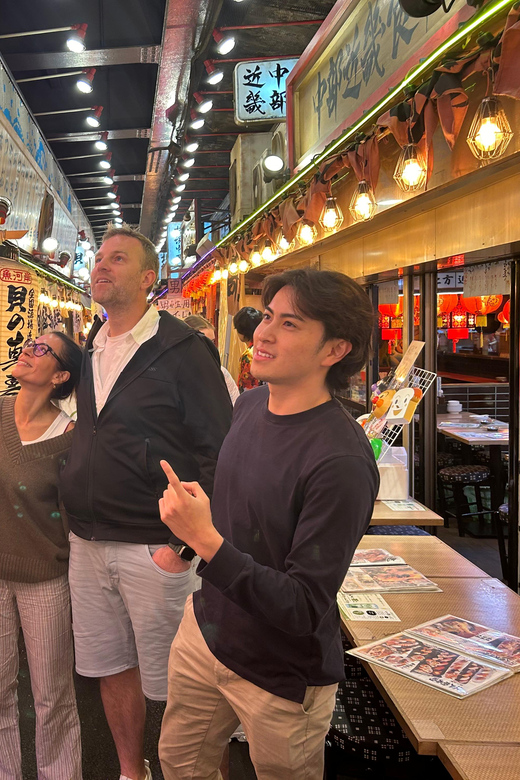
- Tokyu Plaza Ginza meeting point at the BOSS store makes it easier to find your start
- Three stops, each about 50 minutes: Ginza, Yurakucho, then Shinbashi
- Short walks between areas keep the tour moving without feeling rushed
- English live guide with cultural context, plus tips for how to order and enjoy
- Multiple Japanese dishes plus traditional desserts instead of just one meal
- Small group up to 10 people, so you get conversation, not a lecture
The central Tokyo landmarks, reviewed one by one
- Flagship 2-Hours Official Street Go-Kart Tour – Tokyo Bay Shop
★ 5.0 · 4,974 reviews - Tokyo: Imperial Palace and Shogun Historical Walking Tour
★ 5.0 · 2,251 reviews - Tokyo: Meiji Shrine, Asakusa, Skytree Bus Tour and Cruise
★ 4.7 · 1,986 reviews - Tokyo Panoramic 1 Day: Meiji Shrine, Asakusa, Odaiba and SKYTREE®
★ 4.5 · 1,222 reviews
Why this Ginza and Shimbashi route makes sense
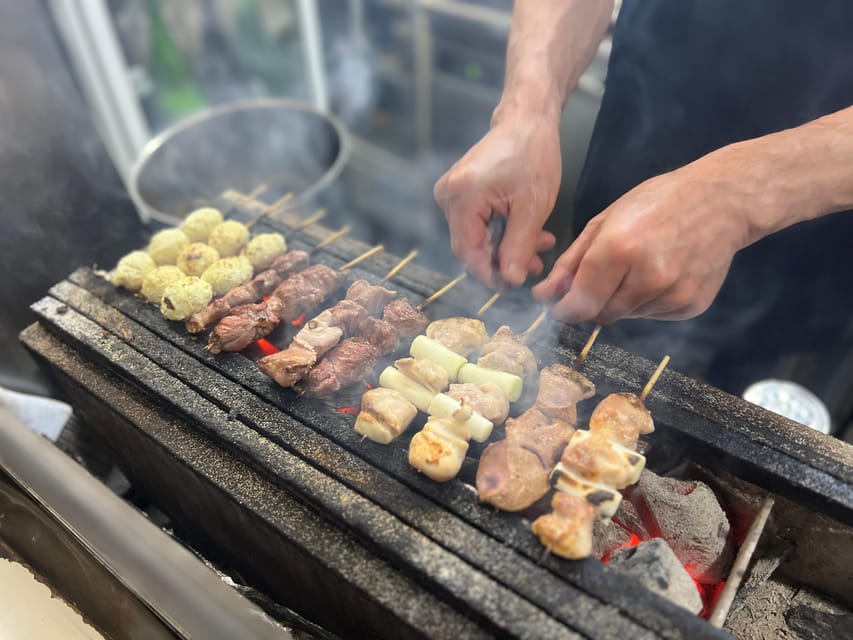
Ginza gets attention for luxury shopping. Good. But this tour uses that same area as a launch point for something more useful: authentic Japanese food that locals actually go for. Instead of turning your night into a checklist of famous spots, you get a guided loop through nearby neighborhoods and taste what the guide thinks fits the moment.
What I like about this setup is the rhythm. You start in central Ginza, then shift to Yurakucho and Shinbashi, with only brief walking gaps between stops. That matters because Tokyo can feel big and complicated after a full day. Here, the plan keeps you oriented and focused on eating.
Meeting at Tokyu Plaza Ginza, in front of the BOSS store
Your start point is Tokyu Plaza Ginza, in front of the BOSS store. The easiest approach is from Ginza Station, exits C2 or C3, then you look for the BOSS store at ground level.
If you arrive a little early, you can do something smart: take two minutes to get your bearings around the plaza. This matters because the tour is short at 3 hours. When you are trying to maximize food time, every late minute counts.
Coordinates (if you use maps) are 35.672245025634766, 139.7624053955078, which can save you from the classic Tokyo problem of walking in circles while your hunger quietly grows.
Stop 1 in Ginza: real regional food, not just camera food
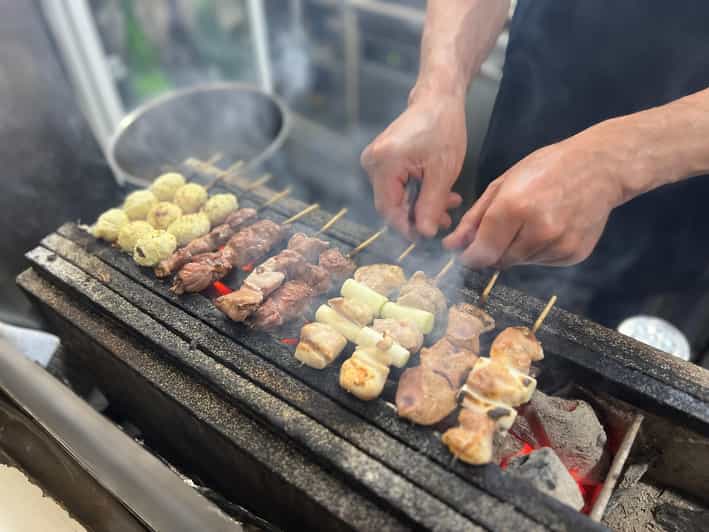
The first food block is 50 minutes in Ginza. You will be visiting places geared toward Japanese local taste, not just storefronts built for photos. The tour’s promise is “authentic Japanese foods loved by locals,” and the structure supports it: the guide leads you to less obvious places you might miss on your own.
This is also where the cultural bits start to click. One of the big praise points in the feedback is how guides help you understand Tokyo food culture in plain language. That can mean things like what to order, how to read the flow of the place, and how to move through a meal smoothly.
Practical take: this first stop sets the tone. If you have food questions, this is the moment to ask. After that, you will be in a tasting mode.
- Mt Fuji and Hakone 1-Day Bus Tour Return by Bullet Train★ 5.0 · 26,383 reviews
- 1-Day Tokyo Bus Tour★ 5.0 · 14,250 reviews
- Tokyo: teamLab Planets TOKYO Digital Art Museum Entry Ticket★ 4.6 · 9,779 reviews
- Mt Fuji & Hakone Cruise, Drum Show Bullet Train 1 Day from Tokyo★ 4.0 · 7,413 reviews
- Tokyo: Shinjuku Food Tour (13 Dishes at 4 Local Eateries)★ 5.0 · 6,603 reviews
The short walk to Yurakucho: use the gap to reset
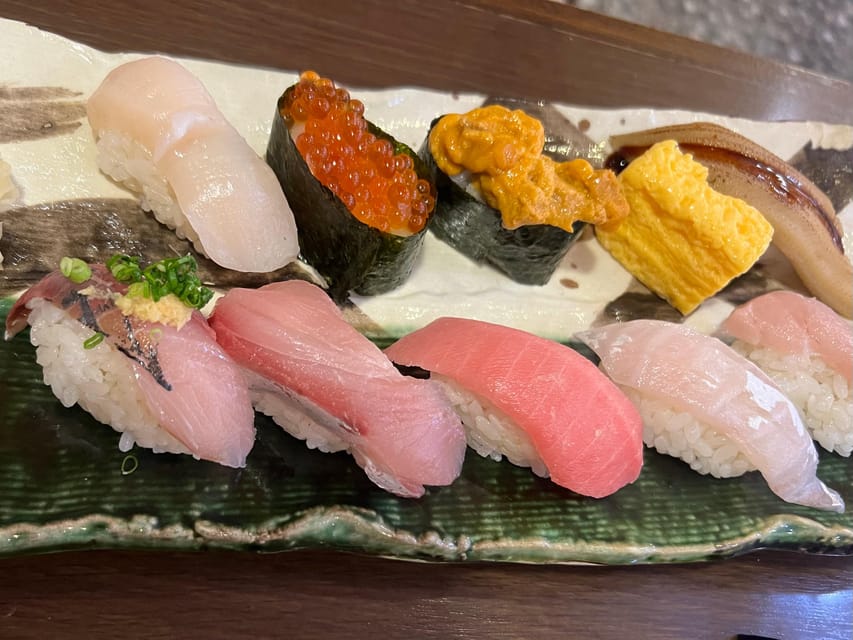
Between neighborhoods, the tour keeps the walking time tight, around 5 minutes on foot. That is not just about logistics. It is also a good chance to regroup mentally. If you are new to Japanese eating customs, you might feel more comfortable after you settle into one place, then take a quick reset before the next.
Yurakucho is your second 50-minute food stop. The plan stays consistent: you visit regional food with your guide, then you move on. The value here is continuity. You are not changing plans midstream, and the guide can connect what you tasted in Ginza to what you will taste next.
Stop 2 in Yurakucho: the guided tasting advantage
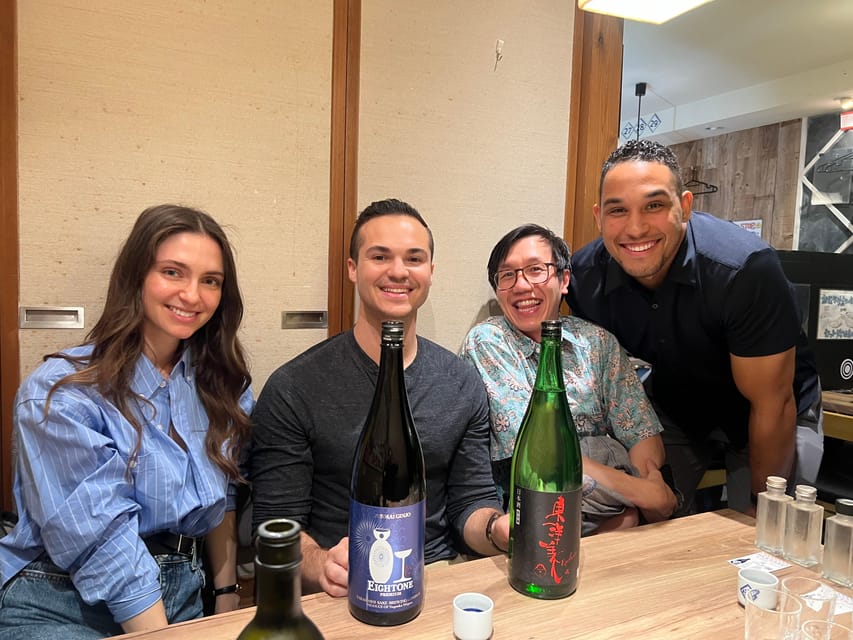
The Yurakucho portion is another 50-minute block for regional food. You are looking for variety, and the tour is designed for that. The overall experience mentions exploring various dishes and traditional desserts, so this is typically where the tasting broadens beyond just one type of meal.
In guides’ descriptions, there is a recurring theme: they do not only send you to eat. They help you understand what you are eating. In a city where language and food ordering can feel intimidating, that support can make the difference between sampling food you recognize and trying food you would normally skip.
Also, this is a good stage of the tour to slow down. If you are the kind of traveler who wants to savor, Yurakucho is often where you can do it. If you are more fast-moving, your guide can keep you steady and not overwhelm you with too many choices.
The final leg to Shinbashi: finish with local favorites
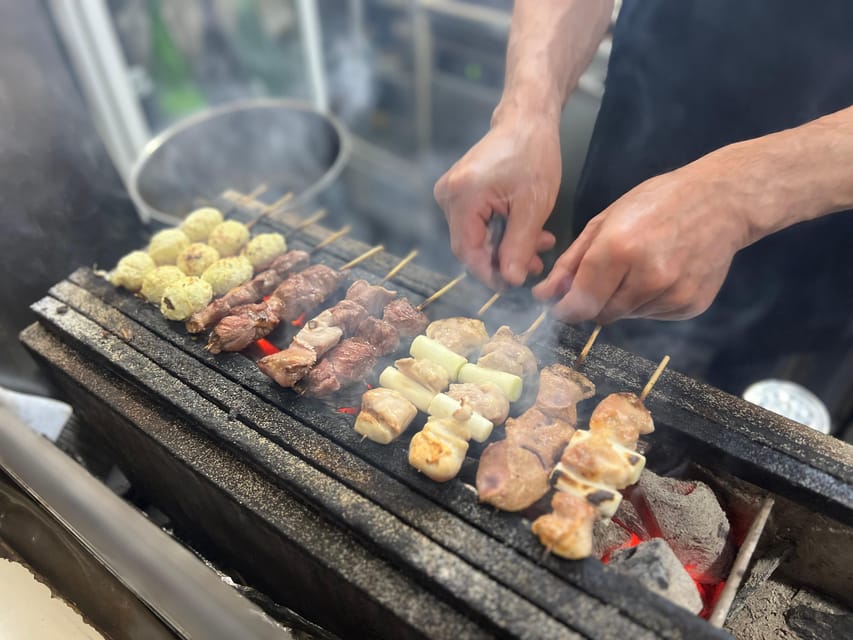
Next comes the Shinbashi stop, again 50 minutes. This is where the tour wraps up at the other end of the Ginza-to-nearby-neighborhood loop, with the final food block before returning to your start point.
The biggest advantage of this final stop is that you start to trust the process. By Shinbashi, you have already learned how the guide thinks about food. You know the pacing. You have a sense of how the group moves and what it means to order comfortably.
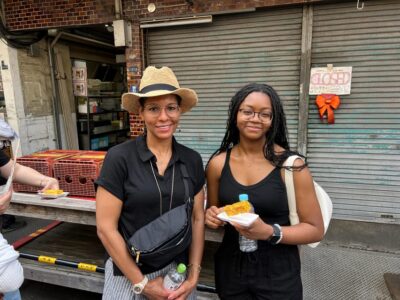
One review highlighted a version where the group ended up private, and they visited three different restaurants. That lines up with the core structure of three main areas. Even when your group stays full, you can expect the tour to focus on multiple distinct food stops, not one long dinner.
How the English guide adds value (and not just translations)
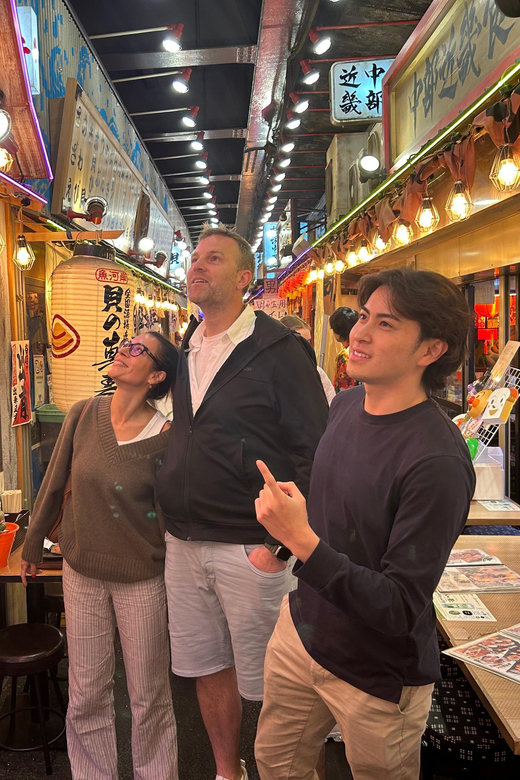
This tour’s standout quality is the people factor. The guides named in feedback, including Doren, Reo, Ryota, and Yota, get praised for being engaging and supportive, plus for sharing helpful insight into Japanese way of life.
That matters because the goal is not only to eat. It is to leave understanding how Tokyo food culture works at street level. You get guidance that can help you later when you are eating on your own.
A practical way to get the most from your guide:
- Ask one question about what you are eating before you get the food.
- Ask one question about what people order when they want something specific, like comfort food versus dessert.
- If there is a menu you do not understand, ask how you should approach it. You are paying for the shortcut.
What the 3-hour pacing feels like in real life
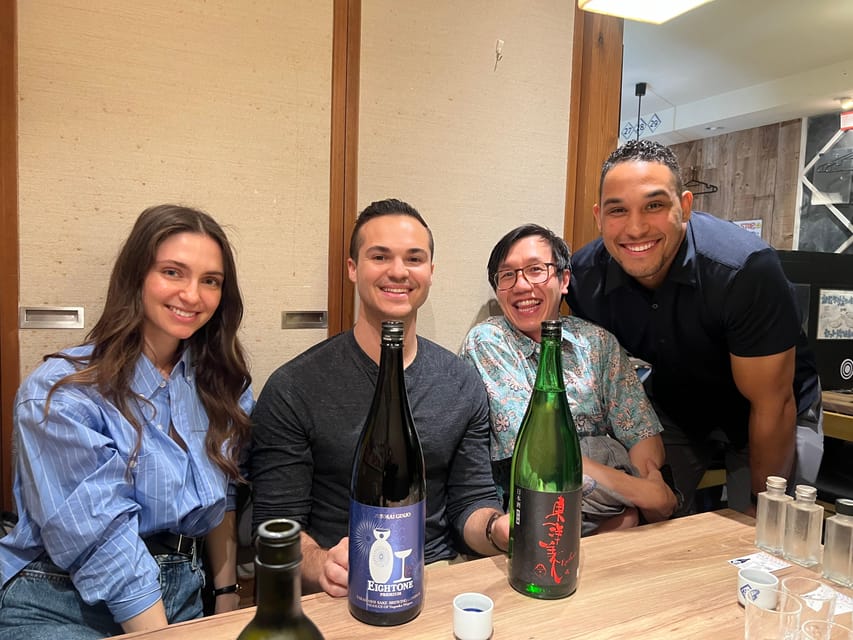
A lot of food tours fail because they feel like a sprint disguised as fun. This one has a built-in structure that helps it stay manageable: three 50-minute food blocks plus short walking transfers.
Add in the small-group limit of 10 participants, and it usually stays conversational. You are not standing shoulder to shoulder with strangers while your guide talks into the void. Instead, you can actually interact.
Also, because the tour is only 3 hours, you do not have to plan your whole evening around it. It is long enough to taste multiple places, short enough to still enjoy the rest of your night in Tokyo.
Price and value: is $146 fair for this kind of tour?
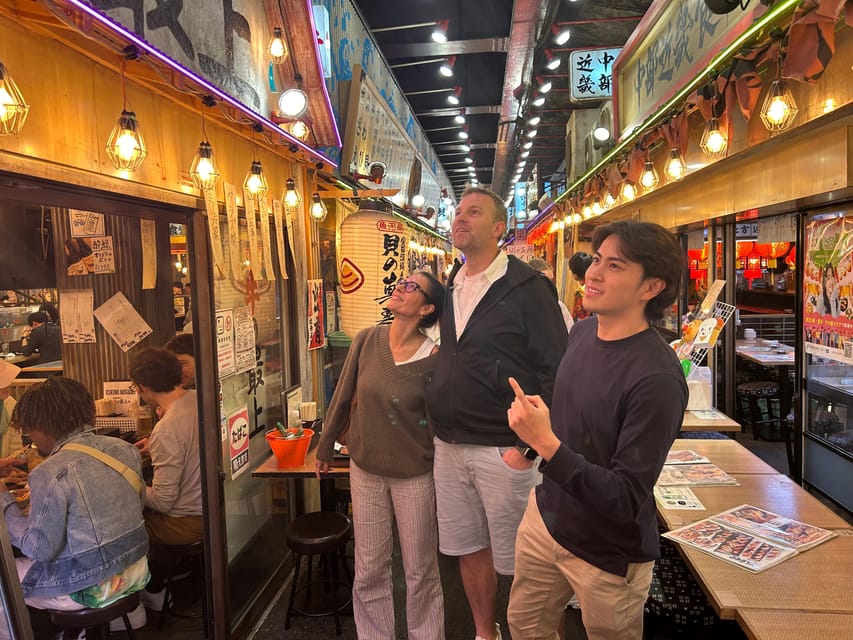
At $146 per person for 3 hours, this is not a bargain-bin activity. But it is also not priced like a luxury dinner. The value comes from what you are buying beyond food.
You are paying for:
- an English live guide to handle the how and why
- access to restaurants you might not find alone
- multiple tasting stops across Ginza, Yurakucho, and Shinbashi
- cultural context that helps you order and enjoy meals with confidence
If you have ever spent time hunting for places and still ended up choosing something random, you already know how quickly “cheap” turns expensive in time. Here, you swap that search time for eating time, plus you get food culture guidance while you are doing it.
And because the group is capped at 10, your experience is less likely to feel like mass transit in human form.
Who this tour fits best (and who should rethink it)
This tour is a strong fit if you:
- want a guided Ginza food tour that also reaches Yurakucho and Shinbashi
- prefer a small-group experience with time to talk
- want help navigating Japanese food culture in English
- like mixing savory dishes with traditional desserts
It is a weaker fit if:
- you cannot do prolonged walking. It is not suitable for wheelchair users.
- you want long, sit-down meals with hours at one table. This is a tasting and walking format.
If you are traveling with a flexible appetite and you enjoy asking questions, this kind of tour usually feels like one of the easiest ways to understand a food scene.
Tips to get the most from your evening
You do not need to overthink it, but a few moves help:
- Wear comfortable shoes. You have multiple short walks, and it totals about 3 hours.
- Come hungry, but not painfully stuffed. If you go in already full, the dessert part will feel like homework.
- Be ready to try things you do not already recognize. That is where the guide’s expertise matters.
- Use the guide for ordering confidence. Ask how to approach menus, not just what to eat.
If you want to stay connected, the experience also points to traveling.tokyo on Instagram.
Should you book this Ginza and Shimbashi food tour?
If you want a 3-hour Tokyo food tour that focuses on authentic eating in Ginza and nearby neighborhoods, this is a smart choice. The guide-led structure, the small group size, and the way guides are praised for helpful cultural context make it more than just a route to restaurants.
Book it if you like the idea of tasting across three areas with an English-speaking guide who can translate food culture into something practical. Skip it if you need wheelchair accessibility or you want a slow sit-down dinner experience.
FAQ
Where is the meeting point for the Tokyo Ginza and Shimbashi food tour?
The meeting point is Tokyu Plaza Ginza, in front of the BOSS store. From Ginza Station, go up to the ground level using exit C2 or C3, and you will see the BOSS store.
How long is the tour?
The tour lasts 3 hours.
Which areas are included in the itinerary?
The tour includes Ginza, Yurakucho, and Shinbashi, and it returns to Tokyu Plaza Ginza.
Is there an English-speaking guide?
Yes. The tour includes a live tour guide in English.
How many people are in the group?
The group is limited to 10 participants.
Is the tour suitable for wheelchair users?
No. It is not suitable for wheelchair users.
How much does the tour cost?
The price is $146 per person.
Is free cancellation available?
Yes. You can cancel up to 24 hours in advance for a full refund.
Can I reserve now and pay later?
Yes. The option Reserve now & pay later is available, meaning you can book your spot and pay nothing today.
Where can I find the tour update information on social media?
The experience mentions following traveling.tokyo on Instagram.
Central Tokyo Landmarks


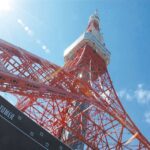
Newest Tokyo write-ups from the Loving Japan desk
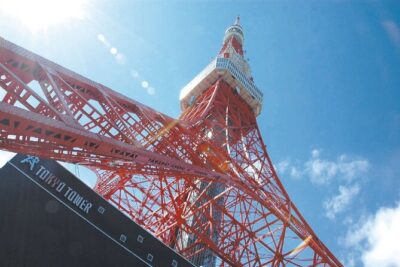
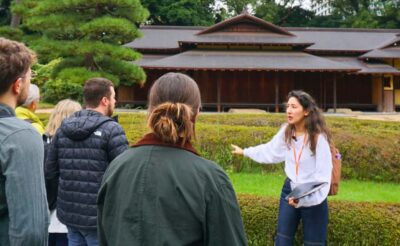
Tokyo Tower, Ginza and the Imperial Palace, side by side.
 ★ 5.0Flagship 2-Hours Official Street Go-Kart Tour – Tokyo Bay ShopFrom $644,974 reviews
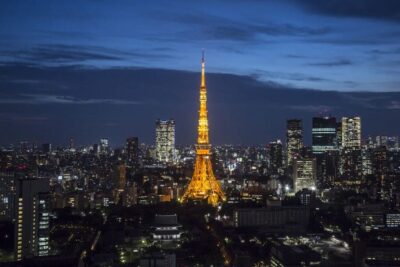 ★ 4.6Tokyo Tower: Admission TicketFrom $93,661 reviews
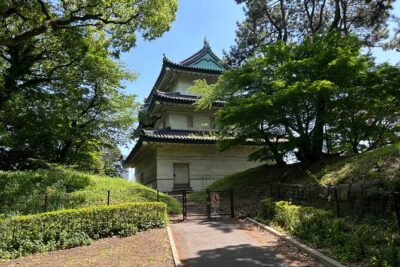 ★ 5.0Imperial Palace and Shogun Historical Walking TourFrom $222,251 reviews
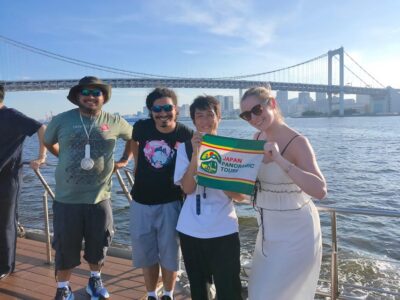 ★ 4.7Meiji Shrine, Asakusa, Skytree Bus Tour and CruiseFrom $1221,986 reviews
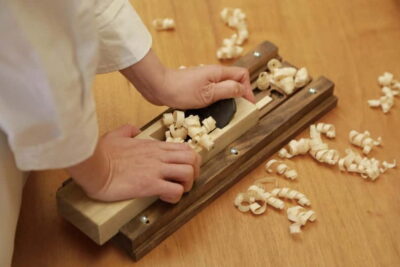 ★ 4.8Chopstick Making Workshop in GinzaFrom $251,366 reviews
 ★ 4.5Tokyo Panoramic 1 Day: Meiji Shrine, Asakusa, Odaiba and SKYTREE®From $851,222 reviews
 ★ 4.9Imperial Palace Japanese History Walking TourFrom $32987 reviews
 ★ 4.9Imperial Palace and Shogun Walking TourFrom $16935 reviews
Filed on these lists too