
REVIEW · SHIBUYA, SHINJUKU AND HARAJUKU WALKS
Tokyo Bike Tour: Shibuya, Harajuku & Hidden Gems
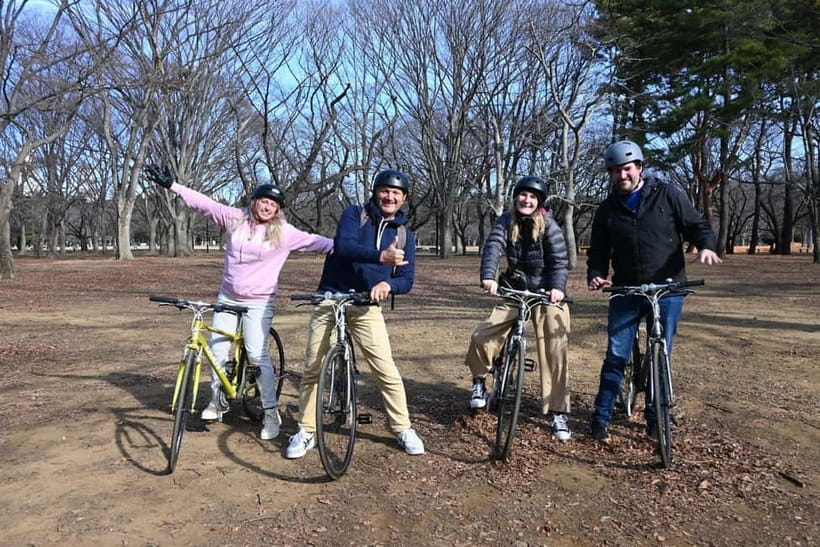
Tokyo looks different at bike speed. This 3-hour Tokyo bike tour strings together Shibuya, Harajuku, and quieter side streets in a way that feels more like day-to-day city life than sightseeing by bus. I like that you ride past both big-name spots and the secret stops that don’t show up on every first-page itinerary.
I especially like two things. First, the ride is built for time, using bike travel so you can cover more ground than walking. Second, the guide, English-speaking Taichi, brings local context and safety-minded cycling throughout, so you get actual answers instead of just signpost facts.
The main drawback to plan for is comfort with city-street cycling. You need to ride confidently at around 15 kilometers per hour, handle crossings at traffic lights, and be okay with occasional narrow or busy sections. If that sounds stressful, this may not be the best fit.
In This Review
- Key things I’d prioritize before you book
- Why this Shibuya-Harajuku bike loop is great for first-timers
- Getting there at Umayamichi Park, near Freshness Burger
- Safety and pace: what you must be comfortable with
- Your 3 hours on two wheels: the route in plain English
- 1) Umayamichi Park: safety briefing first
- 2) A secret scenic stop
- 3) Yoyogi Park: photos, pause, and breathing room
- 4) Shibuya city streets, then into the heart of Shibuya
- 5) Another secret stop, then Hachiko Statue
- 6) Harajuku and Omotesando: fashion streets with a local route feel
- 7) Aoyama: longer viewing time and a quieter change of pace
- 8) Aoyama Cemetery: a surprisingly reflective stop
- 9) Meiji Jingu Gaien Ginkgo Avenue: photo moment on a scenic corridor
- 10) Japan National Stadium: final icon before you head back
- What Taichi adds that you cannot easily DIY
- Price and value: is $63 for 3 hours worth it?
- Who should book this bike tour, and who should skip it
- Quick practical checklist before you go
- Should you book this Tokyo Bike Tour?
- FAQ
- Where do I meet for the Tokyo Bike Tour?
- How long is the tour?
- Is the tour guide English-speaking?
- How big is the group?
- Do I need to know how to ride a bike?
- What should I bring, and what is not allowed?
- What happens if it rains?
- Is this tour suitable for children or pregnant travelers?
Key things I’d prioritize before you book
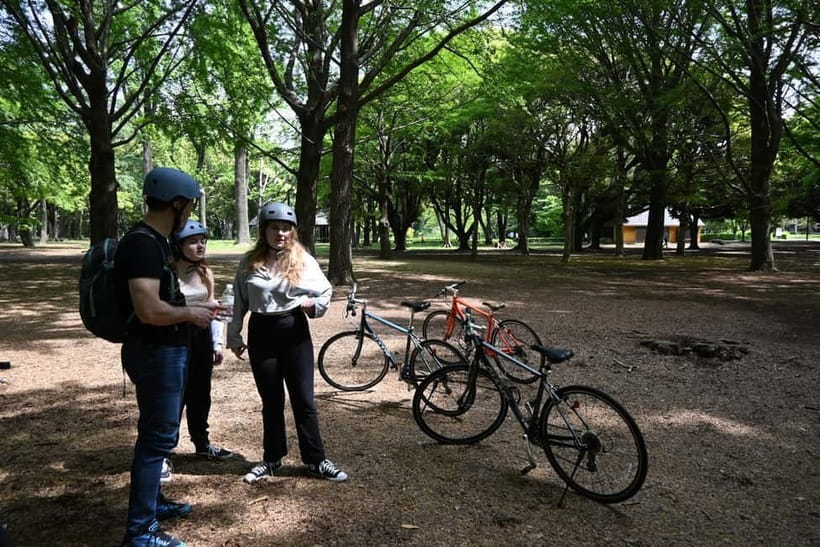
- Small group (up to 6 people) keeps the ride calm and the Q&A more personal
- English live guide (Taichi) shares local tips beyond typical landmark descriptions
- Bikes and helmets included, so you just show up ready to pedal
- A tight mix of icons and quiet corners, from Shibuya Crossing to Aoyama Cemetery
- 3 hours with a real riding pace, about 15 km/h, plus short photo stops and walks
- Light rain is handled, but sudden weather changes can lead to a cancellation
Other routes through the west side of Tokyo, compared
- Tokyo: Shinjuku Food Tour (13 Dishes at 4 Local Eateries)
★ 5.0 · 6,603 reviews - Tokyo Bar Hopping Tour in Shinjuku (All-You-Can-Drink + Dinner)
★ 5.0 · 3,587 reviews - Official Street Go-Kart in Shibuya
★ 5.0 · 3,435 reviews - Tokyo: Shinjuku Food Tour (15 Dishes and 4 Eateries)
★ 4.9 · 2,033 reviews
Why this Shibuya-Harajuku bike loop is great for first-timers
Tokyo can be overwhelming on foot. The distances feel longer than the map suggests, and the constant stops at intersections slow you down fast. This tour solves that with a simple promise: you see a lot of Tokyo’s most famous areas, without relying on public transport. You move like locals do, using the bike as your shortcut through neighborhoods.
I also like that it is not only about the headline photos. Yes, you do hit recognizable landmarks, but you also get taken down smaller lanes and to “why is this here?” kind of spots. That blend matters because Shibuya and Harajuku are tourist magnets. When everything is loud and crowded, the trip can feel repetitive. The quieter stops break that up.
And because the group is limited to 6, you get a smoother flow than you do with bigger tours. The guide can keep an eye on everyone’s comfort level, and you are not constantly dodging around other groups.
Getting there at Umayamichi Park, near Freshness Burger
The meeting point is Umayamichi Park, at the park next to Freshness Burger. The location is convenient if you are staying around Shinjuku or Yoyogi. It is about a 10-minute walk from Shinjuku Station and roughly 1 minute from Yoyogi Station, so you are not burning your energy the way you would with a farther meeting point.
Why that matters: in Tokyo, your energy budget matters. The city is fun, but it also eats time if you keep commuting. Starting close to major stations helps you keep the rest of your day flexible.
Also, you start with a short safety briefing. If you have never ridden in Japanese traffic before, that first few minutes help you understand how the group will move, cross, and pause.
Safety and pace: what you must be comfortable with
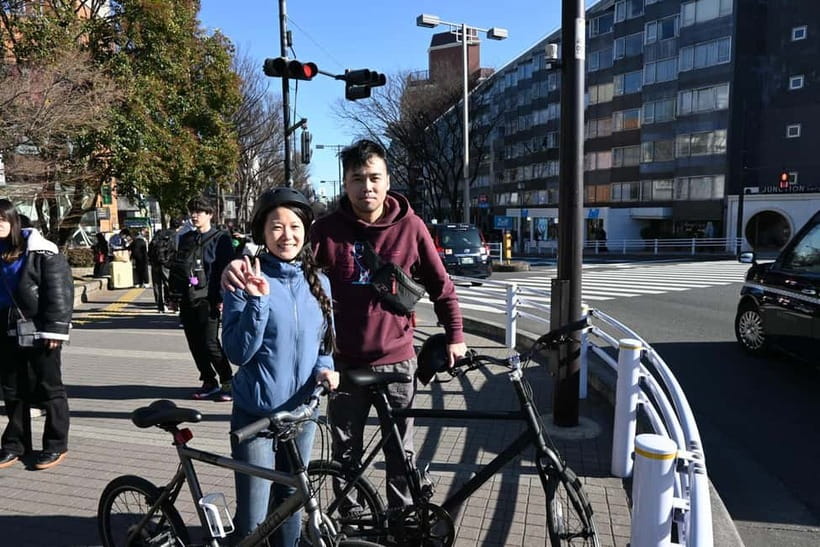
This tour is for people who can handle actual urban cycling, not for casual strollers. You are expected to ride at a typical speed around 15 km/h, and you should feel comfortable with:
- Riding on city streets
- Crossing at traffic lights
- Handling occasional narrow or crowded areas
You get a bicycle and helmet included, which removes a big headache. But the most important part is the guide’s role in keeping things safe and predictable.
In the past, people have highlighted that Taichi is patient and steady in busy traffic. That is a big deal here because Tokyo streets can be busy, and bicycle rules on the road can feel different from what you expect at home. The tour asks you to follow Japanese traffic rules and the guide’s instructions, so listen up during the briefing and keep your focus when the group is moving.
One more practical note from the tour rules: no headphones. The reason is simple. You need to hear instructions and the flow of the group, especially around crossings and turns.
Finally, the ride happens in light rain. If weather changes suddenly, the tour can be canceled for safety. So I treat it like a “Tokyo weather always wins” activity, not something to plan as if it will run no matter what.
Cover Tokyo on two wheels instead
- Tokyo Guided Small-Group Biking Tour★ 5.0 · 1,250 reviews
- Tokyo Great Cycling Tour★ 5.0 · 811 reviews
- Tokyo Top Highlights 3h Guided E-bike Tour★ 5.0 · 714 reviews
- 3h Tokyo E-Bike Tour: Hidden Gems, and Local Life with guide★ 5.0 · 670 reviews
- Tokyo: 3-Hour Bike or E-Bike City Highlights Tour★ 4.8 · 435 reviews
Your 3 hours on two wheels: the route in plain English
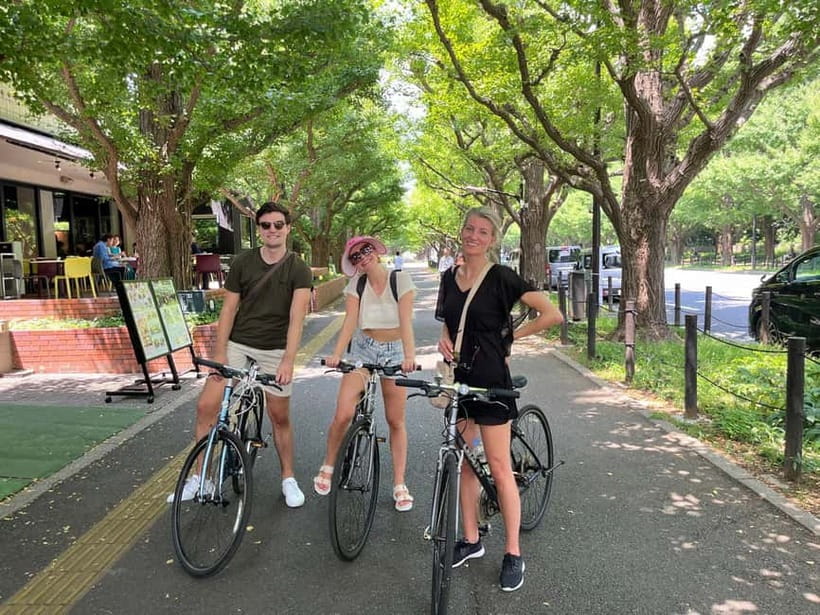
You begin at Umayamichi Park, then settle into the rhythm: short cycling segments, quick photo stops, and a couple of longer pauses where you can actually look around.
1) Umayamichi Park: safety briefing first
You start with a 5-minute safety briefing. This is where you learn how the group will form up and what to do at crossings and stops. If you are the nervous type on a bike, this is your moment to get questions answered early.
2) A secret scenic stop
Right after the briefing, there is a secret stop with scenic views on the way. It is short, but I like these early teases. They set the tone that this tour will not just march you from landmark to landmark.
3) Yoyogi Park: photos, pause, and breathing room
Next is Yoyogi Park with a photo stop and scenic riding around it for about 15 minutes total at this segment. Yoyogi is a good “reset zone” in the middle of dense neighborhoods. Even when Tokyo is busy, parks act like a pressure release valve.
If you like taking photos, this is one of the better stops early because the pace is controlled and you get a clear moment to shoot without sprinting through crowds.
4) Shibuya city streets, then into the heart of Shibuya
Then you move through Shibuya City for about 15 minutes of scenic riding, where you get the feel of the district without having to navigate everything yourself.
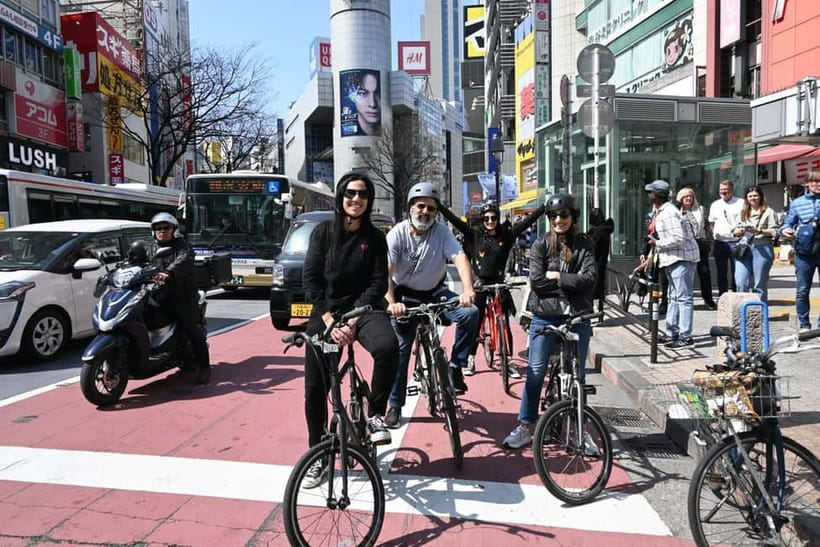
After that comes the star of the area: Shibuya Crossing. You get about 10 minutes total here, including a photo stop plus a guided walk through the area. It is not a long linger, but it is timed well so you see the chaos and get context from the guide.
A small drawback: Shibuya Crossing moves fast, and the tour schedule is tight. If you want 30 minutes alone for photos, you may feel slightly rushed. But if you want the crowd photo plus an explanation and then you want to keep going, this is a solid format.
5) Another secret stop, then Hachiko Statue
After Shibuya Crossing, you hit another secret stop (again, around 10 minutes including guided moments and walking). This is one of the places where the tour earns its value. You are not just doing the same Shibuya loop everyone does.
Then you stop at the Hachiko Statue for about 10 minutes, with guided walking and time for photos. Hachiko is famous for a reason, but what I appreciate is that the guide can add the meaning behind the spot, not just point and pose.
6) Harajuku and Omotesando: fashion streets with a local route feel
From Hachiko, you head into Harajuku. You get a photo stop plus scenic riding for roughly 5 minutes, then another secret stop for another 5 minutes.
After that, Omotesando gets a photo stop around 5 minutes. This is a fast hit of the most photographed fashion corridors, but the bike format makes it feel efficient instead of frantic.
If you dislike short photo stops, you might find this part brisk. If you like a “taste test” approach so you can decide later where to return on your own, the short timing works.
7) Aoyama: longer viewing time and a quieter change of pace
Next is Aoyama, with about 20 minutes for photo stops and scenic riding. This is where the trip starts to feel less like a marketing brochure and more like actual Tokyo blocks: calmer rhythms, more breathing room, and streets that look planned even when they are clearly alive with daily use.
8) Aoyama Cemetery: a surprisingly reflective stop
Then you go to Aoyama Cemetery, with a photo stop and guided walk for about 20 minutes. A cemetery might sound like a weird choice on a bike tour, but it is also a good contrast. It gives you a chance to slow down, look carefully, and learn something more human than shopping streets.
I find this stop helpful because it changes your mental pace. The loudest Tokyo areas are fun, but only for so long. Aoyama Cemetery is a reset.
9) Meiji Jingu Gaien Ginkgo Avenue: photo moment on a scenic corridor
After the cemetery, you reach Meiji Jingu Gaien Ginkgo Avenue for a photo stop of around 5 minutes. Even if your photos end up imperfect, the main value here is the quick guided context plus the chance to stand in that famous corridor and see it for yourself.
10) Japan National Stadium: final icon before you head back
You finish at Japan National Stadium for a short photo stop (about 5 minutes) and then bike back to Umayamichi Park.
What Taichi adds that you cannot easily DIY
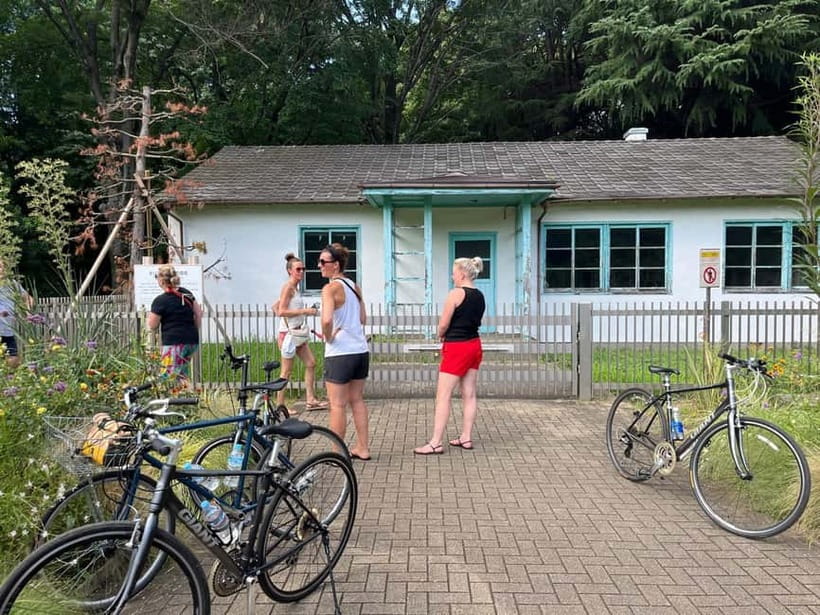
Landmarks you can find. The real question is what you get besides the obvious.
People have praised Taichi for being friendly and patient, and for communicating well in English while steering the group safely. That combination matters because city cycling requires real attention. If the guide’s instructions are clear, the whole experience feels easier.
Beyond safety, what you are really buying is interpretation. You are not just stopping to look. You are getting history and cultural context at the places where Tokyo feels layered, like the quieter stops and the meaningful landmarks. The guide also shares insider tips, like where to grab food or coffee in the area, not just what to see.
There is also a practical kind of flexibility reflected in past bookings. In at least one case, two people who felt uncomfortable riding switched to walking instead, and the rest of the tour still worked out well. That suggests the guide can adapt when needed, as long as everyone can still follow the safety and traffic rules.
Price and value: is $63 for 3 hours worth it?
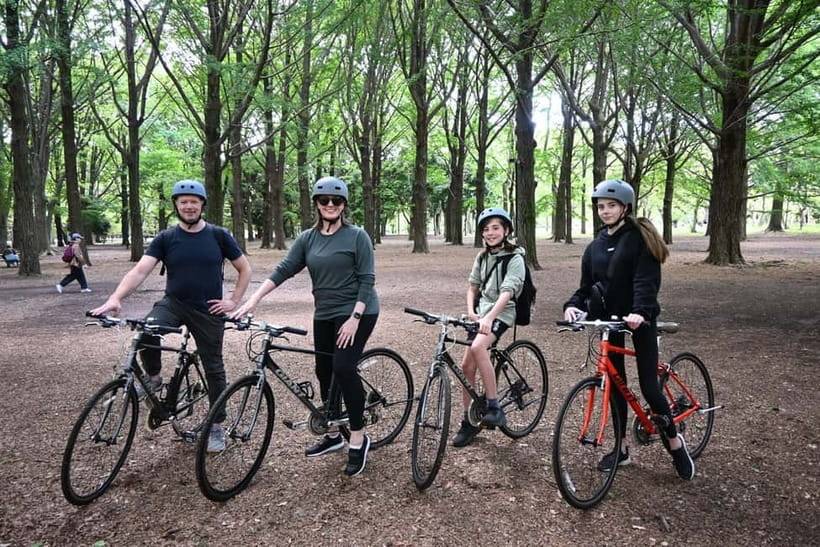
At $63 per person for a 3-hour small-group ride, you are paying for three things at once:
- A guided route through complex areas where navigation and street cycling can be tricky
- Bikes and helmets included, so you are not paying extra for gear
- Time efficiency, letting you cover Shibuya, Harajuku, Omotesando, Aoyama, and key sights without turning the day into commuting
If you were to DIY this with bike rental and a self-made route, you would likely spend time figuring out logistics, finding safe bike paths, and translating where you are in the moment. This tour compresses that work into a structured flow.
Is it for everyone? Not automatically. It only makes sense if you genuinely want to be on a bike in busy streets for most of the three hours. If you want a relaxing walking tour where you never need to pedal, you will probably feel rushed and slightly stressed.
But if you are ready for city cycling and want maximum Tokyo per hour, it is a solid value.
Who should book this bike tour, and who should skip it
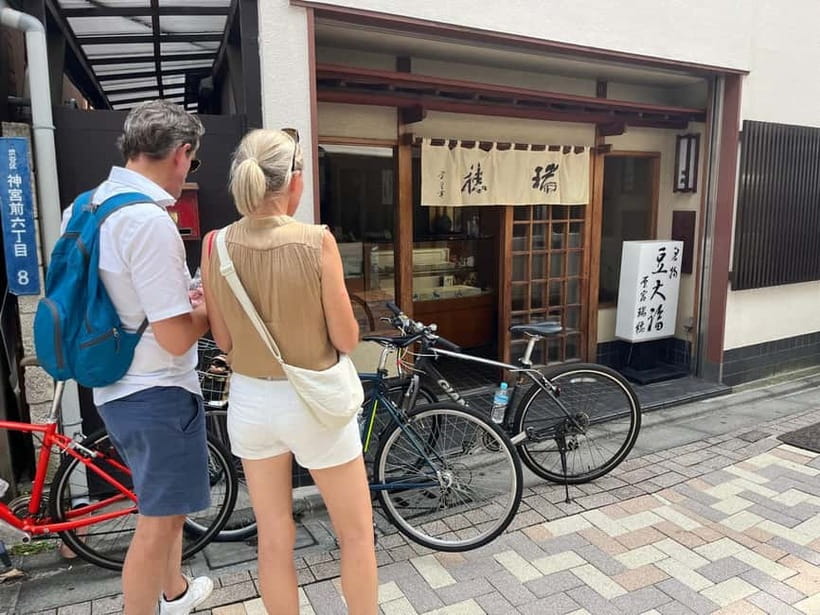
This tour fits best if you:
- Are a first-time visitor to Tokyo who wants the big hits plus quieter streets
- Want to travel like locals, using bikes instead of public transport for this area loop
- Like photo stops and guided walking breaks, not long museum-style time
- Feel comfortable riding at a steady pace and following traffic rules
It is not suitable if you:
- Cannot ride a bike confidently
- Are under 13 or pregnant
- Are under 155 cm or over 200 cm
- Are over 75
Also, follow the clothing and behavior rules. Wear comfortable clothes and closed-toe shoes. Bring drinks. Avoid anything that could violate the restrictions like sandals, open-toed shoes, or big bags. And skip headphones, umbrellas, vaping, smoking, and anything sharp or risky.
Quick practical checklist before you go
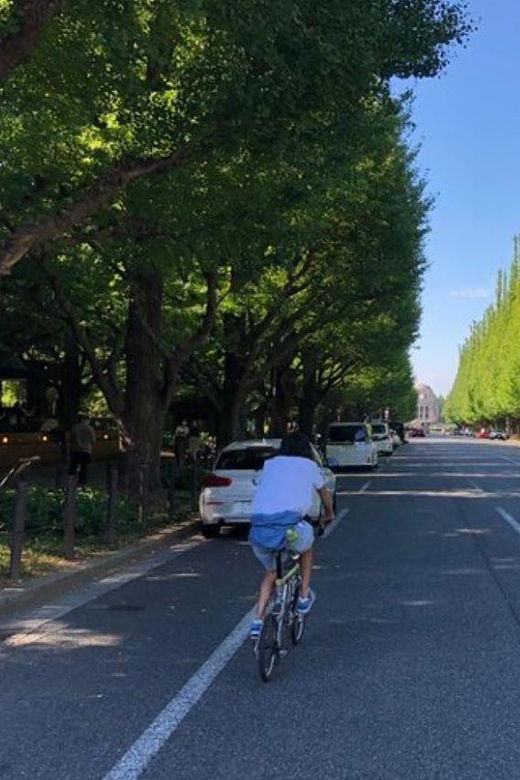
Here is how to make the day smoother from minute one:
- Wear closed-toe shoes with good grip
- Bring drinks since you will be outside most of the time
- Wear comfortable clothing you can pedal in
- Leave bulky luggage at your accommodation, since oversize bags are not allowed
- Expect light rain handling, but be ready for possible cancellation if weather turns
Small tip: if you are sensitive to loud environments, the lack of headphones might feel annoying, but it is there for safety and group coordination. You will hear instructions when it counts.
Should you book this Tokyo Bike Tour?
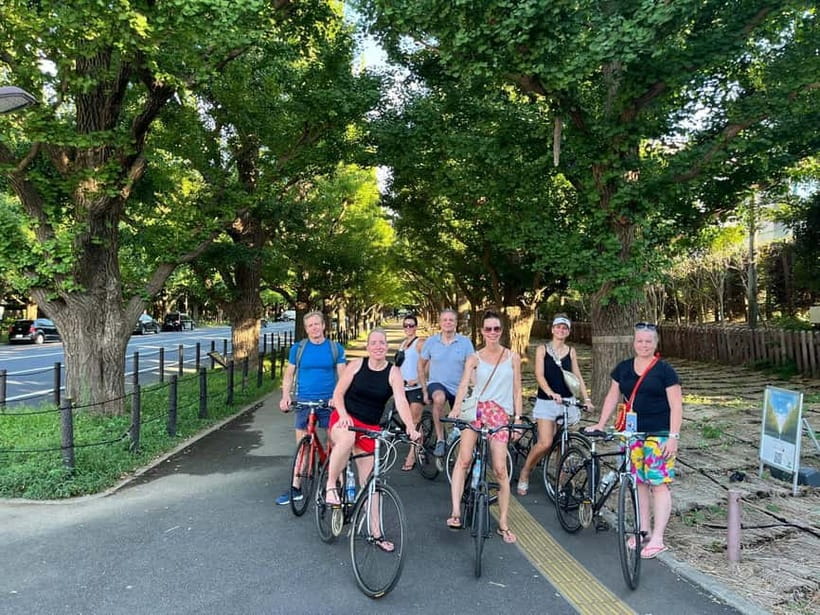
I think you should book it if you want a fast, guided way to experience Shibuya and Harajuku plus the calmer stretch through Aoyama and beyond, without spending your day stuck on transit or lost on side streets.
Skip it if you are not comfortable riding in traffic, you dislike being on a bike for most of the time, or your comfort level is low around crossings and narrow areas.
If you meet the comfort requirements, this is one of the more efficient ways to see Tokyo in a single afternoon, and the guide, Taichi, seems to deliver exactly what makes the difference, clear English guidance, safe handling, and local context.
FAQ
Where do I meet for the Tokyo Bike Tour?
You meet at Umayamichi Park, at the park next to Freshness Burger.
How long is the tour?
The tour runs for 3 hours.
Is the tour guide English-speaking?
Yes. The tour includes a live guide in English.
How big is the group?
It is a small group limited to 6 participants.
Do I need to know how to ride a bike?
Yes. You must be able to ride a bike confidently. The tour expects a typical cycling speed of about 15 kilometers per hour and includes city-street riding and crossings at traffic lights.
What should I bring, and what is not allowed?
Bring comfortable shoes, drinks, comfortable clothes, and closed-toe shoes. Not allowed includes sandals or flip flops, open-toed shoes, headphones, umbrellas, and oversize luggage. Smoking, vaping, and alcohol or drugs are also not allowed.
What happens if it rains?
The tour proceeds in light rain, but it may be canceled if weather changes suddenly for safety reasons.
Is this tour suitable for children or pregnant travelers?
No. It is not suitable for children under 13 and not suitable for pregnant women. There are also height and age limits.
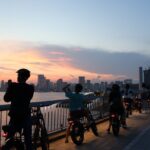
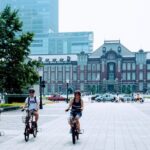
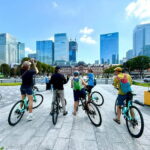
Bicycles and E-Bikes We Have Ridden
West Tokyo on Foot: Seven More

Newest Tokyo write-ups from the Loving Japan desk


Shibuya, Shinjuku and Harajuku Walks, side by side.
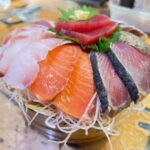
 ★ 5.0Shinjuku Food Tour (13 Dishes at 4 Local Eateries)From $866,603 reviews
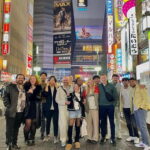
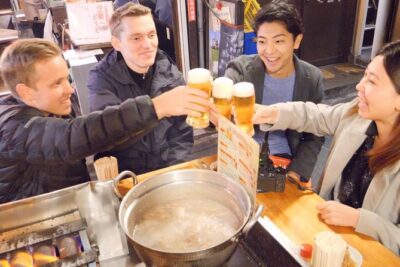 ★ 5.0Tokyo Bar Hopping Tour in Shinjuku (All-You-Can-Drink + Dinner)From $1063,587 reviews
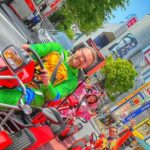
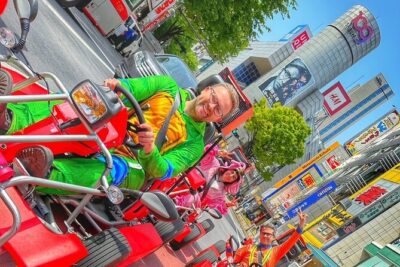 ★ 5.0Official Street Go-Kart in ShibuyaFrom $763,435 reviews
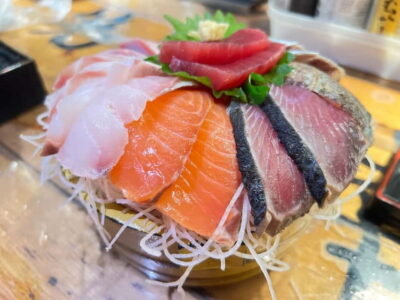 ★ 4.9Shinjuku Food Tour (15 Dishes and 4 Eateries)From $852,033 reviews
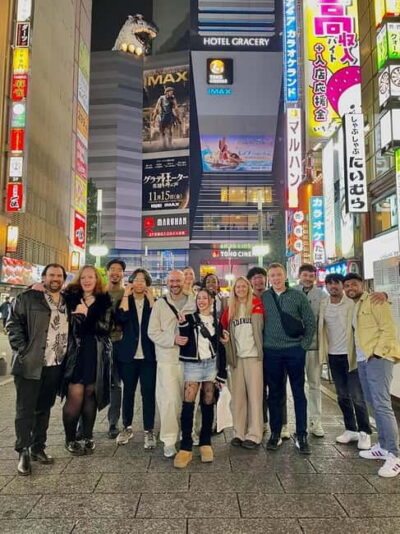 ★ 4.9Shinjuku Local Bar and Izakaya Guided Walking TourFrom $341,794 reviews
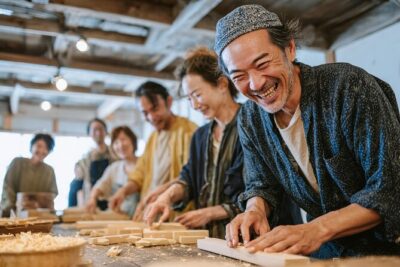 ★ 5.0Tokyo Shinjuku Chopsticks Making ClassFrom $201,763 reviews
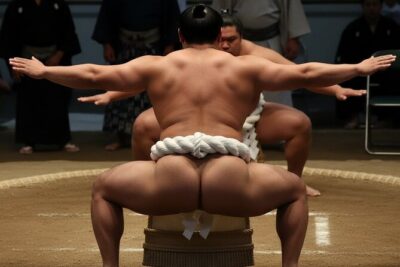 ★ 5.0Tokyo Shinjuku Sumo Show & Experience with PhotoFrom $791,750 reviews
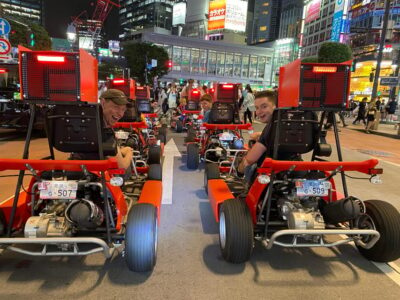 ★ 4.9Street Kart Experience in ShibuyaFrom $741,484 reviews
Filed on these lists too