
REVIEW · SHIBUYA, SHINJUKU AND HARAJUKU WALKS
Tokyo Bike Tour: Shibuya & Hidden Tokyo
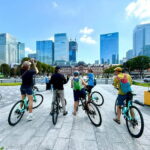
Shibuya looks different at bicycle speed. This bike tour turns you loose on the local streets around Shibuya with a guide who leads the route, so you are not busy playing map detective. I also like that you get both the headline sights and the quieter, day-to-day Tokyo you usually miss.
What makes it work is the setup: a small group (up to 6), an easy-to-reach meeting spot near Yoyogi, and a steady pace around 15 km per hour. The guide, Taichi, is the kind of person who explains what you are seeing, then helps you keep feeling safe as traffic and crowds change.
One consideration: you need to be comfortable biking on city pavement, crossing traffic-light intersections, and riding through tight spaces. If you want a totally stress-free, no-road-peeking stroll, this is not that kind of tour.
In This Review
- Key points before you pedal
- Why you should choose bikes for Shibuya and Aoyama
- Meeting point near Yoyogi and Shinjuku, plus what the ride tempo feels like
- Taichi’s role: safety, local tips, and the small touches that matter
- Yoyogi Park stop: a green reset before Shibuya chaos
- Shibuya Crossing and Hachiko: the famous sights, handled the right way
- Shibuya Cat Street and Aoyama Street: fashion streets plus real neighborhood flow
- Aoyama Cemetery and Japan National Stadium: a Tokyo side trip with meaning
- How tough is the riding, really? Height, weight, and confidence rules
- Price and value: what $64.73 gets you in 3 hours
- Should you book this Shibuya and Hidden Tokyo bike tour?
- FAQ
- How long is the Shibuya and Hidden Tokyo bike tour?
- Where do I meet for the tour?
- What areas and stops are included?
- How fast do you ride?
- What bike setup is provided, and who can ride?
- Do I need prior cycling experience?
- Will the tour run in rain?
- How big is the group?
Key points before you pedal
- Small group size (max 6): more space, more questions, and a calmer ride rhythm.
- Guide-led route: you follow hand signals and instructions, not a GPS screen.
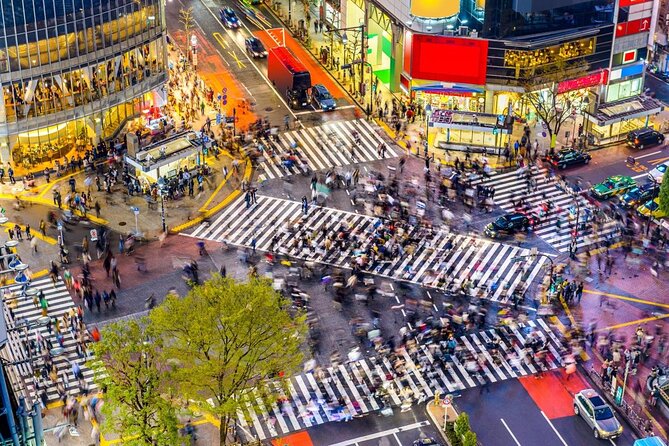
- Mix of big icons and quieter streets: Shibuya Crossing and Hachiko, plus residential-feeling lanes nearby.
- Comfortable city pace: about 15 km per hour, typically about a 3-hour outing with lots of stops.
- Taichi adds personal touches: routing can adjust if you already hit a landmark, and you may get extra photo help.
- Non-electric bike: it is real pedaling, not e-bike mode, so choose based on your comfort level.
Other routes through the west side of Tokyo, compared
- Tokyo: Shinjuku Food Tour (13 Dishes at 4 Local Eateries)
★ 5.0 · 6,603 reviews - Tokyo Bar Hopping Tour in Shinjuku (All-You-Can-Drink + Dinner)
★ 5.0 · 3,587 reviews - Official Street Go-Kart in Shibuya
★ 5.0 · 3,435 reviews - Tokyo: Shinjuku Food Tour (15 Dishes and 4 Eateries)
★ 4.9 · 2,033 reviews
Why you should choose bikes for Shibuya and Aoyama
Tokyo has a way of making your feet tired fast. Shibuya alone can eat hours, and the crowds can turn a simple walk into stop-and-go frustration. On a bike, you cover more ground while still seeing street life up close, storefronts, side alleys, and the neighborhoods that sit just one turn away from the main drag.
This tour also solves a common Tokyo problem: navigation anxiety. The guide leads you, which means you spend your attention on what is around you instead of constant route-checking. You end up with an experience that feels like you are moving through Tokyo with a friend who knows where the sidewalks end and where the quieter streets start.
And yes, you still get the famous stops, but the bike format lets you reach them without feeling trapped inside a long public-transport route. It is a practical way to get orientation early in your visit.
Meeting point near Yoyogi and Shinjuku, plus what the ride tempo feels like
You meet at Umayamichi Park, 5-chōme-24-11 Sendagaya, Shibuya (it is an easy location to find). The location is also convenient for other rail plans, with Shinjuku Station about a 10-minute walk and Yoyogi Station about a 1-minute walk away.
The tour runs about 3 hours. The pace is set at roughly 15 km per hour, which is a normal cycling speed, not a grind. You still do a lot of stopping, because the tour is about sights and explanations, not speed racing between photo spots.
Bikes fit riders with heights between 155 cm and 195 cm, and the tour caps weight at 120 kg. If you are within that range, you will likely have a straightforward setup. If you are not, double-check before you book.
The ride is designed to feel smooth even though the city can look chaotic. That does not mean it is a casual pedal with no traffic. You are expected to handle crowded/tight spaces confidently, follow Japanese traffic rules, and ride at the planned pace.
Taichi’s role: safety, local tips, and the small touches that matter
The biggest factor here is the guide. Taichi is based in Shibuya and runs routes that mix recognizable places with lesser-known back streets. People consistently highlight two things: he keeps the ride safe, and he talks through what you are seeing in a way that sticks.
In real city biking, safety comes from details: where the group lines up, when you slow for tight turns, and how you move through intersections. The tour specifically expects you to be confident with traffic lights and cross traffic. The payoff is that you get to learn local riding etiquette in action, which can help you afterward when you are walking through the same streets.
He also adds practical Tokyo value. Several past riders mention insider recommendations for food and coffee stops, plus help with simple Japanese phrases. If you like taking pictures on trips, you may also get photo help at key moments, including the classic Shibuya Crossing view.
One nice perk of a small group: there is room for light customization. If your trip already included Shibuya Crossing, you may find the guide adjusts stops slightly instead of repeating what you already know.
Cover Tokyo on two wheels instead
- Tokyo Guided Small-Group Biking Tour★ 5.0 · 1,250 reviews
- Tokyo Great Cycling Tour★ 5.0 · 811 reviews
- Tokyo Top Highlights 3h Guided E-bike Tour★ 5.0 · 714 reviews
- 3h Tokyo E-Bike Tour: Hidden Gems, and Local Life with guide★ 5.0 · 670 reviews
- Tokyo: 3-Hour Bike or E-Bike City Highlights Tour★ 4.8 · 435 reviews
Yoyogi Park stop: a green reset before Shibuya chaos
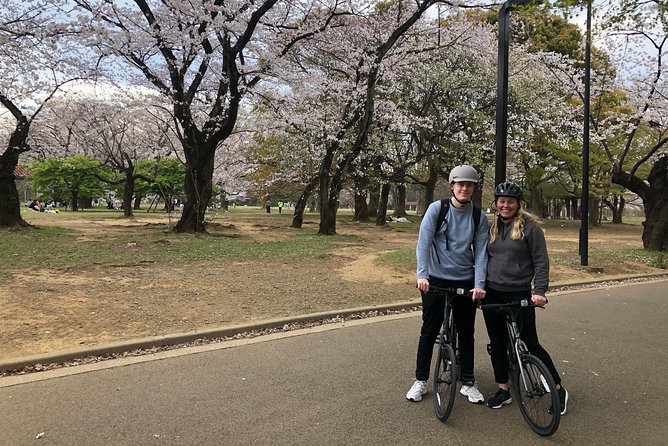
You kick things off at Yoyogi Park. This is a smart first move, because it gives your legs and breathing a warm-up while you ease into Tokyo’s rhythm. Parks in this part of the city also feel like a different Tokyo channel, quieter and more open, before you hit the denser blocks of Shibuya and Harajuku.
Expect the guide to use this early stop to set expectations for how the ride will flow. That helps a lot if you have not cycled in a major city before. You learn where to look, how to keep spacing, and what to do when the route tightens up later.
A drawback, if you are the type who likes non-stop sightseeing, is that parks can feel slower. But here, that slower pace is the point. It helps you transition from arriving in Tokyo to riding through it without feeling rushed.
Shibuya Crossing and Hachiko: the famous sights, handled the right way
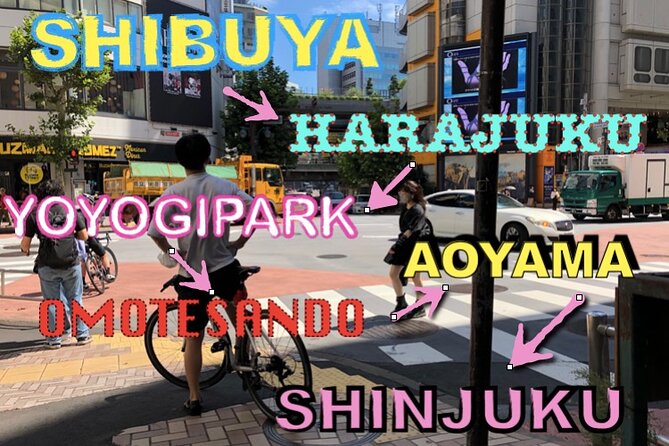
Shibuya Crossing is the global icon, but it can also be overwhelming if you try to do it alone. This tour gives you a guided way to experience it, with context and a sense of where to stand and when to move.
Hachiko is the classic companion stop. Having a guide here matters because you do not just look at the statue, you learn the surrounding story and why people gather there. The bike format helps too, because you are not starting and stopping your day with long detours. You transition through the area as a moving group, then refocus at the key moments.
Drawback? Crowds are still crowds. You are in Shibuya, and that is a factor no tour can erase. The win is that the guide’s timing and group control help you experience it without turning it into a stressed photo lineup.
Shibuya Cat Street and Aoyama Street: fashion streets plus real neighborhood flow
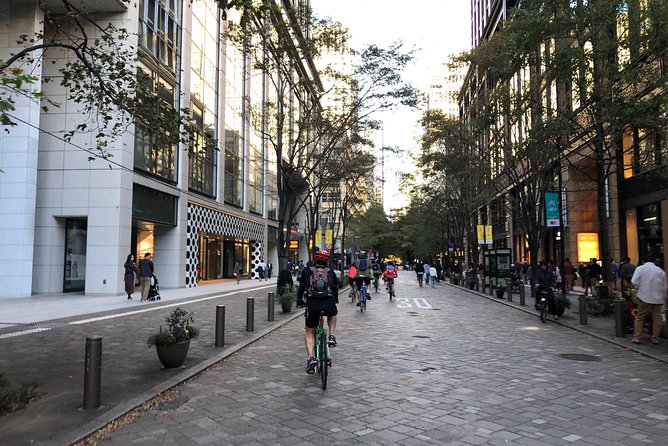
After the landmark moments, you shift into streets that feel more everyday. Cat Street is the kind of place where Tokyo’s youth fashion and street culture show up in the details, not in a museum label. On a bike, you can actually move through the vibe rather than just scanning it from the edge of the sidewalk.
Aoyama Street brings a different tempo. It has that polished, stylish character people associate with this part of Tokyo, and you get to see how the area changes block by block. The route through these streets is also valuable because it teaches you how Tokyo layouts work at street level: intersections that look simple from afar, but behave differently when crowds and bicycles share the space.
One practical tip for you: if you are the kind of person who wants to stop and stare, give yourself permission to do that in small windows. The bike tour uses stops strategically, so you get a mix of looking and learning without falling behind the group.
Aoyama Cemetery and Japan National Stadium: a Tokyo side trip with meaning
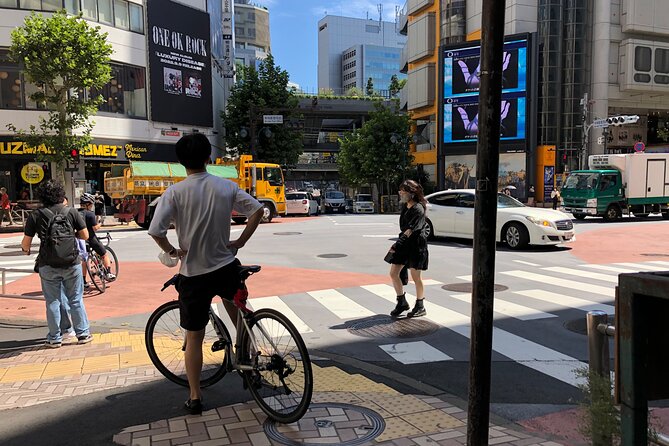
Not every bike tour includes stops like Aoyama Cemetery and Japan National Stadium, which is exactly why this feels memorable. These places broaden your Tokyo picture beyond shopping and surface-level sightseeing.
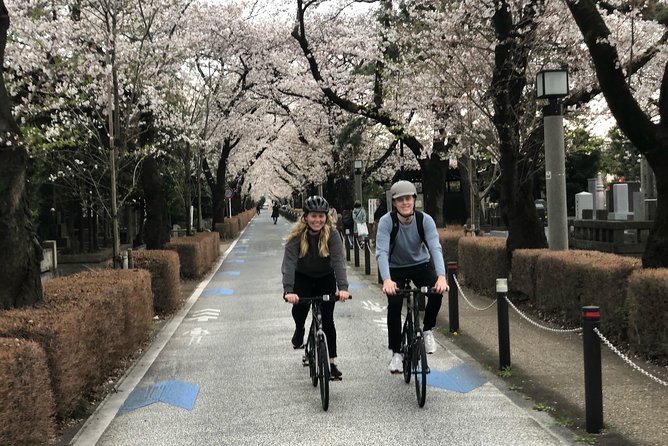
Aoyama Cemetery changes the mood fast. It feels quieter and more reflective, and that contrast helps you reset after the energy of Shibuya and Harajuku. The guide’s commentary is what turns it from a random stop into a better understanding of how this city holds different kinds of spaces side by side.
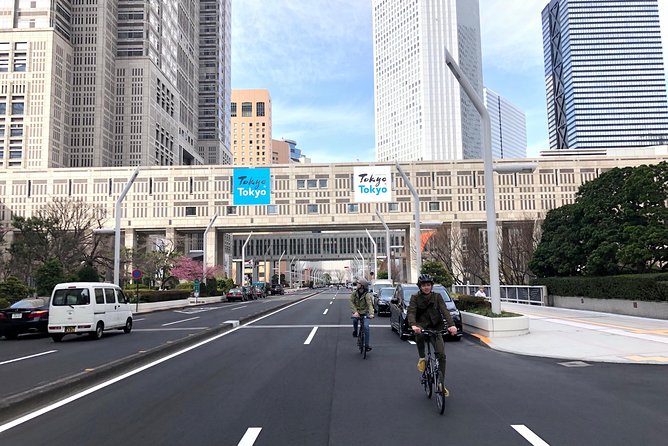
Japan National Stadium adds a sports and architecture connection. Even if you are not a die-hard fan, it helps you see how major infrastructure fits into daily city life. You also get a sense of the surrounding district character, not just a postcard view.
As with any route that includes multiple distinct settings, the only consideration is comfort and pacing. If your body gets stiff quickly or you are unsure about riding through mixed areas, take it easy and stay fully attentive to the guide’s instructions.
How tough is the riding, really? Height, weight, and confidence rules
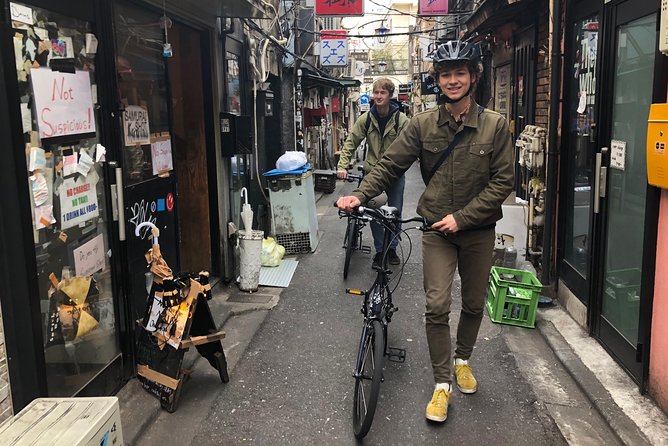
This tour is for people who can handle real bicycle riding in a city, not for first-time riders who want a safety bubble.
Here is what you must be prepared for:
- You must be 13 years or older.
- You need to follow Japanese traffic rules and the guide’s instructions.
- You are expected to ride at about 15 km per hour.
- You should be confident cycling on pavement, through cross traffic light intersections, and in crowded/tight spaces.
- Bikes are set up for heights between 155 cm and 195 cm.
- The tour sets a max weight of 120 kg.
Also, expect non-electric biking. Reviews specifically mention it is a standard bicycle experience, with no motor doing the work for you. The route is described as fairly manageable by past riders, including people cycling casually, but you still need to be physically comfortable enough to pedal for most of the ride time, even with breaks.
If you are recovering from a knee issue, or you are not comfortable on two wheels in tight spaces, I would choose a different type of tour.
Price and value: what $64.73 gets you in 3 hours
$64.73 per person sounds like a lot until you compare what you are actually buying: a guided, bike-based route that covers a dense area, with stops at major landmarks and also quieter streets. You also get local explanations, route planning, and help navigating how to move through a complicated city safely.
Because the group is small (max 6), you are not paying for a crowd experience. You are paying for attention: safety guidance, answers to questions, and the ability to adjust timing or stops when it makes sense.
Another value point is that you leave with practical next steps. Multiple riders mention that they got plenty of tips for further exploration, including food and drink ideas. That matters because Shibuya and Aoyama can feel like a maze on your own, especially if it is your first time in Tokyo.
If you are short on time, this tour is also a good “orientation layer.” In a few hours, you see the flow of neighborhoods that would take a lot longer to piece together on foot.
Should you book this Shibuya and Hidden Tokyo bike tour?
Book it if you want an efficient, active Tokyo experience and you are comfortable riding a standard bike in a busy city. It is especially worth it early in your trip, because you come away with a mental map of how Shibuya, Harajuku, and Aoyama connect, plus concrete recommendations for what to do next.
Skip it if you need a low-stress, fully guided stroll with minimal traffic exposure, or if you are nervous about cycling through intersections and crowded spaces. This is built for people who can follow instructions and feel steady on a bicycle.
If you do book, I would plan your day so you are not rushing from this tour to something demanding. You will be pedaling, then stopping often for sights, and you will likely want a relaxed post-tour meal. Bring water, wear comfortable clothes for cycling, and be ready to look at Tokyo from street level, not only from a sidewalk.
FAQ
How long is the Shibuya and Hidden Tokyo bike tour?
It runs for about 3 hours.
Where do I meet for the tour?
The start is at Umayamichi Park, 5-chōme-24-11 Sendagaya, Shibuya, Tokyo 151-0051, Japan. The tour ends back at the meeting point.
What areas and stops are included?
The tour cycles through Shibuya, Harajuku, Aoyama, and Gaien, with stops at Yoyogi Park, Shibuya Crossing, Hachiko, Shibuya Cat Street, Aoyama Street, Aoyama Cemetery, and Japan National Stadium.
How fast do you ride?
The group travels at about 15 km per hour.
What bike setup is provided, and who can ride?
The bikes fit riders between 155 cm and 195 cm. Participants must be 13 years or older, and the tour sets a maximum weight of 120 kg.
Do I need prior cycling experience?
You should be able to ride confidently on pavements, cross traffic lights confidently, and handle crowded or tight spaces.
Will the tour run in rain?
The tour proceeds in light rain, but it may be canceled due to sudden weather changes. If canceled due to poor weather, you will be offered a different date or a full refund.
How big is the group?
The tour has a maximum of 6 travelers. For groups of 4 or more, contact the organizer directly.
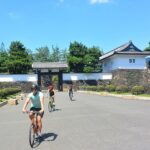
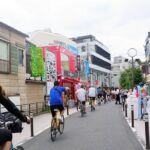
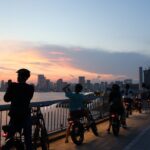
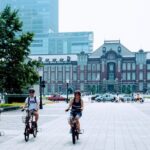
Bicycles and E-Bikes We Have Ridden
West Tokyo on Foot: Seven More


Newest Tokyo write-ups from the Loving Japan desk
Shibuya, Shinjuku and Harajuku Walks, side by side.
 ★ 5.0Shinjuku Food Tour (13 Dishes at 4 Local Eateries)From $866,603 reviews
 ★ 5.0Tokyo Bar Hopping Tour in Shinjuku (All-You-Can-Drink + Dinner)From $1063,587 reviews
 ★ 5.0Official Street Go-Kart in ShibuyaFrom $763,435 reviews
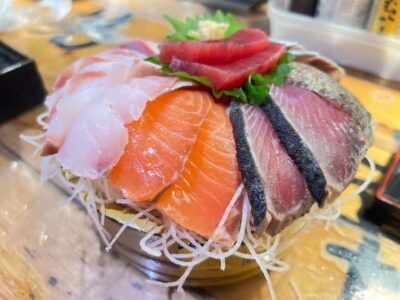 ★ 4.9Shinjuku Food Tour (15 Dishes and 4 Eateries)From $852,033 reviews
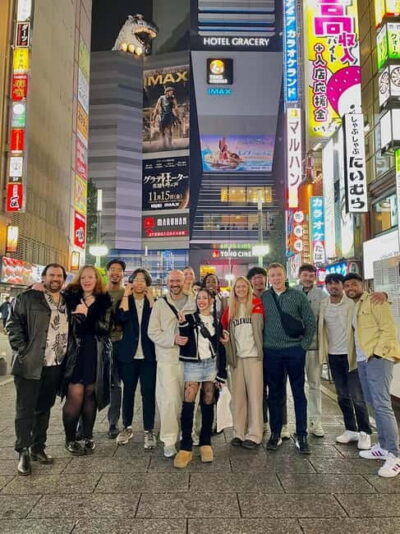 ★ 4.9Shinjuku Local Bar and Izakaya Guided Walking TourFrom $341,794 reviews
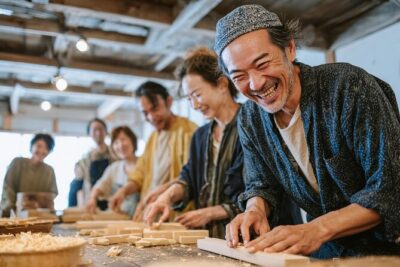 ★ 5.0Tokyo Shinjuku Chopsticks Making ClassFrom $201,763 reviews
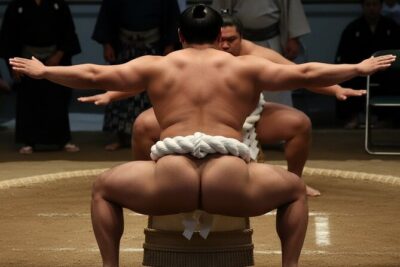 ★ 5.0Tokyo Shinjuku Sumo Show & Experience with PhotoFrom $791,750 reviews
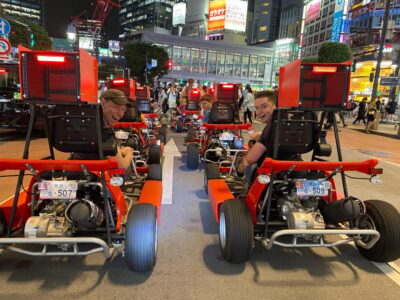 ★ 4.9Street Kart Experience in ShibuyaFrom $741,484 reviews
Filed on these lists too