
REVIEW · WALKING TOURS
Tokyo Castle & Imperial PalaceーShogun Walking Tour
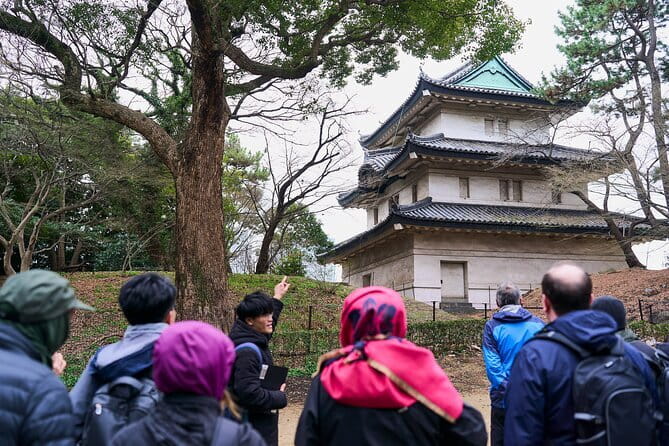
Samurai security lessons start at a park coffee. From there, you walk the Imperial Palace grounds with a guide who connects Japan’s long imperial story to Edo Castle defenses in a small-group format.
I especially like the stop-by-stop feel. You pause at gates and guardhouses, then your guide translates what you see into how the fortress worked. I also love the gentle change of pace at the Ninomaru Garden, where koi and seasonal plants make the whole area feel calmer than the city outside.
One real consideration: expect a security check plus some stair and slope walking, so comfortable shoes and a hat for sun help a lot.
In This Review
- Key Highlights You Shouldn’t Miss
- Why This 2-Hour Imperial Palace Walk Feels Like a Smart Shortcut
- Price and Value: What You Actually Get for $23.88
- Meeting in Chiyoda: Where to Start and How to Stay Sane
- Stop-by-Stop: Gates, Guardhouses, and the Logic of Edo Castle Defense
- Stop 1: Sakurada Tatsumi Yagura Turret
- Stop 2: Kokyo Otemon Gate and Stone Wall
- Stop 3: Constable Guardhouse for Lower-Ranking Samurai
- Stop 4: Hyakunin Bansho Guardhouse and Many-Stationed Security
- Stop 5: Obansho Guardhouse and Higher-Rank Duties
- Stop 6: Fujimi-yagura Watchtower Overlooks
- Stop 7: Kokyo Sannomaru Shozokan and the Edo Castle Scale Model
- Stop 8: East Gardens and the Edo Castle Ruin Site
- Stop 9: Ninomaru Garden, Koi Pond, and Seasonal Plants
- The Guides People Rave About, and Why That Matters
- Getting Through the Security Check Without Stress
- Who This Tour Suits Best
- Should You Book This Tokyo Castle & Imperial Palace Walk?
- FAQ
- How long is the Tokyo Castle & Imperial Palace-Shogun Walking Tour?
- How much does the tour cost?
- Is the tour in English or Japanese?
- How big is the group?
- What is the meeting point and where does it end?
- Do you need a ticket, and how do you get it?
- Is the Emperor’s residence open to the public during the tour?
- Is there a security check at the Imperial Palace?
- Can I cancel for a full refund?
Key Highlights You Shouldn’t Miss
- Up to 10 people keeps the pace human and makes questions easy
- Edo Castle defenses explained through real guardhouses, gates, and watchtowers
- Imperial Palace grounds without the confusion of wandering on your own
- Ninomaru Garden break with pond views and koi in the middle of the loop
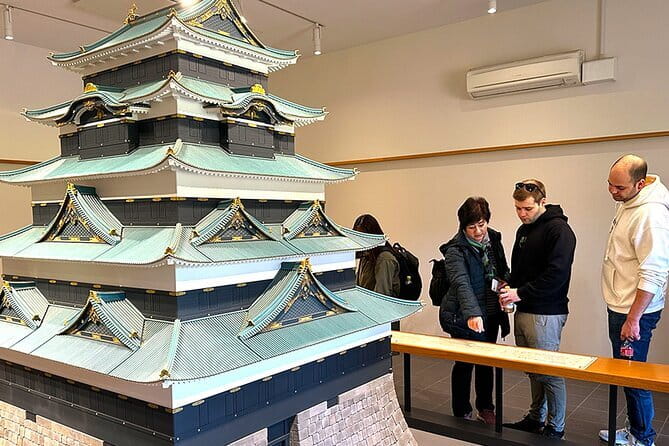
- Scale model stop helps you picture what Edo Castle looked like
- Guides with great storytelling often use visual aids like laminated pictures and flashcards
Still weighing up options in Tokyo? These are the ones our reviewers rated highest.
- Mt Fuji and Hakone 1-Day Bus Tour Return by Bullet Train
★ 5.0 · 26,383 reviews - 1-Day Tokyo Bus Tour
★ 5.0 · 14,250 reviews - Tokyo: teamLab Planets TOKYO Digital Art Museum Entry Ticket
★ 4.6 · 9,779 reviews - Mt Fuji & Hakone Cruise, Drum Show Bullet Train 1 Day from Tokyo
★ 4.0 · 7,413 reviews
Why This 2-Hour Imperial Palace Walk Feels Like a Smart Shortcut
Tokyo can be a lot. Streets are busy, signage can be slow, and the Imperial Palace area is big enough that you can easily miss the meaning of what you’re looking at. This tour solves that problem with a focused route that turns gates, walls, and guardhouses into a clear story about how Tokyo’s old fortress and the imperial system interacted.
I like that the experience is timed to stay doable: about 2 hours total, with short stops that don’t drag. You also get the benefit of a guide who speaks English only, so you won’t have to play translation games with your own limited Japanese.
The real win is context. You’re not just walking pretty scenery. You’re learning why these structures were placed where they were, and how they supported security for the shogun and the imperial court.
Price and Value: What You Actually Get for $23.88
At $23.88 per person for an approximately 2-hour guided walk, the math works because the heavy lifting is done by the commentary. A lot of the sights you pass are free to enter, including key viewing points around the palace grounds. You’re paying for someone to point out what matters, connect the dots between eras, and explain the “why” behind the stonework and layouts.
It’s also good value compared with a longer day. You get a concentrated overview of samurai roles, Edo Castle defense design, and the imperial timeline without turning your afternoon into a marathon. If you’re visiting for the first time, this is a fast way to get your bearings in one area you could otherwise feel stuck inside.
Group size helps the value too. With up to 10 people, you’re less likely to be stuck in a long line where you hear only half the story.
Meeting in Chiyoda: Where to Start and How to Stay Sane

You meet at Starbucks Coffee by Kokyo Gaien Wadakura Fountain Park in Chiyoda (3-1 Kōkyogaien, Chiyoda City). Starting at a recognizable chain helps, especially in a city where you might be juggling multiple lines of transit.
The tour ends back at the meeting point area, so you’re not forced into a complicated end-of-day navigation scramble. That loop style matters if your next plan is near Tokyo Station, since the walk concludes in front of a ginkgo-lined avenue stretching before Tokyo Station.
Quick practical tip: go a bit early. You’ll want a moment to organize your phone for a mobile ticket, and to confirm you understand the meeting spot before the group assembles.
- Mt Fuji and Hakone 1-Day Bus Tour Return by Bullet Train★ 5.0 · 26,383 reviews
- 1-Day Tokyo Bus Tour★ 5.0 · 14,250 reviews
- Tokyo: teamLab Planets TOKYO Digital Art Museum Entry Ticket★ 4.6 · 9,779 reviews
- Mt Fuji & Hakone Cruise, Drum Show Bullet Train 1 Day from Tokyo★ 4.0 · 7,413 reviews
- Tokyo: Shinjuku Food Tour (13 Dishes at 4 Local Eateries)★ 5.0 · 6,603 reviews
Stop-by-Stop: Gates, Guardhouses, and the Logic of Edo Castle Defense
This tour is built around security design. You move from outer defenses toward more central points, and your guide keeps relating each stop to how the fortress functioned.
Stop 1: Sakurada Tatsumi Yagura Turret
You begin at Sakurada Tatsumi Yagura, where you can see a surviving turret from the Edo period. The point here is not just the structure itself. It’s the security systems that still protect the Imperial Palace area today, using lessons that came from earlier fortifications.
Even in a short stop (about 20 minutes), you get a visual anchor. When the guide explains placement and purpose, this turret becomes your reference point for the rest of the walk.
Stop 2: Kokyo Otemon Gate and Stone Wall
Next is Kokyo Otemon Gate, where you’ll see two massive gates and stone walls linked to the original castle. This is a classic “defense by design” lesson: gateways are where movement is controlled, and walls are where attackers get slowed down.
You’ll also learn how these designs helped protect the shogun. It’s one of the stops where the guide’s explanations can change the way you look at something you’d normally just photograph.
Stop 3: Constable Guardhouse for Lower-Ranking Samurai
At the Constable Guardhouse, the story shifts from gates to people. This was used by lower-ranking samurai, and your guide explains who they were and why this spot mattered.
The value of this stop is that it humanizes the fortress. You start to understand that security wasn’t just walls and towers, it was also routine roles, staffing, and duty.
Stop 4: Hyakunin Bansho Guardhouse and Many-Stationed Security
The Hyakunin Bansho Guardhouse is larger, and it’s where you learn about the role of many samurai stationed there. You’re watching how spacing and staffing support defense over time, not just during a single dramatic event.
If you like practical details, this is a good one. The fortress becomes a system, and the guardhouses start to feel like parts of a machine.
Stop 5: Obansho Guardhouse and Higher-Rank Duties
At the Obansho Guardhouse, you focus on a central guard area near the inner gate. Here, your guide explains higher-rank samurai duties, and you get a clearer sense of hierarchy in security roles.
This stop helps you connect the dots between the outer perimeter and the more protected inner areas. By the time you reach it, you’ll likely understand why the tour doesn’t jump around randomly.
Stop 6: Fujimi-yagura Watchtower Overlooks
Next comes Fujimi-yagura, an old watchtower that overlooks the area. Watchtowers are about visibility and early warning, and your guide explains the tower’s role and what made it special back when it was actively used.
It’s a shorter stop (around 10 minutes), but it’s memorable because it changes the “how” of defense again: you move from controlling access to monitoring space.
Stop 7: Kokyo Sannomaru Shozokan and the Edo Castle Scale Model
At Kokyo Sannomaru Shozokan, you’ll see a scale model of the former Edo Castle. This is where your mental map clicks into place. Before this, you’re gathering pieces. After it, you can picture how the pieces likely fit together.
You can also browse a souvenir shop with palace-related goods. The important part for value is that you’re not wasting time on retail. The model stop reinforces the walking stops so your photos and memories make more sense later.
Stop 8: East Gardens and the Edo Castle Ruin Site
In the East Gardens of the Imperial Palace, you visit the former site tied to Edo Castle’s main tower. This is where you learn why the tower no longer stands, and what remains in the area today.
This stop is a reminder that history isn’t always preserved in full. Even when structures disappear, you can still read the story through layout and surviving elements.
Stop 9: Ninomaru Garden, Koi Pond, and Seasonal Plants
Finally, you slow down at Ninomaru Garden. It’s a traditional Japanese garden with seasonal plants and a pond with koi, and your guide helps you enjoy this quieter side of the former castle grounds.
In plain terms: this is where the tour becomes pleasant. After standing and listening at gates and guardhouses, you get to breathe. If you enjoy photos, koi ponds and autumn and spring plantings tend to photograph well, but even if you don’t care about images, the calm is the point.
The walk ends near Tokyo Station along a ginkgo-lined avenue, which gives you a natural finish line without awkward backtracking.
The Guides People Rave About, and Why That Matters
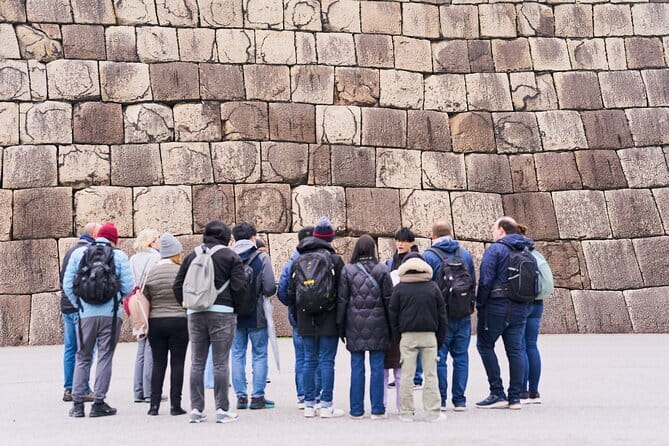
The tour’s rating is extremely high, and the praise is consistent: guides who tell the story clearly, keep the group engaged, and connect the structures to real roles in Edo society.
Names that come up often include K (praised for engaging explanations), Ai (professional and engaging commentary), Tomo (excellent, accommodating, and great personality), Keiko (fun and interactive with visual aids), Anju (insightful and enjoyable), Yuuko and Nana (patient and helpful with questions), Dai (strong explanations and an emphasis on the pond area), and Shin (best-in-class storytelling and question-friendly pacing). Some guides are also noted for practical extras on hot days, like menthol napkins and sweets to keep people going.
The practical takeaway for you: if you’re the type who usually says I want the story behind what I’m seeing, this tour is built for that. You’ll likely find yourself understanding why each stop matters instead of just taking pictures and moving on.
Getting Through the Security Check Without Stress
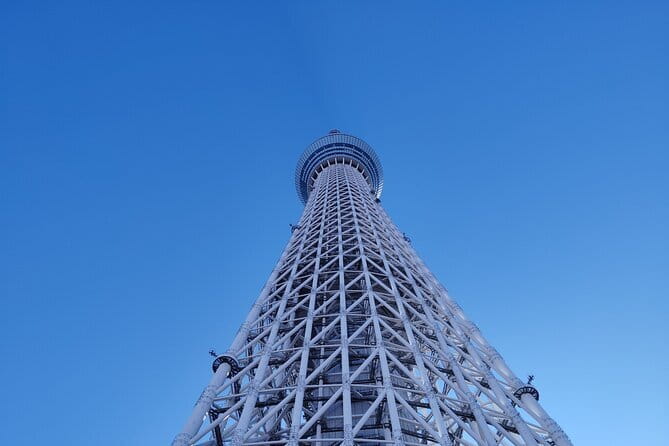
This tour includes an Imperial Palace security check. That means you should leave knives and alcohol at home. It’s also a good idea to be mindful of what you carry, because security procedures can slow you down if you show up unprepared.
Another consideration: the route includes walking up steep slopes and stairs. The tour says there are no health restrictions, but your legs still need to handle the terrain. If you don’t love stairs, wear supportive shoes and plan for a steady pace.
And yes, it can get hot. A few guides have been known to hand out small refreshers like menthol napkins, but don’t rely on that. Bring water, and consider a hat or small umbrella if you’re visiting in warm months.
Who This Tour Suits Best
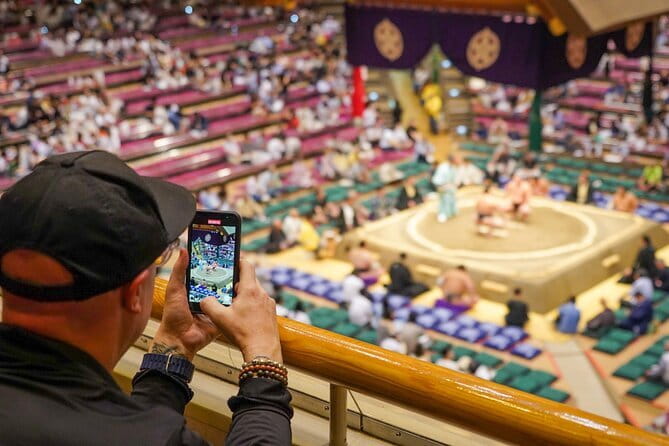
This is a great fit if you are:
- Trying to understand samurai, the shogun era, and Japan’s imperial system in a single afternoon
- Visiting Tokyo for the first time and want an organized start in Chiyoda
- The type who likes structure and explanation, not just wandering
It may not be the best fit if you prefer totally free-form sightseeing with no security check and no set route. Also, because it’s English only, it’s a poor match if you were hoping for Japanese language support.
If you want a “first day in Tokyo” win, this one works well. The area is central, the walking loop is short, and it gives you a framework to understand what you’ll see later around the city.
Should You Book This Tokyo Castle & Imperial Palace Walk?

I think you should book it if you want meaning, not just monuments. For the price, you’re getting a tight 2-hour story route, small-group pacing, and a strong chance of having a guide who knows how to explain the logic behind gates, guardhouses, and watchtowers.
Book it soon if you like structured history and clear takeaways. Skip it only if stairs and security checks sound like a hassle, or if you truly don’t care about Edo Castle defenses and imperial-era context.
Bottom line: this is a smart use of time in Tokyo, especially if you want to leave with a real mental map of how security and power worked in the Imperial Palace area.
FAQ
How long is the Tokyo Castle & Imperial Palace-Shogun Walking Tour?
It lasts about 2 hours (approx.), with the tour made up of several short stops.
How much does the tour cost?
The price is $23.88 per person.
Is the tour in English or Japanese?
The tour is conducted in English only, and Japanese language support is not available.
How big is the group?
It is a small-group tour of up to 10 people, and the maximum number of travelers for the activity is 60.
What is the meeting point and where does it end?
The tour starts at Starbucks Coffee – Kokyo Gaien Wadakura Fountain Park (3-1 Kōkyogaien, Chiyoda City, Tokyo 100-0002) and ends back at the meeting point area.
Do you need a ticket, and how do you get it?
You use a mobile ticket. Confirmation is received at the time of booking.
Is the Emperor’s residence open to the public during the tour?
No. The Emperor’s residence is not open to the public.
Is there a security check at the Imperial Palace?
Yes. There is a security check to enter the Imperial Palace, and you should not bring knives or alcohol.
Can I cancel for a full refund?
Yes, free cancellation is available if you cancel at least 24 hours in advance for a full refund. If you cancel less than 24 hours before the start time, the amount paid is not refunded.
Newest Tokyo write-ups from the Loving Japan desk

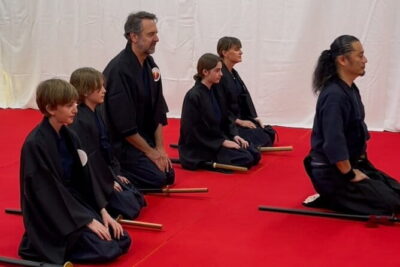



Walking Tours, side by side.
 ★ 4.7Kyoto Geisha Walking Tour: Gion District & Hidden GemsFrom $253,273 reviews
 ★ 5.0Tokyo Tsukiji Fish Market Food and Culture Walking TourFrom $993,184 reviews
 ★ 4.9Gion Magical Night Walking Tour with Geisha TriviaFrom $242,393 reviews
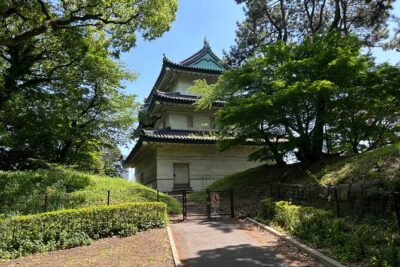 ★ 5.0Imperial Palace and Shogun Historical Walking TourFrom $222,251 reviews
 ★ 4.7Gion Geisha District Walking Tour – Stories of GeishaFrom $202,187 reviews
 ★ 4.5Night Walk in Gion: Kyoto’s Geisha DistrictFrom $212,003 reviews
 ★ 4.9Shinjuku Local Bar and Izakaya Guided Walking TourFrom $341,794 reviews
 ★ 5.0Tsukiji Fish Market Food and Walking tourFrom $301,724 reviews
Filed on these lists too