
REVIEW · KAMAKURA, THE GREAT BUDDHA AND ENOSHIMA
Tokyo: Day Trip to Kamakura in Spanish – Spanish
Kamakura feels like a time-out from Tokyo. This Spanish-led day trip strings together temple legends, a classic tram ride, and real time to browse the town’s shopping lanes in one efficient 8-hour outing.
I especially like how the guides keep it personal and friendly, and how you get practical tips and recommendations so the rest of your day keeps rolling. One consideration: extra costs add up, since transportation and temple tickets are not included, and you also cannot bring luggage or large bags.
You’ll start at Tokyo Station and end right back where you began, which makes planning much easier if you want a smooth day without extra logistics. The tone is calm and culturally focused, with an environmentally friendly approach that relies on public transportation. The only real drawback is that it is not a good fit if you need wheelchair access or hearing assistance, since those limitations are part of the tour rules.
In This Review
- Key moments I’d circle before you go
- Why Kamakura Beats a Tokyo-Only Day
- Spanish-Guided Day Planning From Tokyo Station
- The Train Out and the Old Tram Ride to Hase-dera
- Hase-dera Temple: Myths, Legends, and a Calmer Pace
- Kotoku-in and the Great Bronze Buddha (13 Meters of Wow)
- Kamakura Main Street: Lunch, Shops, and Real Town Energy
- Value Math: What You Pay for, and What Adds Up
- Who This Tour Fits Best (and Who Should Skip It)
- Tips to Make Your Day Trip Feel Effortless
- Should You Book This Tokyo to Kamakura Day Trip?
- FAQ
- Is the tour guided in Spanish?
- Where do I meet for the Kamakura day trip?
- How long is the excursion?
- What is included in the price?
- What costs are not included?
- How do you get around during the day trip?
- Are luggage or large bags allowed?
- Is the tour suitable for wheelchair users or hearing-impaired travelers?
- Can I cancel and get a refund?
Key moments I’d circle before you go
- Spanish tour experience: your day is guided in Spanish for a more comfortable, deeper read on what you’re seeing.
- Old tram ride to Hase-dera: a slow, scenic hop that turns commuting into part of the story.
- Hase-dera Temple with myths and legends: you’re guided through the temple’s folklore layer by layer.
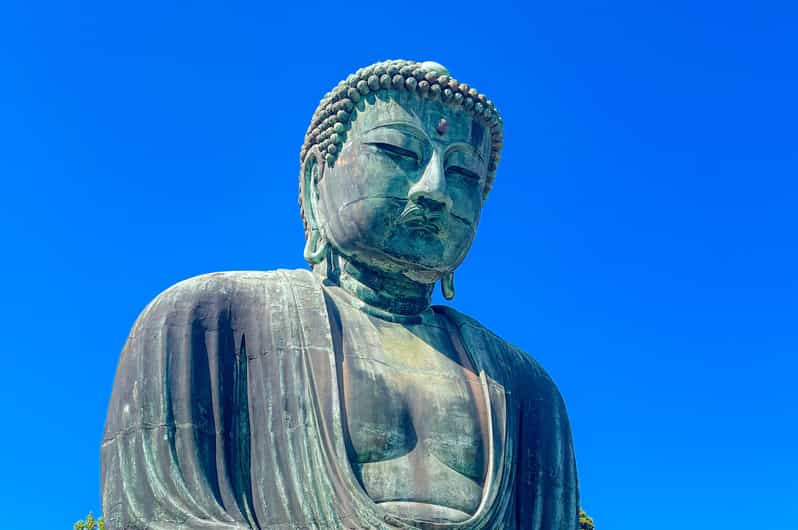
- Kotoku-in and the Great Bronze Buddha: you’ll see a Buddha that measures 13 meters and weighs about 121 tons.
- Kamakura main street time: lunch plus shopping street wandering, not just a quick photo stop.
- Guides who match your pace: examples like Emi, Camila, Nikita, Nerea, Paula, and Ori.nos are repeatedly praised for clear explanations and being attentive.
Coast and temples south of Tokyo, compared
- Tokyo: Mt. Fuji, Kamakura, Big Buddha, & Lake Ashi Day Trip
★ 4.5 · 867 reviews - Tokyo:Sea of Mount Fuji, Hakone Ropeway, Ōwakudani, Enoshima
★ 4.9 · 84 reviews - Kamakura 8 hr Private Walking Tour with Licensed Guide from Tokyo
★ 5.0 · 80 reviews - Tokyo: Kamakura & Enoshima Day Tour with Pickup & Train Ride
★ 4.1 · 61 reviews
Why Kamakura Beats a Tokyo-Only Day
Tokyo is fantastic, but it can also feel like one giant city stream. Kamakura is the reset button. It’s historic, spiritual, and noticeably quieter in mood once you step into the temple areas and the older lanes of town.
What makes this day trip work is the rhythm. You don’t just get dropped at two temples and sent away. You move through the town in a logical flow: train into Kamakura, then a tram ride to a temple start point, a walk to the next big stop, and then a slower stretch through the main shopping street. That balance matters because temples are not just sights, they take mental space. This itinerary gives you time to shift gears between history, walking, and actually browsing for lunch.
Spanish-Guided Day Planning From Tokyo Station
Your day starts at Tokyo Station, at Marunouchi Square (central exit). That location is key. If you’ve ever tried to find an off-the-beaten-path meeting point in a huge station, you know why this matters. Starting in the main station area makes it easier to arrive, regroup, and not panic about transfers.
The tour itself is in Spanish, and the guides are repeatedly described as friendly and personal. I like this setup for Spanish speakers because it keeps you from losing context. When guides slow down to explain legends, temple details, and local meaning, you get more than facts. You get the “why” behind what you’re looking at.
You’ll also appreciate that the tour ends back at the same meeting point. That reduces the end-of-day stress. You can plug the day trip back into your Tokyo plans without guessing routes or figuring out a new pick-up location.
The Train Out and the Old Tram Ride to Hase-dera
After meeting at Tokyo Station, you’ll take a train to Kamakura. This is the part that feels like real commuting, but in a good way. It’s fast, familiar, and keeps the day trip moving without big detours.
Once you arrive, you’ll board one of the oldest trams still in operation in Japan and ride to Hase-dera Temple. This is one of those details that turns “transportation” into memory. Even if you love cities, riding an older tram style is a different kind of travel. It’s slower than getting straight into walking mode, and it gives you a buffer to get your bearings before temple crowds.
Because the tour uses public transportation, it also stays more environmentally friendly than relying on private vehicles. If that matters to you, this is an easy win: you get the structure of a guided day without turning the trip into a car-heavy excursion.
- Mt Fuji and Hakone 1-Day Bus Tour Return by Bullet Train★ 5.0 · 26,383 reviews
- 1-Day Tokyo Bus Tour★ 5.0 · 14,250 reviews
- Tokyo: teamLab Planets TOKYO Digital Art Museum Entry Ticket★ 4.6 · 9,779 reviews
- Mt Fuji & Hakone Cruise, Drum Show Bullet Train 1 Day from Tokyo★ 4.0 · 7,413 reviews
- Tokyo Mt Fuji 5th St & Hakone Cruise Bus Tour w/Bullet Train★ 4.4 · 5,024 reviews
Hase-dera Temple: Myths, Legends, and a Calmer Pace
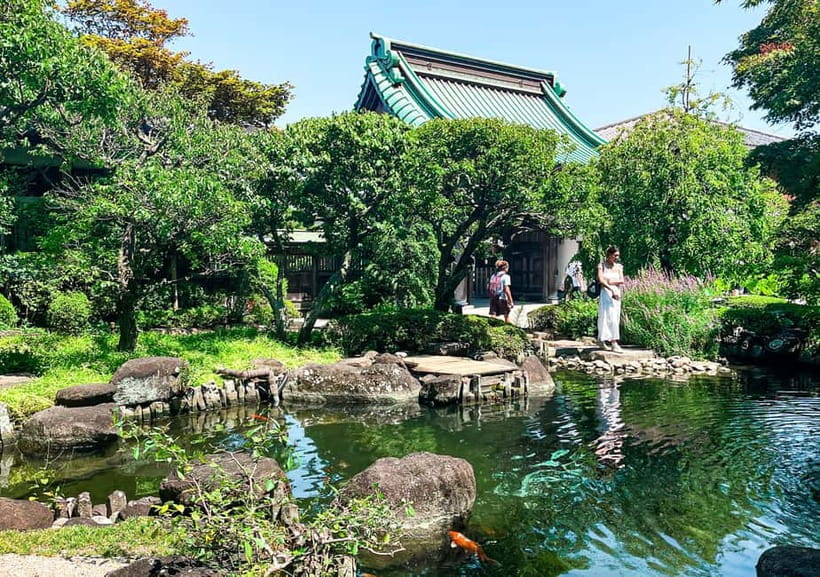
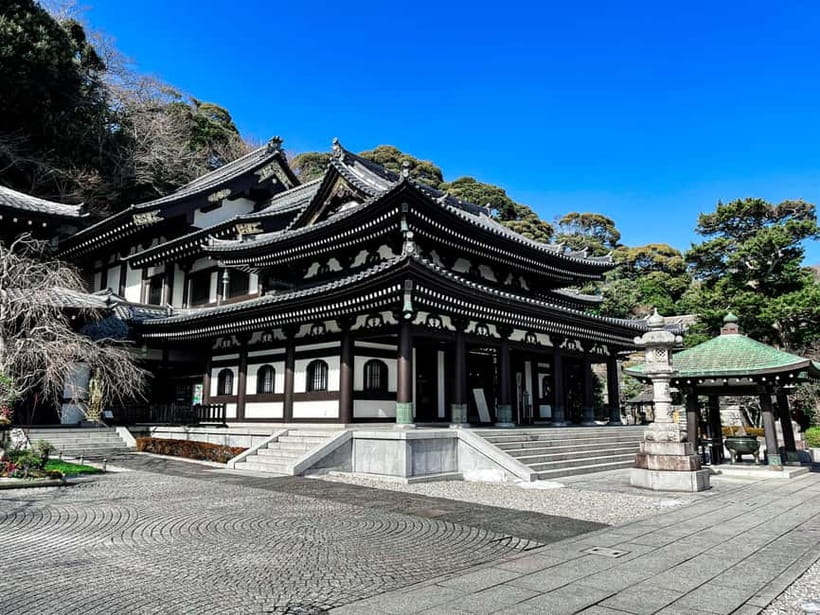
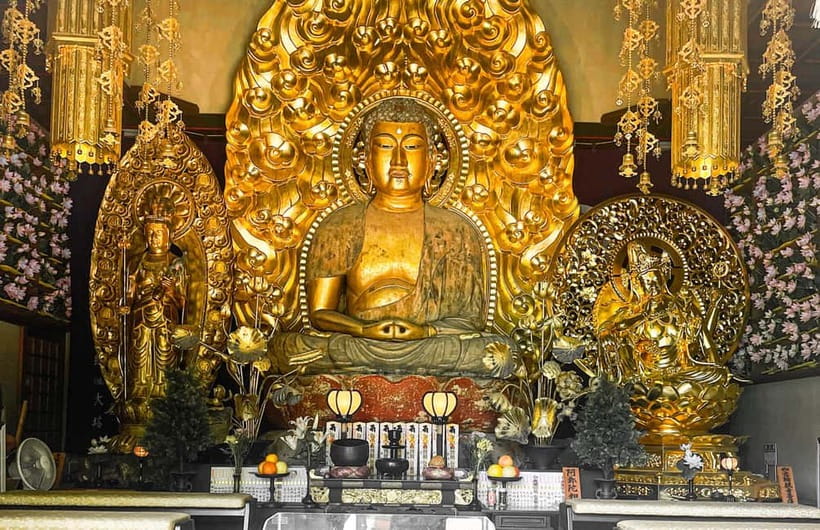
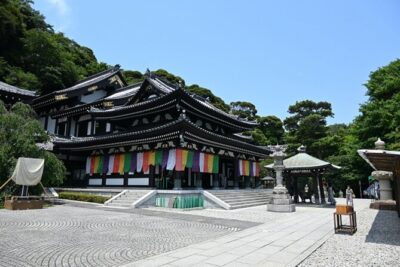
Hase-dera Temple is your first major temple stop, and it’s where the guide-led format really pays off. The tour focuses on myths and legends tied to the temple, with the explanation becoming more rewarding the deeper you go.
Here’s what I think you’ll enjoy most: the guide doesn’t just point at buildings. The day is framed so you can connect stories to what you see around you. That can make a temple visit feel less like a checklist and more like a guided walk through meaning.
You’ll likely want to slow down here. Temple grounds often reward attention, not speed. If your group is mixed ages, the guide style described in the experience suggests they can adapt pace. You’ll also find that this stop sets the mood for the rest of Kamakura, because it’s serene and nature-forward compared to the city speed you’re used to.
Practical note: temple visits usually mean uneven surfaces and stairs in at least some areas. This tour is not suitable for wheelchair users, so even if you’re generally mobile, plan for walking and changing footing.
Kotoku-in and the Great Bronze Buddha (13 Meters of Wow)
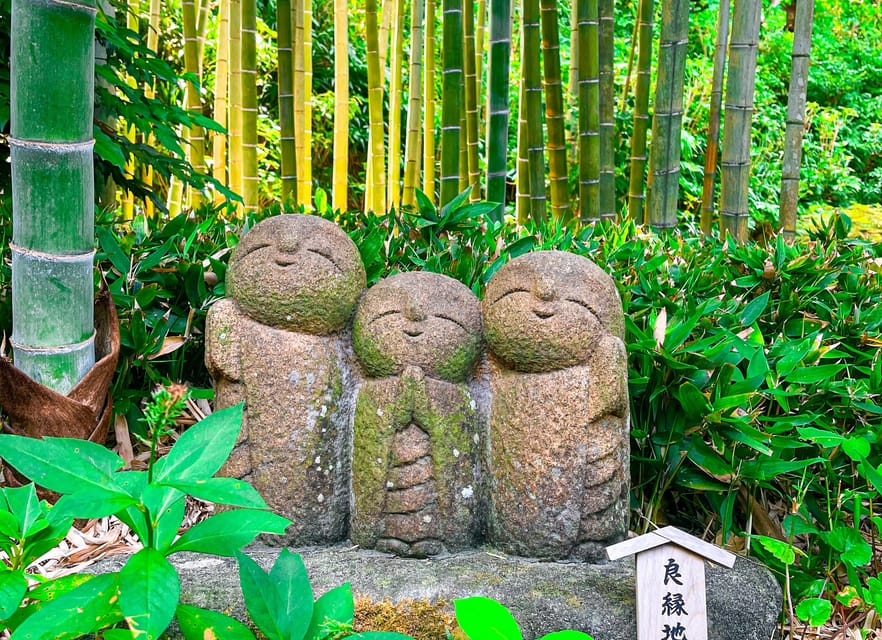
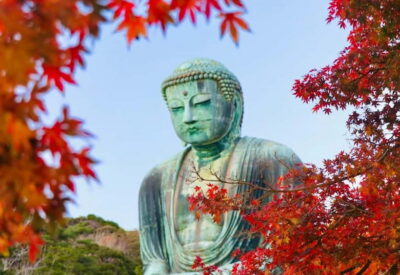
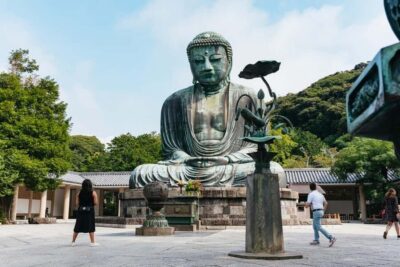
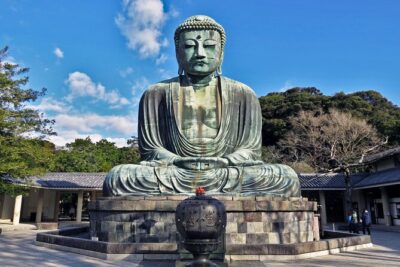
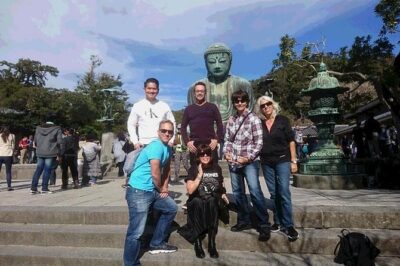
Next up is Kotoku-in Temple, home to the second largest bronze Buddha in Japan. The scale here is the star. The Buddha is 13 meters tall and weighs about 121 tons. That number alone is impressive, but you’ll only understand it when you’re standing there and trying to take in the size in person.
This is where a Spanish guide can make a real difference. Even if you know the basics, legends and cultural framing change how you interpret what’s in front of you. The tour’s approach emphasizes significance and curiosity, so the stop feels more like a guided encounter than a quick landmark photo.
Also, Kotoku-in is part of why Kamakura works as a day trip. It gives you a single headline attraction with worldwide recognition levels of scale, then supports it with local context. That combination makes it a strong choice if you want the day to feel substantial even though it’s only one outing.
Kamakura Main Street: Lunch, Shops, and Real Town Energy
After temples, you shift into the part that many day trips rush: time on Kamakura’s main street. This is a shopping and strolling stretch lined with different shops and a distinct atmosphere.
You’ll have time for lunch, plus space to wander. Lunch and shopping are not listed as included, but that’s not a problem. It usually means you have freedom to choose what suits your tastes and dietary needs rather than forcing the same option on everyone.
I like this structure because it balances the spiritual stops with ordinary life in town. You get to step out of the temple storytelling bubble and experience Kamakura as a living place where people eat, shop, and pass time.
If you want to shop, go with a light plan. You’re not allowed luggage or large bags, so treat shopping like something you’ll carry comfortably back. A small day bag works best.
Value Math: What You Pay for, and What Adds Up
The advertised price is $86 per person for an 8-hour excursion guided in Spanish. That’s the core value: a structured day, transportation coordination using public routes, and a guide who explains temples and local meaning in Spanish.
Now for the extras you should budget for:
- Transportation: ¥2,300 (not included)
- Temple tickets: ¥700 (not included)
- Food and drinks: not included
So how do you judge value? I’d do it like this:
- You’re paying for Spanish interpretation and guidance through multiple major sites.
- You’re also paying for time efficiency, starting and ending at Tokyo Station.
- If you planned it on your own, you’d still spend time figuring out routes, figuring out entry points, and piecing together a coherent temple narrative.
That means the guide cost makes sense especially if you want the day to feel guided rather than self-managed.
Who This Tour Fits Best (and Who Should Skip It)
This tour is a good fit if you:
- Want a Spanish-language day trip from Tokyo.
- Care about temple context and stories, not just photos.
- Prefer a guided structure with time to browse afterward.
- Appreciate environmentally friendly habits like using public transportation instead of private cars.
You should skip it if:
- You use a wheelchair (not suitable).
- You need accommodations for hearing-impaired travelers (not suitable).
- You need to bring luggage or large bags (not allowed).
- You’re traveling with an unaccompanied minor (not allowed).
Also, if you’re very sensitive to crowds or stairs, keep expectations flexible. Temple areas can involve steps and uneven ground. The tour rules already signal that mobility needs are part of the design, so plan accordingly.
Tips to Make Your Day Trip Feel Effortless
A full day trip means you should pack smart and move with intention. Since food and drinks are not included, bring a simple plan for hydration and snacks if that helps you. You can also grab something during your main street lunch window, but starting with water is often the easiest way to avoid mid-walk crankiness.
Wear comfortable shoes. You’ll be walking from temple to temple, then strolling the main street. This is not the kind of day for fashion footwear that needs a rest halfway through.
Finally, treat the Spanish explanations as part of the attraction. If you’re going in with zero curiosity, temples can feel like they’re all the same. If you go in expecting stories, you’ll get more out of Hase-dera and Kotoku-in, especially because the tour is built around legends and significance rather than only basic descriptions.
Should You Book This Tokyo to Kamakura Day Trip?
I’d book it if your goal is a high-value day trip with Spanish guidance, meaningful temple storytelling, and a real block of time to live the Kamakura experience, not just pass through it. The mix of Hase-dera plus Kotoku-in, paired with main street wandering, is the sweet spot for most people who want culture plus breathing room.
Skip it if extra costs and rules would stress you out. With transportation (¥2,300) and temple tickets (¥700) added on, you should budget for the real total. And if you need wheelchair access, this won’t work for you.
If you’re a Spanish speaker who wants the day to feel coherent, guided, and easy to plug into your Tokyo schedule, this is a strong choice.
FAQ
Is the tour guided in Spanish?
Yes. The excursion is conducted in Spanish.
Where do I meet for the Kamakura day trip?
Meet in front of the Tokyo Station facade, in Marunouchi Square (central exit).
How long is the excursion?
It is an 8-hour excursion.
What is included in the price?
The price includes the Kamakura excursion in Spanish and the 8-hour excursion itself. Food and drinks, plus some costs below, are not included.
What costs are not included?
Transportation (¥2,300), temple tickets (¥700), and drinks and food are not included.
How do you get around during the day trip?
The tour uses public transportation.
Are luggage or large bags allowed?
No. Luggage or large bags are not allowed.
Is the tour suitable for wheelchair users or hearing-impaired travelers?
No. It is not suitable for wheelchair users and not suitable for hearing-impaired people.
Can I cancel and get a refund?
You can cancel up to 24 hours in advance for a full refund.
South to Kamakura and the Coast
Newest Tokyo write-ups from the Loving Japan desk



Kamakura, the Great Buddha and Enoshima, side by side.
 ★ 4.5Kamakura & Enoshima Day Trip including Temple TicketsFrom $581,375 reviews
 ★ 4.5Mt. Fuji, Kamakura, Big Buddha, & Lake Ashi Day TripFrom $49867 reviews
 ★ 4.5From Tokyo: Kamakura & Enoshima 1-Day Bus TourFrom $66189 reviews
 ★ 5.0Kamakura Historical Walking Tour with the Great BuddhaFrom $98129 reviews
 ★ 5.0Kamakura Private Tour: Temples, Nature, and the Great BuddhaFrom $98121 reviews
 ★ 5.0Kamakura Walking Tour – The City of ShogunFrom $35100 reviews
 ★ 4.9Sea of Mount Fuji, Hakone Ropeway, Ōwakudani, EnoshimaFrom $5084 reviews
 ★ 5.0Kamakura 8 hr Private Walking Tour with Licensed Guide from TokyoFrom $20180 reviews
Filed on these lists too