
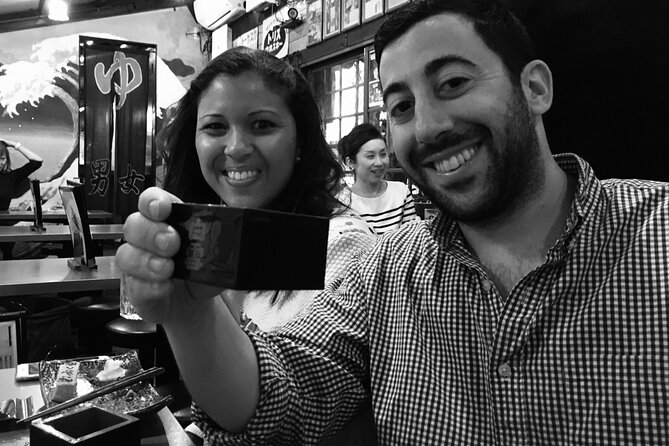
REVIEW · TOKYO TOWER, GINZA AND THE IMPERIAL PALACE
Tokyo Ginza Authentic Food Tour (Izakaya Hopping by local guide)
Ginza food feels different with a guide. On this Tokyo Ginza Authentic Food Tour, I like that you get small-group access to local foodie guide Ryo, plus you’re guided straight into the hidden izakaya world under the tracks, not just the usual shiny streets. The 3 to 4 hour route layers classic Ginza landmarks with real after-work eating habits, with tastings along the way (up to 10 dishes and four drinks, including sake).
One consideration: if you have allergies or strict dietary needs, the tour can’t guarantee allergy-free or restriction-free food because some kitchens are not the tour operator’s. With that said, you can request adjustments with advance notice, and the guide works to compensate at different stops when substitutions are possible.
In This Review
- Key highlights at a glance
- Price and timing that make sense for Ginza
- Meeting point, pacing, and how the tour keeps you from getting lost
- Stop 1 in Yurakucho: fresh seafood and sake as the opening move
- Ginza Mitsukoshi photo moment: a quick landmark break that doesn’t steal time
- Stop 3 in Ginza: wagyu BBQ that avoids the usual heavy problem
- Stop 4 at the Ginza Corridor Street: Kyoto-style obanzai home cooking
- The hidden izakaya under the tracks: the stop that turns it from good to memorable
- What you actually eat: dishes, drinks, and how to pace the whole evening
- Dietary needs and who this tour suits best
- The value equation: why $175 can feel fair in Ginza
- A realistic look at downsides before you book
- Who should book Tokyo Ginza Authentic Food Tour
- FAQ
- What is the cost of the Tokyo Ginza Authentic Food Tour?
- How long is the tour?
- Where does the tour start and when?
- What’s included in the tastings and drinks?
- What size is the group?
- Can the tour accommodate dietary restrictions?
- What is the cancellation policy?
Key highlights at a glance
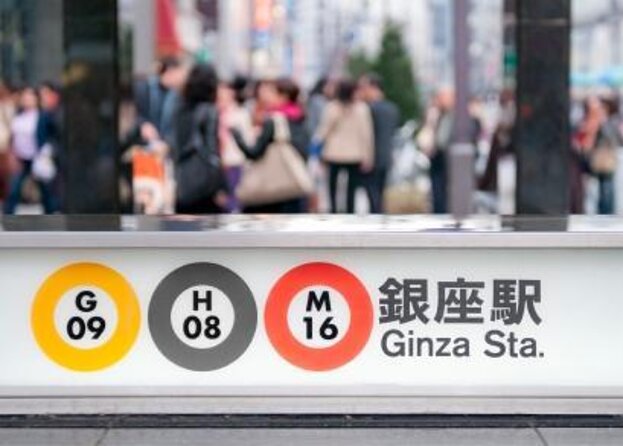
- Max 6 travelers, guided by Ryo, so questions actually get answered.
- Up to 10 dishes and four drinks, including sake, across multiple tastings.
- Three main food stops plus a short photo moment at Ginza Mitsukoshi and an extra hole-in-the-wall izakaya stop before wrapping.
- Yurakucho seafood start, framed around fresh fish and sake selections from across Japan.
- Wagyu BBQ stop, featuring items like wagyu tongue and wagyu loin, plus a lemon cocktail.
- Obanzai home-style side dishes at the Kyoto-derived “everyday” style stop.
The central Tokyo landmarks, reviewed one by one
- Flagship 2-Hours Official Street Go-Kart Tour – Tokyo Bay Shop
★ 5.0 · 4,974 reviews - Tokyo: Imperial Palace and Shogun Historical Walking Tour
★ 5.0 · 2,251 reviews - Tokyo: Meiji Shrine, Asakusa, Skytree Bus Tour and Cruise
★ 4.7 · 1,986 reviews - Tokyo Panoramic 1 Day: Meiji Shrine, Asakusa, Odaiba and SKYTREE®
★ 4.5 · 1,222 reviews
Price and timing that make sense for Ginza
At $175 per person for a 3 to 4 hour, small-group evening, this isn’t a budget snack crawl. But you are paying for three things that are hard to replicate on your own in Ginza: a tight route, an experienced guide who can translate the food culture, and multiple organized tastings.
The tour starts at 5:00 pm, which is a smart window. You’re heading into that after-work rhythm when izakayas and side-dish culture feel most alive, not like a daytime museum stop. And because the group is capped at 6, it stays social and navigable rather than rushed.
You also avoid the common first-time Tokyo problem: showing up hungry, then spending an extra hour figuring out where to go and how to order. Here, your guide handles the “where” and the “what,” so you can focus on eating.
Meeting point, pacing, and how the tour keeps you from getting lost
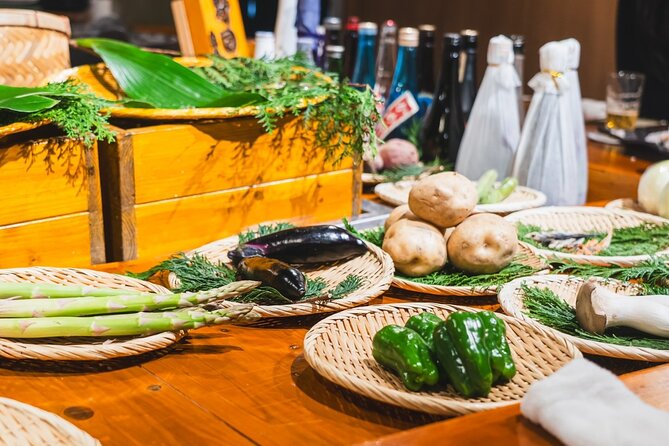
The start is at 7-Eleven Yūrakuchō Ekimae, and the tour finishes at Ginza Karin. You’ll get mobile ticket access for a hassle-free entry, and you’re not asked to line up for hotel pickup. The upside is simple: you can meet the group quickly near public transit and get moving.
The pacing works like this: you have roughly one hour at each main food stop, plus a shorter landmark/photo moment and an extra final alley stop. That timing is ideal if you like your food experiences guided, but you still want enough time to ask questions and actually taste.
The guide also acts as a photographer, which matters more than it sounds. Ginza has great photo locations, and instead of fumbling around while everyone else eats, you can get group shots and keep the flow going.
Stop 1 in Yurakucho: fresh seafood and sake as the opening move
The tour kicks off in Yurakucho, where the first tasting leans into fresh fish and sake. The description points to seafood quality connected to Tsukiji Market, plus sake selections from across Japan, and it also notes that the menu can change based on what the owner gets that day.
This opening stop sets the tone in two ways. First, it makes the whole evening feel intentional: you start with something clean and seafood-forward, then build into heavier flavors later. Second, it gives you context. In Japan, the way you pair and how you talk about sake matters, and a local guide can help you understand what you are looking at and why it’s chosen.
Practical tip for this stop: go in ready to slow down. Even if you think you can power through, seafood and sake are better when you take a moment to read the flavors and not just chase the next bite.
The red lanterns stay lit later. More Tokyo crawls
- Tokyo: Shinjuku Local Bar and Izakaya Guided Walking Tour★ 4.9 · 1,794 reviews
- Shibuya Meltdown Nightlife Tour: All-You-Can-Drink Bar Hopping★ 5.0 · 1,058 reviews
- Tokyo: Pub Crawl and Bar Tour★ 4.5 · 951 reviews
- Tokyo: Shinjuku Local Bar & Izakaya Crawl Tour★ 5.0 · 890 reviews
- Tokyo: Shinjuku Bar Hopping with All-You-Can-Drink & Dinner★ 4.9 · 440 reviews
Ginza Mitsukoshi photo moment: a quick landmark break that doesn’t steal time
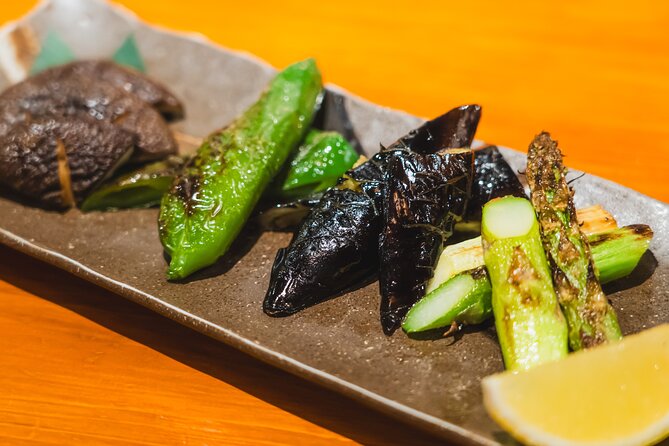
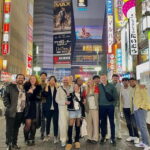
Next you stop at Ginza Mitsukoshi for a short break, including a photo at the main crossing of Ginza’s central street, behind the SEIKO clock tower. It’s only about 10 minutes, and that’s the point. This is not a full sightseeing detour, it’s a quick way to place you in the Ginza geography.
This matters because Ginza can feel confusing when you’re walking. Even if you are familiar with the area from photos, seeing it while you’re already being directed to food spots helps your brain build a map. You’ll leave with better orientation for the rest of your evening.
Stop 3 in Ginza: wagyu BBQ that avoids the usual heavy problem
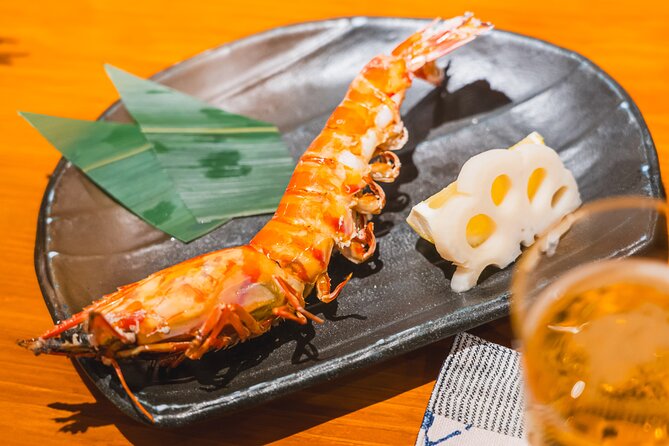
After the photo moment, you head to another Ginza location built around Japanese wagyu BBQ. The food rundown includes wagyu tongue and wagyu beef loin, plus a lemon cocktail.
Here’s the key thing I like about this choice: wagyu can feel heavy or greasy if you eat it the same way you’d eat steak. The tour pairing and format are designed to balance it. The lemon cocktail, in particular, helps you reset between bites so the meat stays enjoyable, not just filling.
A couple of practical notes:
- Pace yourself. The tour aims for 8 to 10 dishes total, so you don’t want to max out at the first rich item.
- If you’re a picky eater, this stop is still relatively straightforward: wagyu-focused BBQ plus a drink pairing.
Stop 4 at the Ginza Corridor Street: Kyoto-style obanzai home cooking
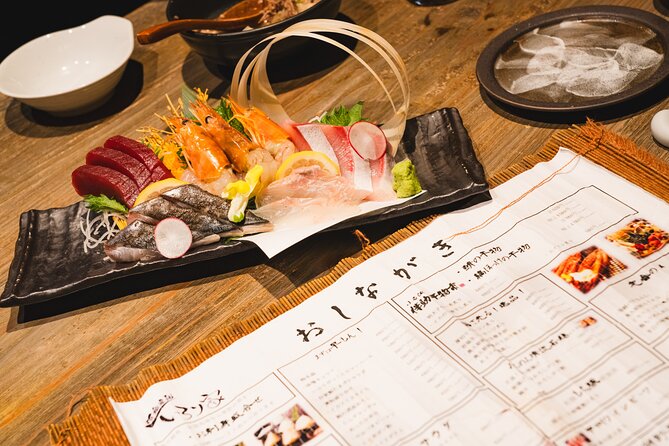
The final main tasting stop is at Ginza Corridor Street, serving obanzai. The description frames obanzai as home cooking that originally came out of Kyoto in the 70s and 80s, centered on everyday side dishes with simple seasoning that lets the ingredients do the work.
Obanzai is one of my favorite styles because it changes how you think about an izakaya meal. Instead of ordering only big ticket items, you end up tasting smaller plates that feel personal and practical. Side dishes are where you learn a lot about Japanese comfort eating, and a guide can explain what you’re tasting without turning the meal into a lecture.
This stop is also a nice contrast to the wagyu moment. If wagyu is about richness, obanzai is about rhythm. You’ll likely leave here feeling like you finally ate like locals rather than like a tourist doing a restaurant checklist.
The hidden izakaya under the tracks: the stop that turns it from good to memorable
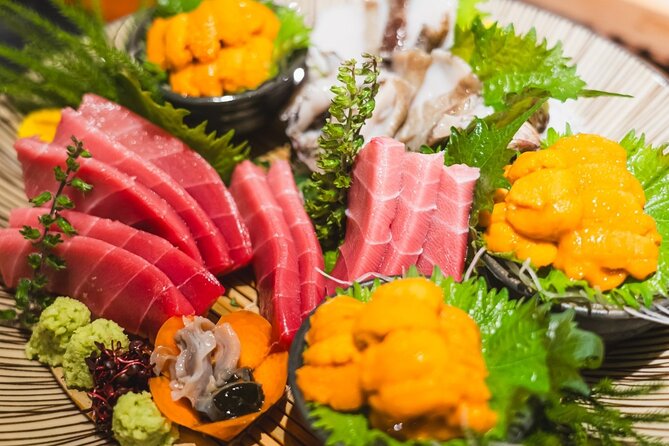
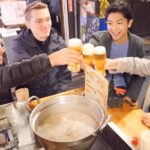
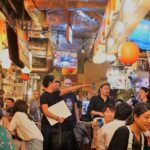
Before the tour wraps, you’ll visit a hole-in-the-wall izakaya alley under the train tracks that opens 24-7. The description calls it hidden but exciting, and the idea is clear: this is where your evening gains that Tokyo nighttime texture that’s hard to find without local direction.
This is also the sort of stop that makes small-group tours worth it. On your own, you might pass it because it doesn’t look like a landmark. With a guide, you get the “how to find it” plus the cultural cue that it’s a normal, ongoing local hangout.
A good mindset for this part is simple: treat it like an add-on, not a final exam. If you already feel full, you can still enjoy the atmosphere and extra time without needing to force more food.
What you actually eat: dishes, drinks, and how to pace the whole evening
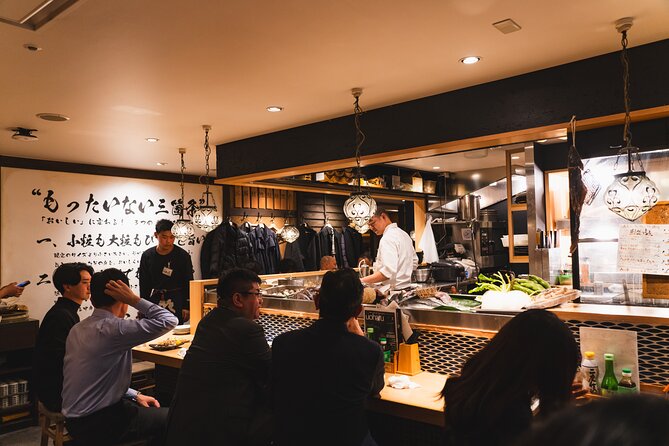
The tour includes 8 to 10 dishes and four drinks. Specific items mentioned include fresh fish and sake at the first stop, wagyu tongue and wagyu loin with a lemon cocktail at the BBQ stop, and Kyoto-derived obanzai at the last main tasting stop.
Because the menu can shift, you should think of the experience as a tasting arc rather than a fixed shopping list. You’ll get seafood, then something rich, then home-style sides, with sake and other drinks spaced across the timeline.
Pacing strategy if you want to enjoy everything:
- Eat a little less at the wagyu stop so you don’t lose the obanzai flavors.
- Sip your drinks steadily rather than in big bursts between courses.
- If you don’t drink alcohol, you might find that the tour can adjust some drink components, but the data only guarantees four drinks including sake, so it’s worth confirming preferences early.
Dietary needs and who this tour suits best
This tour can support vegetarian, vegan, gluten-free, and other dietary restrictions with advanced notice. Just remember the tradeoff: it cannot guarantee an allergy-free or restriction-free outcome because food is prepared in kitchens not controlled by the tour operator.
So who is it for?
- You’ll love it if you want a guided evening that mixes Ginza icons with real izakaya habits.
- You’ll especially enjoy it if you like asking questions about what you’re eating and why locals choose certain dishes.
- It’s also a solid fit if you travel with friends and want a shared food mission in a group capped at 6.
If you have serious allergies, I’d treat this as a “request and verify” situation rather than a guarantee.
The value equation: why $175 can feel fair in Ginza
In Ginza, restaurant choices can be expensive, and figuring out ordering and pacing can be tiring. Here, your money goes toward a guided structure with multiple stops and tastings, plus a guide who brings both food storytelling and practical navigation.
You are not just buying plates. You’re buying:
- Tasting variety (seafood, wagyu BBQ, and obanzai-style sides).
- Multiple drinks (four total, including sake).
- Local navigation across neighborhoods that can be walkable but confusing at night.
- Small-group attention, which makes the experience feel personal instead of assembly-line.
If you’re the type who would otherwise book one restaurant and order blindly, this tour gives you more learning and more flavors for the price.
A realistic look at downsides before you book
The main drawback isn’t the food. It’s expectation management.
First, this is a tasting tour, not a full meal at one restaurant. If you show up with a huge appetite and expect a massive single course dinner, you might still want to eat lightly beforehand.
Second, dietary restrictions are treated as possible adjustments, not guaranteed substitutes. If allergies are involved, plan to communicate early and stay flexible about the exact dish list.
Third, the schedule is fixed and starts at 5:00 pm. If you want a very late night start, this may not match your ideal pace.
Who should book Tokyo Ginza Authentic Food Tour
Book this tour if you want an evening that feels grounded in how Tokyo actually eats. This is especially good for first-time visitors who feel comfortable walking and want help finding places tourists usually skip.
You should also book it if you like eating across styles: seafood into wagyu, then into obanzai side dishes. That arc is a big part of why the night works.
If you hate group tours, or if you want total control over every order, you may prefer building your own izakaya path. But if you want someone to handle the route and the tastings, this is a strong match.
FAQ
What is the cost of the Tokyo Ginza Authentic Food Tour?
The tour costs $175.00 per person.
How long is the tour?
The experience runs about 3 to 4 hours.
Where does the tour start and when?
It starts at 5:00 pm at 7-Eleven Yūrakuchō Ekimae. It ends at Ginza Karin.
What’s included in the tastings and drinks?
The tour includes 3 food stops, with 8 to 10 dishes and four drinks, including sake.
What size is the group?
The maximum group size is 6 travelers.
Can the tour accommodate dietary restrictions?
With advanced notice, the tour may support dietary restrictions like vegetarian, vegan, and gluten-free. However, the operator cannot guarantee an allergy-free or restriction-free outcome since some stops use kitchens not owned by the tour provider.
What is the cancellation policy?
You can cancel for a full refund if you cancel at least 24 hours before the experience start time. If you cancel less than 24 hours before, the amount paid is not refunded.
Lantern Light and Late Counters
Central Tokyo Landmarks

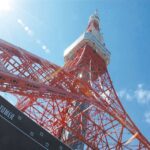
Newest Tokyo write-ups from the Loving Japan desk

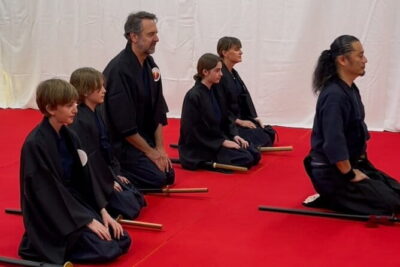
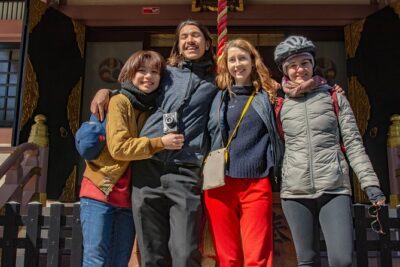
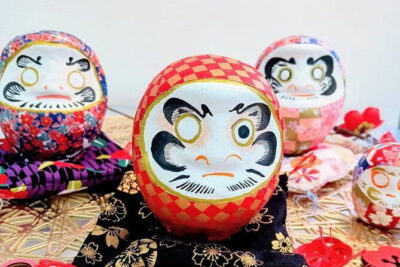
Tokyo Tower, Ginza and the Imperial Palace, side by side.
 ★ 5.0Flagship 2-Hours Official Street Go-Kart Tour – Tokyo Bay ShopFrom $644,974 reviews
 ★ 4.6Tokyo Tower: Admission TicketFrom $93,661 reviews
 ★ 5.0Imperial Palace and Shogun Historical Walking TourFrom $222,251 reviews
 ★ 4.7Meiji Shrine, Asakusa, Skytree Bus Tour and CruiseFrom $1221,986 reviews
 ★ 4.8Chopstick Making Workshop in GinzaFrom $251,366 reviews
 ★ 4.5Tokyo Panoramic 1 Day: Meiji Shrine, Asakusa, Odaiba and SKYTREE®From $851,222 reviews
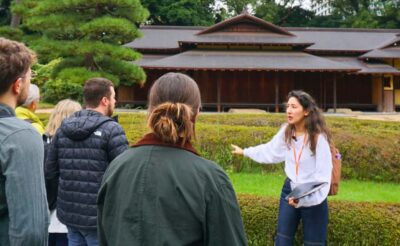 ★ 4.9Imperial Palace Japanese History Walking TourFrom $32987 reviews
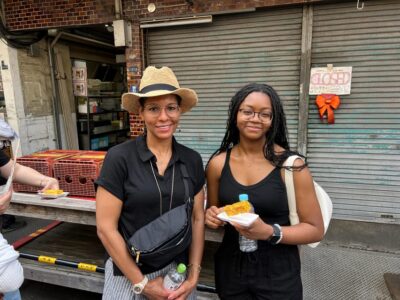 ★ 4.9Imperial Palace and Shogun Walking TourFrom $16935 reviews