
REVIEW · TOKYO TOWER, GINZA AND THE IMPERIAL PALACE
Tokyo: Imperial Palace, the history of Japan (ENGLISH GUIDE)
The palace grounds read like a history book. On this guided walk, the eastern gardens turn into a living timeline, with clear explanations of how Japan changed over centuries.
I especially like the way the guide points out small details you would miss on your own, from the palace remnants to the best stops for photos. You also get a real highlight: special koi that are said to be unique to this place.
One heads up before you go: this tour does not include access to the inner palace, so you will be exploring the grounds from the public areas with guided context.
In This Review
- Key things I think you will care about
- Finding your guide at Wadakuramon Fountain Park (and not stressing)
- Through Otemon: the palace grounds start making sense
- Eastern Gardens and the Oriental Garden: quiet walking with photo stops
- Former soldiers’ barracks and the practical side of power
- The koi highlight: rare, specific, and very worth waiting for
- Trees from different prefectures: a map you can walk
- Edo Castle’s former base: more than 350 years of layering
- Why the guide makes or breaks this tour (Nicolas included)
- Price and value: what $40 buys you (and what it does not)
- Who this Imperial Palace history tour fits best
- Should you book? My practical take
- FAQ
- What is the meeting point for the Tokyo Imperial Palace history tour?
- How do I get to the meeting point from Tokyo Station or Otemachi Station?
- Is access to the inner palace included?
- What language is the tour guide?
- What are the main highlights of the tour?
- How strict are the rules during the tour?
- What if I arrive late to the meeting point?
- How flexible is cancellation?
Key things I think you will care about
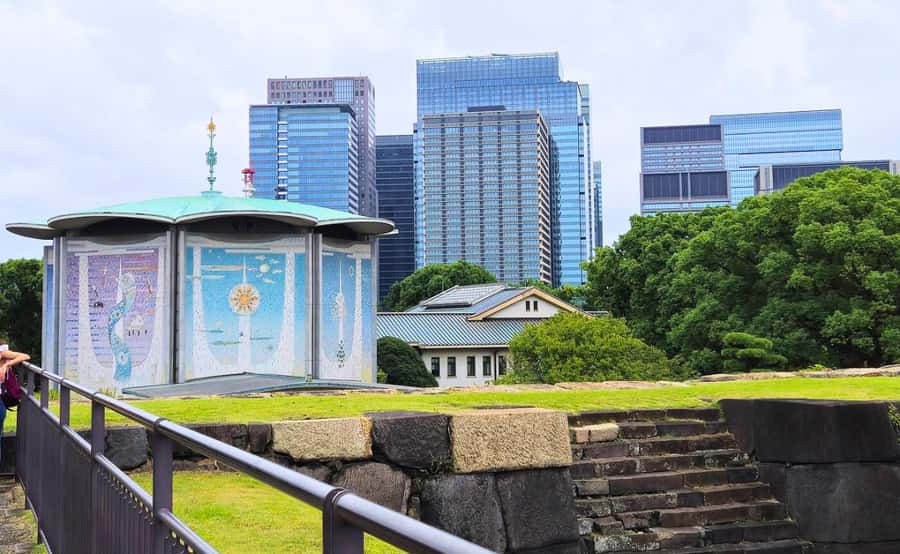
- Otemon main gate entry with a guide explaining why the main castle is gone
- Eastern and Oriental Gardens plus photo-friendly viewpoints
- Rare koi only found in this area
- Former soldiers’ barracks history and how the site functioned
- Trees from different prefectures of Japan as a living map of place
- A route tied to Edo Castle’s former base, more than 350 years back
The central Tokyo landmarks, reviewed one by one
- Flagship 2-Hours Official Street Go-Kart Tour – Tokyo Bay Shop
★ 5.0 · 4,974 reviews - Tokyo: Imperial Palace and Shogun Historical Walking Tour
★ 5.0 · 2,251 reviews - Tokyo: Meiji Shrine, Asakusa, Skytree Bus Tour and Cruise
★ 4.7 · 1,986 reviews - Tokyo Panoramic 1 Day: Meiji Shrine, Asakusa, Odaiba and SKYTREE®
★ 4.5 · 1,222 reviews
Finding your guide at Wadakuramon Fountain Park (and not stressing)
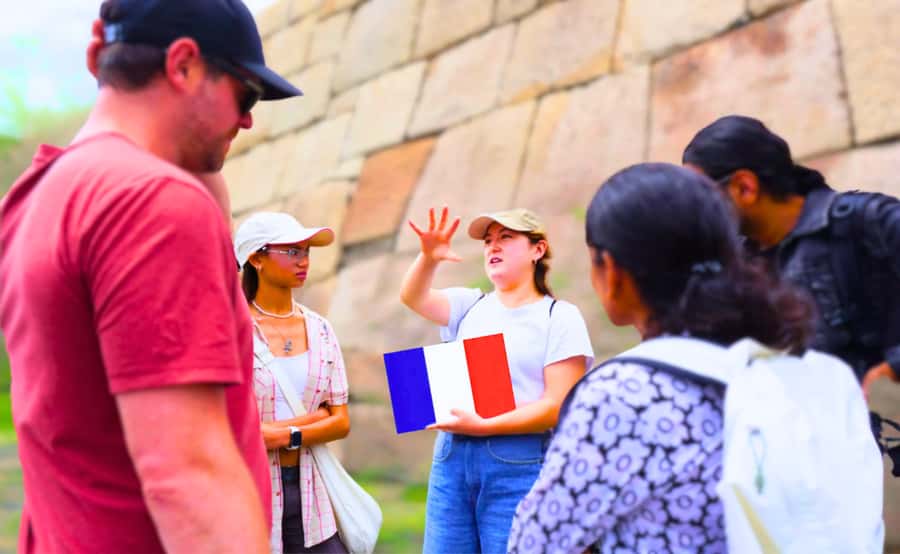
Start with the trains, then do the easy walk. You can head to Tokyo Station or Otemachi Station, then it is about a 5 to 10 minute walk to Wadakuramon Fountain Park. In the park, go toward the Starbucks. Your guide will be waiting near the fountain, holding a sign that says SUNRISE ADVENTURE.
This matters more than it sounds. Tokyo station areas are big, and the best tours win on first impressions. If you show up late, the tour starts without you if you are not there within 10 minutes of the meeting time, so I suggest building in a buffer.
Also note the tour runs in good weather or bad. Wear what you would wear for a real walk, not a “maybe the sun comes out” outfit. And keep it simple on rules: no smoking, no drones, no alcohol or drugs, no littering, and no skateboards.
Through Otemon: the palace grounds start making sense
Once you meet your guide, you head to the main gate, Otemon. Walking through a large gate like that gives you an immediate change in mood. This is not just a pretty stroll. The guide sets the tone by connecting what you are seeing to what came before.
Then comes one of the tour’s core storytelling moments: the fact that the main castle no longer exists. The guide explains why, and the point is not trivia. It helps you understand the logic of the site today. You start to see why the Imperial Palace grounds feel both formal and strangely open, because you are looking at a place shaped by absence as much as presence.
You will also get a chance to see a miniature structure of the former palace. If you are the kind of person who wants the full picture, that small model helps you mentally rebuild what used to be there.
Eastern Gardens and the Oriental Garden: quiet walking with photo stops
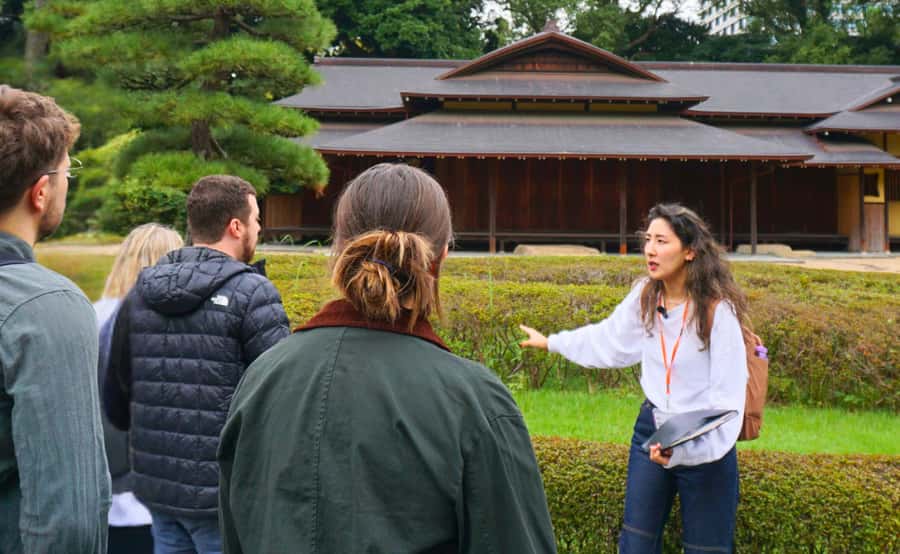
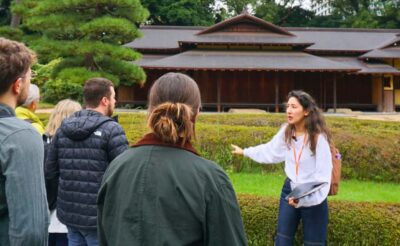
The best part of this tour, in my book, is how calmly it teaches. You are moving through the eastern gardens of the former Edo Palace, then into the Oriental Garden, so the scenery supports the story instead of competing with it.
As you go, your guide helps you notice garden logic: where pathways lead, what kinds of plantings you are looking at, and how the space is meant to feel serene. That matters because the Imperial Palace grounds can look like “just trees” if you are not given context.
And yes, there are explicit photo opportunities built into the route. The guide is paying attention to angles and sightlines, so you are not stuck taking snapshots from the wrong place behind the wrong barrier. If you like travel photos, this is the sort of tour where you come home with images that actually match the feeling of the place.
- Mt Fuji and Hakone 1-Day Bus Tour Return by Bullet Train★ 5.0 · 26,383 reviews
- 1-Day Tokyo Bus Tour★ 5.0 · 14,250 reviews
- Tokyo: teamLab Planets TOKYO Digital Art Museum Entry Ticket★ 4.6 · 9,779 reviews
- Mt Fuji & Hakone Cruise, Drum Show Bullet Train 1 Day from Tokyo★ 4.0 · 7,413 reviews
- Tokyo: Shinjuku Food Tour (13 Dishes at 4 Local Eateries)★ 5.0 · 6,603 reviews
Former soldiers’ barracks and the practical side of power

This tour does not only stay in the ornamental world. You also visit areas tied to the history of former soldiers’ barracks. The value here is that you get a more grounded view of how power worked on the ground, not only at the top.
What I like about adding the barracks story is that it connects imperial symbolism to daily life. You can stand in the gardens and still understand the site as part of the systems that ran Edo-era Japan.
If you are into history but not into museum fatigue, this is a good balance. You walk, you look, and you get targeted explanations tied to the exact spot you are standing near.
The koi highlight: rare, specific, and very worth waiting for
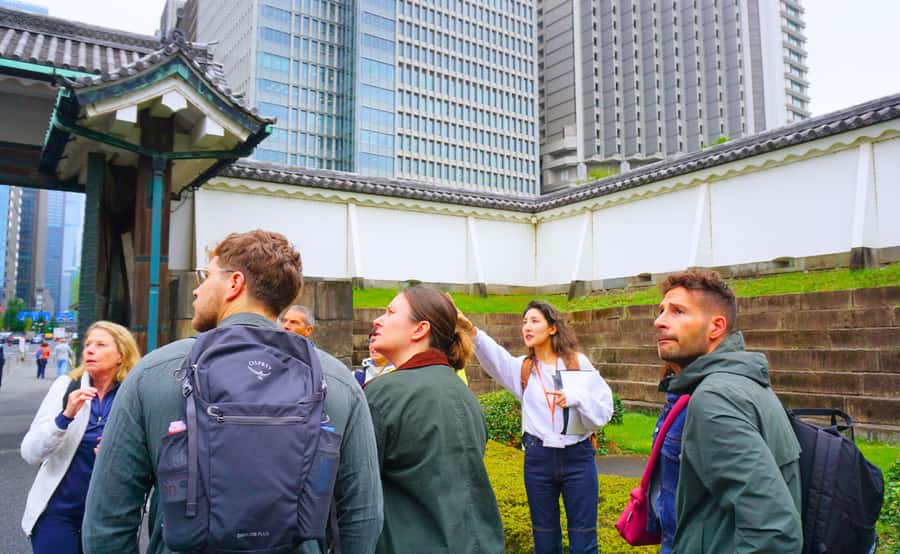
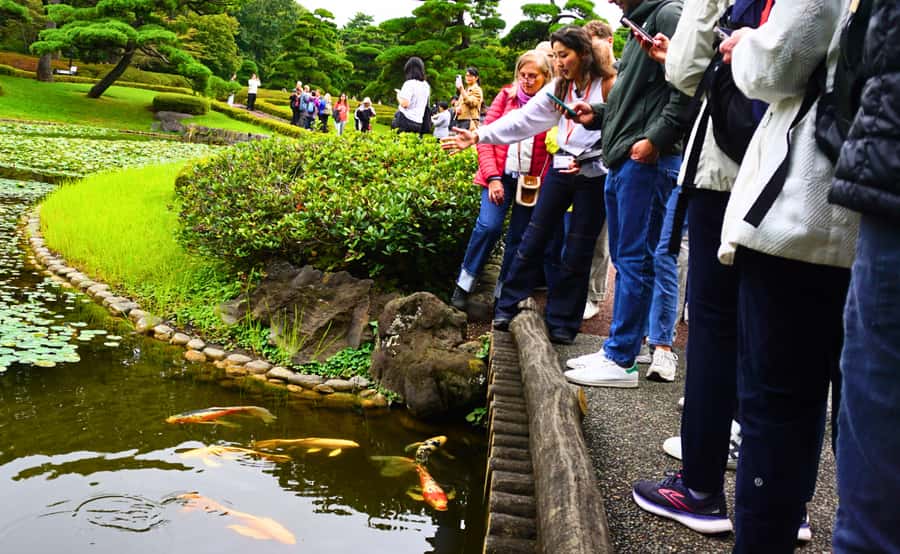
One of the tour’s standout moments is the stop for special koi. The description calls them a unique breed that can only be found here.
This is the kind of detail that makes the whole experience feel less generic. Most palace-area tours talk about big names. This one adds a very local living element. The koi are not just a gimmick either. They fit the garden setting, and they give the guide a reason to talk about the site in a more specific, sensory way.
If you like animals on your trips, keep your eyes open here. This is not a long zoo visit. It is a single, memorable moment that breaks up the historical flow.
Trees from different prefectures: a map you can walk
Another detail I found useful from the tour description is the section that lets you see trees from different prefectures of Japan. That can sound like garden filler until you realize what it does.
It turns the Imperial Palace grounds into a kind of physical representation of the country. You are not just learning about Japan through documents or dynasties, you are learning through living examples of place and region.
It also gives your guide an easy way to compare. Instead of “here is another tree,” you get a guided way to understand why different prefectures might be represented here and what that representation signals.
Edo Castle’s former base: more than 350 years of layering
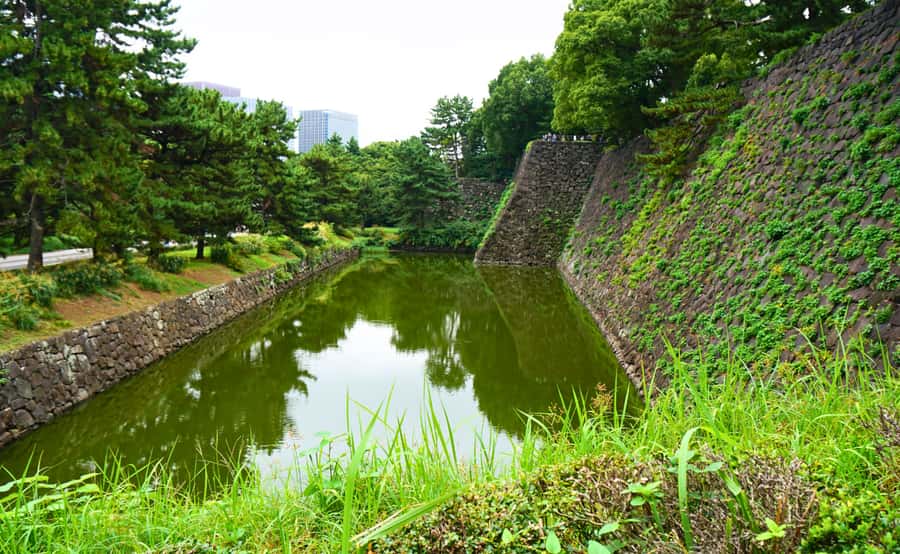
The tour includes a visit tied to the former base of Edo Castle, described as dating back more than 350 years. This is where the story starts stacking.
Edo Castle is one of the big foundations for understanding how modern Japan took shape. With this tour, you do not just hear about it in abstract terms. You get to stand in the area where the past is literally layered, and your guide ties it to the evolution from the Edo period toward Japan’s later identity.
This kind of layering is why the tour feels worthwhile, even though you are not going inside the inner palace. The grounds you can access still give you enough spatial context to make the history click.
Why the guide makes or breaks this tour (Nicolas included)
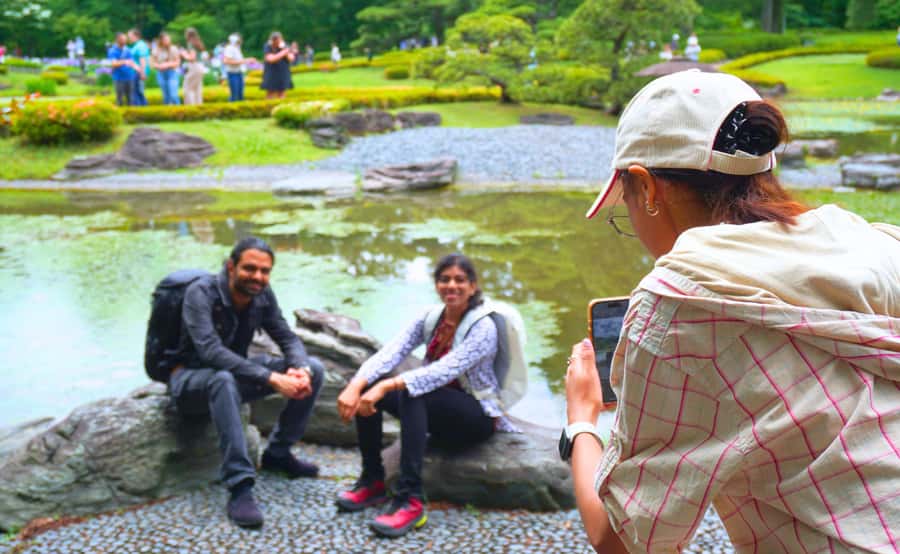
The guide is the engine here. The experience leans hard on explanation, not just scenery.
In the reviews, Nicolas, a Franco-Japanese guide, comes up as a major reason people loved the tour. The praise is consistent: the guide has a lot of knowledge, answers questions easily, and brings the material down to real-world understanding.
One review highlights that the guide answered lots of questions about Japanese mythology, Japan in general, and even language. That kind of Q and A is a big deal. If you like asking why something is the way it is, you will likely enjoy the back-and-forth.
Also, the group can be friendly because it may run small. One example mentioned a group of 5, which makes it easier to speak with the guide and keep your questions flowing without feeling like you are competing for time.
Price and value: what $40 buys you (and what it does not)

At $40 per person, you are paying for a guided historical walking tour plus interpretation for the gardens and palace grounds you would otherwise visit at your own pace.
Here is the practical value equation I see:
- You get a French guide who explains what you are seeing, instead of wandering and guessing.
- You get structured stops, including the Otemon gate area, garden sections, barracks history, koi viewing, and Edo Castle base context.
- You get help with photo locations, which is harder to figure out without local guidance.
Here is the part to be honest about. This tour does not include access to the inner palace. So if your dream is to get as close as possible to the most restricted areas, you will want a different option. But if you want to understand what you can see, in a way that feels coherent, this price can feel fair.
Who this Imperial Palace history tour fits best
This tour is a strong match if you:
- Want history that explains how Japan became itself, not just a list of facts
- Like gardens, but only when they come with meaning
- Enjoy koi and small details that are tied to a specific place
- Want photo help without turning your day into a photo shoot
It may be less satisfying if you only care about inner-palace access, since that is explicitly not included. Also, if you hate walking, this will not be the smoothest fit, because it is built as a walking tour of multiple zones on the grounds.
Should you book? My practical take
I think you should book this tour if your priority is context. The gardens are beautiful, but the real win is the guided explanation that connects the palace grounds to Japan’s changing eras. The koi stop and the photo guidance add real day-to-day joy, not just academic content.
Skip or look elsewhere if inner palace access is the whole point for you. Also, go in knowing it is a guided route, so arrive on time, dress for weather, and plan to spend your energy walking and asking questions.
If that sounds like your kind of Tokyo day, this is a solid way to get more than surface sightseeing from the Imperial Palace area.
FAQ
What is the meeting point for the Tokyo Imperial Palace history tour?
The tour starts at a Starbucks near Wadakuramon Fountain Park. Your guide will be waiting near the fountain holding a sign that says SUNRISE ADVENTURE.
How do I get to the meeting point from Tokyo Station or Otemachi Station?
From Tokyo Station or Otemachi Station, you walk about 5 to 10 minutes to Wadakuramon Fountain Park, then head to the Starbucks near the fountain.
Is access to the inner palace included?
No. This tour does not include access to the inner palace.
What language is the tour guide?
The tour is listed as using a French guide.
What are the main highlights of the tour?
You will explore the eastern gardens and palace grounds, learn Japan’s history and evolution to the present, visit areas linked to Edo Castle and former barracks, see special koi found here, and get help finding good photo spots.
How strict are the rules during the tour?
Smoking, drones, alcohol and drugs, littering, and skateboards are not allowed.
What if I arrive late to the meeting point?
If you do not show up within 10 minutes of the meeting time, the tour will start without you.
How flexible is cancellation?
You can cancel up to 24 hours in advance for a full refund.
Central Tokyo Landmarks



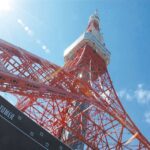
Newest Tokyo write-ups from the Loving Japan desk

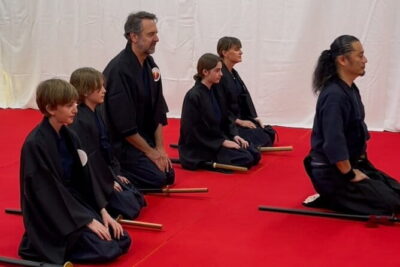
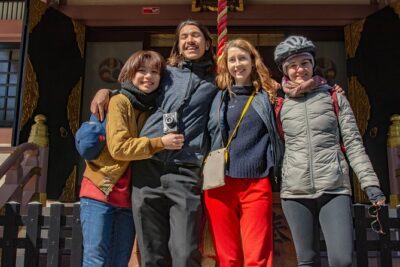
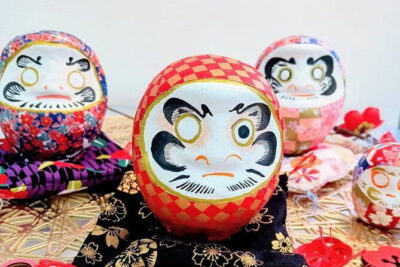

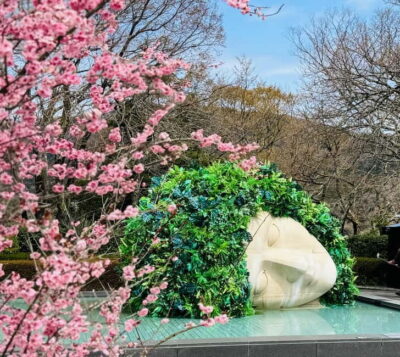
Tokyo Tower, Ginza and the Imperial Palace, side by side.
 ★ 5.0Flagship 2-Hours Official Street Go-Kart Tour – Tokyo Bay ShopFrom $644,974 reviews
 ★ 4.6Tokyo Tower: Admission TicketFrom $93,661 reviews
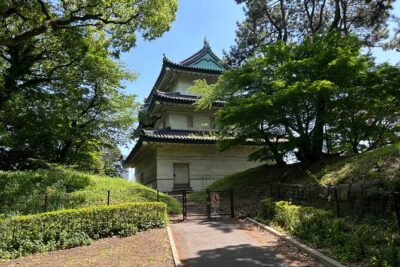 ★ 5.0Imperial Palace and Shogun Historical Walking TourFrom $222,251 reviews
 ★ 4.7Meiji Shrine, Asakusa, Skytree Bus Tour and CruiseFrom $1221,986 reviews
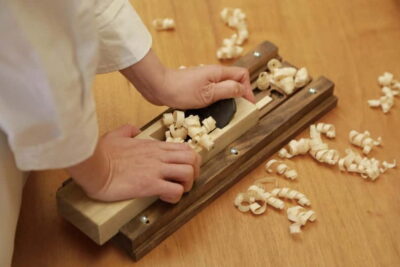 ★ 4.8Chopstick Making Workshop in GinzaFrom $251,366 reviews
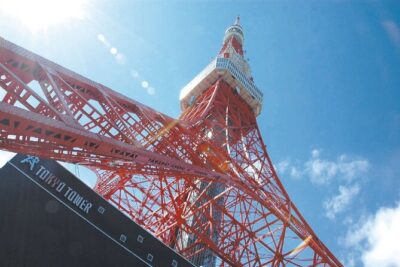 ★ 4.5Tokyo Panoramic 1 Day: Meiji Shrine, Asakusa, Odaiba and SKYTREE®From $851,222 reviews
 ★ 4.9Imperial Palace Japanese History Walking TourFrom $32987 reviews
 ★ 4.9Imperial Palace and Shogun Walking TourFrom $16935 reviews
Filed on these lists too